At first glance, Phāea Cretan Malia has all the hallmarks of a classic beach resort. Families pad around in swimsuits, and low-rise rooms with private terraces line pathways that snake from the pools down to the water.
Courtesy Phāea Cretan Malia
Courtesy Phāea Cretan Malia
Courtesy Phāea Cretan Malia
Courtesy Phāea Cretan Malia
Courtesy Phāea Cretan Malia
Courtesy Phāea Cretan Malia
Courtesy Phāea Cretan Malia
Courtesy Phāea Cretan Malia
Courtesy Phāea Cretan Malia
Courtesy Phāea Cretan Malia
Courtesy Phāea Cretan Malia
Courtesy Phāea Cretan Malia
Courtesy Phāea Cretan Malia
Courtesy Phāea Cretan Malia
Courtesy Phāea Cretan Malia
Courtesy Phāea Cretan Malia
Courtesy Phāea Cretan Malia
Courtesy Phāea Cretan Malia
Courtesy Phāea Cretan Malia
Courtesy Phāea Cretan Malia
Courtesy Phāea Cretan Malia
Courtesy Phāea Cretan Malia
Courtesy Phāea Cretan Malia
Courtesy Phāea Cretan Malia
Then you start to notice the details. Unshelled Cretan almonds are left in your room with a nutcracker. The indoor-outdoor gym is tucked among the trees, making a morning workout feel a little like exercising in a treehouse. At breakfast, local honey and Phāea’s freshly pressed olive oil give the spread a distinctly Cretan bent. The beach isn’t somewhere you shuttle to or hike down a cliff to reach, either—it’s right outside your room, with a bar on the sand and a crêpe stand nearby. This is definitely a family resort, but in many ways a grown-up one. The food is genuinely good, the design thought out, and the service personal.
When
Aim for late May through June or September into early October: The sea is swimmable, temperatures hover in the 70s, and you sidestep the July–August crush. As a rough gauge, in 2025, Crete’s airports handled about 40 percent fewer passengers in May than at the August peak; September remained relatively busy, at only about 17 percent below August. May also catches the island while the landscape is still green and flowering, while September overlaps with village panigyria (traditional festivals) and the grape harvest. For families tied to school holidays, July and August deliver reliably hot beach weather, but expect the highest rates and busiest version of Malia.
Where
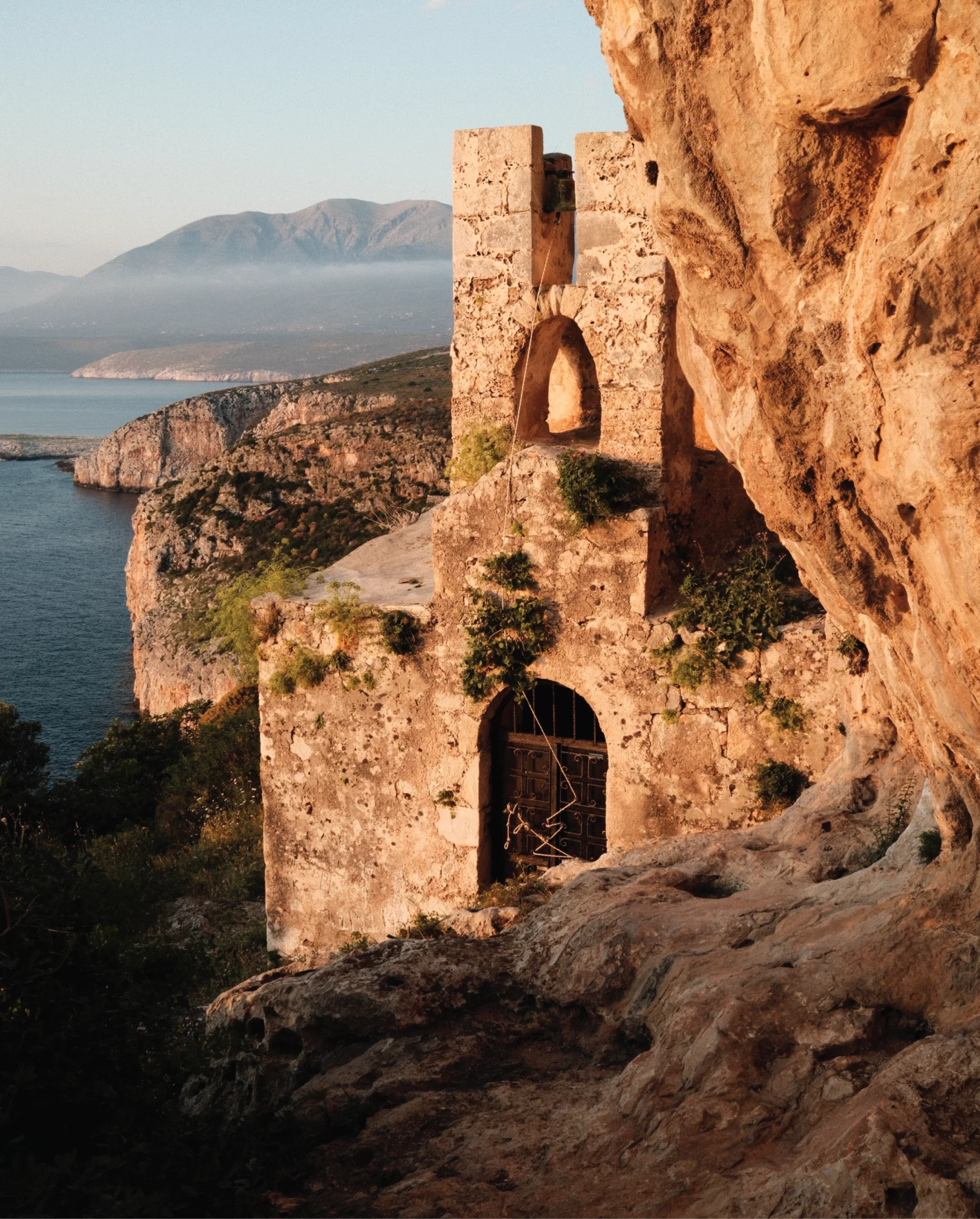
Phāea Cretan Malia is on Crete’s north coast, about 30 minutes east of Heraklion airport, with the sea on one side and the mountains of Lasithi rising behind it. Malia’s busy—and unapologetically honky-tonk—resort strip is nearby, but the hotel occupies a quieter beachfront pocket away from the clubs and package-tour bustle. Drive 10 minutes inland to reach the old village of Malia’s narrow lanes and tavernas; from there, the road climbs toward Krasi, known for its towering centuries-old plane tree, and the Lasithi Plateau, a high agricultural plain ringed by mountains. The Minoan Palace of Malia, one of Crete’s major Bronze Age sites, is just a few minutes down the coast.
Design
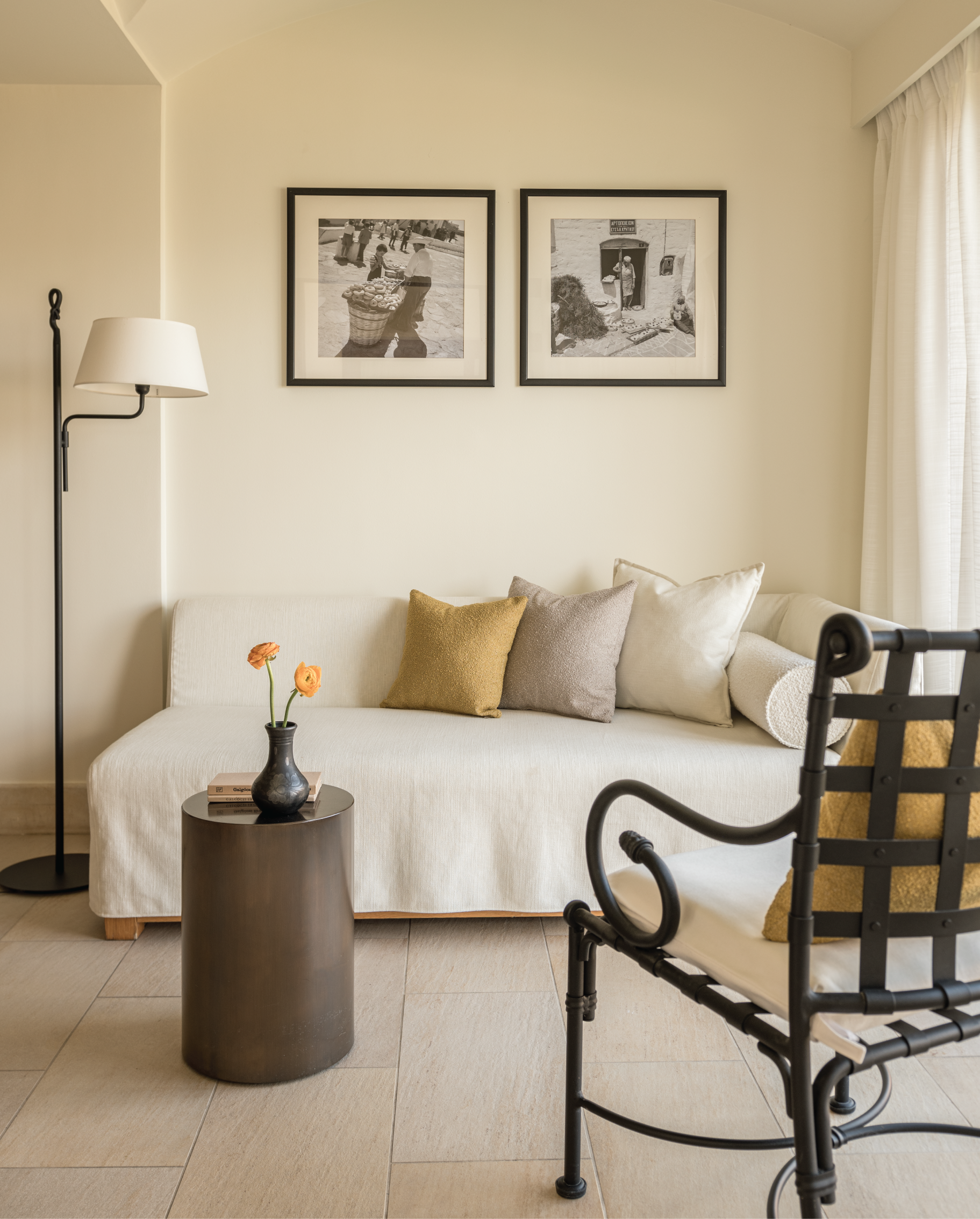
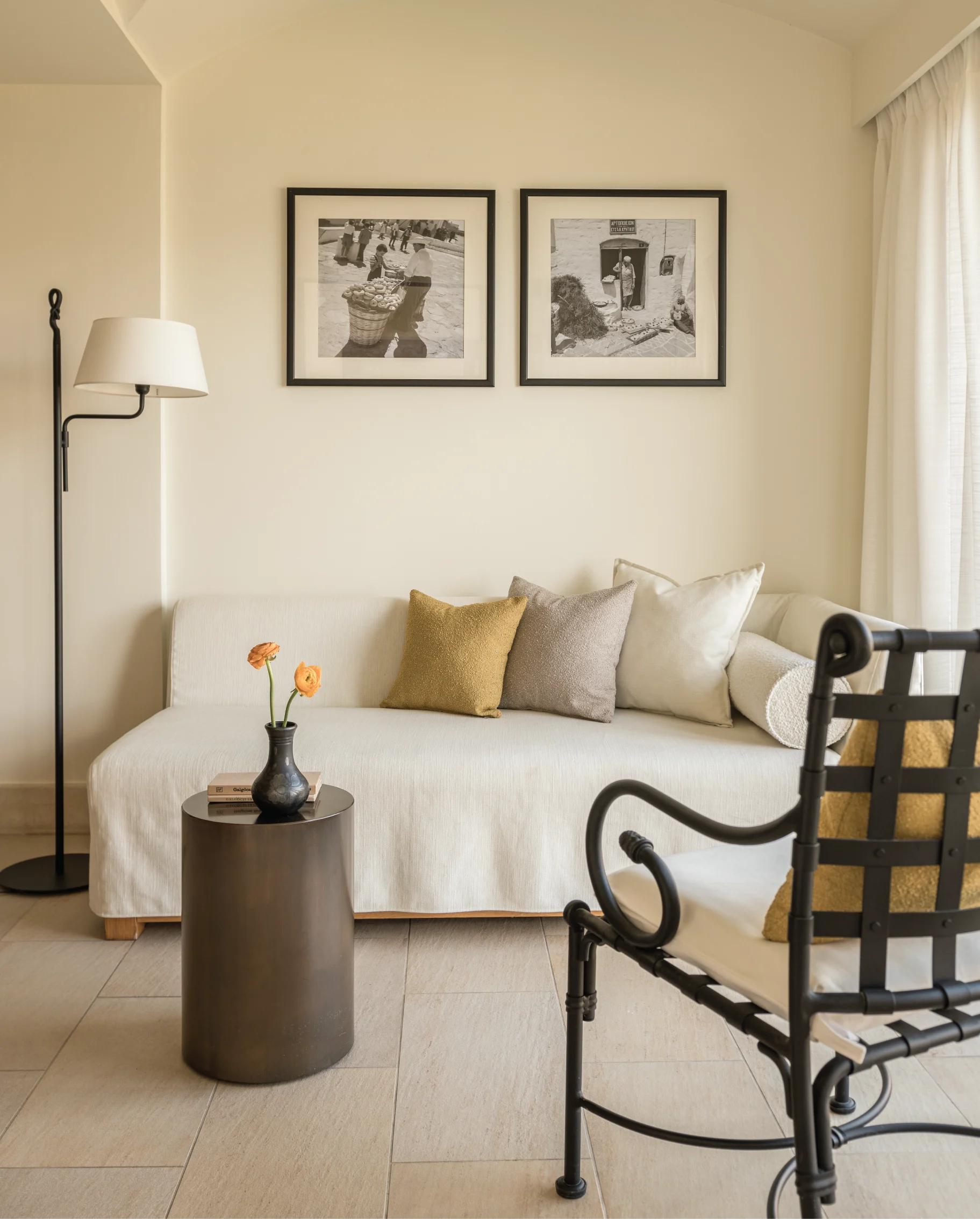
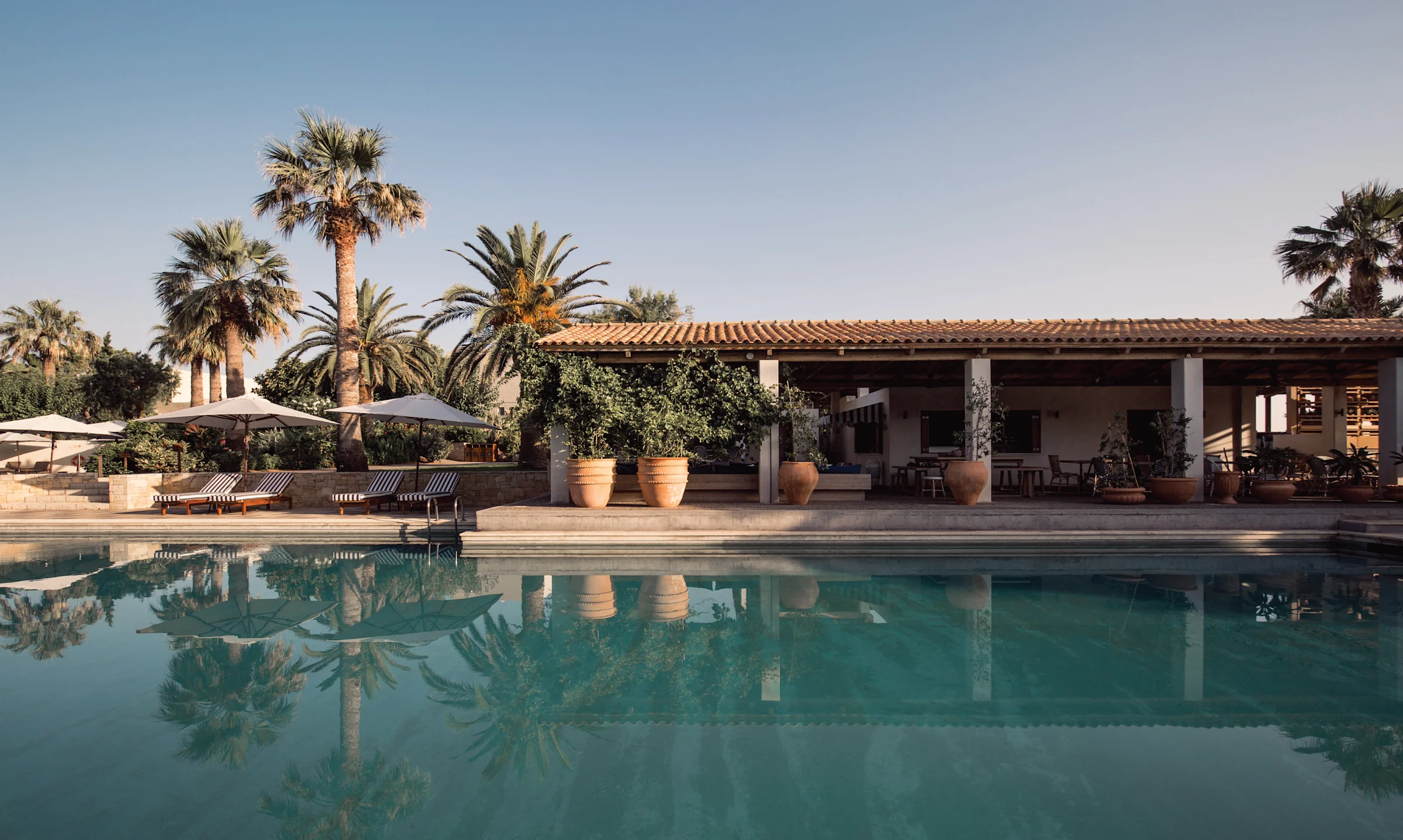
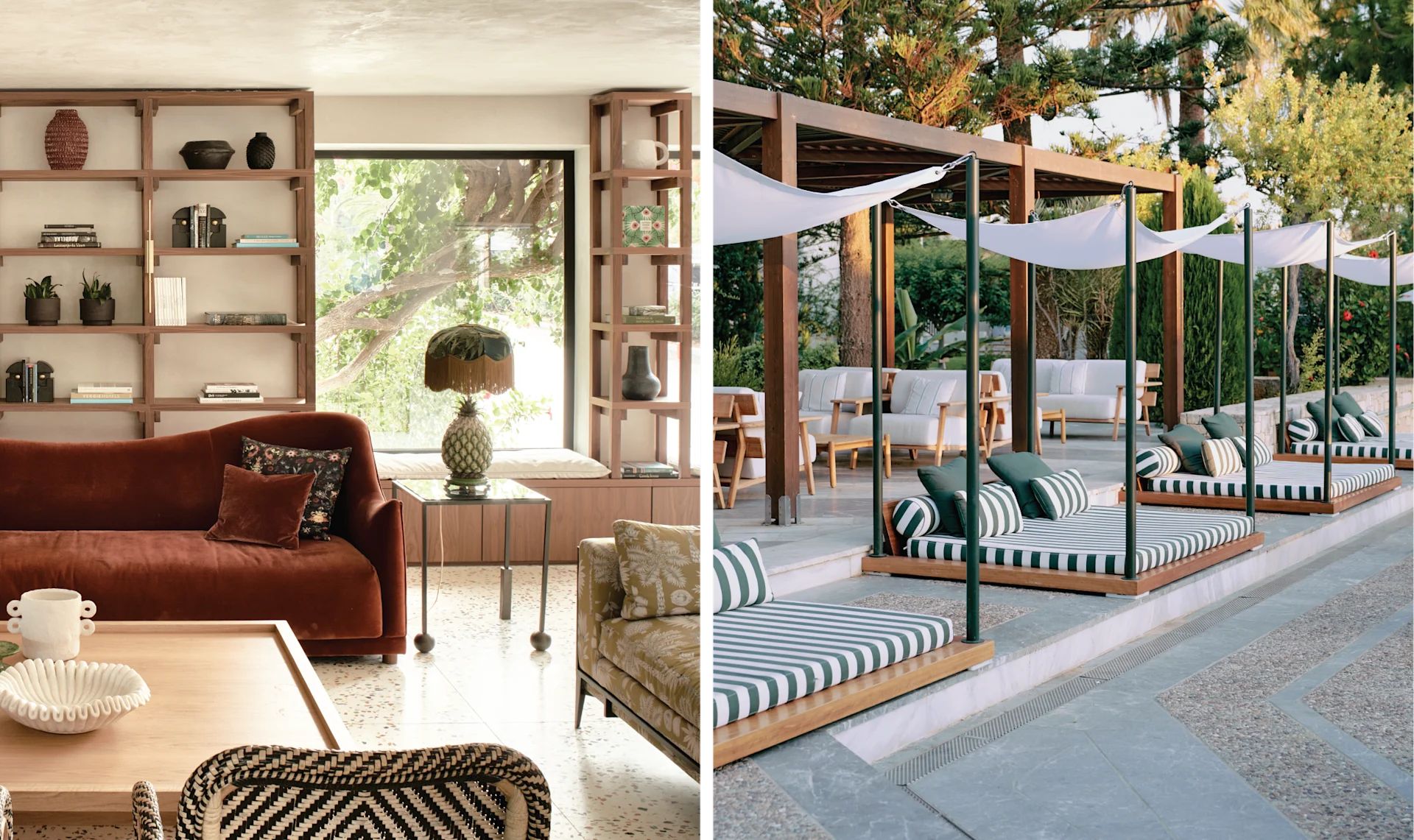
The low white buildings date to the 1980s and are surrounded by mature palms, banana trees, cacti, and bougainvillea that give the resort the kind of lush, lived-in character a new hotel would take decades to achieve. Architect Vana Pernari’s 2019 renovation pared back the interiors and kept them relaxed, with pale woods, woven furniture, rough ceramics, stone, and muted blues and greens. Contemporary Greek art appears throughout, including work by brothers Thanasis and Dimitris Kretsis.
Rooms
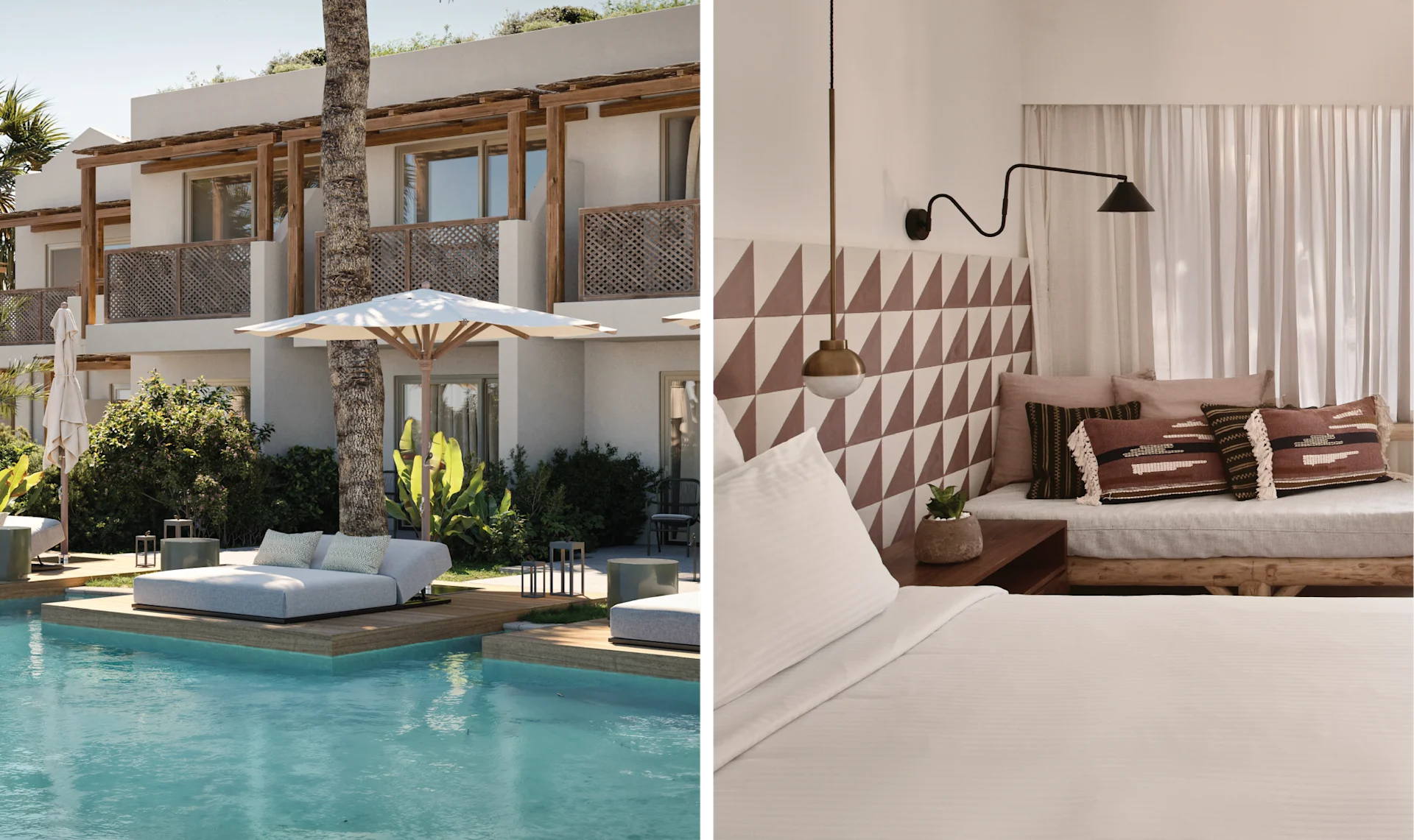
Rooms are inviting and unfussy, with white walls, pale wood, rattan, and soft blues that bring the beachy feel indoors. Most have a balcony or terrace, while higher categories add gardens or private pools. Some entry- and mid-level rooms are short on natural light, so it’s worth asking about this before booking, particularly for a longer stay. Families should look to the Deluxe Family Bungalows, whose built-in bunks are perfect for traveling with little ones in tow.
Dining
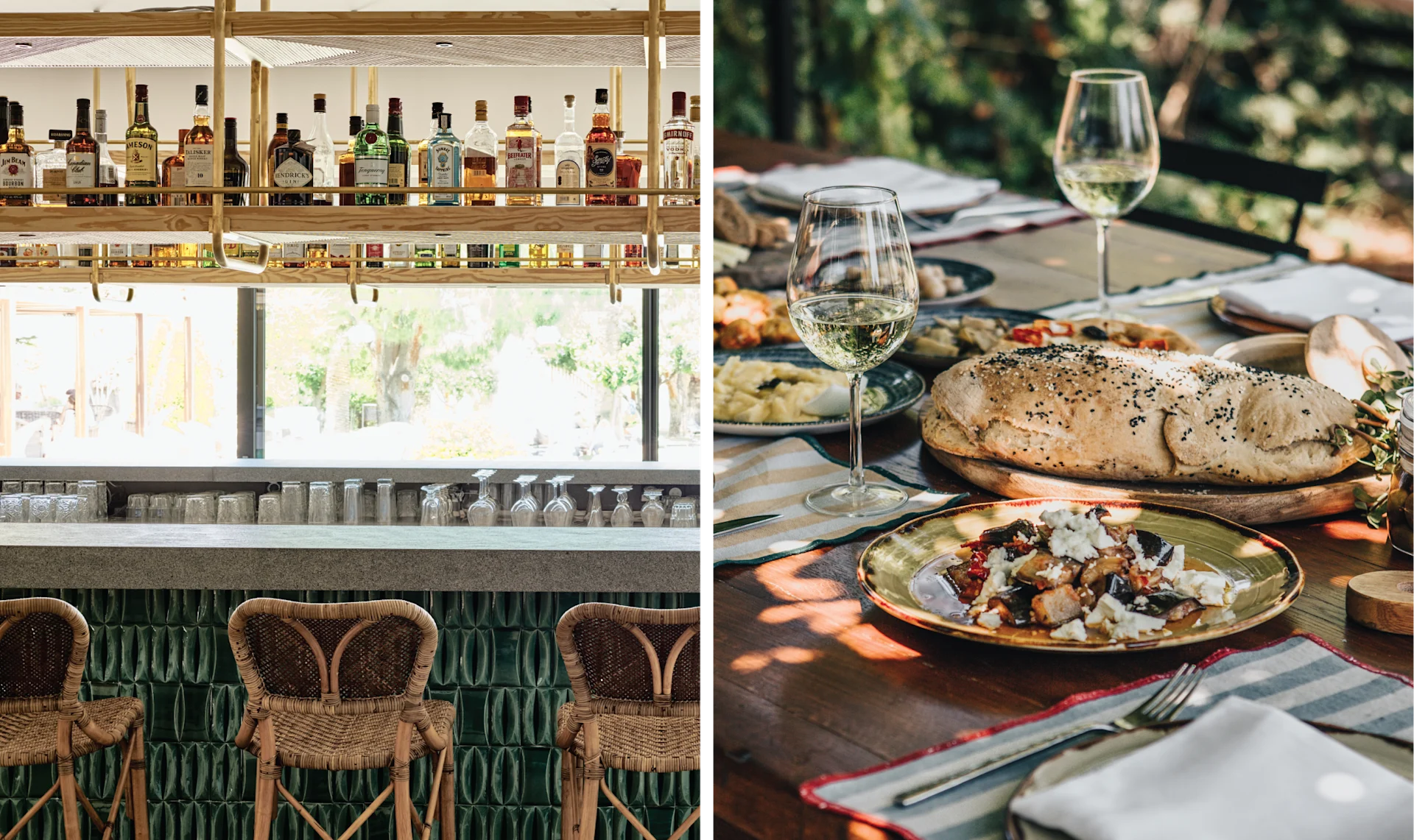
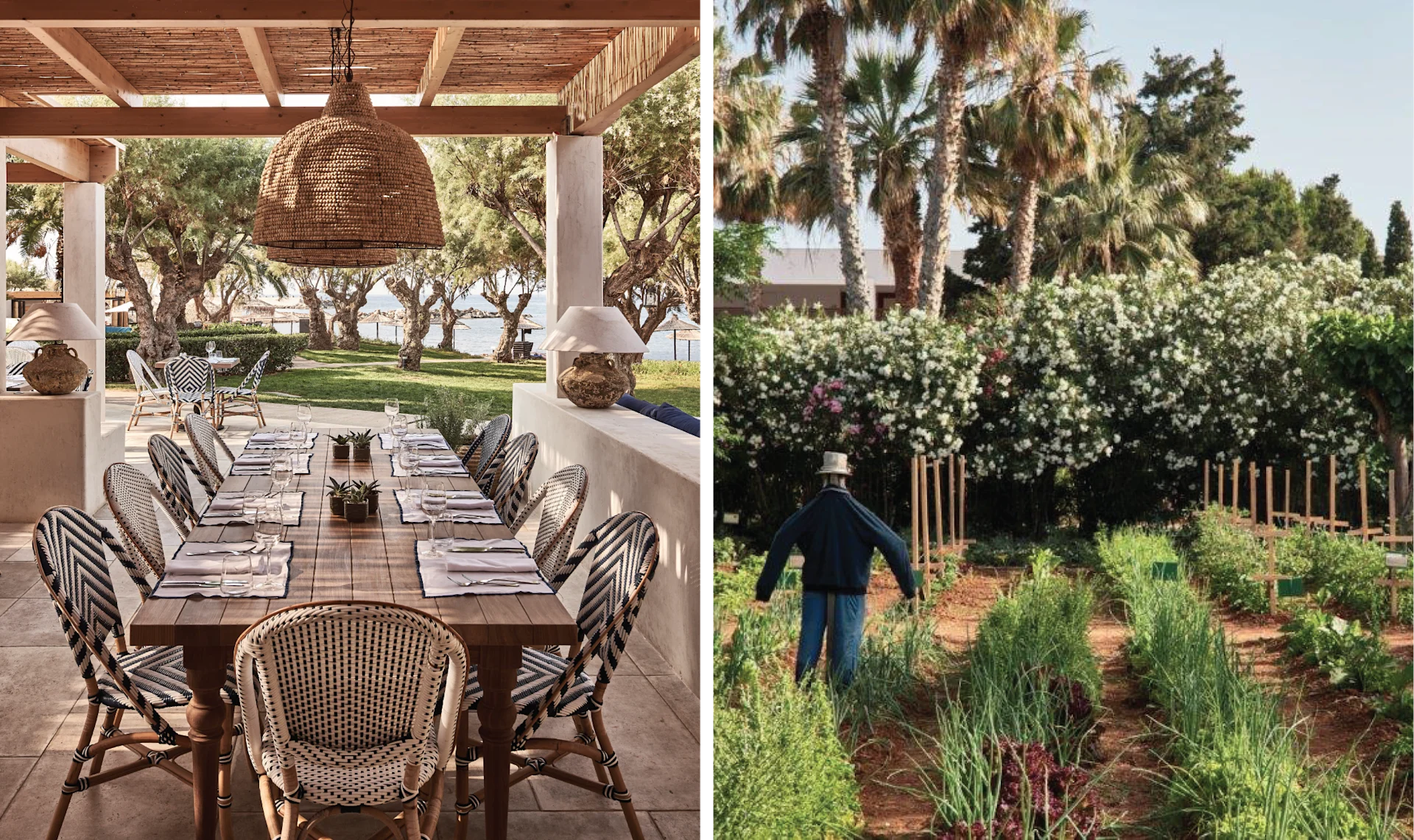
Mouries is the restaurant to seek out for Cretan cooking, with tables outside and an open grill turning out locally caught fish, steaks, and vegetables from the on-site garden. This is a great place to try the island’s famous dakos, a dish of round barley rusks topped with grated tomato, olive oil, and tangy myzithra cheese; white anchovies arrive simply dressed with caperberries and parsley.
A few steps away, Almyra skews Italian, slinging crisp-crusted pizzas from an outdoor stone oven, while breakfast at the indoor-outdoor Mediterraneo doubles as a crash course in the Cretan pantry: bougatsa filled with semolina cream, several kinds of kalitsounia (hand pies), halva, barley rusks, olives, and the estate’s honey and olive oil. With tahini, sesame sweets, and honey also in the mix, you’re reminded just how close Crete’s foodways run to those of the Middle East.
Wellness
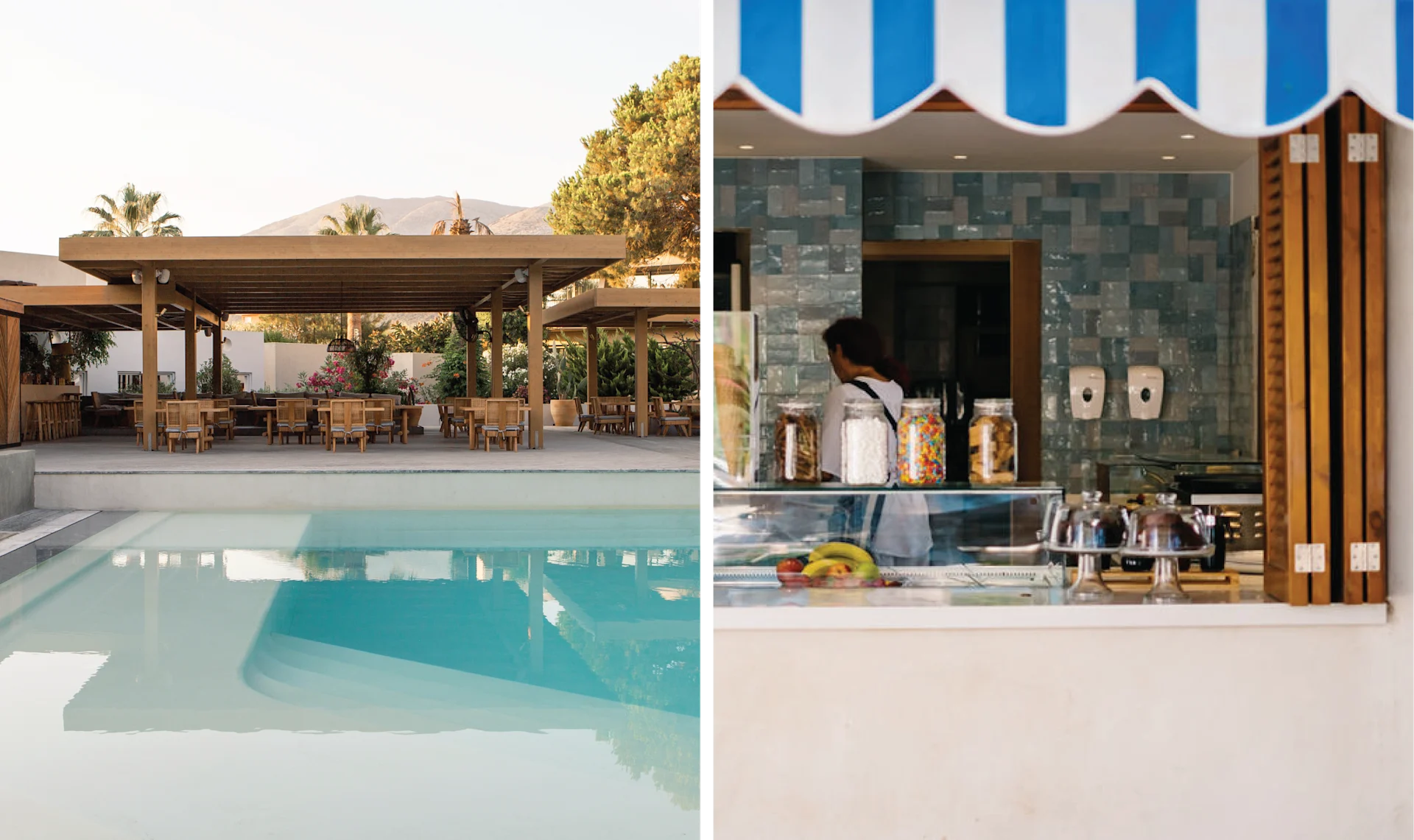
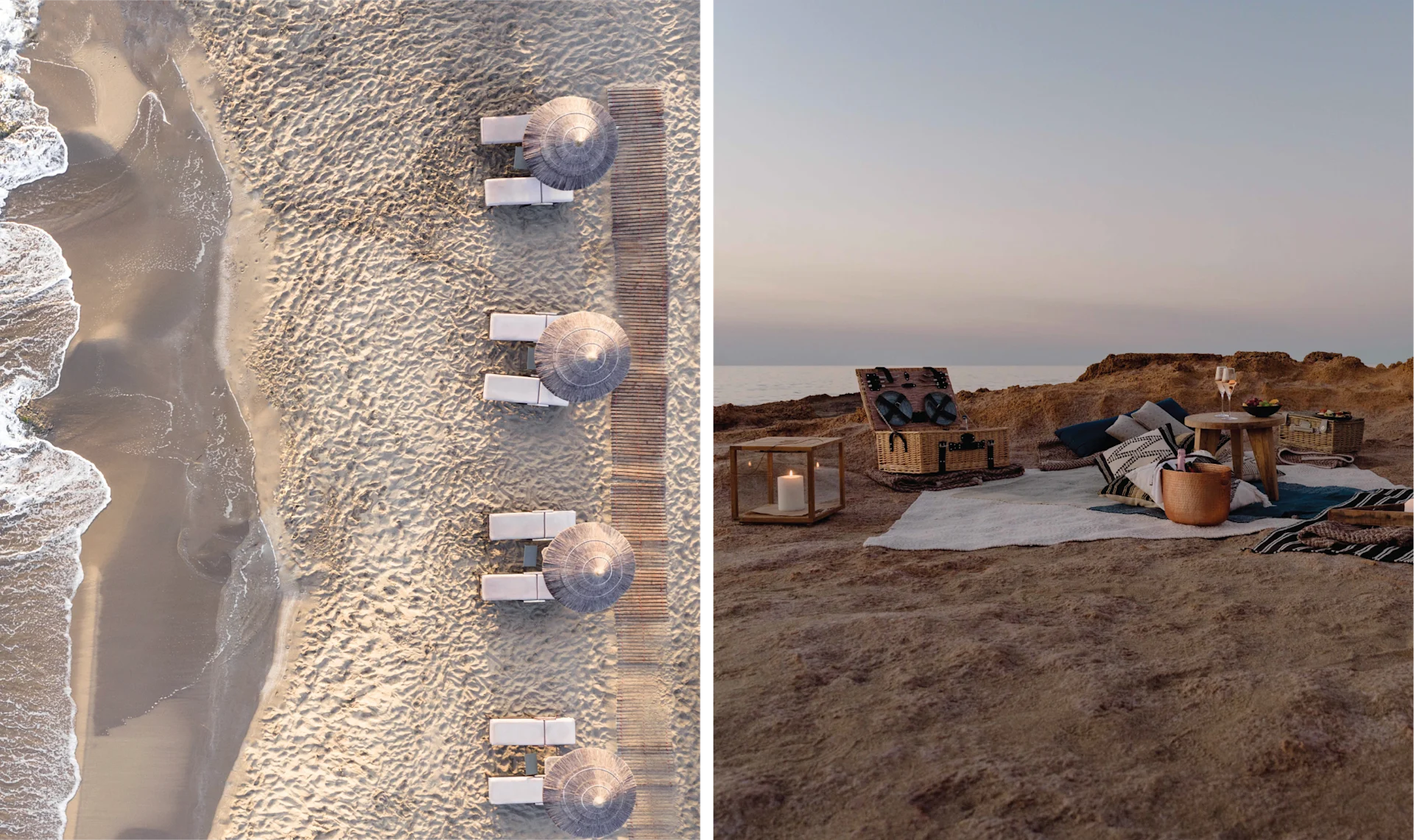
Two pools wind through the gardens, while the sandy beach is directly off the property, with loungers and a beach bar for settling in for the day. The Cute Spa has two treatment rooms, where massages can be personalized using products from Athens-based Ariadne. There’s also a yoga shala with daily classes, a tennis court with private lessons, and a fitness studio that spills outdoors among the trees—the rare resort gym where working out doesn’t mean disappearing into a windowless room.
Impact
Phāea’s sustainability efforts come with unusually concrete results: All electricity is sourced from renewables, four-fifths of wastewater is recycled, and waste sent to landfill fell by 59 percent in 2025. Its Farmers Program cultivates 34 acres of organic land while supporting local growers; last year, it supplied 86 percent of Phāea’s olive oil and nearly all its honey. The local connection extends to the workforce, 86 percent of whom are from the area.
Drawbacks
The approach to the hotel isn’t exactly scenic: The road from Heraklion runs past a dispiriting stretch of package-tour resorts, souvenir shops, and karaoke bars—the side of Cretan tourism you probably came here to avoid. And while the hotel is an oasis amid all of that, it is firmly geared toward families. Couples traveling without children and solo travelers may find the pools, restaurants, and vibration of the place more family-centric than they’d like.