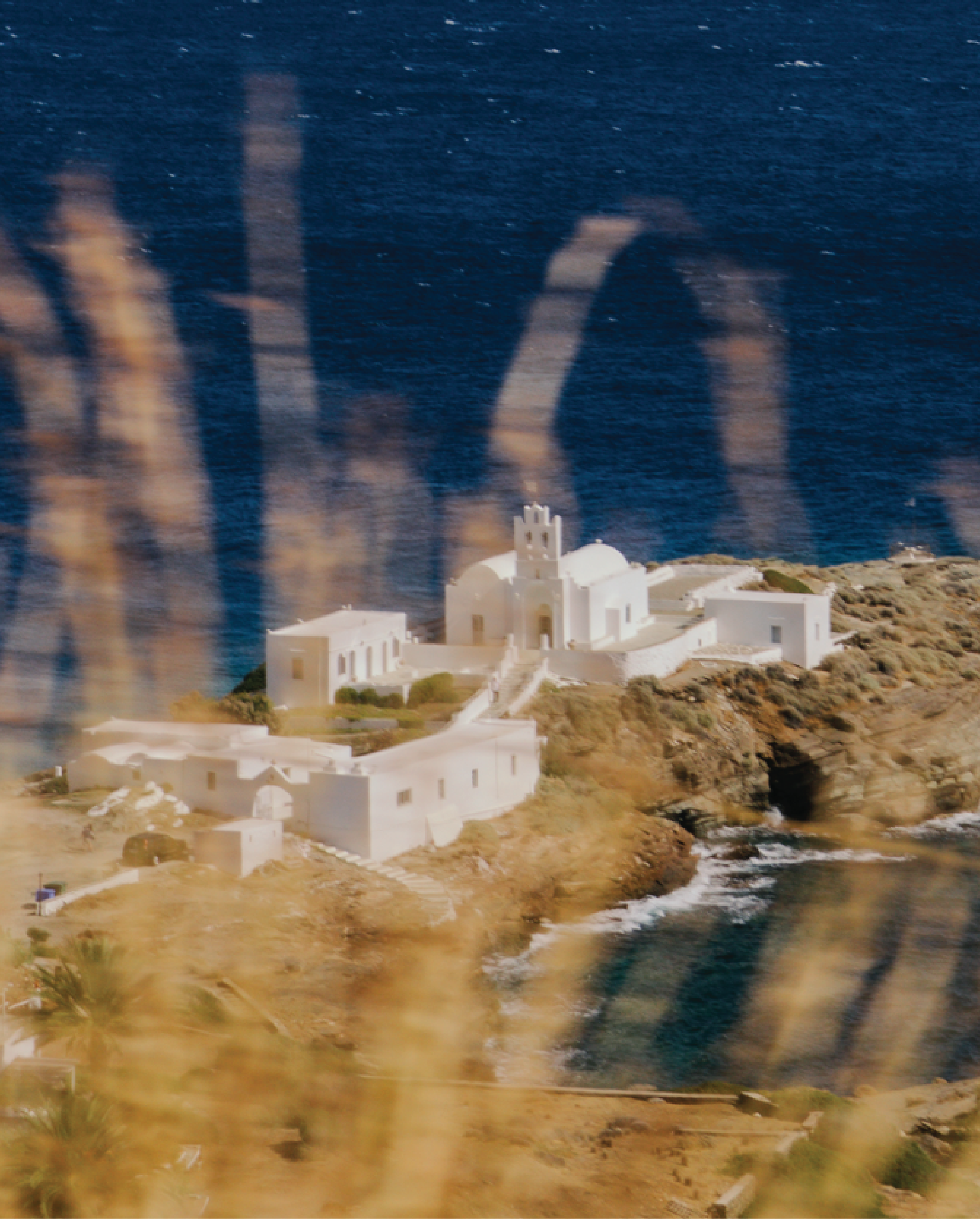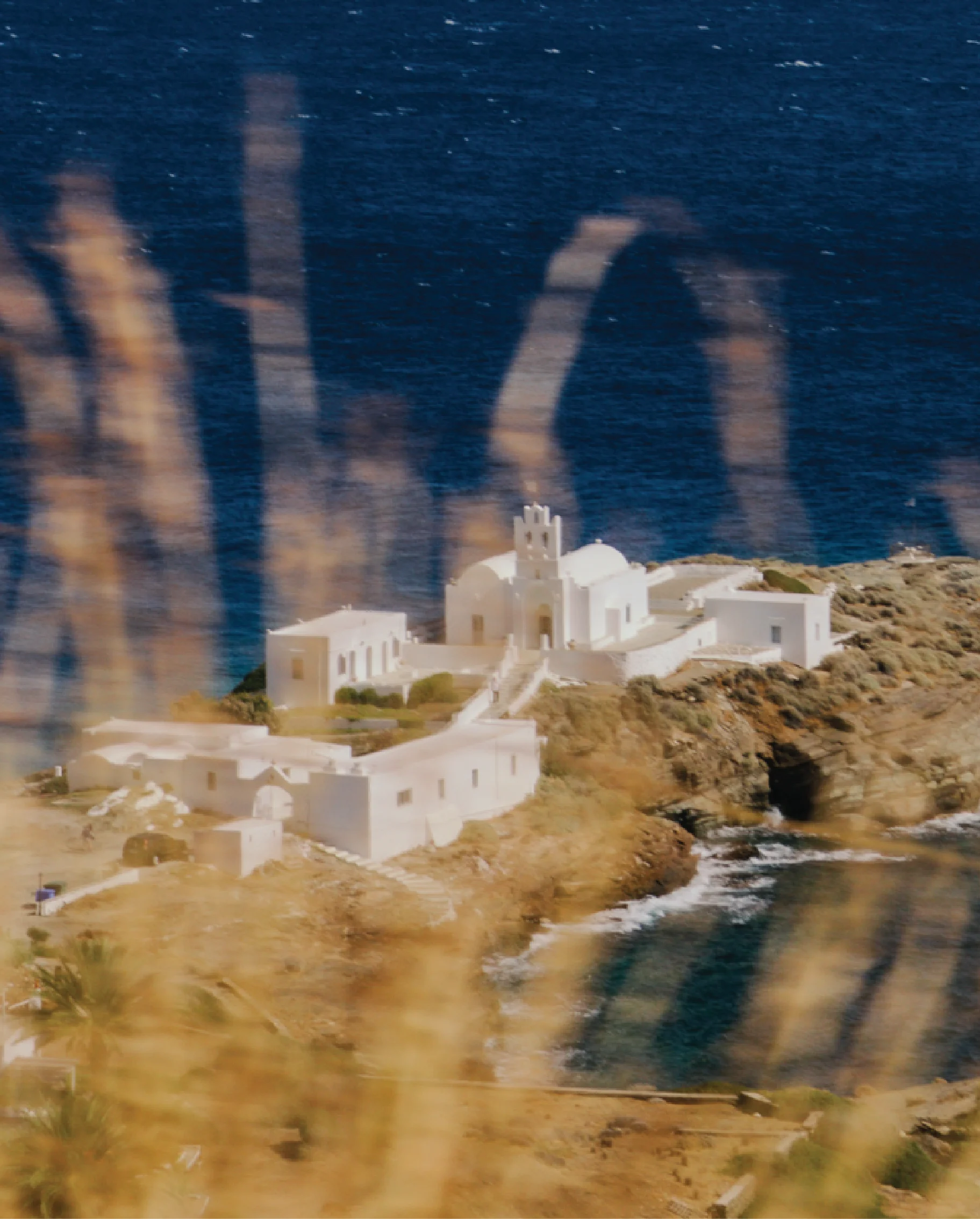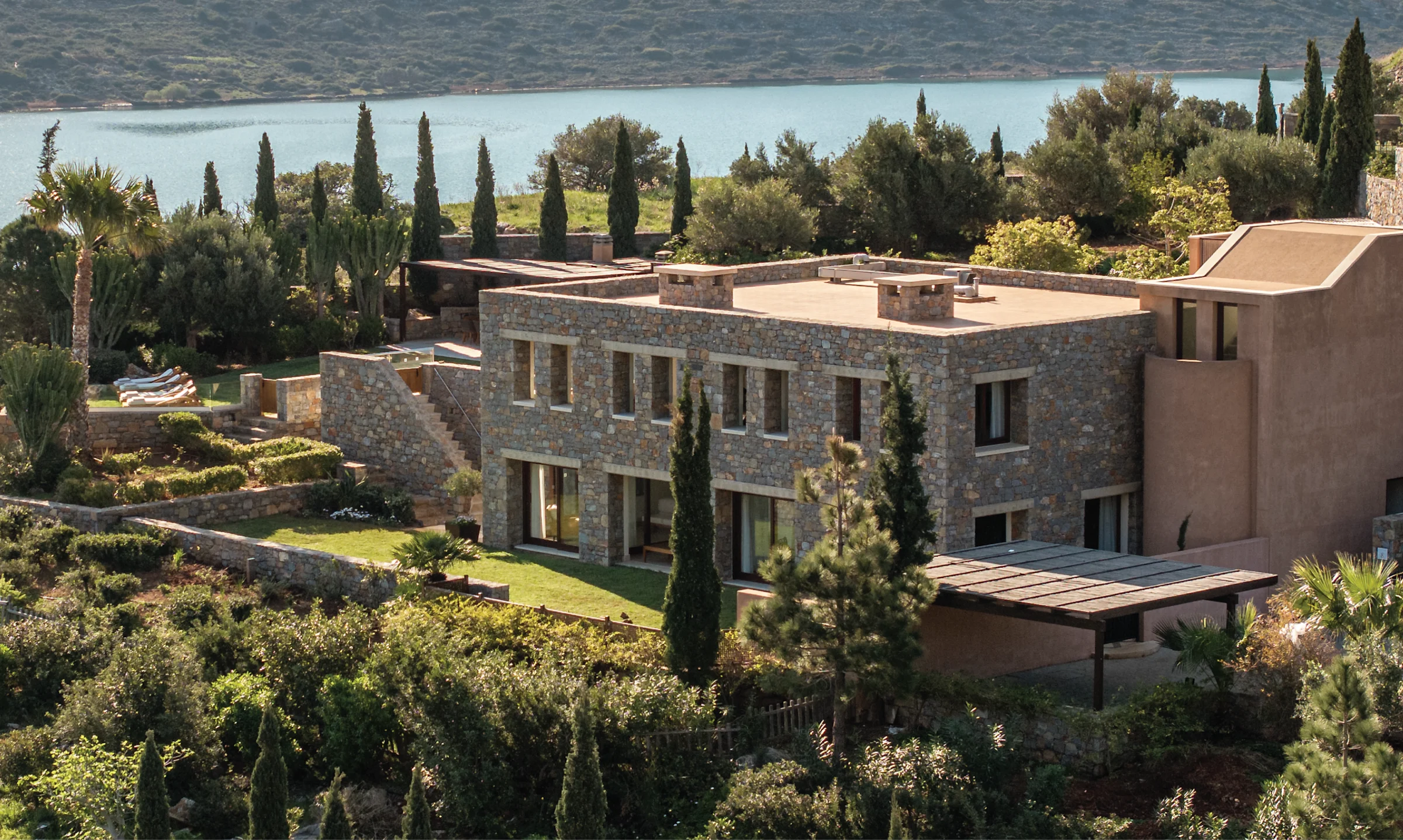
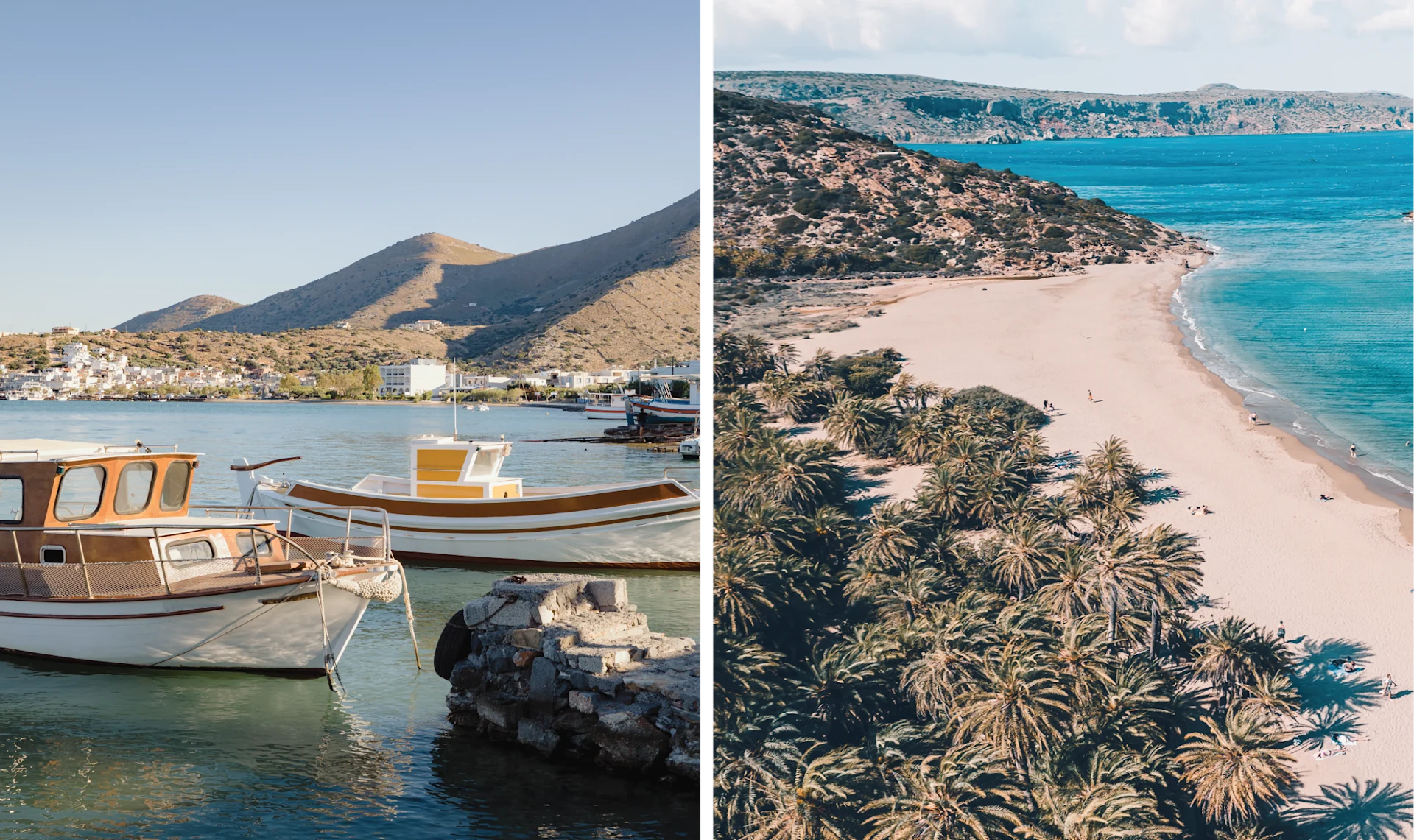
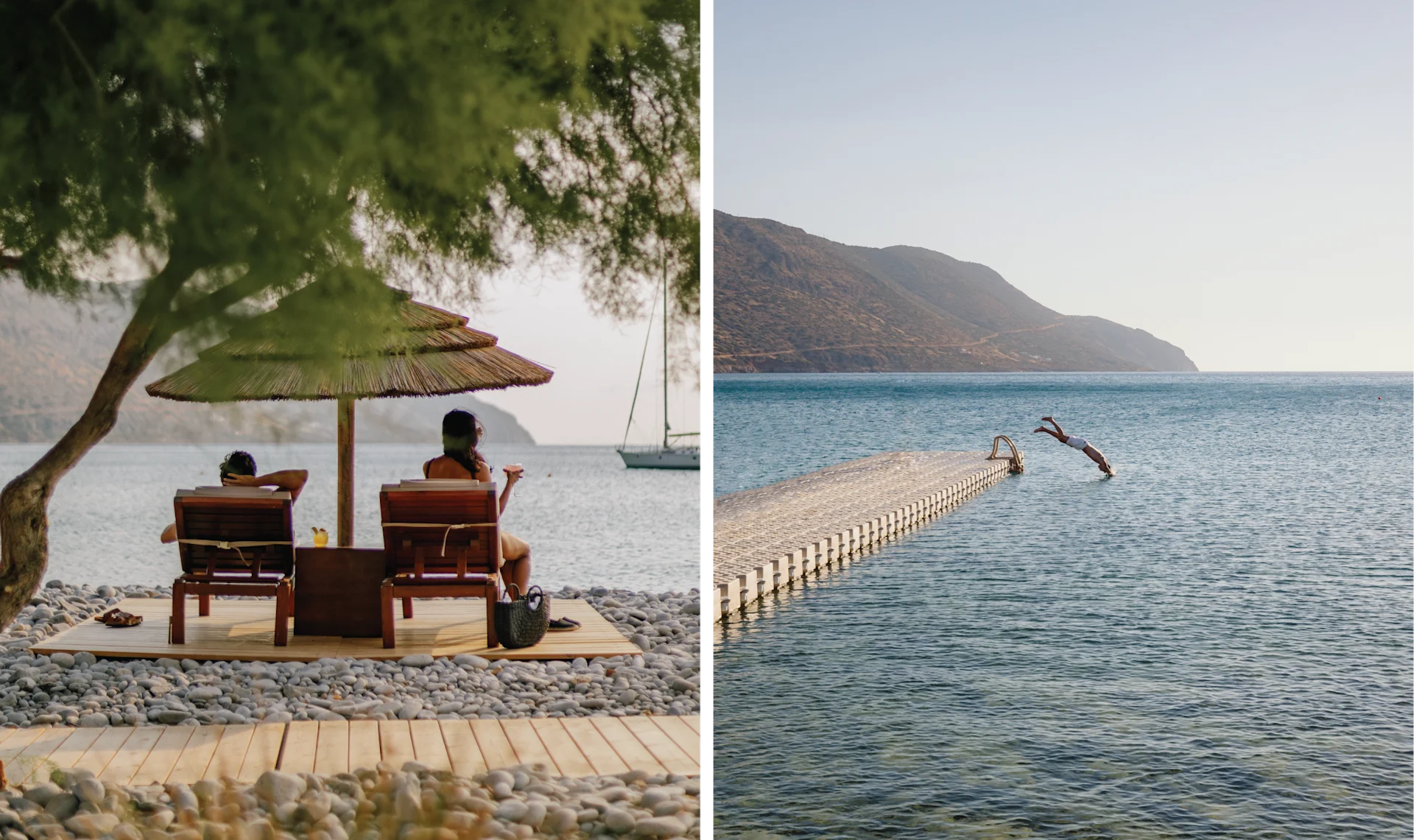
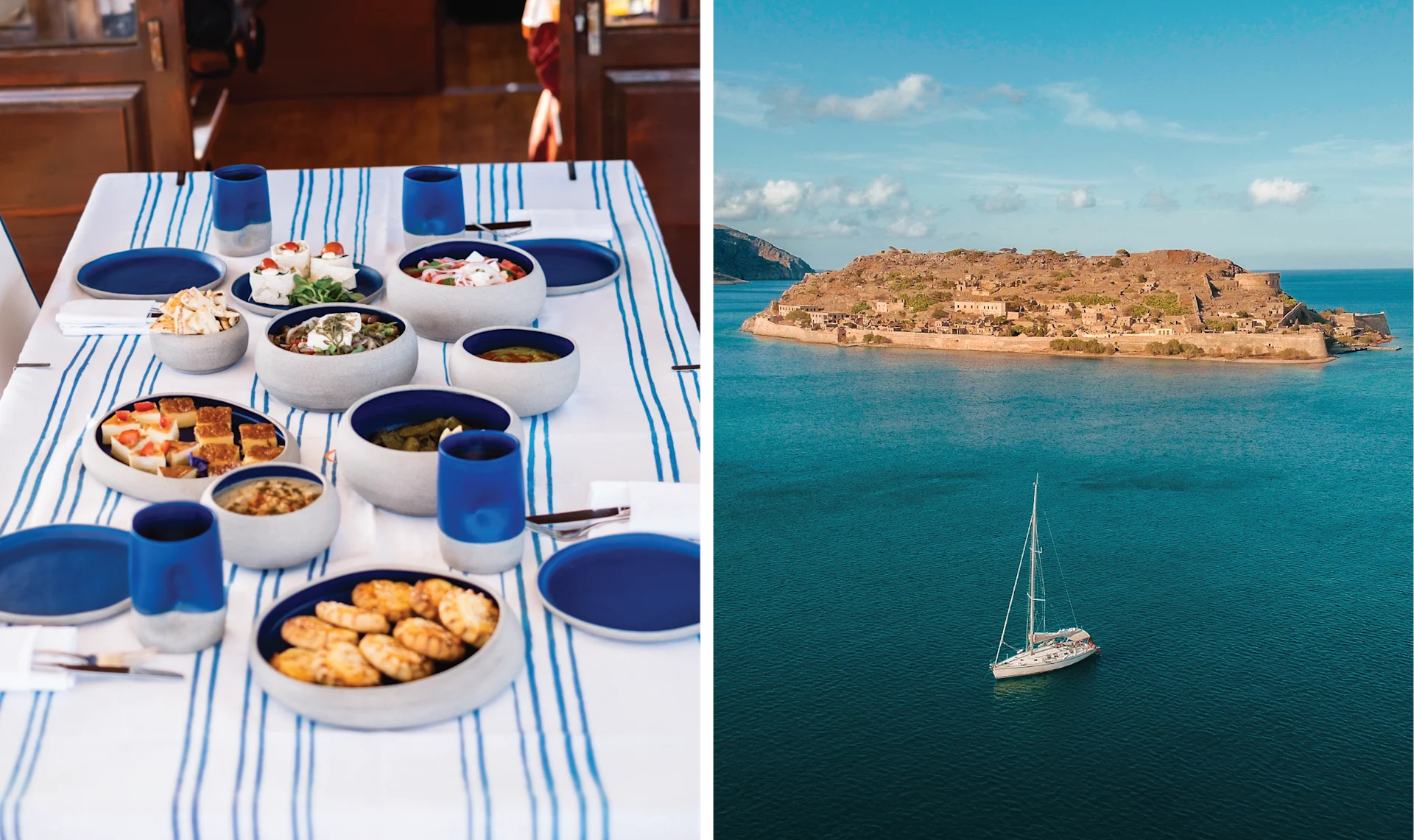
The dusty-coral buildings of Phāea Blue cascade down a rocky hillside on Crete’s northeast coast, directly across the water from Spinalonga, the former Venetian fortress and leper colony that is one of Greece’s most storied sites. It’s a postcard-worthy view, and one you’ll likely wake up to every morning, as most the rooms face the sea. From the hotel’s beach, a traditional caique can be chartered for private trips around the island and along the coast.
Courtesy Phāea Blue
Phāea Blue
Courtesy Phāea Blue
Phāea Blue
Courtesy Phāea Blue
Phāea Blue
Courtesy Phāea Blue
Phāea Blue
Courtesy Phāea Blue
Phāea Blue
Courtesy Phāea Blue
Phāea Blue
Courtesy Phāea Blue
Phāea Blue
Courtesy Phāea Blue
Phāea Blue
Courtesy Phāea Blue
Phāea Blue
Courtesy Phāea Blue
Phāea Blue
Courtesy Phāea Blue
Phāea Blue
Courtesy Phāea Blue
Phāea Blue
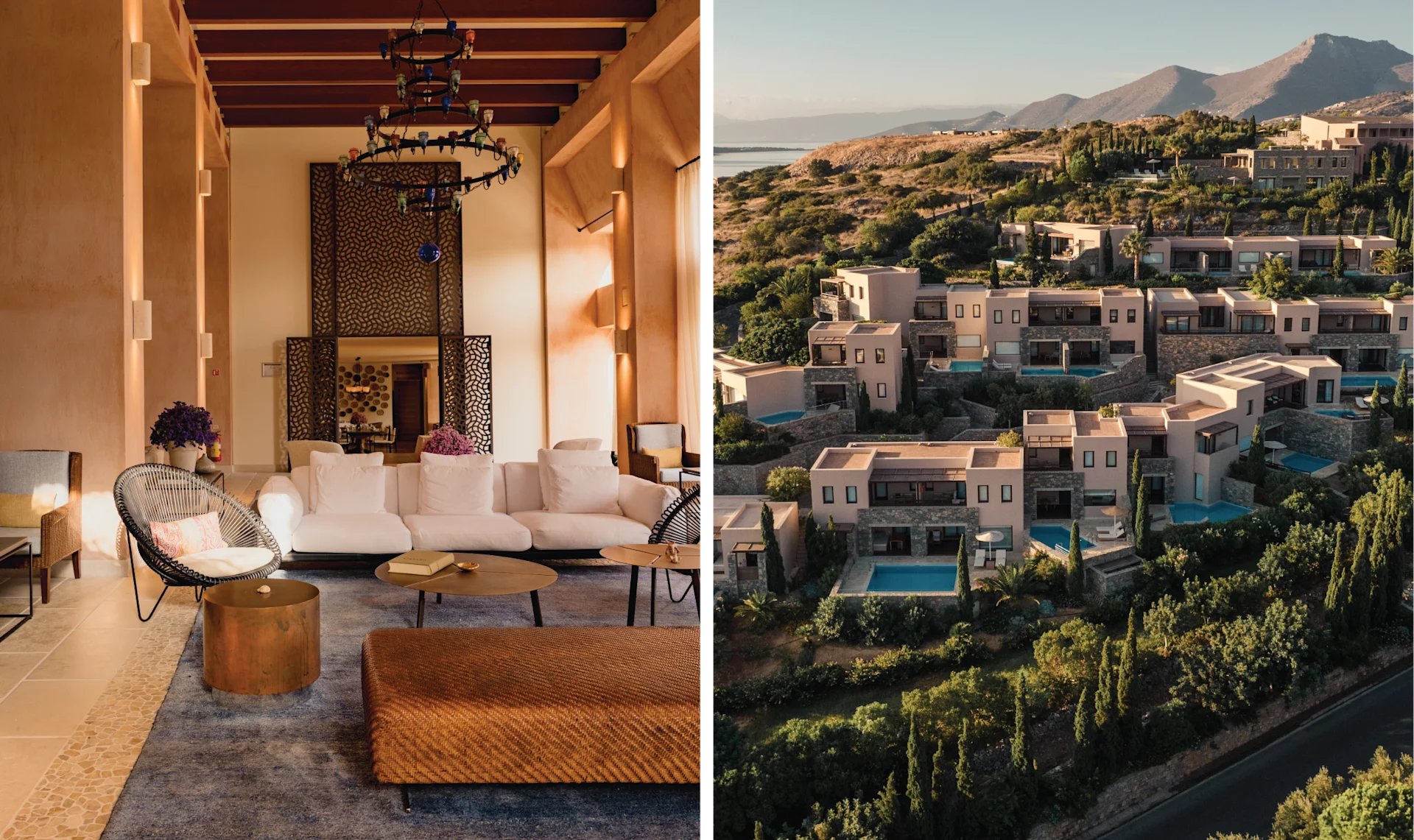
With just 47 rooms, the hotel feels intimate without sacrificing resort comforts. There are pools, restaurants, massages, and a well-appointed gym, with zippy golf carts available on demand to get you around. Even entry-level rooms are spacious, and that sense of breathing room extends across the property, where buildings are low and spread out rather than clustered together. You’re secluded but not isolated: Elounda, Plaka, and several of eastern Crete’s most scenic villages are a short drive away.
When
In May and June, Crete is still green, with oleander blooming before the landscape turns summer-gold. Spring is also less congested with travelers: May airport traffic is roughly 40 percent below the August peak. September stays warm enough for swimming and coincides with the grape harvest, though it’s busier than you might expect.
Where
Crete is Greece’s largest island, and it’s bigger than many first-timers realize: Driving from Chania in the west to Sitia in the east takes roughly five hours. Phāea Blue sits well to the east, in Lasithi, on the sheltered Gulf of Mirabello between Elounda and the fishing village of Plaka. Spinalonga is just offshore; Plaka, the fishing village and jumping-off point for boats to the island, is minutes away. Farther afield, Agios Nikolaos has waterfront cafes around Lake Voulismeni, Kritsa is known for weaving and its frescoed Byzantine church, and the Kolokytha peninsula is dotted with clear-water coves.
Design
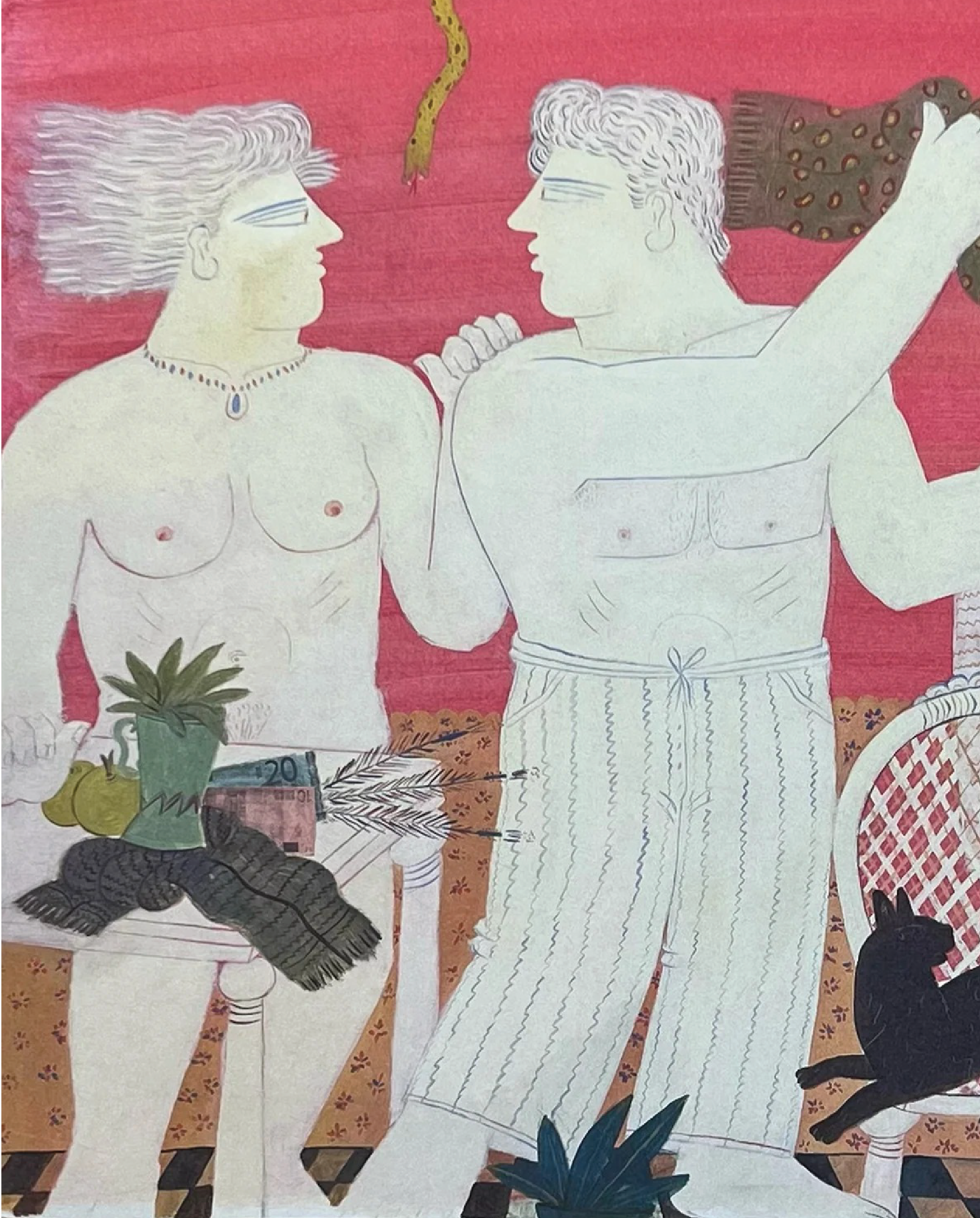
Pale stone, whitewashed walls, and terra-cotta are constants, with bougainvillea climbing between buildings and the sea almost always in view. Inside, the lobby mixes soft fabrics and wood with contemporary Greek art selected in collaboration with Athens’s Benaki Museum; around the hotel, you’ll come across chunky Minoan-style vessels thrown by hand in the Cretan pottery village of Thrapsano and Melina Xenaki’s wonderfully odd ceramics, which borrow their animal forms from Bronze Age Cypriot and Minoan pottery. In the Phāea Blue Villa, the Klismos chairs are T.H. Robsjohn-Gibbings designs made by the storied Athens furniture house Saridis, which, in turn, were based on chairs depicted on ancient Greek pottery.
The pool bends along a stone terrace and features cushioned loungers, potted olive trees, and patches of lawn.
The Crowd
Expect honeymooners clinking Champagne glasses at dinner, older couples relaxing into a weeklong vacation, and multigenerational families taking over a few loungers by the pool. There are children around, but rarely enough to change the mood. (Sister property Phāea Cretan Malia is the more family-focused option.)
Rooms
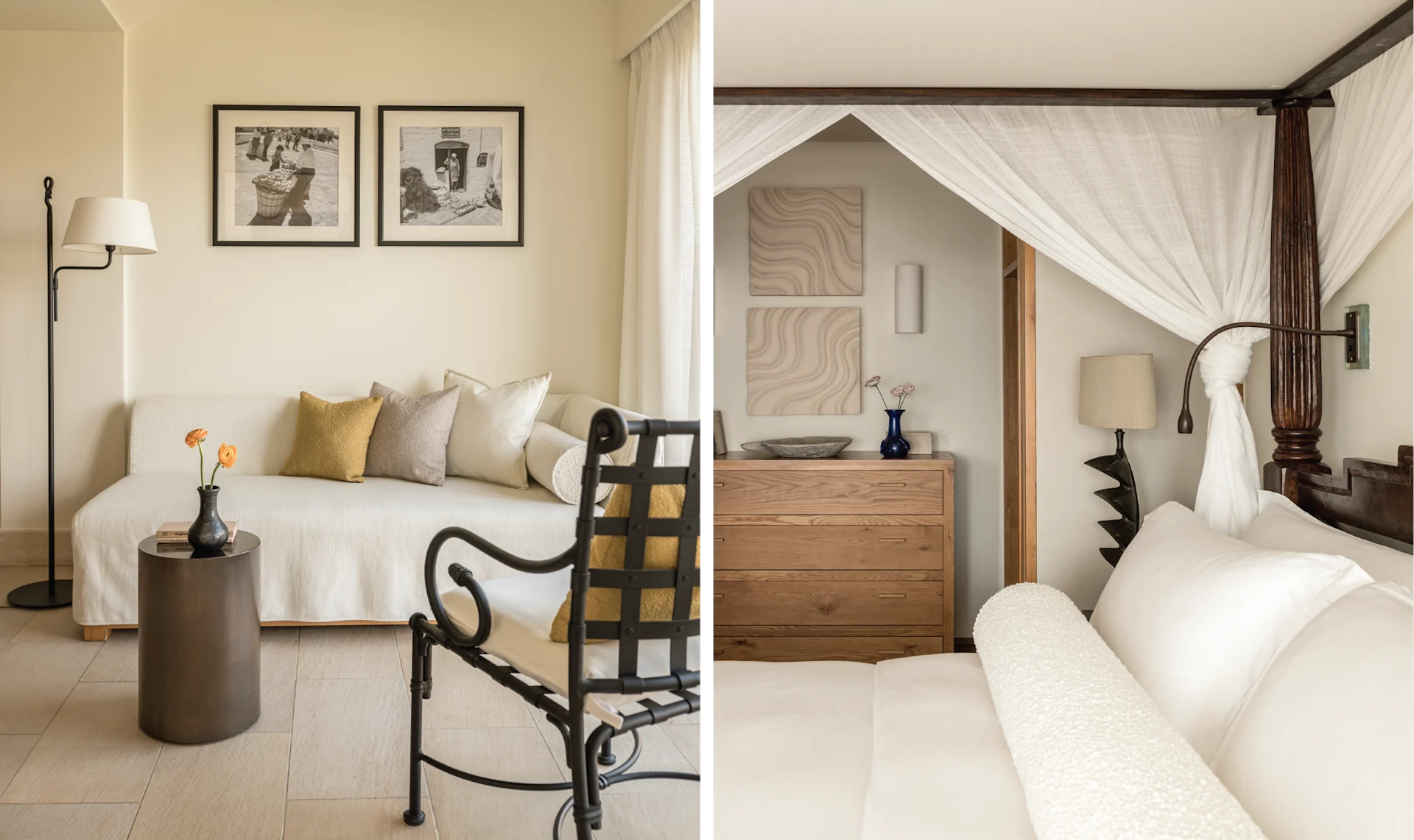
Rooms have a subtle nautical bent without going full seaside theme: pale woods, muted creams and taupes, and wicker and clay, with flashes of blue in patterned textiles and artwork. You’re unlikely to leave with major design inspiration, but that’s partly the point: This is the kind of room you could happily live in for a week, with nothing to tire your eyes—or make you nervous about breaking something. Many categories have private heated pools, with decent privacy, though not quite enough for, say, skinny-dipping during the day. Bathrooms are appointed with Greek-made Apiceuticals products.
Service
Turndown is offered nightly, and the welcome amenities are true-blue Cretan: kalitsounia (sweet cheese pastries) or sikomagida (a fig-and-spice sweet), depending on room category, plus rakomelo (raki mixed with local honey and spices) in a bulbous, cork-stoppered clay flask. Service overall is forthcoming and unpretentious—waiters and golf-cart drivers might ask you where you’re from or what plans you have for your stay. The Phāea Blue Villa comes with dedicated butler service and a private chef.
Dining
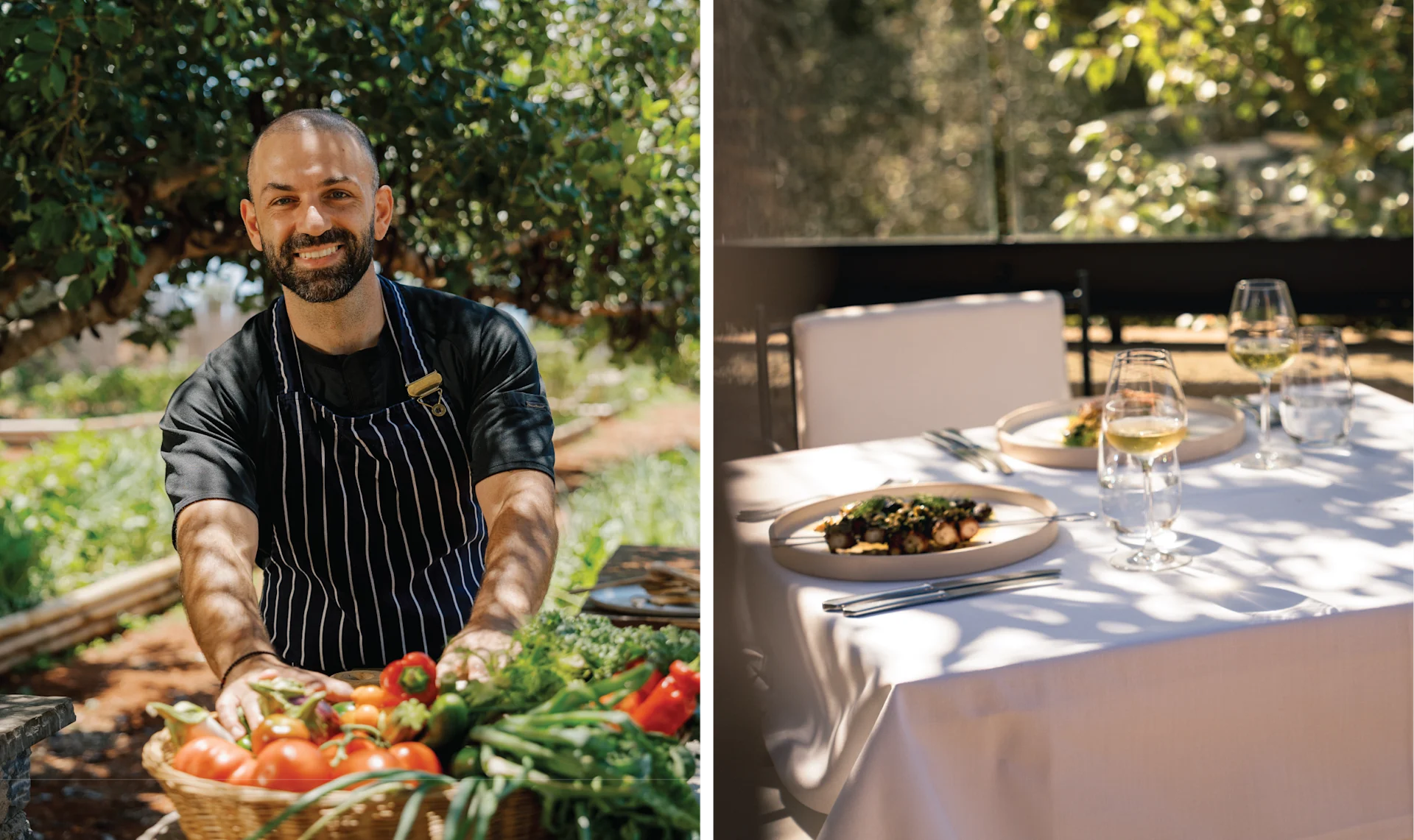
Anthós takes a polished approach to Cretan cooking, and the sourcing goes well beyond the usual “local and seasonal” line. Olive oil and vegetables come from Phāea’s own farming program and organic garden; eggs are from Elia Village Farm in Heraklion, staka butter (a clarified ewe’s butter) and sheep’s-milk yogurt from farms in Neapoli, and cured apaki (smoked pork) from Galatas Village. The highlight is a particularly refined gamopilafo, Crete’s traditional wedding pilaf: fall-apart roast lamb alongside rice cooked in a concentrated broth until risotto-like, deeply gamey, and probably too rich for most height-of-summer guests. There are also charred dolmas, apaki, wild greens, and mizithropita (cheese pastries) with flower honey. Down by the water, Blue Door Taverna, in a former fisherman’s stone house, keeps things simpler, with grilled catch and salt-baked fish served with homemade salsas. Breakfast returns to Anthós, with regional honey and cheeses, homemade pies, olives, fresh bread, and Cretan pastries. Even the minibar has a sense of place, stocked with Cretan graviera breadsticks, Greek apple chips, and olive-oil biscuits.
Wellness
The spa is run by Aphrodite, a Greek hotel-wellness specialist, and facials and body treatments use products from Athens-based skincare line Ariadne Athens. The gym is more functional than flashy, but crucially, you can get a real workout in: There are cardio and strength machines and a good range of dumbbells for weight training. It has no windows, though wood floors and bright lighting keep it from feeling cramped.
Impact
Phāea’s sustainability efforts come with unusually concrete facts and figures: The property reports that all its electricity is sourced from renewables, four-fifths of wastewater is recycled, and waste sent to landfill fell by 59 percent in 2025. Its Farmers Program cultivates 34 acres of organic farmland while supporting local growers; last year, it supplied 86 percent of Phāea’s olive oil and nearly all its honey. The local connection extends to the workforce, with nearly nine out of 10 employees from the area.
Beyond
Spend a morning in Plaka, the little fishing village just down the road, then take a boat across to Spinalonga before the day-trippers peak. Farther inland, Kritsa is worth the detour for the frescoes at the Church of Panagia Kera and its long tradition of weaving; for lunch, continue into the mountains for one of the old-school tavernas around the Lasithi Plateau. Agios Nikolaos, about 20 minutes away, is best saved for an evening wander and dinner around Lake Voulismeni.
Drawbacks
The golf carts are a godsend on the hilly grounds, but occasional long waits can be irritating, as can having to request each ride through the app. The hotel beach is pebbly rather than sandy, and beyond it, nearby Plaka can feel very touristy during the day.