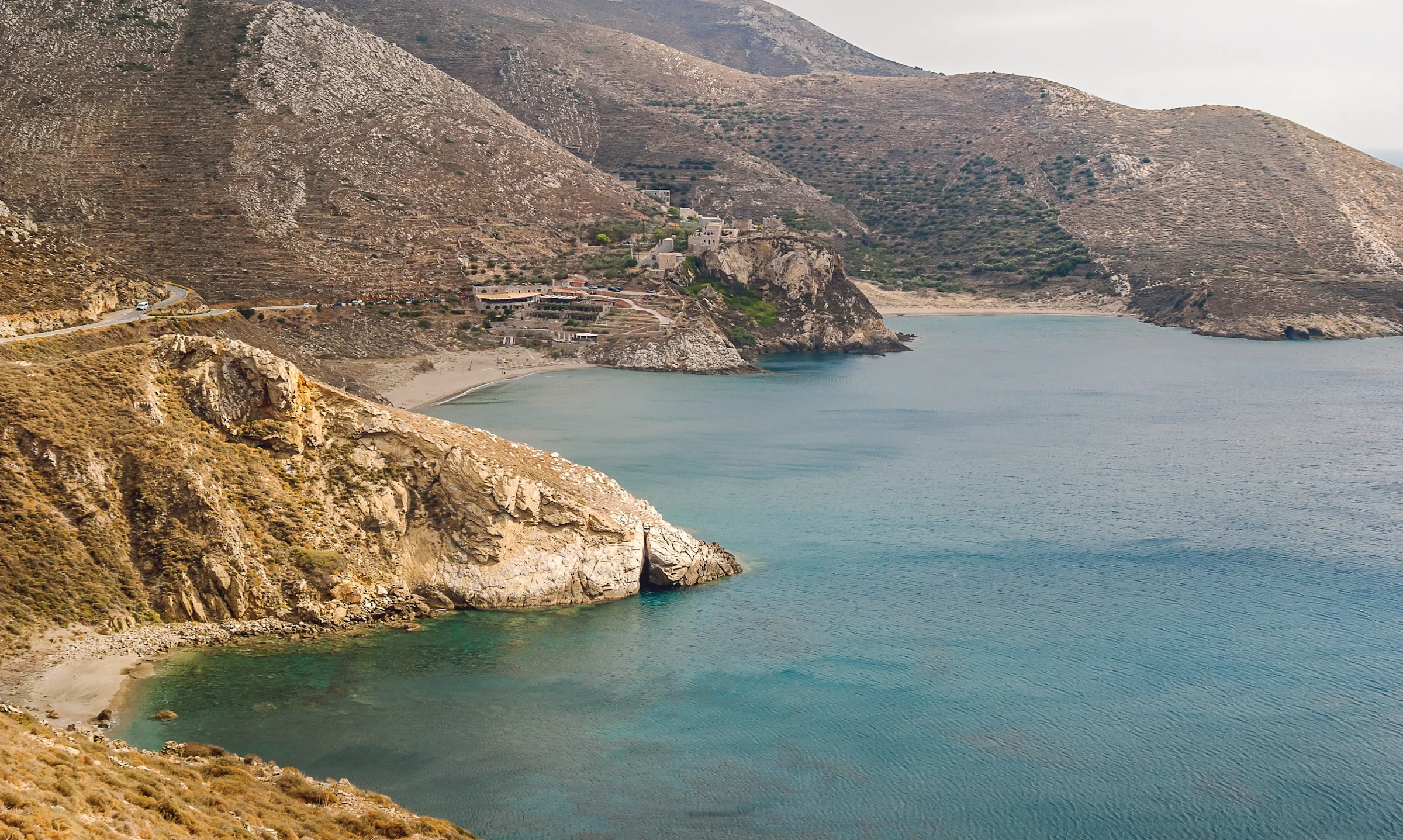
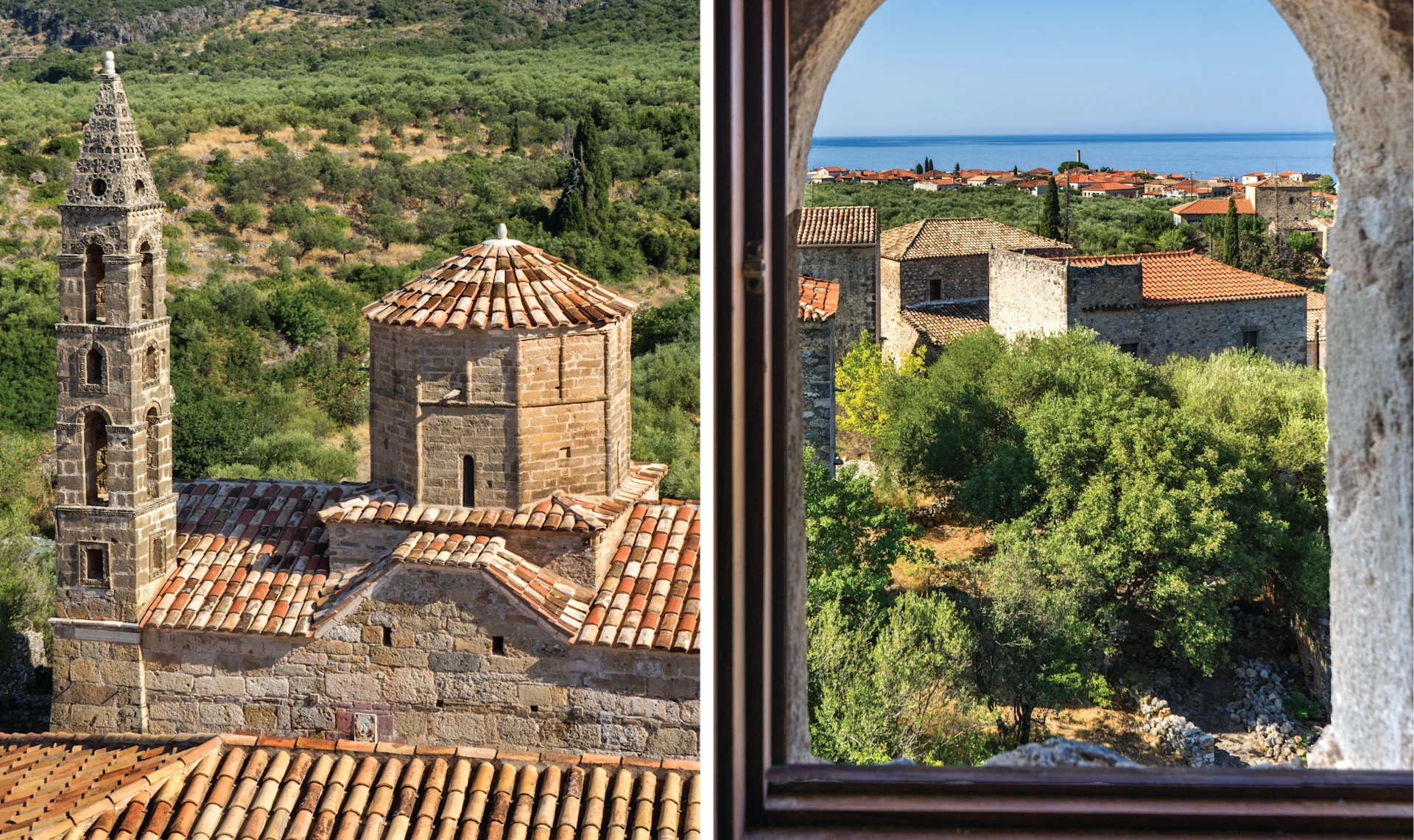
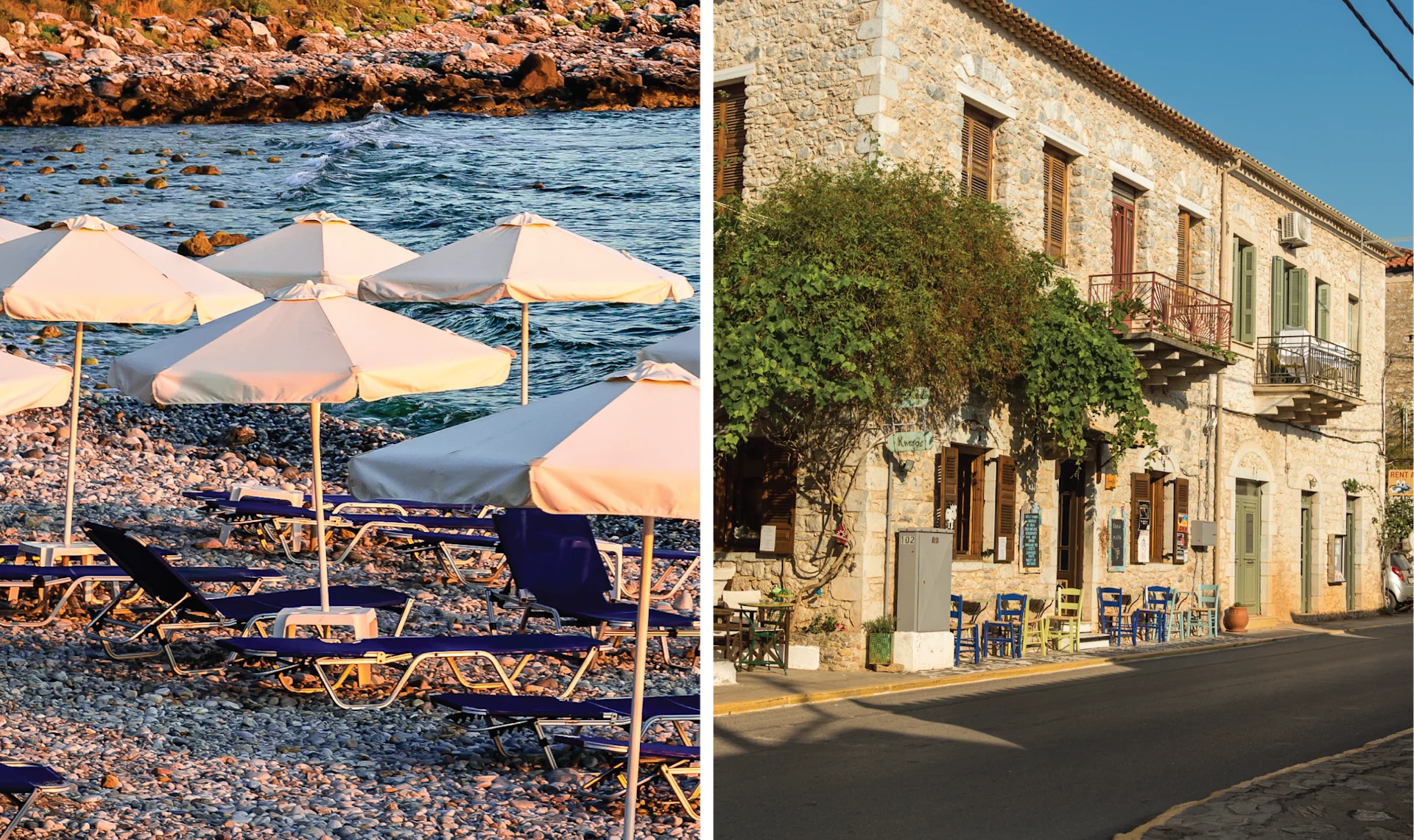
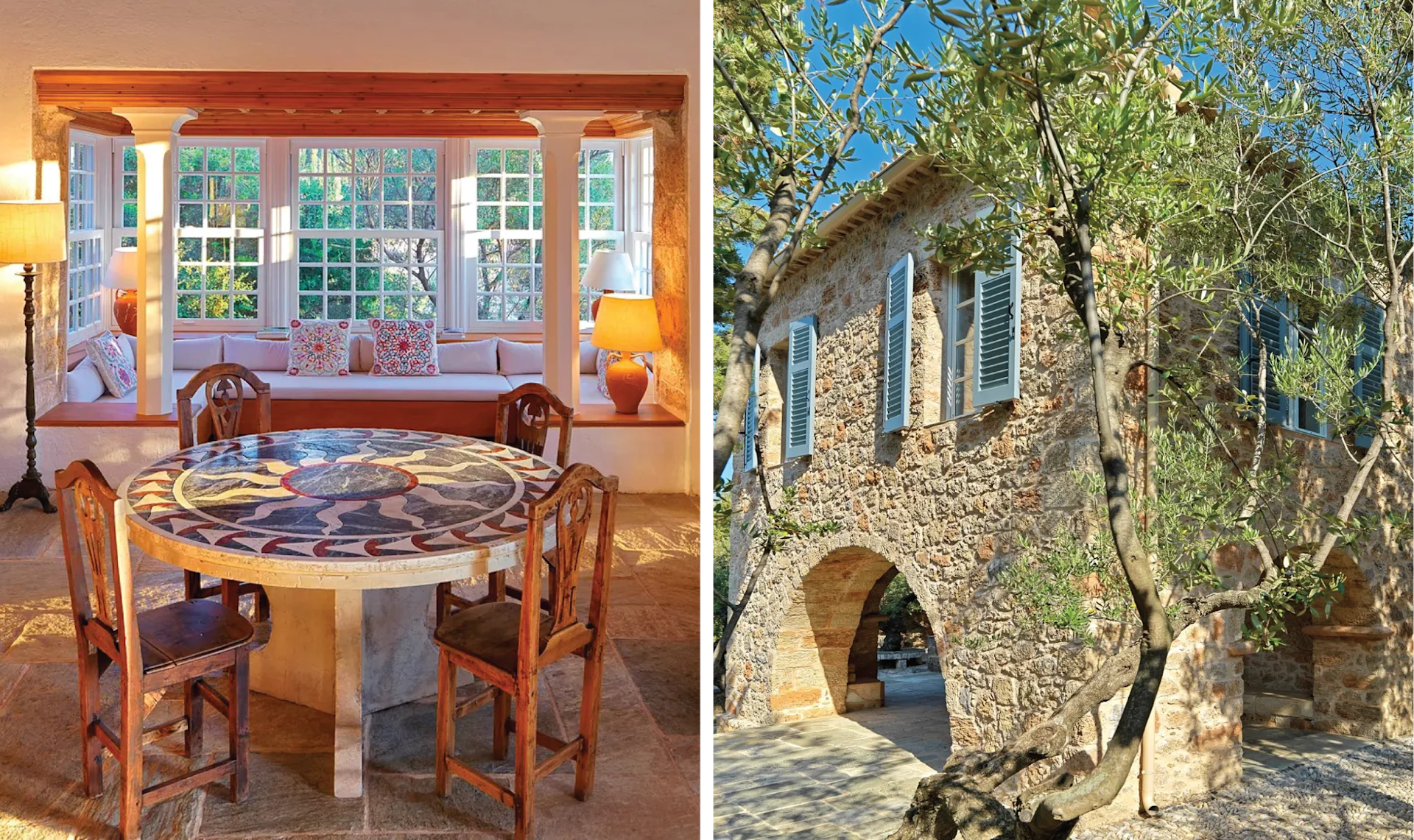
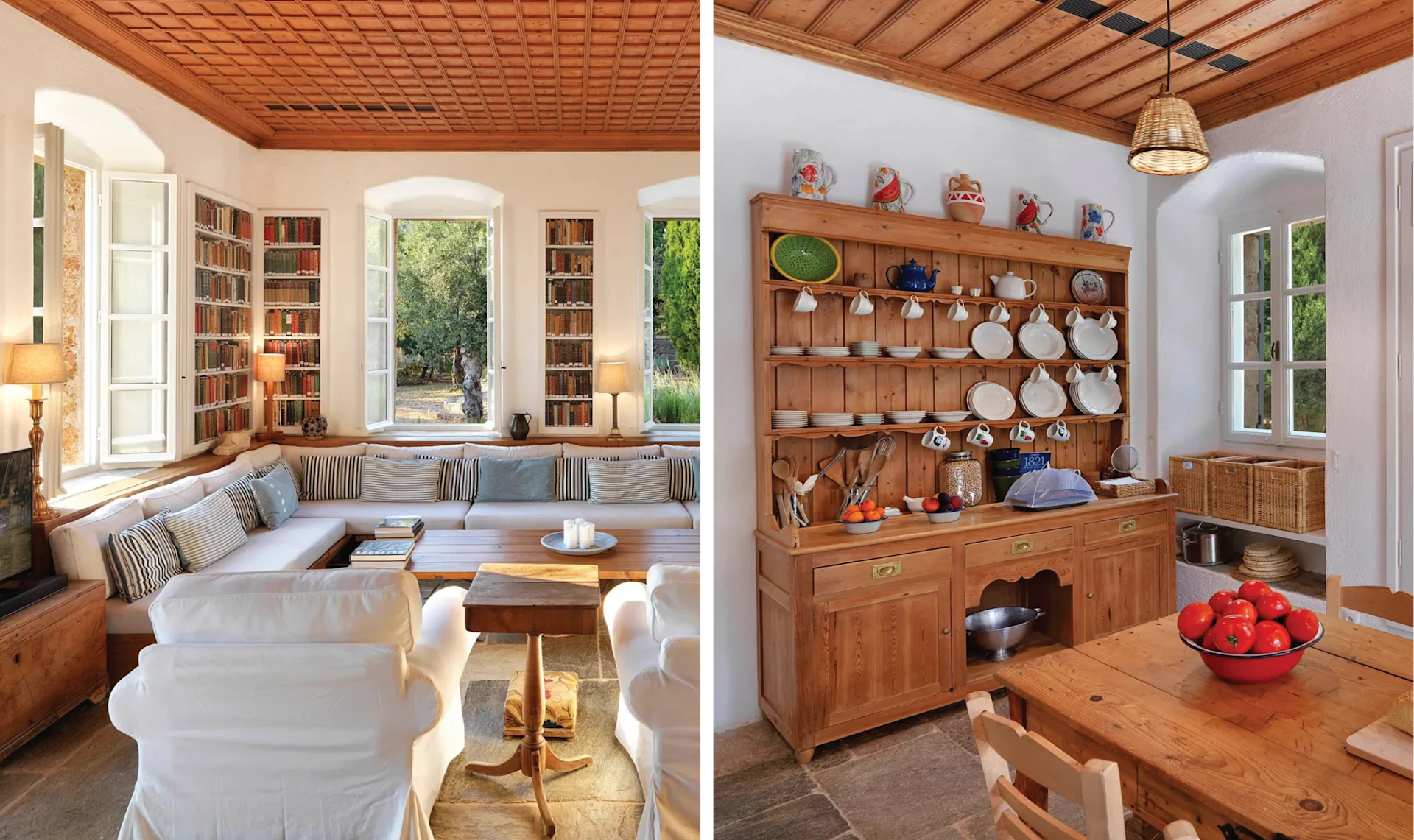
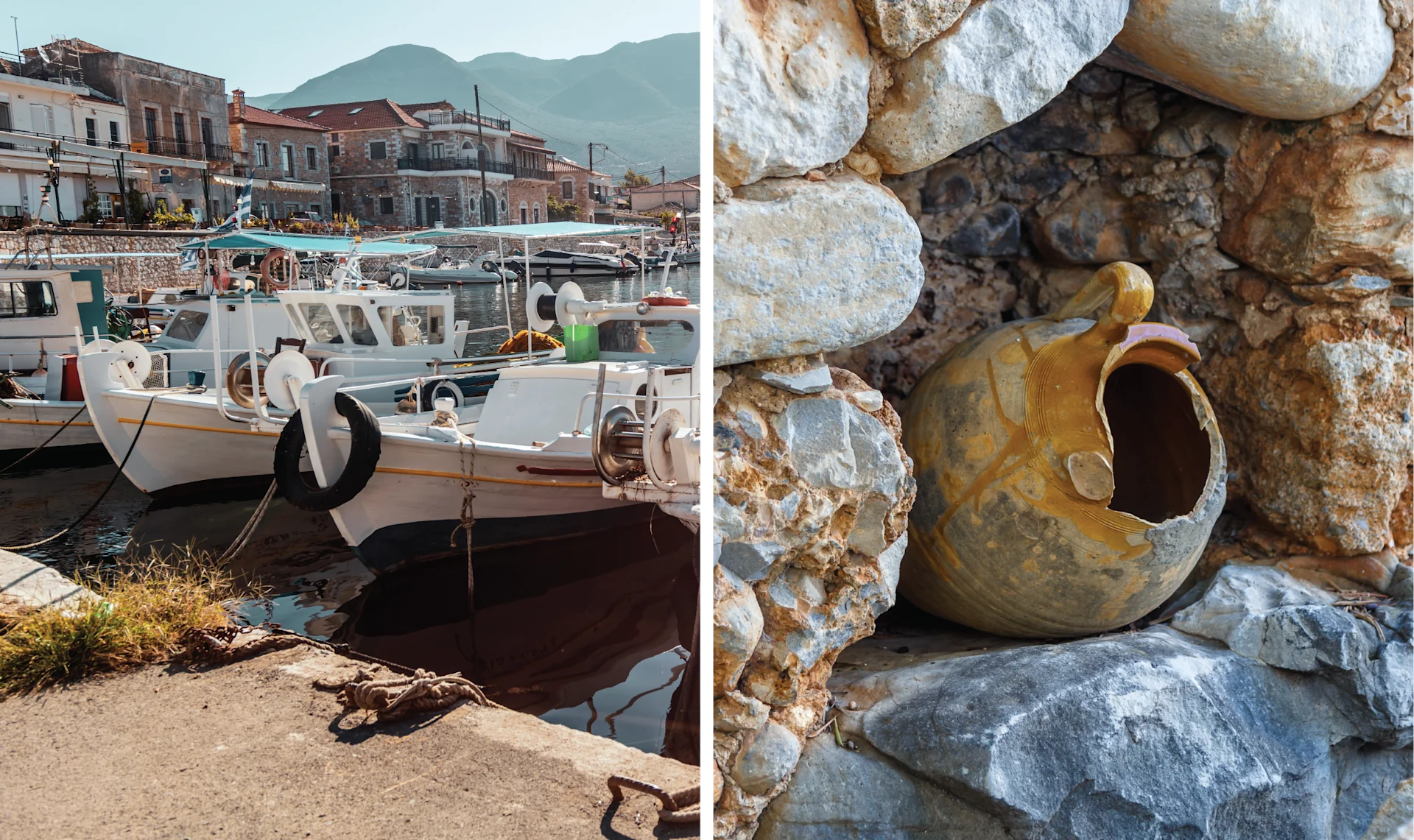
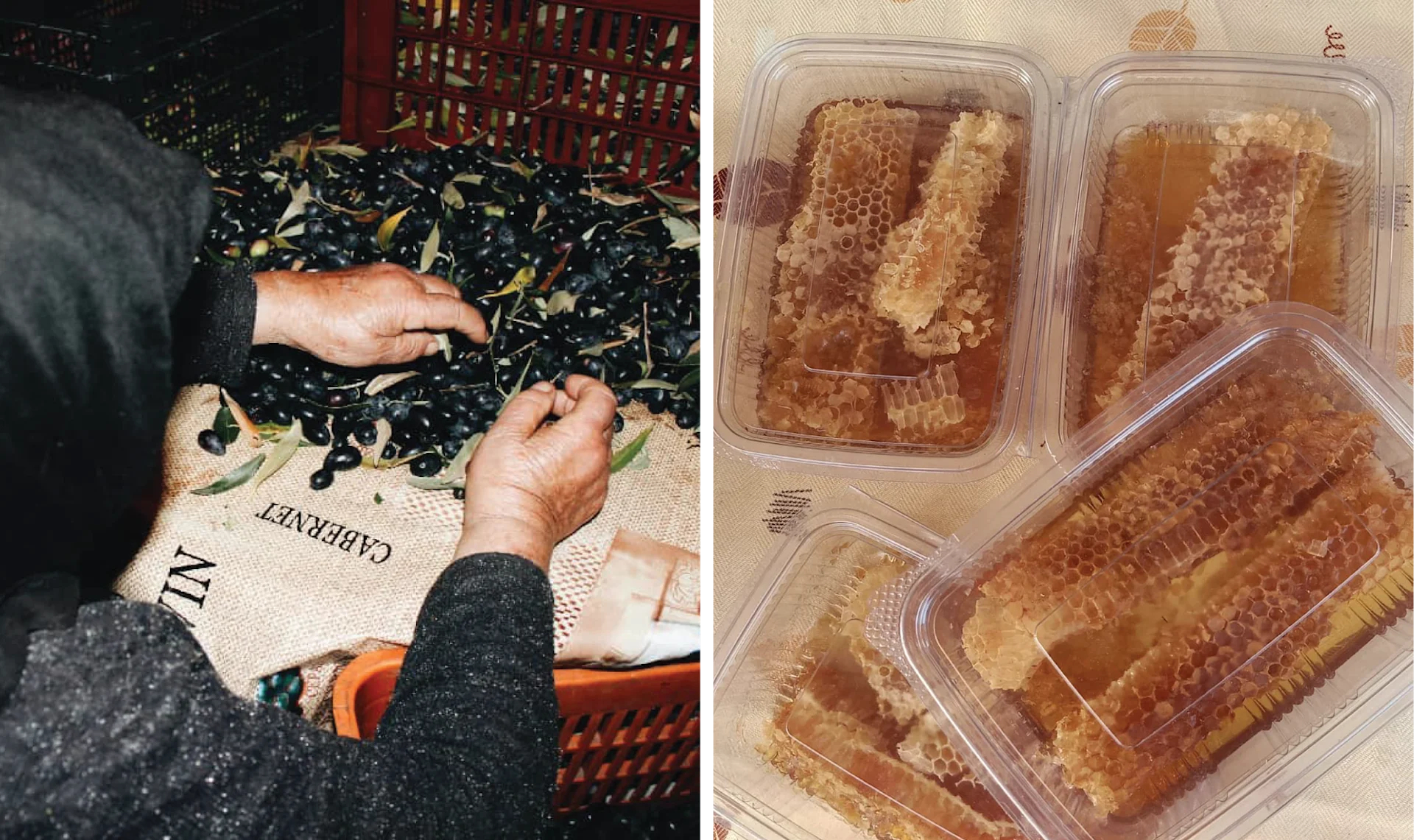
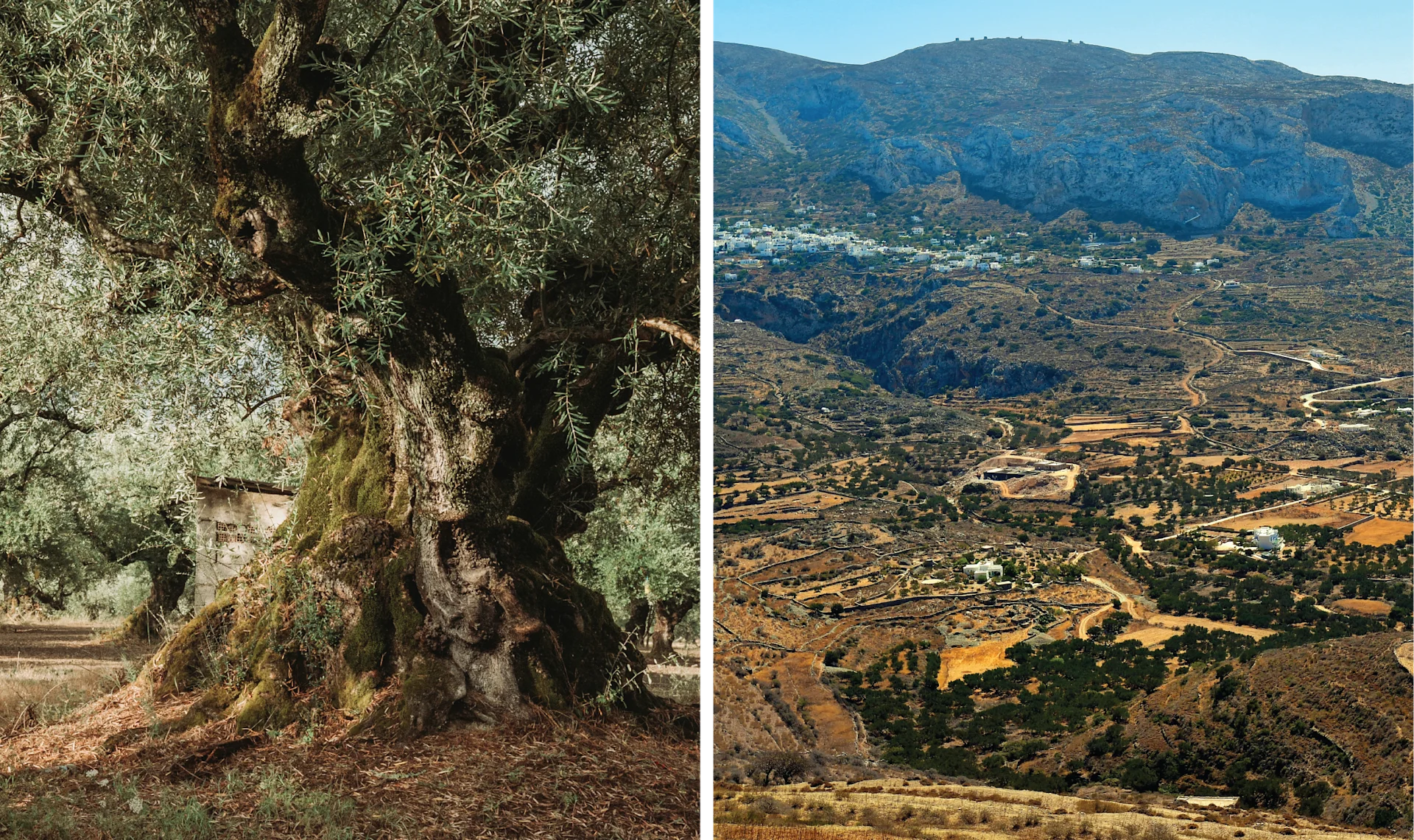
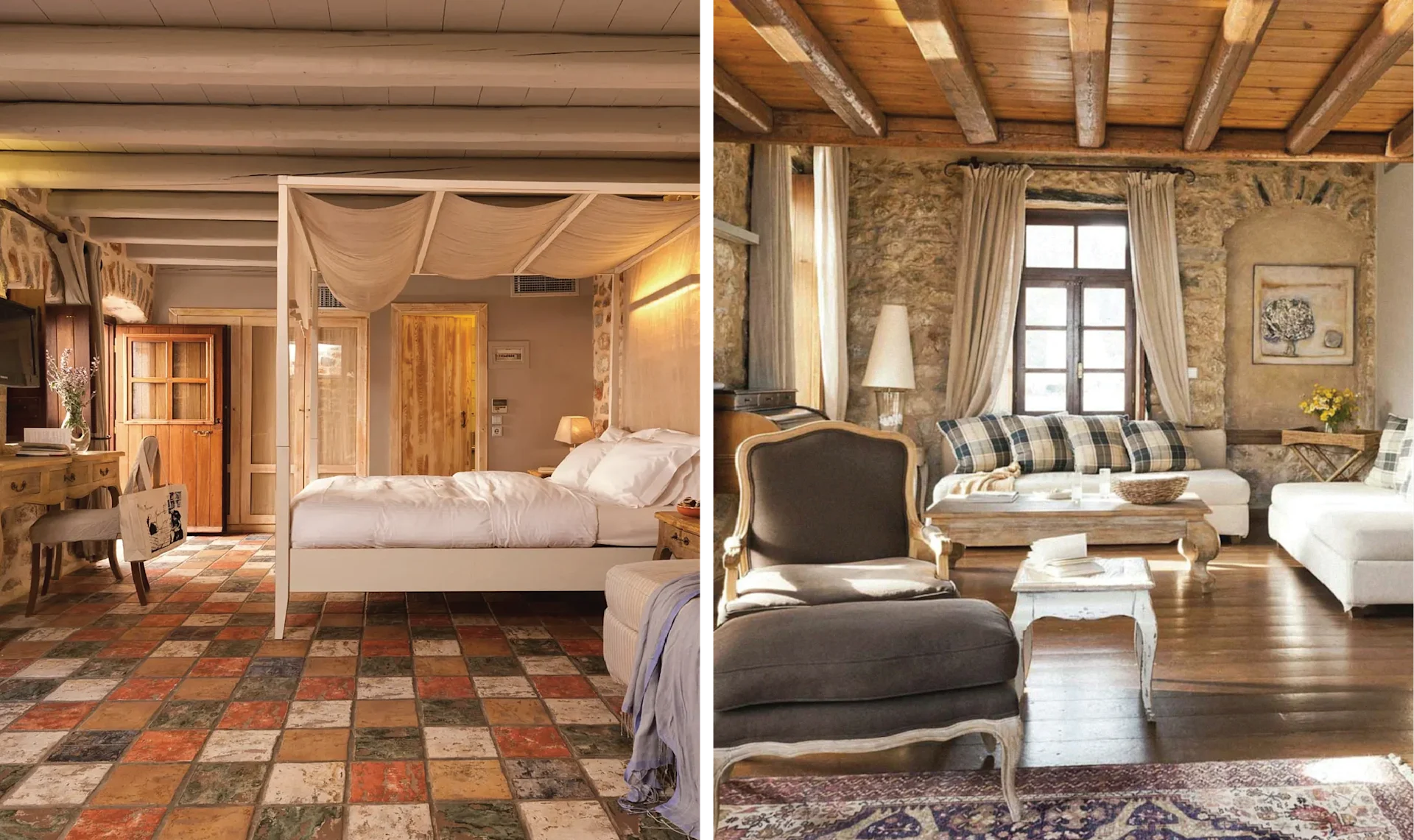
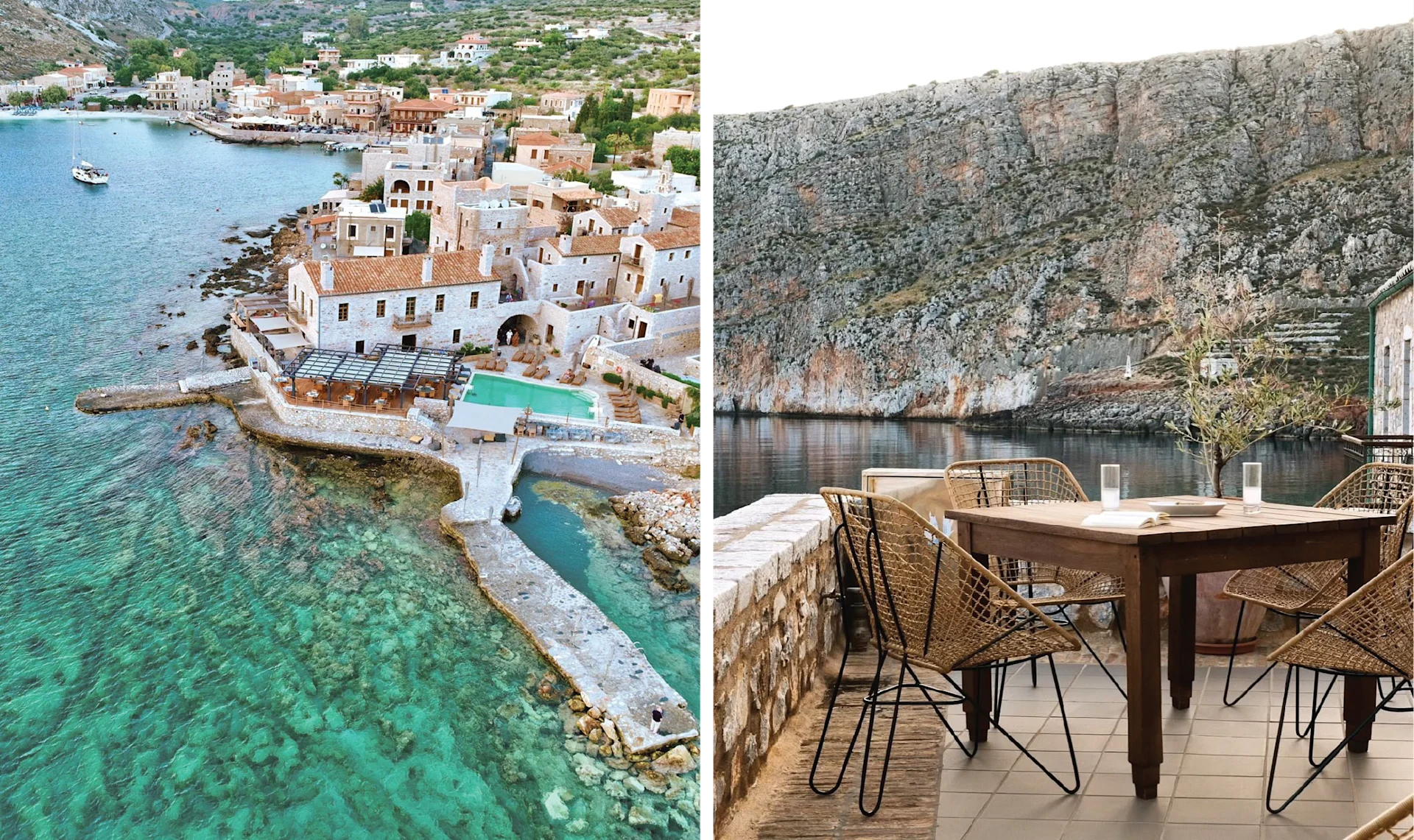
Continuing south, I pass through ever-smaller settlements. Each village once belonged to a different clan, making development notoriously difficult with disputed ownership and competing inheritances. In these remote reaches of Mani, a single taverna or small hotel is often the only sign of modern life. I spend the night in the village of Kitta in another converted tower: Hotel Citta dei Nicliani, near Mezapos Beach. Built in the 18th century and abandoned after World War II, it reopened as a hotel in 2011. The seven guest rooms are spread across the original stone complex, which is centered on a courtyard where you can sip back-vintage Greek wines (the oldest dating to 1944).
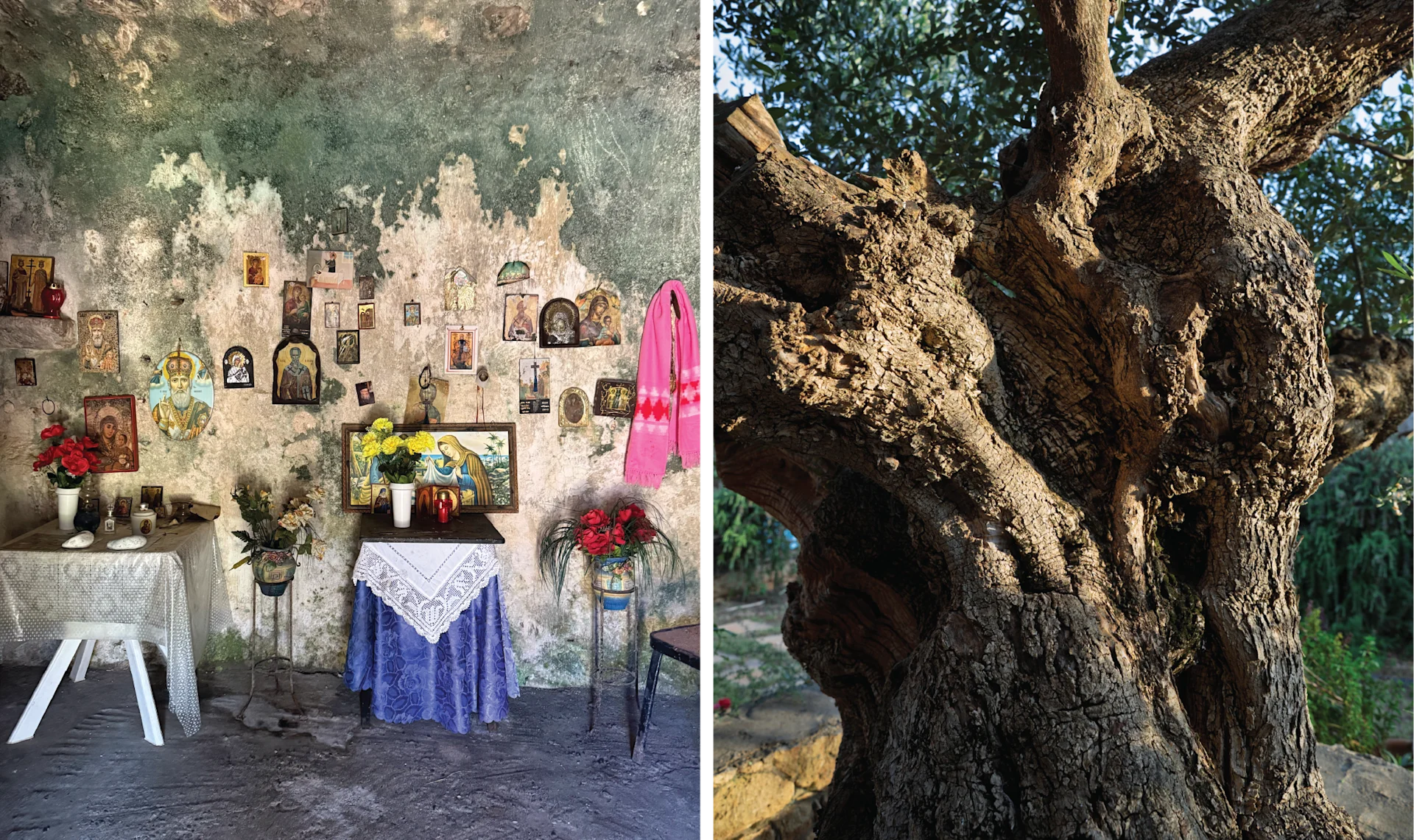
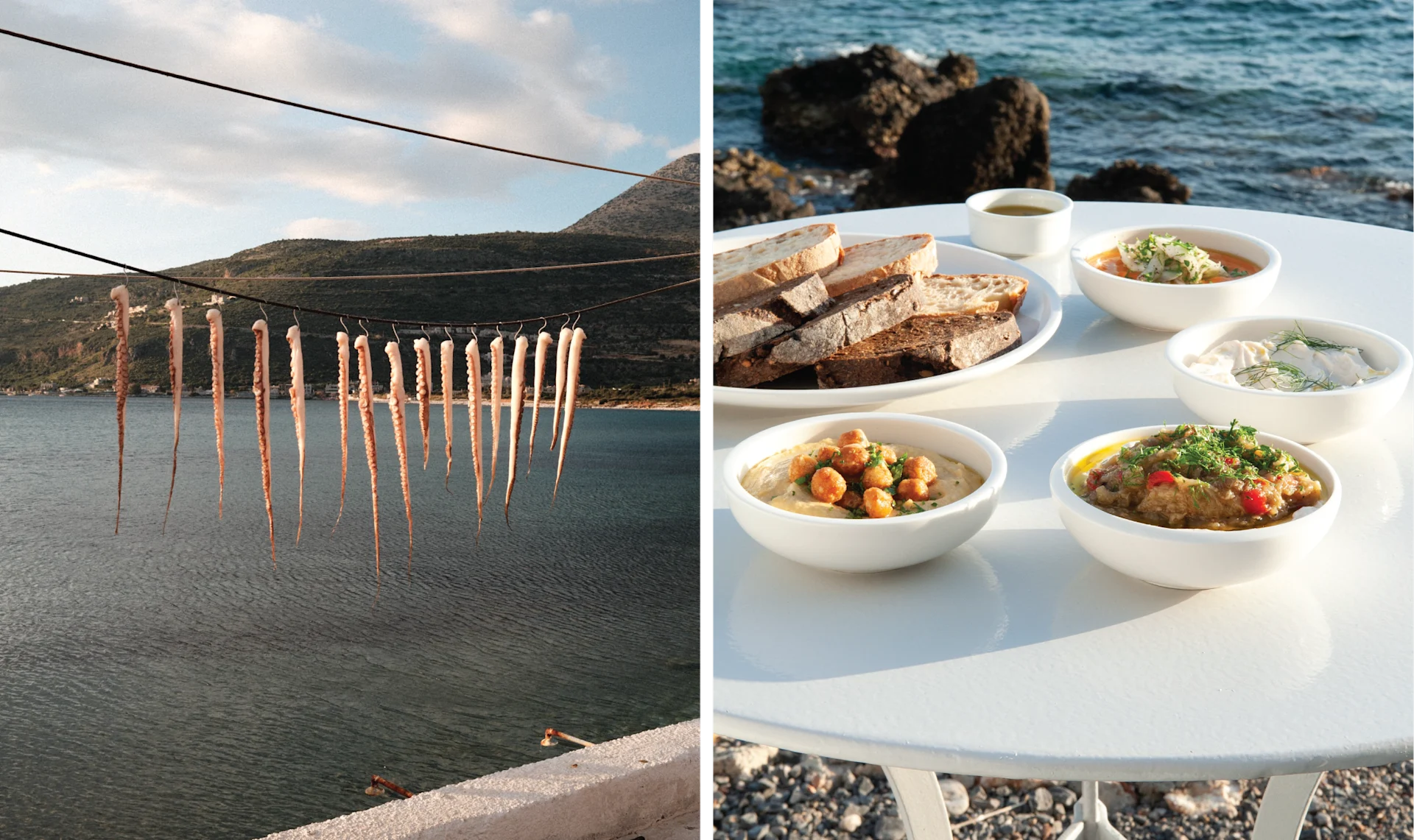
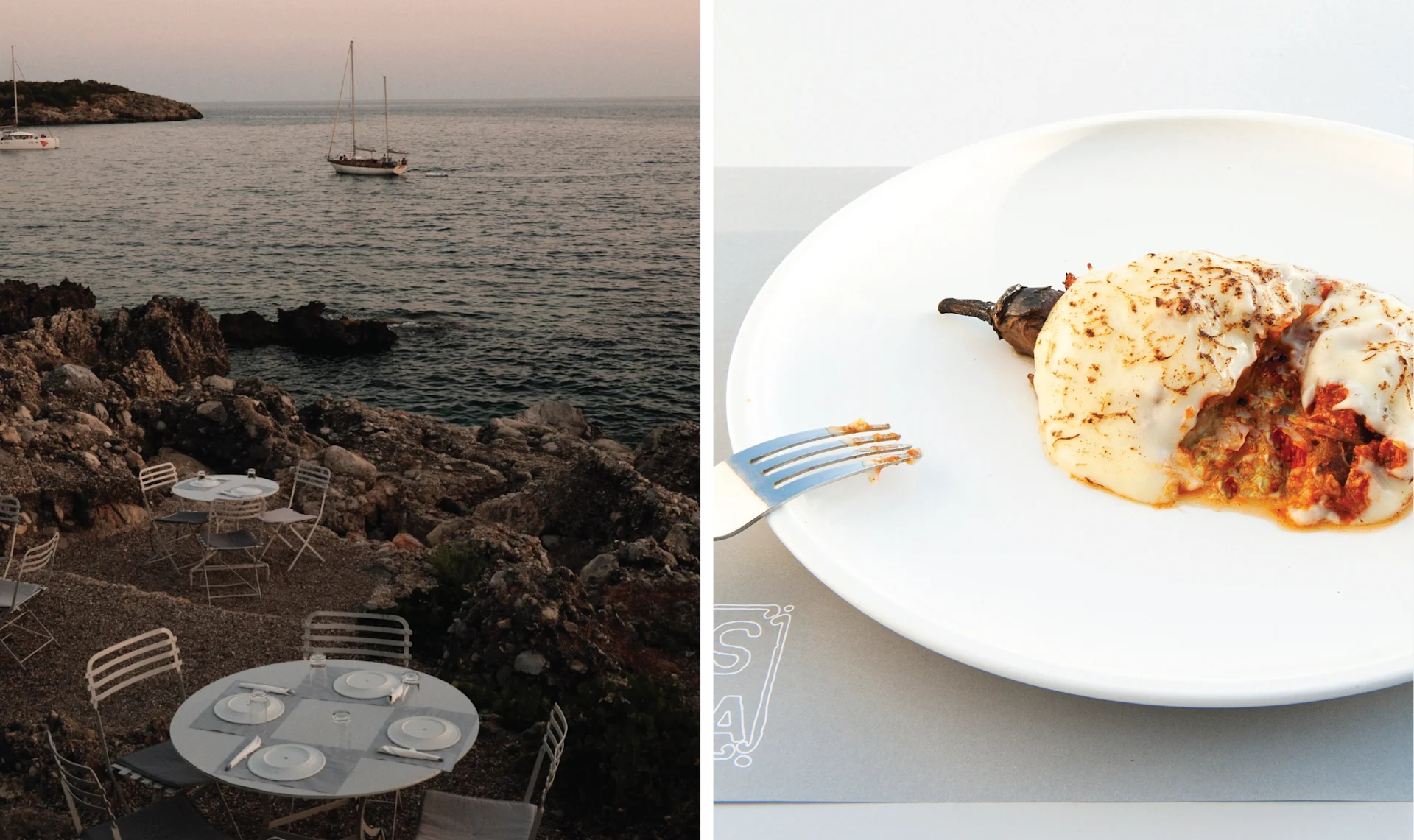
The best meal I have in Deep Mani unfolds just down the road at Aspasia, a relative newcomer with chef Stavriani Zervakakou at the helm. Her family has deep roots in the region and works much as her ancestors did, transforming locally foraged greens, legumes, and olives from the groves visible from the table, cooked over a wood fire. Though meat is still more prominent than seafood throughout the region—a vestige of a time when pirates made the coast too dangerous for fishing—here Zervakakou’s menu draws largely from the sea.
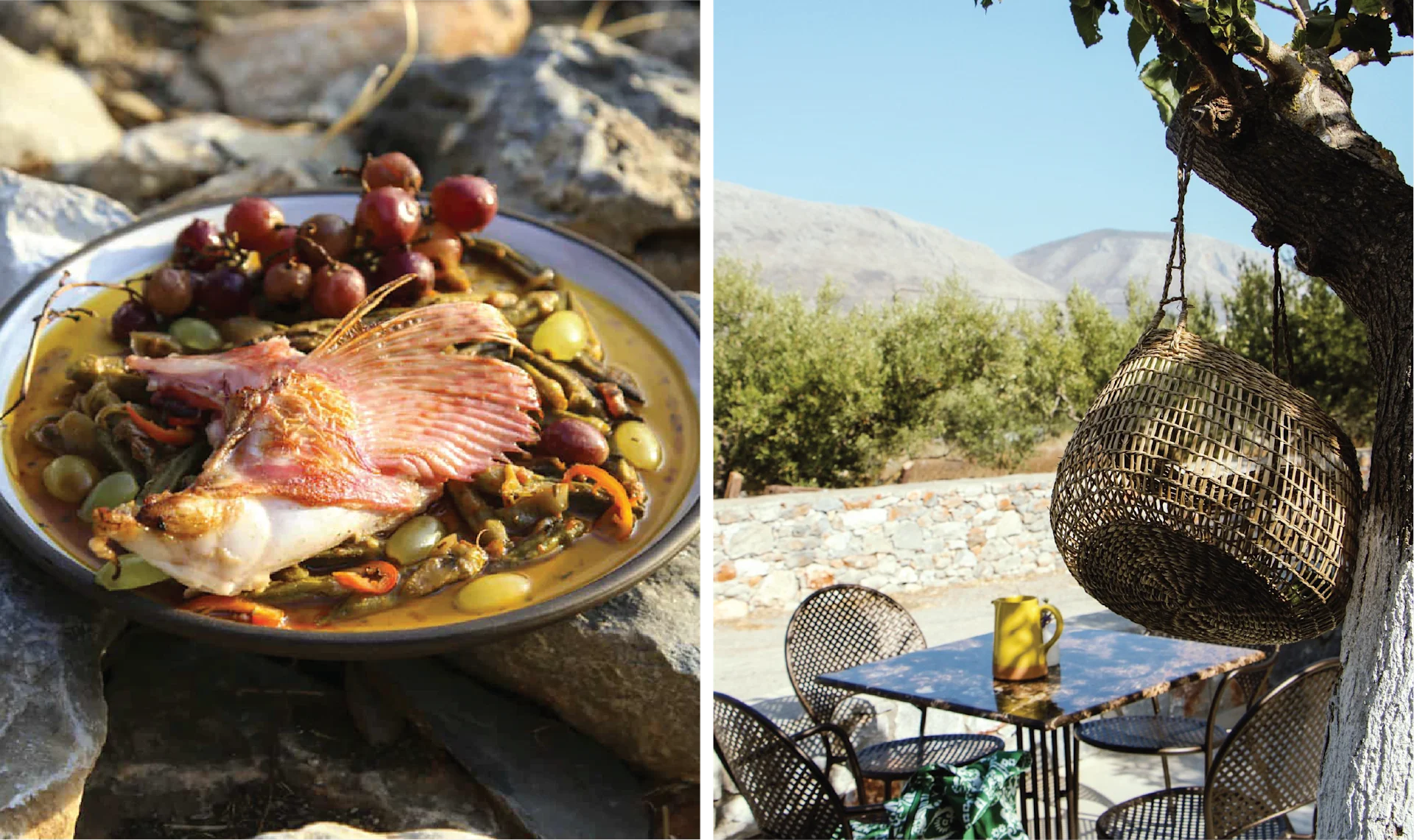
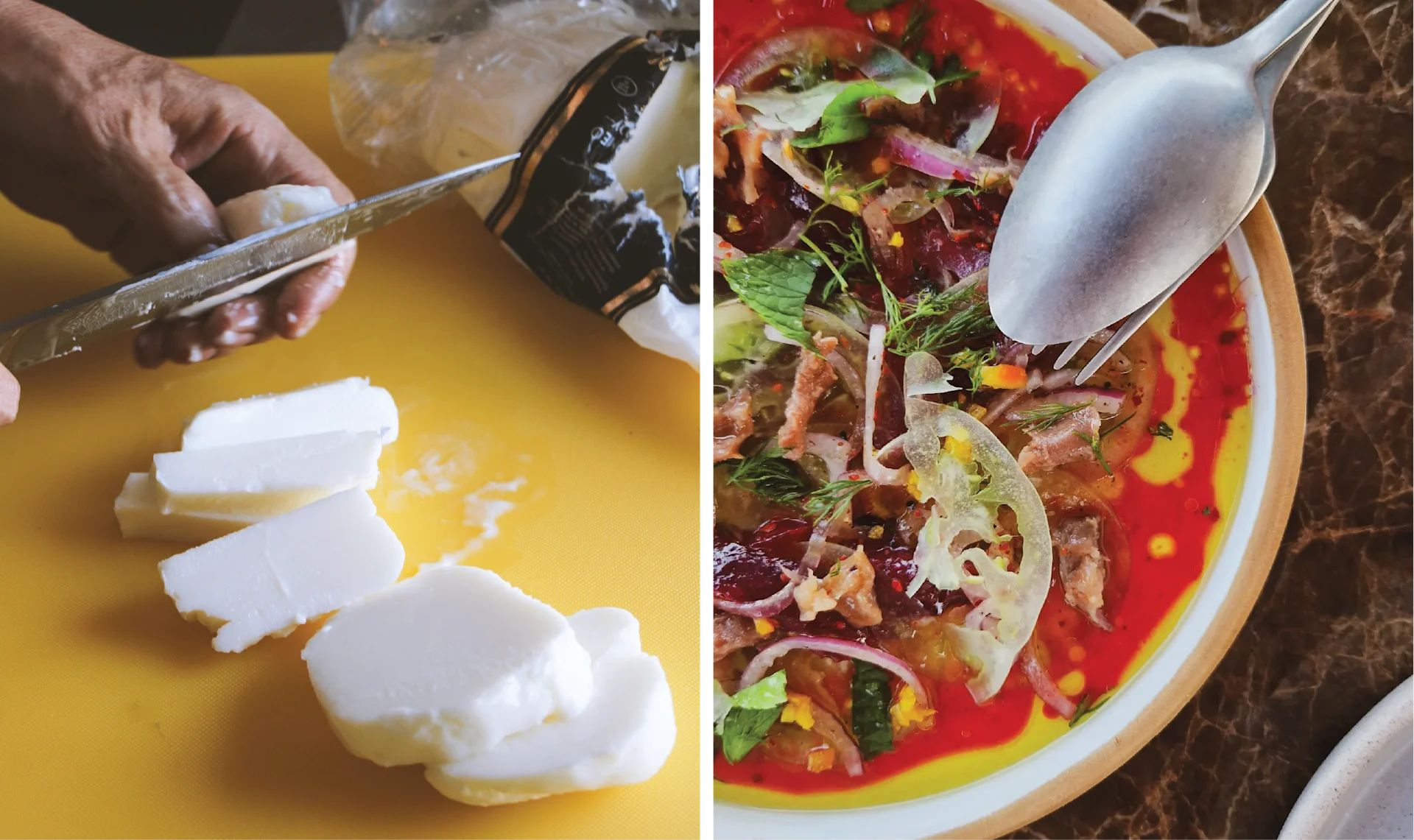
Beneath a great carob tree, I savor a crudo of marinated sardines and white sea bream layered with sweet cherries, Vatika onion, and preserved bergamot. Then comes grilled smoked horta with melon and creamy Cretan goat cheese, followed by a fillet of corvina, its skin singed by woodfire, with green beans, local cured pork, and fresh herbs. Zervakakou tells me her cooking isn’t strictly Maniot, but it draws on the peninsula’s women-led culinary traditions—even in the restaurant’s name, which honors her great-aunt Aspasia.
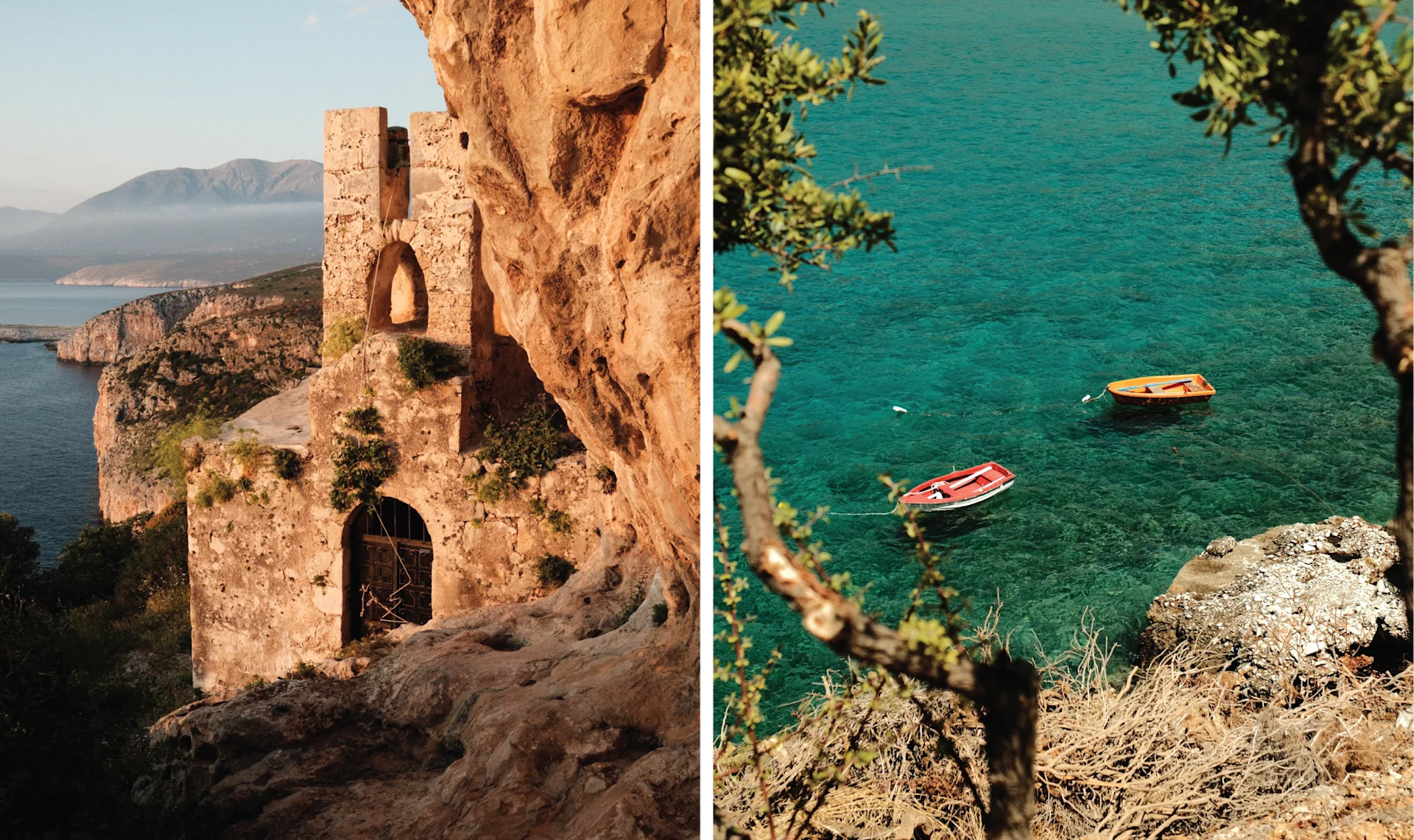
The sun is now setting, and I drive toward the water, chasing the horizon. Off the main road, scrub tickles the car doors as the cliffs open up. Suddenly, a dazzling view: Straight ahead is the Byzantine church of Panagia Odigitria, built directly into the cliffs of Mezalimonas. It has stood watch over this stretch of coast for more than eight centuries. From here, the road presses deeper into the peninsula, toward the villages that have come to define the Deep Mani.
Vathia comes into view, its dense cluster of stone tower houses rising from a rocky ridge that towers over the sea. The village is perhaps one of the peninsula’s most emblematic images. Depopulated early enough in the 20th century that little was ever rebuilt or modernized, it remains one of the clearest surviving examples of a traditional Maniot tower settlement. I wander its narrow lanes in near silence before descending the winding mountain road to Gyalia Beach for a swim.
Clothes still damp, I park outside Kyrimai Hotel. This restored 19th-century trading complex at the water’s edge has 22 guestrooms in the original buildings and tower. There’s little more to do here than drift between the restaurant’s wooden deck and a concrete swimming platform extending into the sky-blue bay, where I linger until the last light slips behind the headlands.