São Lourenço do Barrocal: Checking In & Checking Out
In a remote corner of the Alentejo, this converted farmstead offers a rare and rejuvenating taste of rural Portugal—wild horses, homemade olive oil, handwoven blankets, and all.
Anyone who says Portugal has been lost to overtourism would do well to drive two hours east of Lisbon to São Lourenço do Barrocal, an unspoiled property so deep in the Alentejo countryside that birdsong and the distant whinnying of wild horses are about the only sounds you’ll hear.
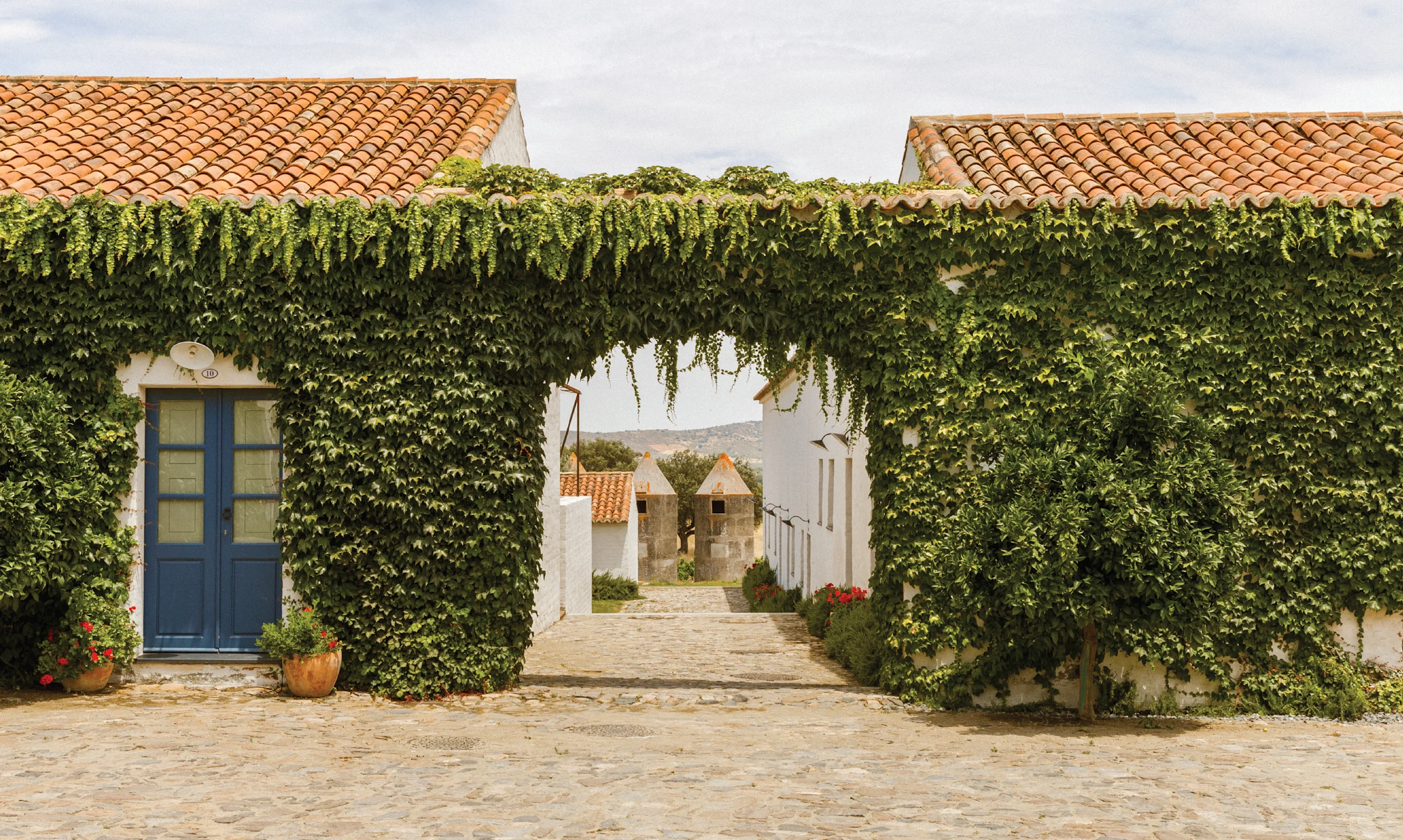
Now in its 10th year, the converted estate—which has belonged to the same family for more than two centuries—continues to appeal to travelers who value craft, personalized service, and the grounding serenity of rural life. Once home to dozens of farmhands, Barrocal still feels like a village unto itself, with a cobbled lane connecting guest rooms and communal spaces.
When
Spring and fall offer the most comfortable temperatures, with warm days and cool nights, while only those with a high tolerance for heat should brave July and August. A landscape artist would never tire here: Each season brings a distinct color palette, with wildflowers blooming in different shades and the surrounding meadows fading from shamrock green during the wetter months (November through April) to straw yellow as the heat sets in. That seasonal contrast—cozy nights around the fireplace on one visit, sunbathing by the pool a few months later—makes Barrocal worth returning to at different times of year.
Where
São Lourenço do Barrocal sits among olive groves, vineyards, cork oaks, and the great granite boulders for which the estate is named. The Spanish border (and postage-stamp Badajoz airport) is just beyond Monsaraz, the whitewashed medieval hill town visible from parts of the property; Lisbon is roughly two hours west by car. This is big-sky country: sparsely populated, agricultural, and seemingly empty for miles, with the vast, dramatic Alqueva reservoir veining the tree-dotted landscape.
The Proprietors
José António Uva, the eighth-generation owner of the estate, spent more than a decade bringing it back to life after years of decline. At its agricultural peak, Barrocal's seven large buildings (now guest rooms and common areas) housed some 50 families, who worked the surrounding land. With the renovation, Uva wanted to restore the feeling of a lived-in rural community rather than turn the property into a conventional resort; part of that meant putting the land back to work, with wine, vegetables, and olive oil once again coming from the estate.
Design
Pritzker Prize-winning architect Eduardo Souto de Moura oversaw Barrocal’s transformation, which preserved many of its original elements. The old olive mill became the bar, the restaurant moved into a former barn, and agricultural pavilions were converted into cottages. Whitewashed stone, terracotta tile, granite, and vaulted ceilings abound—bones complemented by warm, uncluttered interiors from AnahoryAlmeida. Even the estate’s less glamorous structures—a dovecot, pigsty, kennel, and schoolroom among them—were incorporated into the design.
The Crowd
Barrocal draws a cosmopolitan yet low-key crowd: Lisbon couples escaping the city, design-minded Europeans, young families, and Americans exploring the Alentejo as part of a longer Portugal trip. Linen and leather sandals make a comfy uniform for much of the year. Dips in the pool, long-table lunches, horseback rides, and tastings of the estate wine and olive oil are popular activities.
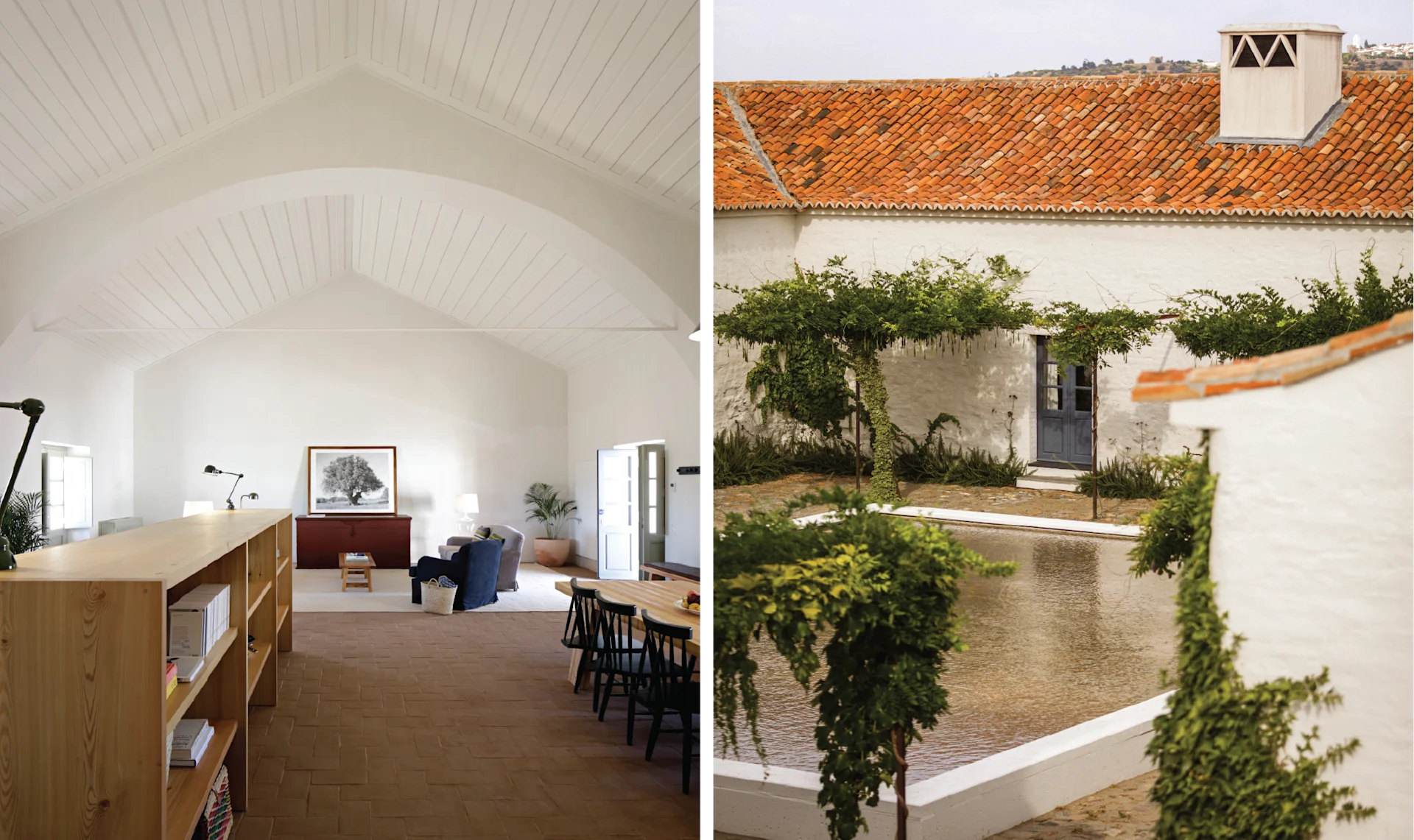
Photo: Nelson Gorrido (courtesy: São Lourenço do Barrocal)
Photo: James Ash (courtesy: São Lourenço do Barrocal)
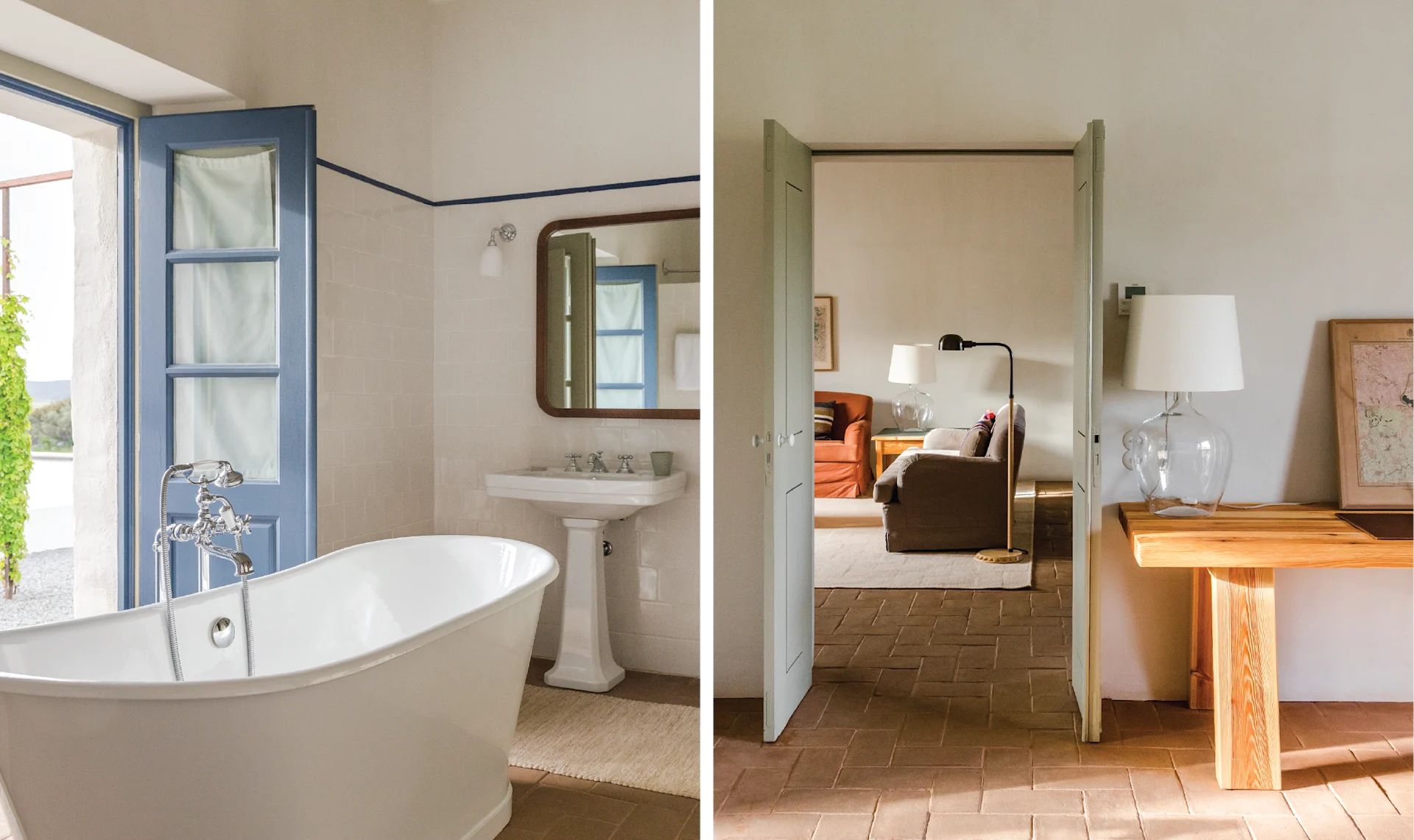
Photo: James Ash (courtesy: São Lourenço do Barrocal)
Photo: James Ash (courtesy: São Lourenço do Barrocal)
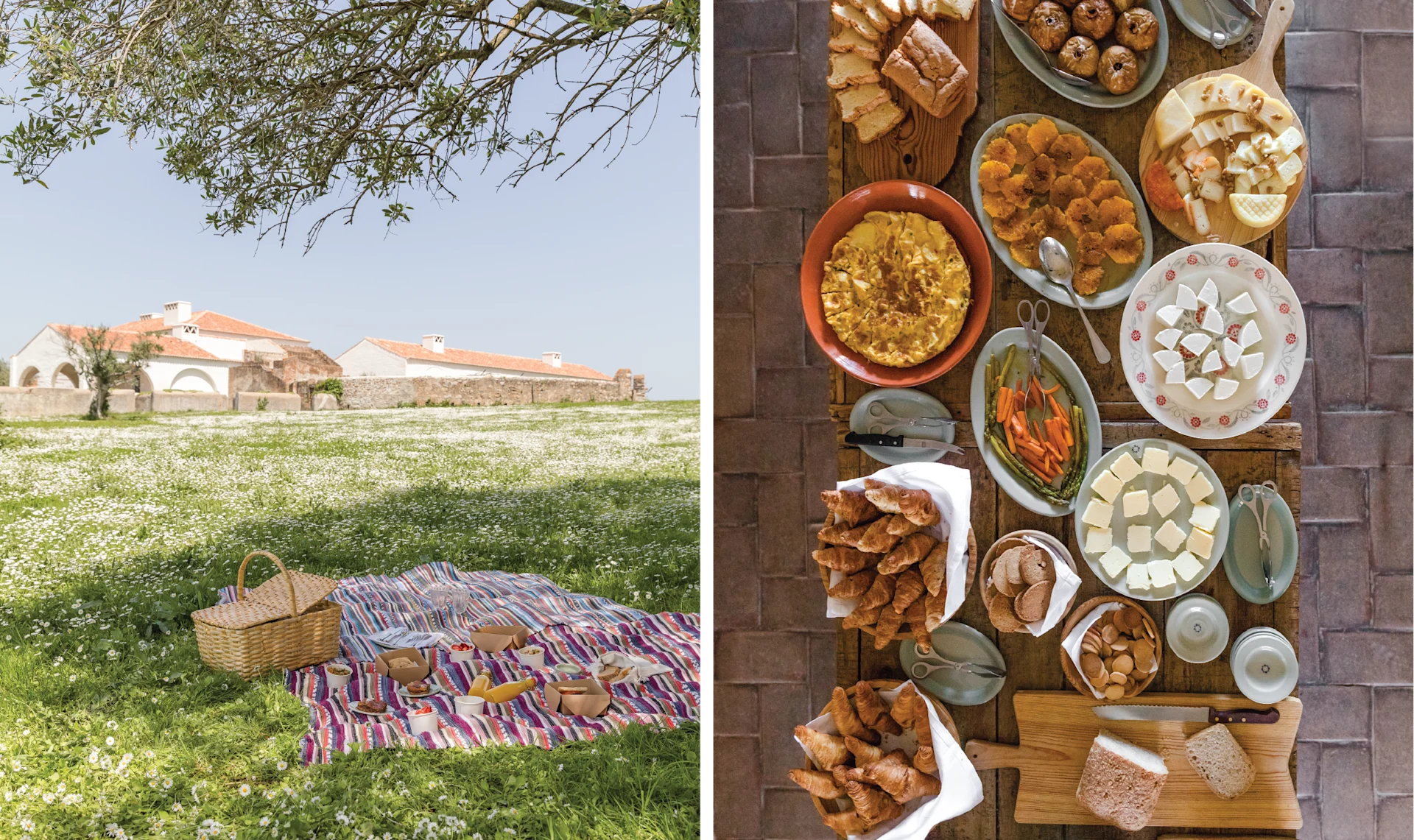
Photo: James Ash (courtesy: São Lourenço do Barrocal)
Photo: James Ash (courtesy: São Lourenço do Barrocal)
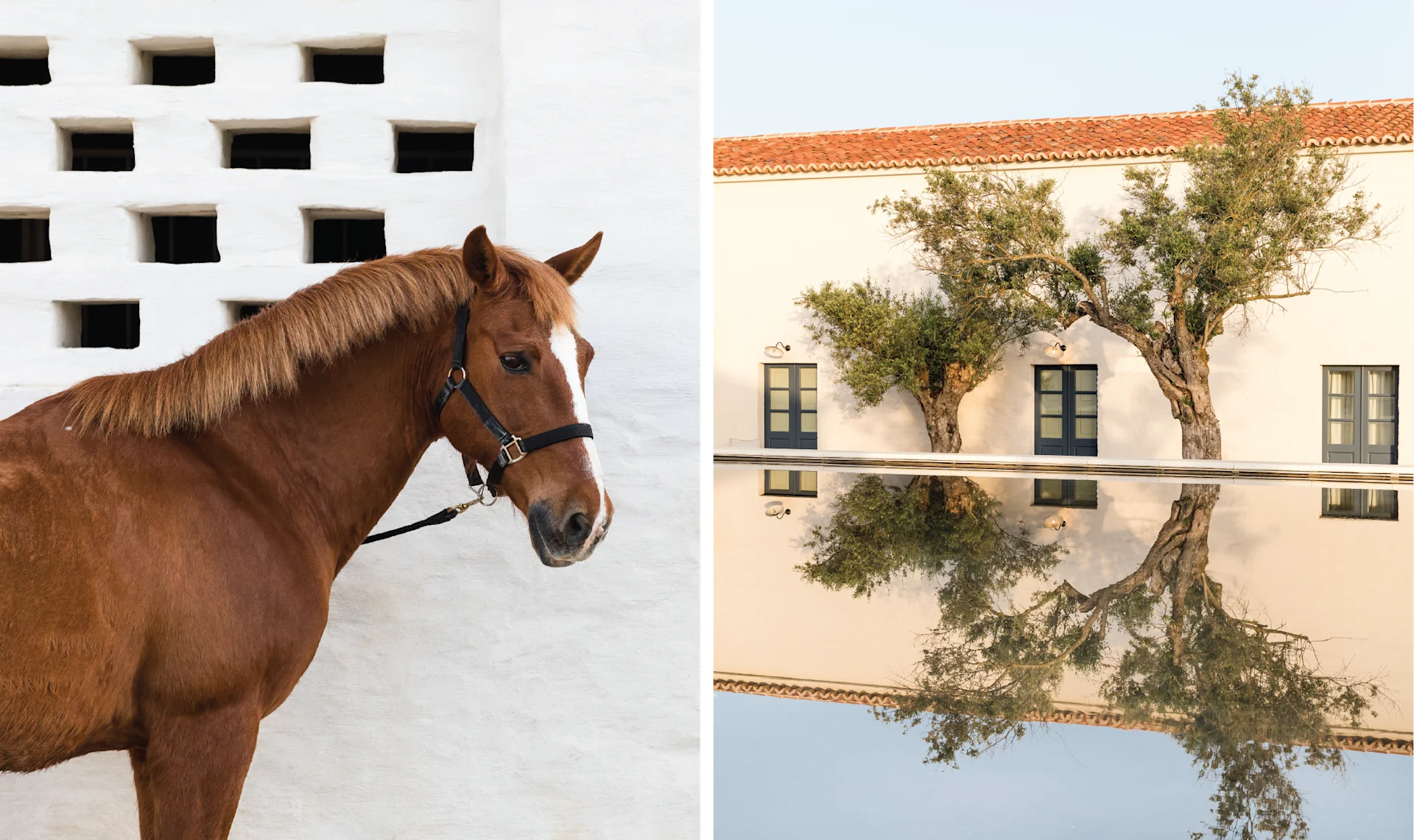
Photo: James Ash (courtesy: São Lourenço do Barrocal)
Photo: James Ash (courtesy: São Lourenço do Barrocal)
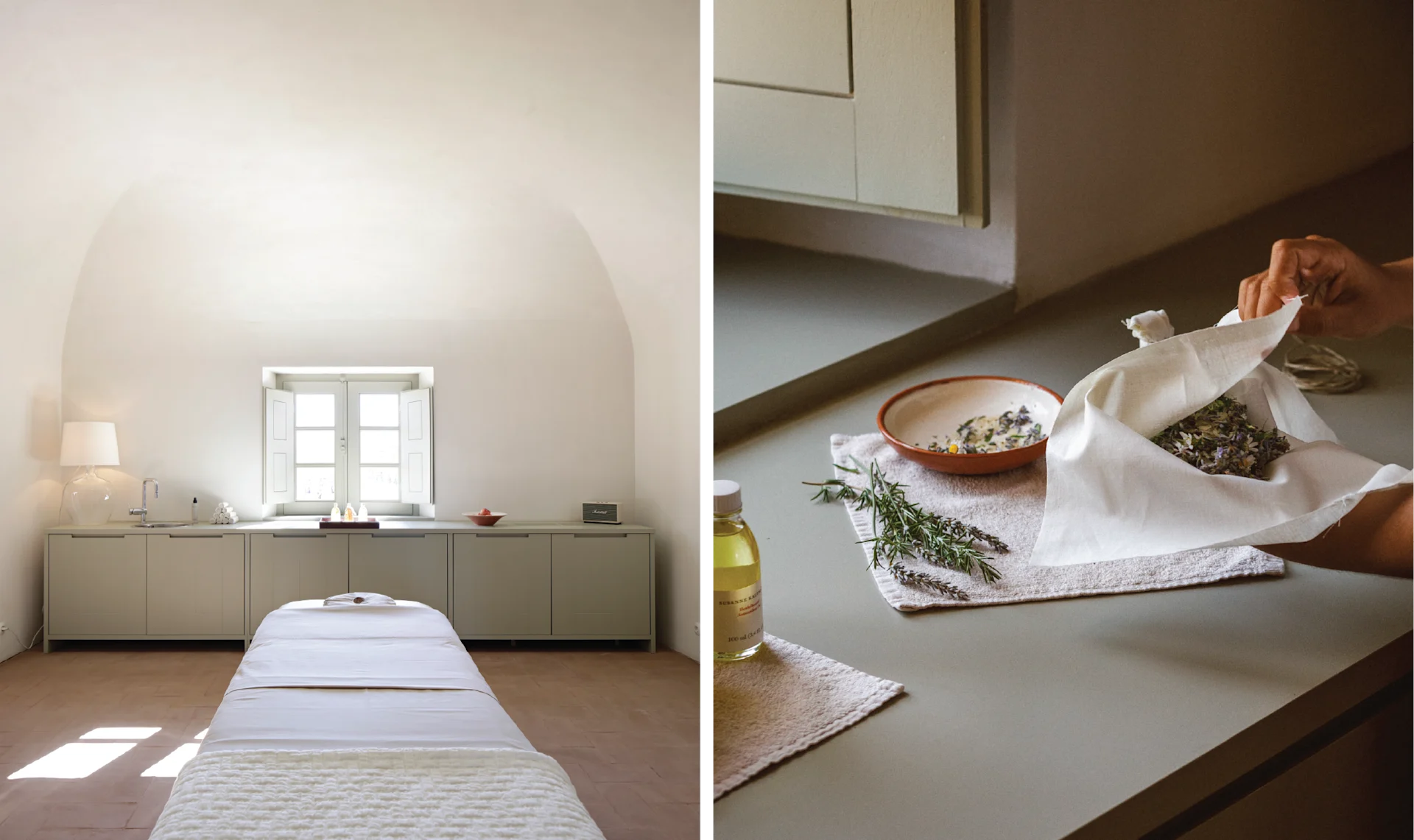
Photo: James Ash (courtesy: São Lourenço do Barrocal)
Photo: James Ash (courtesy: São Lourenço do Barrocal)
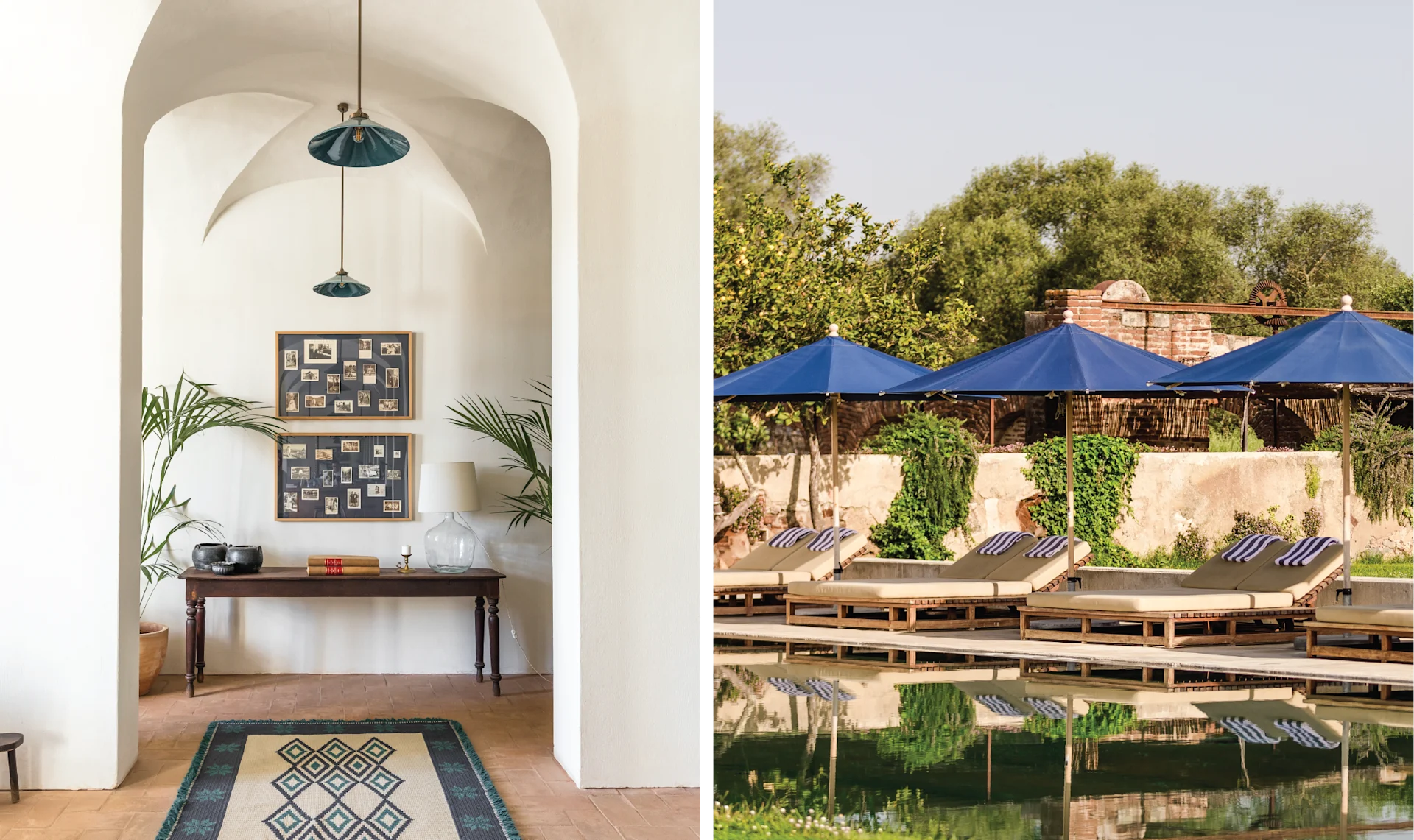
Photo: James Ash (courtesy: São Lourenço do Barrocal)
Photo: James Ash (courtesy: São Lourenço do Barrocal)
Photo: Nelson Gorrido (courtesy: São Lourenço do Barrocal)
Photo: James Ash (courtesy: São Lourenço do Barrocal)
Photo: James Ash (courtesy: São Lourenço do Barrocal)
Photo: James Ash (courtesy: São Lourenço do Barrocal)
Photo: James Ash (courtesy: São Lourenço do Barrocal)
Photo: James Ash (courtesy: São Lourenço do Barrocal)
Photo: James Ash (courtesy: São Lourenço do Barrocal)
Photo: James Ash (courtesy: São Lourenço do Barrocal)
Photo: James Ash (courtesy: São Lourenço do Barrocal)
Photo: James Ash (courtesy: São Lourenço do Barrocal)
Photo: James Ash (courtesy: São Lourenço do Barrocal)
Photo: James Ash (courtesy: São Lourenço do Barrocal)
Rooms
The 22 rooms, two suites, and 16 cottages were once farmworkers’ homes, barns, stables, and cowsheds, so no two categories are alike. Even entry-level Farm Rooms clock in at roughly 600 square feet, with an antechamber, reading chair, double vanities, heated bathroom floors, and a shaded outdoor area; a few look toward Monsaraz castle. The cottages are bona fide houses, some reaching 2,370 square feet, with Gaggenau- and Smeg-equipped kitchens, dining tables for six, and patios. Beds are laid with Egyptian cotton sheets and thick wool blankets (woven nearby and available for purchase at the shop), and bathrooms come appointed with Susanne Kaufmann products.
Dining
A breakfast spread as varied as it is bountiful sets the tone for the stay. There are thick slices of hearth-baked bread (from Padaria do Baldio, the village bakery) spread with sunny pingo, the paprika-spiked lard beloved in the Alentejo; hand-sliced porco preto ham; goat butter; artisanal cheeses by local makers Sapata and Balecho; and fruit picked at its sweet prime. Lunch and dinner also weave in ingredients from the estate and neighboring farms with dishes like green gazpacho, battered fish, and ham-and-melon salad. Barrocal also presses oil from its galega olives and bottles wine from Portuguese varieties such as roupeiro, alicante bouschet, and touriga nacional. After dinner, potent herbal digestifs warm the belly as the temperature drops.
Wellness
Estate olive oil, rosemary, and lavender find their way into footbaths and other emollients at the on-site spa, which takes in a sauna and relaxation room as well as outdoor spaces when the weather abides. Wellness here extends to horseback rides through the property, cycling, yoga, and meditative walks. The outdoor pool, which sits beside one of the Stonehenge-like granite outcrops scattered across the estate, is an oasis in the warmer months.
Impact
The organically certified estate grows much of its own food and uses solar energy for hot water and air conditioning. Water and other waste are recycled when possible. In the hotel shop—one of the most memorable of any in Portugal—most of what’s sold comes from small Portuguese producers.
Beyond
The hilly, sun-bleached village of Monsaraz, one of the country's most picturesque, is just up the road and makes a worthwhile afternoon excursion. A handful of shops sell handwoven rugs, Portuguese soaps, local natural wines, ceramics, and antiques. Its main square is anchored by the 16th-century Igreja de Nossa Senhora da Lagoa, built largely from local schist and filled with gilded woodwork, eight side chapels, and the marble tomb of the town’s first alcaide. Nearby Reguengos de Monsaraz is known for weaving, and Évora, about an hour away, boasts Roman ruins, medieval streets, and monumental architecture. Barrocal also makes a compelling starting point for a border-straddling road trip: Push east into Spain’s Extremadura, and you can spend several days exploring some of the least developed reaches of the Iberian Peninsula
Drawbacks
Barrocal has no major airport nearby, and the long journey in means you’ll want to stay for at least three nights. Once you’ve wandered Monsaraz and the other nearby towns, there isn't all that much sightseeing to do. Of course, that’s largely the point: Barrocal is a self-contained retreat, a place you come to walk, ride horses, eat and drink well, and quadruple your book-in-bed time. Travelers seeking a packed itinerary may get restless after a few days, and rambunctious kids could find the bucolic pleasures of rural Alentejo a tad too mellow.
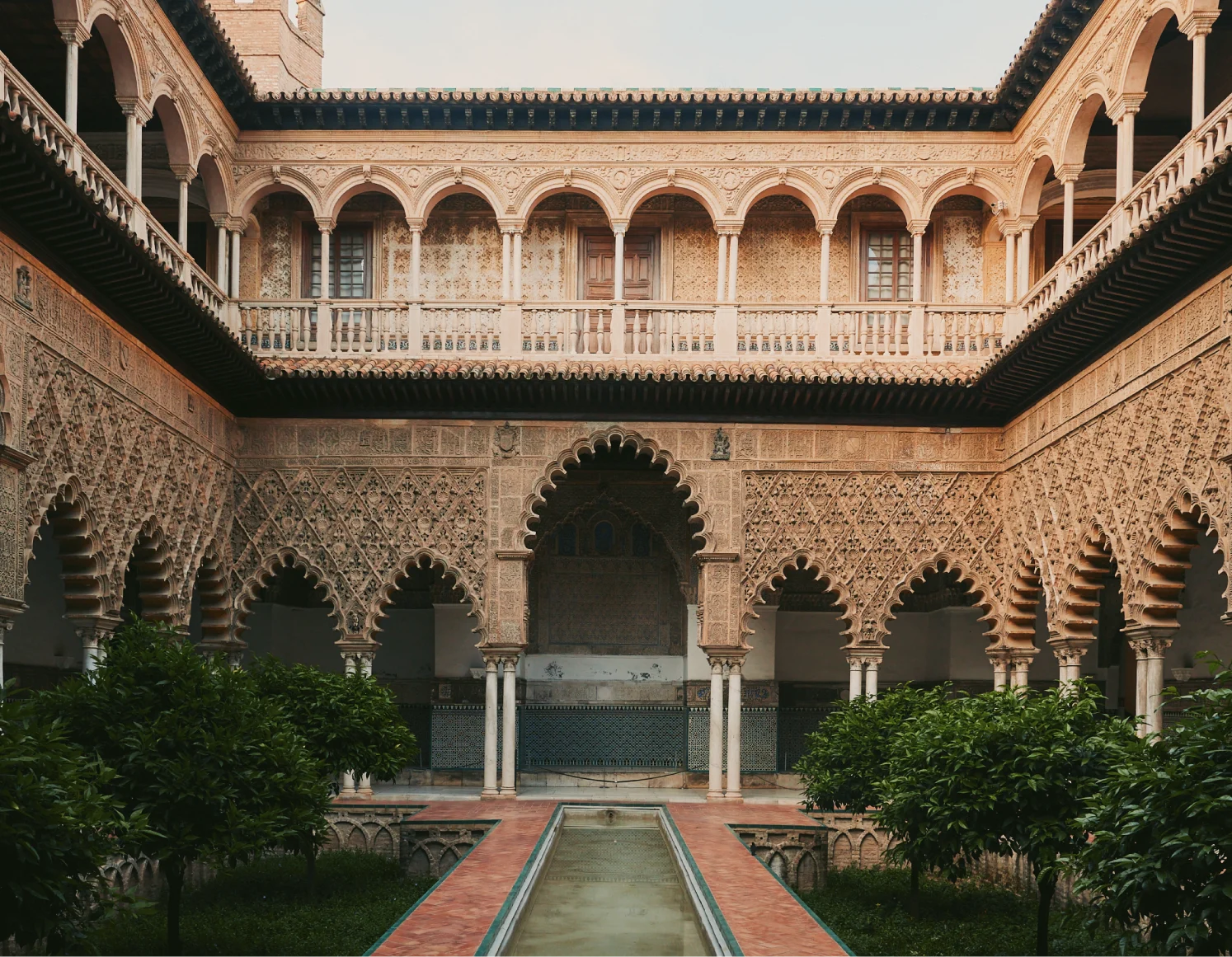
Join us in Seville and Jerez for an exclusive Feria del Caballo group trip.
Join us in Seville and Jerez for an exclusive Feria del Caballo group trip.

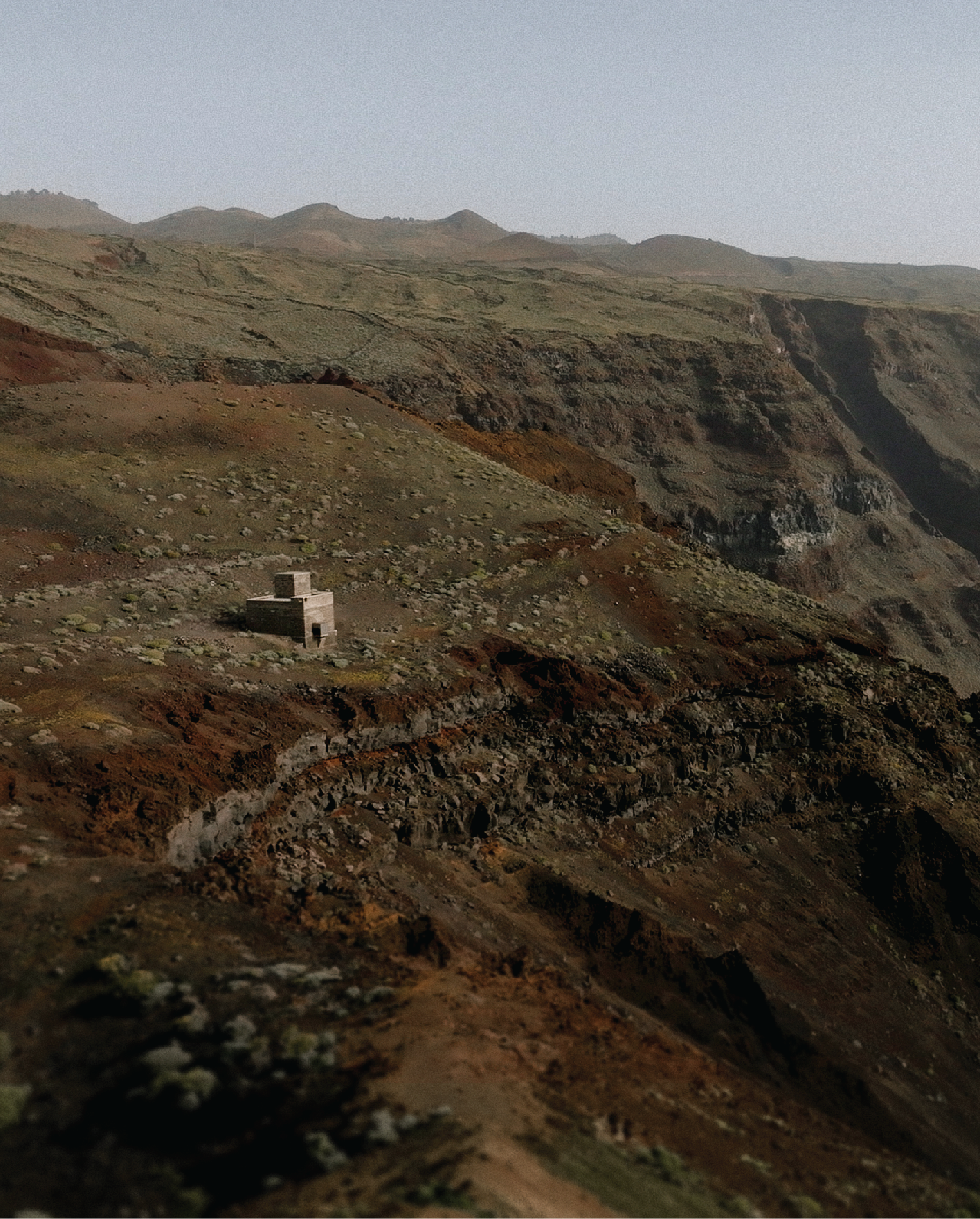
To book a stay at this off-grid retreat on El Hierro in the Canary Islands, you must first send a handwritten letter.
Read More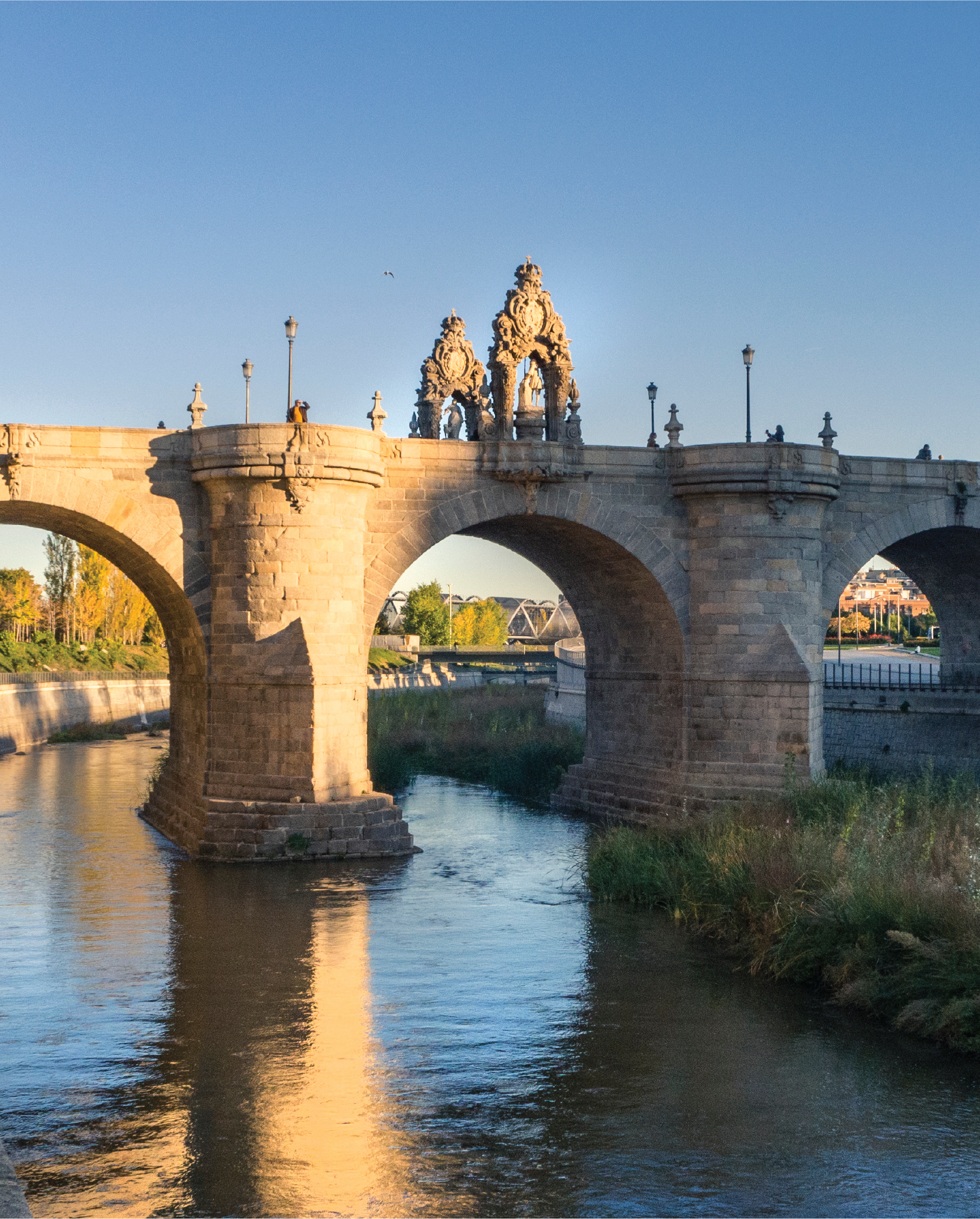
South of the river, beyond the postcard center, Carabanchel is where the city still feels like itself—and where its creative pulse beats strongest.
Read More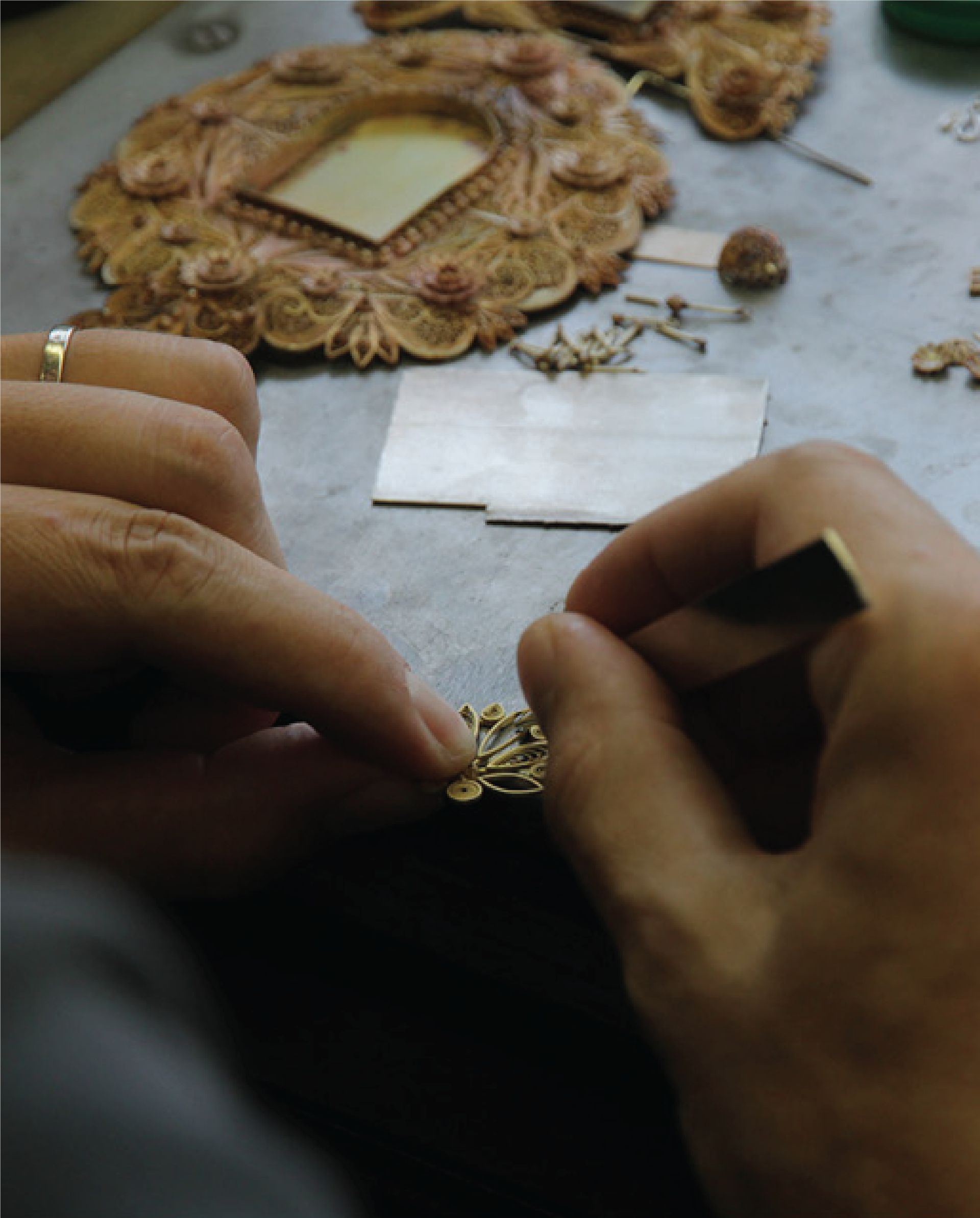
In village workshops, kilns, and quarries, artisans are proving that generations-old techniques still have a place in contemporary design.
Read More