The Material World of Portugal
In village workshops, kilns, and quarries, artisans are proving that generations-old techniques still have a place in contemporary design.
In Portugal, it’s still possible to walk into a home where many everyday objects came from just down the road. The ceramic bowls in the cupboard were fired in the next town over. The soft linen towels were embroidered at a family-run workshop. The wool blanket was woven on a generations-old loom that’s still clacking away today.
This is one of Europe’s last great strongholds of living craft. Beneath ancient cork groves and along the salt-laced coast, artisans continue to spin Portuguese wool, paint clay vessels and azulejos by hand, and braid baskets from river reeds. And while nothing compares to stepping inside the rush-weaving workshop of Toino Abel north of Lisbon or visiting the marble quarries of Estremoz to pick a slab for your next countertop, many of Portugal’s finest crafts are surprisingly easy to order and ship.
As more people seek well-made objects with traceable origins, Portugal feels particularly well positioned. International home brands such as The Citizenry and Piglet in Bed source their linen wares from Portuguese factories. Chanel has collaborated with the historic Madeiran embroidery house Bordal on its haute couture collections, and Dior partnered with Joana Vasconcelos in 2023 to incorporate traditional Viana do Castelo embroidery into its set design.
To understand Portuguese craftsmanship, it helps to begin with the country’s landscapes and raw materials. This guide follows the mediums that have long defined its creative identity—wool, clay, stone, leather, metal, and rush—through historic manufacturers like Torres Novas, Portugal’s oldest linen brand, as well as contemporary voices such as textile artist Vanessa Barragão and architect Gisella Tortoriello of Olivah. Whether you want to stand beside whirring wooden looms in a weaving studio or fill your home with hand-thrown pottery and leather boots built to last, Portugal endures as one of Europe’s richest destinations for craft.
Wool
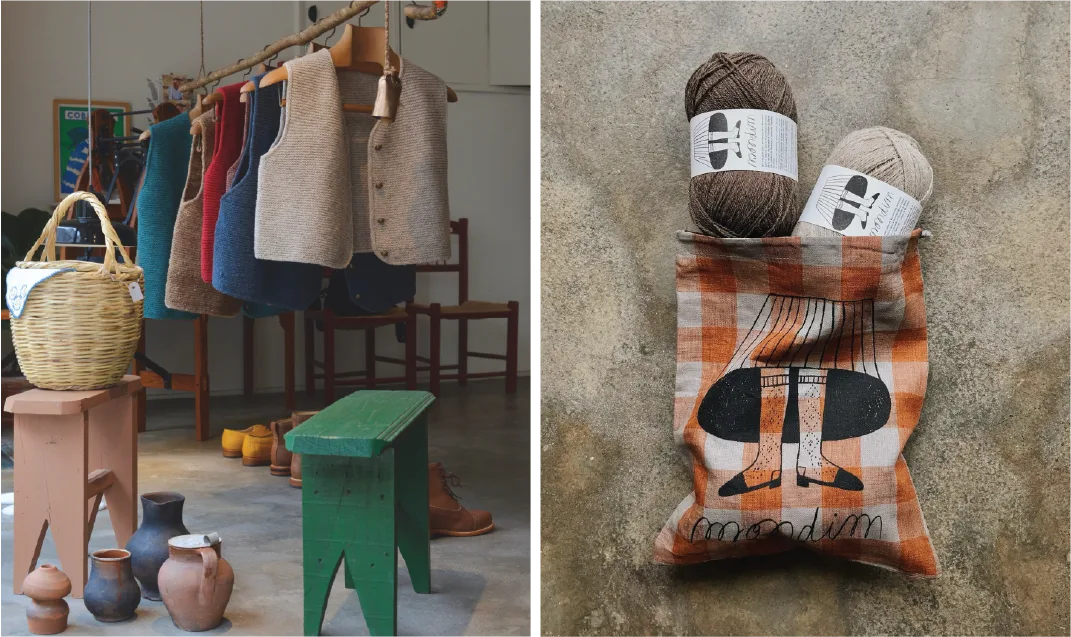
From the rocky slopes of the Serra da Estrela to the agricultural plains of Alentejo, wool has been integral to Portuguese craft since time immemorial. By the 16th century, the country had become an important player in the European wool trade, supported by hardy native sheep breeds suited to its varied terrain and harsh mountain winters. That legacy endures in Manteigas, where the historic Burel Factory still produces burel, the dense, weatherproof cloth once worn by shepherds in the Serra. Woven on traditional looms, it now appears in country houses and boutique hotels as blankets, upholstery, and wall coverings. The factory also produces supple merino throws in retro checks, sculptural felt pillows, and revived 1970s vintage patterns.
Farther south in Alentejo, the hilltop town of Arraiolos has been synonymous with embroidered wool rugs for five centuries. Local women still stitch intricate floral and geometric motifs by hand in workshops along its cobbled streets. After a dose of history at the Arraiolos Rugs Interpretive Center, peek into family-run ateliers such as Fábrica de Tapetes Hortense to see the embroidery firsthand.
Much like the farm-to-table movement, “sheep-to-skein” champions traceable materials and slower production. Rosa Pomar and Paula Neves both work closely with shepherds to preserve endangered native breeds, spinning local wool—including from the rare black Campaniça sheep—into skeins prized by knitters worldwide.
Contemporary makers are pushing the material in new directions. Maria Pratas creates sculptural wall hangings and oversize baskets, while Vanessa Barragão transforms reclaimed Portuguese wool into marine-inspired tapestries.
Courtesy Rosa Pomar
Courtesy Rosa Pomar
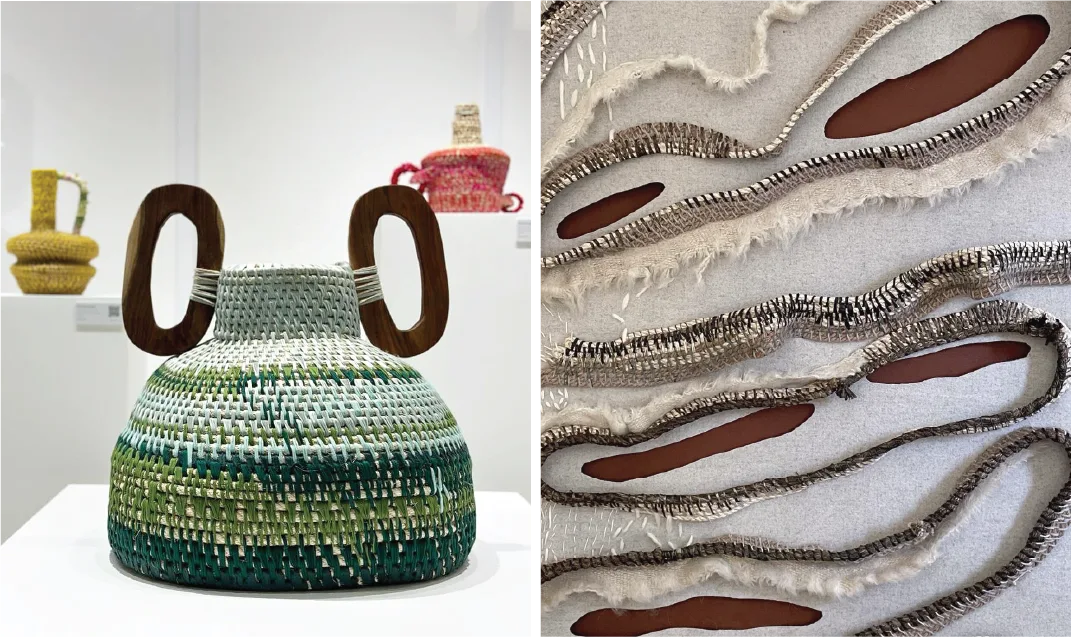
Courtesy Maria Pratas
Courtesy Maria Pratas
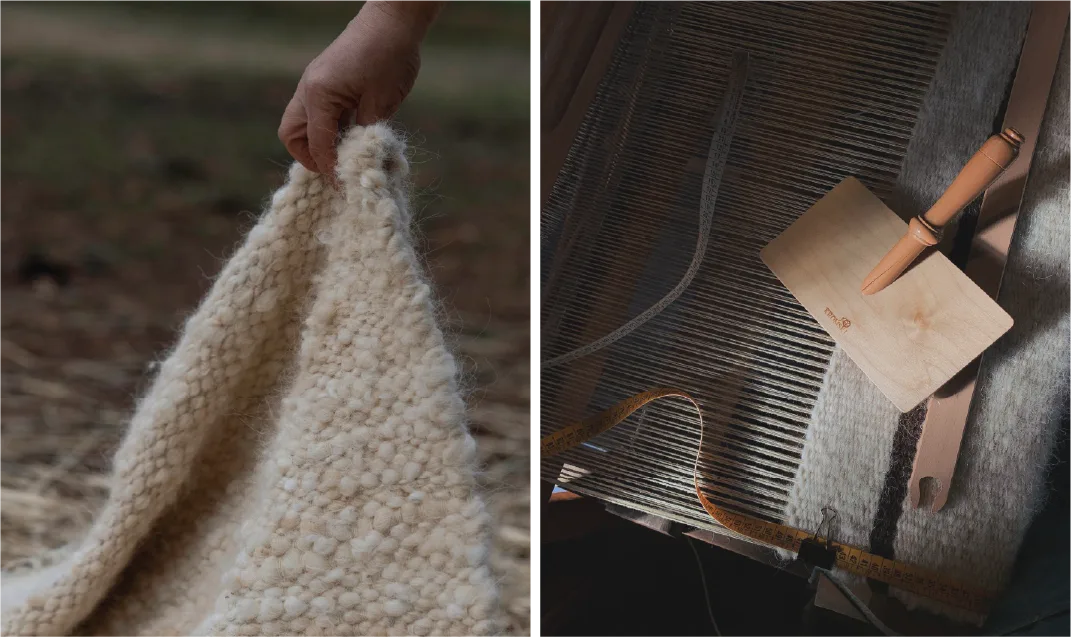
Courtesy Paula Neves
Courtesy Paula Neves
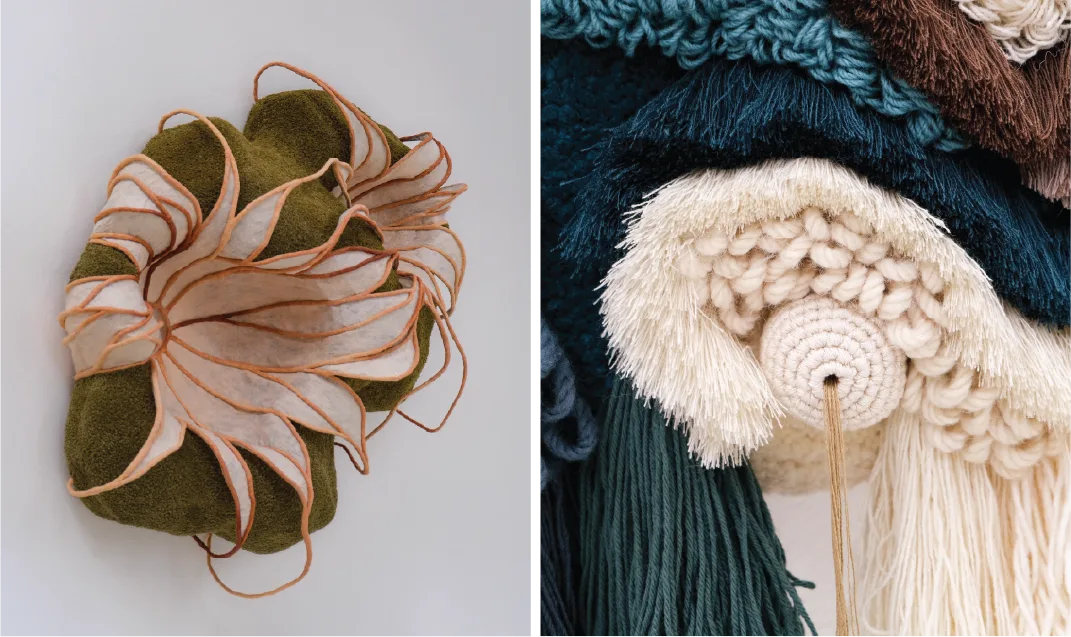
Courtesy Vanessa Barragão
Courtesy Vanessa Barragão
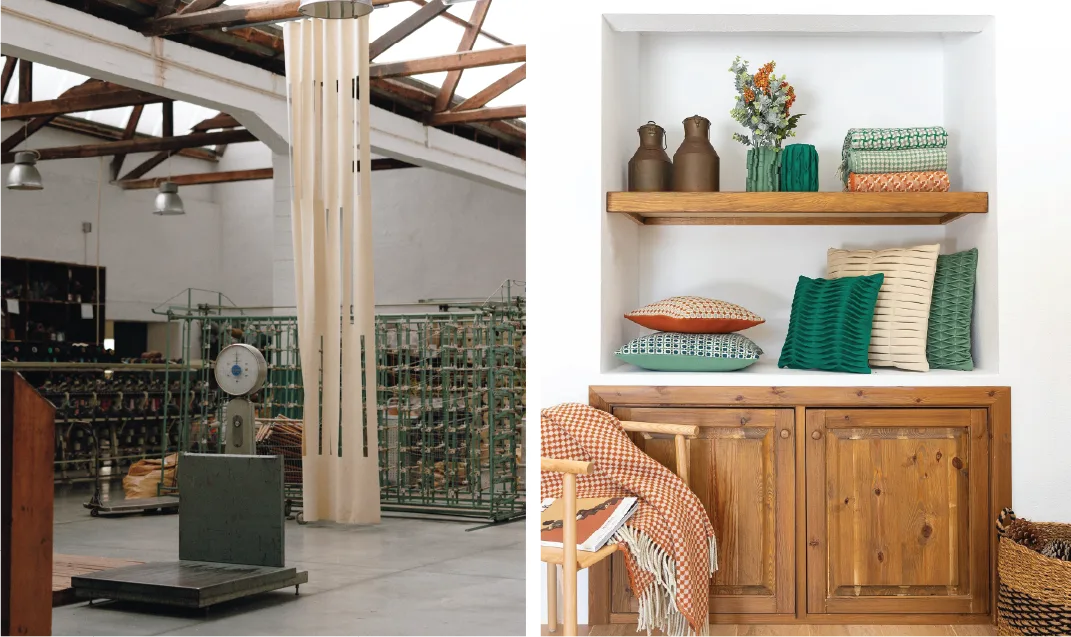
Courtesy Burel
Courtesy Burel
Courtesy Rosa Pomar
Courtesy Rosa Pomar
Courtesy Maria Pratas
Courtesy Maria Pratas
Courtesy Paula Neves
Courtesy Paula Neves
Courtesy Vanessa Barragão
Courtesy Vanessa Barragão
Courtesy Burel
Courtesy Burel
Clay
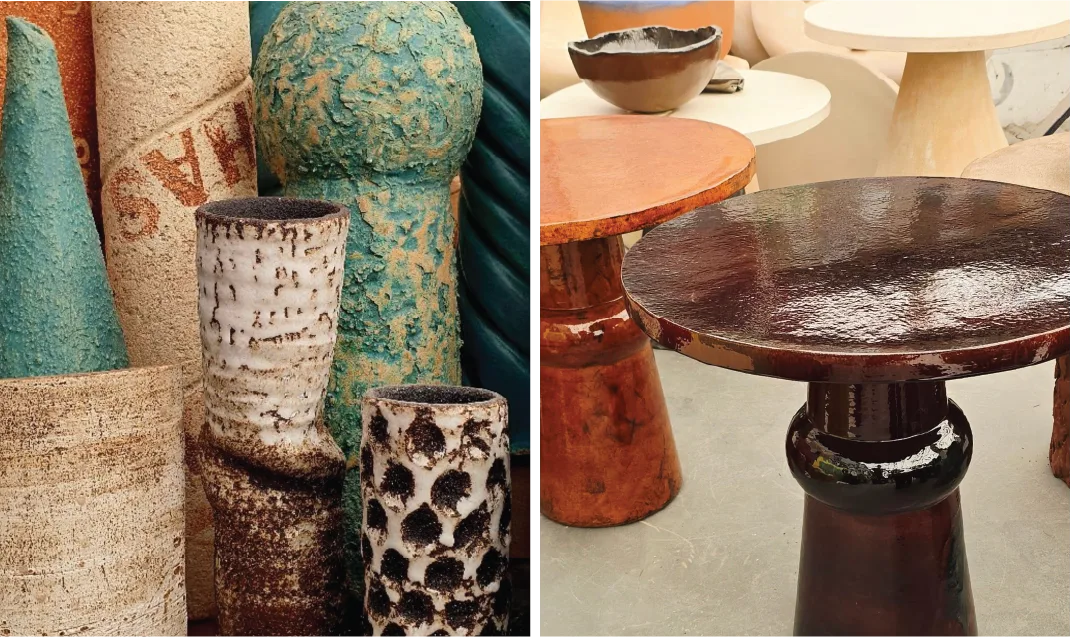
In rural towns across Portugal—including Redondo, Beringel, and São Pedro do Corval—you can still catch glimpses of age-old pottery traditions. Tucked away in unassuming workshops are some of the country’s last master potters still making red earthenware entirely by hand. The work is both labor-intensive and exacting: Clay is dug from the earth by hand, shaped on manual kick wheels, then fired in wood-burning kilns the potters build, stoke, and tend.
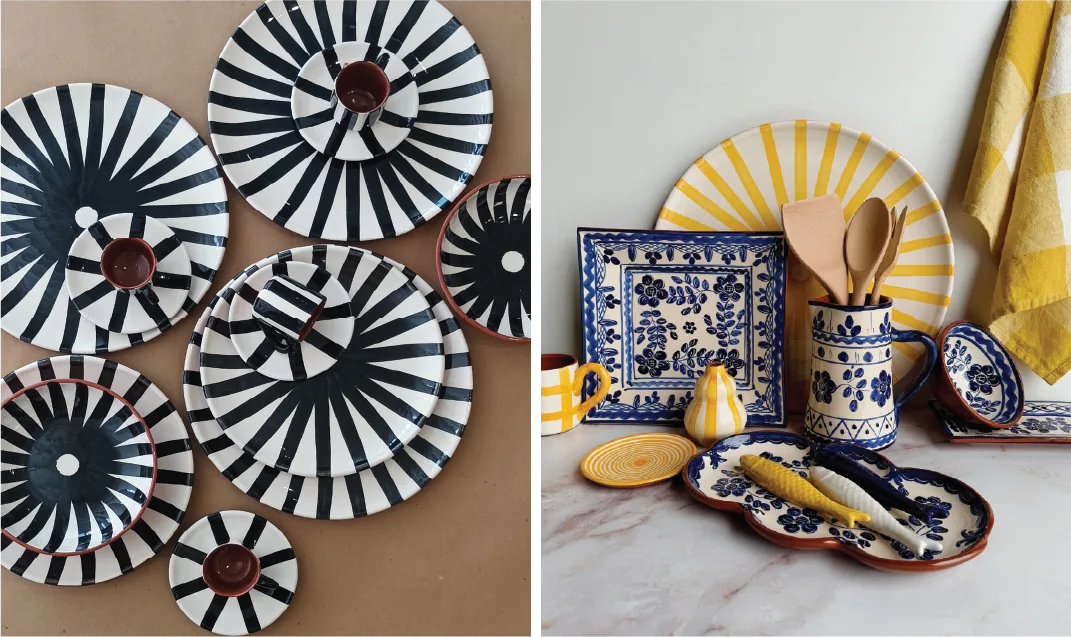
From hand-painted azulejos to rustic earthenware to the distinctive barro negro—white clay turned deep black through the soenga firing process—the country’s ceramics are endlessly diverse. Outside Porto, master tile artisan Joaquim Pombal carries forward the legacy of azulejo making through meticulous restoration work and hand-painted tiles. In the Alentejo region, São Pedro do Corval, the country’s largest pottery center, is home to more than 20 olarias (potteries). Here, Casa Cubista eschews classic motifs like religious iconography and intricate florals for graphic stripes, playful color palettes, and clean silhouettes.
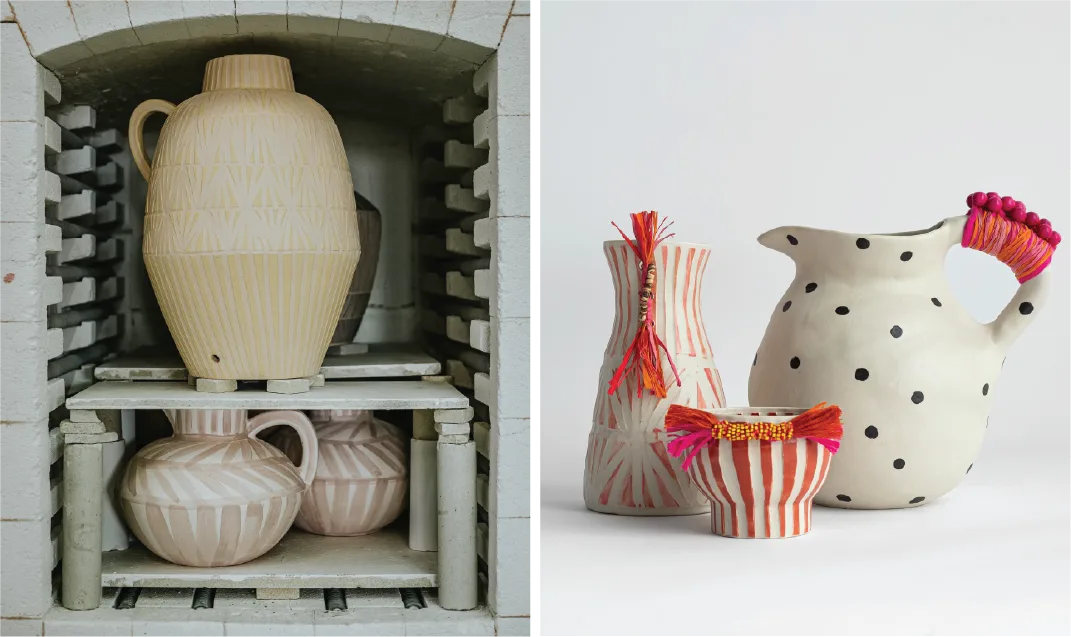
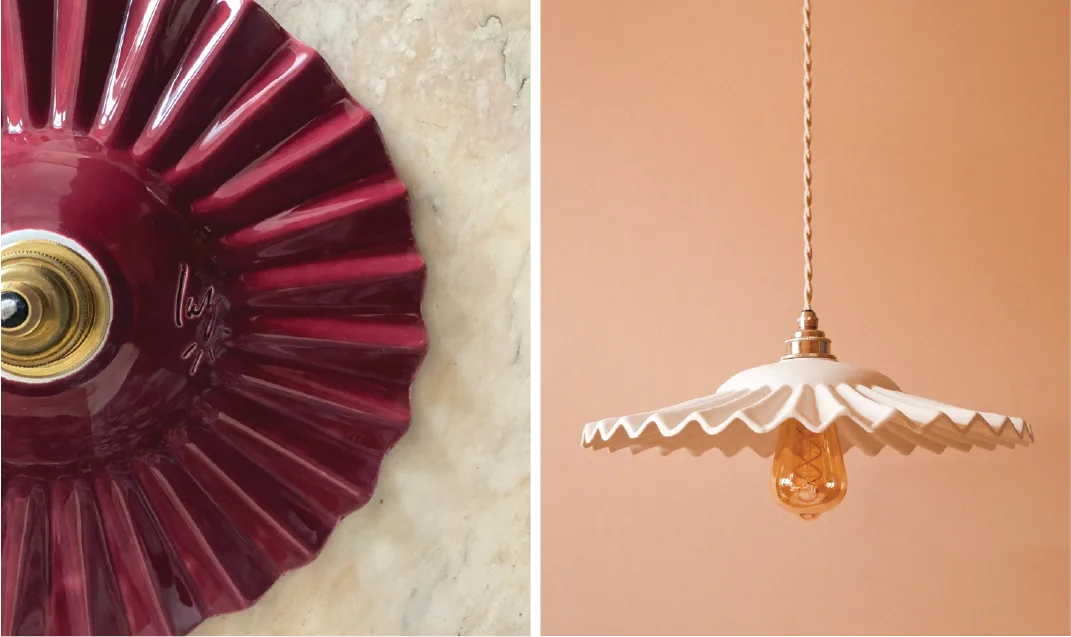
Elsewhere, Lisbon-based Anna Westerlund adorns sculptural forms with woven details and vibrant glazes. Her whimsical tasselled pendant lighting blurs the line between functional object and art. Paula Franco’s Luz Editions, meanwhile, revisits historical forms through porcelain and earthenware in pieces like the Art Deco–inspired Viana and minimalist Faro pendants.
Courtesy Burel
Courtesy Burel
Courtesy Joaquim Pombal
Courtesy Joaquim Pombal
Courtesy Casa Cubista
Courtesy Casa Cubista
Courtesy Anna Westerlund
Courtesy Anna Westerlund
Courtesy Burel
Courtesy Burel
Courtesy Joaquim Pombal
Courtesy Joaquim Pombal
Courtesy Casa Cubista
Courtesy Casa Cubista
Courtesy Anna Westerlund
Courtesy Anna Westerlund
Stone
From Roman temples in Évora to Lisbon’s calçadas (pavements), Portugal’s marble quarries have quite literally built the nation. At the heart of this tradition lies the Alentejo’s celebrated marble triangle of Estremoz, Borba, and Vila Viçosa, where prized white, cream, and rose-hued stone has been extracted for millennia.
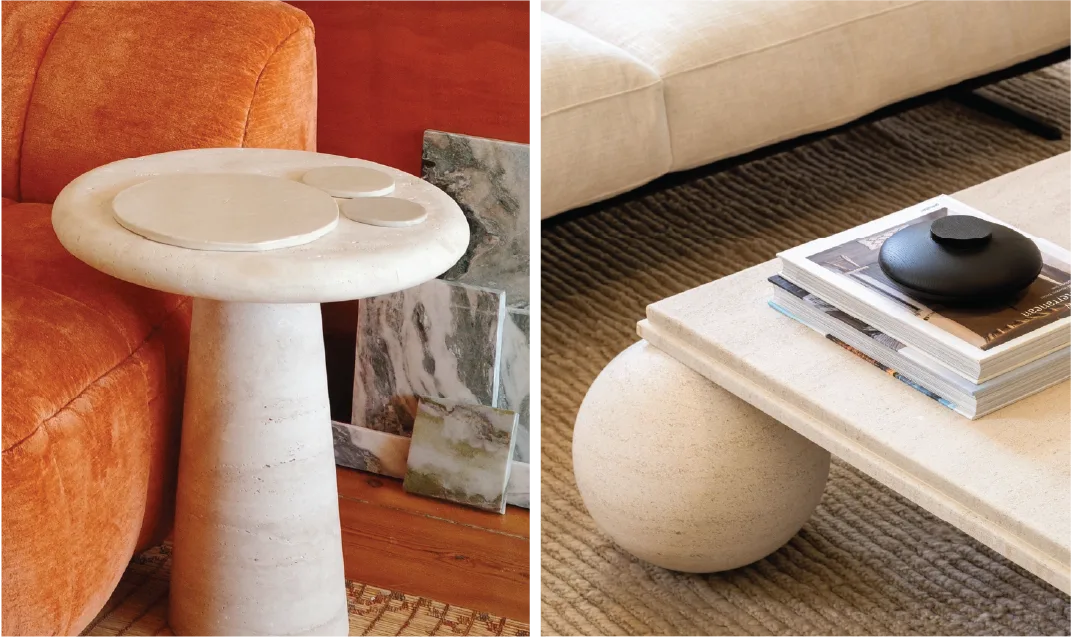
No longer destined for temples and monasteries, these ancient materials are now the preferred medium of interior designers like Alexandra Coxon, whose studio, My Habitat, creates furniture inspired by the restrained geometry of 1970s Italian minimalism. Working directly with quarries and master stoneworkers, the Lisbon- and Amsterdam-based firm lets the veining, color, and texture of each block determine the final form.
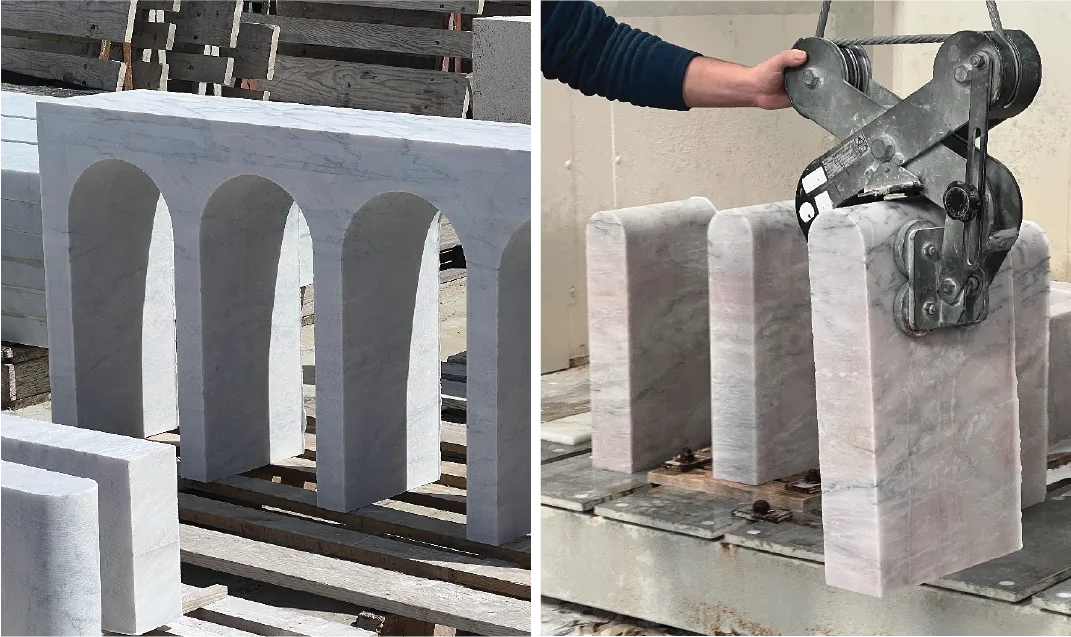
Architect Gisella Tortoriello takes a similarly pared-back approach at Olivah. Drawing on Estremoz marble, central Portuguese limestone, and northern granite, her furniture is simple yet sculptural (as in this trio of geometric coffee tables and the exquisitely carved Nazaré Stool).
Courtesy My Habitat
Courtesy My Habitat
Courtesy Olivah
Courtesy Olivah
Courtesy My Habitat
Courtesy My Habitat
Courtesy Olivah
Courtesy Olivah
Rush
Long before Portuguese baskets found their way into design galleries from Paris to Milan, they were indispensable to rural life. Woven from rush, willow, and palm, they carried grapes, bread, and all sorts of household items. (The fibers were also used to make furniture, ceilings, and decorative objects.)
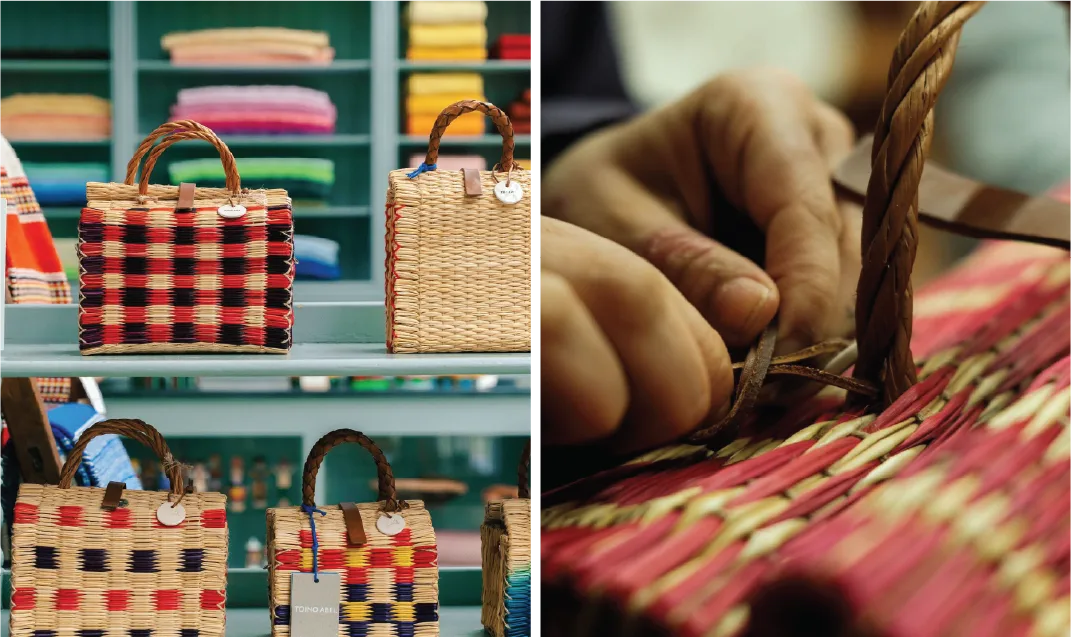
At the forefront of today’s basketry revival is Toino Abel. Founded by Nuno Henriques, the brand is named after his grandfather, who sold baskets across Portugal from his cow-drawn cart. The orange-and-pink-checked Justine bag showcases the vibrant dyes, while the unadorned Lurdes bag lets the weaving speak for itself.
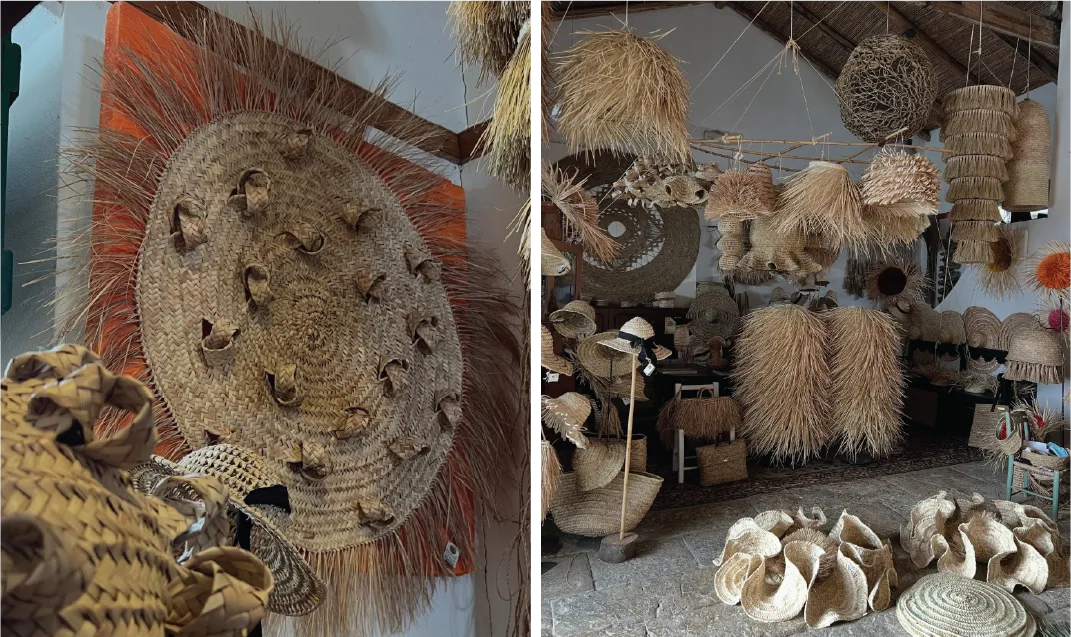
In the Algarve, Maria João Gomes elevates empreita de palma—the traditional weaving of native dwarf palm leaves—into captivating works. Harvesting, preparing, and weaving the palm herself, she creates dramatic lighting, wall pieces, and fashionable hats.
Taking the material in a different direction is Eneida Lombe Tavares, where rush combines with wood, ceramics, and contemporary furniture, from woven backpacks and ceramic vessels to elegant benches that pair timber with handwoven seats.
Courtesy Toino Abel
Courtesy Toino Abel
Courtesy Maria João Gomes
Courtesy Maria João Gomes
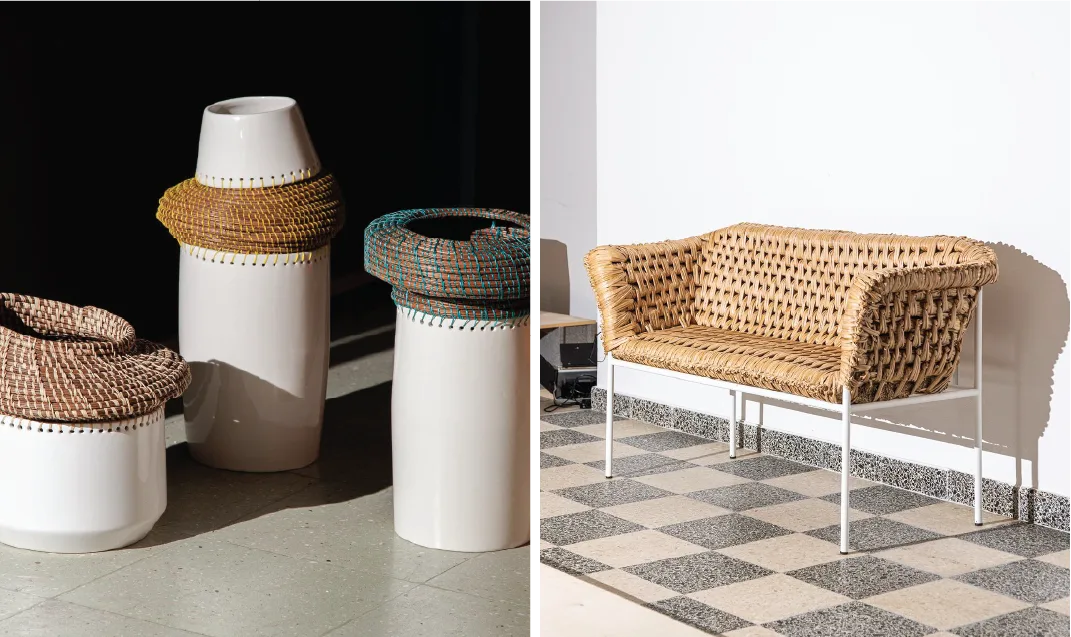
Courtesy Eneida Lombe Tavares
Courtesy Eneida Lombe Tavares
Courtesy Toino Abel
Courtesy Toino Abel
Courtesy Maria João Gomes
Courtesy Maria João Gomes
Courtesy Eneida Lombe Tavares
Courtesy Eneida Lombe Tavares
Metal
Portugal’s rich deposits of copper, tin, iron, gold, and silver gave rise to a thriving metalworking tradition. During the 15th and 16th centuries, blacksmiths forged the anchors, nails, navigational instruments, weapons, and fittings that powered the country’s naval expansion. Beyond their utilitarian uses, those metals would also be transformed into intricate filigree jewelry, ornate door and furniture fittings, and hand-forged blades.
In his Caldas da Raínha studio, sculptor-turned-bladesmith Paulo Tuna forges internationally acclaimed knives by hand. Customers choose the blade steel and a handle of Portuguese walnut, oak, or boxwood, while a distinctive hammered finish serves as each knife’s unique “fingerprint.” In addition to one-of-a-kind commissions, Tuna produces a more accessible Faca Tradicional line—bringing that same craftsmanship to a wider audience.
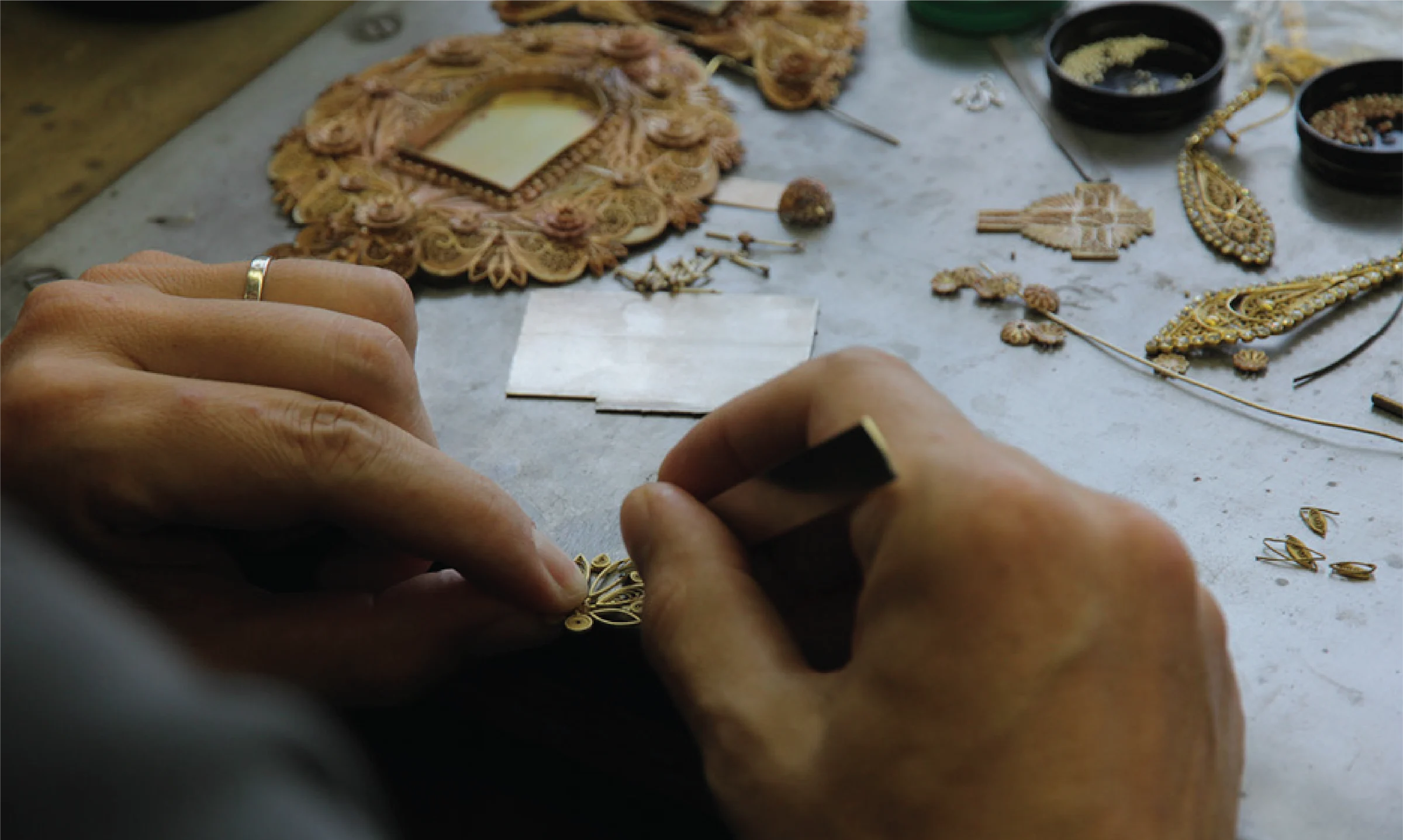
In Porto, siblings Luísa and Pedro Rosas carry forward a family tradition of goldsmithing, now in its fifth generation. At the House of Filigree, they transform fine threads of gold and silver into lace-like jewelry using centuries-old techniques while an adjoining museum traces the tradition’s history and evolution.
Meanwhile, in the Alentejo, the unmistakable sound of hand-forged cowbells continues to ring out thanks, in large part, to Chocalhos Pardalinho. Founded by third-generation cowbell masters Guilherme Maia and Francisco Cardoso, the workshop and its team of five preserve a disappearing UNESCO-recognized craft, shaping, forging, and tuning each bell by hand so an approaching herd produces a pleasing chorus rather than a clatter.
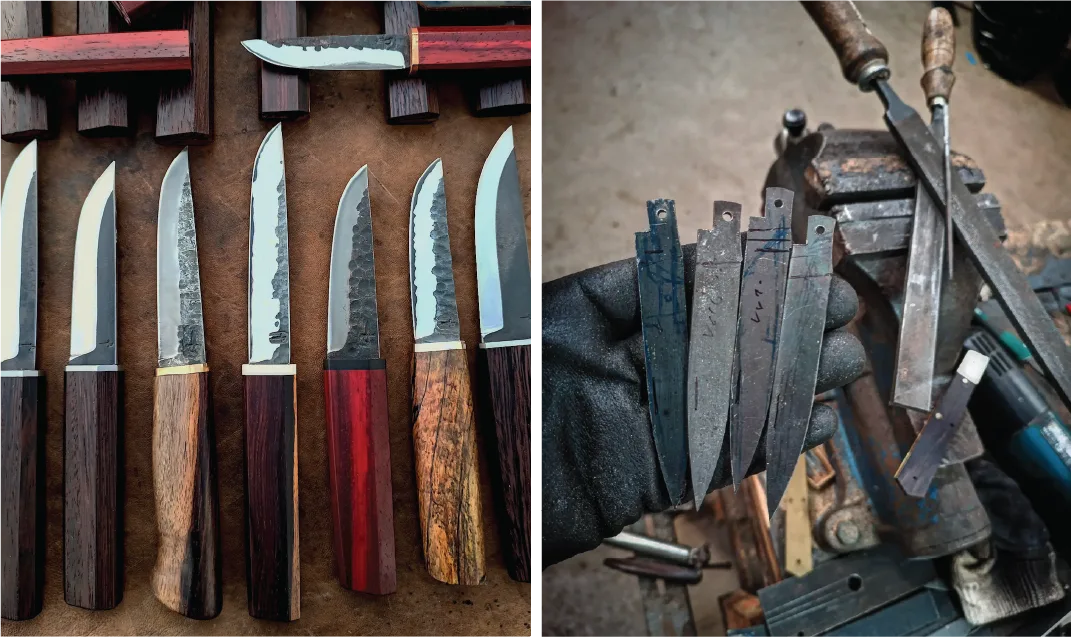
Courtesy Paulo Tuna
Courtesy Paulo Tuna
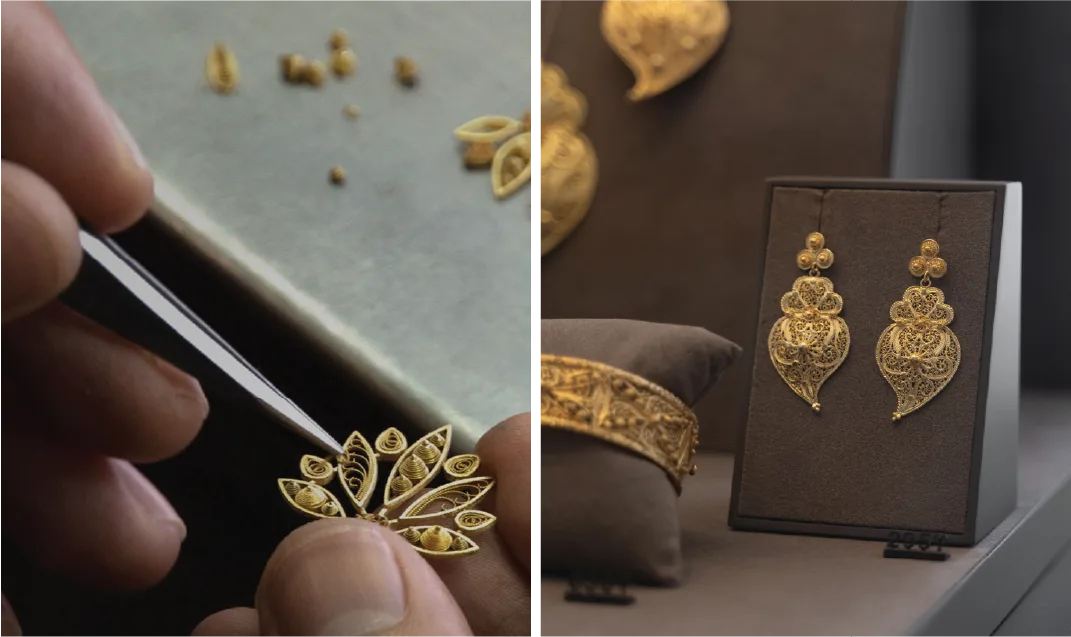
Courtesy House of Filigree
Courtesy House of Filigree
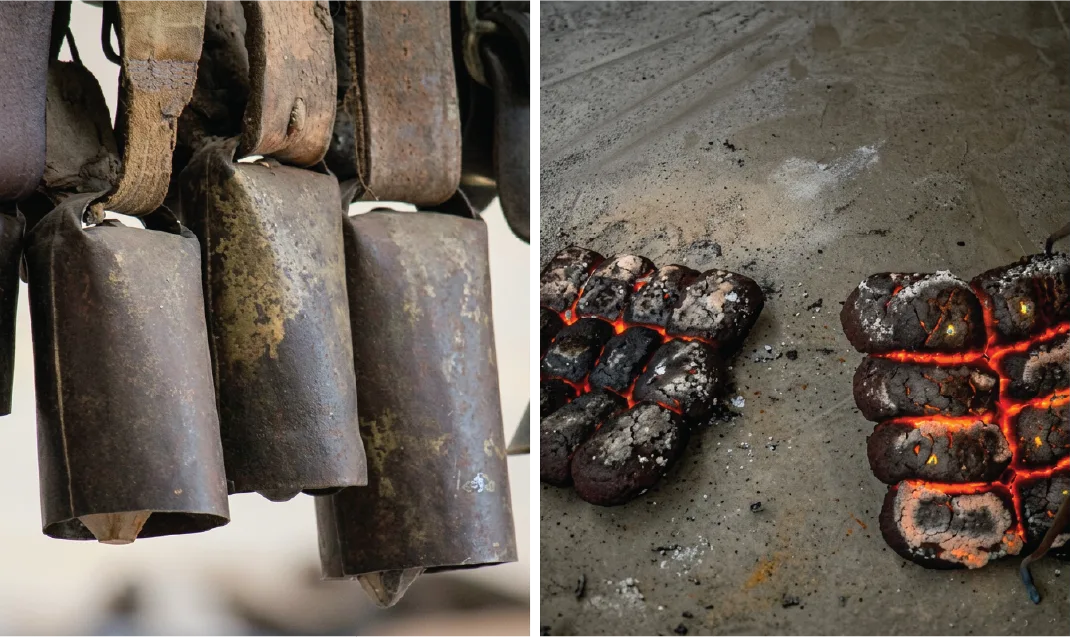
Courtesy Chocalhos Pardalinho
Courtesy Chocalhos Pardalinho
Courtesy Paulo Tuna
Courtesy Paulo Tuna
Courtesy House of Filigree
Courtesy House of Filigree
Courtesy Chocalhos Pardalinho
Courtesy Chocalhos Pardalinho
Leather
Even those who know relatively little about Portuguese craft have heard of the country’s venerable tanning traditions. In Lisbon’s historic Chiado district, Luvaria Ulisses has specialized exclusively in fine leather gloves since 1925. The tiny, wood-adorned shop, the last of its kind in Portugal, has remained virtually unchanged over the years, carefully selecting leathers and hand-stitching seams, making the glover a rare survivor of a once-thriving trade. Customers can choose from ready-to-wear styles or commission a bespoke pair in hues ranging from chocolate brown to emerald green to cobalt blue with finishing touches like covered buttons and softly gathered cuffs.
In the northern town of Benedita, renowned for its leatherworking tradition, António Handmade continues the legacy established by António Mateus in 1982. Now led by his daughters Ana and Sara, the family atelier produces handcrafted bags and wallets using vegetable-tanned leather with natural cotton linings. The Ines clutch adds a playful pop of color on the pocket, while the Paulo backpack is sleek enough to double as a briefcase.
Lobo Apparel creates timeless footwear, apparel, and accessories entirely in Portugal. Founded in 2018, the brand values durability and the idea that one well-made shoe is really all you need. Their boots and sandals are meant to be worn for several summers, outlasting trends and molding to become softer and more comfortable with each wear.
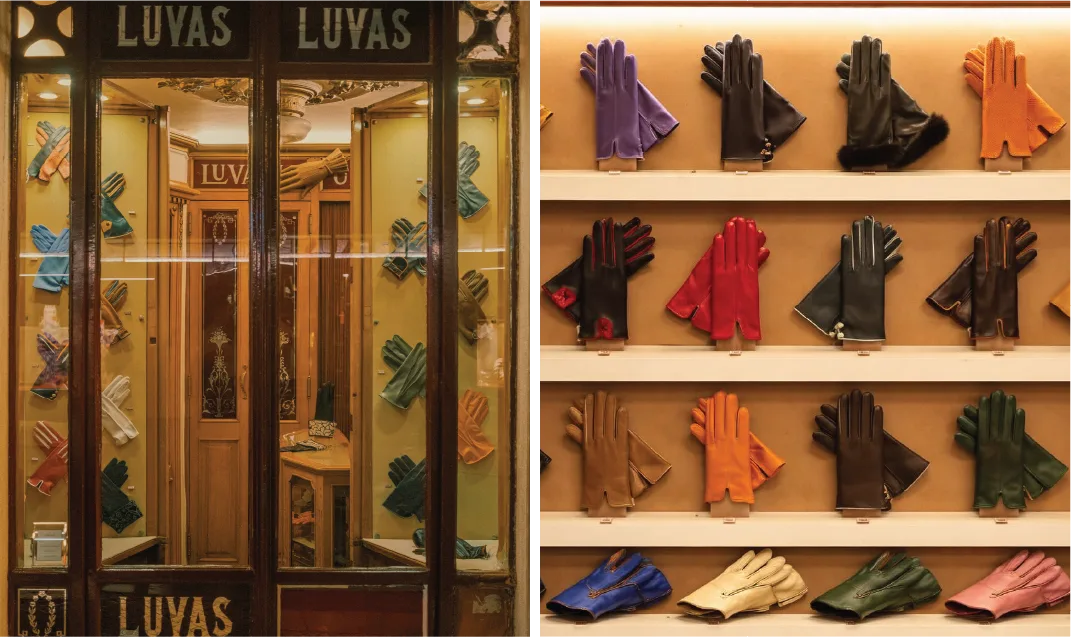
Courtesy Luvaria Ulisses
Courtesy Luvaria Ulisses
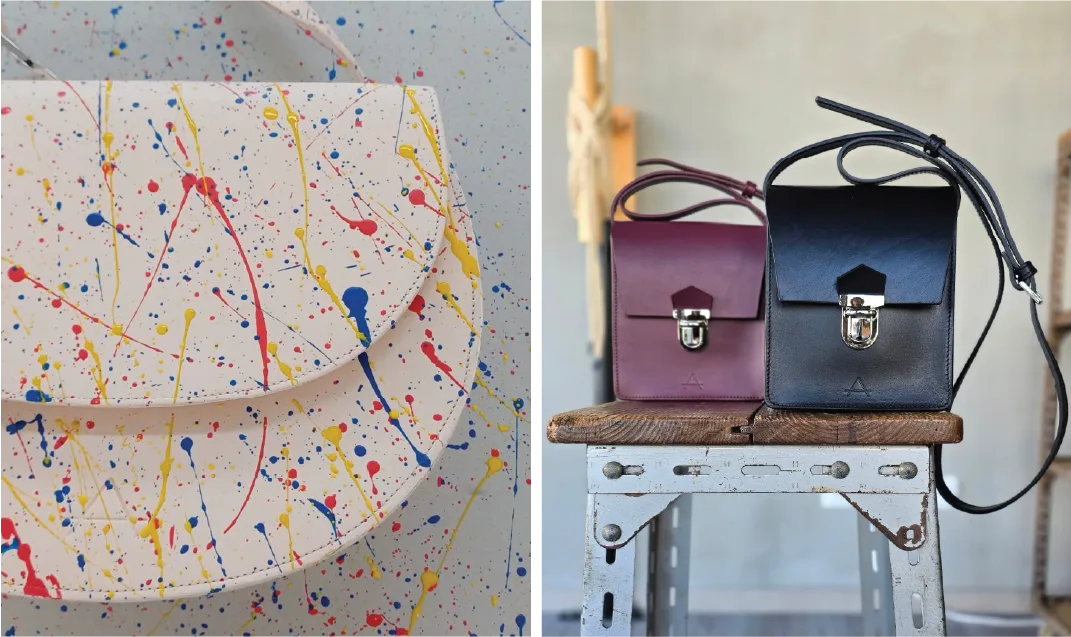
Courtesy Antonio Handmade
Courtesy Antonio Handmade
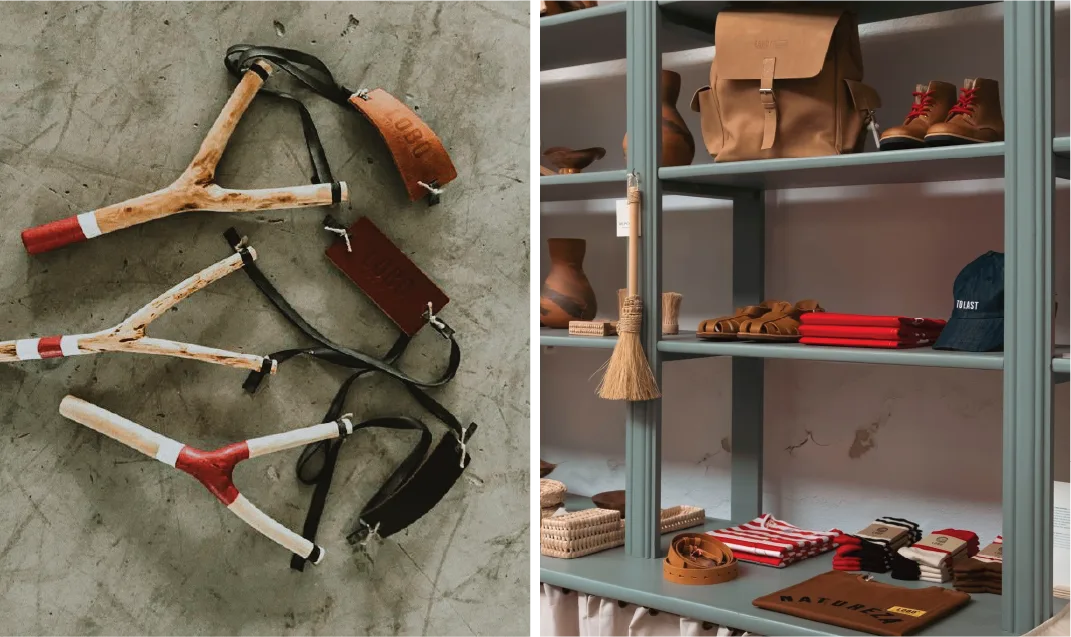
Courtesy Lobo Apparel
Courtesy Lobo Apparel
Courtesy Luvaria Ulisses
Courtesy Luvaria Ulisses
Courtesy Antonio Handmade
Courtesy Antonio Handmade
Courtesy Lobo Apparel
Courtesy Lobo Apparel
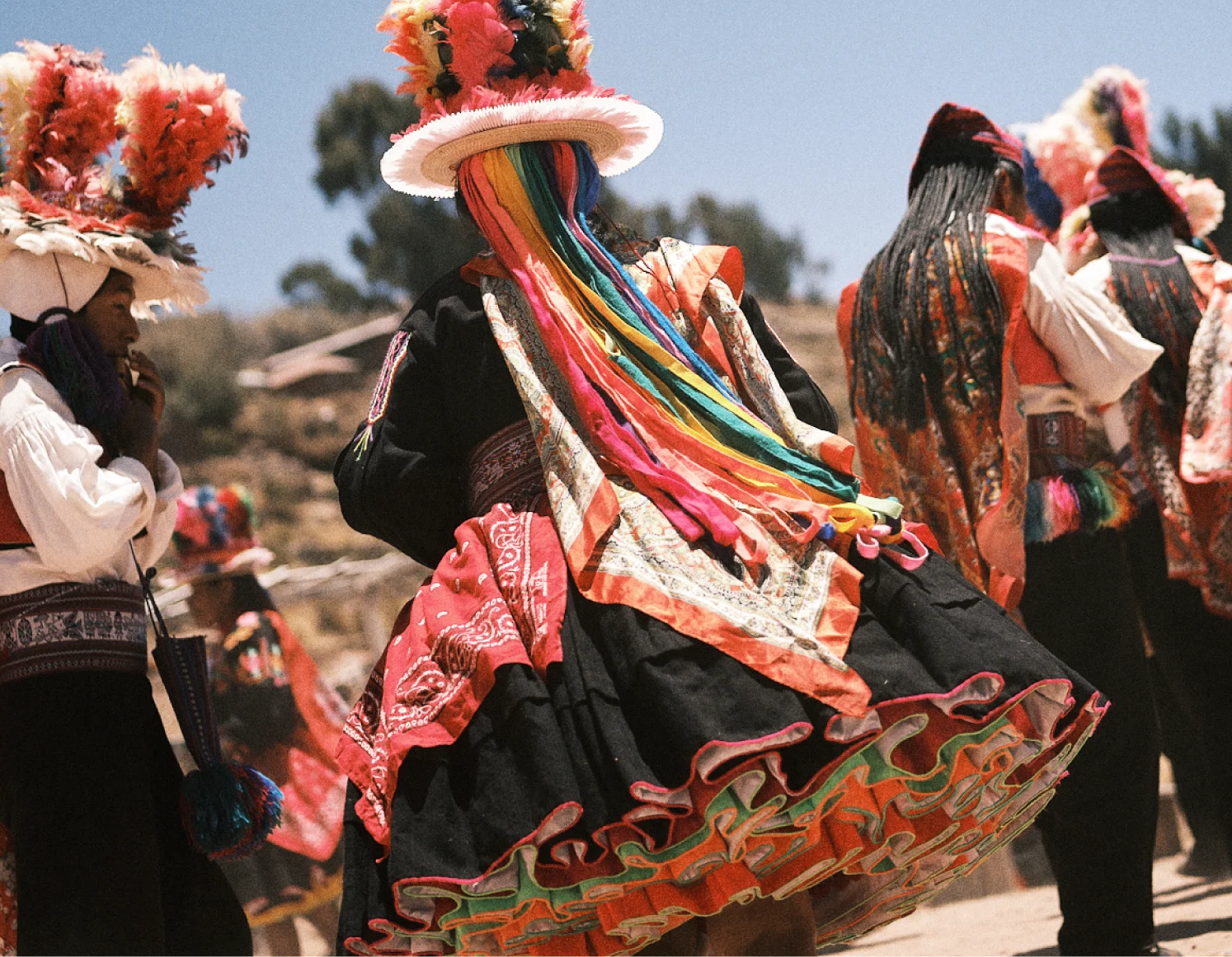
Peru’s Textile Traditions
Peru’s Textile Traditions

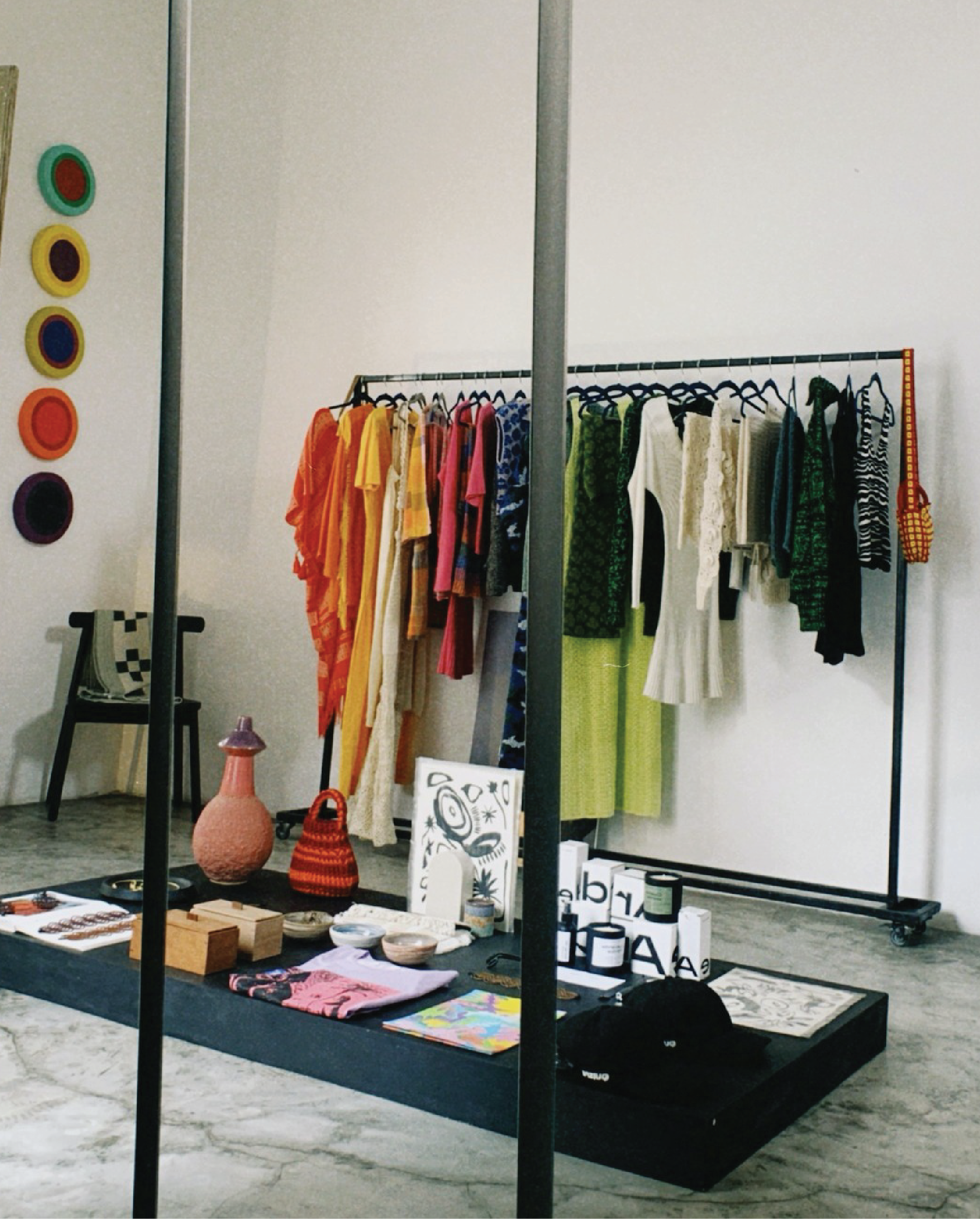
From vicuña wool once reserved for Incan royalty to raincoats sealed with sap from the Amazon, Lima's designers are creating fashion that could only come from Peru.
Read More
A journey through Spain’s Costa Brava shaped by surrealism, stoneware, and Mediterranean modernism.
Read More
A local fashion writer on where to find cult Japanese denim, rare Americana, and elusive runway pieces seldom seen elsewhere.
Read More