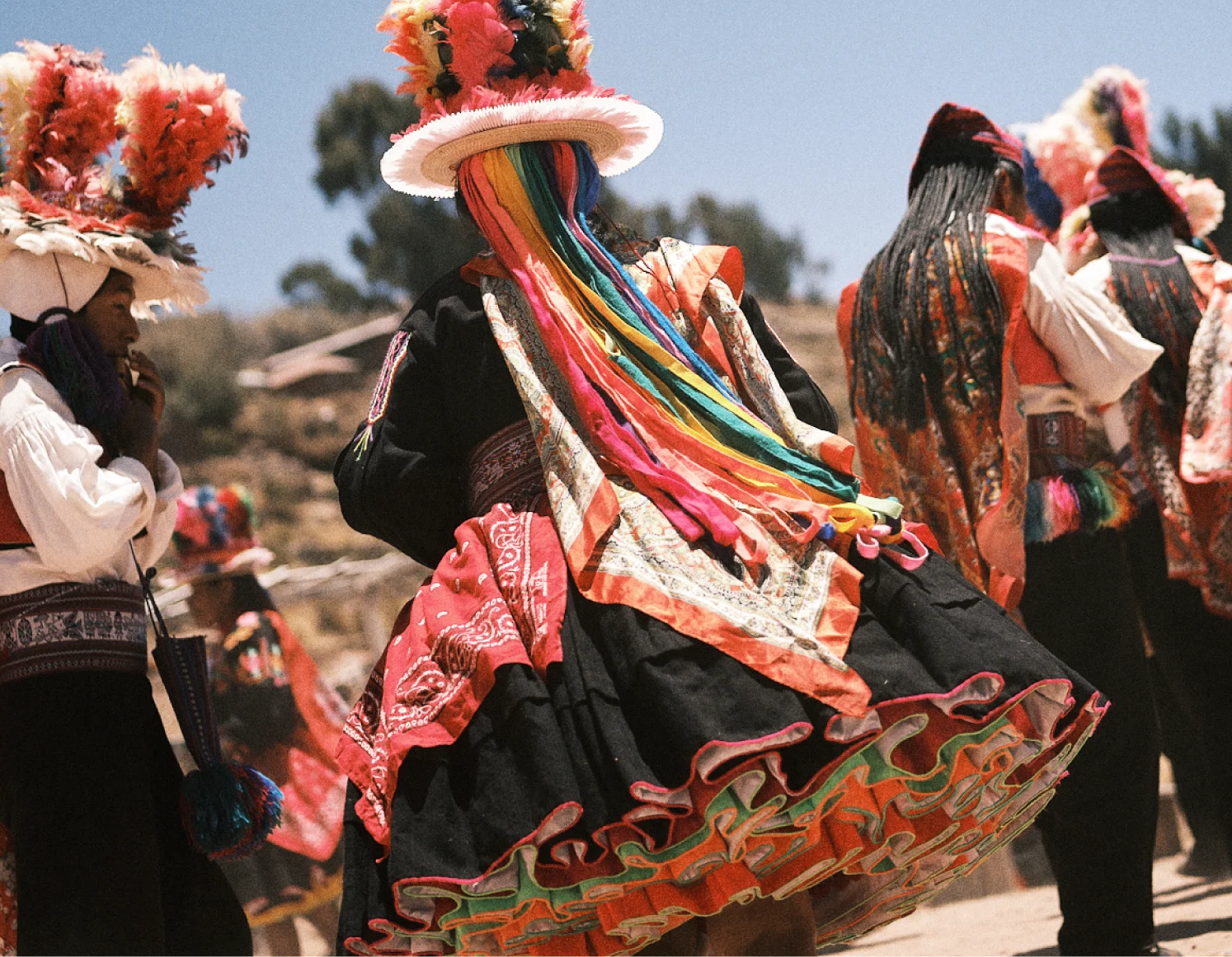
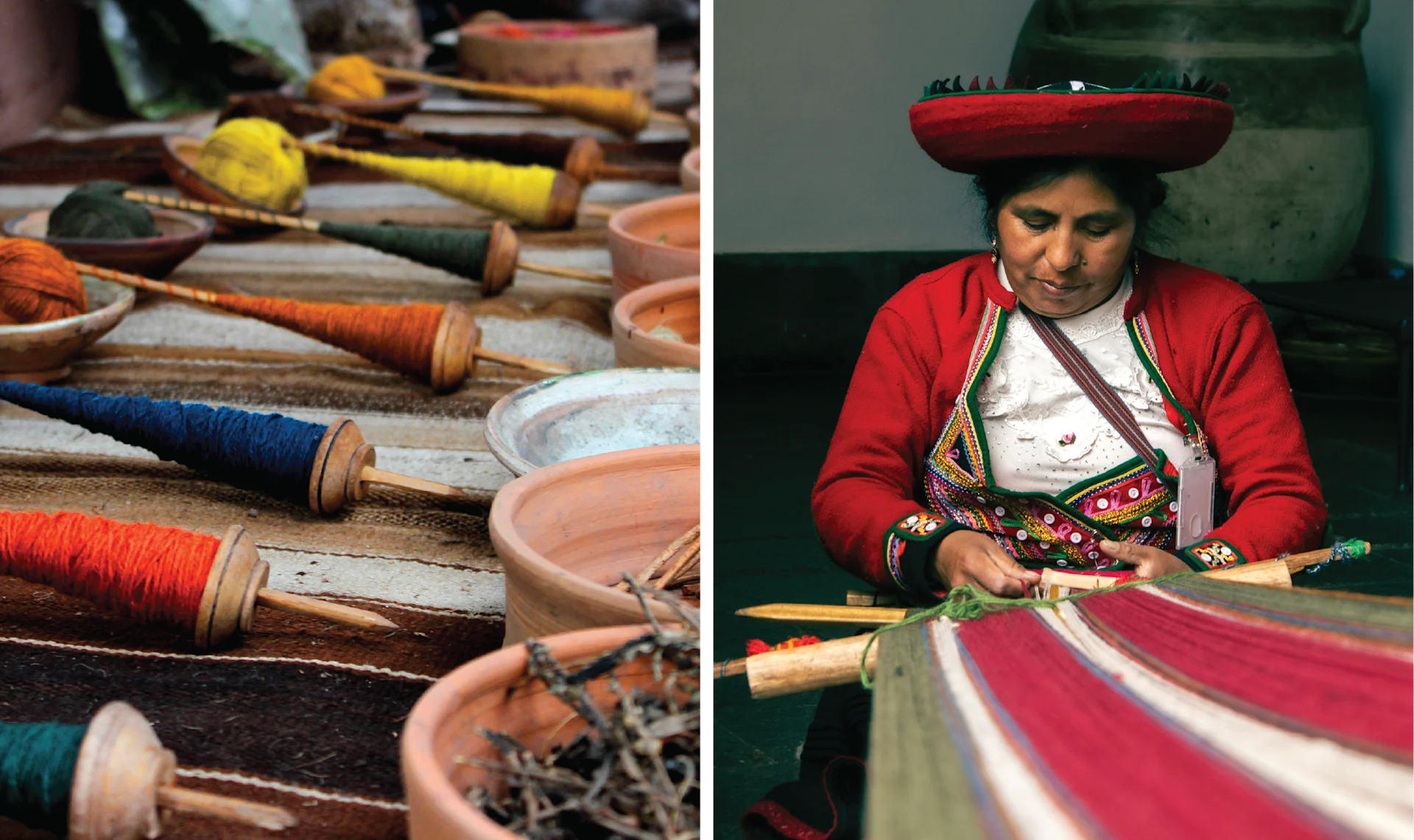
You’ve seen this Peru trip a thousand times: a table at Central, a trek to Machu Picchu, and a few days in the Andes or the Amazon. But beyond the country’s culinary and archaeological riches lies another way to understand Peru—one expressed through textiles, fibers, and craft traditions.
Across Lima—particularly in the barrios of Barranco, San Isidro, and Miraflores—a new cohort of designers is drawing on the country’s native materials and deep ancestral knowledge to make contemporary pieces. Some work with rare vicuña wool once reserved for Incan royalty, others with alpaca spun in the highlands or Amazonian tree sap transformed into outerwear. Spend an afternoon people-watching in Lima’s fashionable neighborhoods and you’ll notice that many of the city’s best-dressed residents sport looks that feel both current and unmistakably Peruvian.
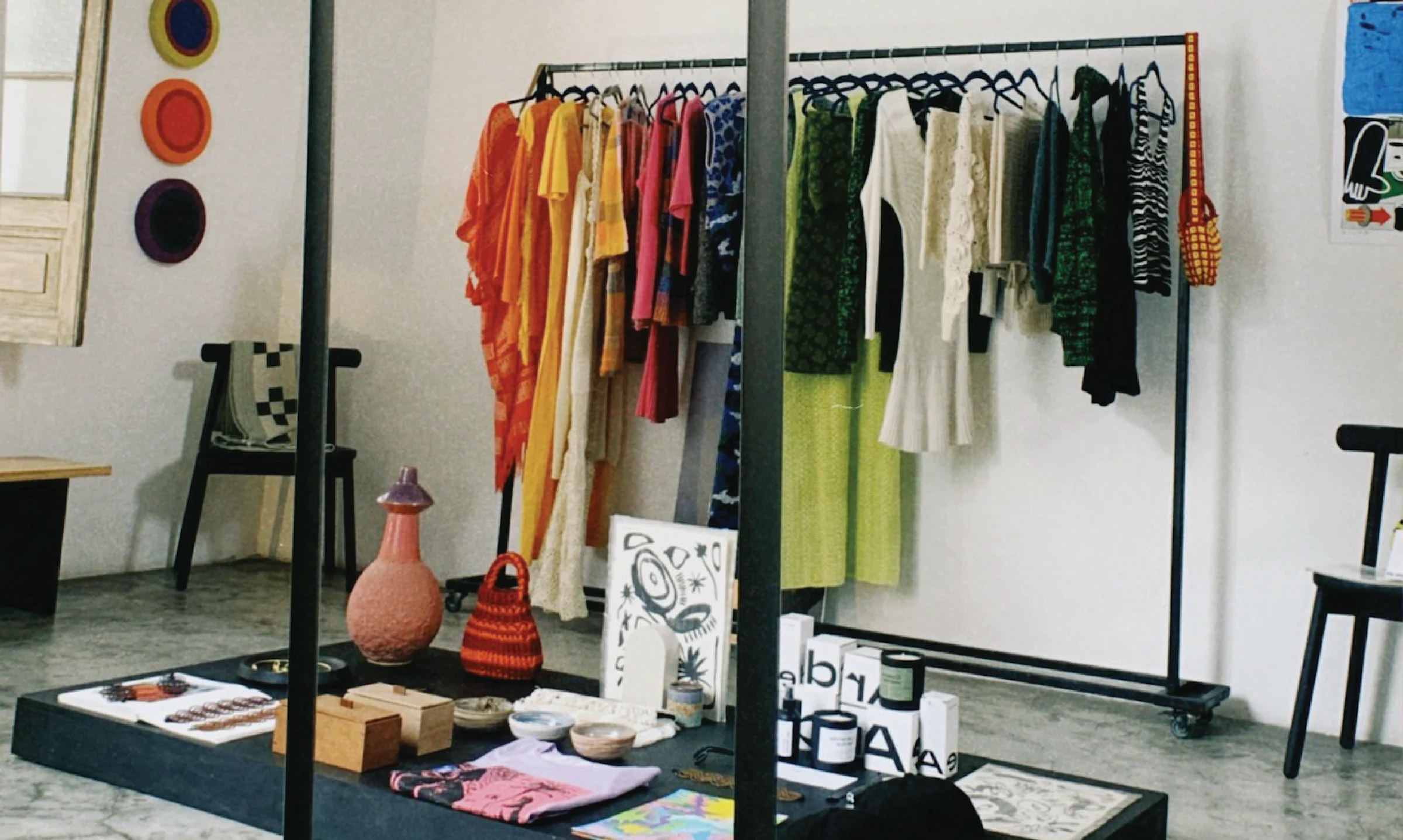
Part of what makes Lima’s design scene so rewarding is its sense of discovery. The city’s designers often don’t operate traditional storefronts; instead, they book private one-on-one appointments over Instagram or WhatsApp for their studios, which are tucked along residential streets or inside restored colonial mansions. A visit offers a rare chance to touch the materials, try on multiple garments, and better understand techniques and Indigenous influences.
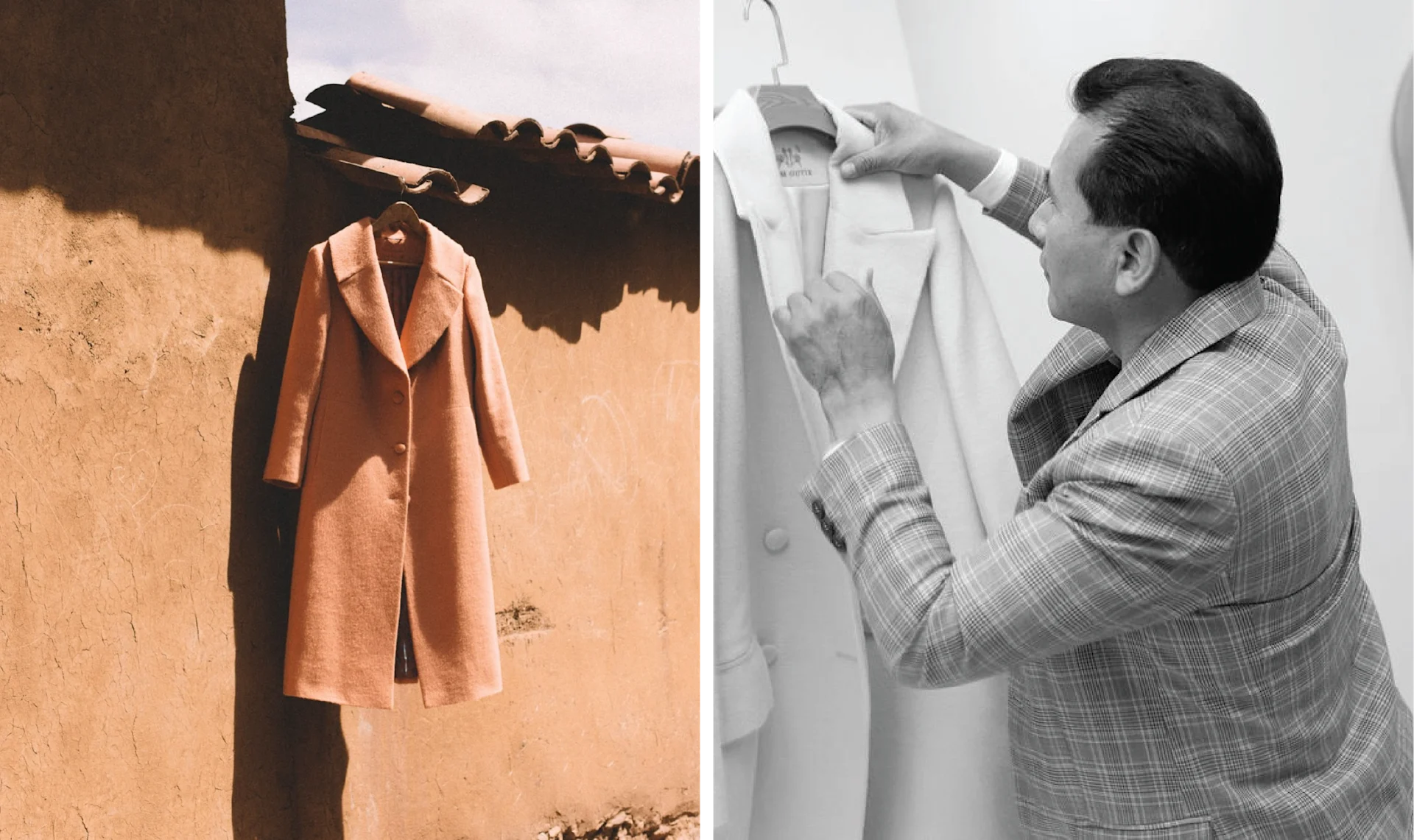
For Well-Constructed Alpaca Outerwear: Tom Gutie
Calle Conde de la Monclova 239, San Isidro
+51 961 638 463
Cusco-born designer Tomás Sota, who grew up immersed in his father’s tailoring atelier, has cultivated a following for his alpaca outerwear, which is made from natural materials like baby alpaca and Pima cotton in colors ranging from rich camel and cream to deep burgundy, royal purple, and dusky rose. Buying a coat here comes with an education in the different fibers: There are two species of alpaca: Huacaya and Suri, the latter accounting for just 10 percent of the global population. Despite the name, “baby alpaca” refers not to the animal's age but to the fiber's quality grade. (Baby alpaca is the finest Huacaya fiber, while baby Suri alpaca is the finest Suri fiber.) With this in mind, the varying price points make sense. The Tatianna Cape Coat is especially elegant with its contrasting collar and a banded hem, while the lustrous Margot Suri Alpaca Coat showcases the silky drape and subtle sheen of the alpaca. Visit the flagship boutique on Calle Conde de la Monclova, accessible by appointment, for an in-person fitting.
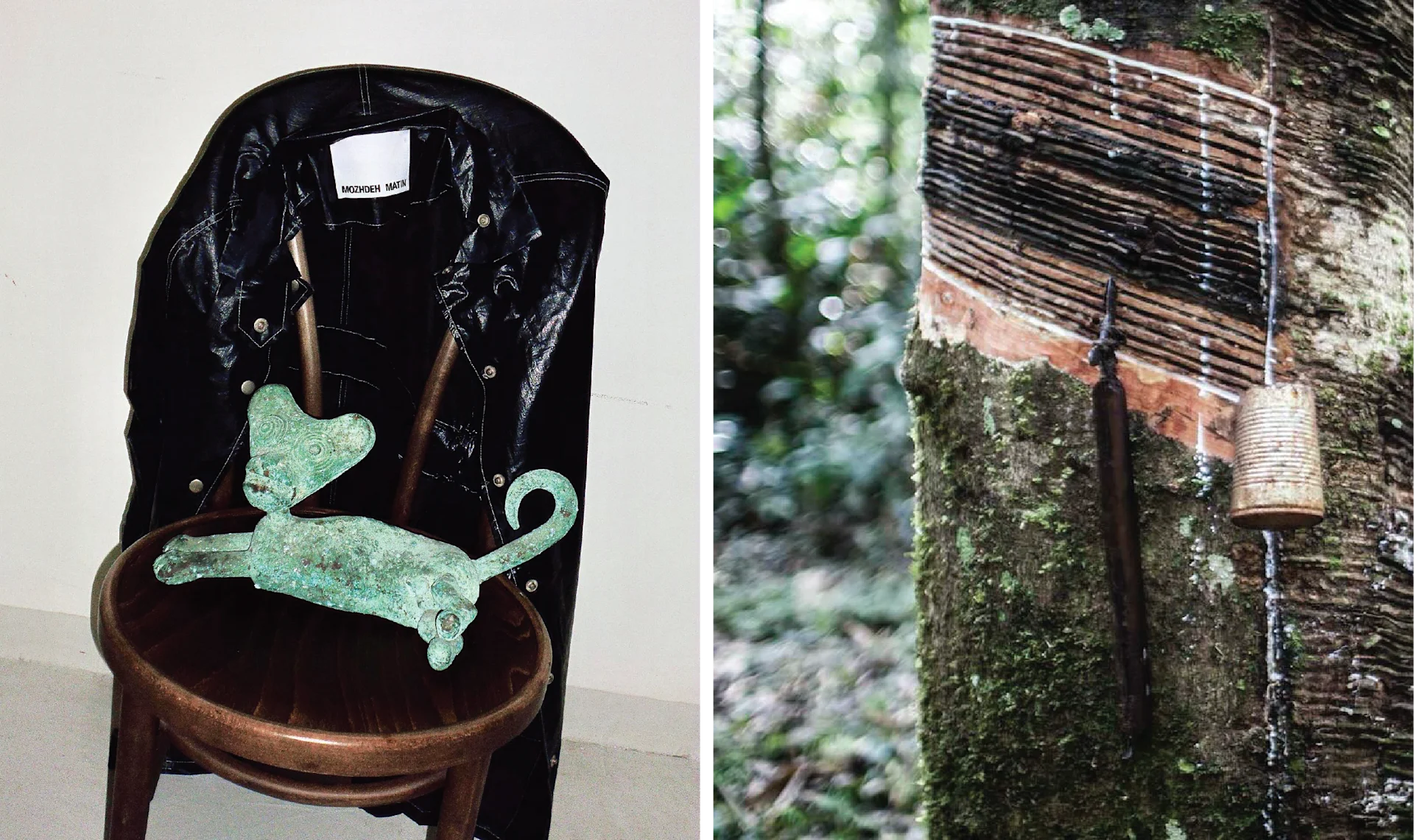
For Durable Amazonian Bio-Leather: Mozhdeh Matin
By private appointment via Instagram DM
Mozhdeh Matin’s Chorrillos studio blurs the line between fashion atelier and textile laboratory. Known for her striking Shiringa jackets—sleek, leather-like outerwear made from organic latex tapped from Amazonian rubber trees—Matin has become one of Peru’s most innovative designers. The waterproof, softly structured material begins deep in the forests of Madre de Dios, where local families carefully extract milky sap from shiringa trees by making shallow diagonal cuts in the bark before applying it by hand to cotton fabric and smoking it to create the supple, weather-resistant finish. Inside the showroom, lacy hand-beaded bags, colorful striped separates woven on backstrap looms, and ribbed, patterned alpaca knits all reflect Matin’s Iranian heritage through the lens of Peruvian craftsmanship.
For Playfully Embroidered Menswear: D.N.I
Available at Ka Concept Store, and by appointment at Despacho Central