Some landscapes exist more vividly in the imagination than on any map. Patagonia is one of them. Late in his life, when Charles Darwin was asked which place lingered most in his memory, he spoke of this region in southern Argentina—a boundless, unknowable expanse that allowed free scope to the imagination.
Travelers have long sought solitude and adventure here, and I came to lose myself, too. I set off from Comodoro Rivadavia on the Atlantic coast in a four-by-four with a few tattered maps, a case of Argentine malbec, and the hope that life’s petty concerns could be stripped away like pages pulled from a notebook.
I was heading for Route 40, known simply as La Cuarenta. The name alone conjures wilderness and unmeasurable distances, much like Patagonia itself. As I set out, mirages shimmered across the tarmac as approaching vehicles appeared and dissolved in their own reflections. On the horizon, fences enclosed estancias (ranches) the size of counties. The few towns, if you could call them that, were scattered collections of low-slung buildings, sheltered by lines of poplars bent by the wind.
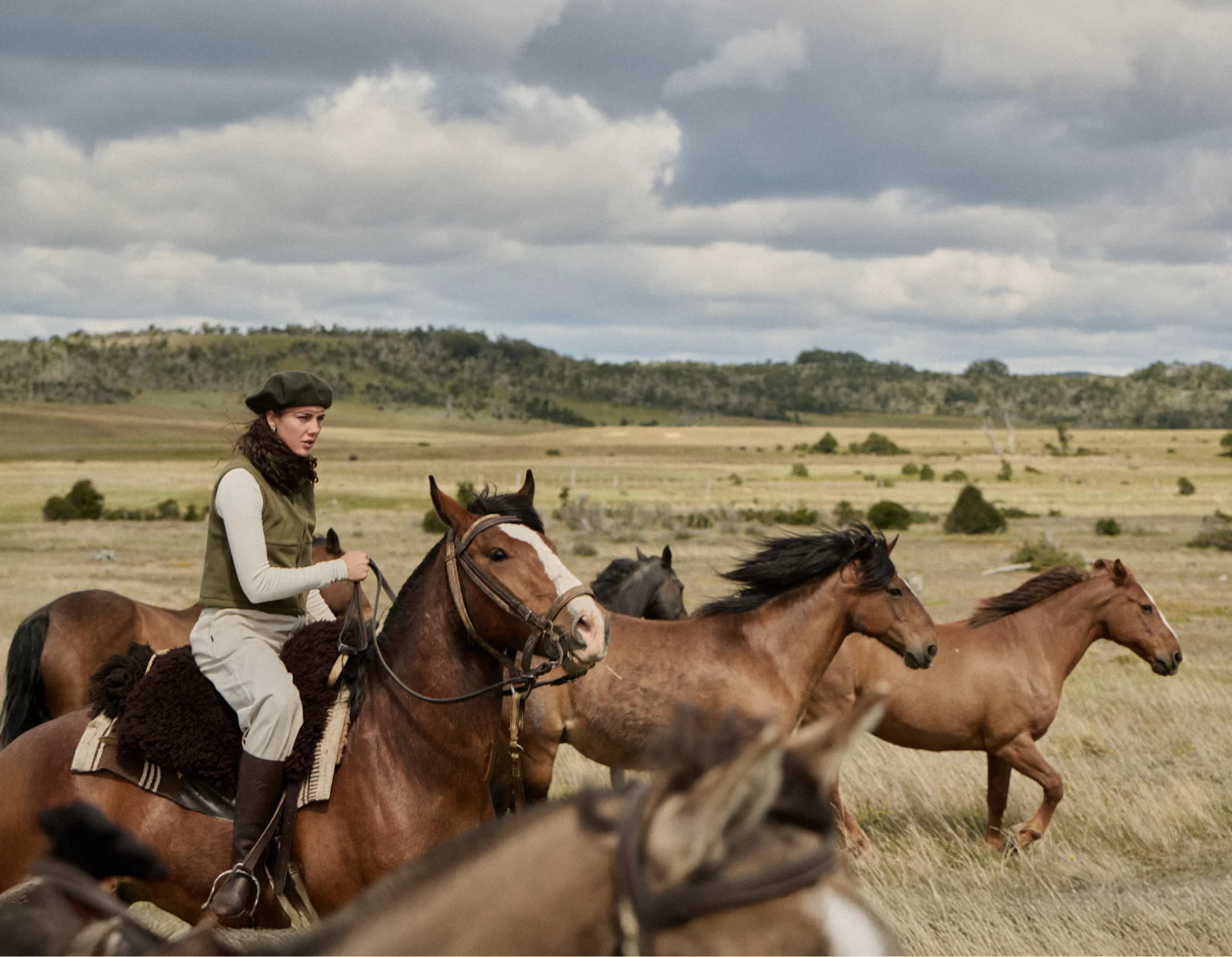
Somewhere beyond Río Mayo, I watched a gaucho on horseback cross a line of hills, his dog following behind as a wave of sheep drifted across the yellow grass. When the Andes finally appeared, tangled in the clouds, they seemed ghostly—another trick of the light.
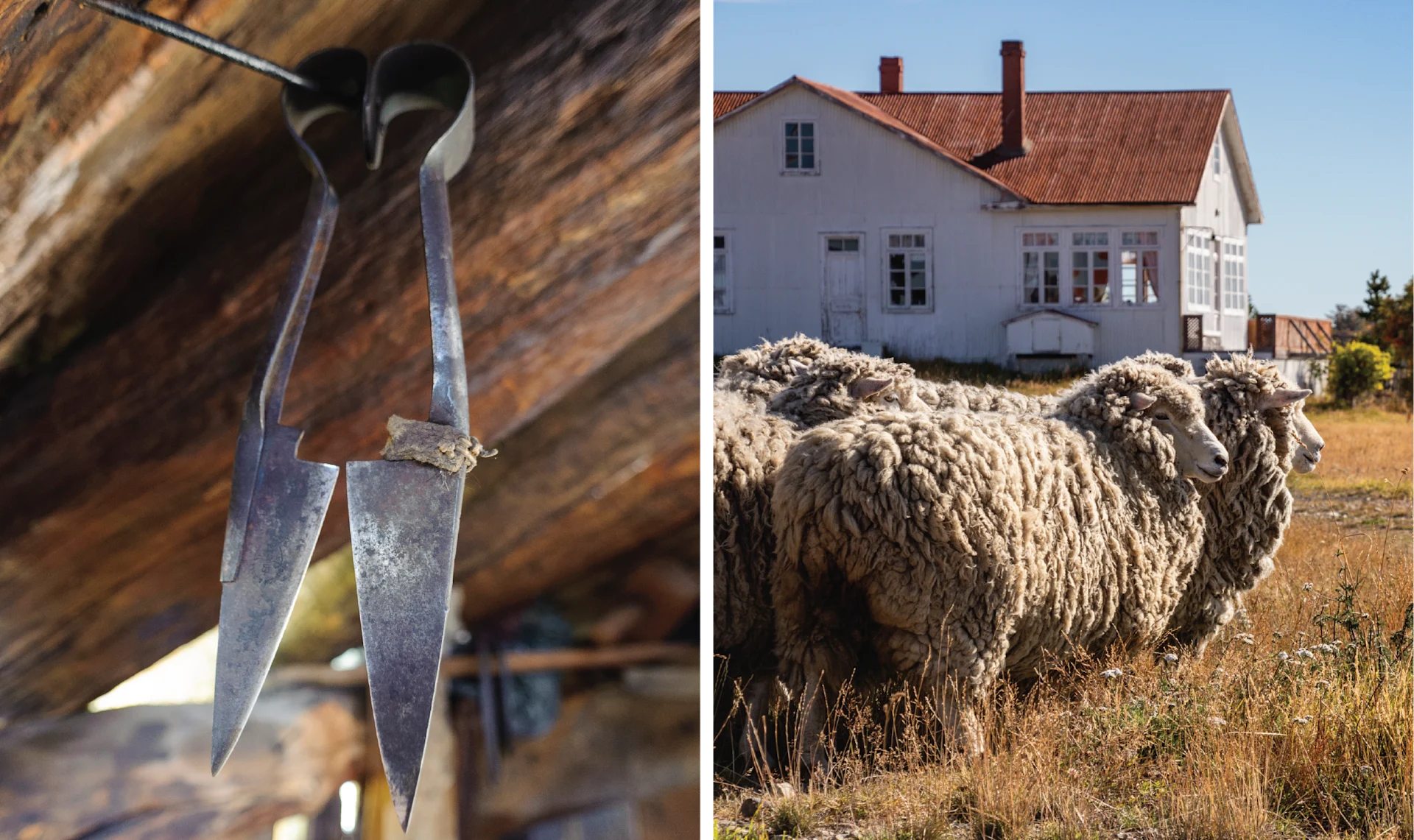
I stopped for gas in Bajo Caracoles, a tiny windswept hamlet with a single pump, a shop, and a dozen or so buildings, many of them boarded up; it served as a way station. The shop sold essentials: ropes, saddles, knives, wine, coffee, and massive sandwiches. Presiding over it all was Juan, a fellow barely taller than the counter with a weathered face, a gold chain, and a head of dense black curls. He poured me a trucker’s coffee so strong, I was worried I’d be awake for days.
We talked about sheep and about his life. He had had enough of the gas station, enough of the same view through the screen door. He was going back to gaucho life, he told me. Estancias would soon be rounding up the flocks for shearing, and he had a horse and a dog. He thought he would head west, to Posadas Lake. He knew people out there. “Libertad,” he said, gazing out the window toward a line of hills steeped in late-afternoon shadow. “To be a gaucho is freedom. I feel it in my throat,” he added, raising his hand to his neck.
At La Posta de los Toldos in Patagonia National Park—where I had watched a puma stalk through a canyon in the last light of day—I had dinner with Guido Vittone, a friend who has spent his career studying Patagonia’s natural and human history. “It is a land of reinvention,” he said. “People have always come here to be someone different. This place, with its blank canvas, allows them to do that.”
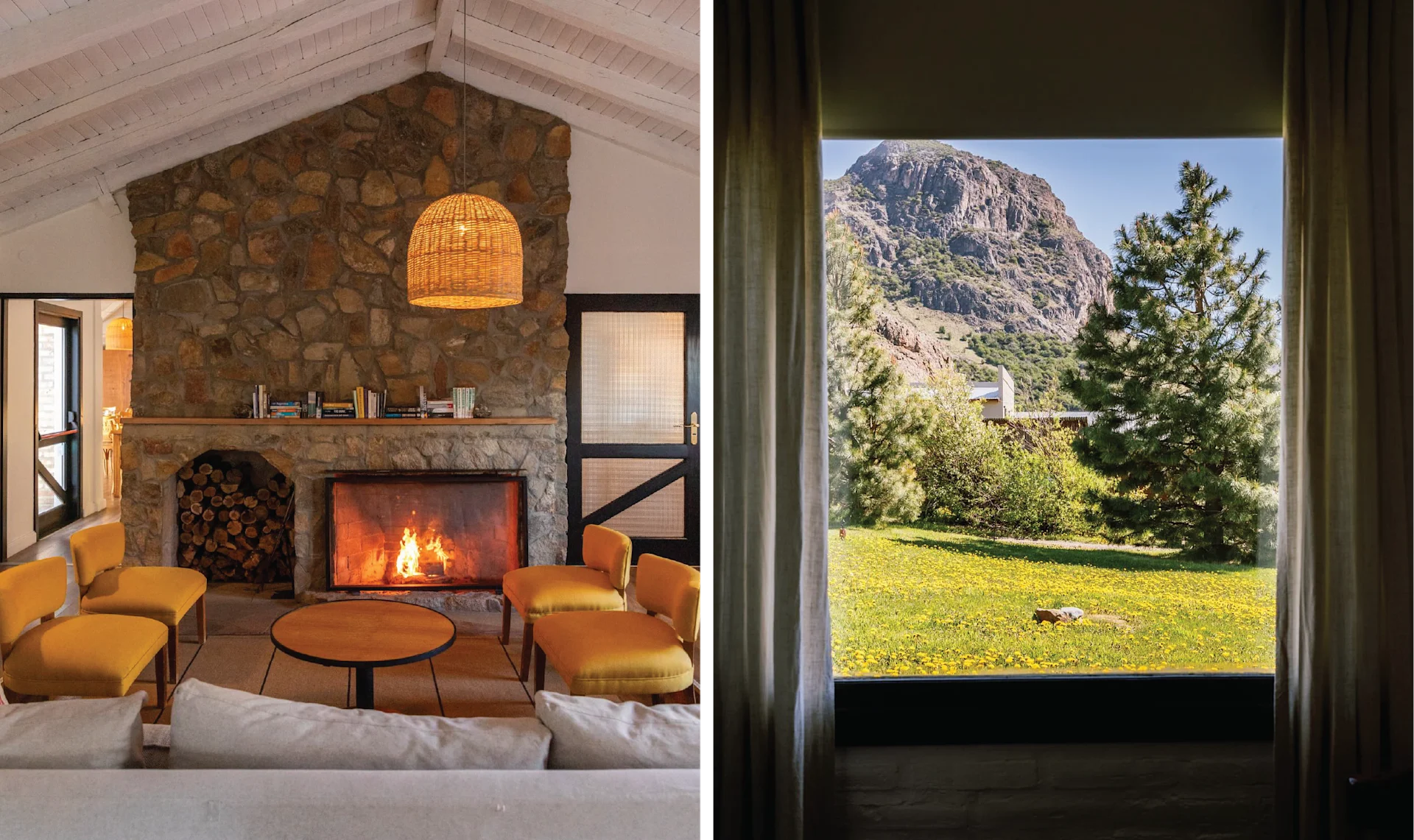
We had met some years earlier at Estancia Cristina, a hotel whose history traces back to 1900, when the Masters family arrived from England. They crossed Patagonia from Río Gallegos by oxcart, then sailed for several days up Argentino Lake, past icebergs and empty shores, to take possession of 50,000 acres beneath the Upsala Glacier. On their ranch, named Cristina after a daughter who had died, they tended 12,000 sheep. It was a tough and isolated life, the nearest neighbors days away, but Estancia Cristina felt like their “kingdom,” Guido shared. “They were no longer humble villagers. They ruled their own territory.”