The hairpin, cliff-hugging road to Cala Montjoi - a secluded cove on Catalonia’s rugged Costa Brava - winds through a landscape steeped in myths. Imposing hills of pencil pines and hardy Mediterranean scrub, this year unusually lush after bountiful spring rains, embrace the shimmering blue expanse of the Bay of Roses.
For years, thousands made this pilgrimage with a singular purpose: to dine at El Bulli, the legendary temple of avant-garde cuisine led by Ferran Adrià. The five-time World’s Best Restaurant shuttered in 2011, but the site now houses El Bulli 1846, a foundation dedicated to Adrià’s restless pursuit of culinary creativity. Design was always integral to El Bulli’s appeal. The classically rendered dining room adjoined a gleaming open kitchen of equal proportions, and sculptural plates and cutlery were commissioned to accommodate the 20-course tasting menu. These creations are exhibited inside the foundation, alongside hundreds of videos, accolades, memorabilia, and a dazzling sampuru display showcasing every dish conceived in the El Bulli kitchen.
The journey culminates in a space known as the DNA of El Bulli, a surreal, earth-toned igloo conceived by visionary architect Enric Ruiz-Geli, pierced by an oculus that pours light into the brain-like space. On the walls, a video loop of interviews with gastro luminaries asserts that no other chef this century has had so much influence on the way we eat. By the time you finish your visit, it’s difficult to disagree.
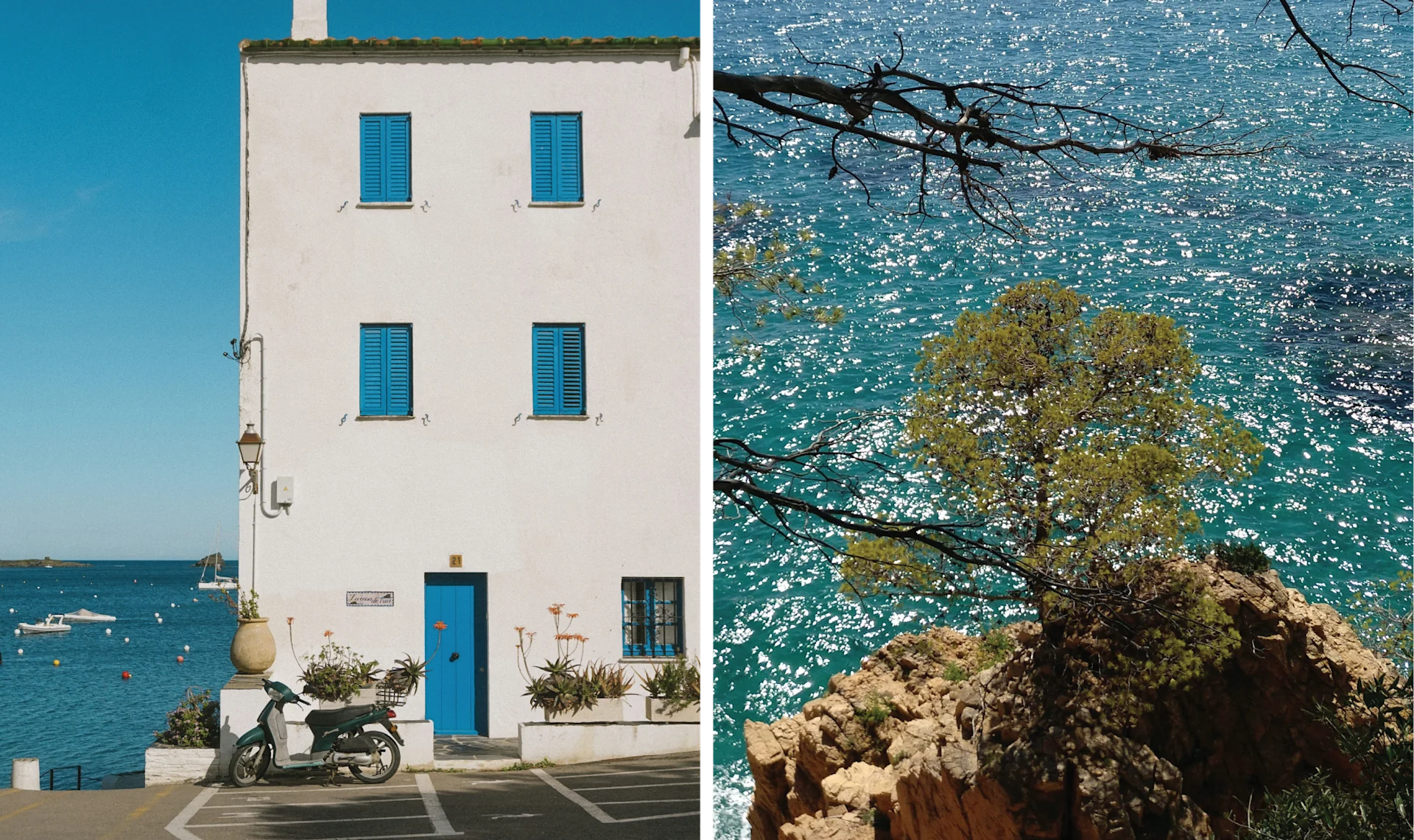
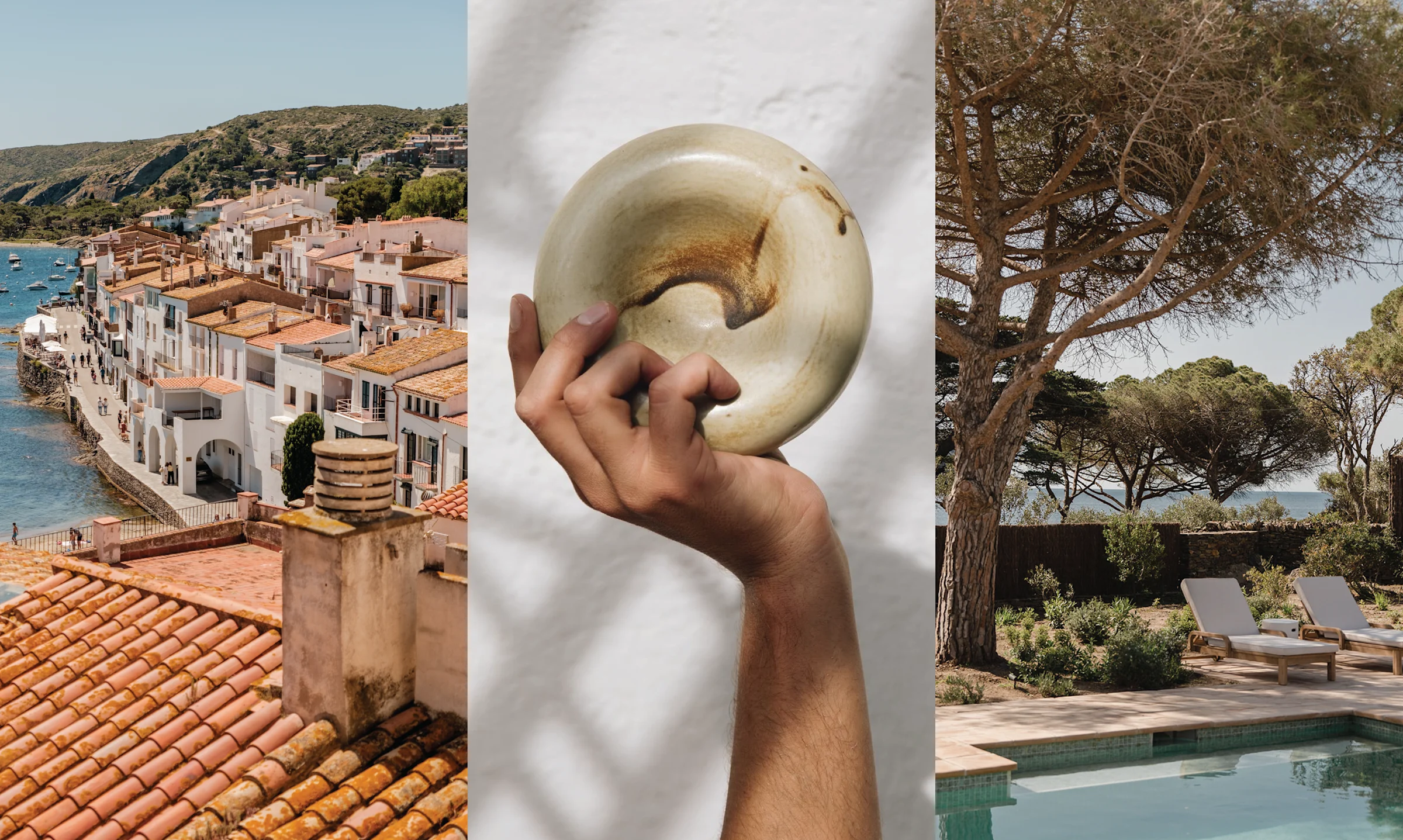
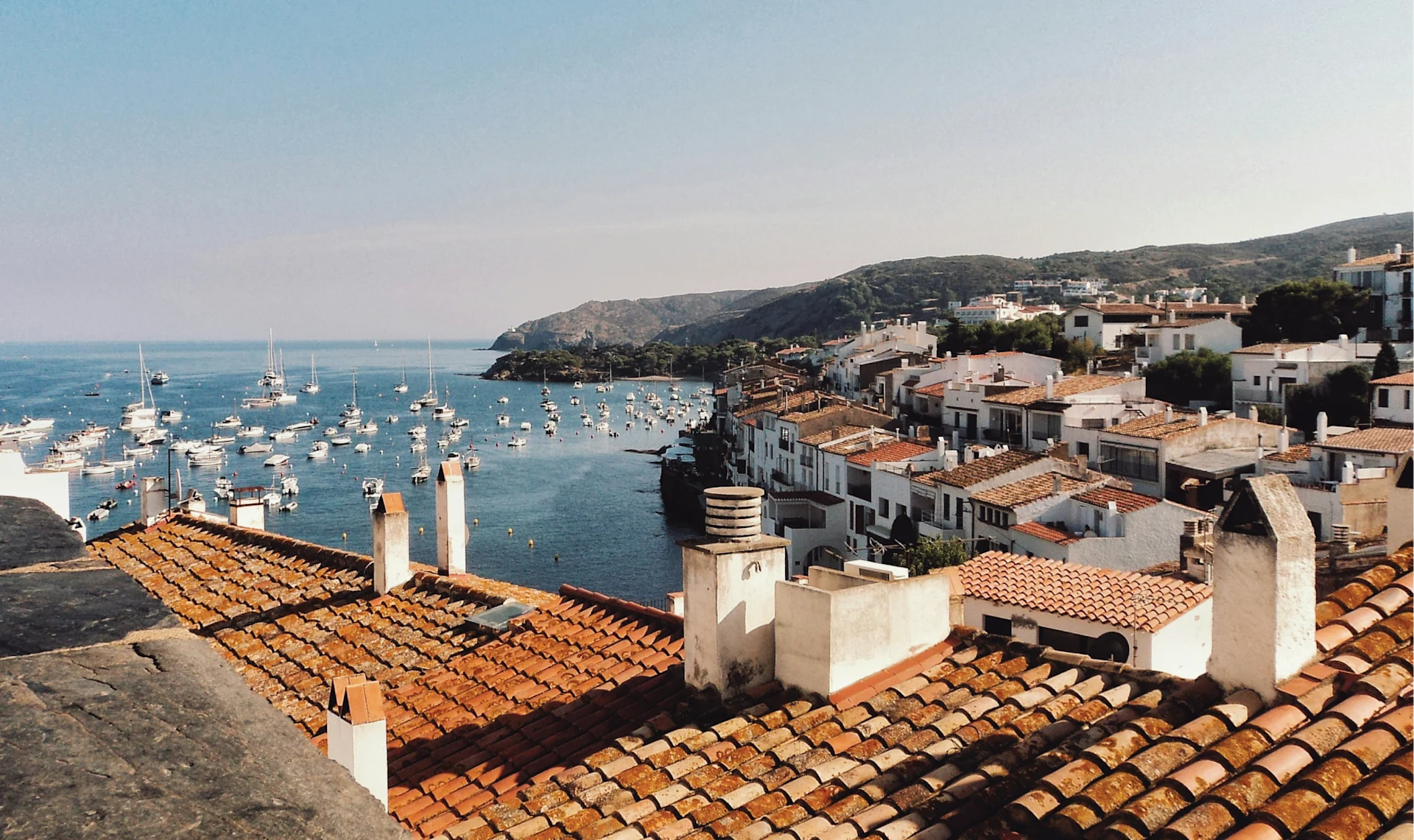
Continuing north, towards the French border, you’ll arrive in Cadaqués: a picture-perfect village with a coddled bay where the air itself feels like a best-kept secret.
For decades, it was the sanctuary of Salvador Dalí and his surrealist cohort. His eccentric home is perched on the edge of nearby Port Lligat and is the town’s most famous cultural attraction. More recently, architecture enthusiasts have shed light on the Cadaqués' distinctive mid-century modern holiday homes. Commissioned by local developers encouraged by Cadaqués' growing reputation as an artistic hot spot, noted Catalan architects, including Coderch and Correa, designed summer retreats for well-to-do families from both sides of the border; rationalist, crisp-lined structures of simple Mediterranean materials. Many of these can be admired along Avinguda Víctor Rahola, the promenade that brushes up against Cadaqués’ tiny inlets and pebbled coves.
At the end of that road, tucked between olive trees, is Villa Salvador, a newly built boutique hotel that echoes the Mediterranean modernism of its neighbors. With just 16 rooms spread across two floors, it feels more like a private residence than a hotel. Interiors are dressed in breezy white textiles, abstract art, and locally crafted accents. The hotel’s terrace features a saltwater pool and sea views, while its casual-chic restaurant serves a suquet (a Catalan bouillabaisse) so good you are permitted to ask for seconds.
In the late afternoon, a handful of galleries open along Calle Hort d’en Sanes. Among them, Galería Patrick Domken (No. 11) stands out; an old atelier brimming with an eclectic mix of contemporary art and curios.
For stylish souvenirs, head to Plaça Frederic Rahola 3, where Castañer, the Catalan espadrille house that rose to fame through its collaboration with Yves Saint Laurent, offers fashion-forward takes on this essential summer footwear. A short walk away, inside the SES Galeries arcade, Oracle Cadaqués stocks striped antique-linen totes and beach bags from Girona-based Govou Fabrics, as well as flowy dresses from Spanish slow-fashion designers.