What’s your perfect Saturday in Madrid? Here’s mine: A morning ramble through red-brick streets where Spanish taverns and Ecuadorian restaurants sit hugger-mugger with dance studios and car dealers. I might wander into a sculpture show in a hangar-like warehouse before visiting a 13th-century church built by Muslim craftsmen, one of Madrid’s oldest. I’ll finish the day with dinner in a converted 1960s cafe: orange wine poured from an unlabeled bottle, Talking Heads on the speakers, and a bowl of hand-rolled gnocchi.
Carabanchel is just two miles from the Puerta del Sol, yet it might as well belong to a parallel universe. While the center of the Spanish capital bends to the demands of tourism’s voracious machine, this sprawling, semi-industrial district south of the Manzanares barely registers in the guidebooks—despite its status as the beating heart of contemporary Madrid. Centro—home to Plaza Mayor, Sol, and El Retiro Park—delivers Madrid in neat, shiny packages. But if the historic center increasingly feels like an unsettling AI-generated version of itself, then south of the river lies a bastion of true-blue Madrileño realness. The savvy visitors who cross the Manzanares—the unspoken boundary between postcard Madrid and its working edges—are discovering a compelling alternative to elbowing through the Prado or downing Negronis in over-designed cocktail bars. When I first pitched up in Carabanchel a few years back, I was looking for a big-city bolthole—somewhere to escape to now and then from my home in the boonies of Extremadura. I’d happened upon a real estate listing for a converted plumber’s workshop, still with its original glass shopfront and a grungy industrial shutter that rattled up and down.
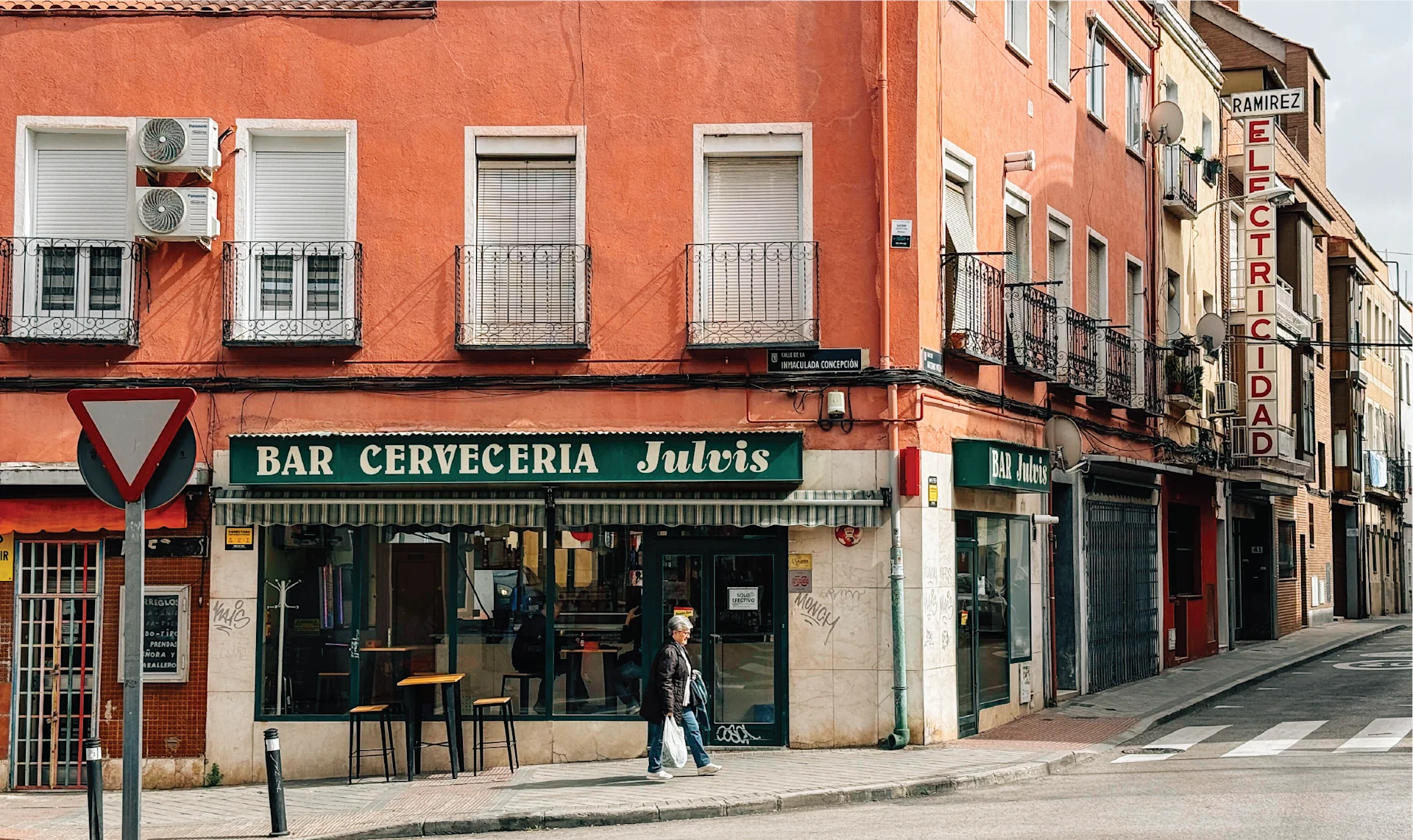
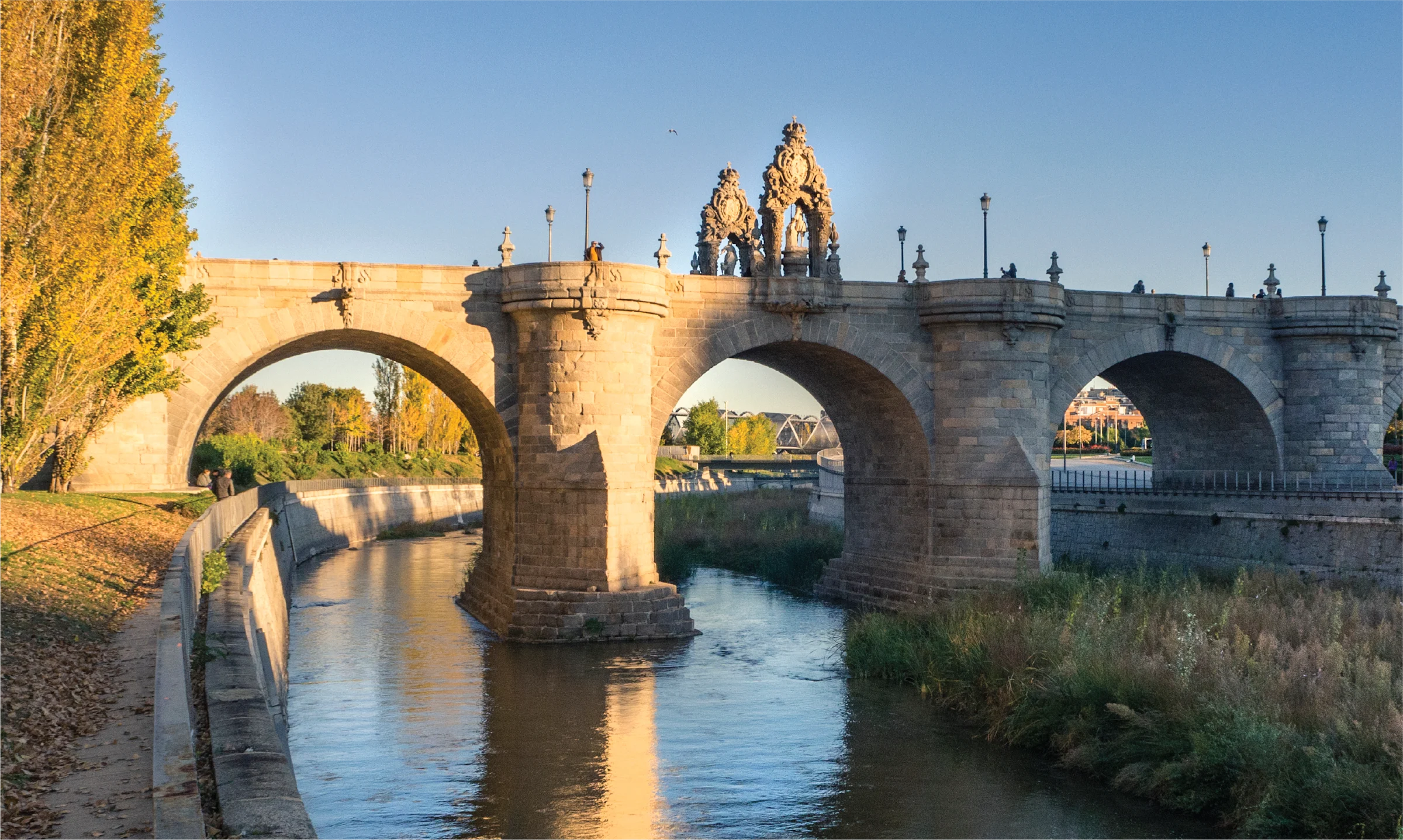
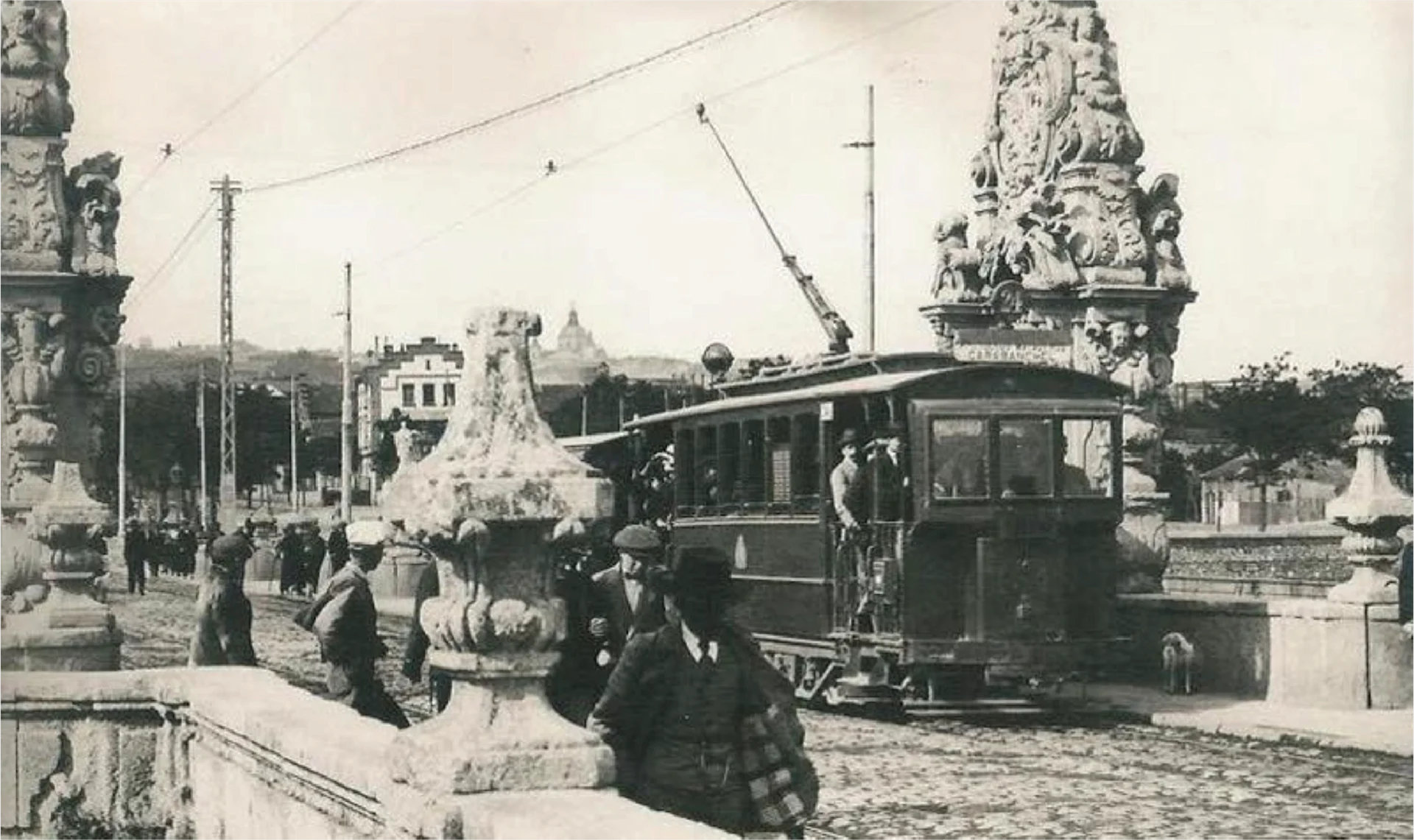
To get there, I walked from Plaza Mayor down toward Puente de Toledo, an 18th-century bridge in solemn gray granite. In his authoritative guide to Madrid’s art and architecture, Michael Jacobs dismisses the cityscape beyond that bridge as “blackened apartment blocks, factories, and a great spaghetti junction…a sort of climax of desolation reached in the enormous suburb of Carabanchel.” I call Carabanchel a neighborhood, though it’s technically one of Madrid’s 21 distritos—and, at a quarter million residents, it’s the size of a small provincial city. What I saw as I ventured into the distrito bore little resemblance to that Dantesque vision. Calle Antonio López, the tree-lined avenue running parallel to the river, won me over with its bustling, demotic Spanishness. There were no Scandi bakeries or third-wave cafes, no left-luggage lockers or CBD vendors, just butcher shops and hardware stores, greengrocers and down-home tapas bars. The only languages I heard were Spanish—in a babel of Iberian and Latin American accents—and a smattering of Mandarin. (As I quickly discovered, neighboring Usera is Madrid’s Chinatown.)
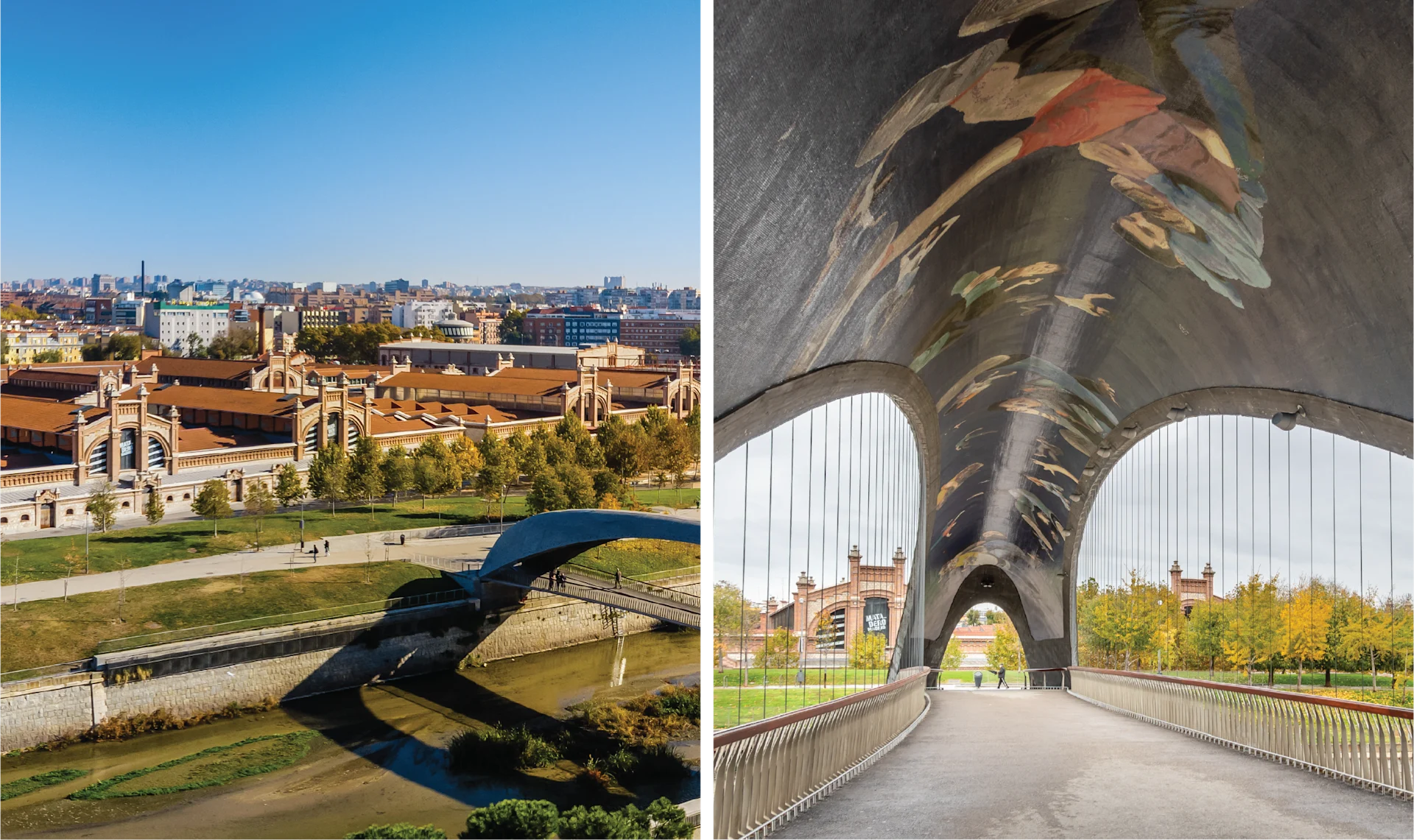
Down by the river, families picnicked on the grassy banks; the winding paths were alive with runners and dog-walkers. Under Franco, the Manzanares was parsed into sections and fitted with locks to create the illusion of a full-bellied river like those of London or Paris. Hemmed in by the M-30 ring road, it became ecologically dead. In 2009 the highway was buried, and in 2015 the locks were opened, transforming the river into verdant marshland visited by kingfishers, mallards, and grey herons. Parque Madrid Río, as the project was christened, is not just an exemplary feat of urban rewilding but a place as deserving of your visit as the uptown, upmarket Retiro. Compared to the predictability of central Madrid’s architecture, I was struck by the cheerful disorder of the built environment down this way. A jumble of apartment buildings with painted metal balconies and dark green awnings—thrown up hastily in the postwar years to house migrants from Andalucía and Extremadura—crowded the streets. Among them were light-industrial premises: printworks, small factories, carpenters, glaziers, garment makers, garages and car mechanics, all plying their trades in plain view from the sidewalk.
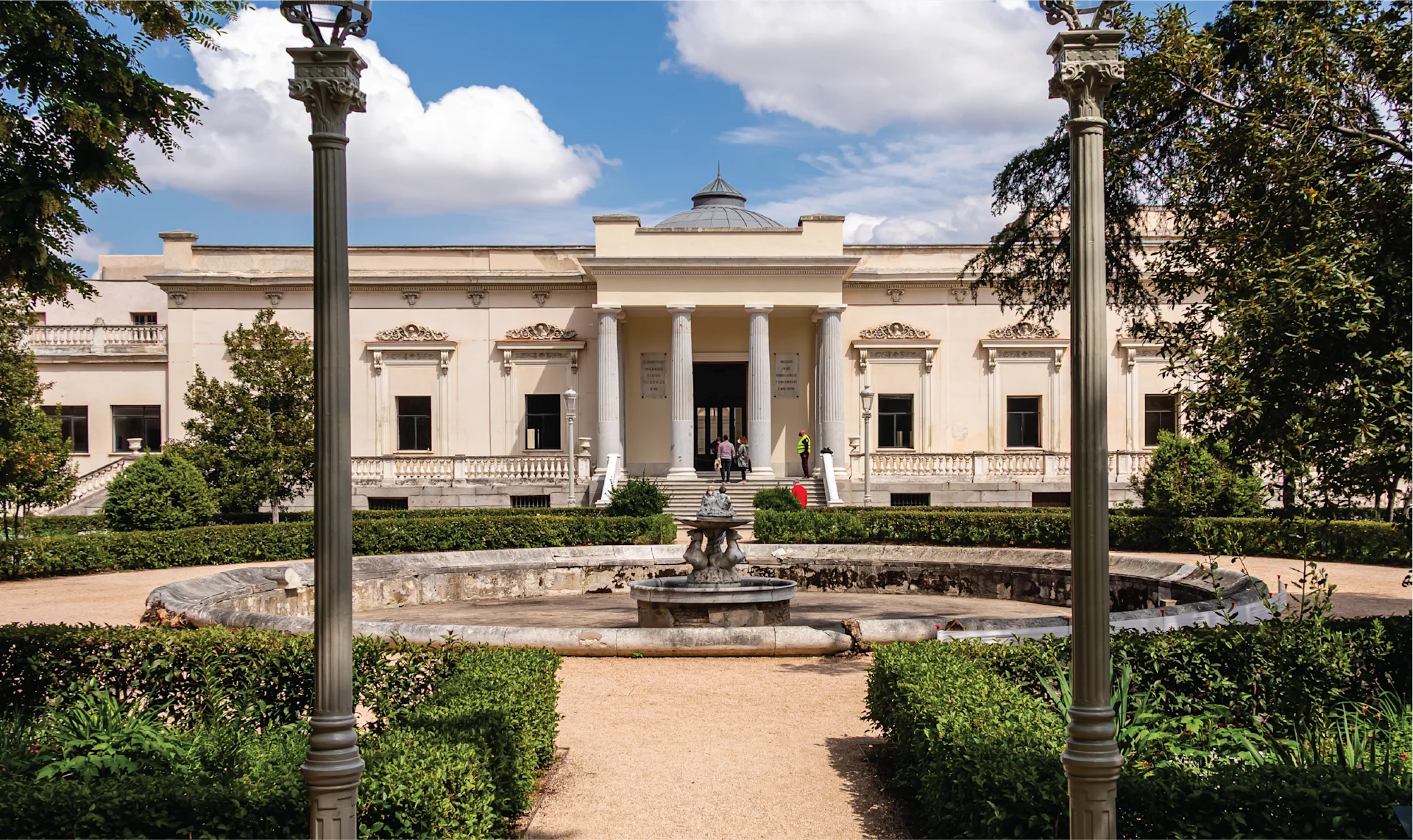
Reader, I’d found where I was meant to be—and ended up buying the plumber’s workshop. With a base camp secured, I began teasing historic highlights from Carabanchel’s architectural slop of jerry-built housing and utilitarian sheds. The 19th-century gardens of La Quinta de Vista Alegre had just been restored to something like their former glory, and I often had them mostly to myself. In a trash-strewn patch of ground, once the site of a notorious Franco-era prison, I stumbled upon one of the city’s most ancient churches: the Romanesque-Mudéjar Ermita de Santa María de la Antigua. At the district’s southwestern edge, the ornamental gate of Colonia La Prensa—built between 1913 and 1916 as a vacation community for journalists—was among the funkiest examples of modernista architecture I’d seen outside Catalunya. Over successive visits, I dug deeper, piecing together Carabanchel’s more recent history through encounters with locals. Long a solidly working-class district and later a magnet for Latin American migrants, it is now seeing an influx of middle-class creatives, many of whom were spit out from formerly alternative barrios like Malasaña and Chueca, where rents have soared and tourism has thinned residential life. My neighbor Consuelo Trujillo, an actor known for her barnstorming Bernarda in Federico García Lorca’s The House of Bernarda Alba, once lived in La Latina but moved south, drawn by the new riverside park. In the old days, she told me, the polluted Manzanares was a psychological barrier as much as a physical one for those in the center: Carabanchel was nowheresville. If I’d half-expected a trendy urban enclave—the sort where artsy types sip matcha lattes and browse vintage boutiques—this wasn’t it. The neighborhood felt in the early stages of transition, the trendy incomers still marginal within the broader social ecosystem. (When Time Out named Carabanchel the world’s third-coolest neighborhood in 2023, locals reacted with laughter and outright scorn.)
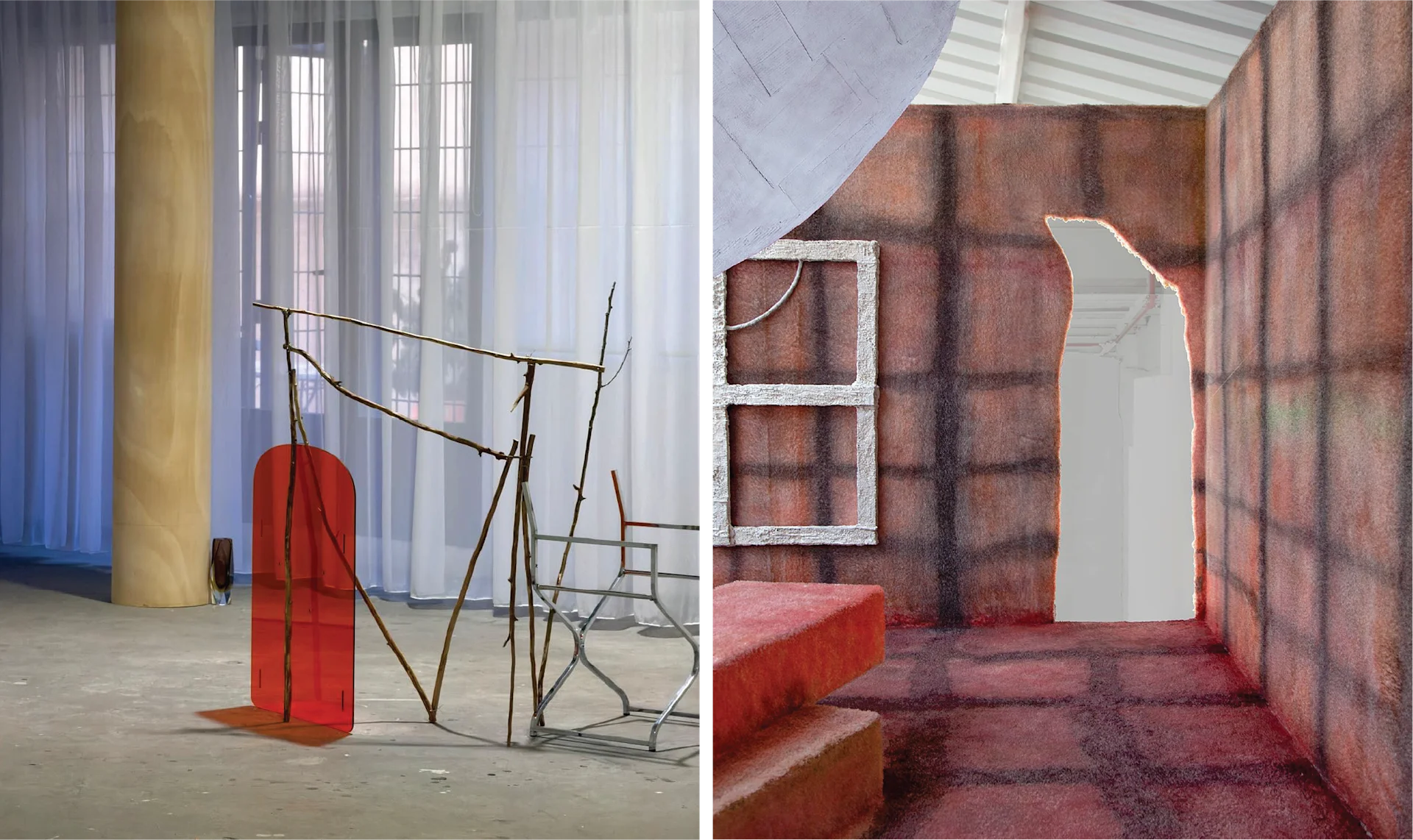
I soon learned that the district’s most vibrant cultural venues are often tucked discreetly behind industrial shutters thick with grime and graffiti. Around the Calles Pedro Díez and Matilde Hernández, I began to sense a creative cluster: theater studios, dance spaces, and a design school. The former Iso factory, which once produced the adorable Isocarro three-wheeler, is now Nave Oporto, with 17 artists working behind its forbidding brick facade. Turning up unannounced at the Casabanchel art space, a cultural pillar since 2016, I found a dazzling factory space arranged around a central light well. That night, it was packed for a book launch and video screening—part of its rotating program of exhibitions, DJ sets, and poetry readings. The more visible transformation is among the commercial galleries that have proliferated over the past decade. Sabrina Amrani, a pioneer among them, opened in Malasaña in 2011 but soon outgrew the space. Opening in Carabanchel in 2019 may have seemed radical at the time, but Amrani was unfazed: “It was over the river, sure, but for me, a 15-minute drive from the center was no big deal,” she told me. Near her gallery on Calle Sallaberry was another of the neighborhood’s creative outposts, Galería Belmonte, hiding among Latino eateries, Chinese-run convenience stores, and tile-floor taverns. The gallery’s inner courtyard still bears the feed troughs from its days as a cowshed little more than a century ago, when Carabanchel was rolling farmland. Down the road, Veta Galería, a cavernous former garage touted as Madrid’s largest contemporary art space, is drawing art enthusiasts in droves. Until a few years ago, “food scene” was not a phrase anyone would have applied to Carabanchel. What was there extended little beyond tapas bars, penny-plain casas de comida, and Latin American cookshops. That, however, is changing—and quickly. Among the early arrivals was La Fábrica de Patanel, still the area’s only serious brewpub, run by four guys who grew up in the barrio and brew the tastiest dry-hopped IPA this beer-loving Brit has supped in a long time.
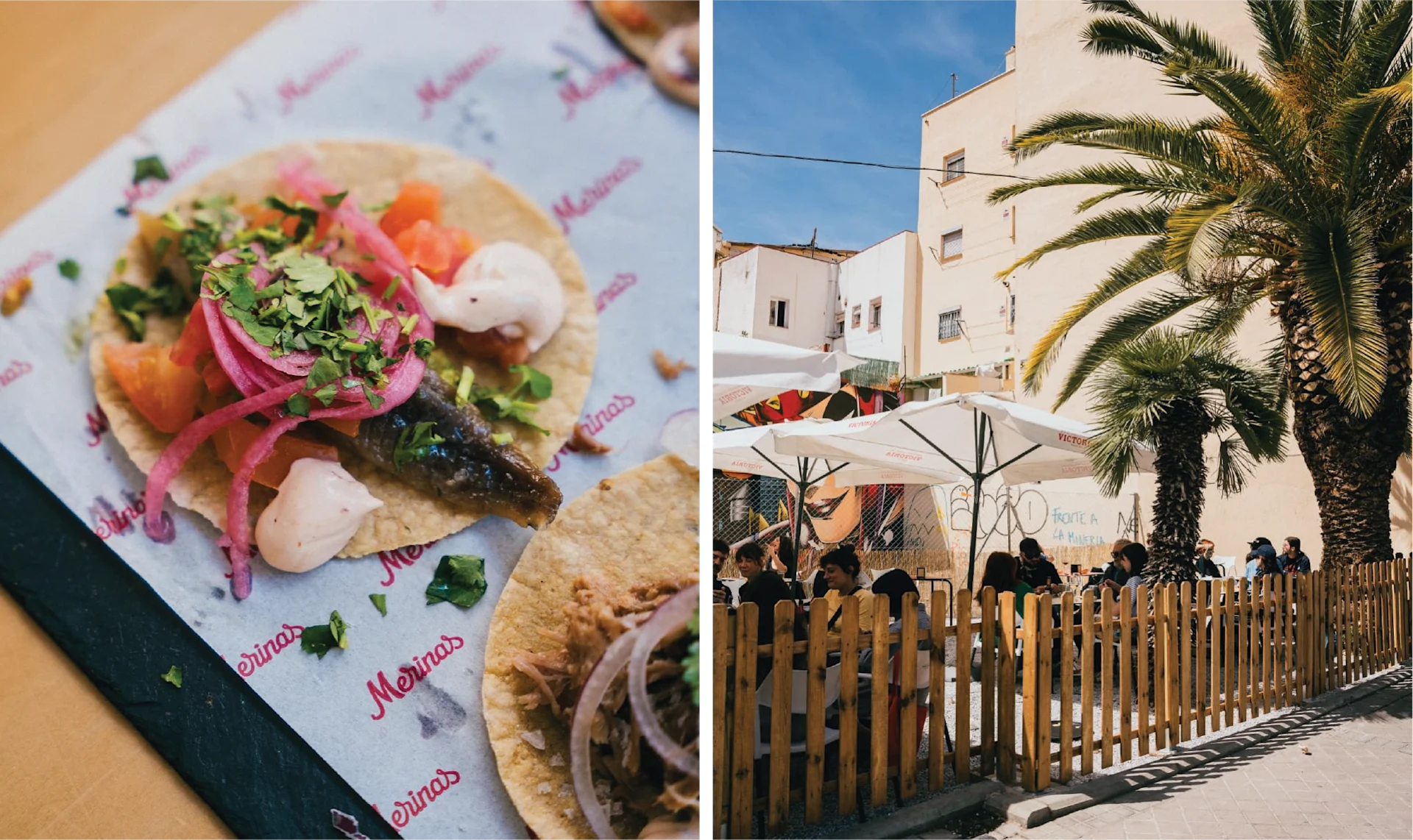
More recent openings signal subtle demographic shifts. Over the past couple of years, the neighborhood has welcomed its first natural wine bar, Luz Verde; its first plant-based restaurant, Doxa; its first sourdough bakery, Obrador Panorama; a gourmet coffee shop, Hola Coffee Roasters; and a fermentation lab, La Dolorosa—all signs of the times. More encouraging still are bistro-style restaurants that have revived former working-class bar-cafes while preserving their retro decor. Bar Merinas, a defunct grocery reborn by three actors, is one. Bar La Gloria de Carabanchel, with its short Andalusian-leaning menu, is another.
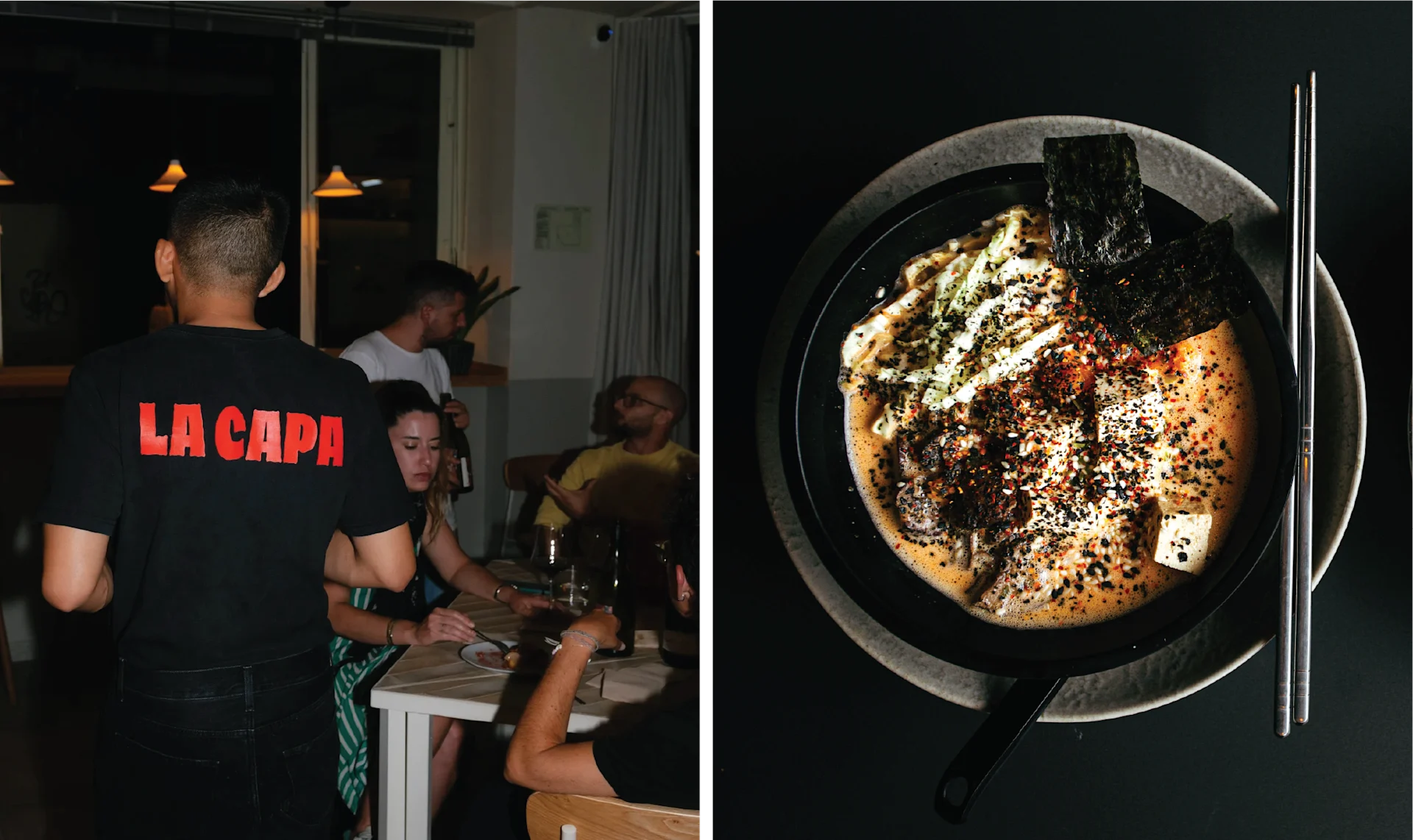
But the genre-definer among the new crew is La Capa. A 1960s cafeteria that had fallen on hard times, it was lovingly (yet minimally) restored and re-opened in late 2024 by three young chefs keen to do their own thing after years in the grind of city-center hospitality. In Carabanchel, Arturo Romera, Antonio Tapia, and Martin Philippe See found a place where they could be their own bosses while filling a gap in the market. The result is a laidback postmodern taberna with white paper tablecloths and a simple bifold menu. The bracingly lemony potato salad (ensaladilla) alone is worth the trip, and the place is booked out weeks in advance by diners weary of the formulaic fare uptown. Madrid right now feels like two cities running in opposite directions. In Centro, the down-to-earth cheer and affordability that long defined the capital have been steadily displaced by bland luxury and rapacious international brands. Woody Allen’s latest picturesque-European-city film—set in Madrid and funded to the tune of $1.7 million by the conservative regional government—seems poised to amplify the theme-park effect. (Remember Vicky Cristina Barcelona and be afraid.) Across the Manzanares, by contrast, lies rough-diamond Carabanchel, along with other southern distritos where even the less well-off can still live with a measure of comfort. But the balance is fragile. Rents are rising and speculation is relentless. Marko Zednik of Casabanchel recently told me that they are unsure how long they can hold on after a steep rent increase. Gentrification is unevenly creeping southward, though for now it’s concentrated near the river. Even so, there is still more genuine Spanish life in Carabanchel’s red-brick streets than in any city-center neighborhood. I appreciate the avant-garde venues and the fresh-faced restaurants as much as anyone, but what’s special to me about my barrio—and this may sound perverse—is just how obstinately un-special it continues to be.