El Elevador: Checking In & Checking Out
To book a stay at this off-grid retreat on El Hierro in the Canary Islands, you must first send a handwritten letter.
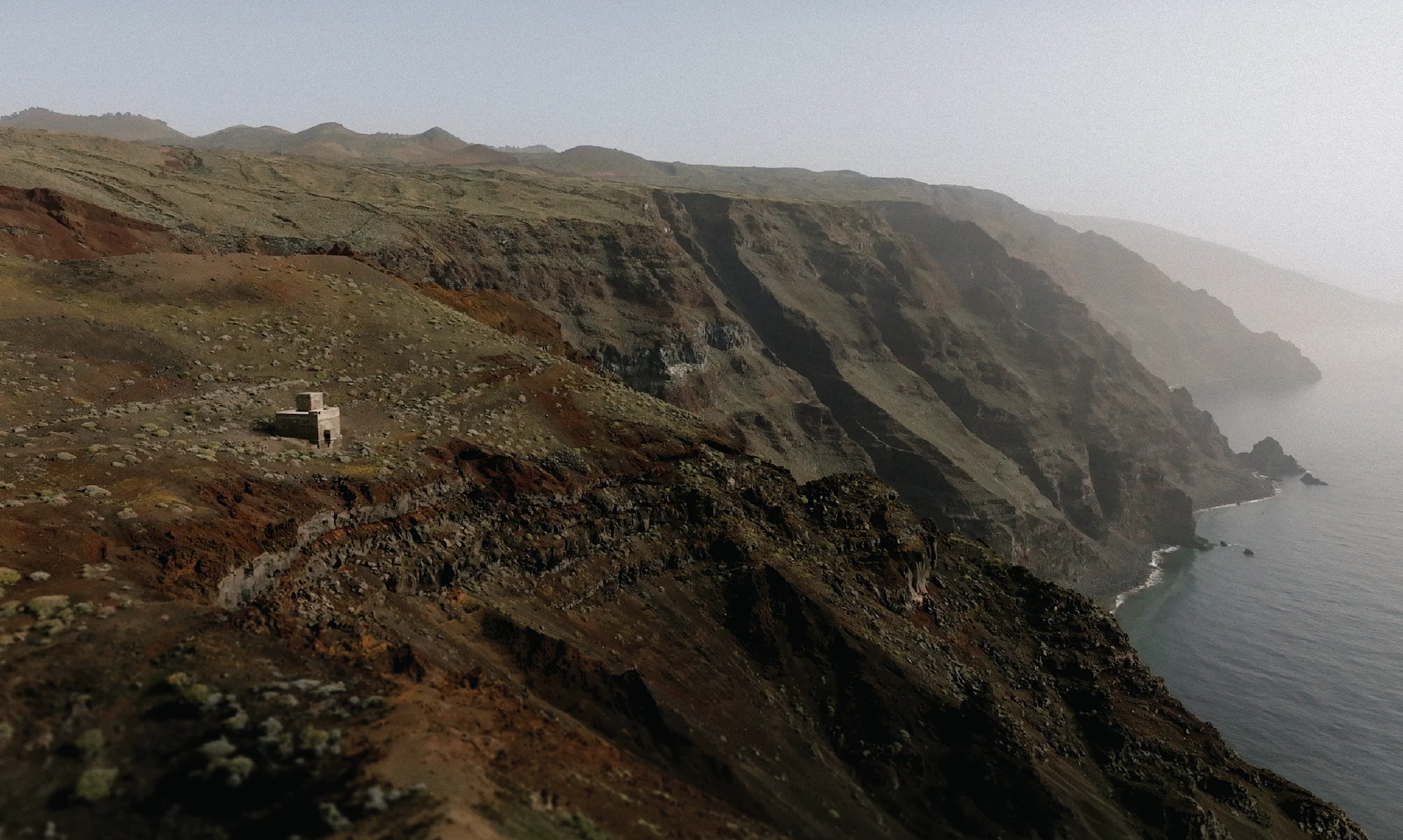
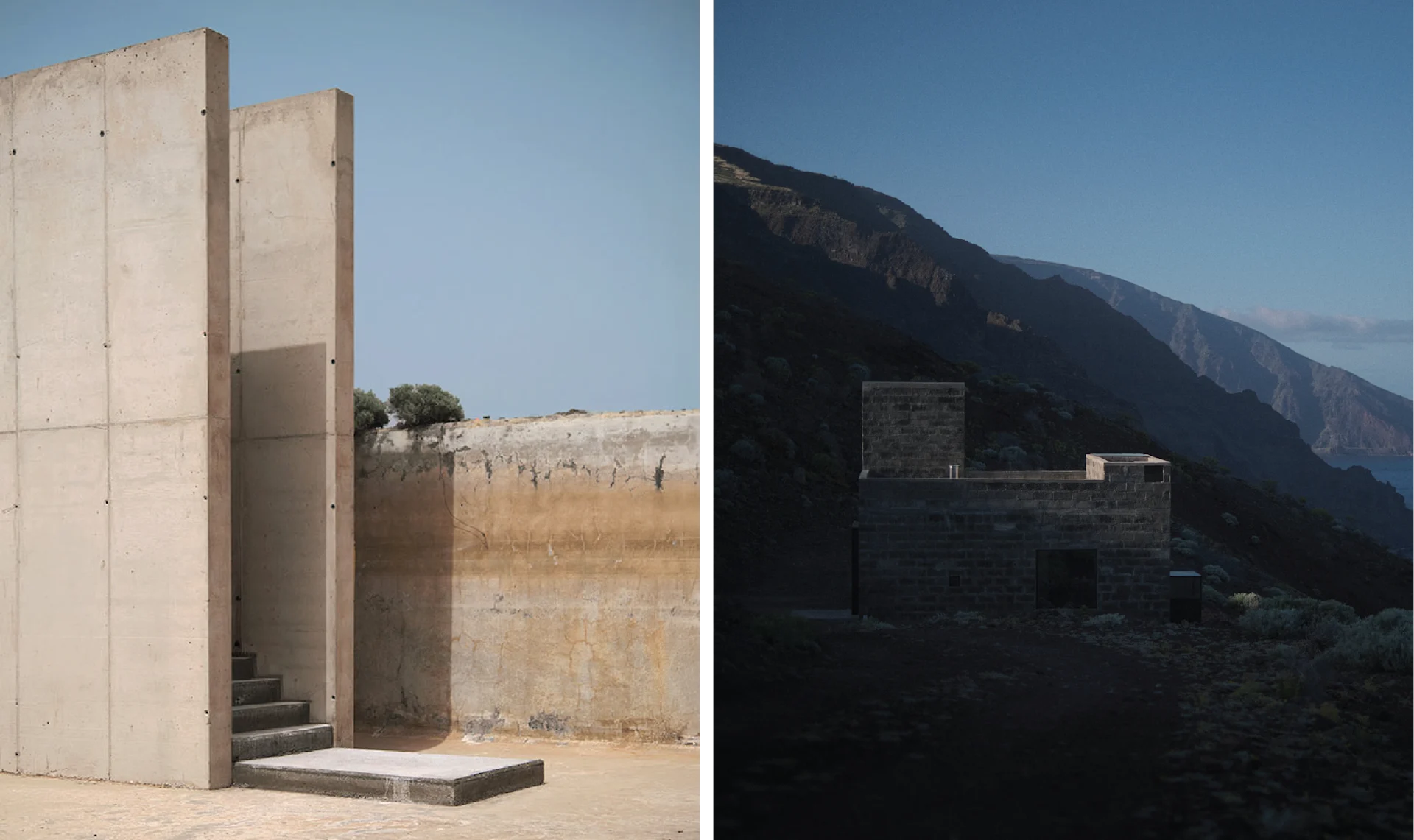
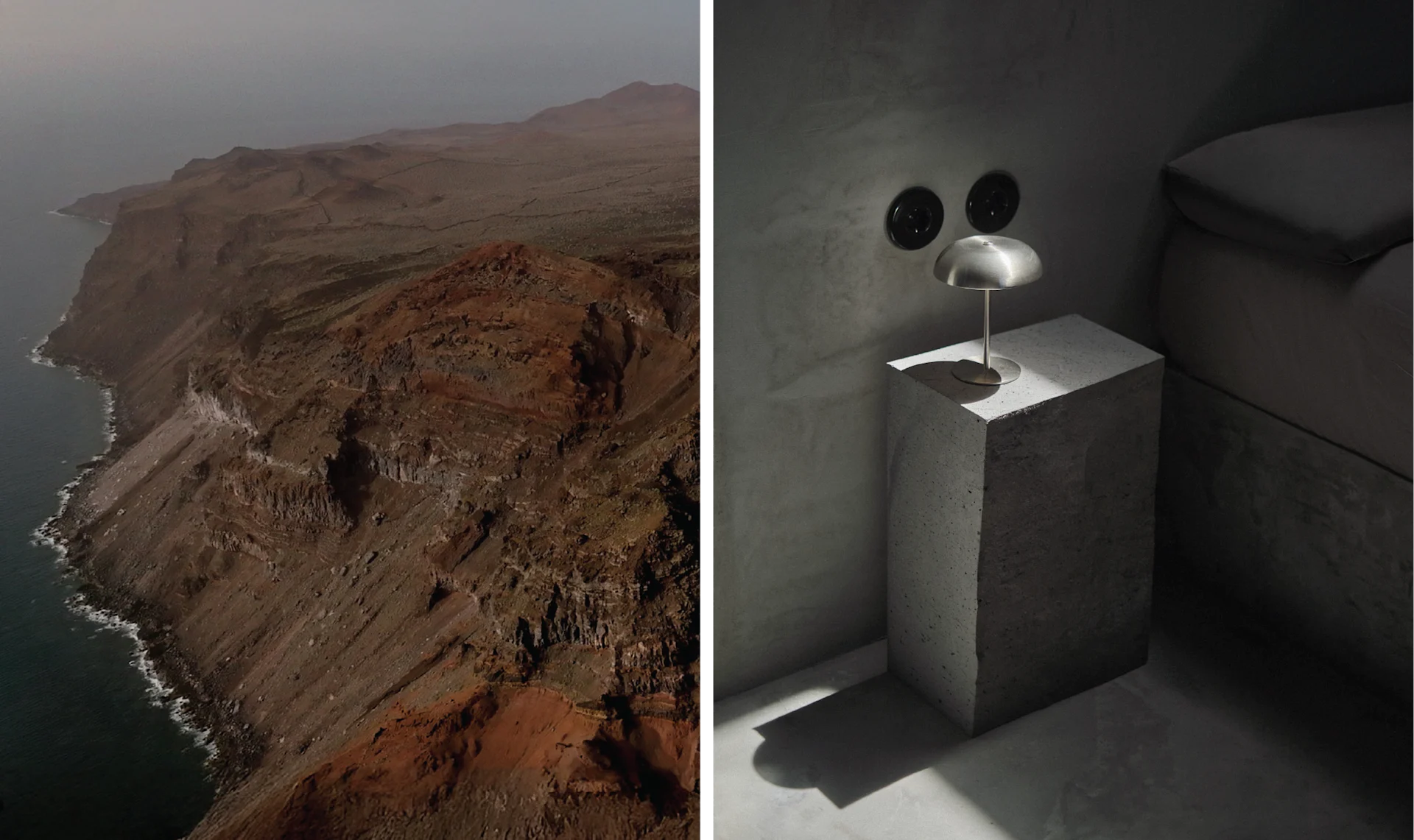
Perched on a desolate clifftop amid the volcanic terrain of El Hierro—one of the smallest and least visited Canary Islands—El Elevador sleeps just two in a single open-plan space. The property occupies a former pumping station reimagined by Tenerife-based architect Alejandro Beautell in his trademark brand of nouveau brutalism, with poured concrete, gray cement, and little in the way of ornamentation. Despite its austere appearance, the house is comfortably outfitted, with high-end amenities and a refrigerator stocked with local cheeses, wines, and provisions. Deliberately disconnected from modern life, there is no Wi-Fi inside the dwelling and virtually no phone signal. Instead, guests are encouraged to embrace the silence and the island’s rugged volcanic setting. El Elevador will not appeal to everyone—children, pets, vertigo sufferers, and those wary of uncompromising contemporary architecture should look elsewhere—but for travelers seeking solitude and a genuine digital detox, it is difficult to imagine a more compelling hideaway.
When
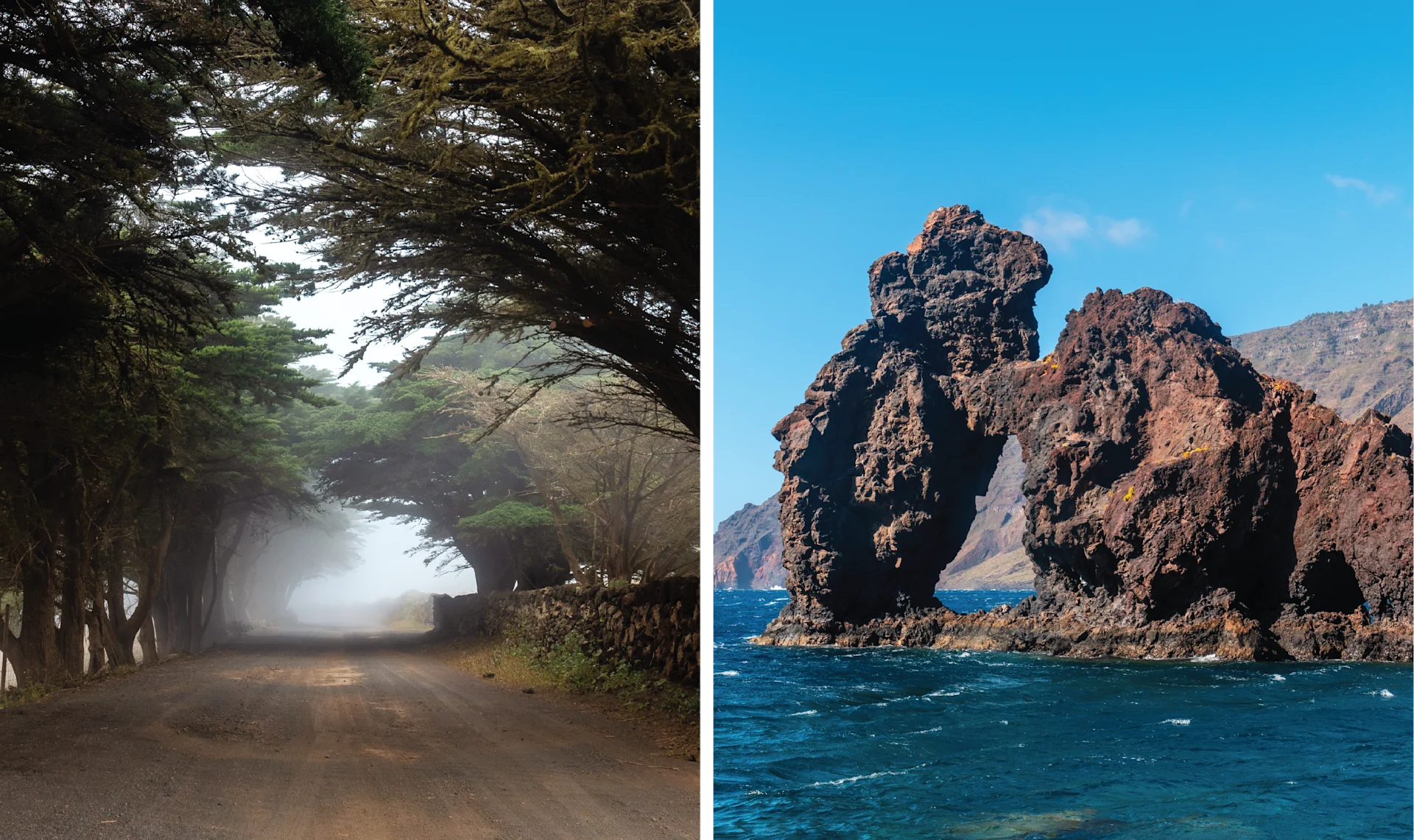
El Hierro remains one of the Canary Islands’ least visited destinations, receiving just 6,225 visitors in 2015 compared with 18 million across the archipelago as a whole. For most of the year, it feels almost startlingly underpopulated. The exception is the Bajada de la Virgen, a festival celebrated every four years (the next falls in 2029), when the island suddenly fills with returning families and pilgrims. Thanks to the Canaries’ mild climate, there is no truly bad time to visit, though midsummer can be hot. Locals favor spring for the wildflowers and September through November, before ocean temperatures take a dip.
Where
El Elevador sits on El Hierro, the westernmost of the Canary Islands, perched just a few uneasy steps from the edge of a sheer cliff on the island's volcanic south coast. The setting is undeniably dramatic: a sweep of black lava fields, barren slopes, and the Atlantic stretching endlessly below, all framed by the cabin’s floor-to-ceiling windows. Unlike its better-known Canarian neighbors, El Hierro sees little tourism, making it an easygoing place to explore, with lava fields, pine forests, and natural pools often enjoyed in near solitude. Reaching the island requires a short flight from Tenerife or Gran Canaria, while a rental car is essential for navigating its winding roads and reaching El Elevador, around an hour from the airport.
The Proprietors
The owners, Alberto del Hoyo and Silvia Rodríguez, were among the first hoteliers to champion characterful, design-led stays in an archipelago long associated with package tourism through their Be Tenerife and Canary Essence platforms. The building dates to the 1960s, when it functioned as a pumping station drawing water up from a spring at sea level—an ambitious engineering project carried out largely by a local miller named Juan Casañas.
Design
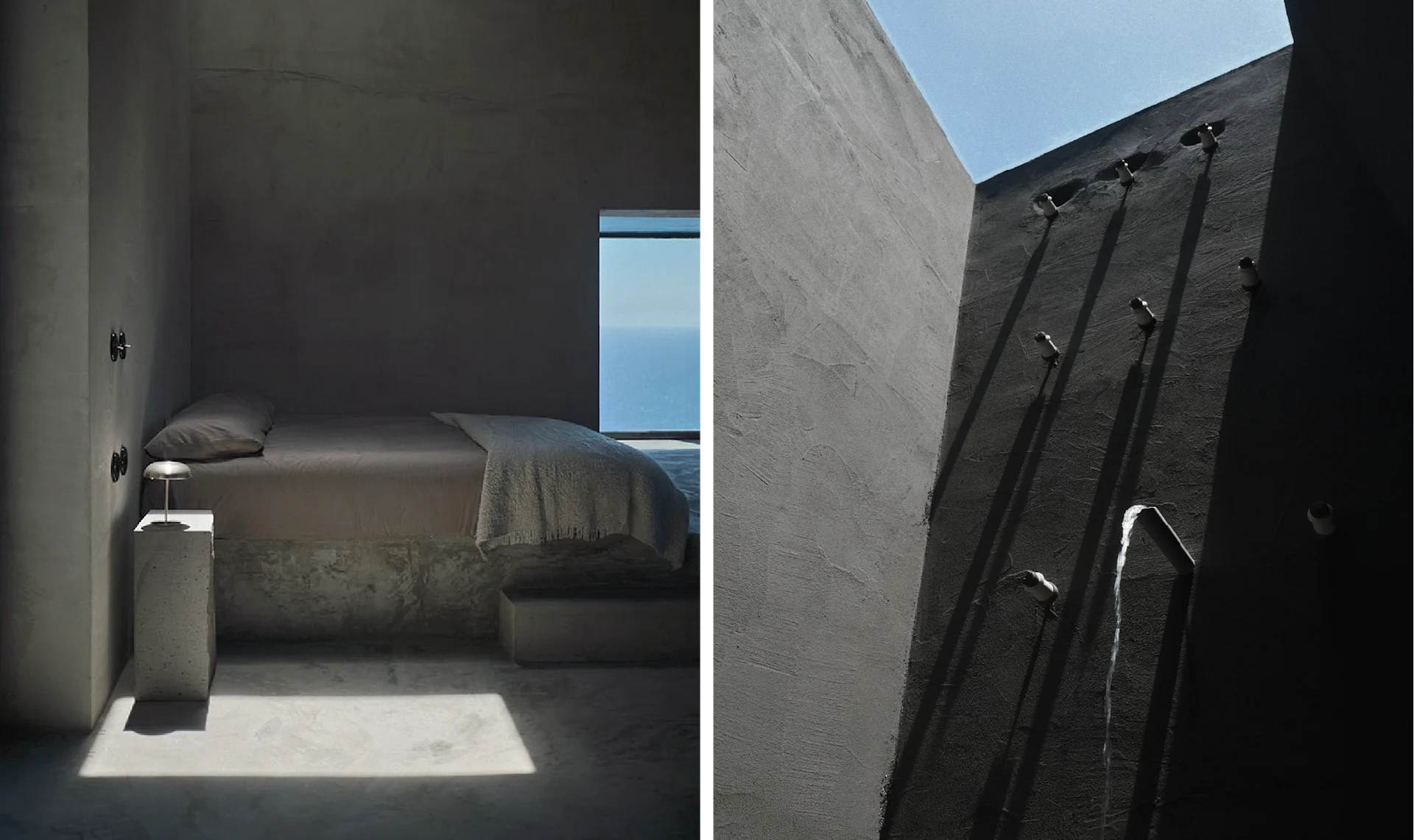
Architect Alejandro Beautell, whose portfolio includes numerous churches and chapels in raw poured concrete, brings a similarly monastic sensibility to El Elevador. Note the beams of light radiating through gaps in the roof and the altar-like table on the terrace, which is made of solid basalt. His blueprint preserves the pumping station’s weathered concrete blocks, while the interior is a minimalist ode to gray cement. The most dramatic space is the bathroom, set within the former transformer tower, where water pours from a pipe high overhead into a 20-foot-high chamber of gray cement.
Courtesy El Elevador
Courtesy El Elevador
Courtesy El Elevador
Courtesy El Elevador
Courtesy El Elevador
Courtesy El Elevador
Courtesy El Elevador
Courtesy El Elevador
Courtesy El Elevador
Courtesy El Elevador
Courtesy El Elevador
Courtesy El Elevador
The Crowd
El Elevador is unlikely to win over travelers who equate luxury with abundance. There is no spa, no village to stroll to, and no distraction beyond the shifting light, the ocean, and the volcanic terrain. Its audience is more niche: devotees of contemporary architecture, seasoned escape artists, and those willing to trade convenience for silence, remoteness, and a setting unlike almost anywhere else in Europe.
Rooms
An open plan of 60 square meters, El Elevador has six-meter ceilings and shifting floor levels that lend it an unlikely sense of expansiveness. A king bed occupies pride of place, facing vast panes of glass that frame the jagged Atlantic coastline, while skylights puncture the concrete shell overhead. Most of the practical necessities—cooking facilities, storage, bathroom fittings—have been consolidated into a monolithic insert clad in black lacquered steel. The material palette is spare, but the details aren’t: Mauviel cookware, Bassols linens, and Josephinenhütte stemware suggest owners who genuinely care about how things are made. In lieu of Wi-Fi or a reliable signal, guests are left with more tactile diversions: a 1930s Remington typewriter supplied with handmade Japanese paper and a vintage Hasselblad loaded with a roll of film.
Service
Part of the appeal of El Elevador lies in being left entirely alone. Beyond a refrigerator stocked with coffee, bread, milk, local cheeses, wines, and El Hierro’s signature quesadilla pastries, there is little in the way of traditional hospitality. Instead, guests are encouraged to live like islanders, sourcing organic meats from Carnicería El Pinar, pineapples from La Frontera, and freshly landed fish from La Restinga harbor.
Dining
El Hierro’s restaurant scene consists largely of unfussy spots serving hearty Herreño cooking, such as grilled limpets, chickpea stews, and crisp morsels of fried moray eel. Mesón del Norte, in the island capital of Valverde, is a reliable address for this traditional repertoire, while Casa Juan in La Restinga specializes in impeccably fresh seafood. For something more ambitious, there is 8aborigen, housed in a former casino, where chef Marcos Tavío draws inspiration from the foodways of the island's pre-colonial Bimbache inhabitants.
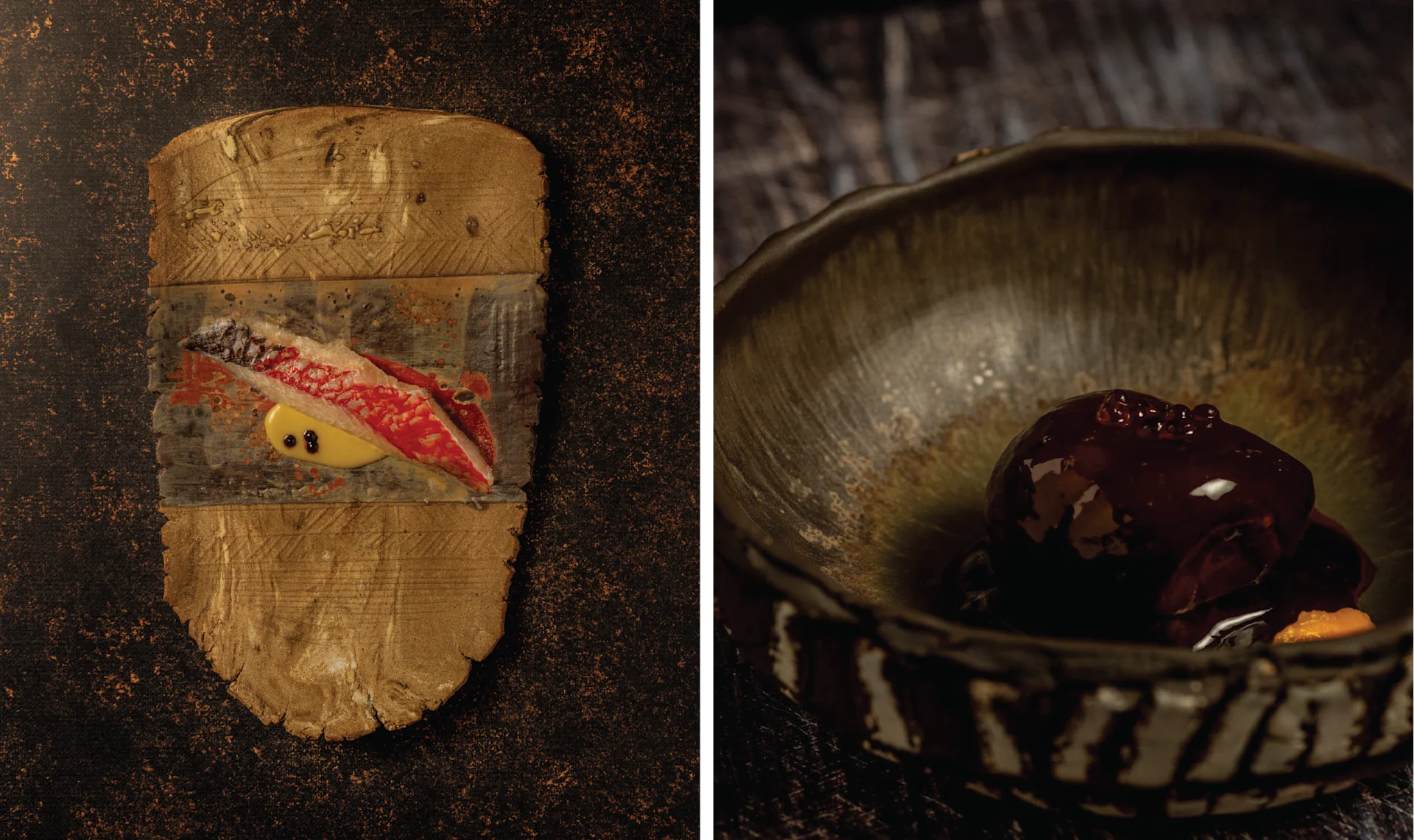
Parrotfish with vinaigrette (courtesy 8Aborigen)
Beet with fermented pumpkin and cacao nibs (courtesy 8Aborigen)
Parrotfish with vinaigrette (courtesy 8Aborigen)
Beet with fermented pumpkin and cacao nibs (courtesy 8Aborigen)
Beyond
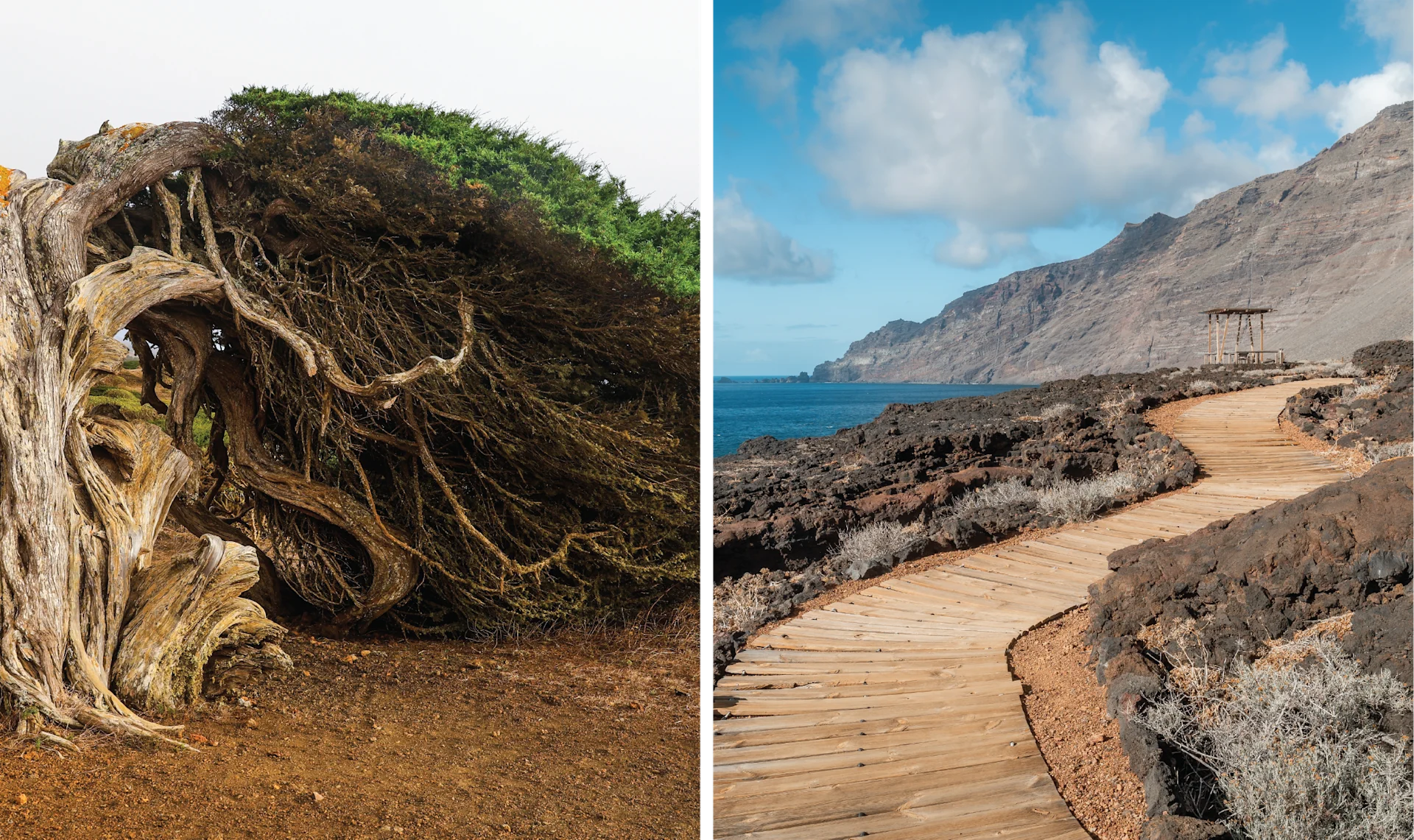
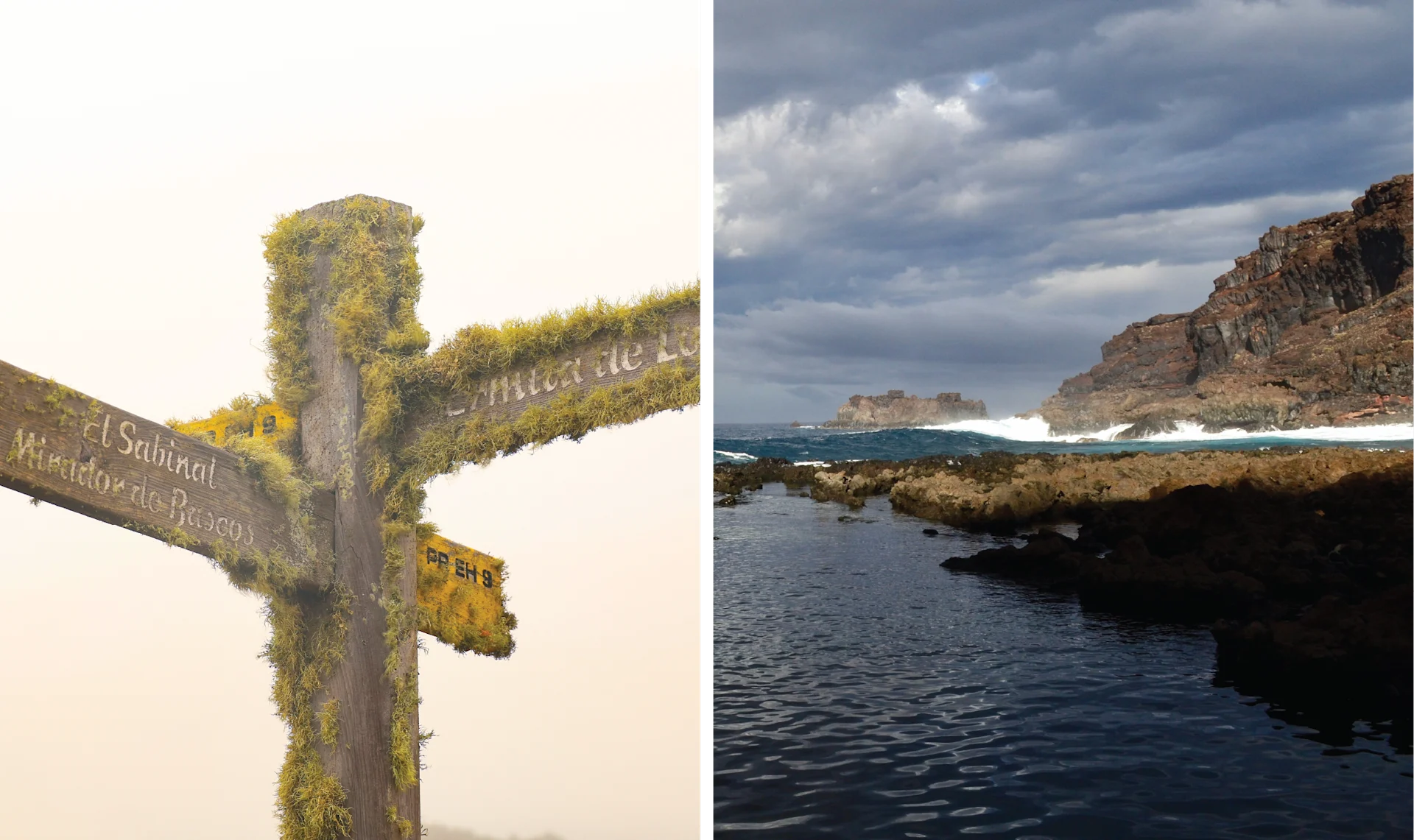
El Hierro has few sandy beaches to speak of, but El Elevador stands within an easy drive of a series of tidal pools, or charcos, such as El Tacorón, where calm waters make for a languid dip. (A small beach bar serves drinks and snacks.) The island’s wildly diverse landscapes, from subtropical forests to shady pinewoods and bleak lava fields, are best explored by car. Don’t miss the Mirador de la Peña, a lookout designed by César Manrique, with its dizzying 200-story drop to the base of a collapsed volcanic crater. If you like the architecture at El Elevador, swing by the Ermita de San Juan Bautista in Frontera, a brutalist church designed by Alejandro Beautell. The Parque Cultural El Julan, on the island's wild western flank, is a key archaeological site, its enigmatic rock carvings dating to El Hierro’s pre-Hispanic era.
Drawbacks
What some travelers may consider a drawback, others will see as the entire point. El Elevador’s patchy connectivity and embrace of analog technology are a deliberate effort to strip away the distractions and noise of contemporary life. The setting is undeniably dramatic, and there are no guardrails separating guests from the cliff edge, so a degree of common sense is required. Nor are there curtains or blinds, so pack an eye mask if early morning light bugs you. Even securing a reservation requires commitment: Prospective guests must first send a handwritten letter and wait for a reply.

PRIOR Access: a dedicated Travel Designer and unlimited trip planning for $3,250 a year, with the same network of insiders behind our stories.
PRIOR Access: a dedicated Travel Designer and unlimited trip planning for $3,250 a year, with the same network of insiders behind our stories.


Paul Richardson
Paul Richardson left London for Spain in 1989. He writes for the Financial Times, The Guardian, and Saveur and is a contributing editor at Condé Nast Traveller. His published books include A Late Dinner: Discovering the Food of Spain and, most recently, Hidden Valley: Finding Freedom in Spain’s Deep Country. Paul and his husband, Nacho, produce olive oil, wine, and charcuterie on their twelve-acre organic farm in Extremadura.

In the second episode of Traveling Through, the longtime New Yorker editor argues that paying attention matters more than passport stamps—and that the best journeys are sometimes on the page.
Read More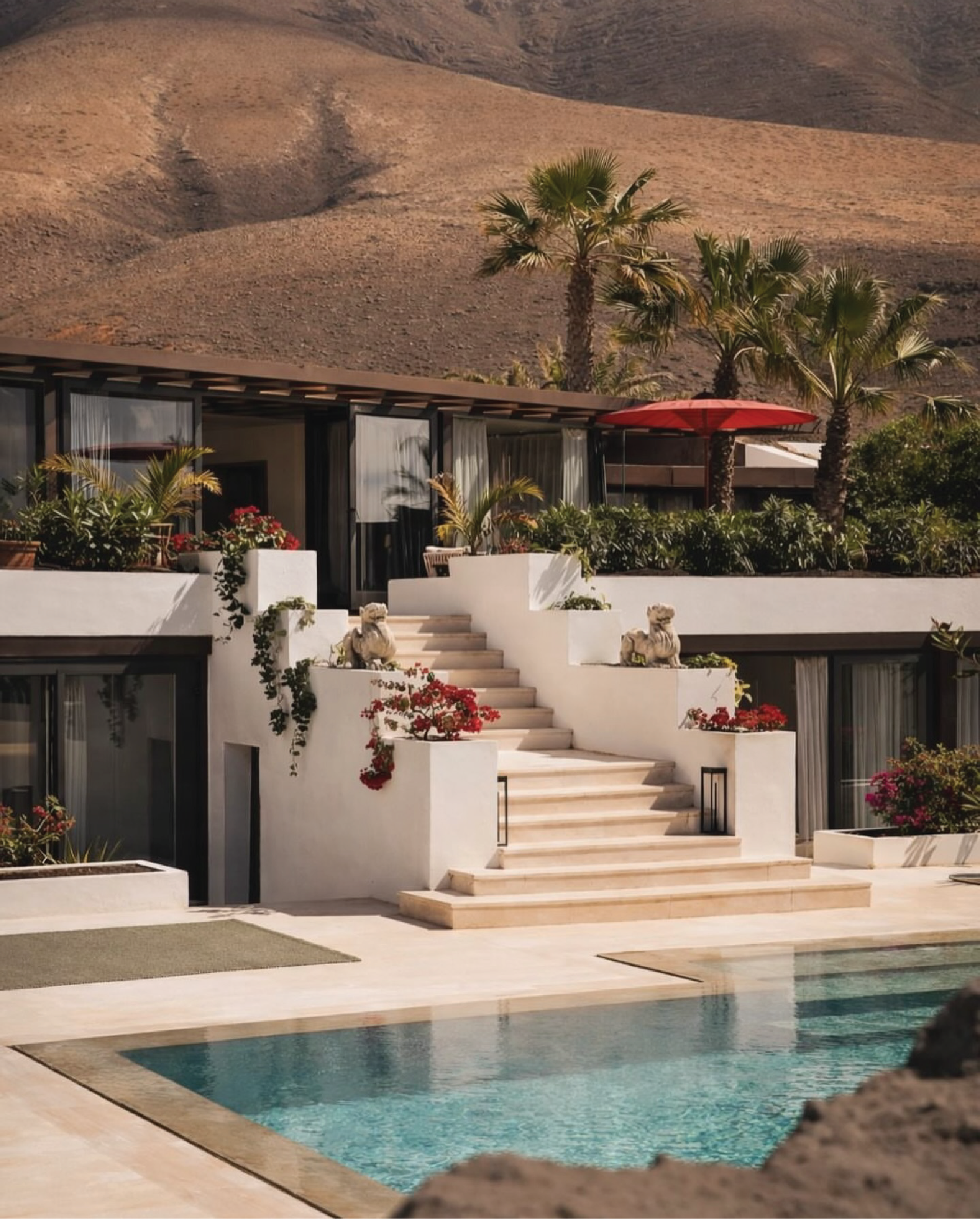
A working lighthouse, a cliff-edge pumping station, and a former sugar estate are among the properties attracting travelers who once overlooked the archipelago.
Read More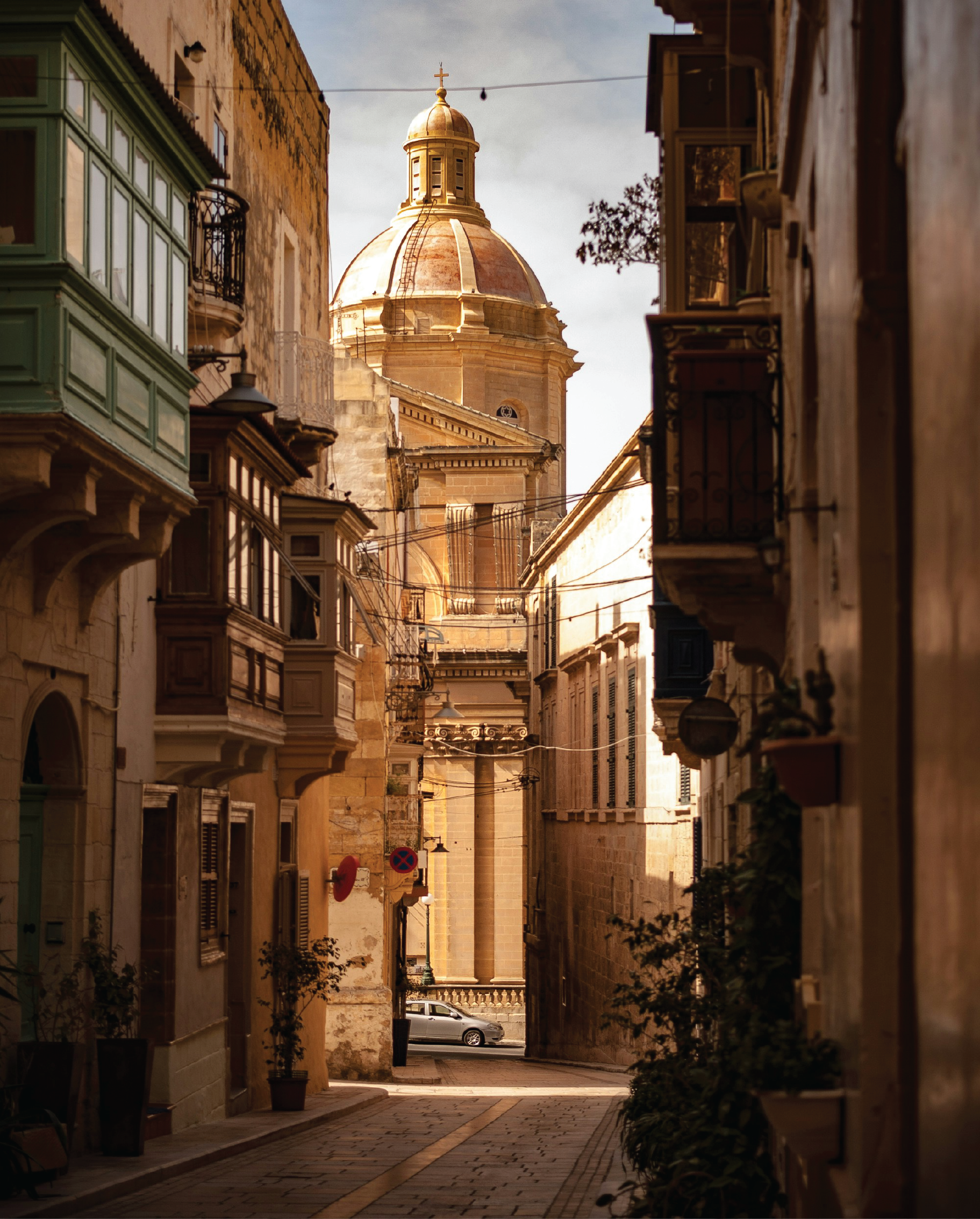
A fresco-filled hotel in a limestone mansion, a resurgence of local craft, and a new nonstop flight are putting wind in Malta’s sails. Here’s how to experience the island right now.
Read More