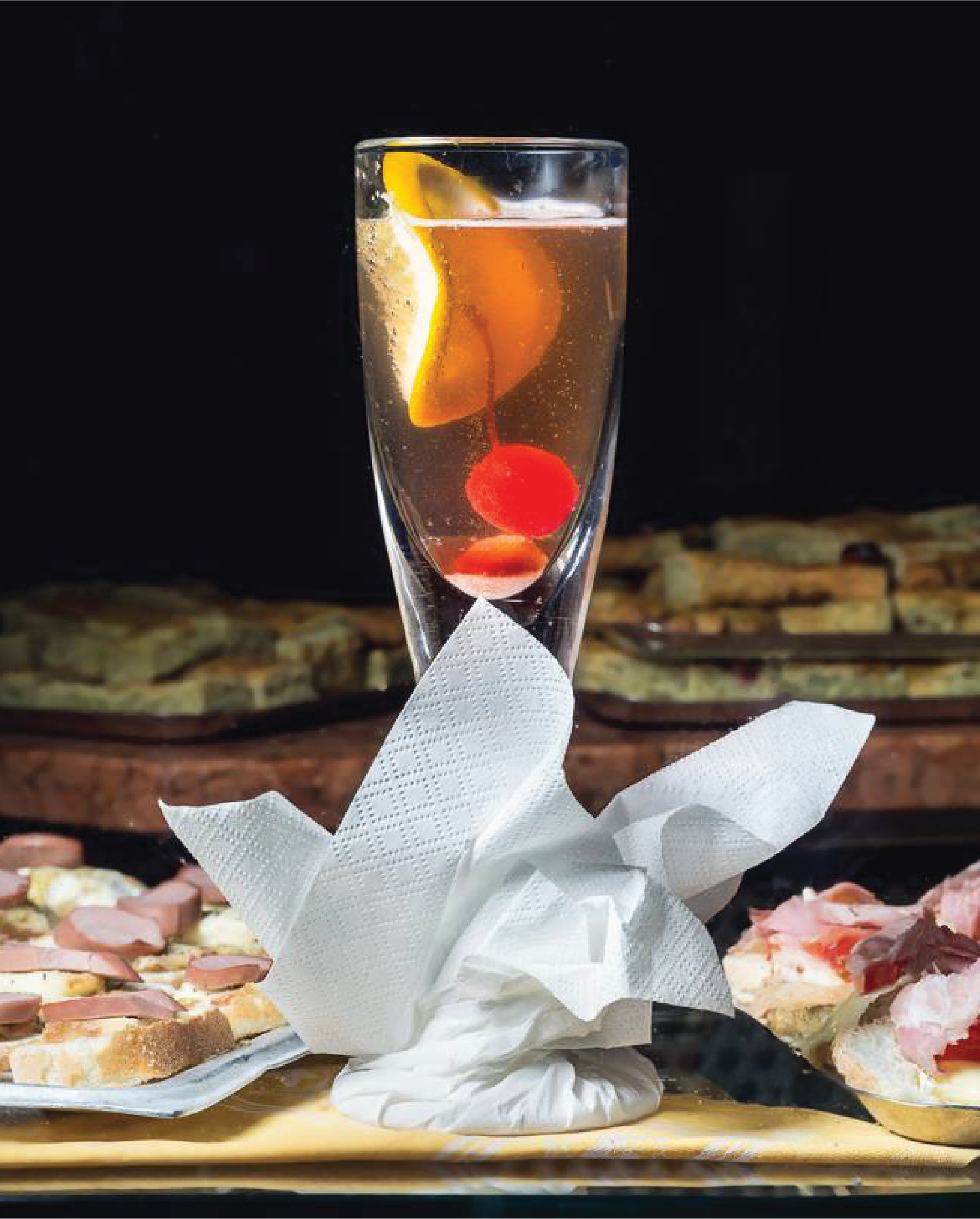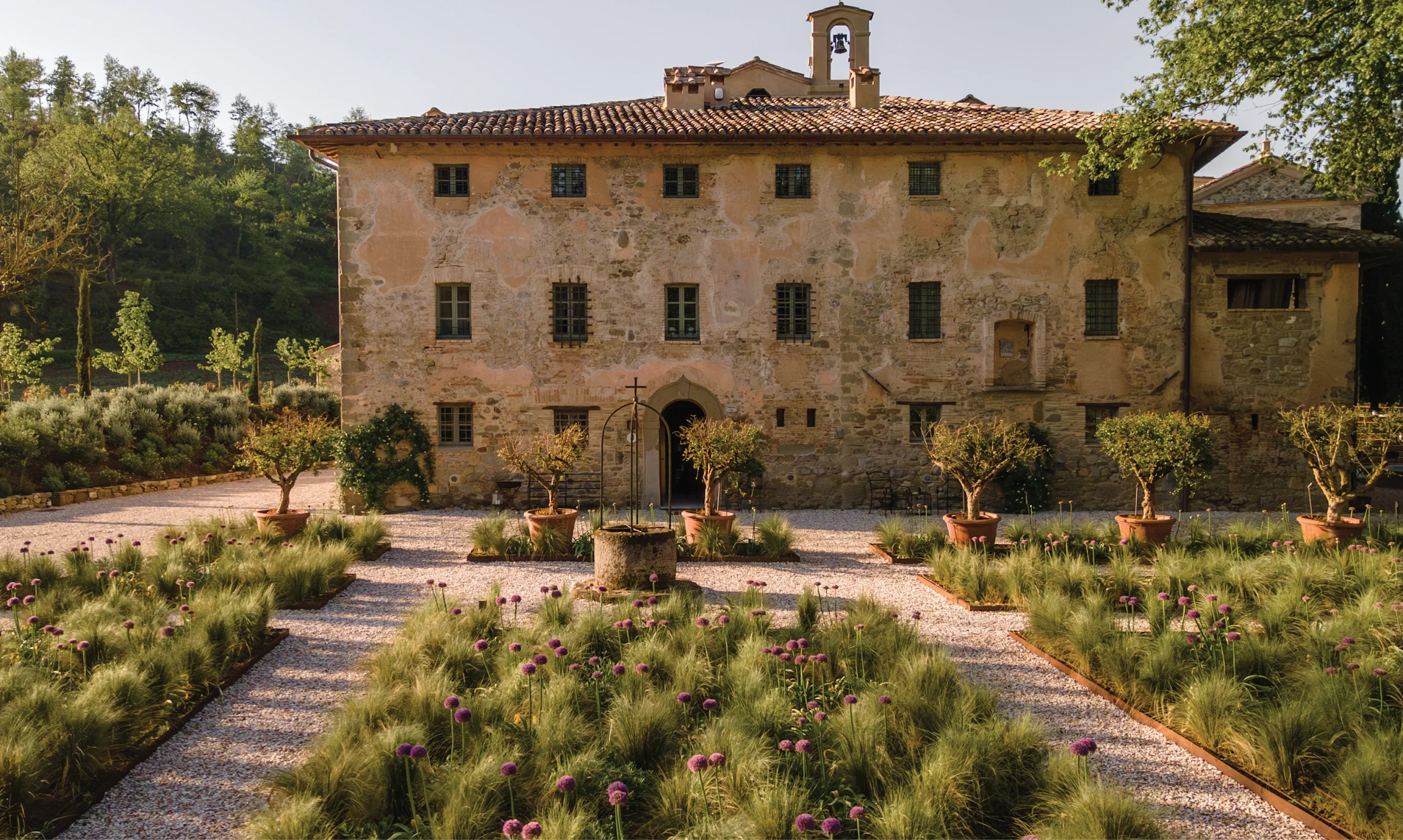
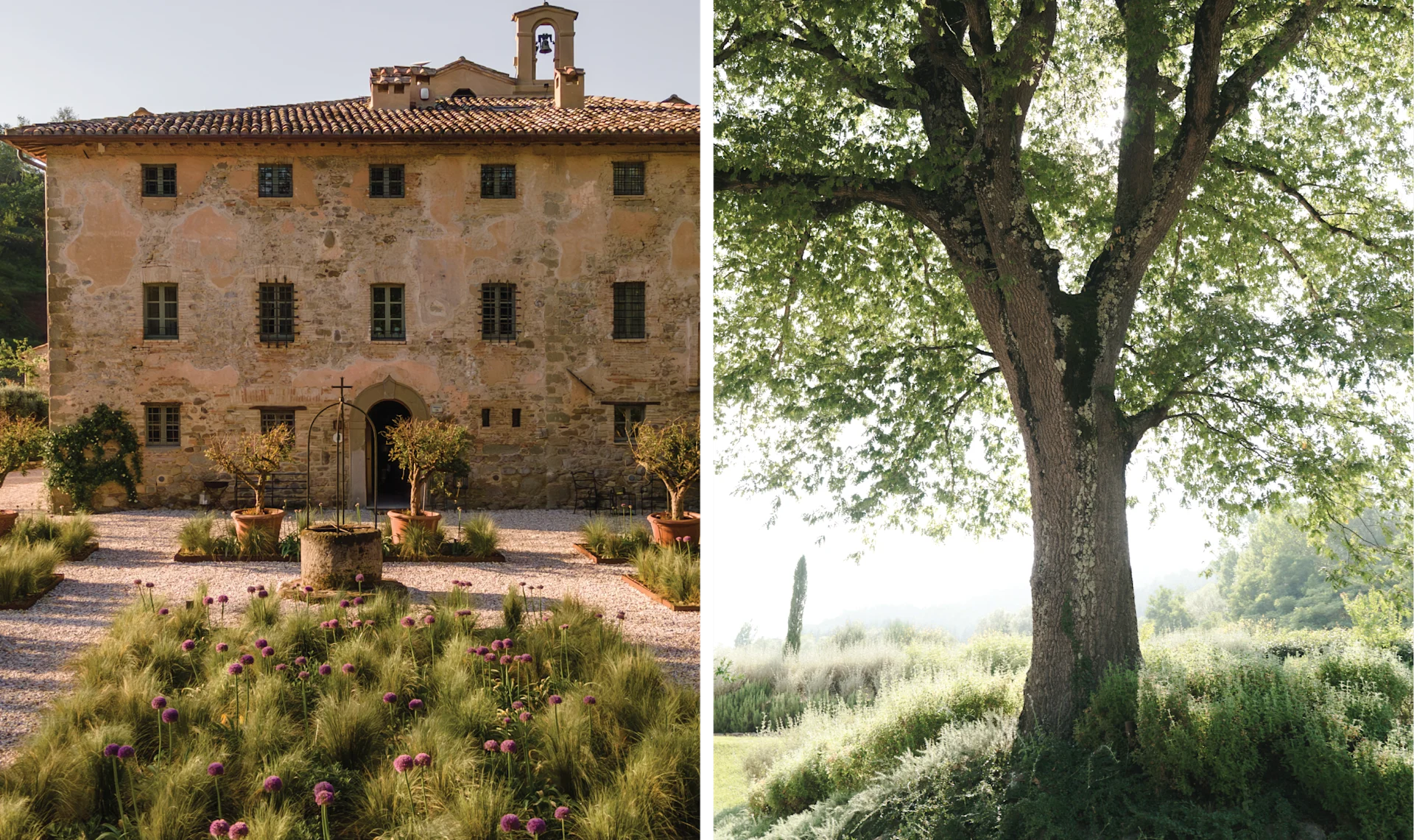
In the hills of northern Umbria, a bronze bell tolls over Vocabolo Moscatelli, a 12th-century monastery-turned-hotel. Cast by La Pontificia Fonderia di Campane Marinelli, the centuries-old pontifical foundry in Agnone, it seems to be issuing a solemn call across the grounds. It is calling for aperitivo.
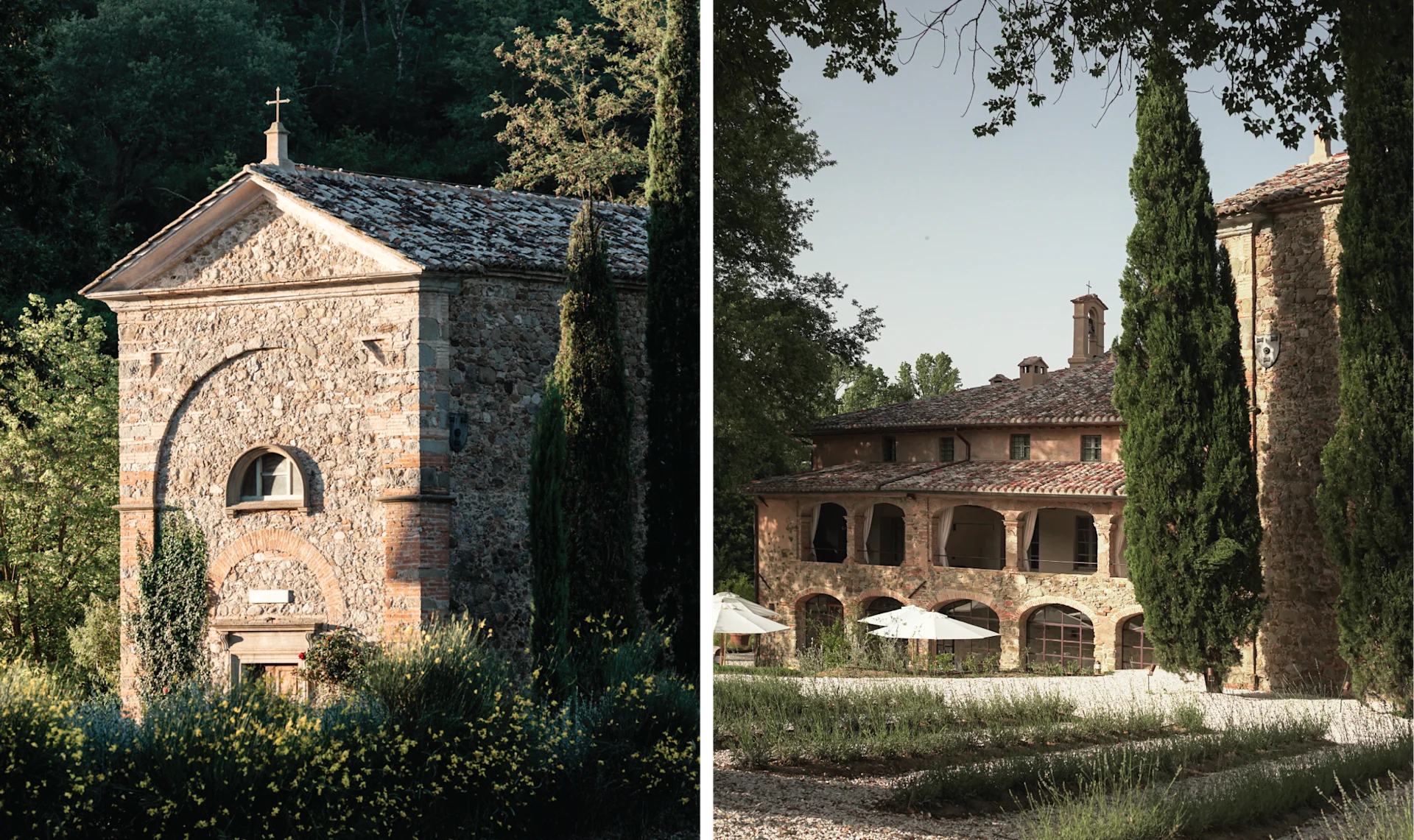
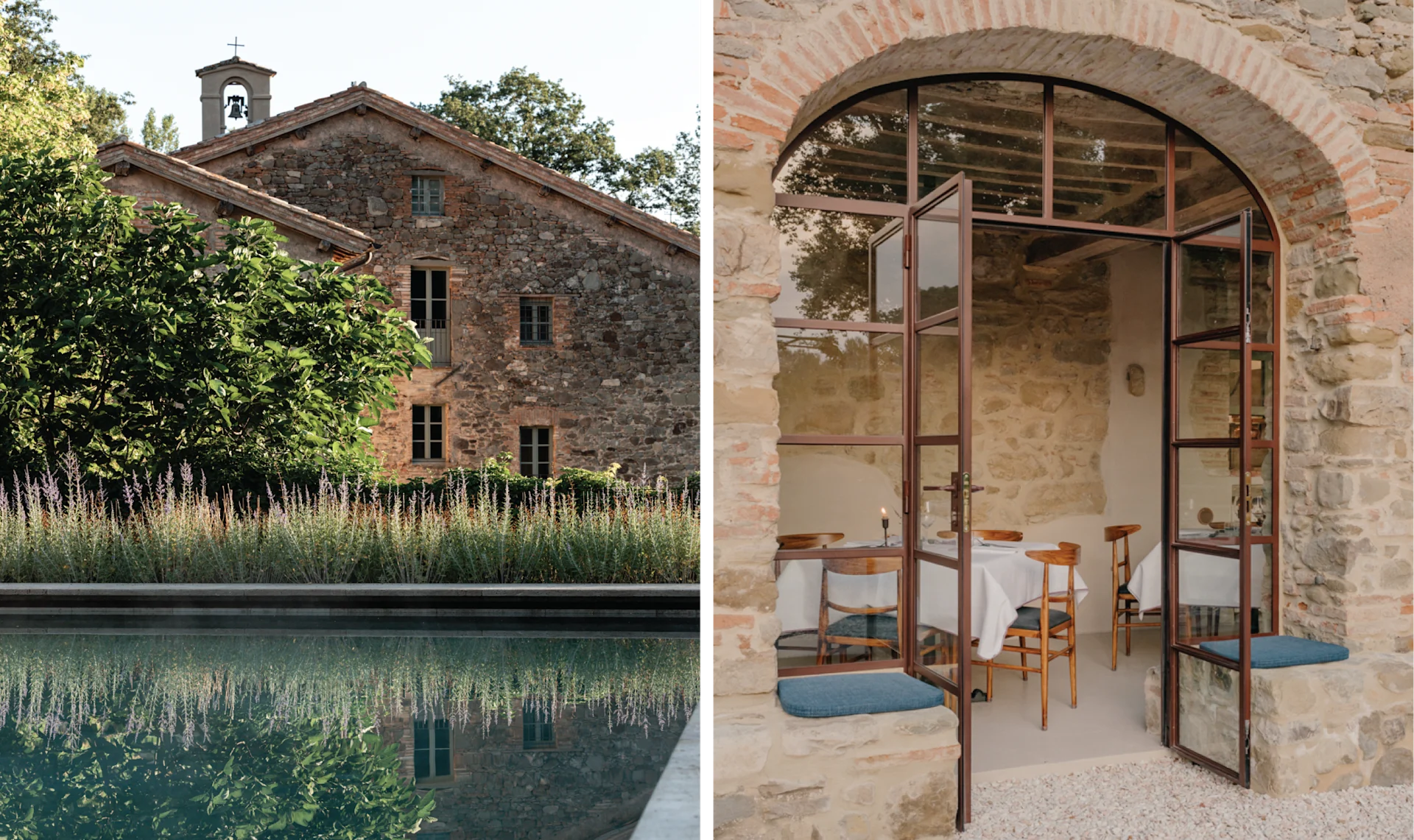
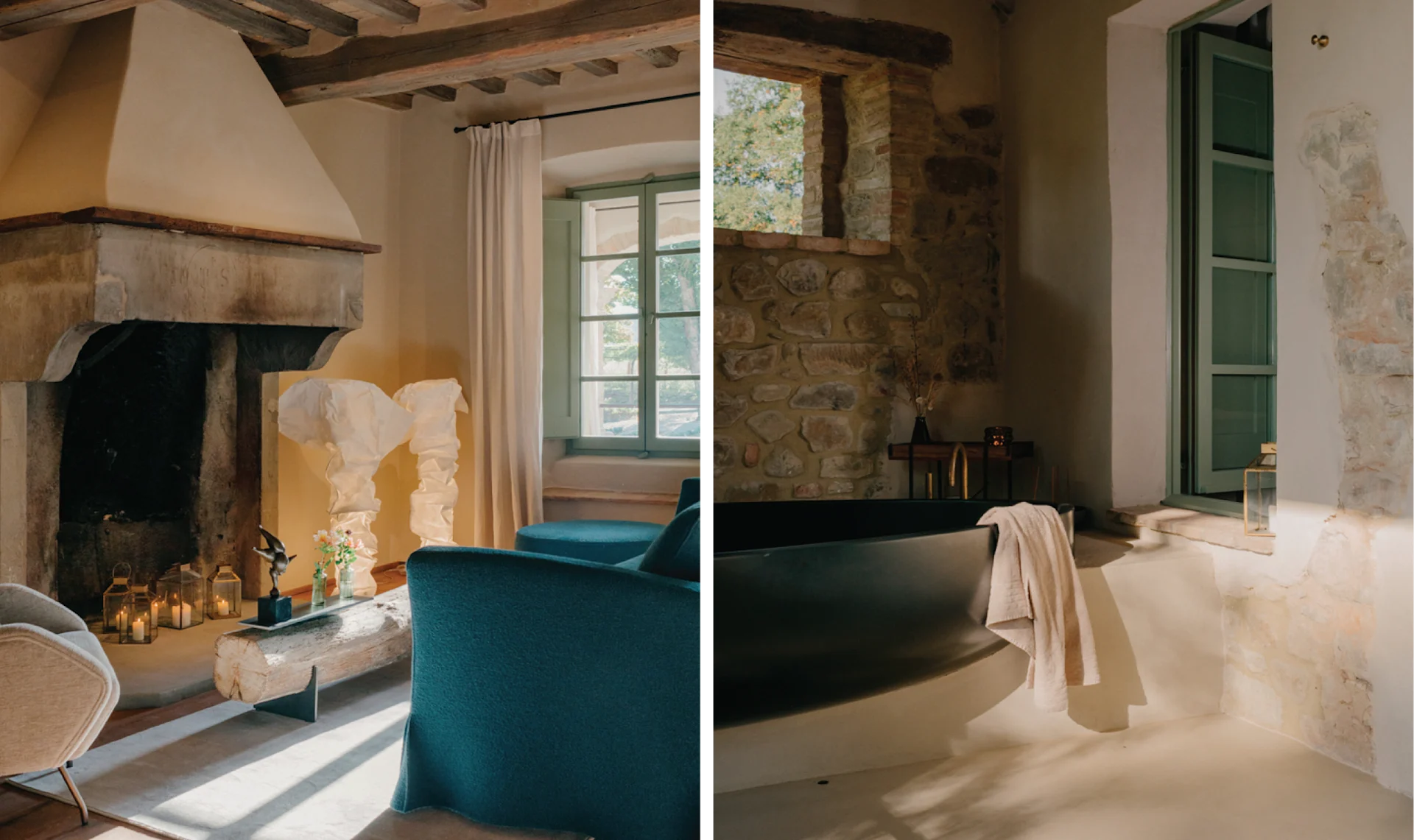
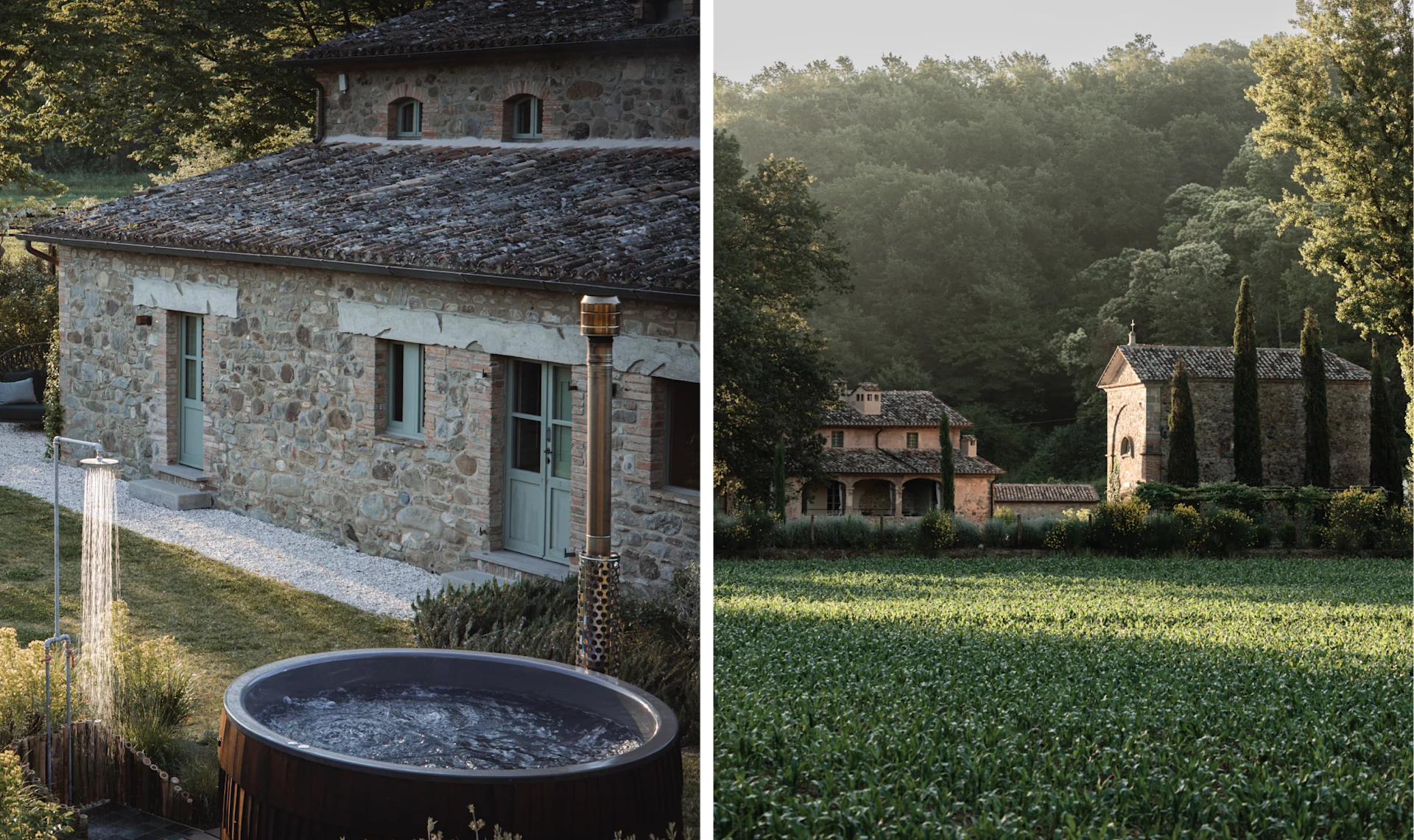
Situated near the hamlet of Calzolaro, the property is a short drive from Perugia but feels like its own commune. All-day breakfast and long Italian lunches unfurl in a central piazza in view of the spire-topped church (now an event space and treatment room). The gardens are vibrant yet unobtrusive, making use of foundations first laid by the religious orders that once lived here and introducing forgotten native Umbrian flora back to the land. A reverent but extensive restoration project with architect Jacopo Venerosi Pesciolini of Archiloop kept the original structure intact—with stone fireplaces, painted shutters, and exposed rafters—cut with interiors furnished and decorated with a sleek, contemporary beat by local artisans.
Courtesy Vocabolo Moscatelli
Vocabolo Moscatelli
Courtesy Vocabolo Moscatelli
Vocabolo Moscatelli
Courtesy Vocabolo Moscatelli
Vocabolo Moscatelli
Courtesy Vocabolo Moscatelli
Vocabolo Moscatelli
Courtesy Vocabolo Moscatelli
Vocabolo Moscatelli
Courtesy Vocabolo Moscatelli
Vocabolo Moscatelli
Courtesy Vocabolo Moscatelli
Vocabolo Moscatelli
Courtesy Vocabolo Moscatelli
Vocabolo Moscatelli
Courtesy Vocabolo Moscatelli
Vocabolo Moscatelli
Courtesy Vocabolo Moscatelli
Vocabolo Moscatelli
Courtesy Vocabolo Moscatelli
Vocabolo Moscatelli
Courtesy Vocabolo Moscatelli
Vocabolo Moscatelli
This is a place for travelers who want luxury without pomp and an authentic experience of Italy’s green center.
Where
Vocabolo Moscatelli’s 2.5-acre estate sits near the Tuscany-Umbria border in a centuries-old forest, with Perugia, Cortona, and Assisi all within easy reach. Most guests will fly into Rome (154 miles) or Florence (90 miles) and drive or taxi onward.
What surprised me was how easy it was to slip from the hotel’s cloistered calm into livelier nearby towns: I day-tripped to Perugia for its markets and antique shops, then had dinner one night in the medieval hilltop village of Montone, around 20 minutes away, at Taverna del Verziere, which Lütjens kindly arranged. If you’re there in summer or early fall, don’t miss the porcini fritti.
When
I visited midsummer this year. While the rest of Italy was pulsating under record-breaking temperatures, the rolling hills of northern Umbria kept this area notably cooler. After all, “Italy’s garden” requires rain to stay this lush, so expect a quick shower here and there. (There are worse things than watching a brief downpour from your deep-set, cantilevered bathtub on your suite’s sweeping loggia.) The region’s vibrant capital, Perugia, is home to a famous jazz festival in July and a chocolate festival in October, making Vocabolo Moscatelli a great base. But with Lütjens and Kubierschky’s year-round schedule of outings for guests—from wine tastings and truffle hunting to bike rides and tours of the area’s historic communes—it’s a property you could visit in every season and have a totally different experience.
The Proprietors
Frederik Kubierschky and Catharina Lütjens met while working in Zurich’s luxury hospitality industry and eventually left corporate life to open Vocabolo Moscatelli, buying the 12th-century property at auction in 2019 with partner Enrico Tidona. Hospitality runs in both families, and they were drawn to Umbria for its produce, local talent, and sense of calm.
The couple are everpresent. I often found Lütjens in the gardens, where we talked about Japanese medlars and the tyranny of growing tomatoes, and one evening I stayed up late with them around the fire over several limoncellos. Their dog Wilma, a Lagotto Romagnolo famous for truffle hunting, occasionally came over for a nuzzle.
The hotel was designed to attract locals as well as travelers year-round, which becomes clear at dinner, where residents and guests mix easily. Even the all-day breakfast policy comes from their own love of a vacation lie-in.
Design
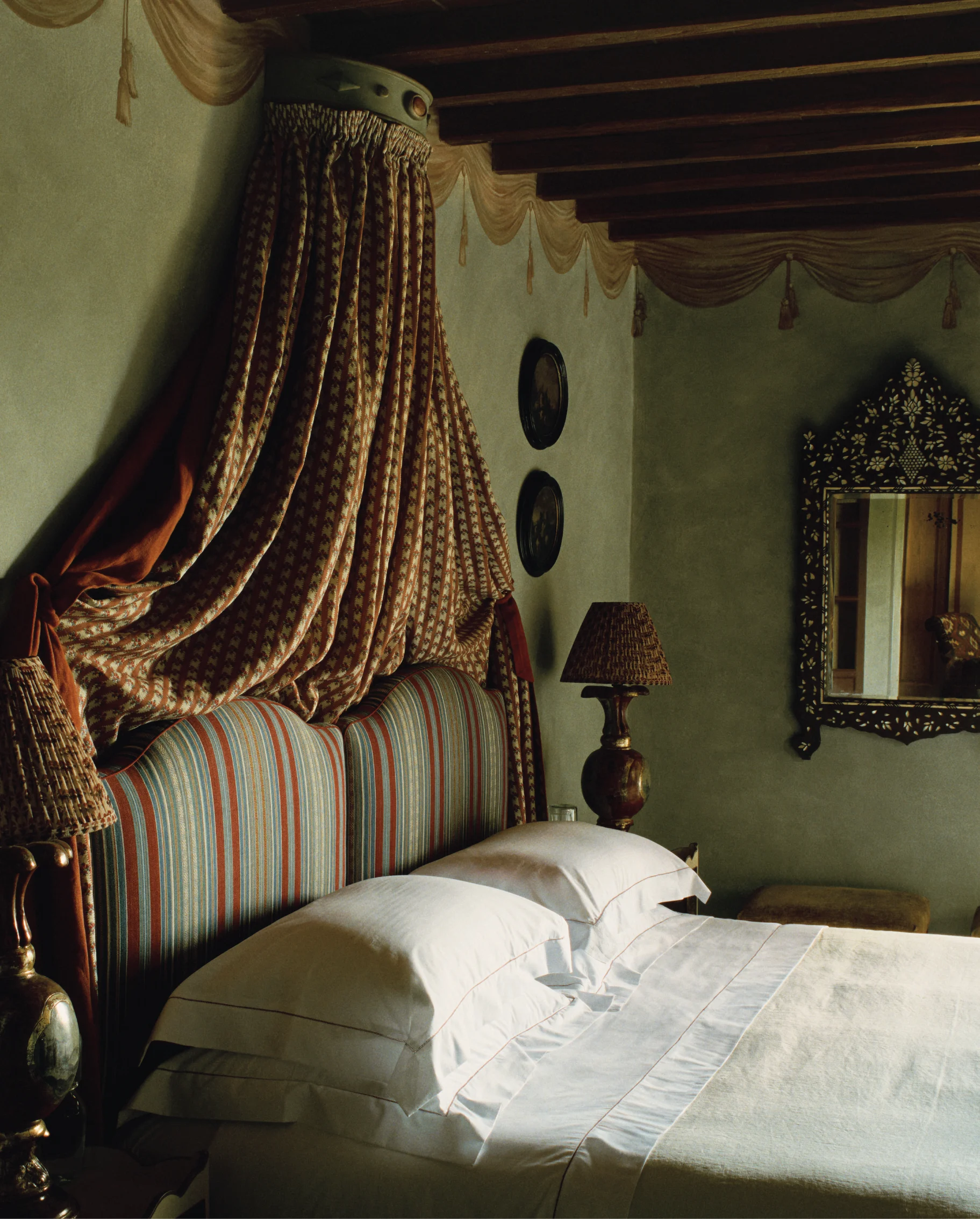
Once home to Olivetan monks, the former monastery was pretty much a ruin when Kubierschky and Lütjens took over. Over four years, they worked with architect Jacopo Venerosi Pesciolini of Florence’s Archiloop studio to preserve its stone fireplaces, exposed beams, terra-cotta brickwork, and heavy wooden lintels while incorporating contemporary Italian design. Softly diffused landscape paintings by Edoardo Cialfi hang on the walls, lit by sculpted, minimal custom lighting by Davide Groppi.
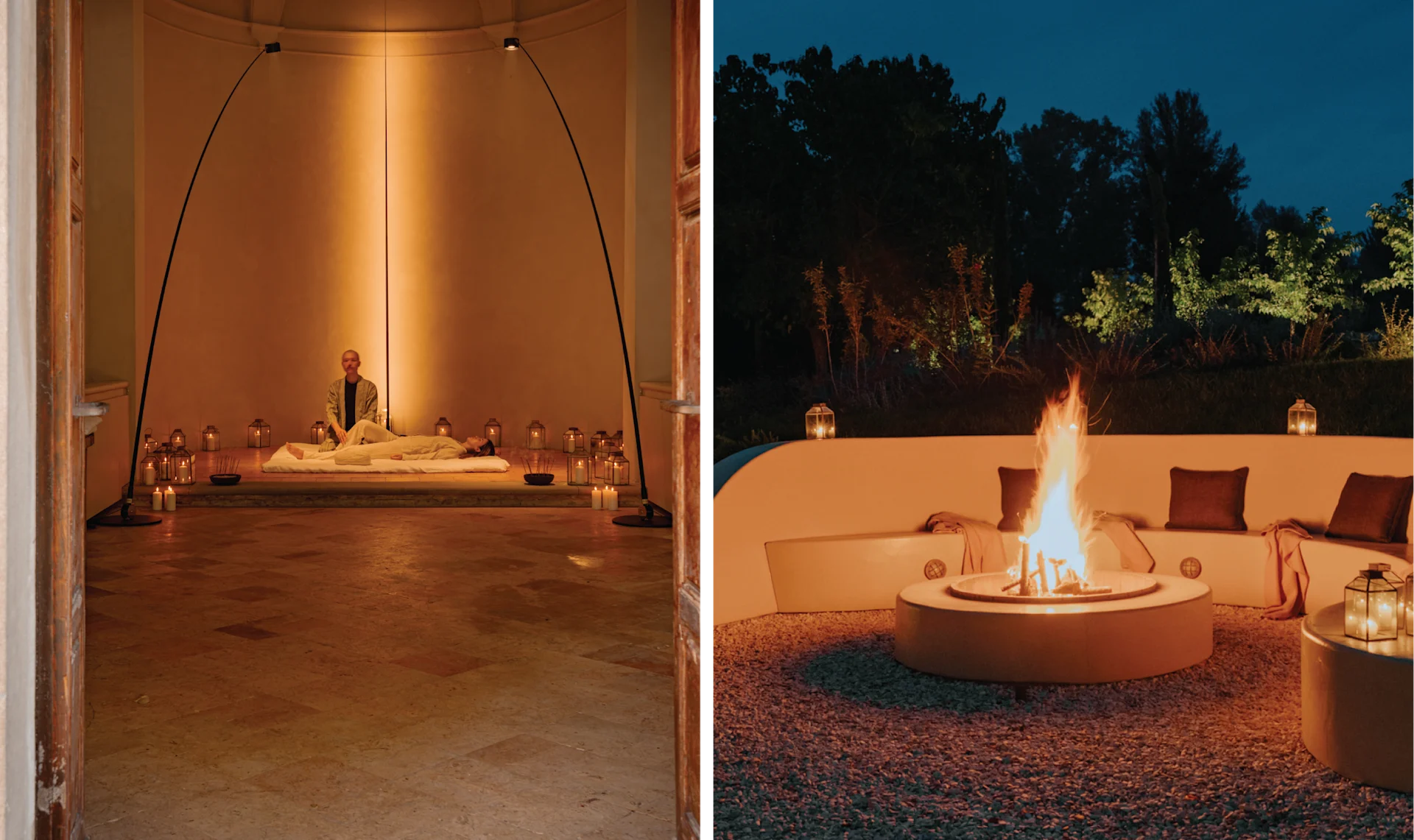
The goal was to build a social-first hotel, with spaces intended to forge connections. The firepit that’s lit every evening and the freestanding brass-and-terra-cotta Matite Bar are two examples.
The aesthetic is also indebted to the topography. A travertine marble pool is designed to blend into the Umbrian forest, while a 30-meter pergola stretches through the gardens, custom forged by the generational Umbrian blacksmiths Lispi; the space beneath hosts wedding breakfasts and pottery workshops. At its end, Matteo Mannini’s large domed bamboo installation, Omhu – Blue Hole, houses a more private area where I enjoyed a wine tasting looking onto the orchard as the sun slid behind the hills.
The Crowd
During my stay, there was a mix of German families, honeymooning American couples, and young British holidaymakers, all of whom seemed to relish the chance to experience a less-touristed part of Italy. As I left, groups of animated locals were arriving for the hotel’s now-regular Sunday lunch.
Rooms
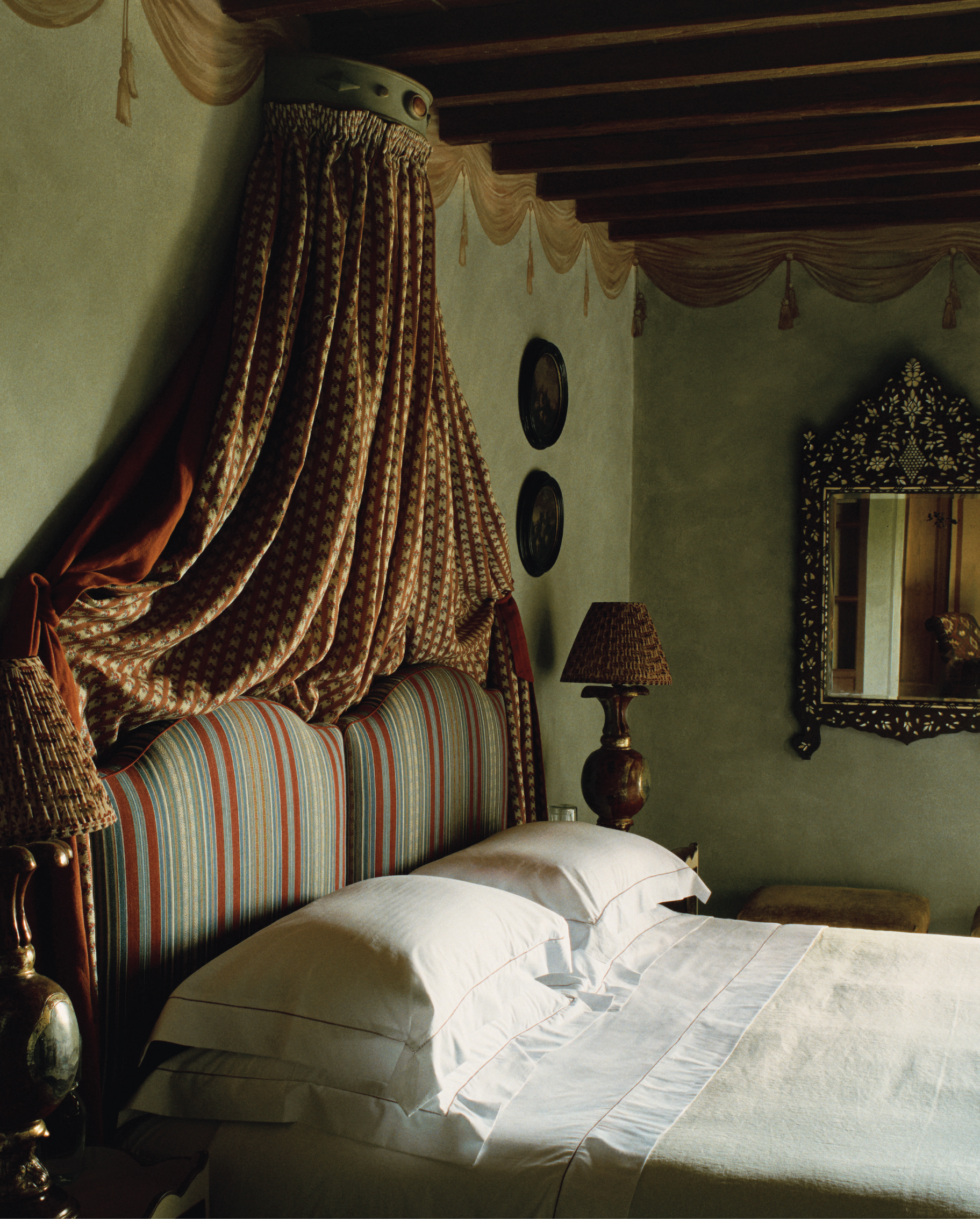
There are just 12 rooms and suites, split between the main house and annex, so you get to know people quickly. My suite overlooked the courtyard and pool and had a sleek black egg-shaped double bathtub on the loggia; I drew the pale curtains for a morning soak and an aperitivo beneath a blanket of bubbles. Local craftsmanship is everywhere, from Cotto Etrusco’s washed terra-cotta tiles—each bathroom has a different color—to a hot-pink Paola Lenti sofa interrupting the monastic neutrals. Rooms have Sonos speakers, superstrong Wi-Fi, hemp linens, rainfall showers, and L:A Bruket toiletries. TVs and projectors are available on request, but I have a feeling few people ask for them. Connecting rooms and the Garden Suite Annex work well for groups, and the hotel can also be booked out for weddings and private events.
Service
Staff quickly remember your tea order, anticipate the next cup, and might call a wine-bar-owning friend in the next town to say you’re on your way. Kubierschky and Lütjens have built that same community feel into the activities, from pottery classes with Elena of Endiadi Ceramics to watercolor painting with Isabella. My favorite moment was a golden-hour bike ride through the hills that ended with a surprise picnic and bottle of wine.
Dining
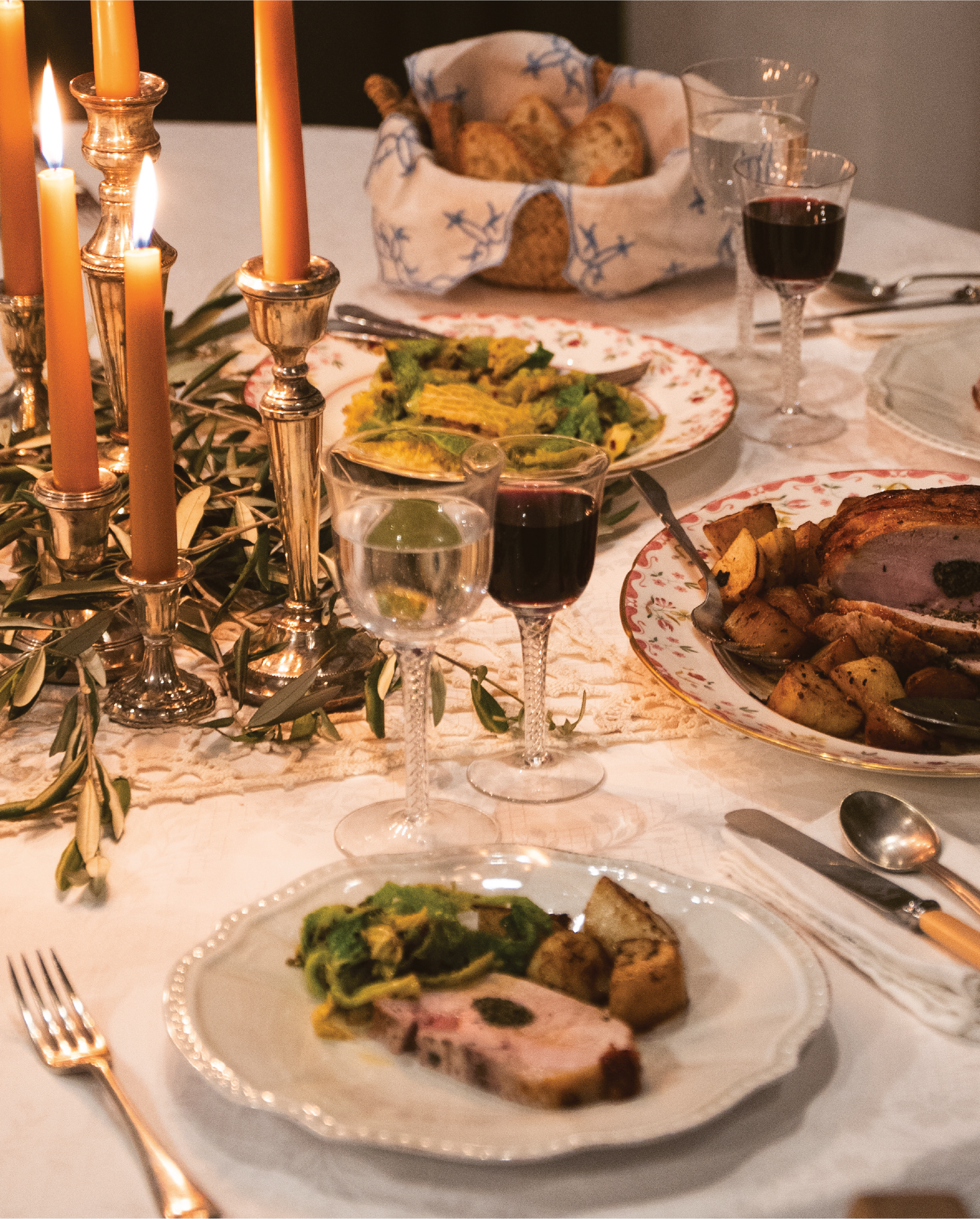
Umbria is famed for black truffles, Orvieto wine, Castelluccio lentils, and porchetta, and all of them turn up at Vocabolo Moscatelli in inventive, satisfying forms.
Upon arrival I enjoyed a canary-yellow lemonade and a late lunch in the gardens: housemade bread, peppery estate olive oil, and a board of mortadella, amethyst-like wedges of Parmigiano-Reggiano, and ribbons of lardo. Breakfast, served all day, entails a tower of pastries, more cheese and meats, and artfully sliced fruit. À la carte options are included in the room rate, with highlights like eggs Benedict veiled with truffle shavings and poached eggs with smoked trout in a moat of tangy labneh.
Dinner is led by Chef Nicolò Gambacci, whose cooking starts with Umbrian ingredients but isn’t beholden to tradition, borrowing freely from Asian and Middle Eastern techniques and flavors. Even familiar Italian dishes take unexpected turns: a creamy risotto concealed an underbelly of deeply fragrant ragù.
Wine tastings are a journey through Umbrian and Tuscan terroir; a highlight was earthy Sagrantino from Paolo Bea, an if-you-know-you-know natural-wine pioneer. Pours were paired with small bites from the kitchen, including the aforementioned Japanese medlar from Lütjens’s garden, studded with cocoa nibs.
Wellness
Vocabolo Moscatelli doesn’t have a dedicated spa, but massages can be arranged inside the cavernous deconsecrated chapel; my hour-long couples massage felt especially indulgent given its once-clerical setting. There’s a well-equipped outdoor gym at the edge of the gardens, yoga mats in every room, and biweekly yoga circles that draw both guests and locals. For something more active, arrange an e-bike tour through Umbria’s hills.