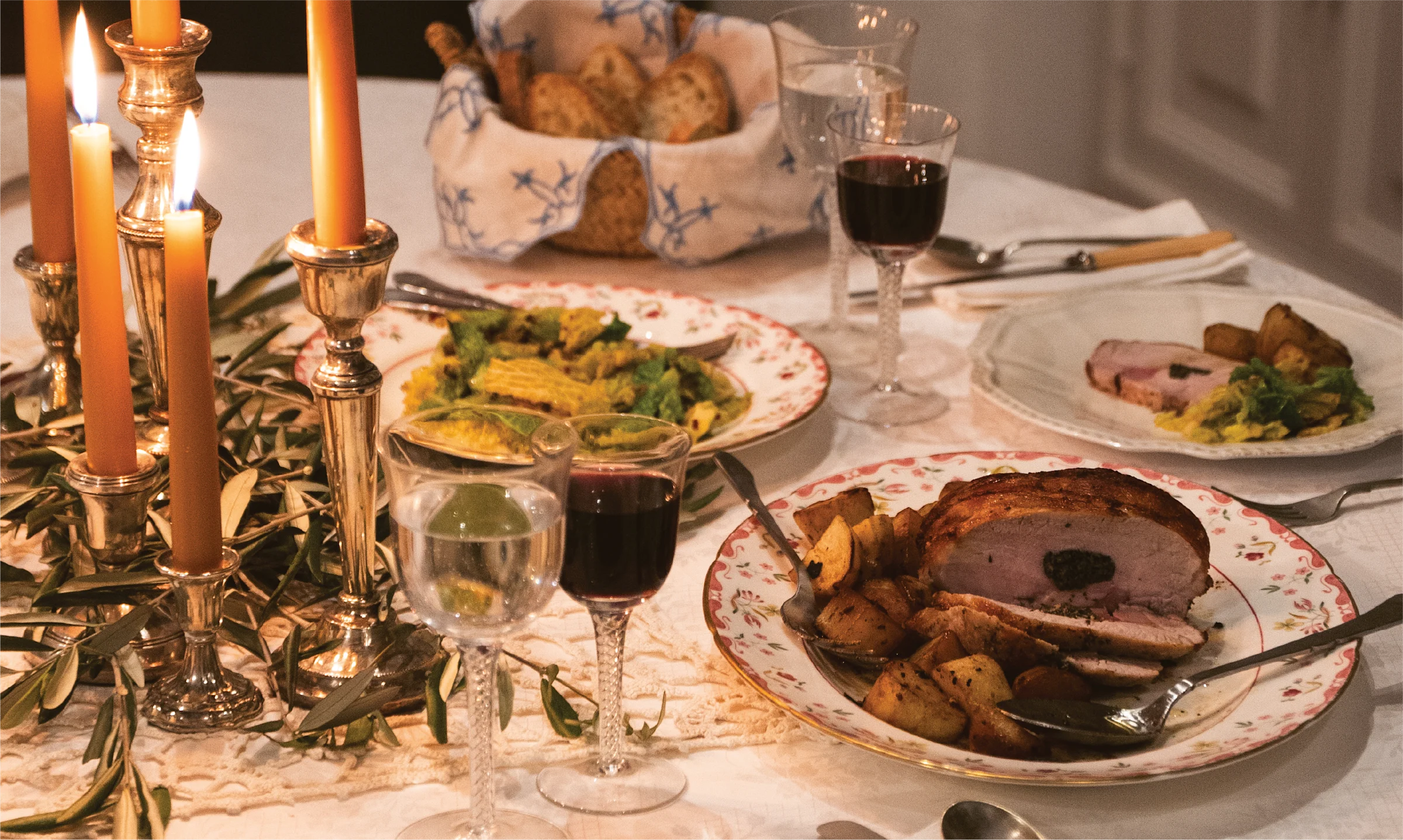
When people think of Tuscany, they often imagine a baked golden landscape dotted with cypress trees and the steady din of cicadas. Heat waves arrive and linger, turning Florence airless and stifling, especially when the narrow streets teem with visitors. The city feels heavy, and at mealtimes, faced with a bowl of traditional stew or a thick-cut bistecca beneath the midday sun, one can’t help but wonder whether Florence’s signature dishes were meant for this moment at all. But with the arrival of fall, the cuisine begins to make sense.
Set in a valley ringed by mountains, Florence turns inward when the temperature drops. Icy winds whip down from the Pistoia Mountains, rain bounces off the cobbles, and the Arno river runs high and fast. The crowds thin, windows fog, and doors close against the damp.
If summer cooking in Tuscany is about minimalism—peak produce, salt, olive oil—winter relies on patience, thrift, and a steady hand. Beans simmer for hours, stale bread is revived into ribollita, and tough cuts of beef soften into peposo. Markets fill with wild game, which might flavor a pot of ragù. The aroma of white truffles wafts through century-old restaurants, and bright green olio nuovo is poured generously over toasted bread. The colder months bring not just different ingredients—artichokes, cavolo nero, puntarelle, that pungent new oil—but a greater density of nostalgic dishes meant to fortify and gather people around the table.
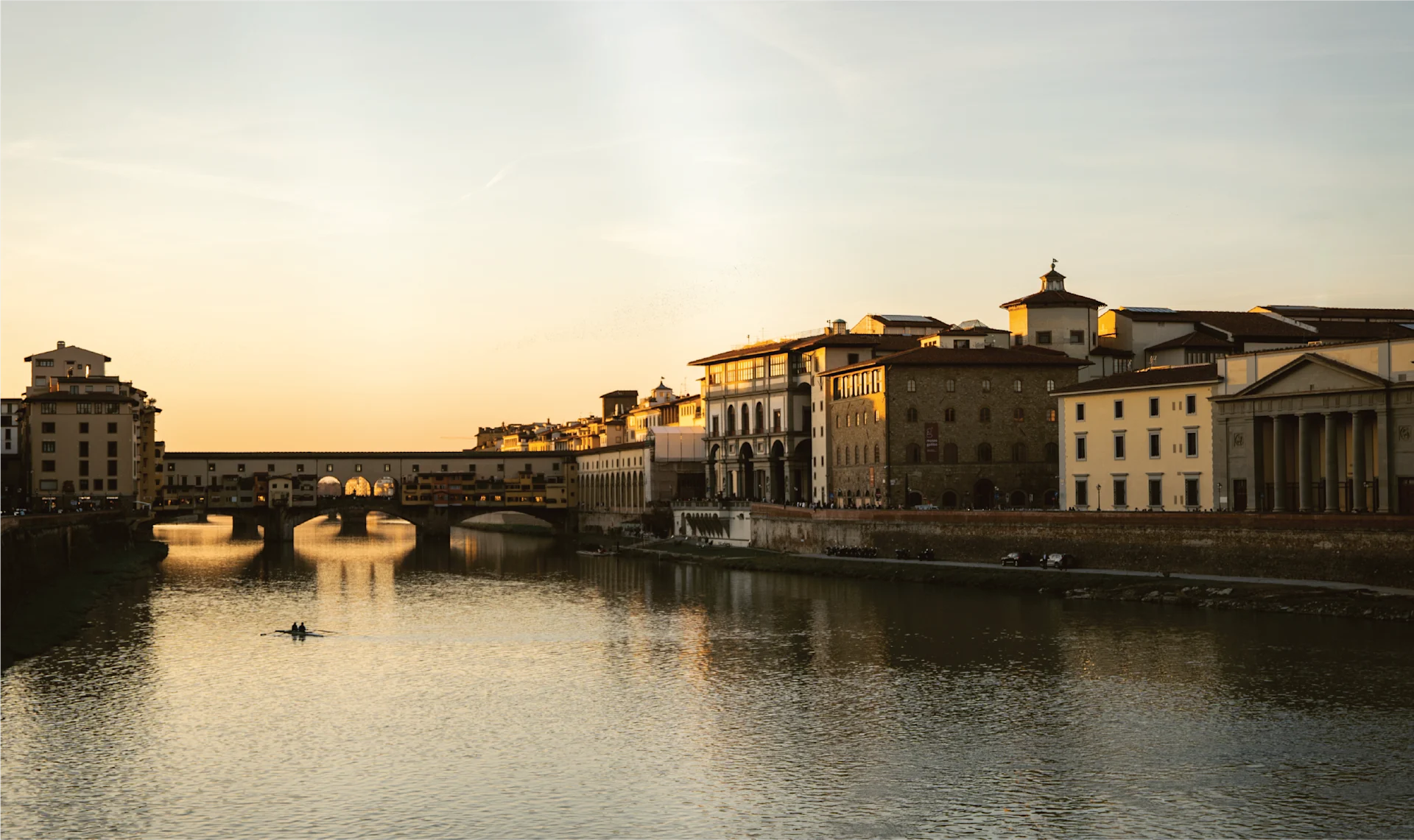
After spending most of my life in Tuscany (the past decade in Florence) and devoting a cookbook to its winter cuisine, I find that the way Florentines eat in colder months reveals something essential about them: stubborn pride, loyalty to tradition, confidence in simplicity, and aversion to spectacle.
To understand Florence in winter, start by sitting down for a bite or a meal. Three types of establishments—the all-day bar, the neighborhood trattoria, and the grand old dining room—reveal different facets of the city’s cold-weather culture.
The All-Day Bar
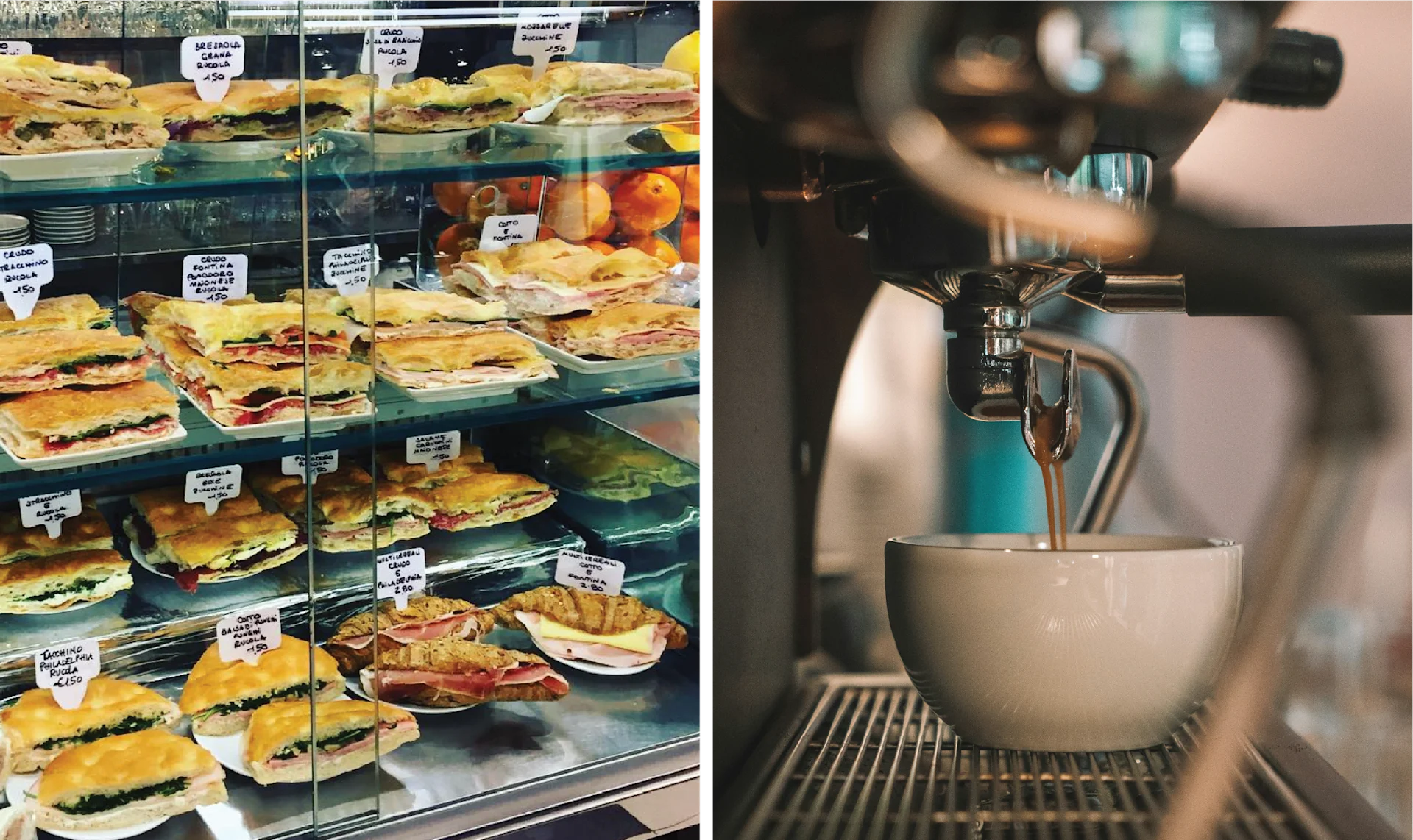
A social anchor, the all-day bar is where people gather for a morning coffee, a lunchtime sandwich, and aperitivo at dusk. Though there may be outdoor tables in the winter, locals tend to huddle indoors, standing shoulder to shoulder at the counter or perched on a stool, their hands warmed by porcelain cups.
The best are family-run and largely unchanged, with the same regulars passing through from early morning until evening. They are often modest and unglamorous, but dependability matters more than polish. My usual haunt is Caffè Melloni, a narrow space with no tables and only a couple of stools. A small world unfolds there each morning: I might catch up with the man from the garage, the brother and sister who run the dry cleaners, and the woman from the post office all before the day begins in earnest. In true Florentine fashion, the caffè still closes from 1 to 2 p.m. so the family can eat lunch together.
The Neighborhood Trattoria
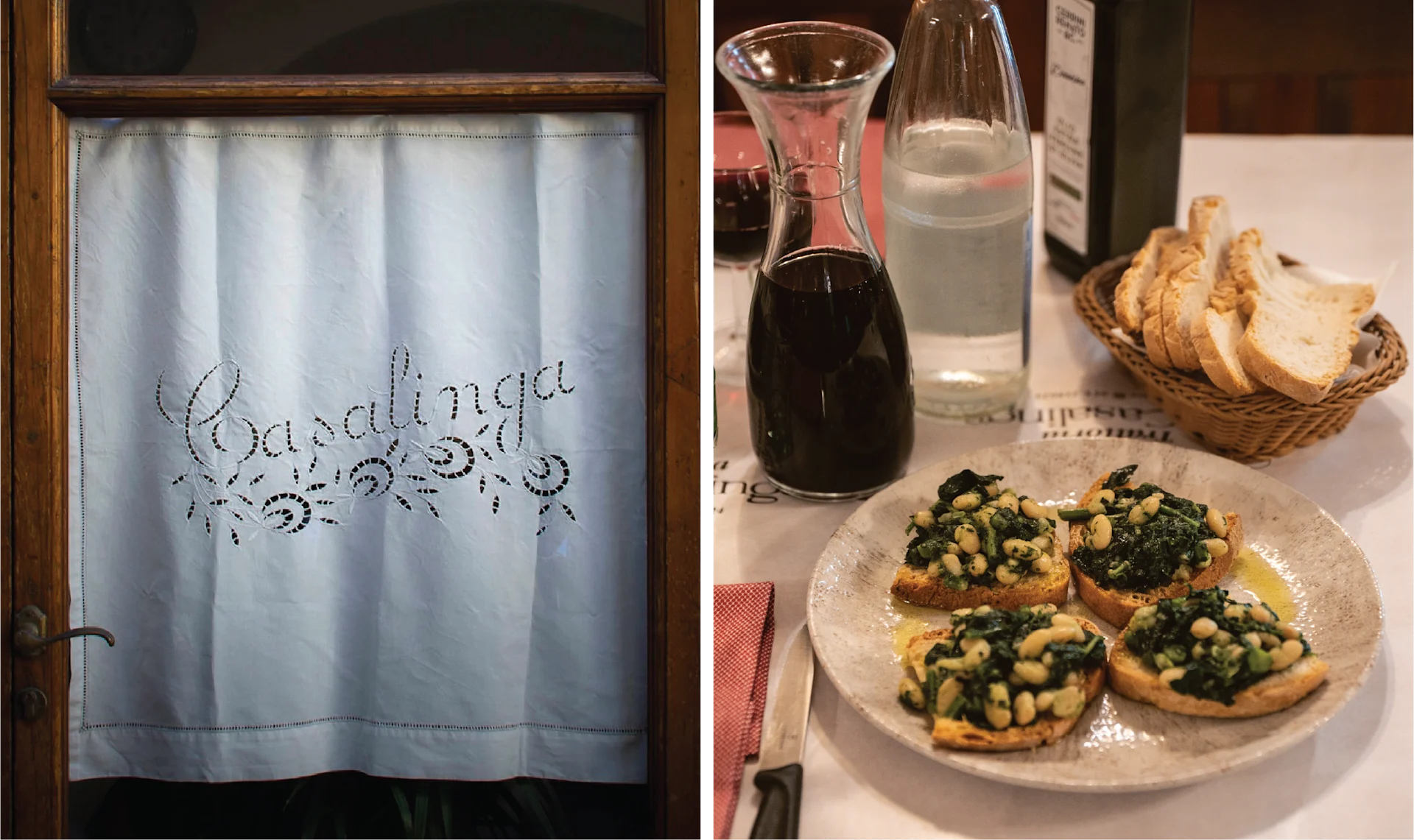
When Florence turns cold and damp, the neighborhood trattoria, or tavern, takes on renewed importance. This is where winter cooking asserts itself most confidently. Consider the bistecca alla fiorentina, cut three or four fingers high and cooked over coals until charred outside but still pink within. Most serious restaurants will refuse to cook it longer, and diners who prefer their meat well done are gently advised to order something else.