Which Milan Aperitivo Bar Are You?

A personality-first guide to Milan’s signature drinking ritual, from old-school pasticcerie to Fashion Week institutions.

Category:Food
Location:Milan
Words by:Charles Royle
UpdatedJanuary 17, 2026

The word comes from the Latin aperire, meaning “to open.” In Milan, that opening happens every day between 6 p.m. and 8 p.m., when the city pauses for aperitivo. Not pre-drinks, not happy hour, but something more specific: A ritual of bitter cocktails and small bites that marks the transition from work to play.

Milan is the global capital for fashion and design, but the aperitivo may be its most recognizable export. Two of the world’s most ubiquitous cocktails—the Aperol spritz and the Negroni—were fixtures of the Milanese cocktail hour for more than a century before they became catnip for home bartenders, partygoers, and everyone in between. Which is to say: Milan has long known how to “open” an evening with panache.

The story of aperitivo begins in Turin, where, in 1786, Antonio Benedetto Carpano created the first commercial vermouth. Unlike other spice-macerated wines of the era, it was specifically designed to whet the appetite. Cafes began serving Carpano’s Vermouth di Torino alongside small bites, and a new way of eating and drinking soon took shape.

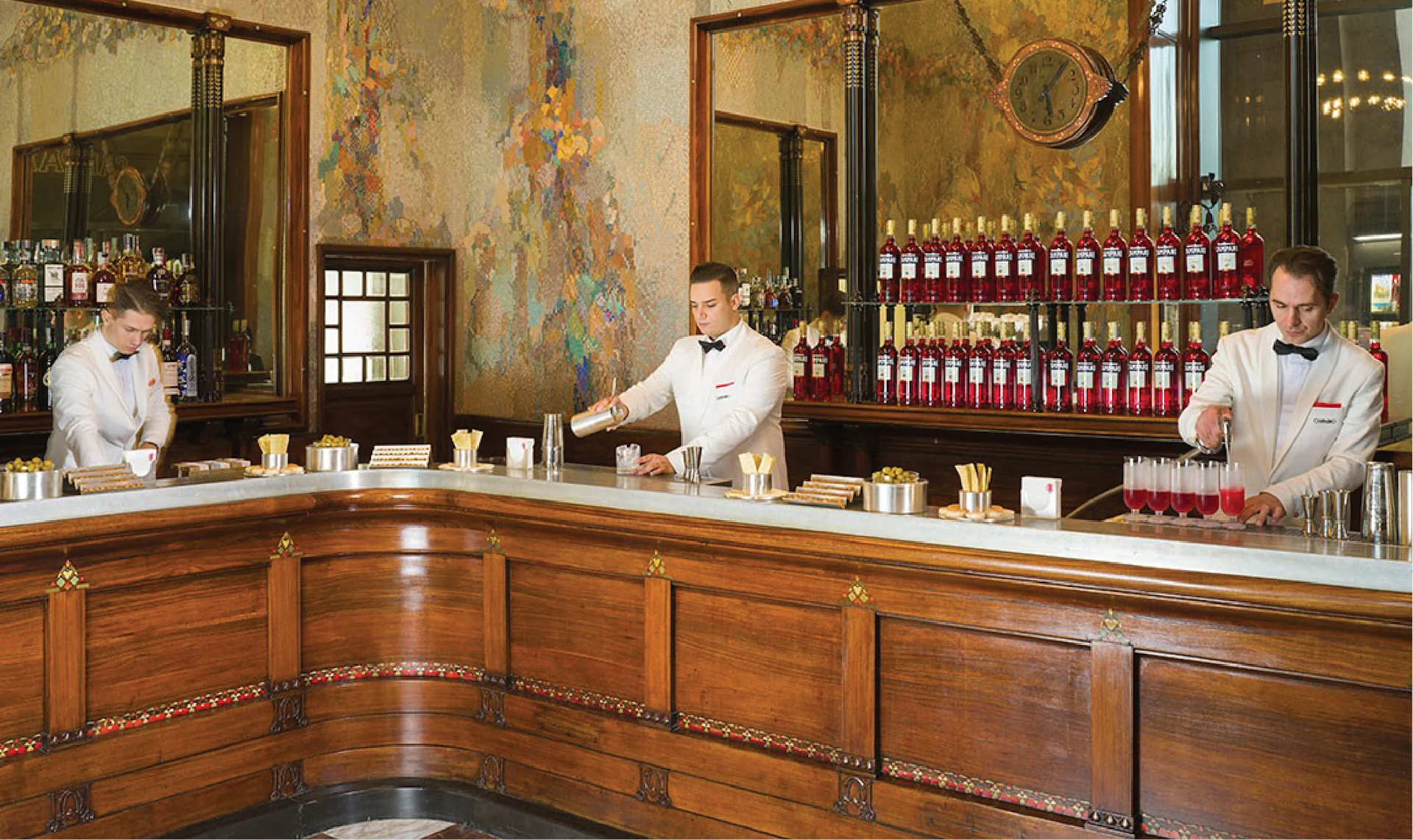
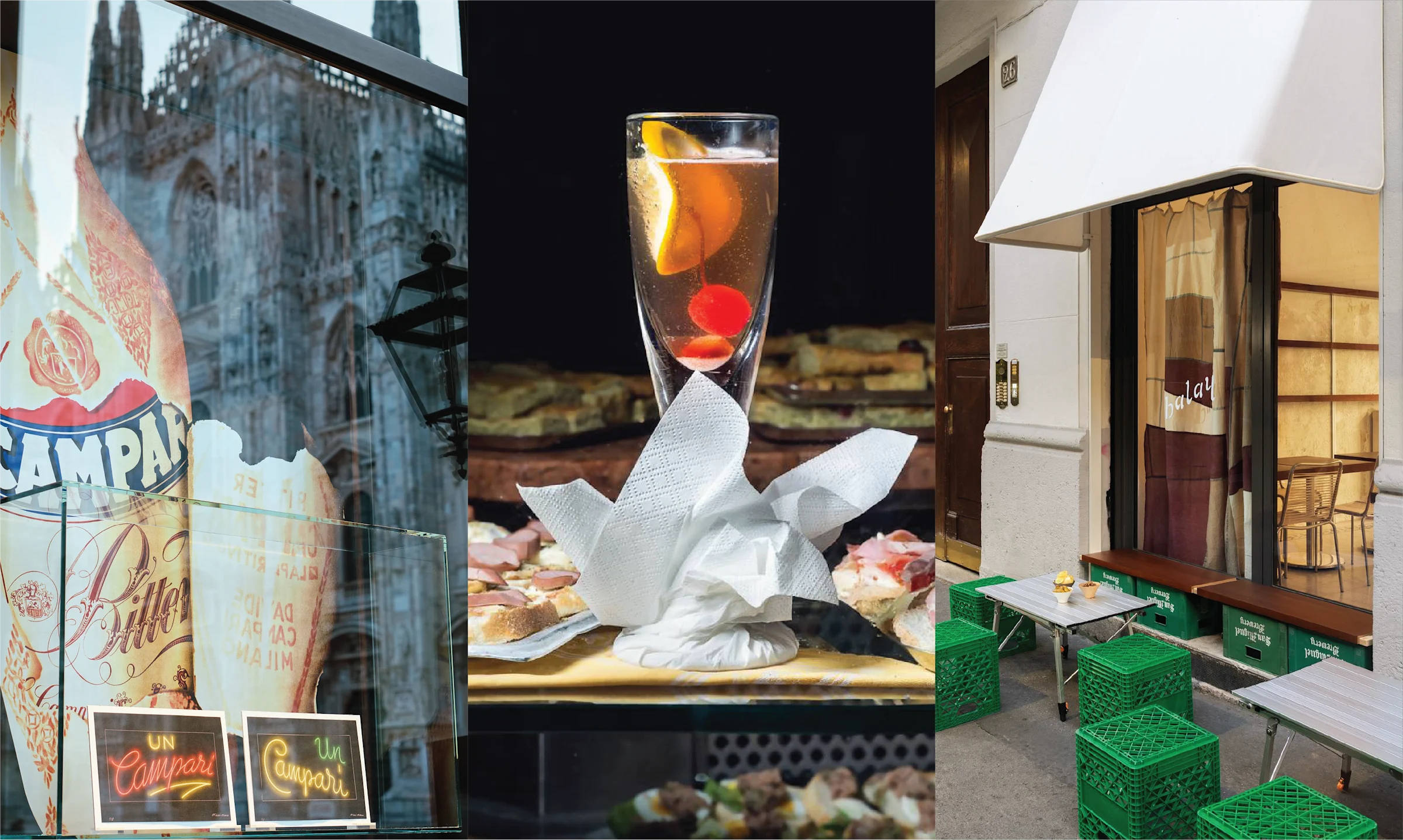
The ritual landed in Milan in the mid-19th century, when Gaspare Campari opened his cafe in the then-newly built Galleria Vittorio Emanuele II, the grand arcade that links the Duomo di Milano cathedral to La Scala. Around the time the city was becoming Italy’s commercial capital, Caffè Campari emerged as a see-and-be-seen address for industrialists, financiers, and the social elite. It set the aperitivo blueprint and, for more than 150 years, Milan stuck closely to it. It’s only in the last decade that the spritz-and-snack formula has begun to loosen—pushed by natural wine bars, revived hotel lounges, and a new generation willing to bend the rules.
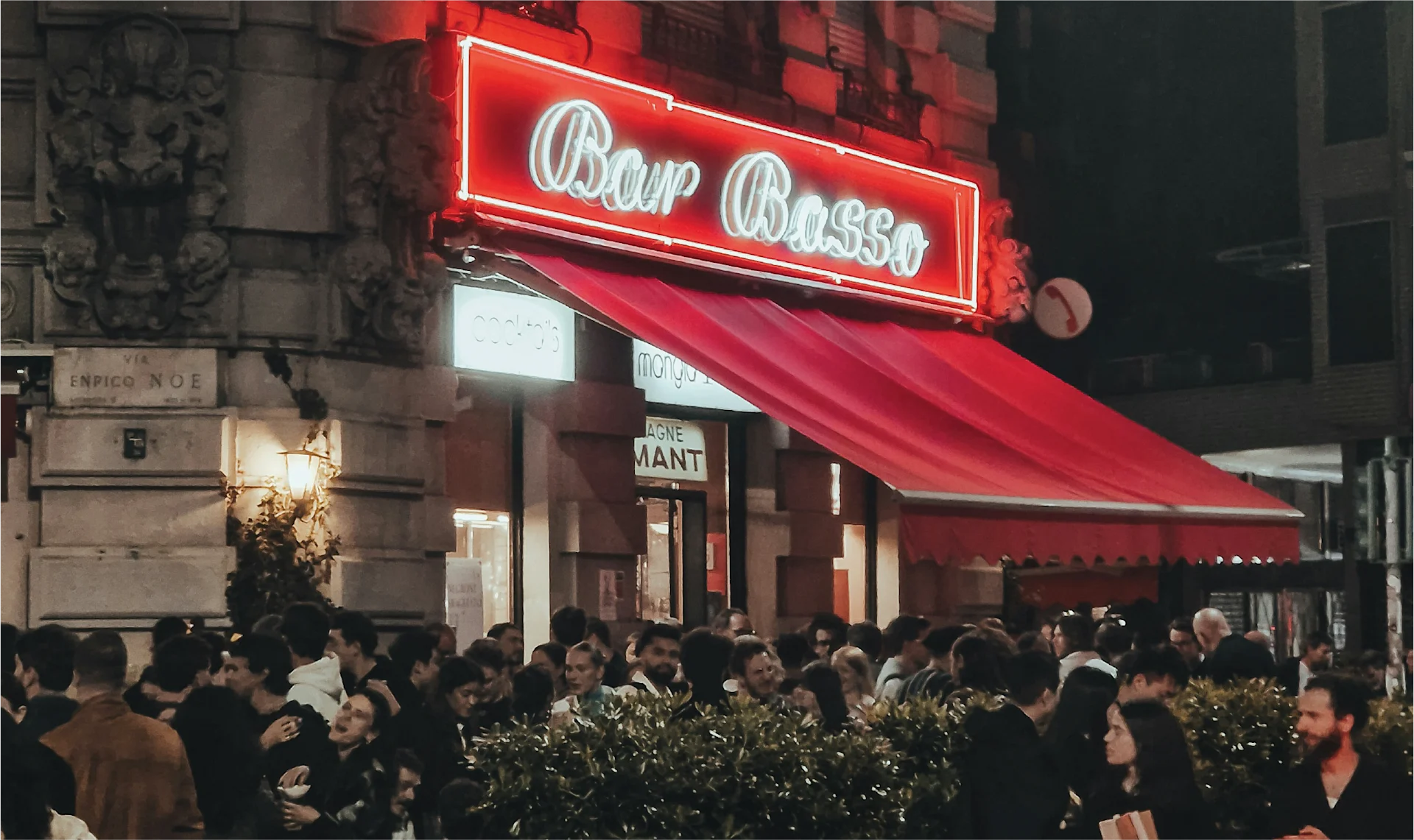
Aperitivo atmosphere at Bar Basso, Milan, with cocktails on tables and guests conversing in a lively interior.
Courtesy Bar Basso

Aperitivo is liminal by design, less about ending the workday or starting the evening than about enjoying the pause itself. The tongue-tingling fizz of a Campari and soda, a bowl of buttery Taggiasca olives, a slice of mortadella with dainty stuzzichini (savory pastries and snacks). At a hotel bar, your drink’s sidekick might be nothing more than a handful of almonds, while at a neighborhood enoteca, the owner may drape ribbons of prosciutto alongside sun-dried tomatoes and artichokes. Sometimes the food is the lead singer, but it’s more often the chorus. Most importantly, it’s complimentary with your drink—a gesture of genuine hospitality that few other cultures can claim.

Locals even maintain what might be called “aperitivo friends”: people from work or life’s social periphery whom you’re happy to see for an hour and a half—e basta—with alcohol to smooth the conversation and dinner plans to provide a graceful exit.

In Milan, where you have your first drink of the evening reveals something about you—your tastes, your priorities, your budget, and your mood. With more choice than ever and plenty of divergence from the original formula in recent years, the question isn’t whether to partake, but where.

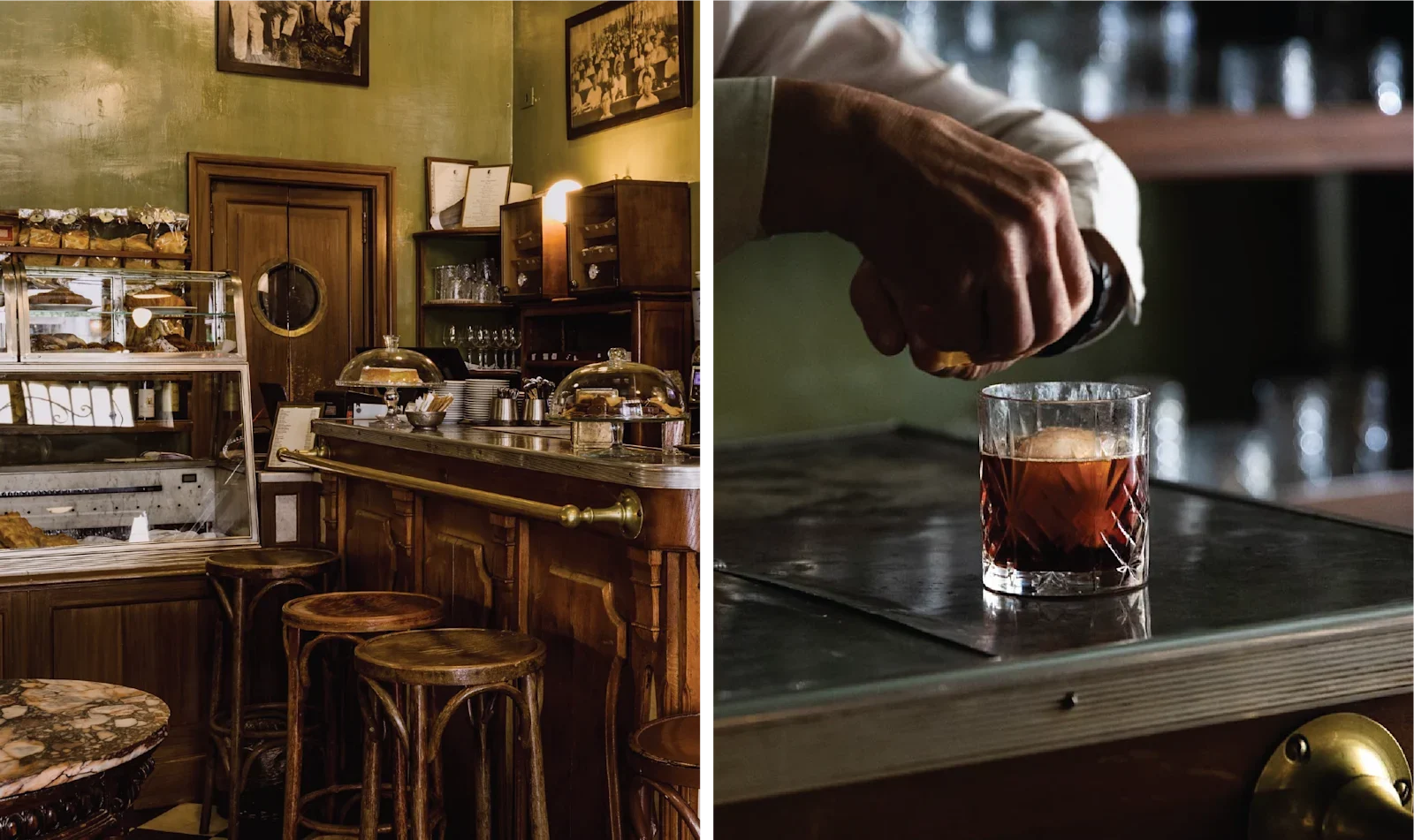
The Creature of Habit: Pasticceria Cucchi

Corso Genova, 1 +39 02 8940 9793

For a window into everyday life in Milan, start at Cucchi. Founded in 1936 as a caffè concerto—a late-night venue with live musical performances—it was destroyed by Allied bombs in 1943 but was quickly rebuilt into the pasticceria it is today.

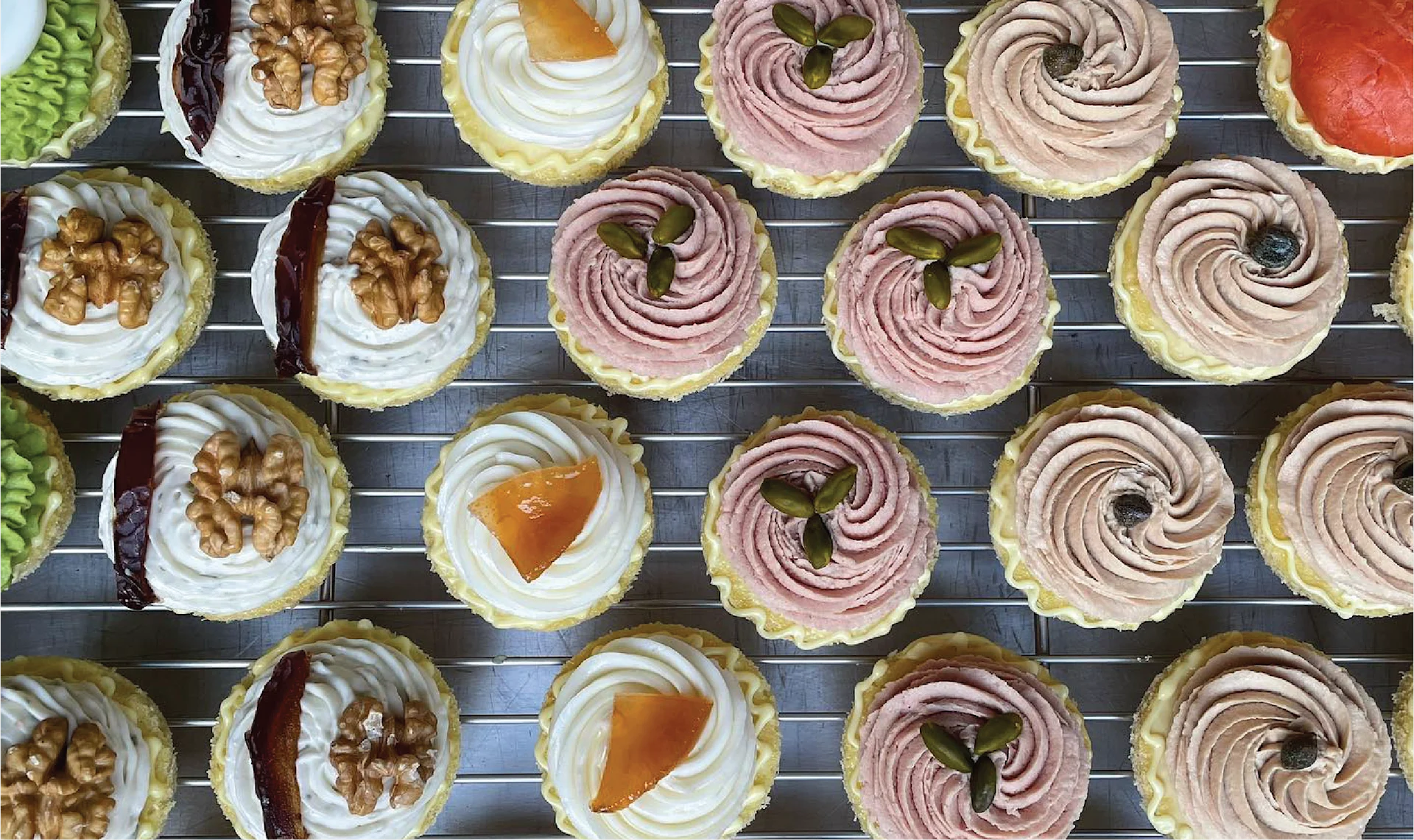
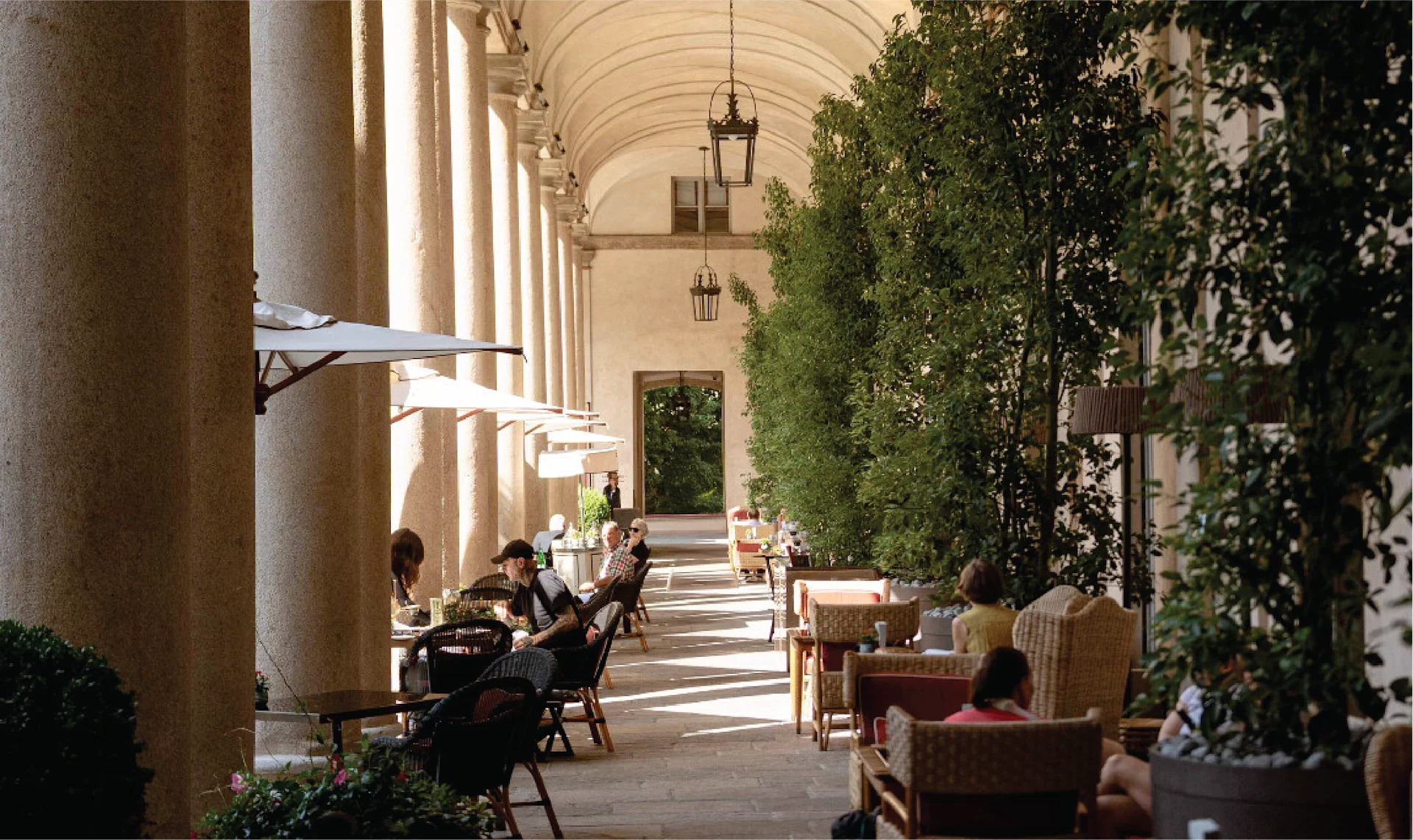
Cucchi breaks from form and runs aperitivo all day, its terrace spilling onto the street. Once a low-key neighborhood favorite, it’s now a hot spot that seems to get busier and busier. The stuzzichini arrive in a three-tier stand brimming with pastries stuffed with pâté, tuna, and other old-school fillings. Order a spritz, then watch the neighborhood go by: locals on their phones, punctuating texts with emphatic hand gestures; couples bickering or canoodling; regulars occupying the same seats they have for decades. Cucchi doesn’t perform Milan for visitors but rather ropes you right into the fray.

Top tip: Arrive before the 5 p.m. rush to claim a table on the terrace.

The Early Bird: Giacomo Tabaccheria

Via Pasquale Sottocorno, 5 +39 02 7600 9410

Giacomo Tabaccheria occupies a historic drogheria, a grocer-apothecary, with its original wooden cabinets and ceiling-high shelves still intact. But the energy here is pure bacaro: a standing room-only wine bar in the Venetian mold, built for cicchetti and quick glasses of wine. What began as a Tuscan trattoria in 1958 has grown into the Giacomo Group, a small Milanese empire that now includes Ristorante Da Giacomo, a bistro, a pastry shop, a deli, and this tabaccheria, all clustered along Via Pasquale Sottocorno. Giacomo is textbook aperitivo: Stand at the counter, order a glass of wine and a few bocconi, then move on—an ideal stop if you’re early for dinner at one of the group’s other outposts.

Top tip: This is your warm-up act, so have a plan for what comes next.

The Early Bird: Giacomo Tabaccheria

The Rakish Traditionalist: Gerry’s Bar

Via Alessandro Manzoni, 29
+39 02 723141

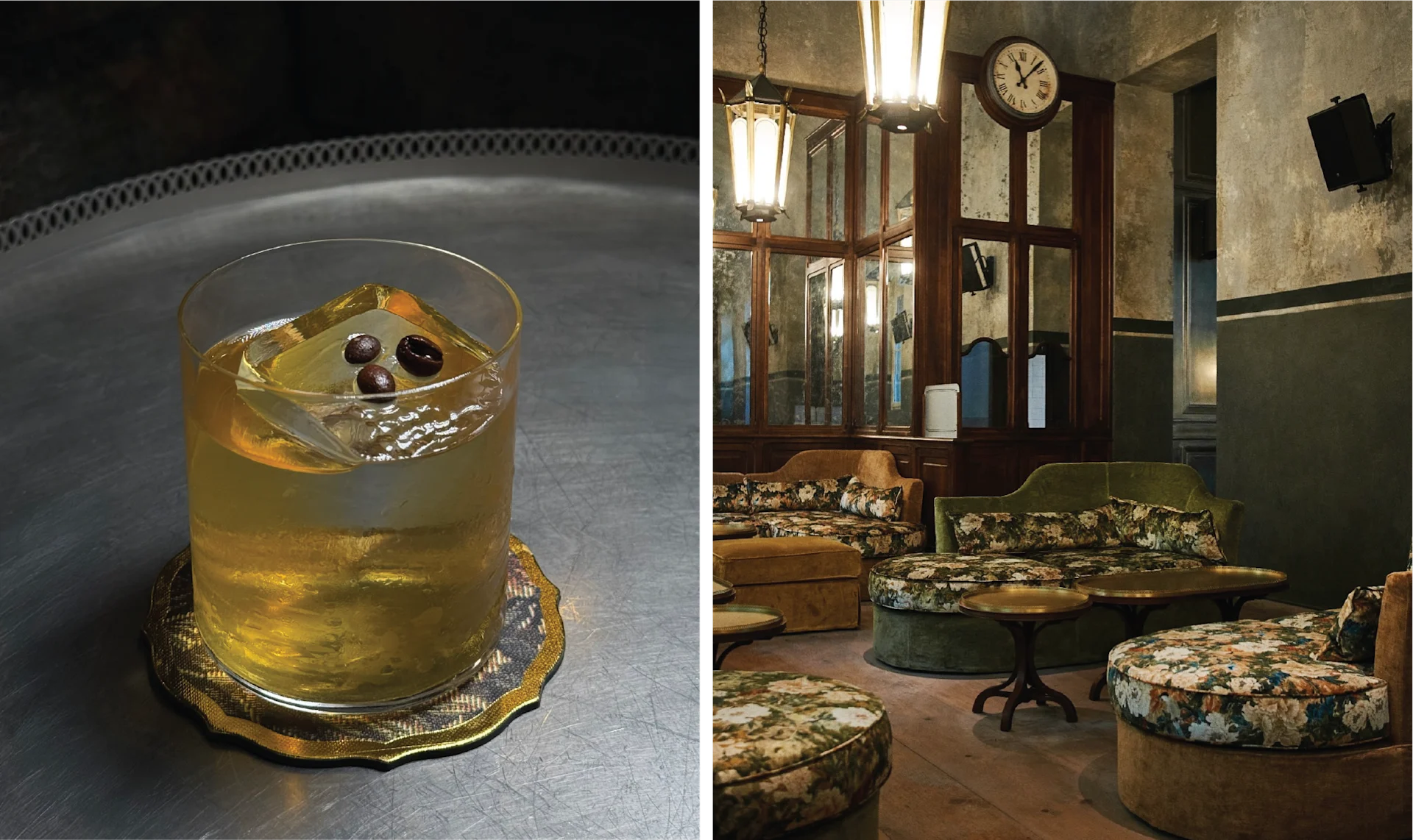
Steps from La Scala and facing Via Monte Napoleone—the world’s most expensive shopping street—the Grand Hotel et de Milan has hosted composers, divas, and dignitaries since 1863. Composer and opera virtuoso Giuseppe Verdi wrote “Otello” and “Falstaff” here. Maria Callas, Ernest Hemingway, and Marcello Mastroianni have also stayed here. Its iconic Gerry’s Bar was recently renovated by Dimorestudio, who took a sympathetic approach, harmonizing dusty pink, rust, and forest green in velvet and jacquard with the original terrazzo floors and 19th-century fireplace. Milan may not be known for its hotel bars, but Gerry’s is the exception: sumptuous without being showy, discreet without being dull. Order a glass of Franciacorta, settle into a plush banquette, and enjoy the swank you only find at a hotel bar that’s stood the test of time.

Top tip: Plan an evening at La Scala and bookend the performance here.

The Dessert-First Diner: Pasticceria Sissi

Piazza Risorgimento, 6
+39 02 7601 4664

Aperitivo traditionally leans savory, but Pasticceria Sissi is a gloriously treacly exception—provided you arrive before its 8 p.m. closing. The crowd skews sciure—a term for elegant Milanese women—and many have treated a midday spritz at Sissi’s as an institution since it opened in 1990. For more than three decades, Sissi and her Senegalese husband Zig have filled brioches to order at the counter, never in advance, keeping them pillowy-fresh. Sissi’s caffè Senegalese—espresso blended with chocolate ice cream in summer or hot chocolate in winter—has become a house signature. Pair it with something sweet and settle into the leafy courtyard for a slower, more sedate experience than most aperitivo spots.

Top tip: Skip the menu. Go straight to the counter and let your senses decide.

The Dessert-First Diner: Pasticceria Sissi

The Gallery-Goer: Ristorante Torre at Fondazione Prada

Via Giovanni Lorenzini, 14
+39 02 2332 3910

Prada has been shaping Milan since 1913, first as a leather goods house, then as a fashion empire, and now through Fondazione Prada, a cultural complex set inside a former distillery on the city’s southern edge. There are two bars here: Bar Luce, at ground level, was designed by Wes Anderson and leans into nostalgia—pastel formica, a Steve Zissou pinball machine, and an arched ceiling that echoes the one in the galleria. It photographs beautifully, which explains the crowds. Six floors up in a tower designed by Rem Koolhaas, Ristorante Torre draws a different clientele: regulars and locals who visit often enough to skip the exhibitions and head straight for the bar.

Torre’s interiors are furnished with Eero Saarinen chairs, works by Lucio Fontana, and relics salvaged from the original Four Seasons Restaurant in New York. Servers in head-to-toe Prada move between tables and floor-to-ceiling windows spill onto a terrace with sweeping views of the Milan skyline. The cocktail list includes a Negroni tasting with four interpretations. There’s also a formal dining room, should aperitivo stretch into something longer.

Top tip: Check out an exhibition or the Jean-Luc Godard-focused cinema afterward.

The Design Insider: Bar Basso

Via Plinio, 39
+39 02 2940 1214

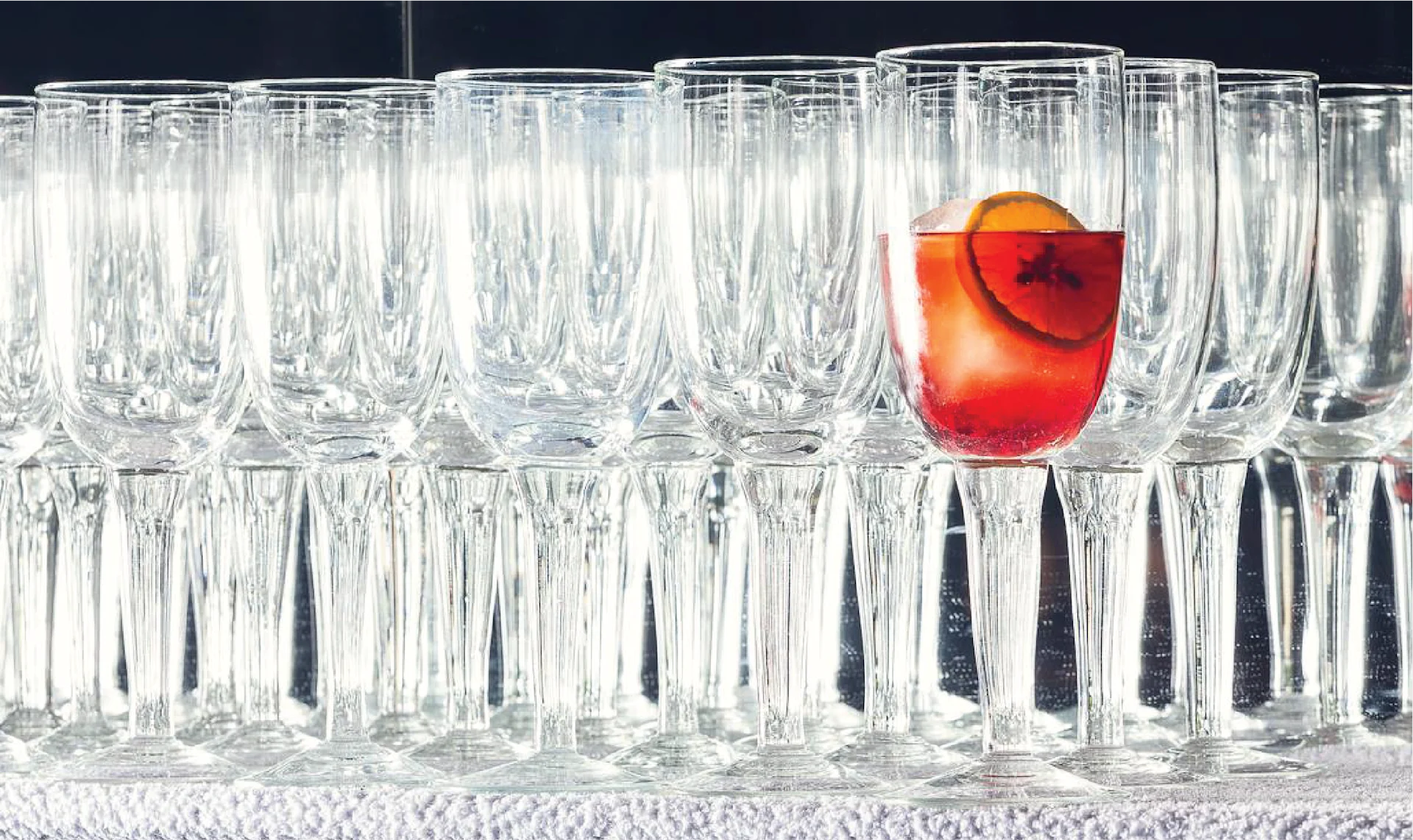
If you’ve ever seen a photo during Salone del Mobile that wasn’t taken inside a showroom, there’s a good chance it was shot here. Bar Basso has long been a gathering point for designers and architects in town for the fair, not because some big name is behind its construction but because the space just feels right. It was here that Negroni Sbagliato—or “broken” Negroni—was created in 1972, when bartender Mirko Stocchetto accidentally reached for prosecco instead of gin. Little has changed since: pink walls, marble floors, chandeliers, and Sinatra on the stereo. Stocchetto’s son Maurizio now runs the bar with an easy, watchful hand. Order the namesake drink—still served in its signature oversized glass—and take in a room that has never needed updating.

Top tip: Fashion Week brings a buzzy energy with designers and models stopping in between shows.

The Design Insider: Bar Basso

The Regular’s Regular: Bar Quadronno

Via Quadronno, 34
+39 02 5380 6612

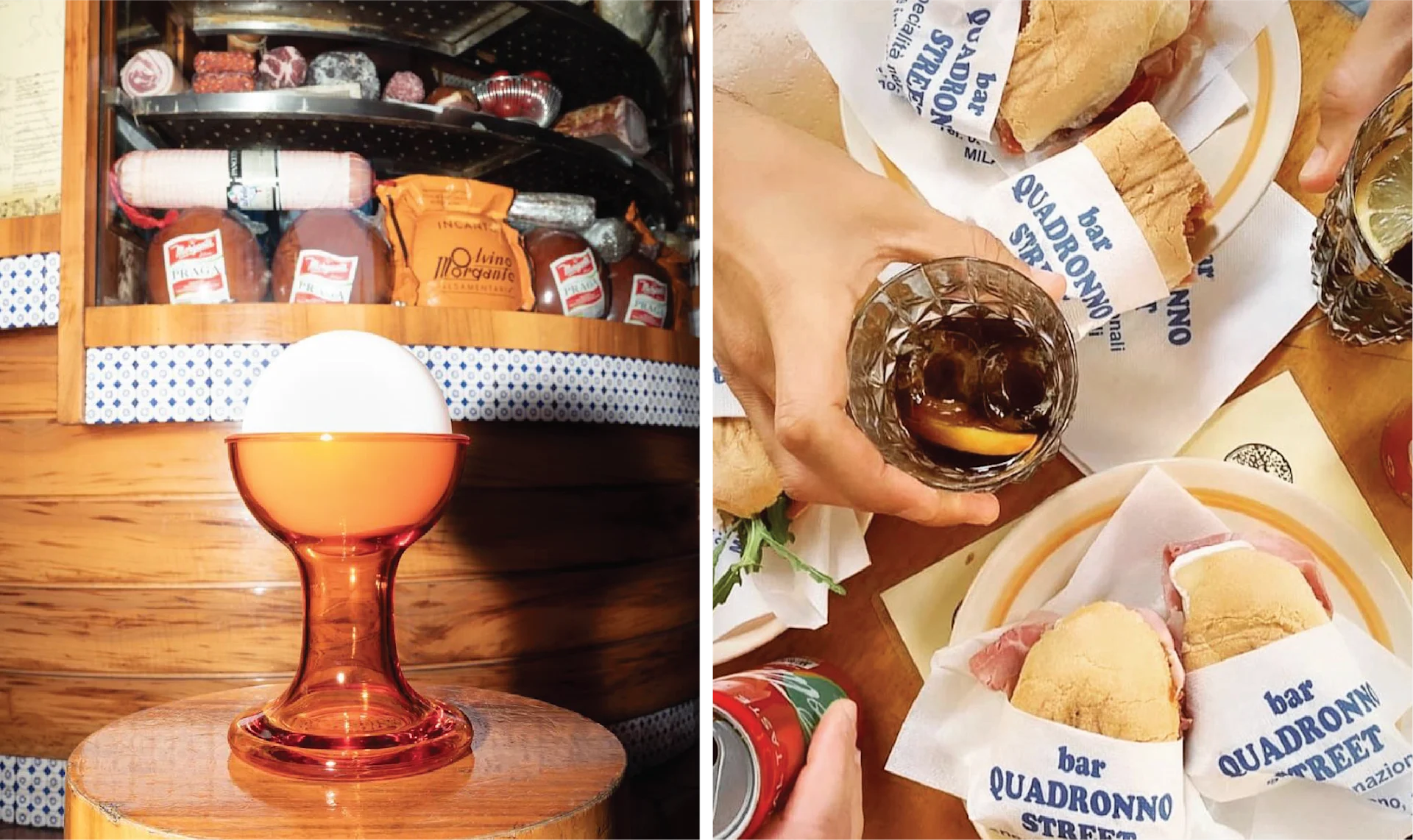
Founded in 1964 by a bartender named Faravelli, Bar Quadronno earned its reputation by taking sandwiches seriously. Faravelli is credited with pioneering Milan’s first true sandwich shop, stuffing rolls with gastronomic luxuries rather than shortcuts—tongue with béarnaise, Valtellina prosciutto with game pâté, and even chamois ham. The room has barely changed since: lacquered wood paneling, bronze lanterns, a boar’s head looming overhead. It began with just three windows and five tables and has never lost that intimacy.

Only later did fashion people take notice. Staff still reserve a favorite table for a certain Miuccia Prada. Matthieu Blazy was so taken with the place during his time at Bottega Veneta that he named a bag after it. The appeal, though, is precisely that Quadronno has no interest in gloss or reinvention. It remains a neighborhood bar in a quiet residential pocket, where the famous are left alone and newcomers are treated like regulars.

Top tip: Don’t skip the panino. It’s not exactly a bar snack, but it’s unmissable.

The Low-Intervention Enophile: Enoteca Naturale

Via Santa Croce, 19/a

Some wine bars make you feel like you need to study before ordering. Enoteca Naturale does the opposite. The bottle rotation is so fast that a menu would be pointless. Instead, ordering is a conversation. The servers know exactly what’s open that day and talk in tastes rather than jargon. One recommendation might be a rosé from a vineyard so close to the Calabrian coast that it carries a saline edge, available for only a couple of weeks each year.

The bar sits inside a small walled garden, with tables and stools loosely arranged so you can claim space wherever it opens up. Though Enoteca Naturale is steps from the street, it feels removed from the city entirely. There’s more food if you want, but the default offering is taralli, which is usually enough. You’re here for the wine—and for the garden—and neither needs much embellishment.

Top tip: Trust the staff and spring for a wine outside your comfort zone.

The Low-Intervention Enophile: Enoteca Naturale
PRIOR
Already a subscriber?Sign in here