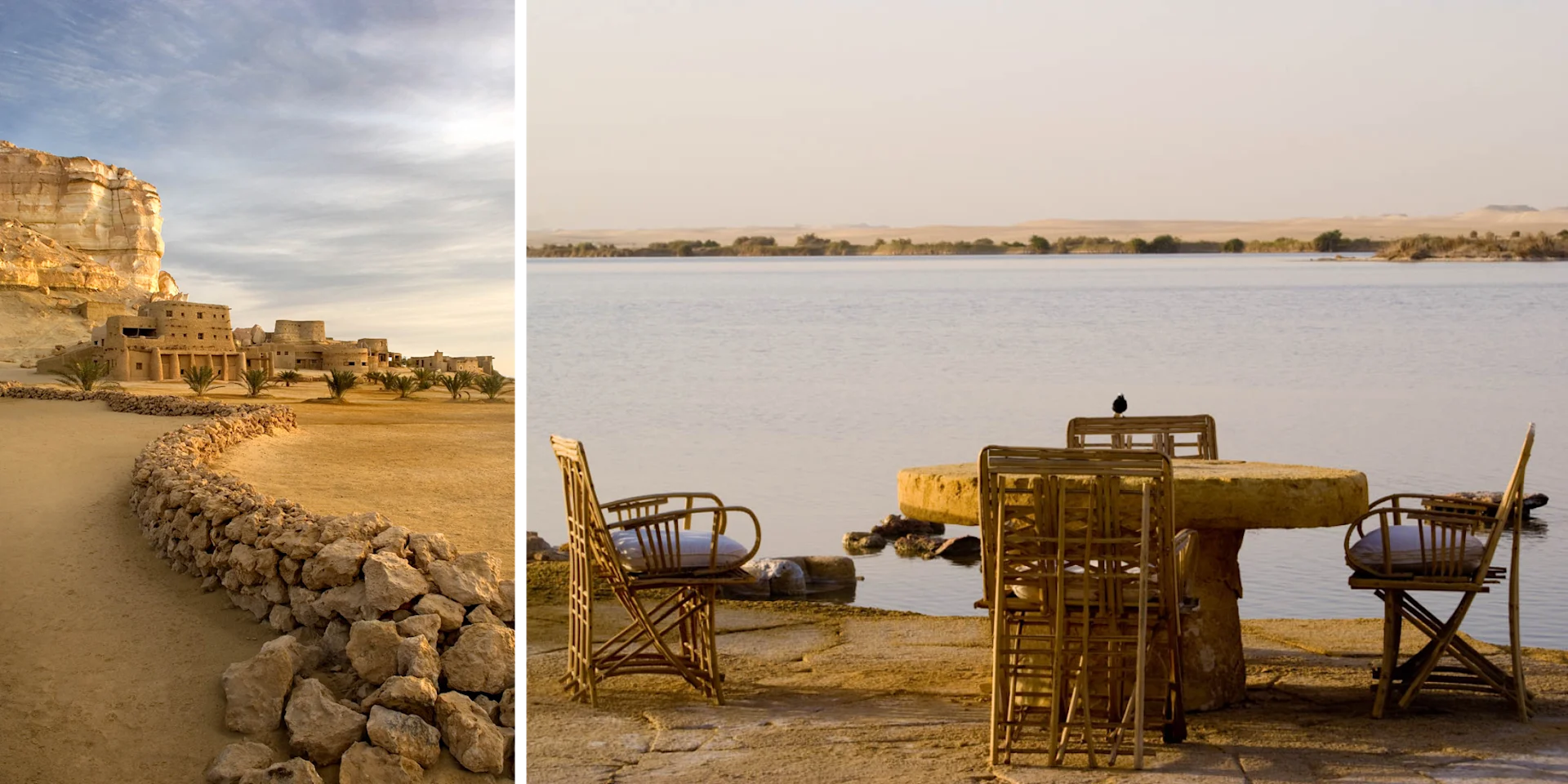
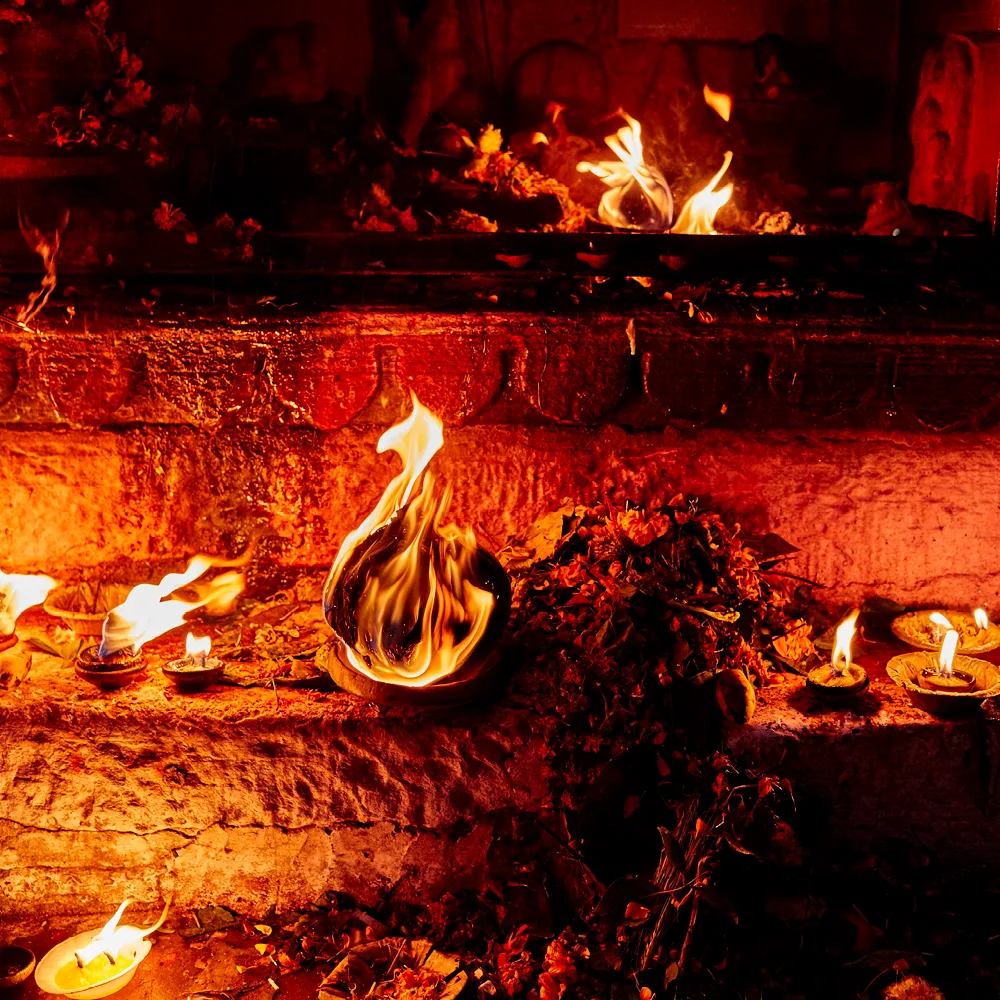
Even a sloth could successfully chase the sun in a desert. But in Egypt, where things always run behind schedule, my quest to arrive before dark at Adrère Amellal, an electricity-free ecolodge in the remote Siwa Oasis, was encumbered by a delayed charter flight from Cairo to an airbase in the Western Desert, not to mention last November’s second-wave international lockdowns. But as a large sandcastle illuminated by flickering lanterns and candles came into view under the spotlight of a full moon, I realized it wasn’t actually the sun I was chasing.
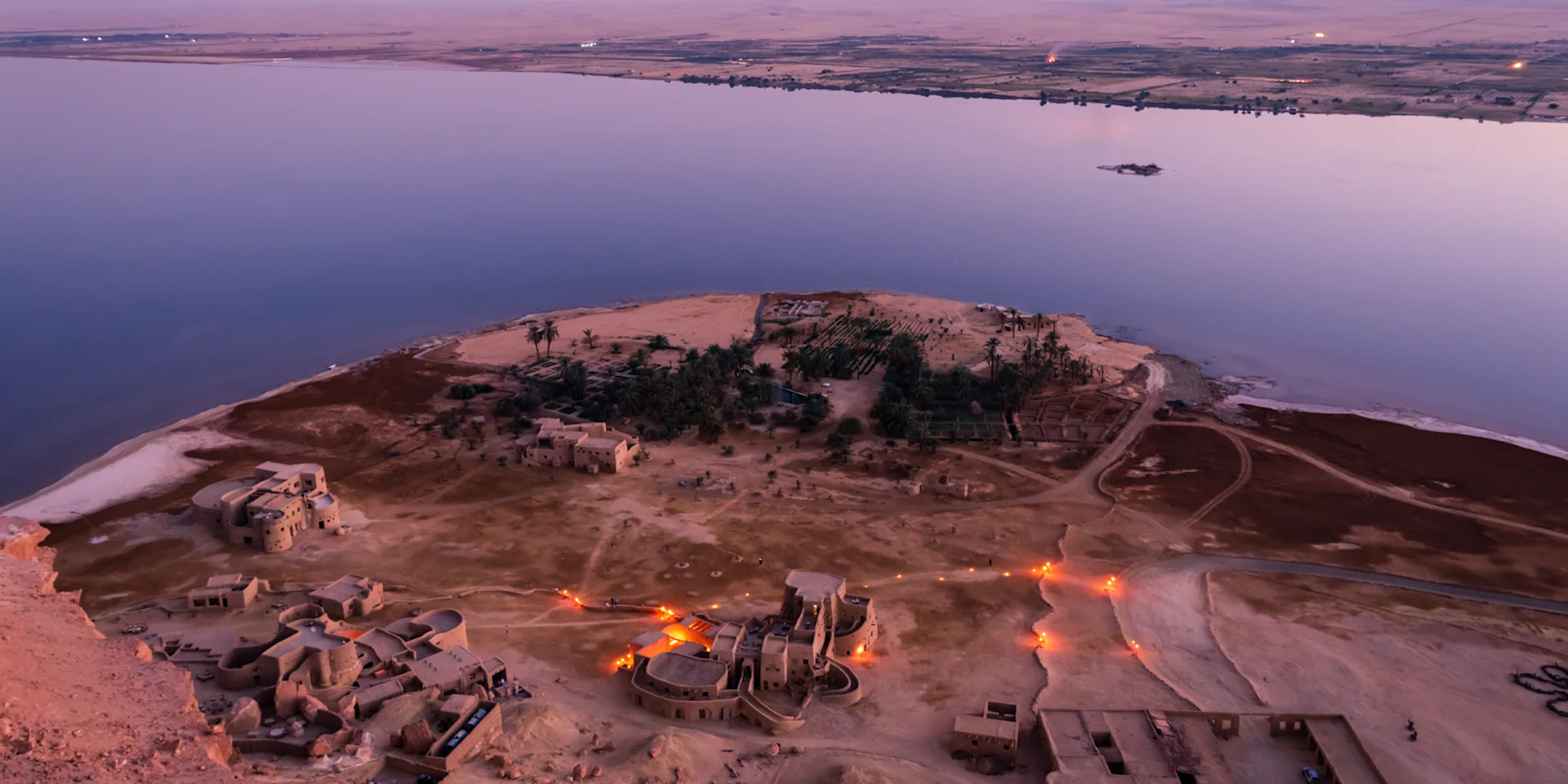
Adrère Amellal was built by Egyptian environmentalist Dr. Mounir Neamatalla in 1998 after his first visit to Siwa, the largest in a chain of fertile oases dotting the otherwise bone-dry desert. Siwa is an oasis of both nature and culture, a Berber community with its own dialect and customs.
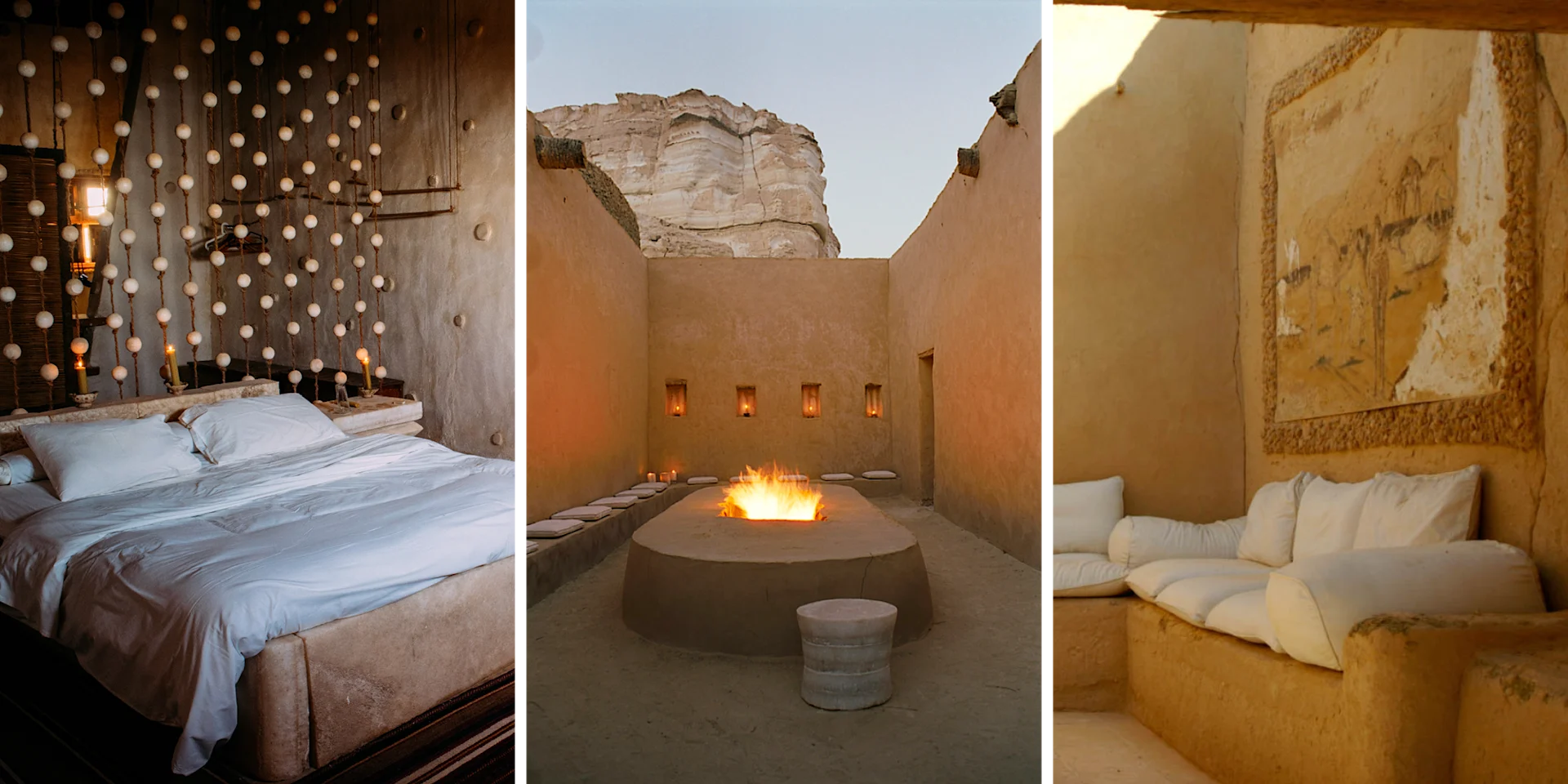
Its insularity is not surprising: surrounded by the Great Sand Sea, an Oregon-sized swath of desert, Siwa is home to some of the Sahara’s highest dunes, some formed over hundreds of thousands of years. It sits at the foot of its namesake, the White Mountain, an imposing ancient monolith with a palpable energetic force likened to the vortexes of Sedona.
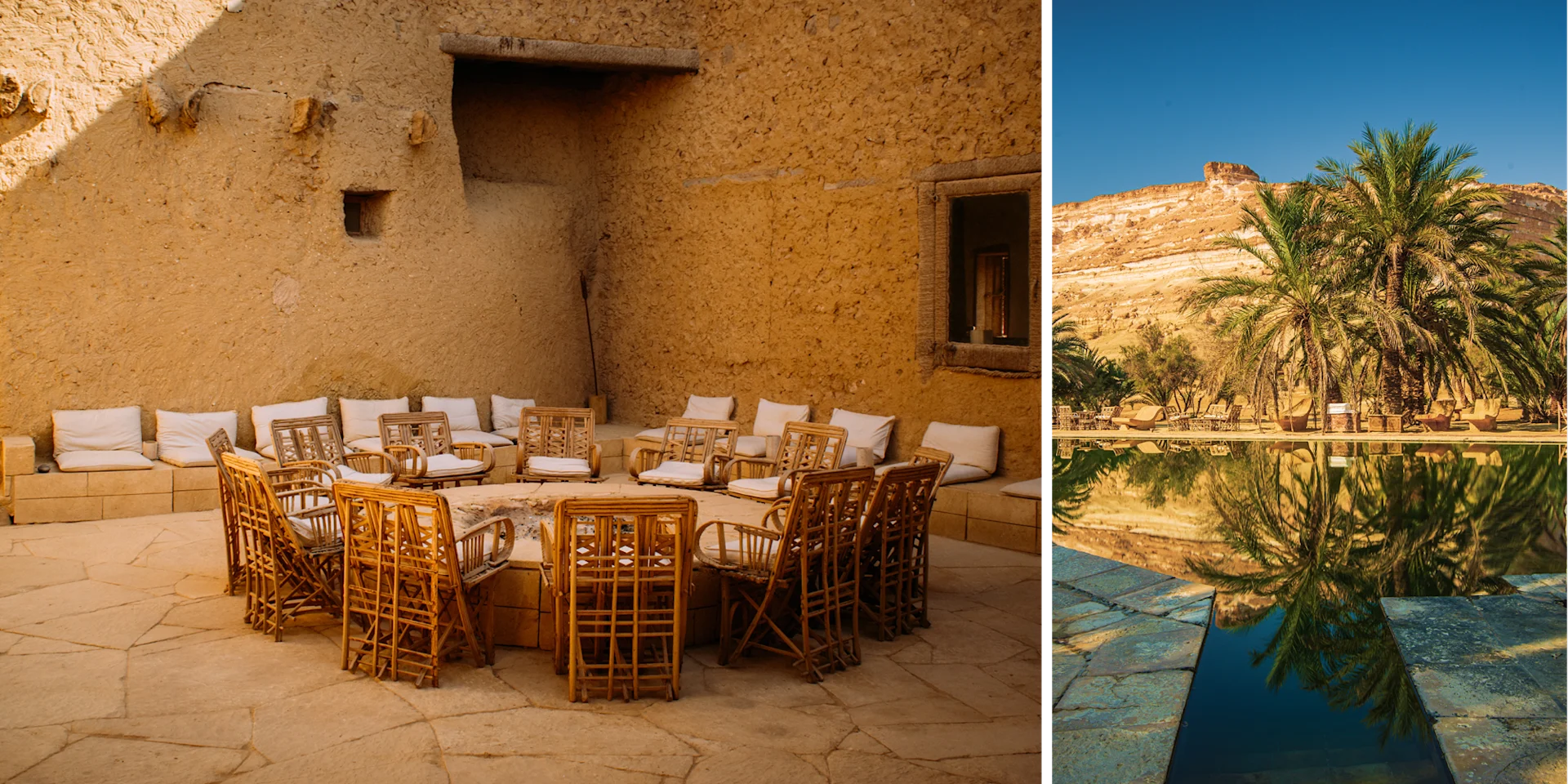
Blending into the surroundings, the hotel’s buildings are made entirely of organic elements: palm fronds, olive tree timber, and kerchef, a sunbaked sludge of salt, sand, and mud. The latter is a natural insulator against the harsh desert climate and has been used in Siwan construction for millennia—notably in the Shali Fortress in Siwa town, whose recent restoration was also spearheaded by Dr. Neamatalla.