The Fire Still Burns in Peru’s Picanterías
Across Arequipa and Cusco, one enduring style of restaurant keeps regional cooking alive with black-corn chicha, freshwater shrimp soups, and ocopa ground by hand on smooth river stones.
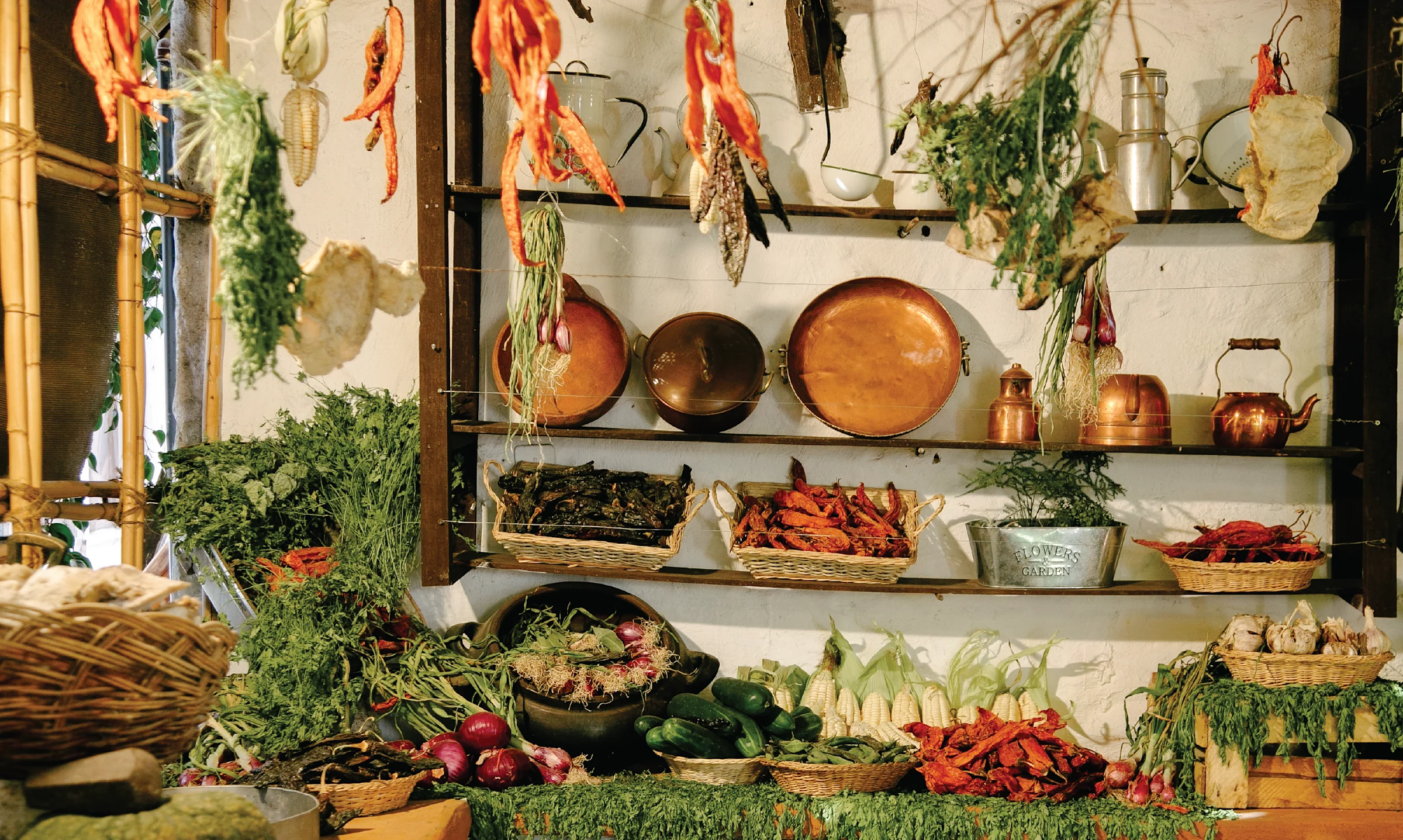
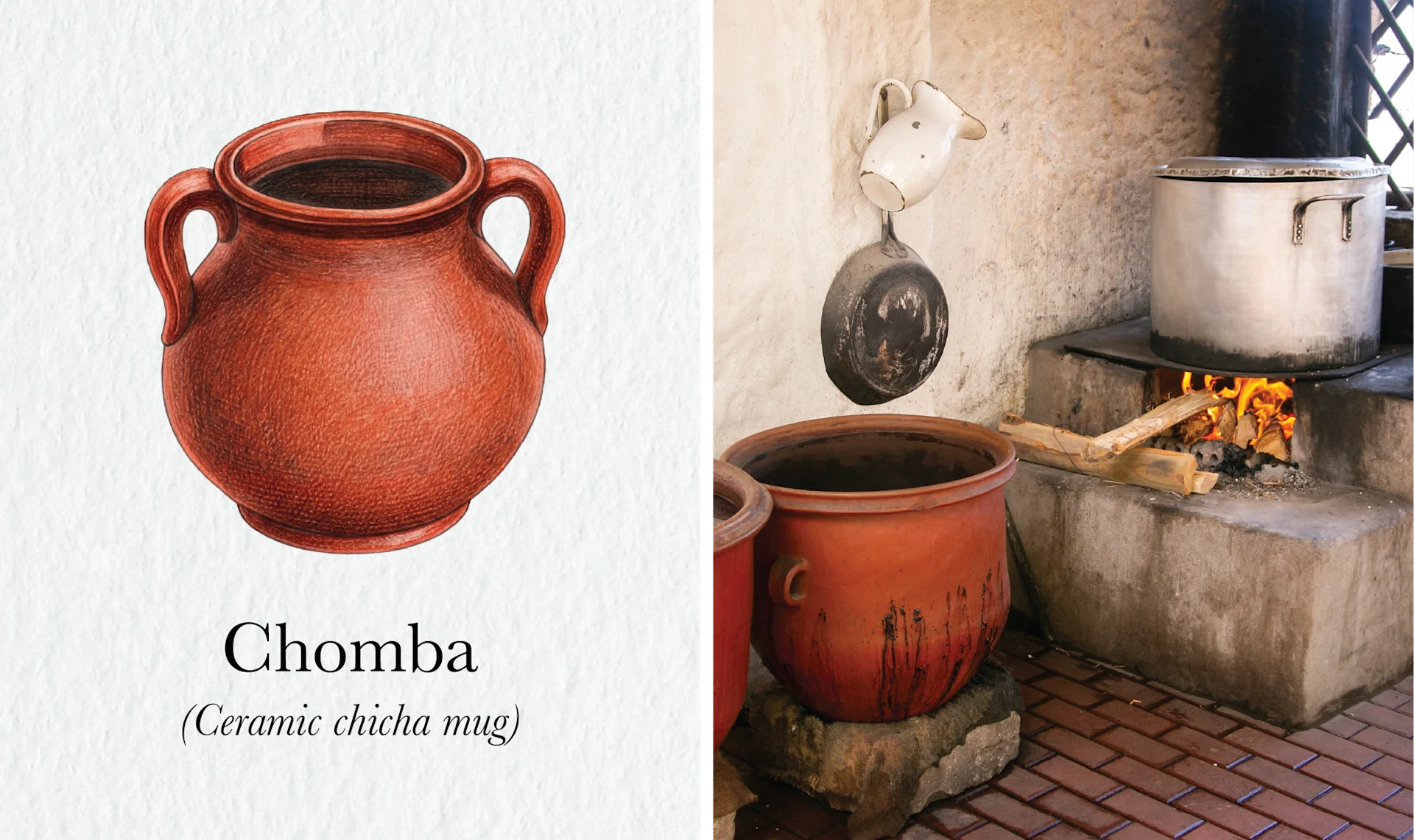
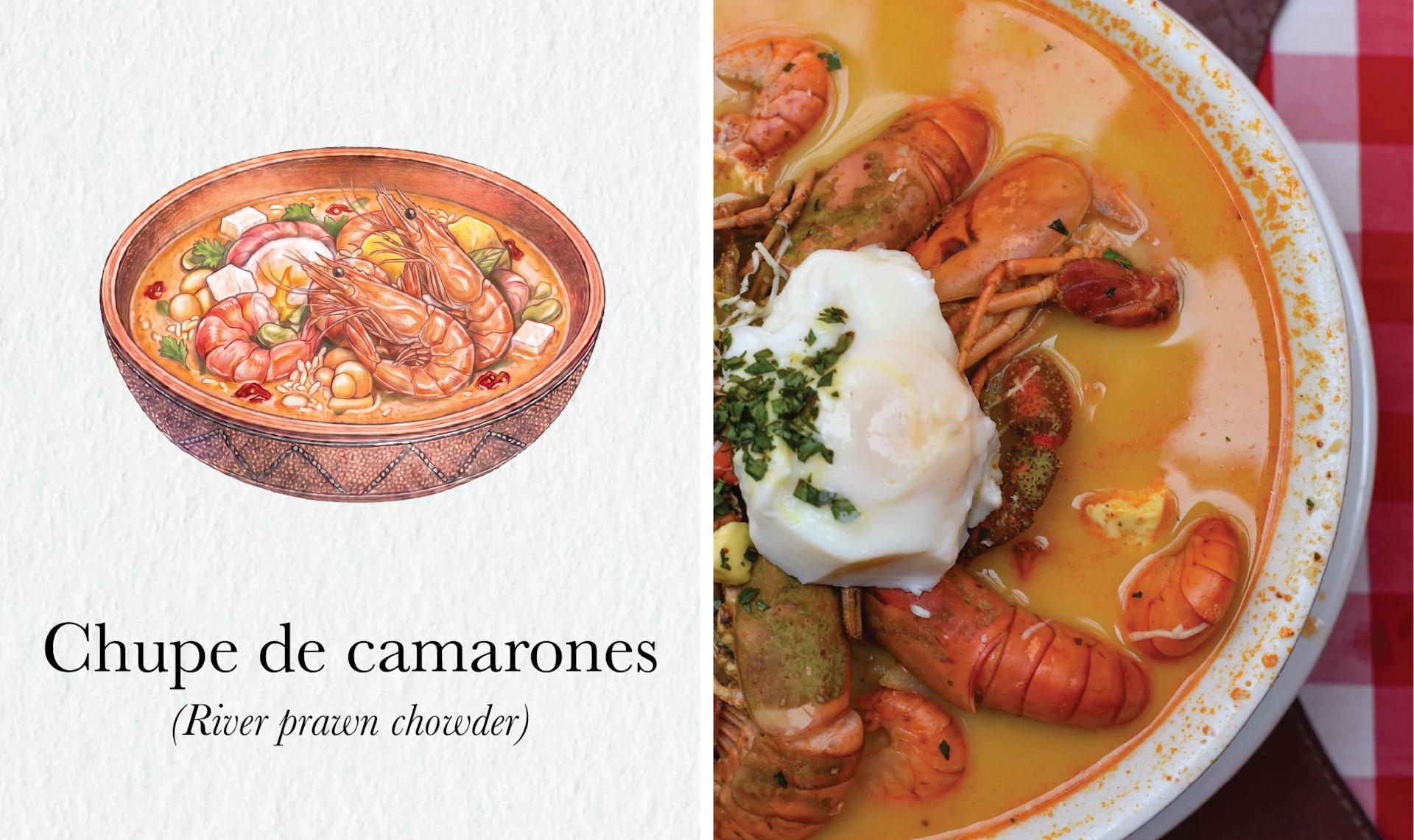
It’s lunchtime in Arequipa, Peru, at La Nueva Palomino, a picantería with walls of white volcanic stone. Baskets of rocoto peppers and red clay pots used to hold chicha line the dining room, where families chat over plates of almendrado de pato, duck braised with almonds, and chupe de camarones, a river prawn chowder. But chef-owner Mónica Huerta Alpaca is preparing something special for me—an off-menu dish that captures the true spirit of the picantería.
You won’t find this kind of energy at Peru’s celebrated fine-dining restaurants. While many of the country’s acclaimed chefs work to preserve and reinterpret regional ingredients and traditions, at picanterías like this one, they’ve never disappeared. Offal, house ferments, and sauces ground by hand are simply what’s for lunch, not carefully collated into a tasting menu.
The picantería traces its roots to the chicherías that once served fermented corn beer alongside spicy dishes. Over centuries, those humble taverns evolved into family-run restaurants, each region developing its own repertoire of recipes, ingredients, and customs. Nowhere has that legacy been preserved more faithfully than in Arequipa.
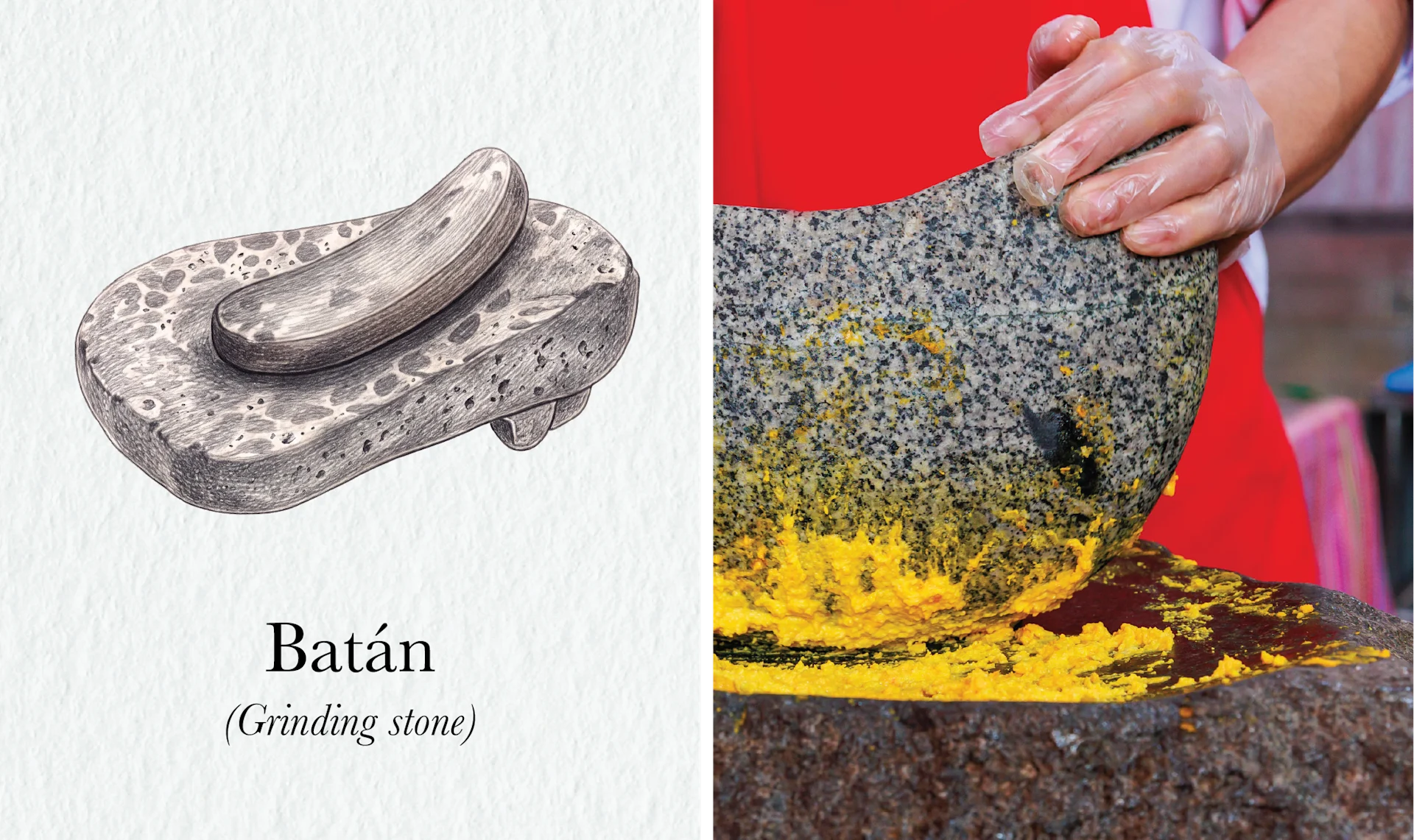
I look up to see Huerta’s beaming smile as she walks toward my table carrying a well-worn stone mortar topped with a mound of pale green paste. “Here’s our ocopa de libro,” she says. In keeping with tradition, there’s no electricity used at La Nueva Palomino or picanterías like it, so ocopas—chunky sauces that can be a meal in themselves—are made by rocking a curved, half-moon-shaped hand stone called a batán over the ingredients, which are spread across an even heavier, smoother river stone.
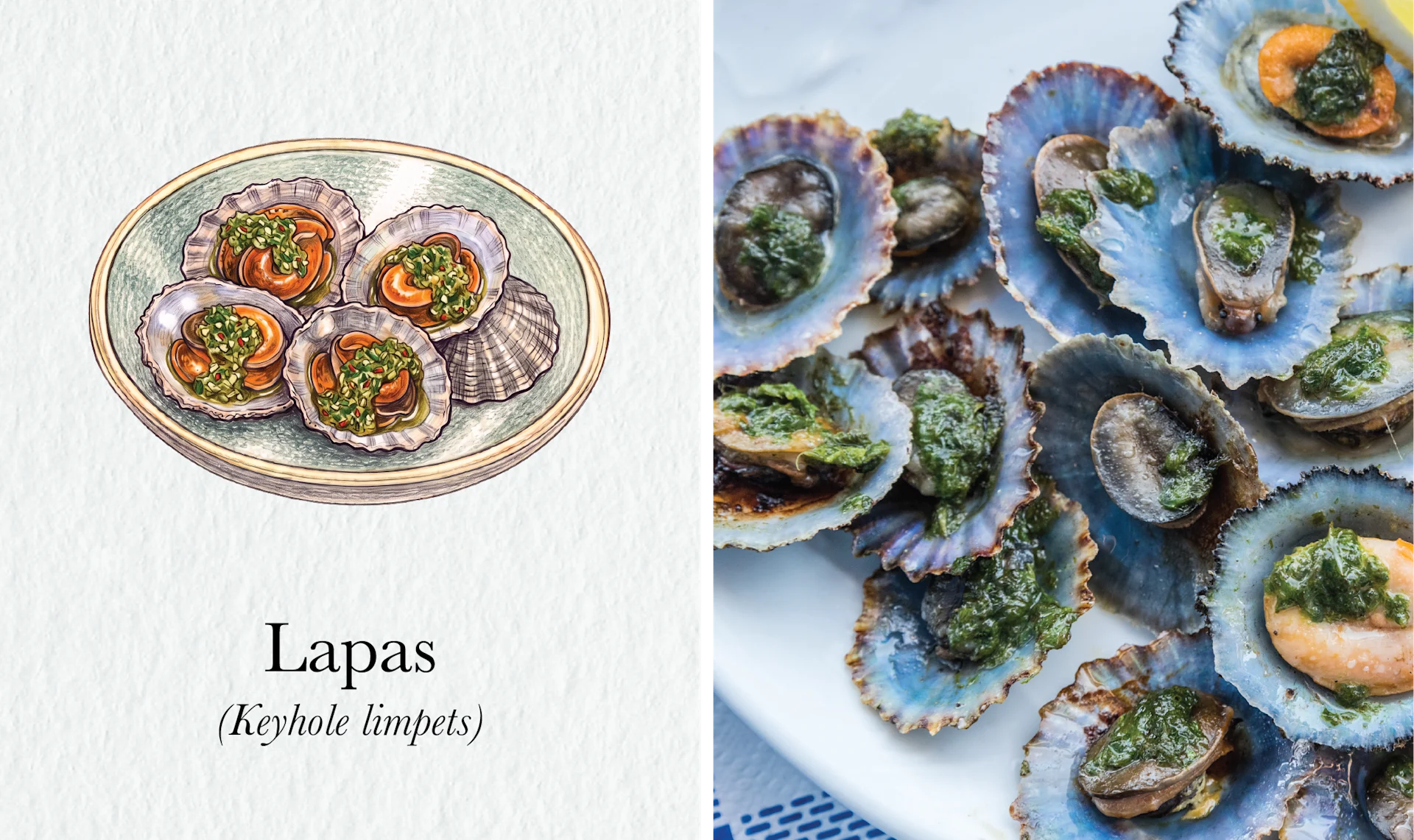
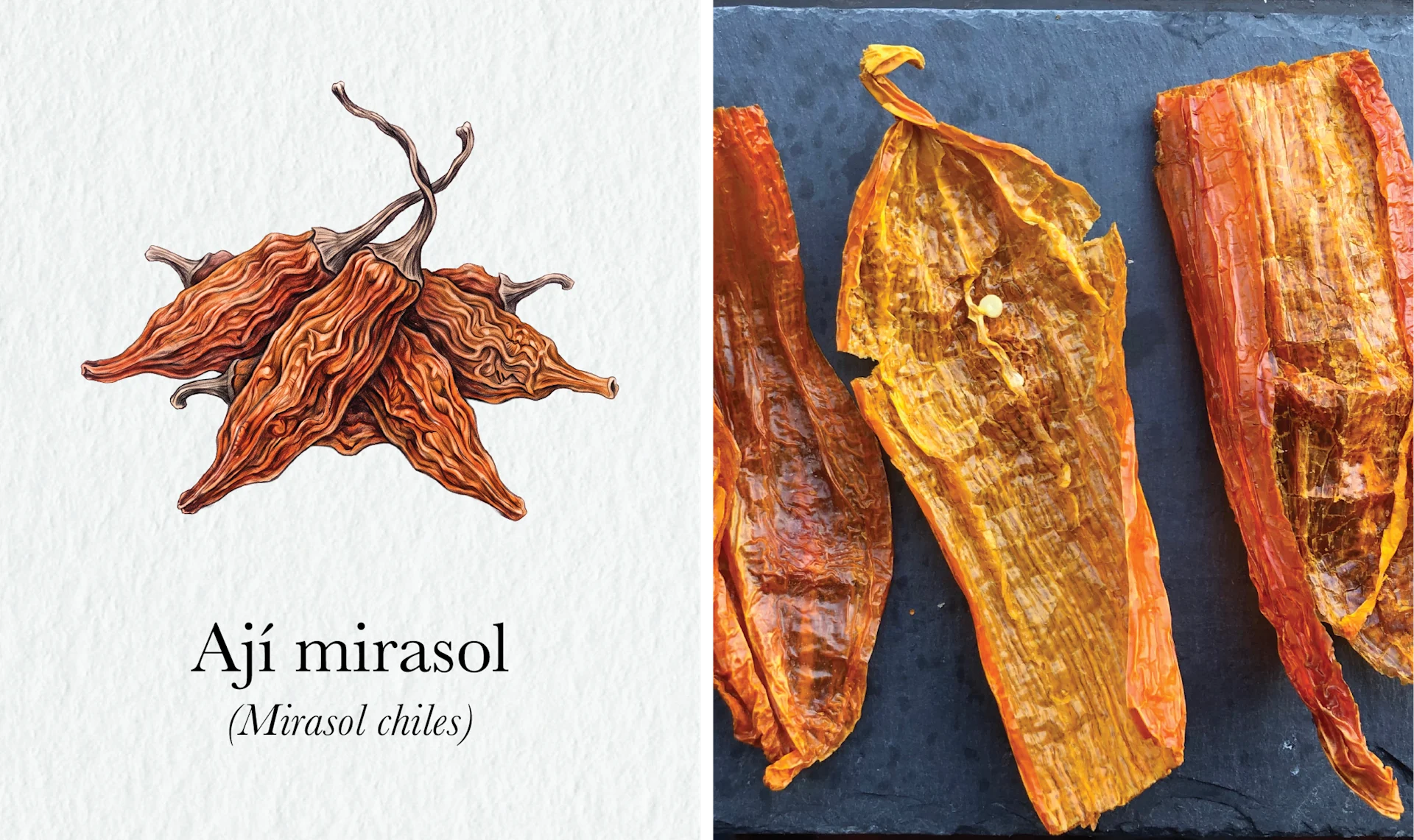
“Ocopa illustrates our cultural fusion,” Huerta says as she lists its basic ingredients: huacatay (black mint), peanuts, charred ají mirasol (a type of chile), and sautéed garlic and onions. Some variations add lapas (keyhole limpets) or sencca (beef snout); mine includes libro, the third stomach of a sheep, which is named for its resemblance to the pages of a book. For 15 minutes, the ingredients are worked between the stones with drips of water and pinches of salt until they form a thick paste, which is served with boiled potatoes.
“It’s a very old recipe,” Huerta explains. She inherited the restaurant from her mother, Irma, who inherited it from her mother, and so on, all the way back to its original opening in 1895.
I’ve been writing about and researching Peruvian cooking for more than 20 years, yet the picanterías of southern Peru continue to surprise me. Their hearty stews, tangy sarzas (salsas), and chowders known as chupes—many first recorded in the 17th century with even earlier roots—rarely appear outside the region.
Unlike many regional food customs, Arequipa’s picanterías have an organization devoted to keeping them alive. Founded in 2012, the Sociedad Picantera de Arequipa brings together around a hundred cooks, scholars, and restaurateurs to safeguard storied preparations and ingredients. Its bylaws dictate which dishes members serve on each day of the week and require members to offer chicha de guiñapo, the prized local brew made from black corn.
Many picanterías didn’t begin as restaurants at all but as family homes with a few extra tables for neighbors. That was the case with La Lucila in Sacacha, whose founder, Lucila Salas Valencia, died at 95 in 2012. Now run by her daughters, the restaurant still operates with the same wood stoves and stone batáns Salas used to prepare dishes like cuy chactado, roasted guinea pig, and rocoto relleno, stuffed rocoto peppers.
There’s a striking consistency from one picantería to the next. Whether I order chupe de camarones or queso helado at the century-old La Capitana in Yanahuara or from Doña Rosa’s stall in San Camilo Market, the flavors are unmistakably Arequipeño.
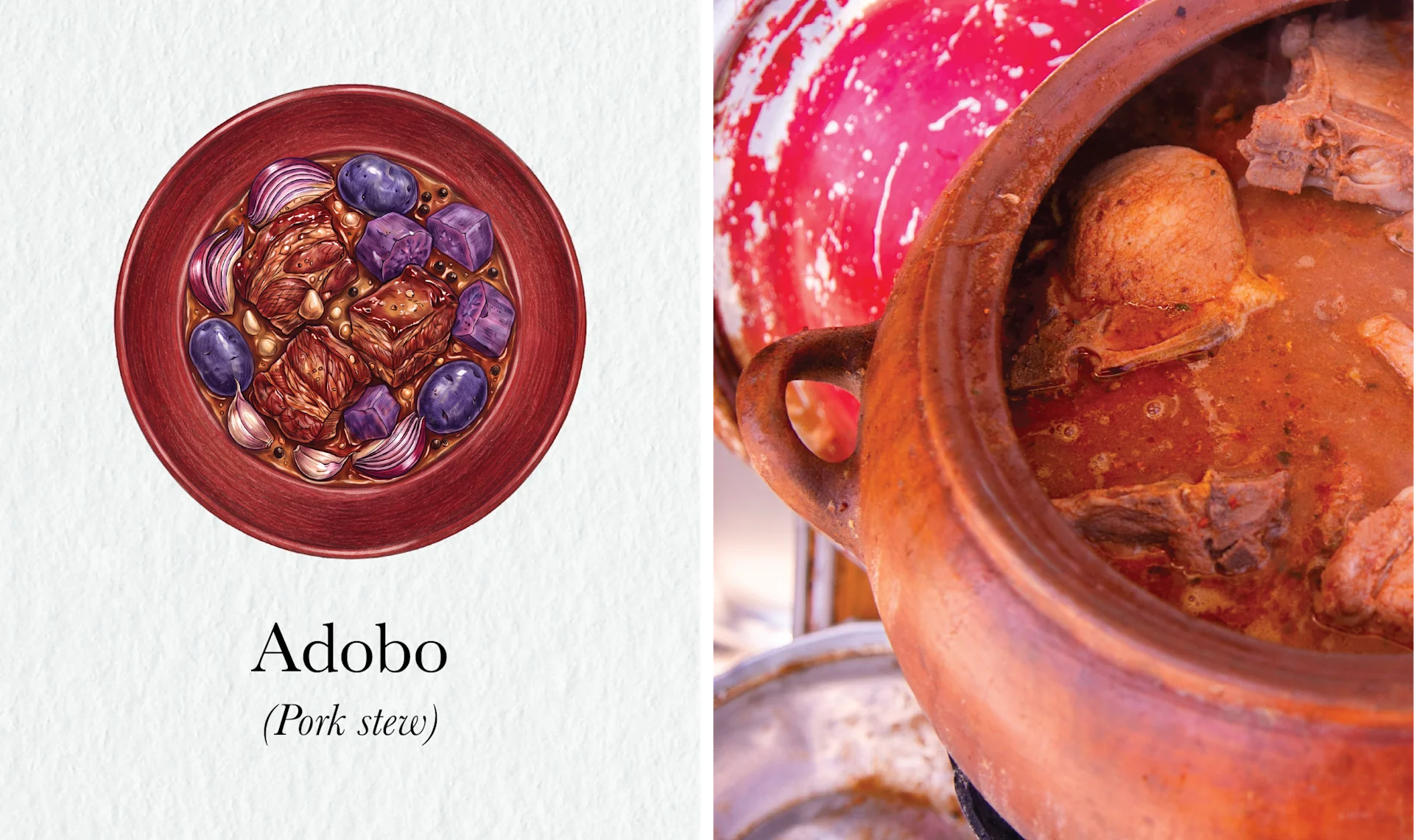
One of the city’s most fabled dishes is adobo, a spicy pork stew served only on Sunday mornings. Across Arequipa, picanterías prepare it as a kind of corpse reviver, restoring revelers after Saturday night’s festivities. Some, like Picantería El Pato, serve nothing else until lunchtime.
Picanterías are inescapable in Arequipa, but in Cusco—another picantería stronghold that receives much more tourism—you have to go looking for them. At Picantería Las Manuelitas, east of the historic center, sarza de patitas, pickled pigs’ feet, and pecho de res (brisket) rubbed with ají panca (an earthy chile) arrive alongside oversize glasses of frutillada, the local strawberry chicha. Quinta Waly, a 15-minute walk away, serves guiso de rabo, an oxtail stew over white rice that could feed a small family.
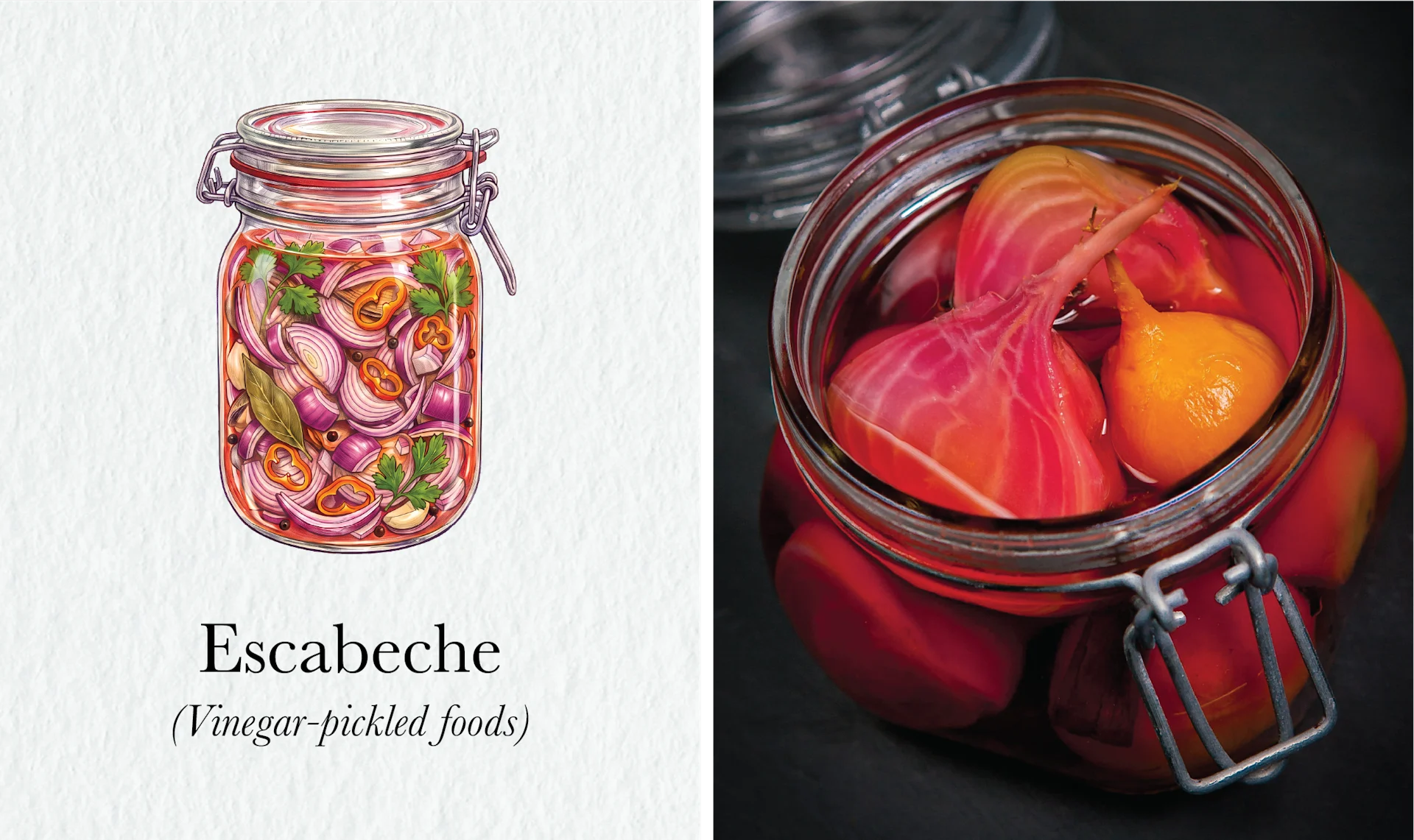
The more I eat at picanterías, the clearer it becomes that variation is part of the tradition. Every visit introduces another dish I’ve never heard of or a familiar one prepared in a subtly different way. That curiosity drove José Luján and Diana Samanez to open Cusqueñísima. For years, the couple traveled the region, frequenting family gatherings and community celebrations and documenting more than 500 recipes, from vinegar-pickled escabeches and fritters known as torrejas to dozens of uchucutas (thick chile sauces).
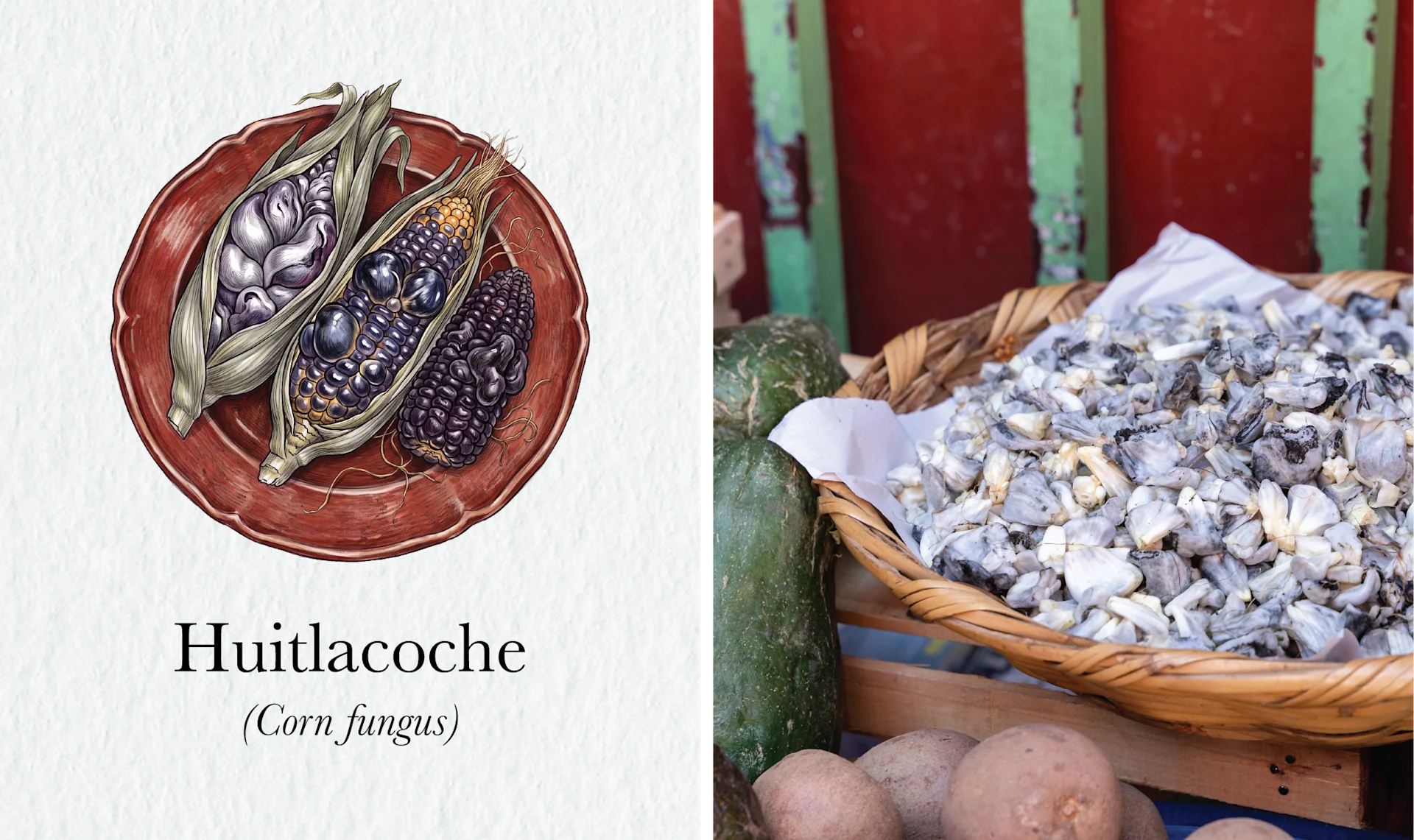
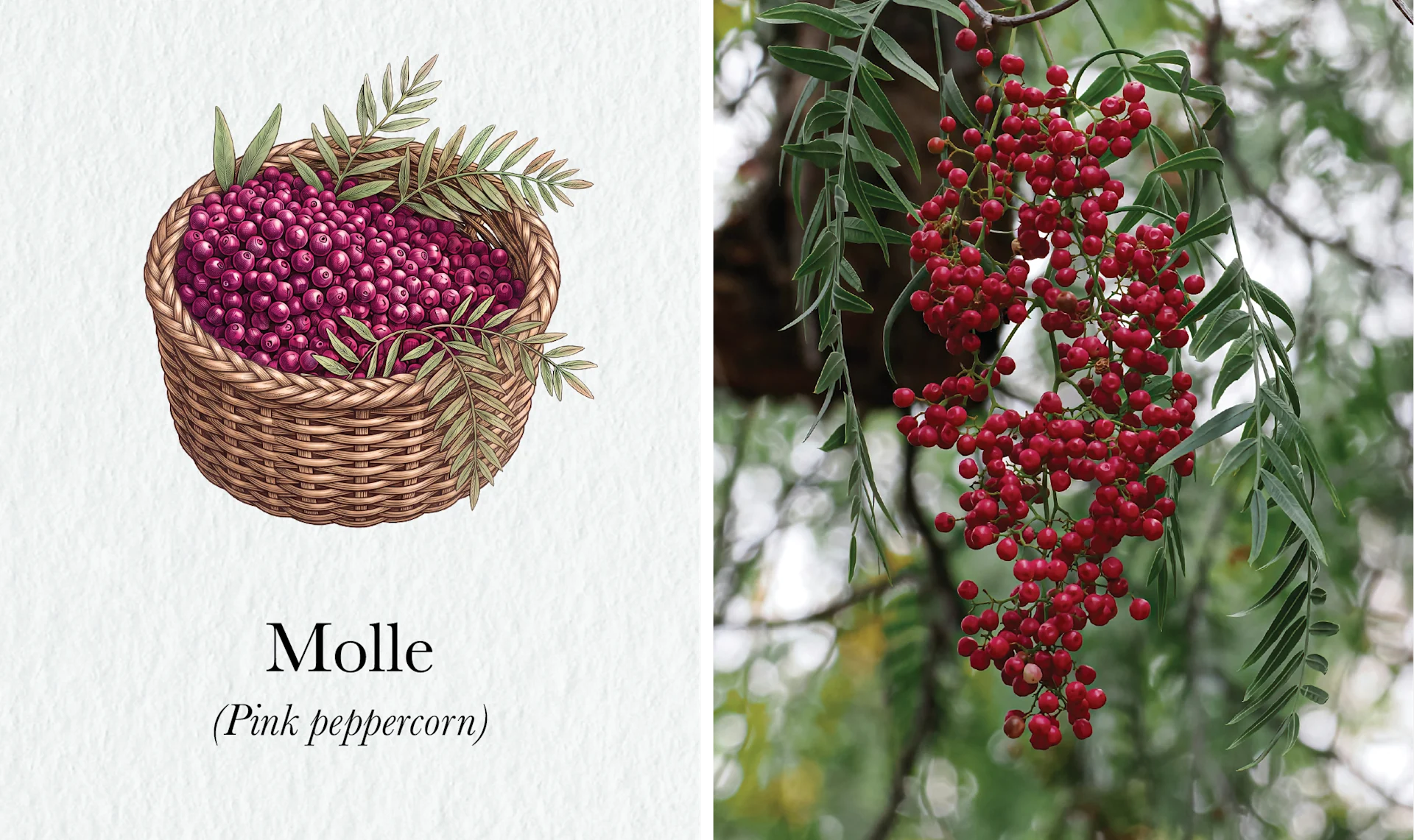
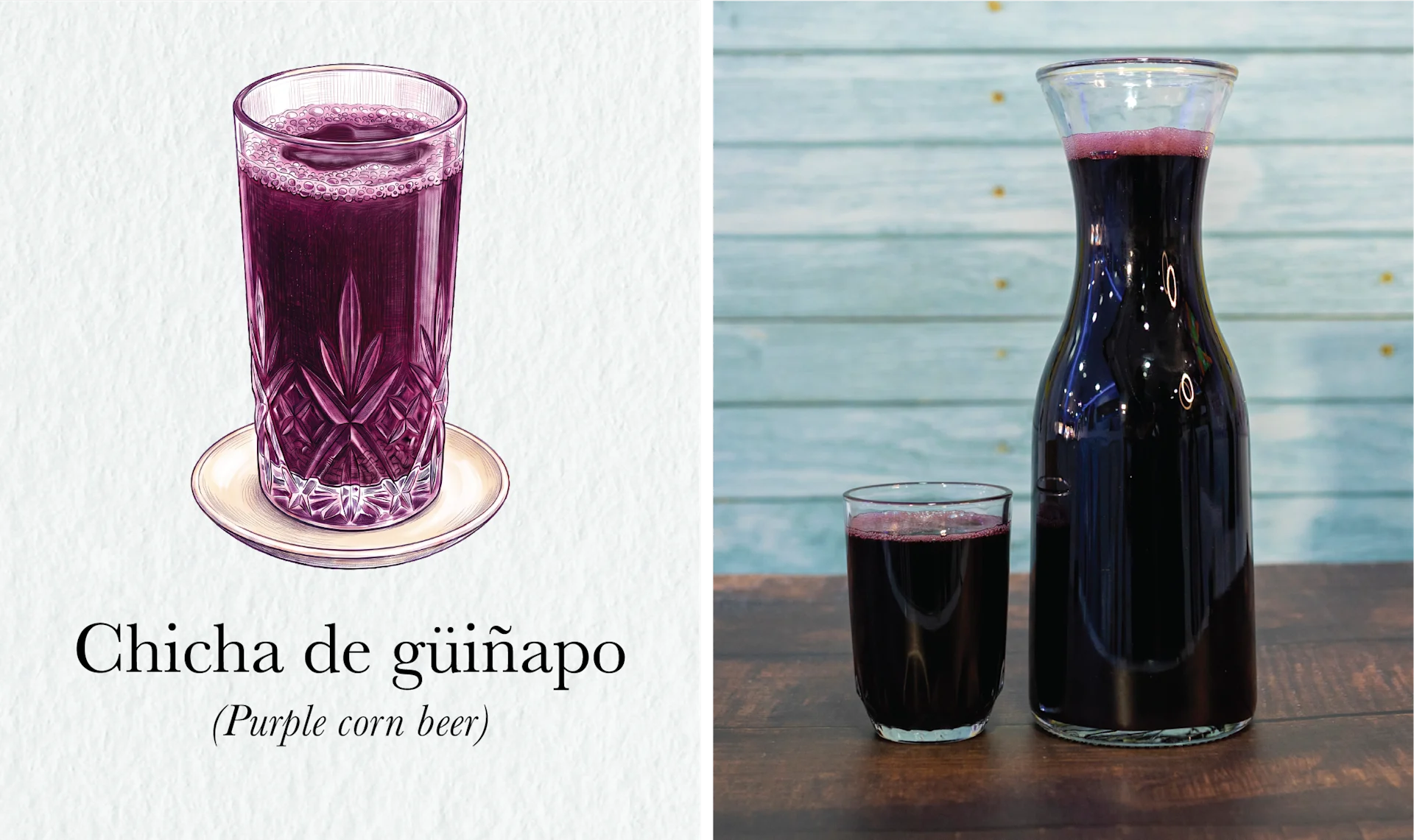
Around the dining room, jars of ayrampo cactus seeds and the minty herb muñaqa steep in a sugarcane spirit, destined for one of the restaurant’s many house chichas. “Take the frutillada,” Luján says. “It’s a modern invention.” The couple has identified more than 50 other chichas made from ingredients like pink peppercorns, corn fungus, and amaranth, many prepared for only a few weeks each year in a single valley—or even one village.
As he pours me carrot chicha from a bull’s horn, Luján explains why he’s spent years documenting these endangered recipes. “If you go into most picanterías around Cusco, they are serving the same 20 or so dishes,” he says. “We want to change that.”
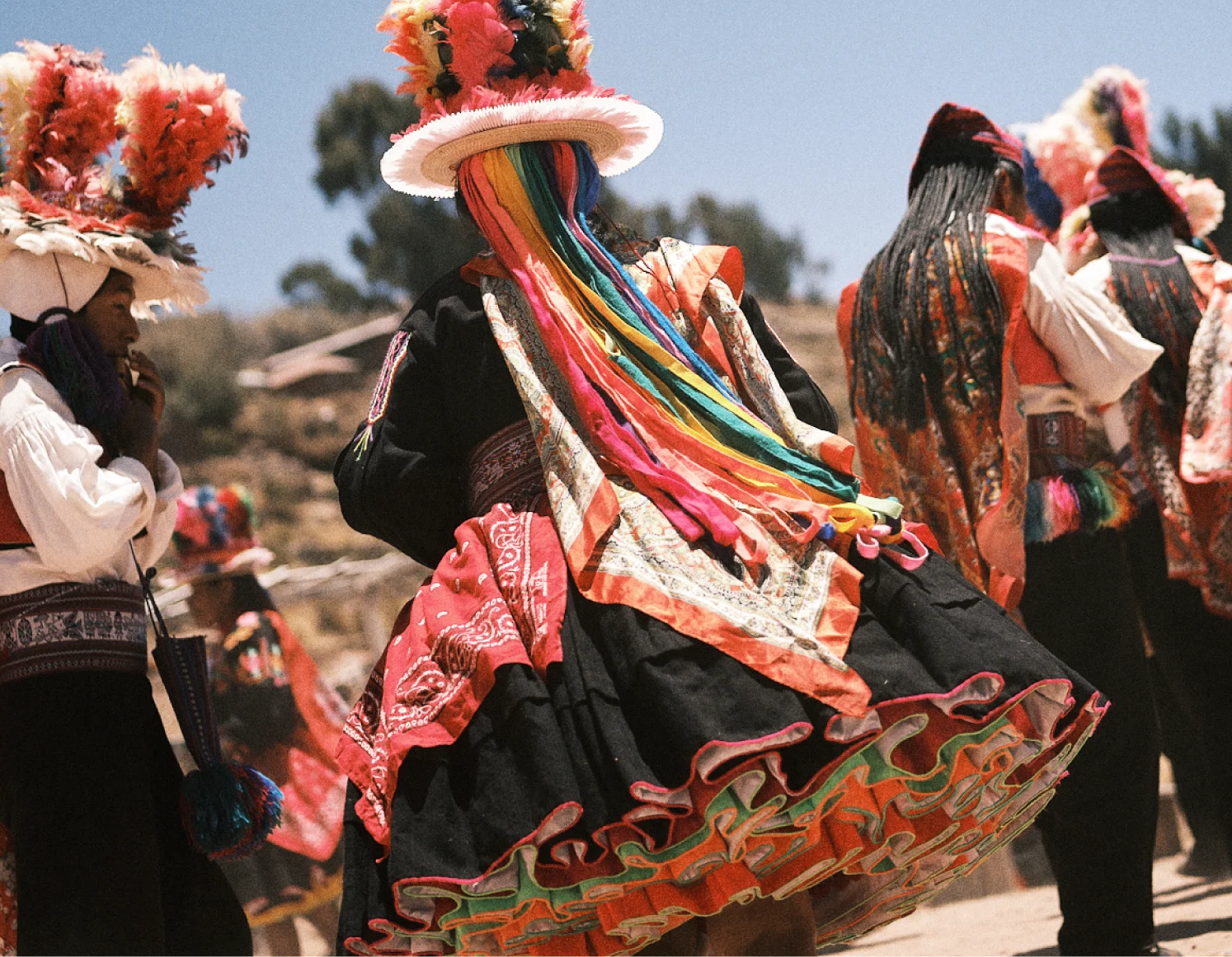
Peru’s Textile Traditions with David Prior
Peru’s Textile Traditions with David Prior

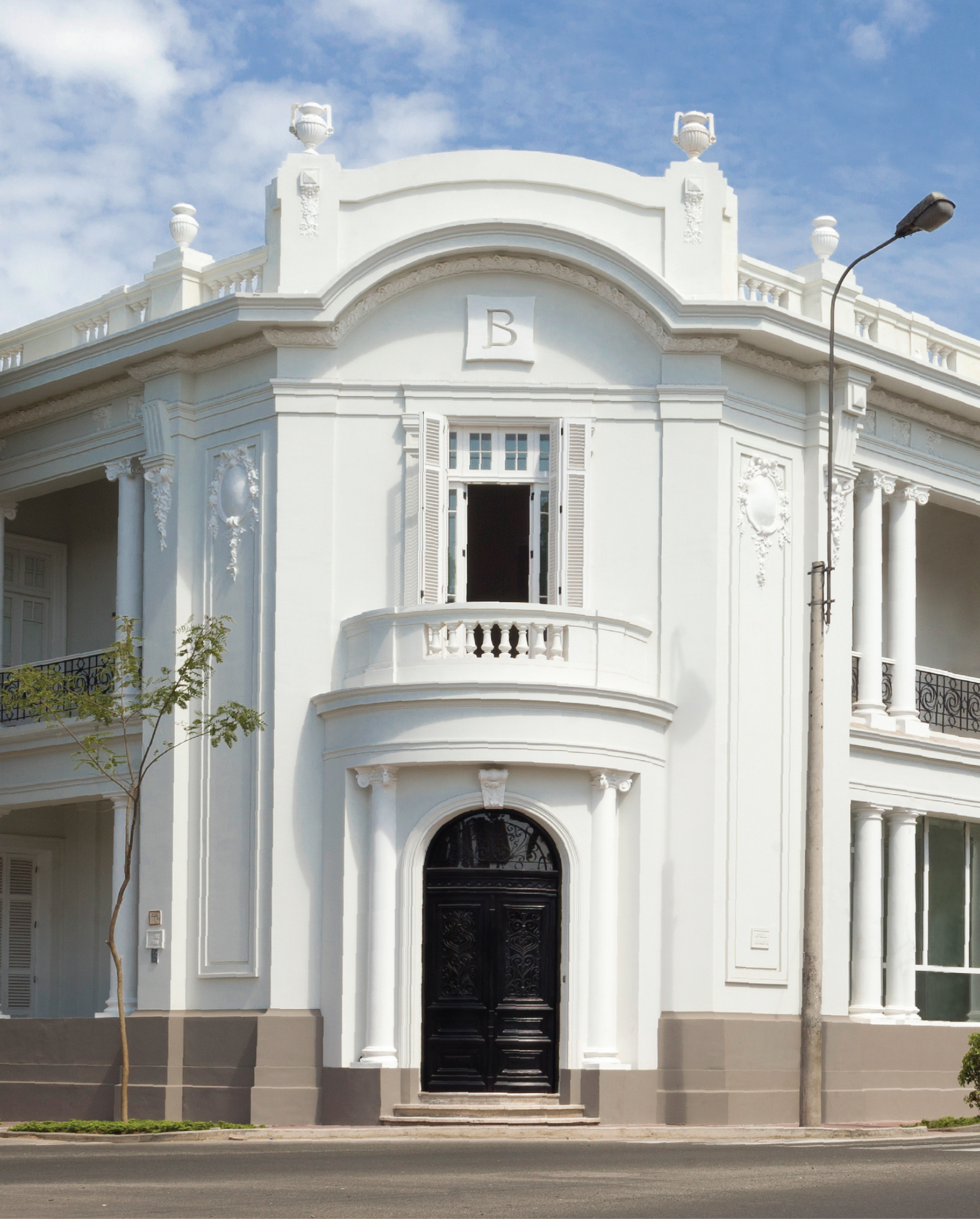
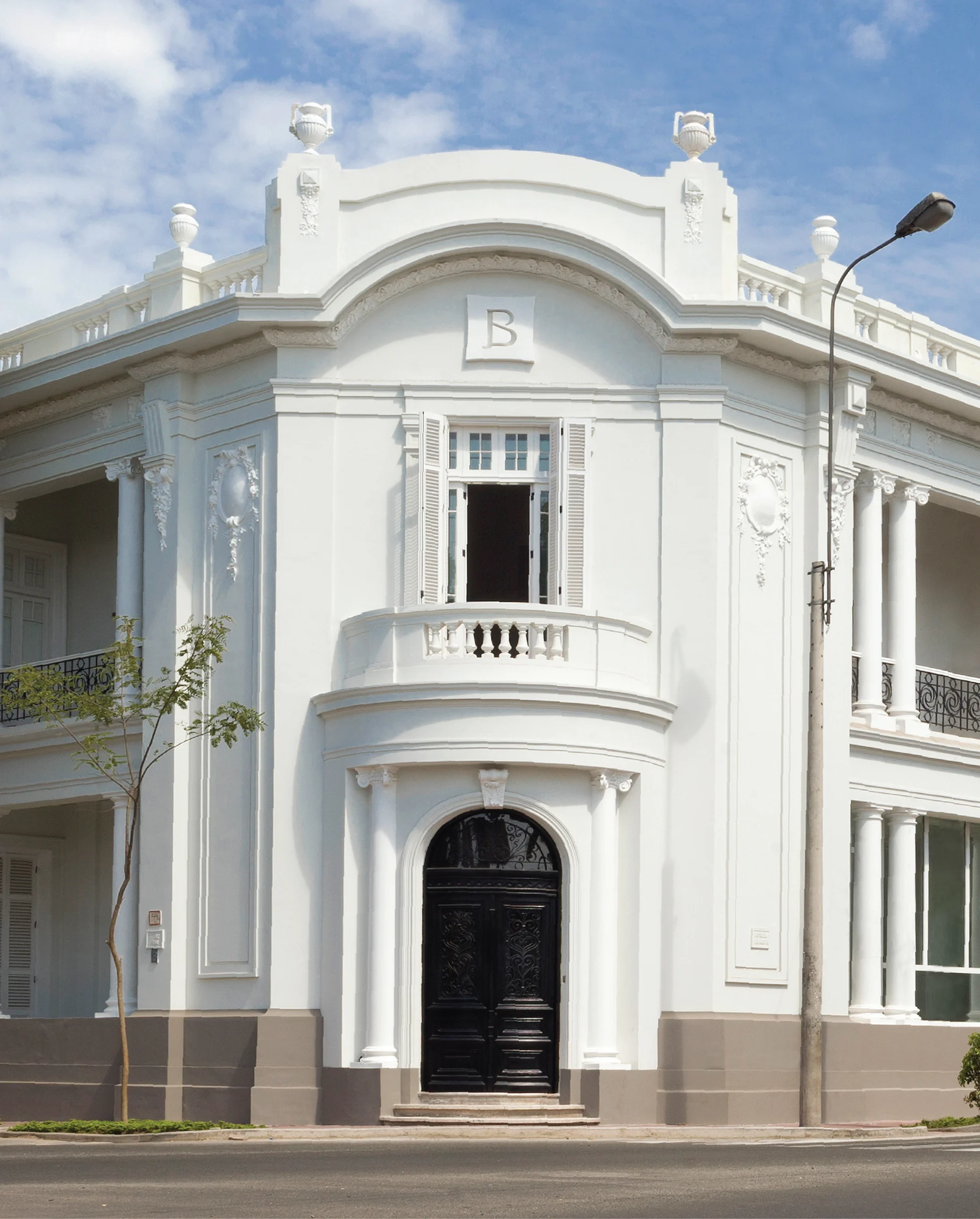
This restored 1914 mansion in Barranco is part boutique hotel, part showcase for contemporary Peruvian art.
Read More
From vicuña wool once reserved for Incan royalty to raincoats sealed with sap from the Amazon, Lima's designers are creating fashion that could only come from Peru.
Read More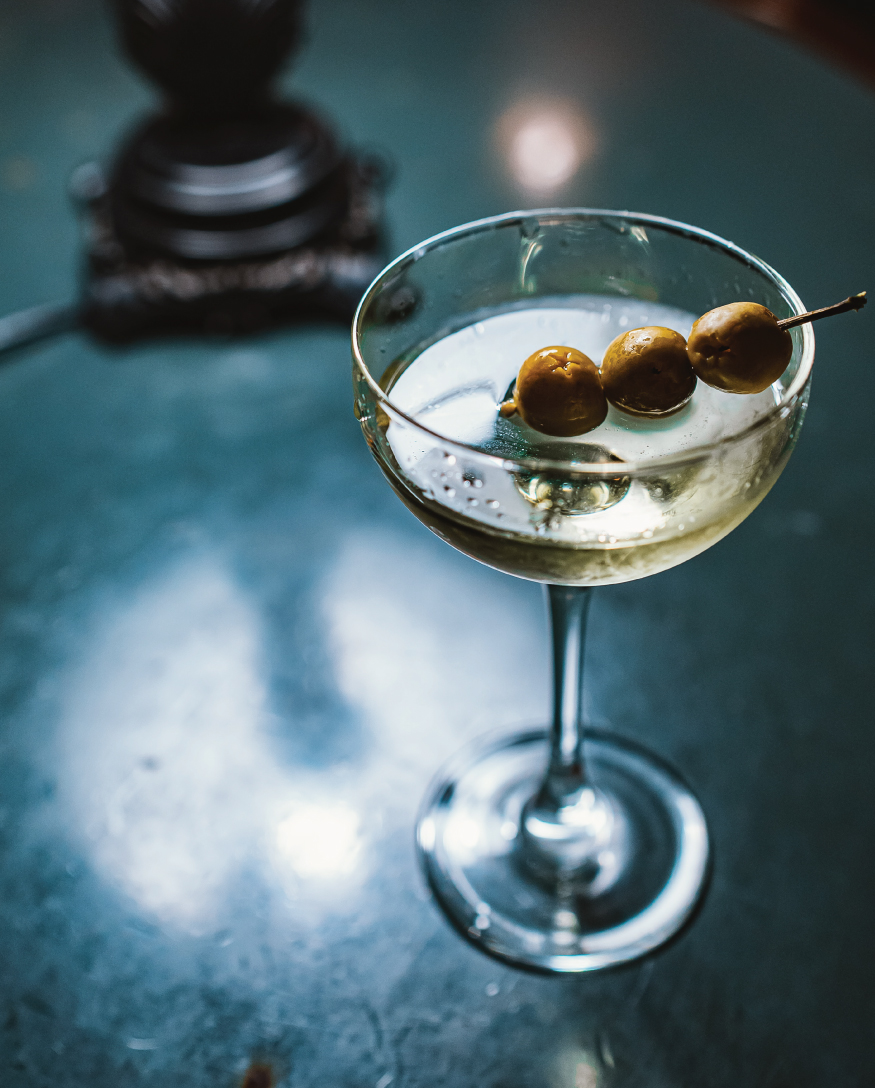
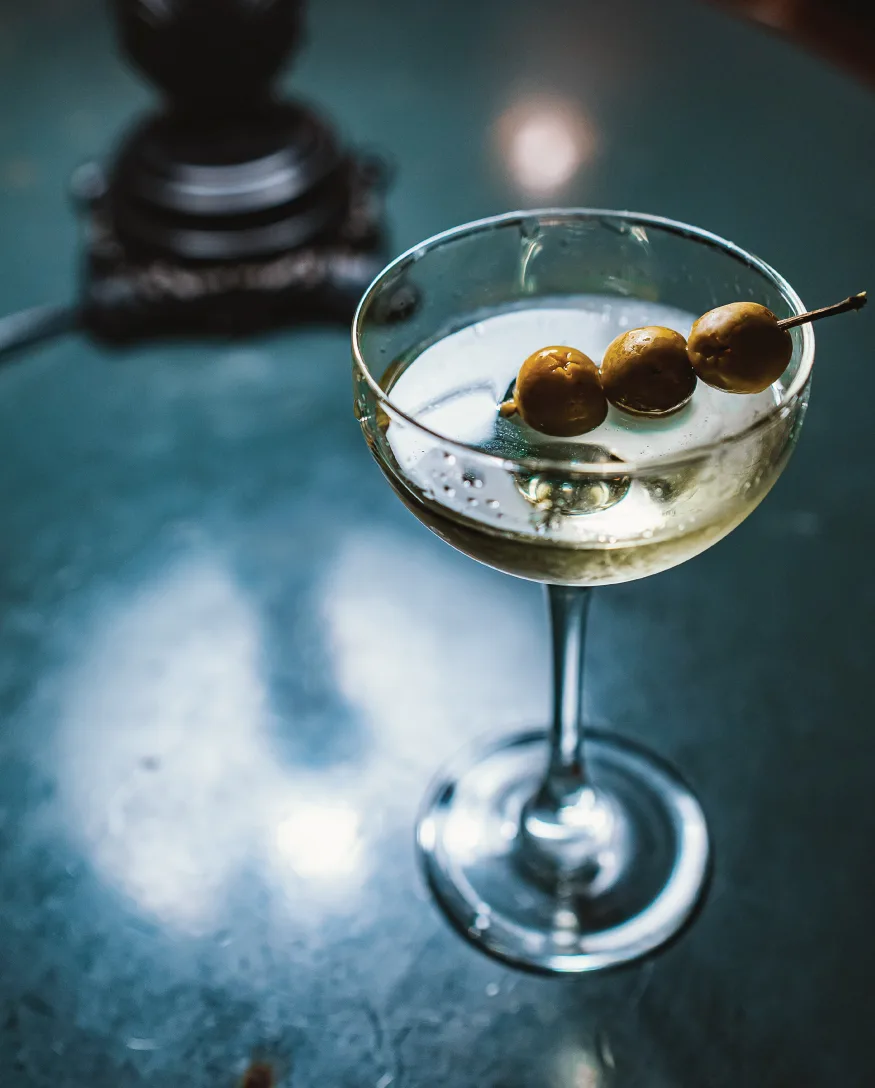
A group of local-minded distilleries, progressive pisco bars and secret speakeasies in the Peruvian capital are harkening back to the country’s golden age of cocktails.
Read More