You are reading one of your eight free articles for the month.

Inside the Itinerary: Patagonia’s Land of Fire With Marcos Villamil

Meet the Argentine horseman leading our upcoming journey through Tierra del Fuego.

Category:Adventure
Words by:PRIOR Team
Photography:Francesca Avventi
PublishedJune 23, 2026

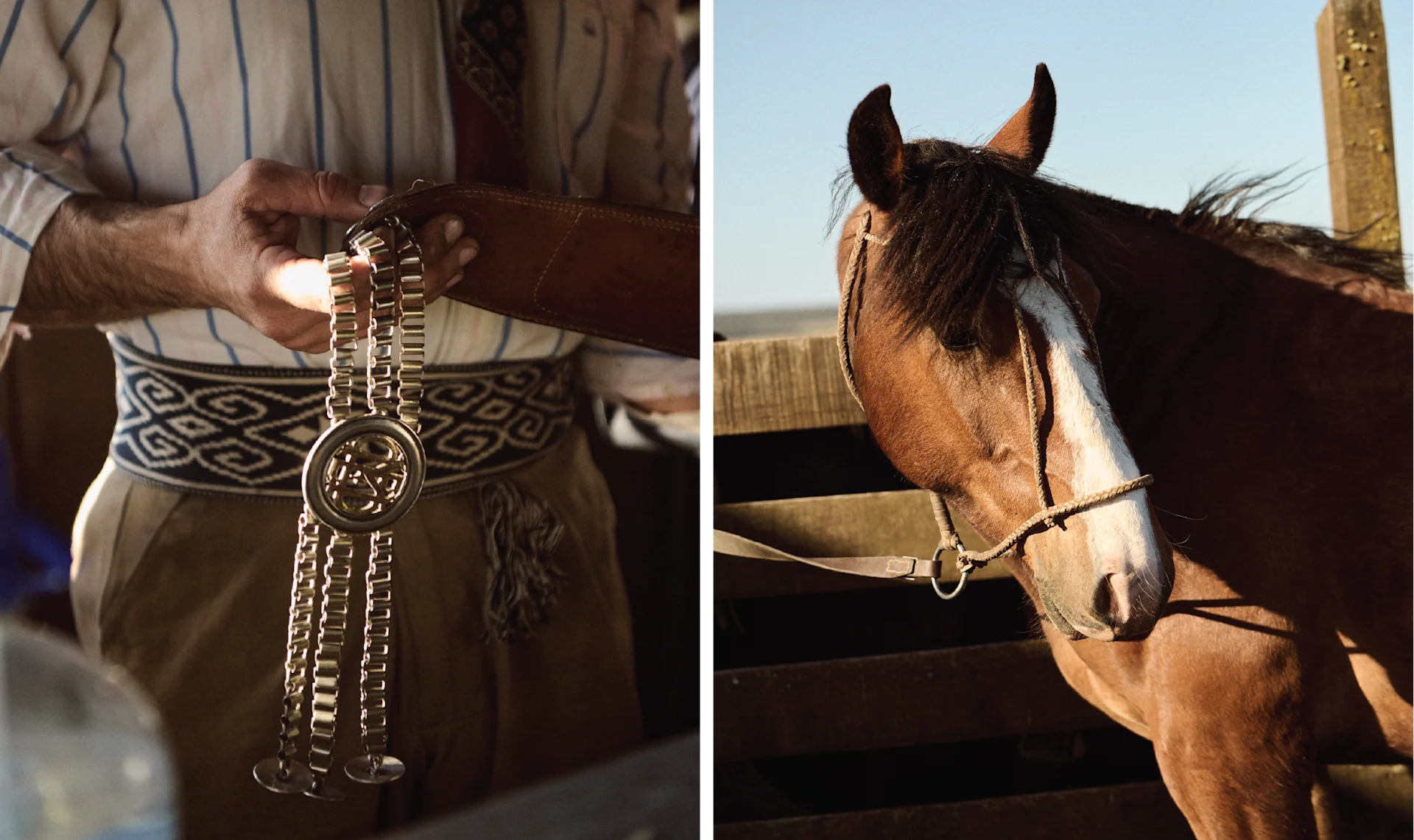
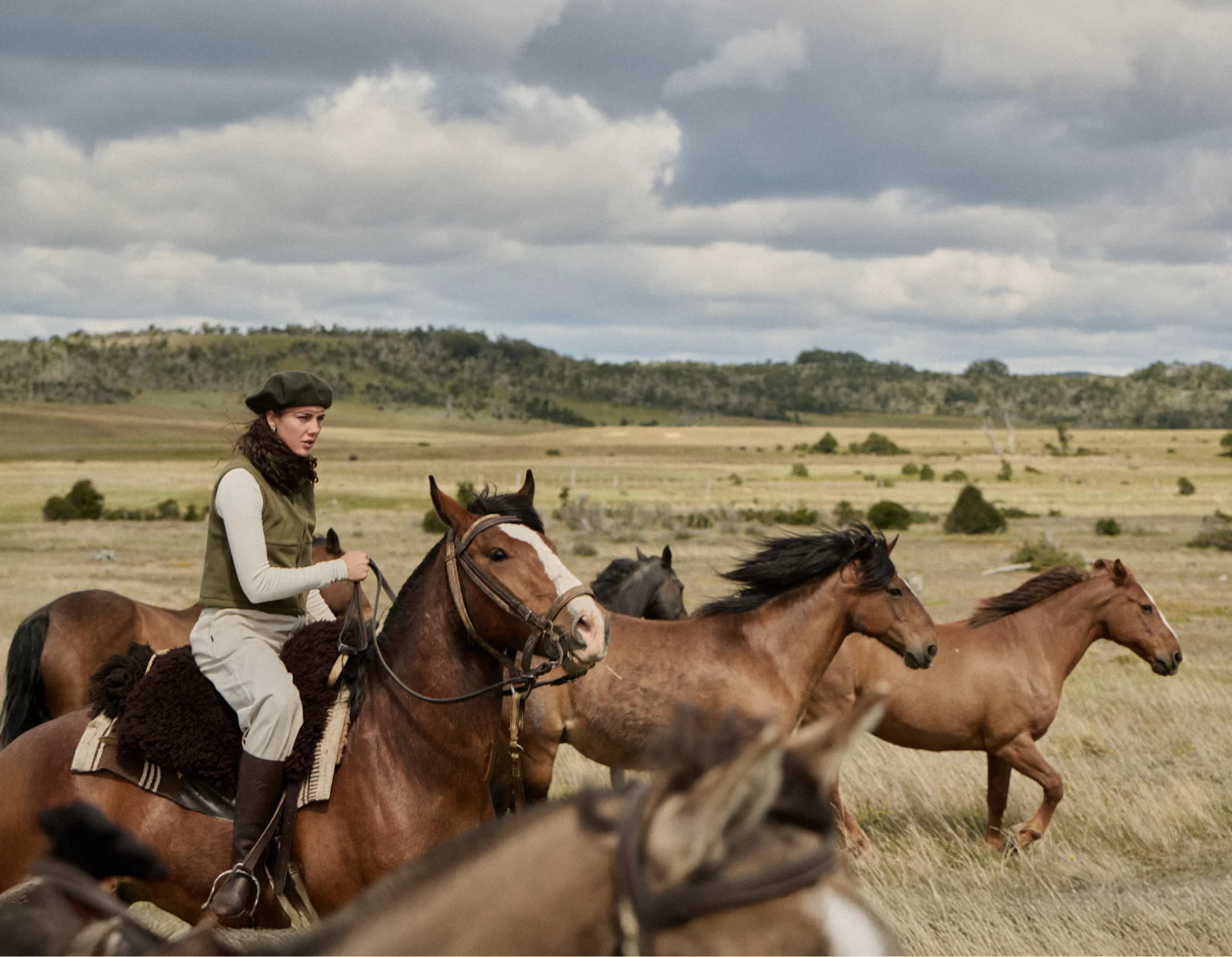
When most people think of Patagonia, they picture sprawling glaciers and granite pinnacles—the postcard version. It is spectacular and it is real, but it’s only one version of the land. At the southern tip of South America, separated from the mainland by the Strait of Magellan, there is another Patagonia: Tierra del Fuego—the Land of Fire—is steppe, river, wind, and sky. Fewer people live here than almost anywhere else in Argentina. The landscape shifts from open grassland to lenga forest to snow-capped mountains. Local guide Marcos Villamil spends months on end here. Though he was born and raised in Buenos Aires, he feels most at home on his family’s farm three hours away. “I’ve always been with horses,” he says. When he was 19, Villamil completed his first 200-mile journey. He would eventually spend 15 months on horseback, crossing 6,000 miles and the full length of Argentina.

The continental stretch of Patagonia took him four months. The island of Tierra del Fuego took eight days. He saw the same range of landscape in both. “It’s like a compressed Patagonia,” he says. “In such a short distance, you see all the landscapes—the steppe, the open fields, the rivers, the yellow grass. Then…the forest starts, and then the mountains.” He has been returning ever since and is starting to settle there permanently. “It’s pretty much the end of the world,” he says.

The name dates to the 1500s. When Portuguese explorer Ferdinand Magellan entered the strait at the island’s northern edge, he saw fire everywhere—in floating canoes belonging to Yagán fishermen, in massive pits built along the shores by the Selk’nam tribe—all of it reflecting off the sea. He called it Tierra del Fuego, and the name stuck. So did the island’s isolation. For centuries, the communities here were slow to give up old ways, largely because there was no pressure to. After colonization, sheep farming became the dominant trade, with estancias running tens of thousands of animals across vast tracts of land.

1 /

Villamil lives and works at Estancia San José, a private property on 20,000 acres that was owned by the late media mogul Ted Turner. As Villamil tells it, Turner came for the fly fishing and stayed for the conversation. The Río Grande, which runs through the property, is one of the most important sea trout rivers in the world. “He took out all the fences,” Villamil says. “There are plenty of guanacos—this small llama we have on the island—everywhere. Ted would come, enjoy seeing the guanacos, and go fly fishing.” Turner kept the land intact rather than developing it. Five years ago, Villamil’s partner, Nicolás Pisarenko, bought the estancia. It is now a working farm with some cattle and a small remaining flock of sheep, tucked on a piece of land that has stayed whole because someone wanted to keep it that way.

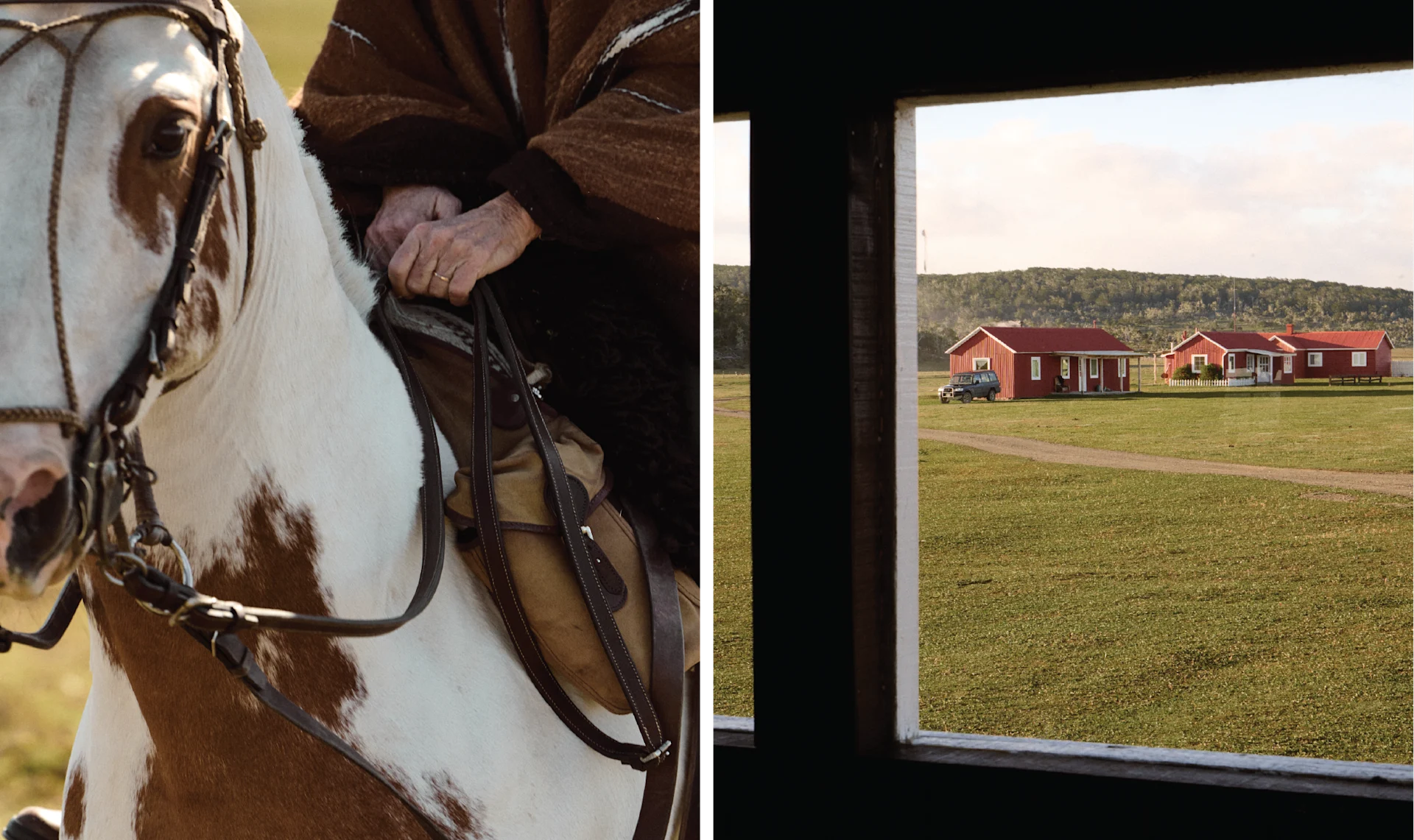
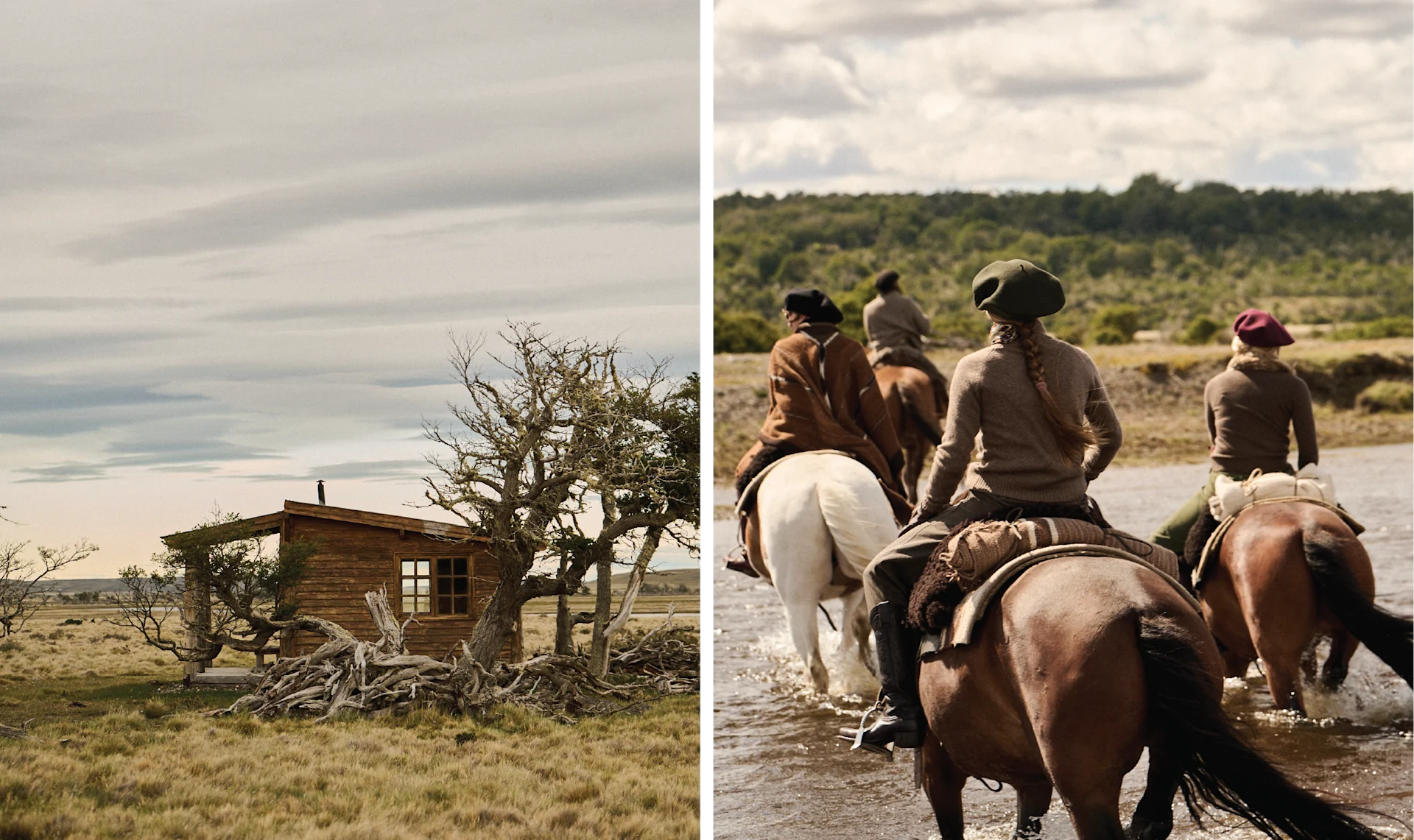
Accommodations are wooden cabins built in the local vernacular: comfortable, simple, and a long way from anything resembling a hotel. The center of gravity is a renovated shearing shed that’s over a century old. “It’s our common space,” Villamil explains. “It’s that combination of lying on the couch and chatting with a fire in the background, and from the window seeing the shed that has 100 years of history, where all these gauchos used to shear the sheep, and at the same time, feeling like you’re visiting a friend from far away.” Gourds filled with steaming yerba mate are passed around as the chef talks through the next meal.

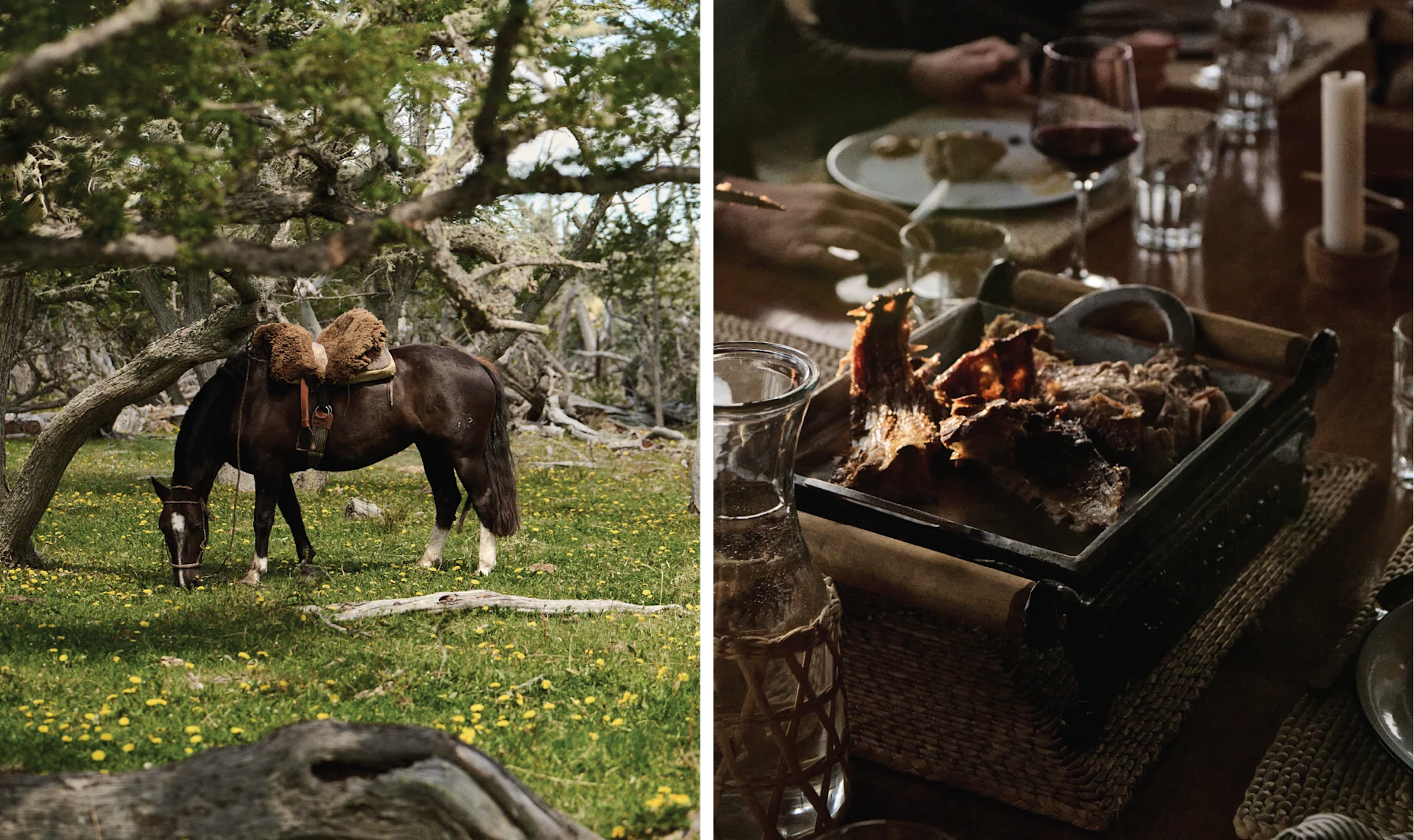
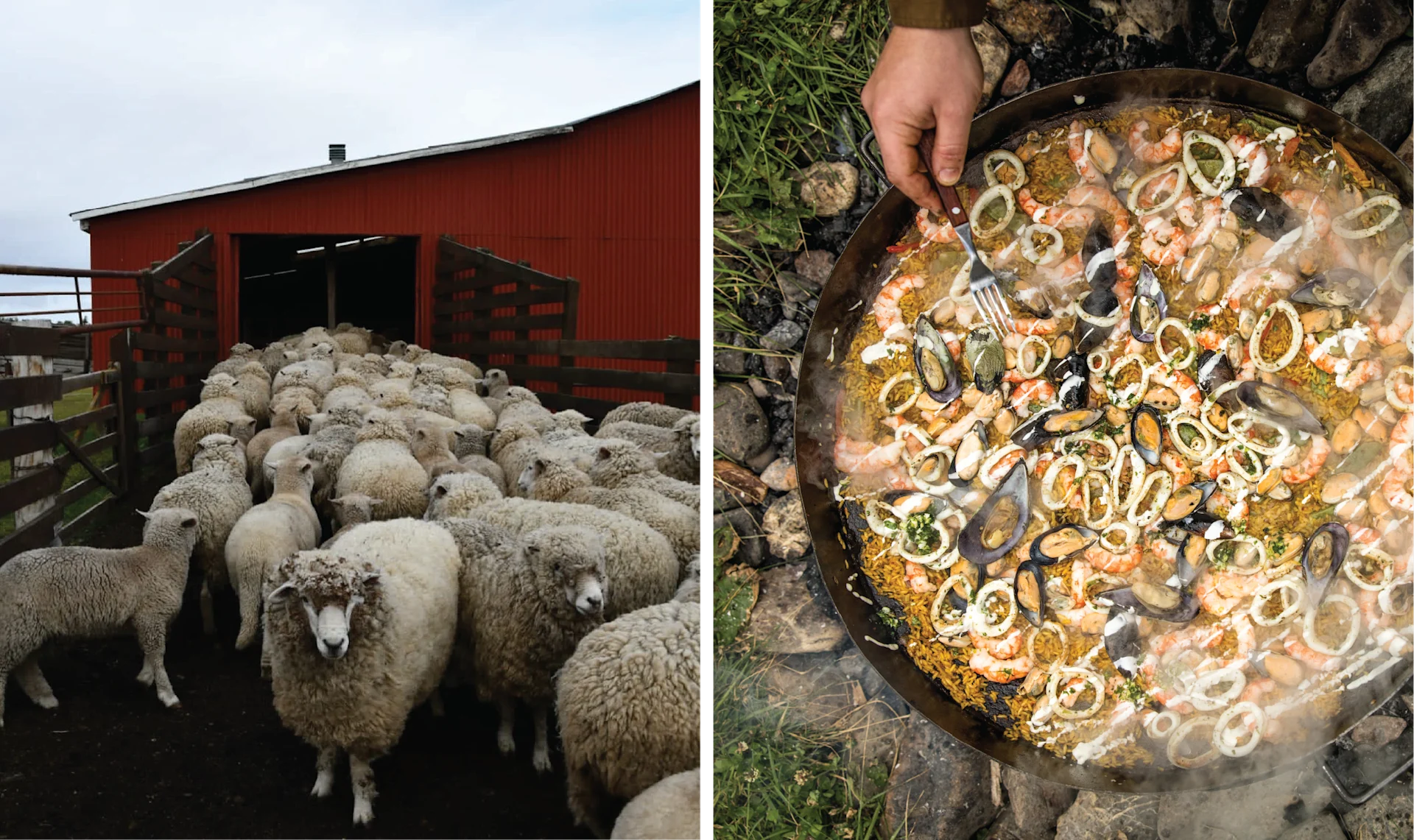
When speaking about the upcoming PRIOR journey Villamil is hosting in January, he returns to Tierra del Fuego and its effect on people. “The wilderness is absolutely mind-blowing,” he says. Days at the estancia are unhurried but varied. Mornings might begin with a horseback ride along the river, Villamil leading the group across open steppe and into lenga forest, the terrain changing underhoof every half hour. The rides finish with an outdoor feast: The chef builds a fire by the water and serves grilled trout pulled from the Rio Grande that morning or a paella steaming in cast iron.

1 /

This is an angler’s paradise, and January is peak season. But if fishing isn’t for you, there’s hiking, yoga, stargazing under inky skies, and ample opportunity for contemplation, like sitting in the barn by the fire or watching the clouds.

Fittingly, food here runs on fire. Cordero al palo—whole lamb splayed on an iron cross and slow-cooked over open flame—is a staple and is prepared by the estancia’s chef, served alongside empanadas, grilled vegetables, and chimichurri made from scratch. If you’re curious about the mechanics of cordero al palo, the chef will show you how to tie the lamb to the cross, how long the embers need, and how to tell when it’s ready. Meals happen outdoors whenever conditions allow, or around a long table inside the barn when they don’t.

In January, we will also visit Estancia María Behety, a historic sheep ranch with one of the largest shearing sheds in the world, where tens of thousands of sheep are shorn in a matter of days. Shearing was once Tierra del Fuego’s economic backbone—a trade that used to sustain entire communities—but it’s now in decline, and witnessing it is a rare privilege. “Words can’t explain places like this,” Villamil says.

PRIOR’s group journey, Two Argentinas: From Buenos Aires to Patagonia’s Southern Tip, runs January 3–11, 2027. For details, visit the trip page or contact sales@priorworld.com.

Two Argentinas: From Buenos Aires to Patagonia’s Southern Tip

January 3–11, 2027

LEARN MORE

From $16,975

PRIOR
Already a subscriber?Sign in here