For years, booking a hotel in China meant making a choice: You could either stay at a polished but anodyne hotel chain or take a gamble on a smaller, more distinctive stay where service and comfort weren’t always a given.
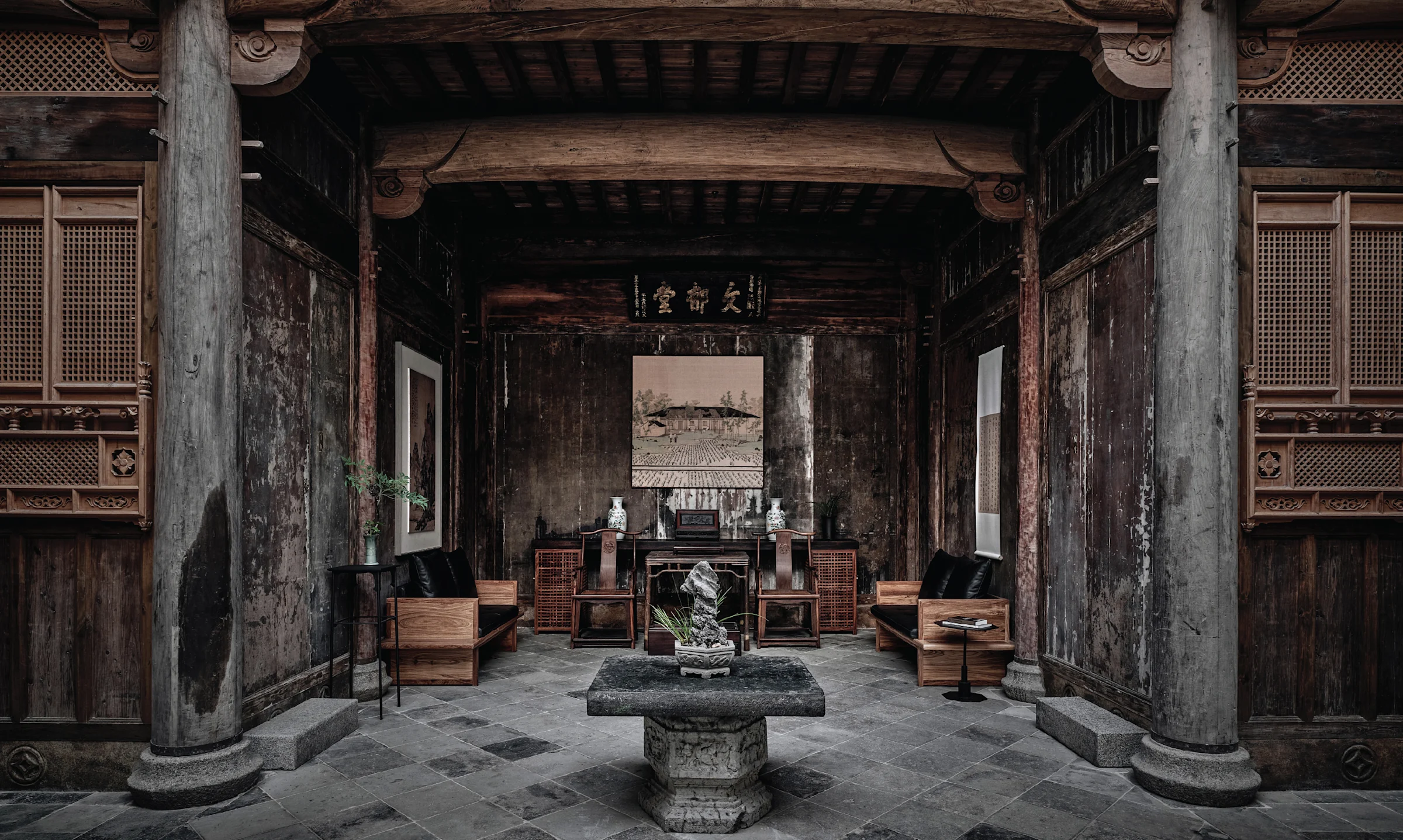
That trade-off is disappearing. Across the country, a crop of new hotels is turning old hospitals, Tibetan homes, and historic courtyard houses into refined stays that are tightly tethered to their surroundings. Surprisingly, many are still virtually unknown outside China, booked more often through WeChat and Xiaohongshu than Western travel platforms. Some don’t have a website at all.
For first-time visitors especially, China, in all its vastness, can feel daunting to navigate. These properties help close that distance, steering guests toward places and experiences seldom seen in guidebooks. Breakfast might be Bai-style pea porridge beside Erhai Lake. An afternoon could involve sipping butter tea with herders or wandering a monastery with a monk as your guide. Even basic recommendations, like where to grab a local pastry or take a scenic hike, often come straight from the hotel owner.
Of course, the occasional cultural curveball is still to be expected: a disposable bathtub liner in the bathroom, perhaps, or braised pigs’ ears left as a turndown snack. But those moments are also part of what makes these hotels feel so distinctly Chinese.
Sisan
Main Street, Shuanglang Town, Dali City, Yunnan
+86-872-2530888
Dali, a Yunnanese haven for big-city burnouts escaping China’s grueling “996” work culture, has no shortage of hotels. But few can match the design credentials or waterfront setting of the 14-room Sisan in Shuanglang, a historic fishing village on the northeastern shore of Erhai Lake.
Conceived and recently refurbished by Chongqing-based designer Xie Ke, the hotel draws on the traditional architecture of the local Bai community, with sloping tiled roofs, lime-plaster walls, and a U-shaped courtyard opening onto the lake. Guest rooms pair Xie Ke’s signature earthy palette with European flea-market finds, beds draped in creamy linen, and neat stacks of coffee table books from the designer’s personal collection.