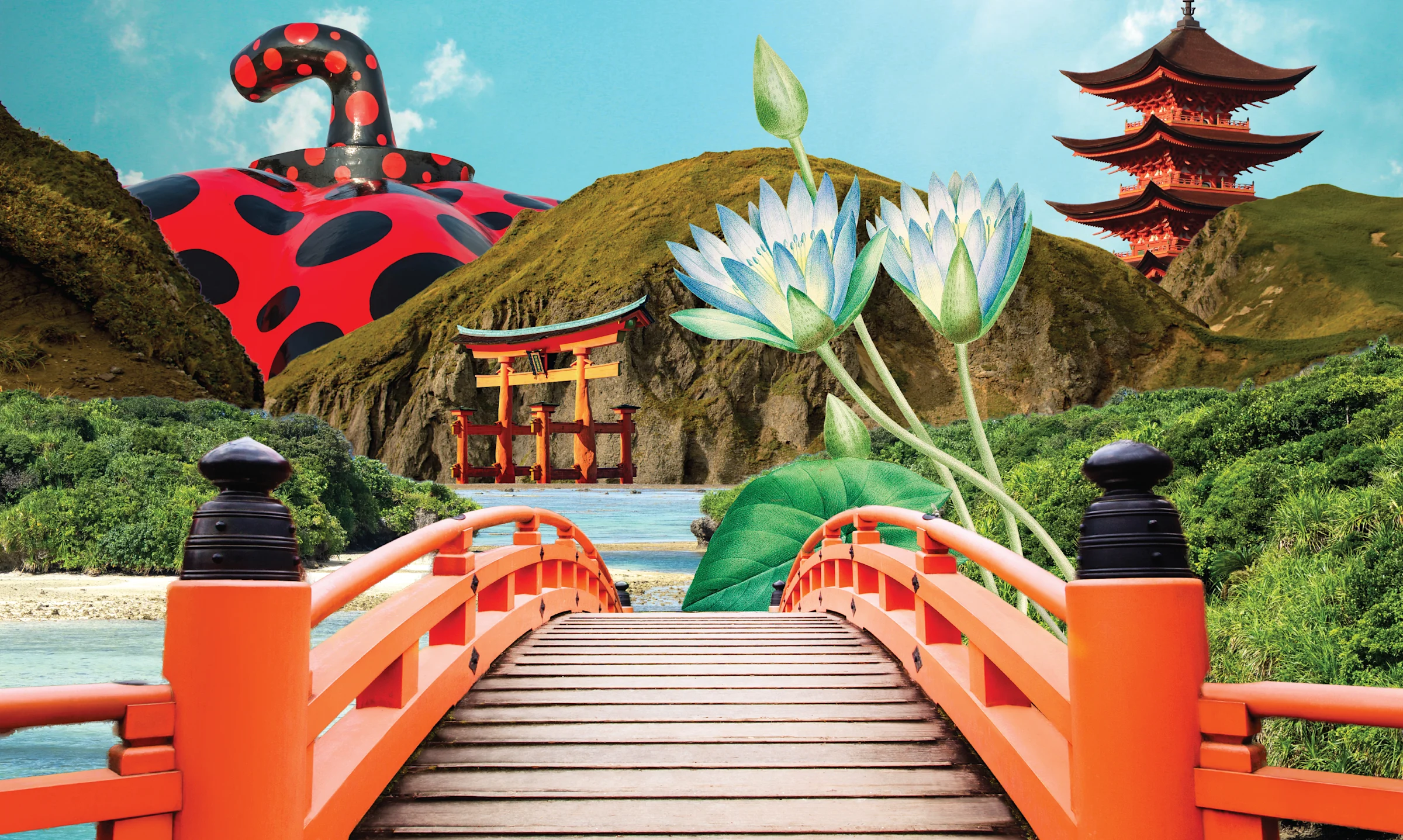
Japan has 14,125 islands, but most travelers barely venture beyond the largest, Honshu, and its Tokyo–Kyoto–Osaka corridor. That’s a missed opportunity: Offshore, the country splinters into smaller self-contained worlds. There are cedar forests older than the Roman Empire, sleepy ports where squid hang in the ocean air to dry, mud-dyed silk woven nowhere else, and museums reached only by ferry. Each island seems to magnify a different facet of Japan, making it possible to experience the country’s diverse cultures and landscapes one crossing at a time.
So which island are you? Whether you're a serial craft collector, a forest wanderer, an insatiable oyster eater, or the type who'll happily disappear for hours in a museum, these are the Japanese islands that deserve a place on your itinerary.
Japan Through Craft
Japan Through Craft
For the Tropical Escapist: Miyakojima
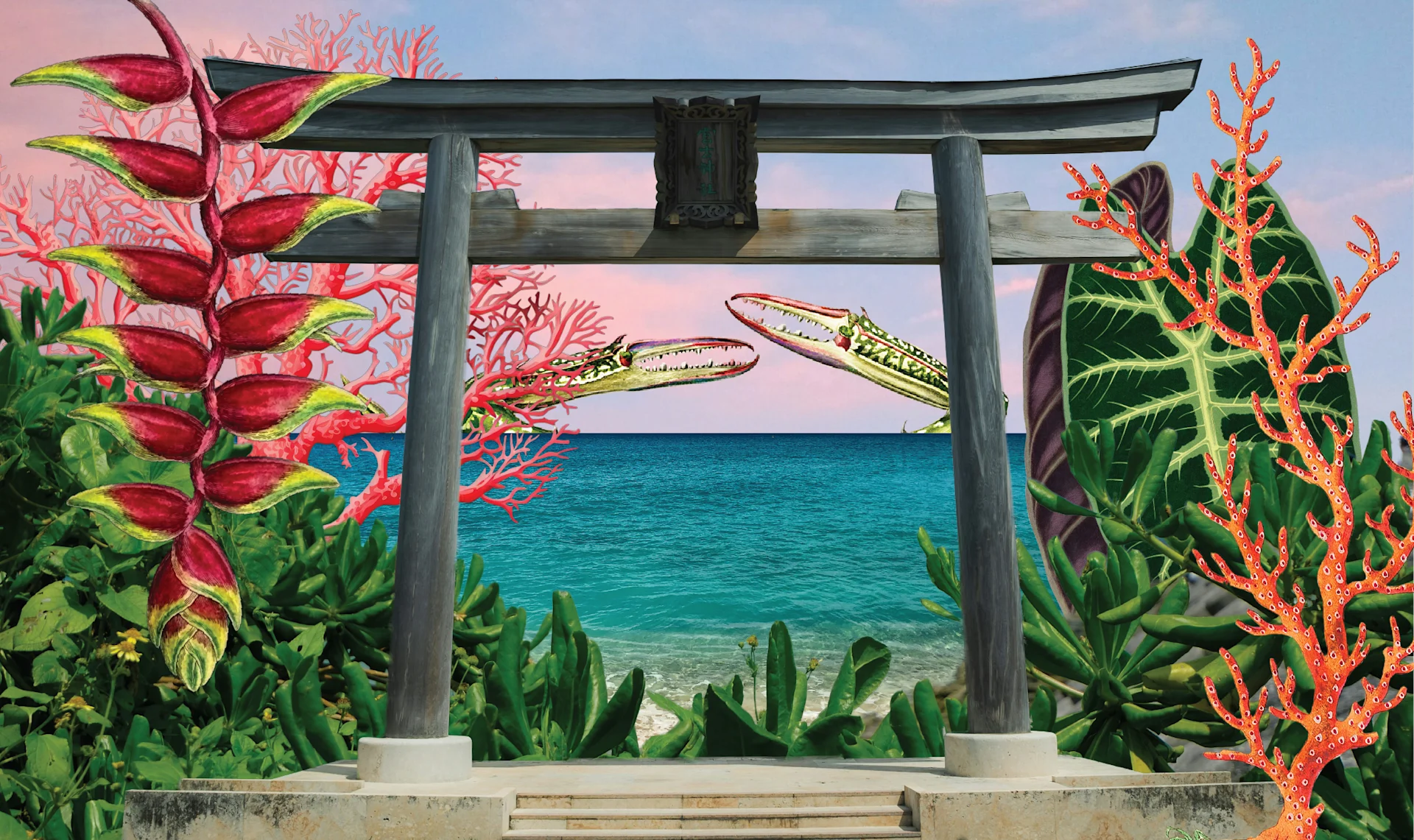
Miyakojima feels almost implausibly tropical. Thanks to its lack of major rivers, there’s little sediment to cloud the sea, giving rise to the impossibly clear “Miyako Blue” water that has become the island’s calling card. Spend your days snorkeling coral reefs, driving across Japan’s longest toll-free bridge to Irabu Island, and hopping between beaches like the seven-kilometer stretch of white, powdery sand at Yonaha Maehama and the rock-arched cove at Sunayama. Between dips, stop for a bowl of Miyako soba, the island’s signature noodle soup, or let the juices of a famously sweet Miyakojima mango drip down your arm.
For the Craft Collector: Amami Ōshima
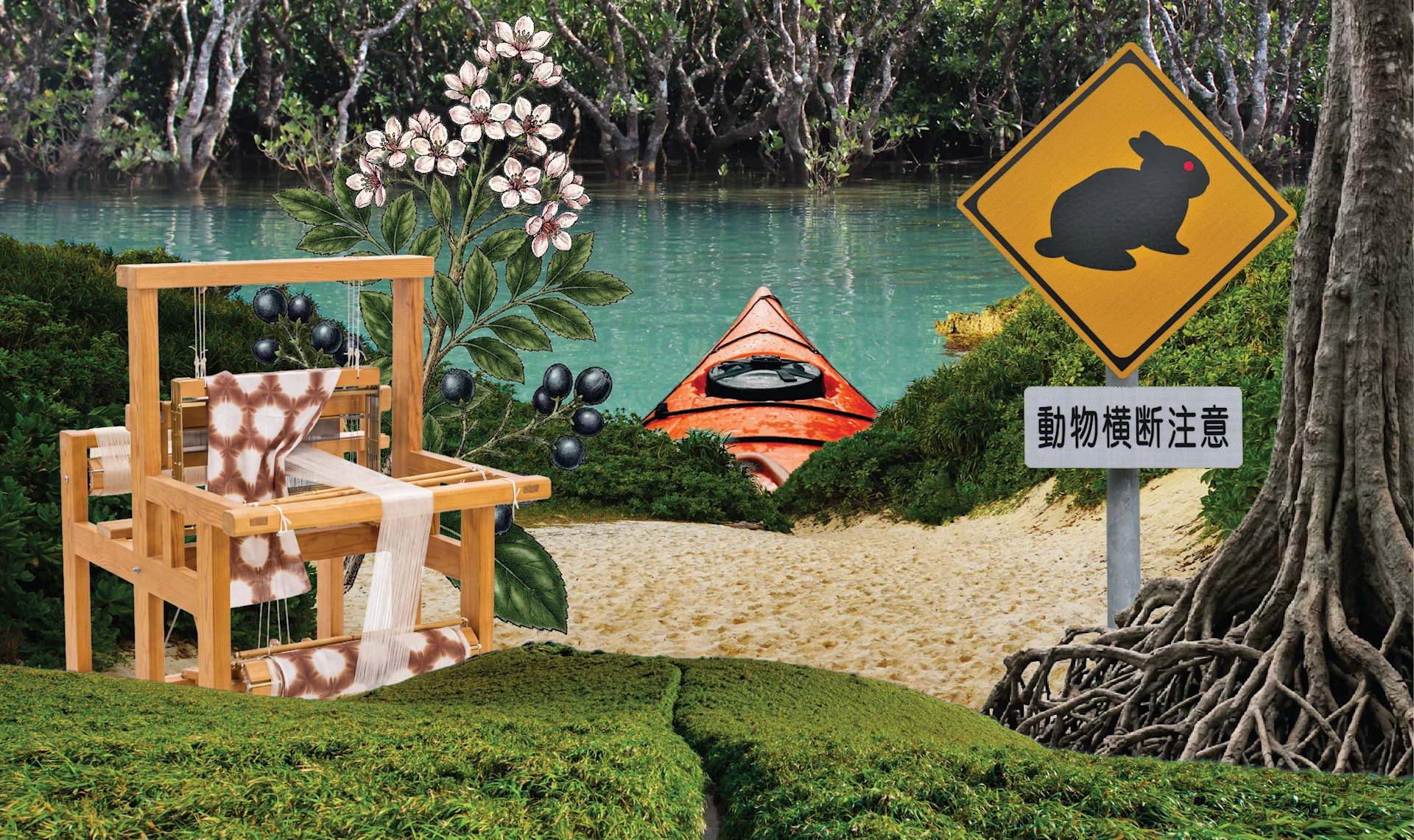
For all its subtropical beaches and mangrove forests, this island stands out most for its Ōshima tsumugi. The celebrated silk tradition dates back more than 1,300 years; the fabric’s distinctive earthy tones are achieved by repeatedly dyeing the fabric with sharinbai (Japanese sumac) wood before dunking it in iron-rich mud. Tour workshops where artisans still work by hand, then explore a landscape every bit as singular as the local craft, from mangrove channels to forests inhabited by the endangered Amami rabbit.
For the Museum Marathoner: Naoshima and Teshima
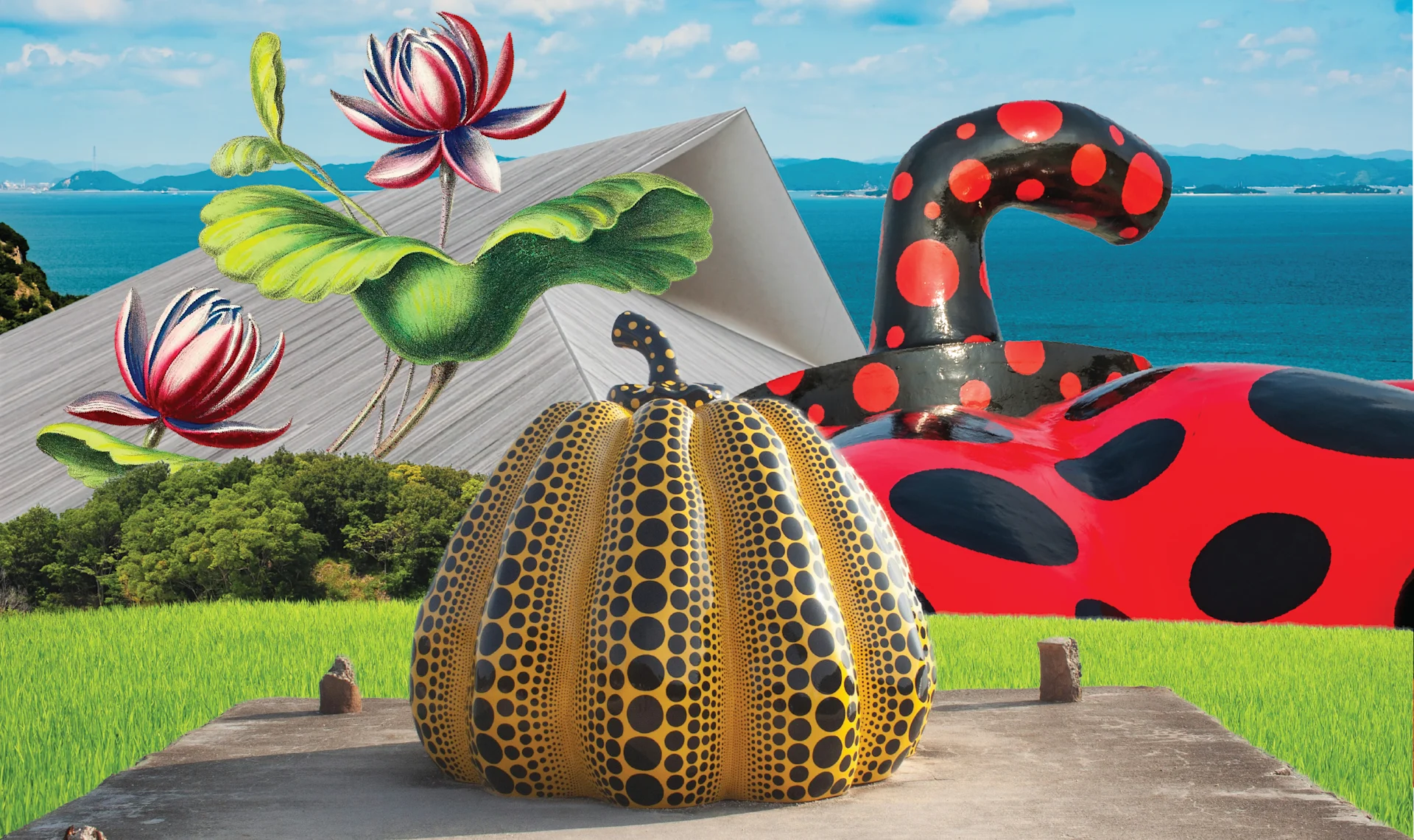
Naoshima may be Japan’s best-known art island, but together with neighboring Teshima (and Inujima), it’s one of the country’s most rewarding pilgrimages for lovers of contemporary art and architecture. Spend a few days ferrying between artist Yayoi Kusama’s polka-dotted pumpkins, fishing homes-cum-permanent artworks, and the Teshima Art Museum, where water droplets gather and glide across a shell-like concrete floor. And with the 2025 opening of Tadao Ando’s Naoshima New Museum of Art, even returning visitors will want to make the crossing. Many of the installations prohibit photography, making them especially rewarding in an age when art exhibitions can often be explored from the sofa.
For the Canopy Dweller: Yakushima
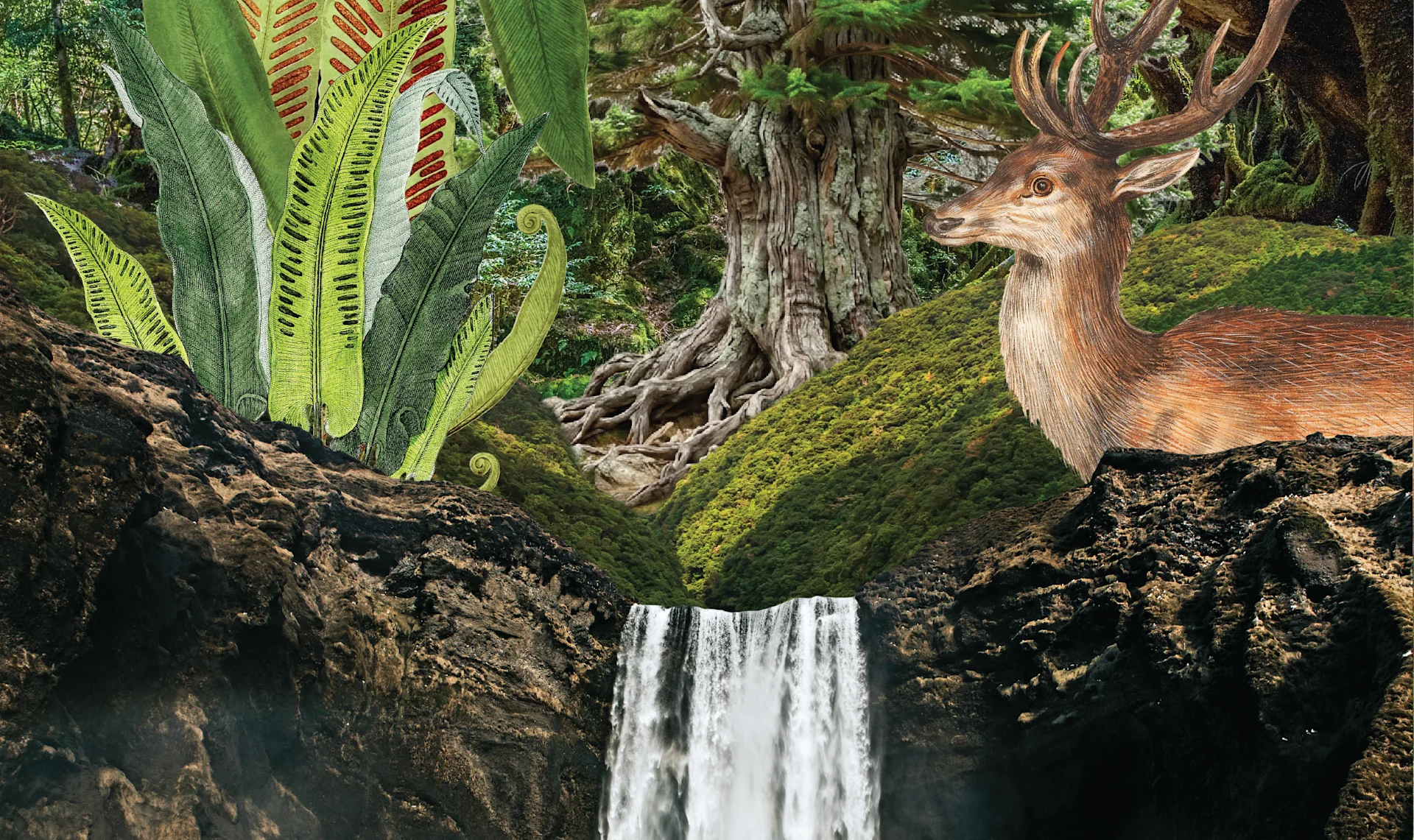
Off southern Kyushu, Yakushima is the kind of place where you’d expect a kodama—a spirit believed to live in ancient trees—to emerge from the mist. More than a fifth of the island is UNESCO-protected, and its yakusugi cedars are ancient; the oldest known specimen, accessible only by a 10-hour round-trip hike, is Jōmon Sugi, which could be up to 7,200 years old. For something less punishing, Shiratani Unsuikyō offers moss-blanketed boulders, picturesque stream crossings, and cedar forests within minutes of the trailhead; the forest famously helped inspire the setting of animated film Princess Mononoke. Between March and November, the final approach to the Arakawa trailhead is by shuttle bus, a measure designed to reduce traffic through the precious landscape. Insider tip: Stay at least two nights; the weather changes hourly.
For the Wildflower Wanderer: Rebun
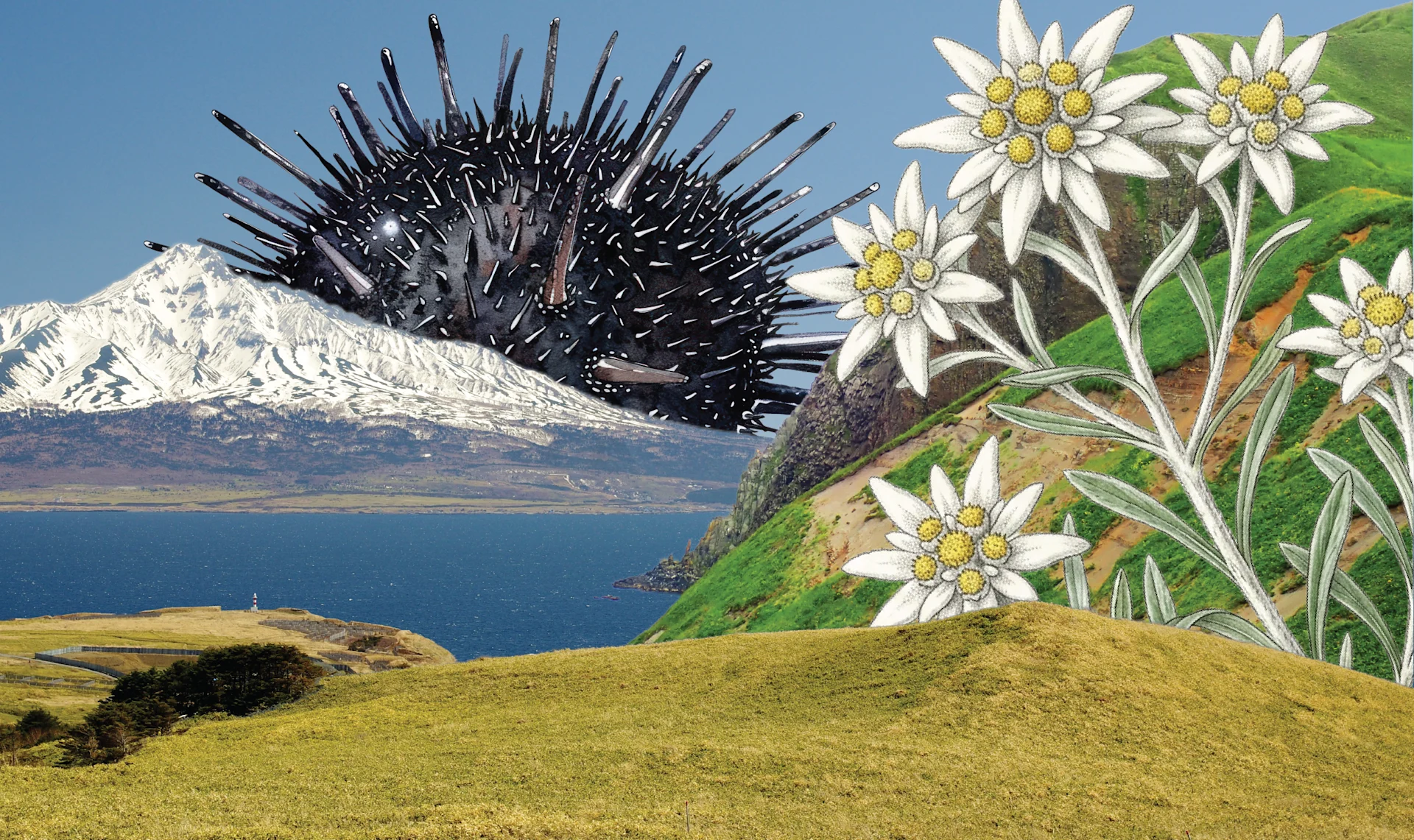
On Japan’s northernmost inhabited island, off the tip of Hokkaido, alpine wildflowers bloom at sea level—a quirk of the island’s cool maritime climate. The Eight-Hour Course (Rebun’s signature trail) winds past flower-filled meadows, dramatic sea cliffs, and windswept capes overlooking the Sea of Japan, while shorter sections offer more leisurely walks. Back in town, order bafun uni (sea urchin) and Rebun kombu, the island’s prized kelp, then watch the sun disappear behind the near-perfect cone of Mount Rishiri come nightfall. For the most colorful blossoms, time your trip for June or July.
For the Temple-Hopper: Miyajima
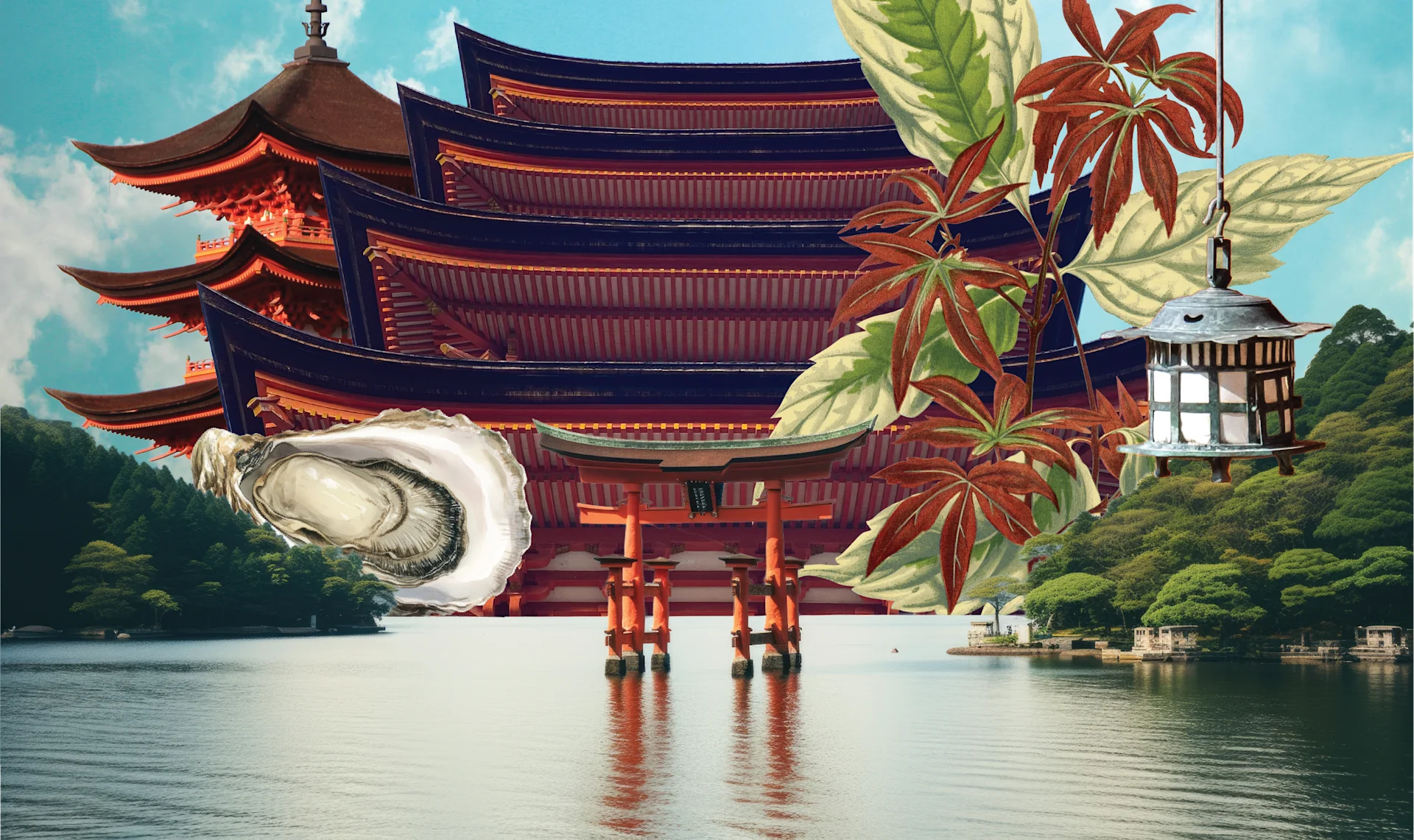
Most travelers give Miyajima—best known for the floating torii (gates) of Itsukushima Shrine—an afternoon. But it’s worth staying the night: Once the last ferry departs, Daishō-in’s moss-covered paths empty, lanterns glow in the evening light, and the island feels quiet and meditative. Wake early to hike Mount Misen (or jump on the ropeway) before a light lunch of oysters harvested from Hiroshima Bay.
For the Nostalgic Japanophile: Sado
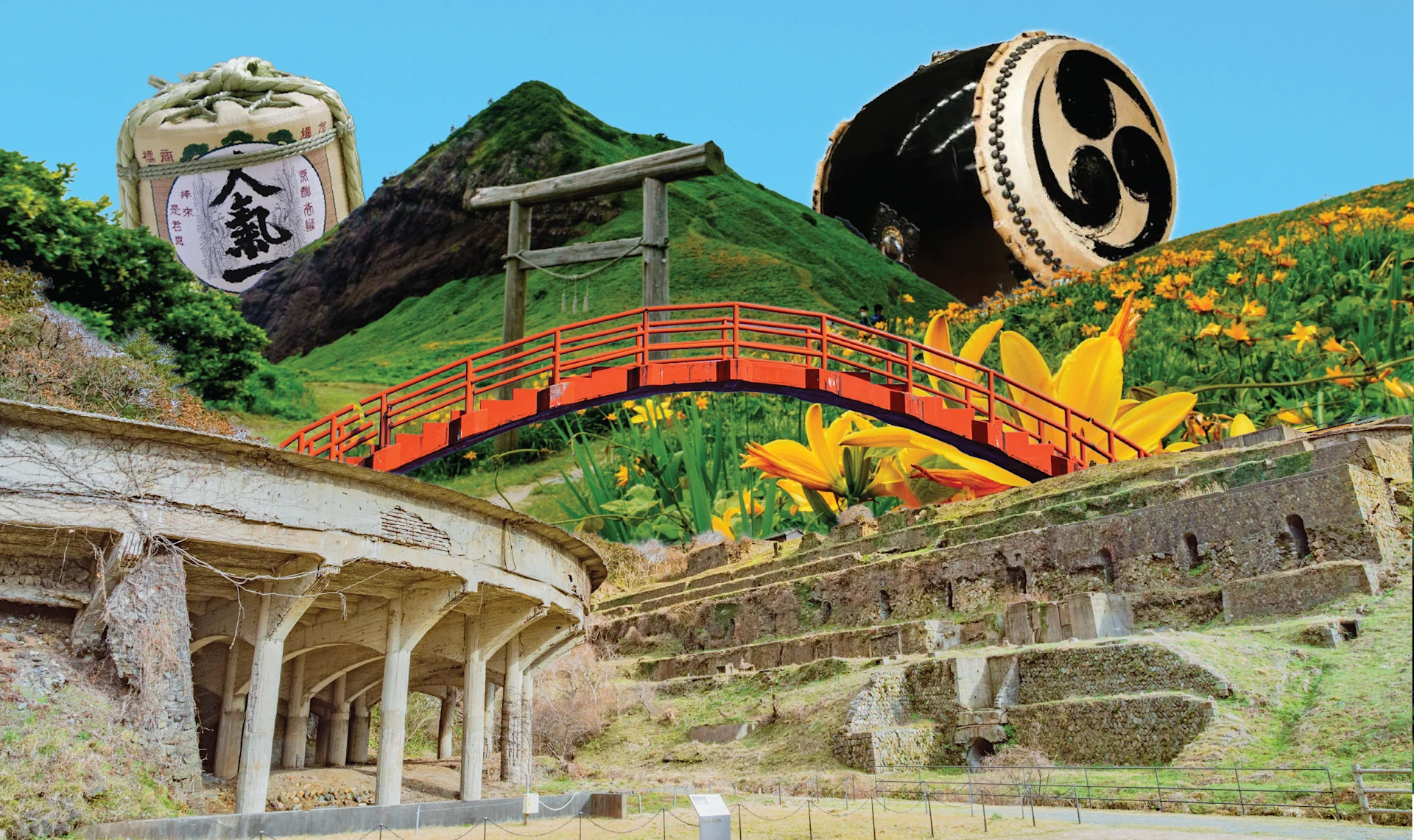
Sado is one of the few islands in Japan where the biggest attraction isn’t a temple but a mine. The recently UNESCO-listed Sado Kinzan Gold Mine preserves a vast network of tunnels and workings, while above ground, the former shipbuilders’ settlement of Shukunegi stands as a maze of weathered houses built by local shipwrights. Stay the night for seafood hauled from the Sea of Japan and sake from Obata Shuzō—or time your visit for Kodo’s annual Earth Celebration.
For the Omakase Enthusiast: Iki
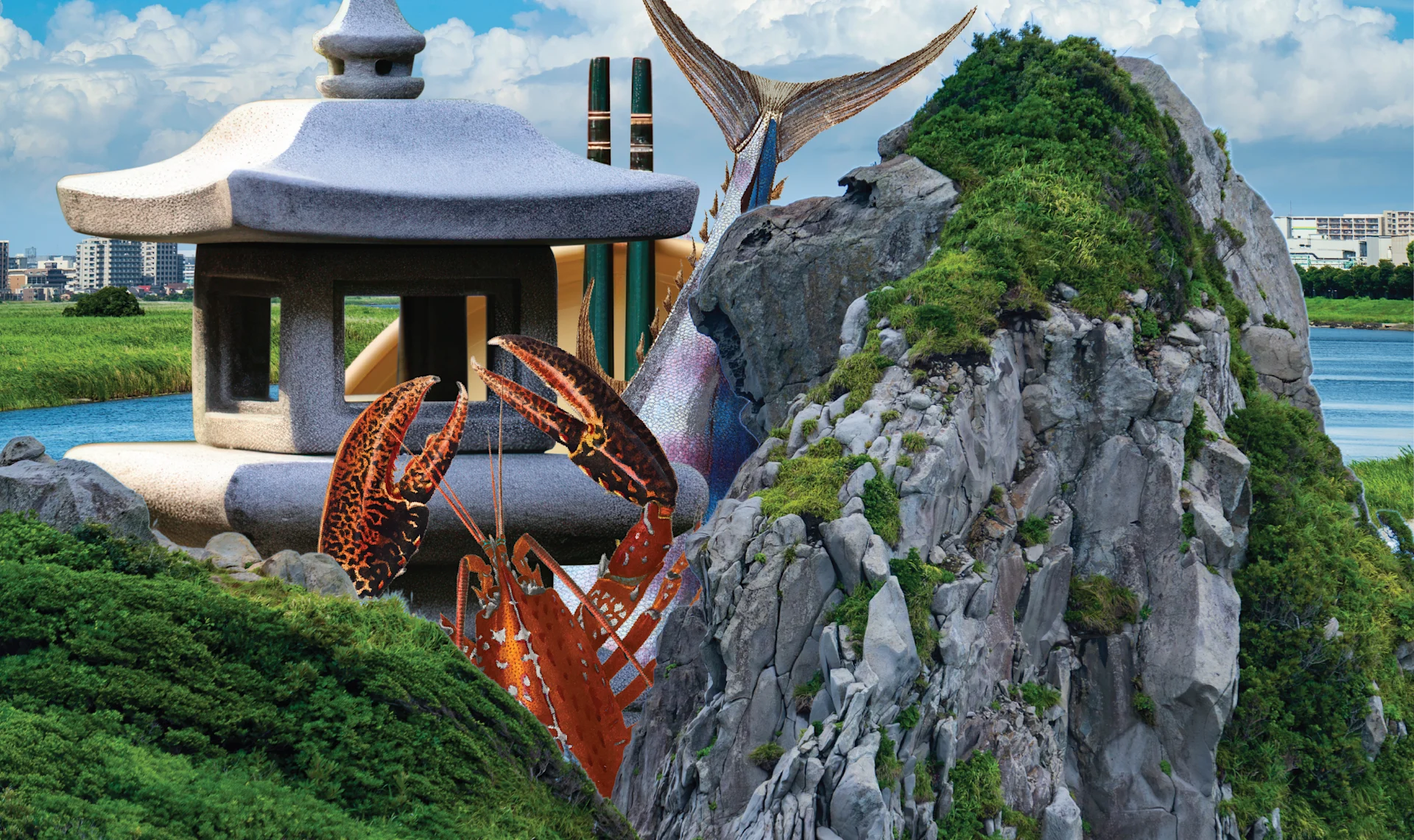
Iki lies in the Tsushima Strait, whose nutrient-rich waters abound with plankton and seaweed—the foundation of a uniquely bountiful and diverse marine ecosystem. That’s why sushi chefs and seafood obsessives flock here for line-caught nodoguro (blackthroat seaperch), abalone, spiny lobster, and sea urchin, often landed just hours before they reach markets and restaurants. If rice-and-fish fatigue sets in, there’s always Iki beef, one of Japan’s lesser-known Wagyus, which pairs wonderfully with a glass of Iki shōchū—one of the few spirits in Japan protected by a geographical indication.
For the Backroads Biker: Ikuchijima
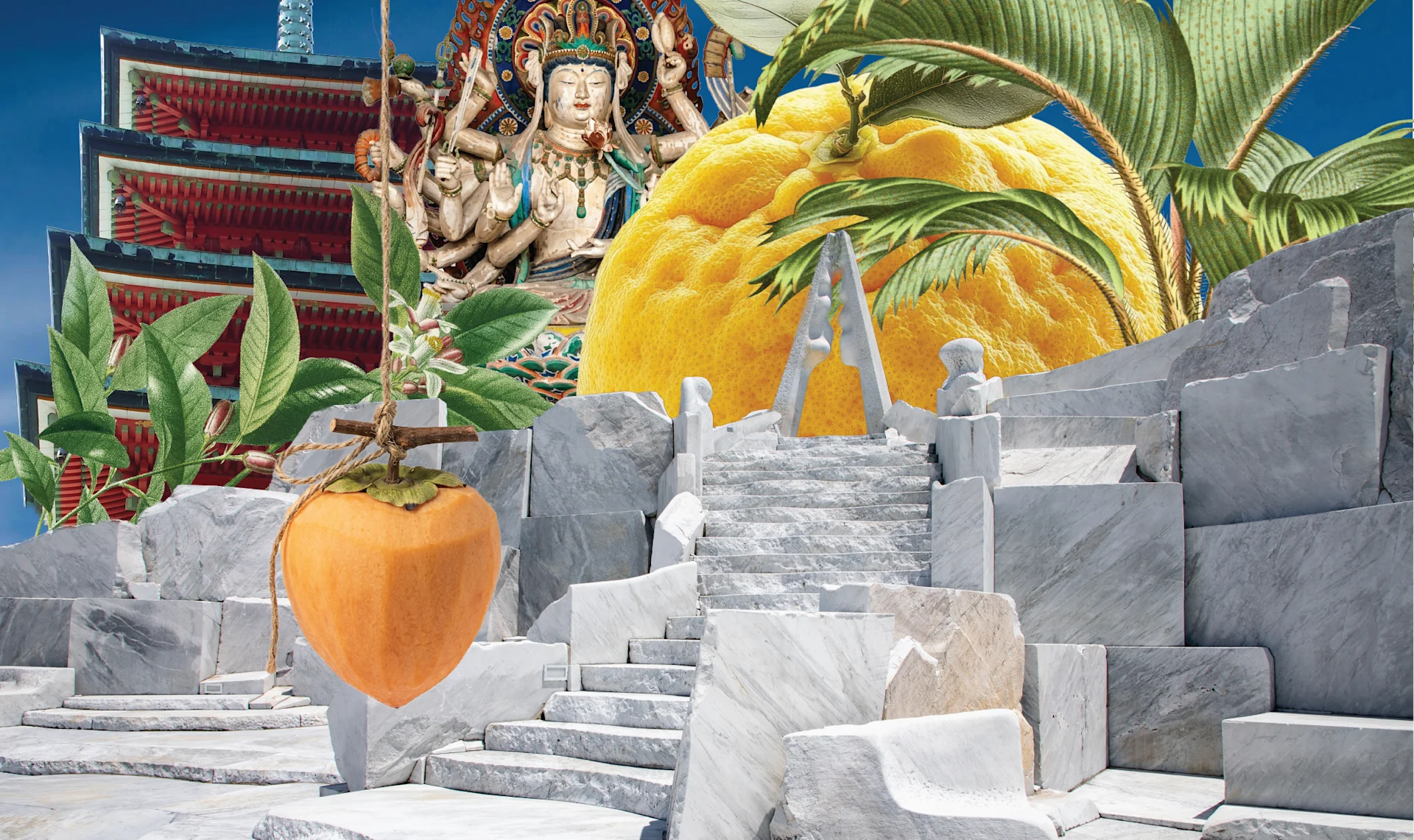
Ikuchijima is the crown jewel of the 43-mile Shimanami Kaidō, the cycling route that links Honshu and Shikoku across six islands and seven bridges. The prettiest stretch runs south from the port town of Setoda toward the soaring Tatara Bridge, following quiet coastal paths fringed with terraced lemon orchards, palm trees, persimmon groves, and tiny fishing harbors. Known as “Lemon Island,” Ikuchijima is a hub of Japan’s citrus industry; stop at roadside cafes for fresh hassaku juice (a fragrant, bittersweet citrus developed in nearby Hiroshima) or lemon soft serve between rides. Then ditch the wheels for a wander through Kōsan-ji, a fantastical complex built over three decades as an homage to the founder’s mother, where brilliantly lacquered gates, vermilion pagodas, and gilded halls give way to the dazzling white Carrara-marble Hill of Hope, sculpted by Kazuto Kuetani and overlooking the Seto Inland Sea.