The year I moved to Japan, I experienced the seasons as many visitors do: cherry blossoms in Tokyo, summer festivals in Kyoto, and ski slopes in Nagano after the first snowfall. That prescripted version of the country—familiar stories, familiar places—was a start, but it left me restless and wanting to go deeper. The following winter, I boarded the bullet train for the opposite side of the country to the coastal town of Kanazawa, looking for something I hadn’t yet found.
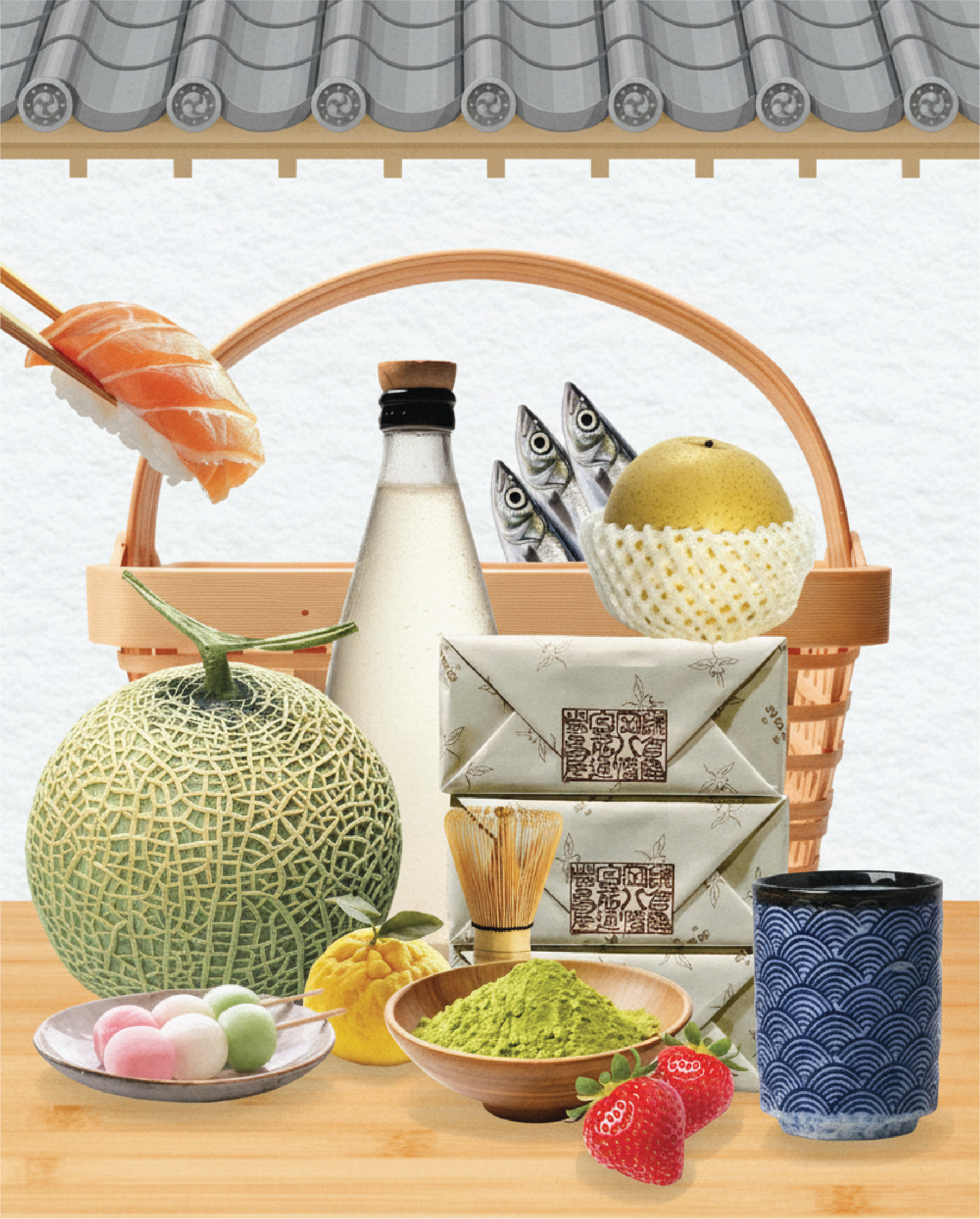
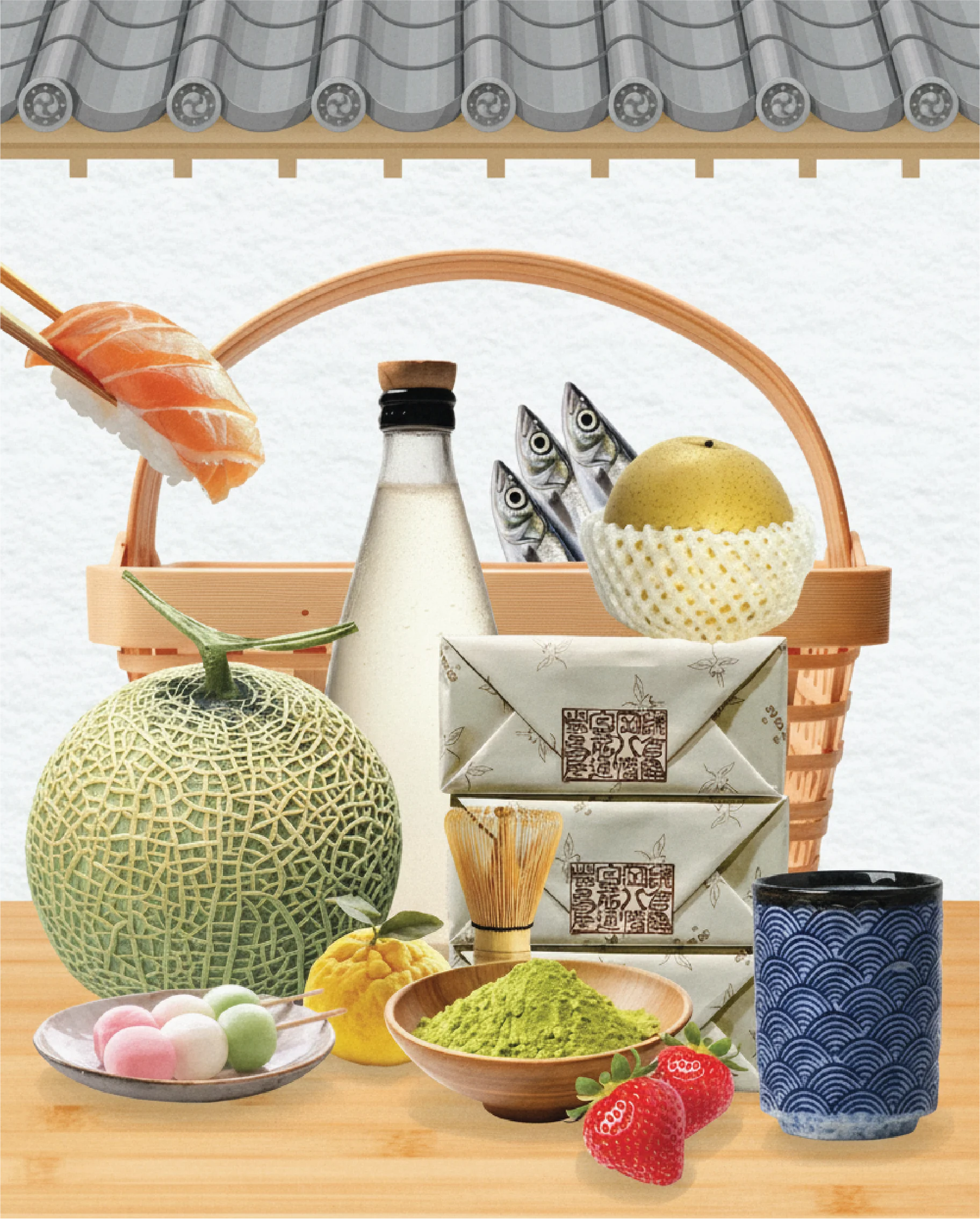
Japan doesn’t have four seasons—it has 72. In Kanazawa, I tasted them in the dim light of an izakaya, in a spiral turban snail shell served as a welcome dish, and in fermented mackerel and hot sake carried back to my hotel room. In this corner of Japan, home to some of the nation’s freshest seafood, the ocean seems to wash over every dinner table, leaving behind whatever shells and scaly creatures are most abundant.
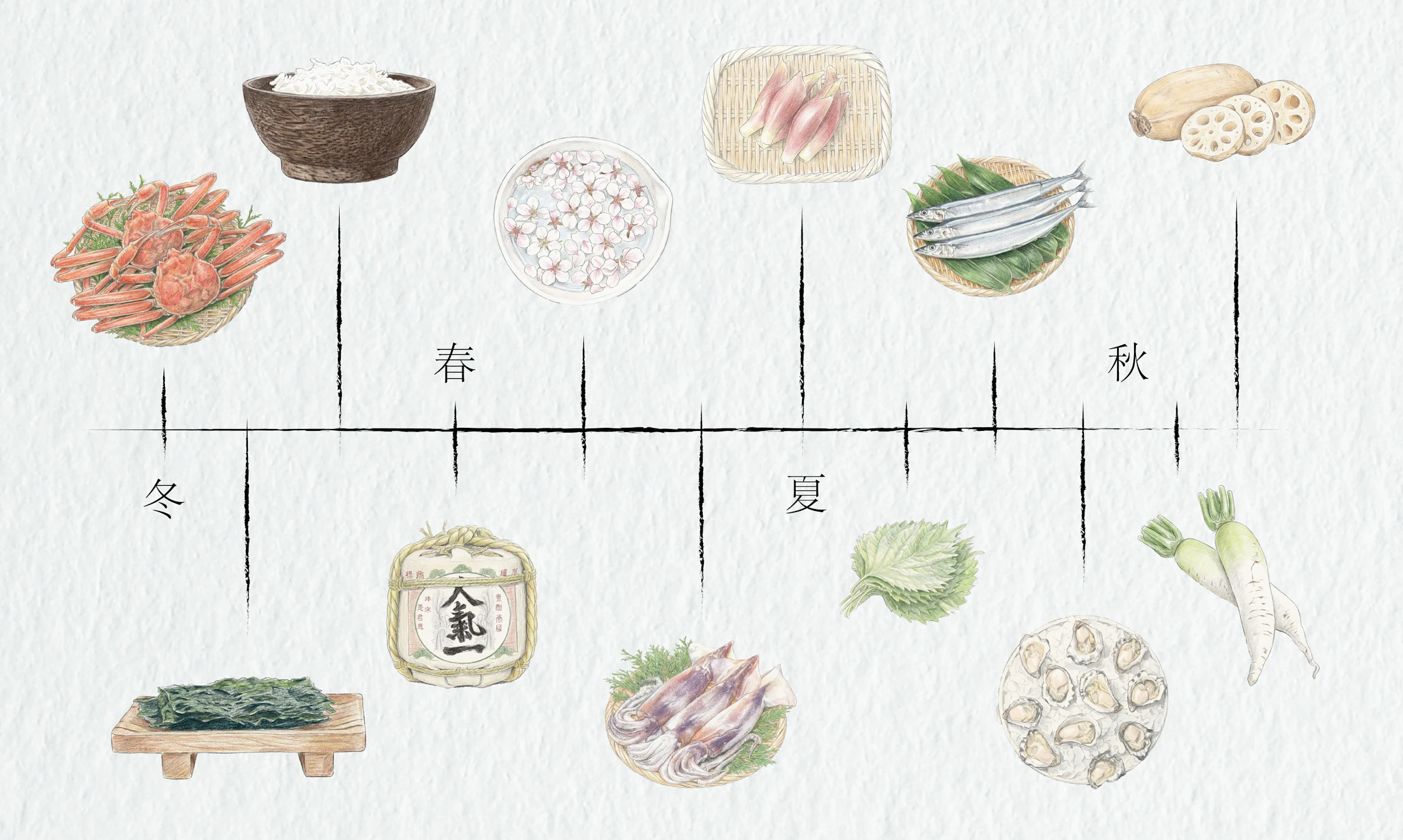
Japan’s microseasons stem from an ancient calendar that divides the year into five-day intervals, each marked by subtle shifts in climate: “Fish Emerge Through Thinning Ice” in February, for instance, or “Salmon Gather Back Home” in December. Along Kanazawa’s coastline, those changes are visible at the market, where certain species of crab signal winter and firefly squid announce the arrival of spring. In an era when seafood has largely become unmoored from season, locals here spend more per capita on it than anywhere else in Japan—a way of staying attuned to the sea, the weather, and the passage of time.
By the time I reached Omicho Market, it was still dark, snow falling hard enough to muffle my footsteps. I had set my alarm for 4:45 a.m., trudging through drifts to arrive in time for the morning fish auctions. Just past the entrance, workers were hoisting styrofoam boxes of live eels from turret trucks as fishermen and restaurant owners worked side by side, steam rising from their breath in the cold.
By 9 a.m., the trucks had long since unloaded their wares, and it felt as though the day was ending, not beginning. I took a seat at a narrow counter inside the market and ate a seafood rice bowl piled with shredded crab, glistening roe, and vermilion slices of tuna, my gloves still thawing. Even then, I knew I’d return to see how the other seasons revealed themselves.
Winter
Winters in Kanazawa are severe enough that even the trees require protection. The pines surrounding Kanazawa Castle are bound in yukitsuri ropework—intricate cone-shaped harnesses designed to shield from wet, heavy snowfall. Between the Sai and Asanogawa Rivers, the castle once anchored the city’s political life. Nearby, Omicho Market was established in 1721 to provision the ruling clan.
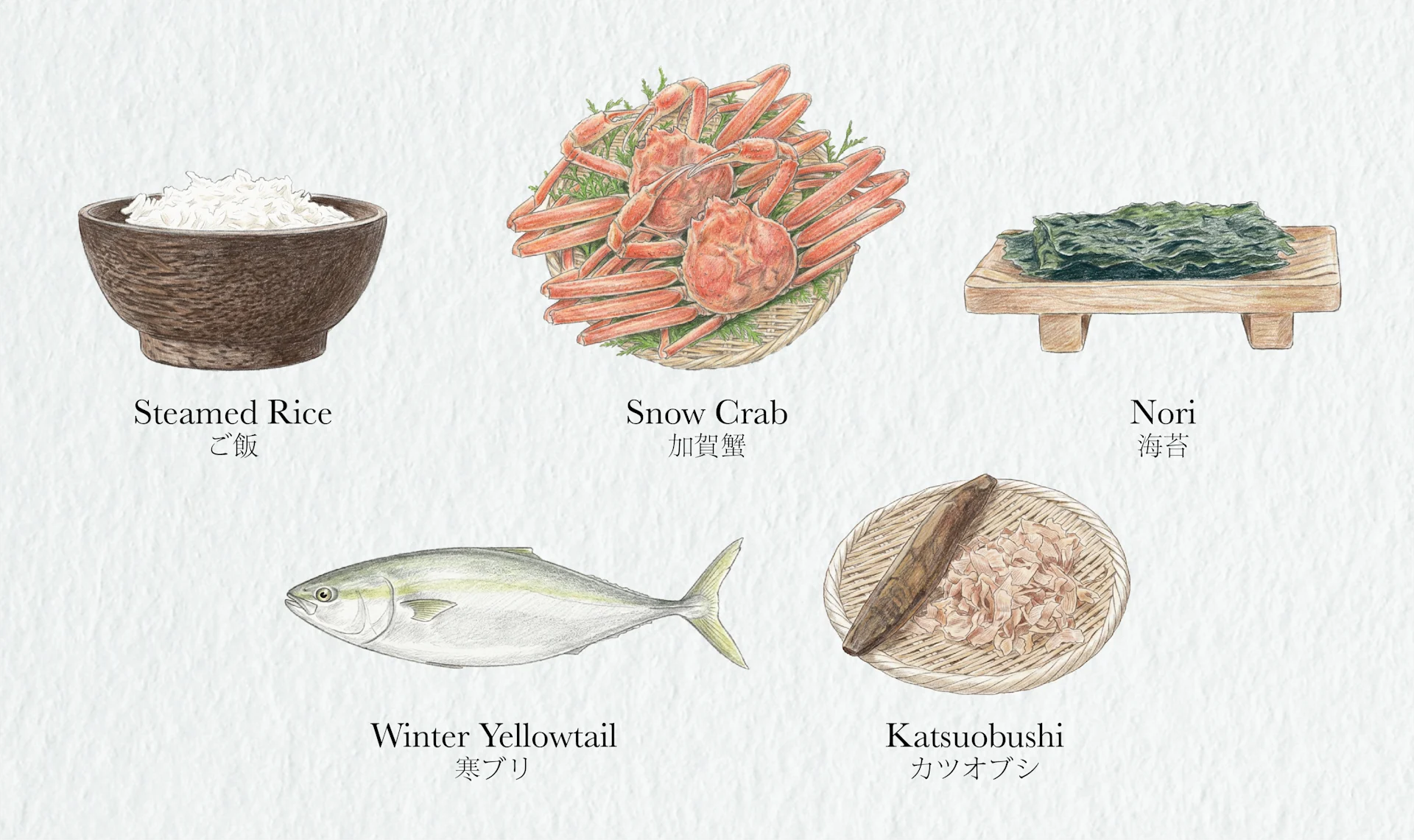
By winter, the market—those narrow aisles I’d walked before dawn—is no longer a rainbow of late-season produce. Cucumbers give way to bone-white daikon radishes, and shoppers in padded jackets press through the crowded passages. Quiet flurries outside heighten the contrasting bustle within, where stacks of female snow crab, or kano-gani, glow pink and red under fluorescent lights. Vendors extend toothpicks topped with sliced octopus or squares of tuna, gesturing toward prices scrawled in thick black marker on cardboard signs.
Crab fishing here is tightly regulated and limited to the colder months. As demand has climbed and supply has dwindled, strict quotas now govern what can be caught and when. During peak season, Omicho fills with buyers of every stripe—home cooks, chefs, and visitors—passing cash hand to hand as crabs are wrapped in paper and tucked into canvas bags.