Lulu Luchaire had long spent a nomadic existence pinging between her native Paris, London and LA—until, that is, she stood on the swooping white terrace of Tigre del Mar, a villa on a Pacific-facing cliff in Careyes owned by the son of the enclave’s nominal patriarch, Gian Franco Brignone, and decided to put down roots. “It was mind-blowing," recalls the former Apple exec, who had flown in to stay with a friend for New Year’s, which inevitably draws a well-heeled jet set on the Patmos-Minorca-Lamu grand tour. “I thought I’d landed in wonderland.” Equally bewitching was Tigre del Mar’s library, dubbed Tres Mil (“three thousand”), the year Brignone believes aliens will come, featuring a tall ladder that leads to a bottle of tequila left there “to properly greet the aliens so they can have a shot and learn about human cultures on planet Earth from the beautiful collection of books,” Luchaire explains. She eventually rented an avocado-green villa by the sea and five years ago founded Ondalinda, a five-day global gathering in November that’s a fizzy mix of shaman-led ceremonies, installations by emerging Mexican artists and candlelit communal dinners benefitting indigenous communities through the Ondalinda Foundation.
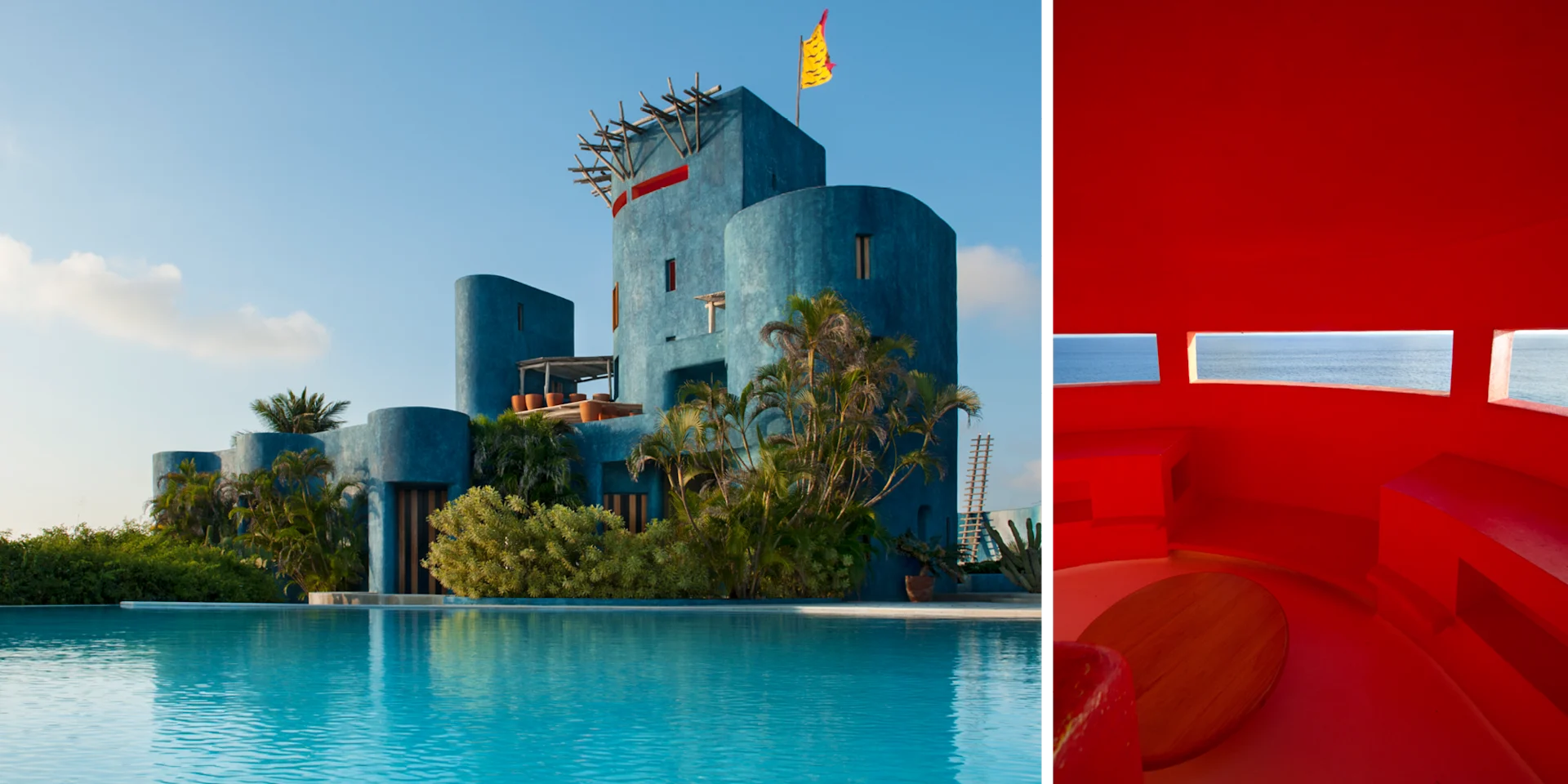
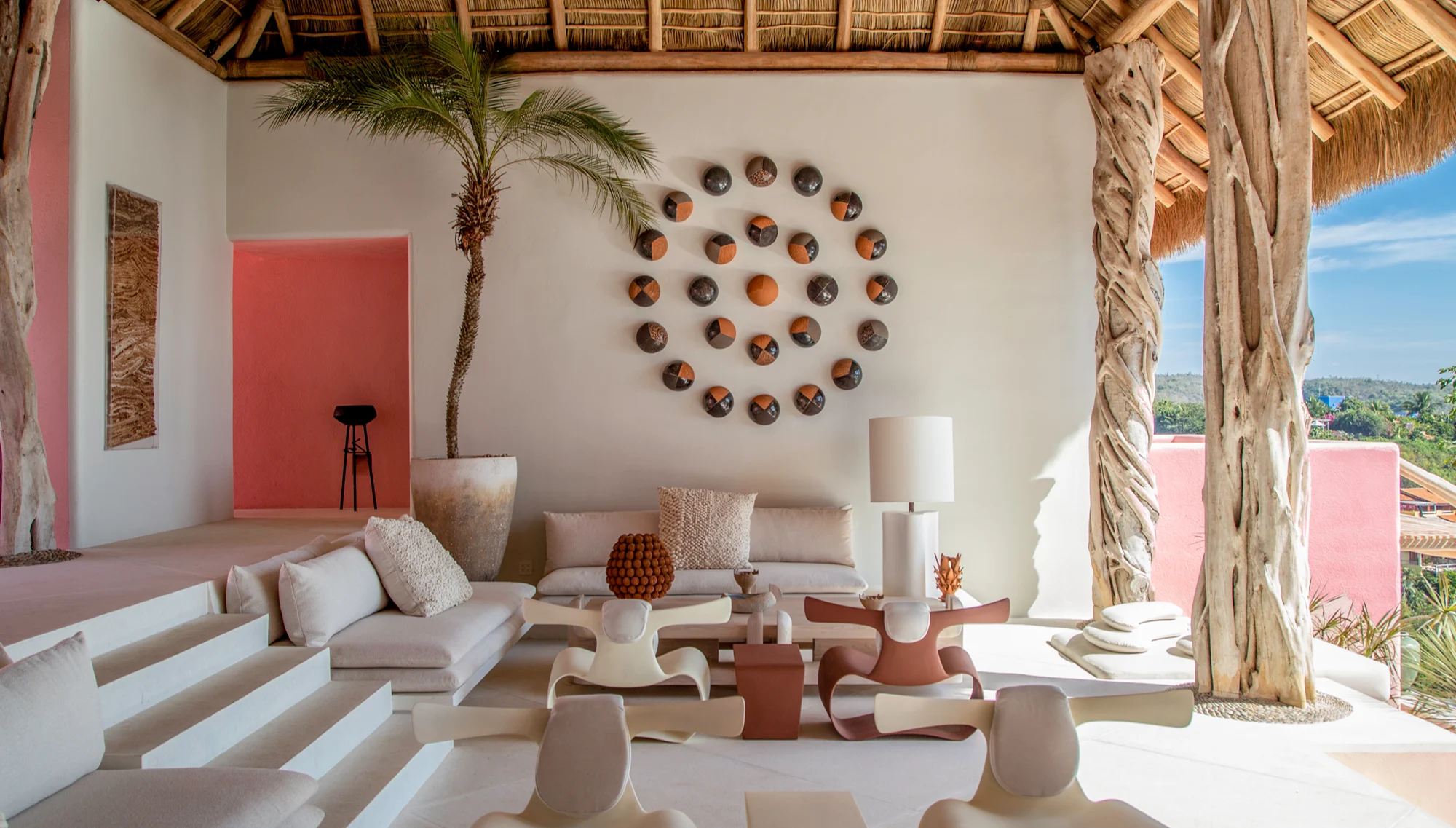
Respect for the ancient ecosystem was part of Careyes’ founding vision—when, in the late ‘60s Brignone, an Italian banker, flew over this untrammeled paradise 100 miles south of Puerto Vallarta and promptly purchased the plot surrounded by the Chamela-Cuixmala Biosphere Reserve. His concept: develop it with a feather-light touch (only some two percent is built on) and an overriding element of surprise, with the help of both European and Mexican architects. Locals hacked a rudimentary road with machetes, allowing Brignone to build his otherworldly cobalt villa, Mi Ojo, with its vast white terrace, palapa roof and cliff-hugging infinity pool. During construction, black magnetic sand was mixed into the concrete for magical protection. This was the first expression of Careyes style—melding pre-Hispanic and Mediterranean design elements with sacred geometry and mystic offerings—that has since propagated across the lush, multidimensional landscape.
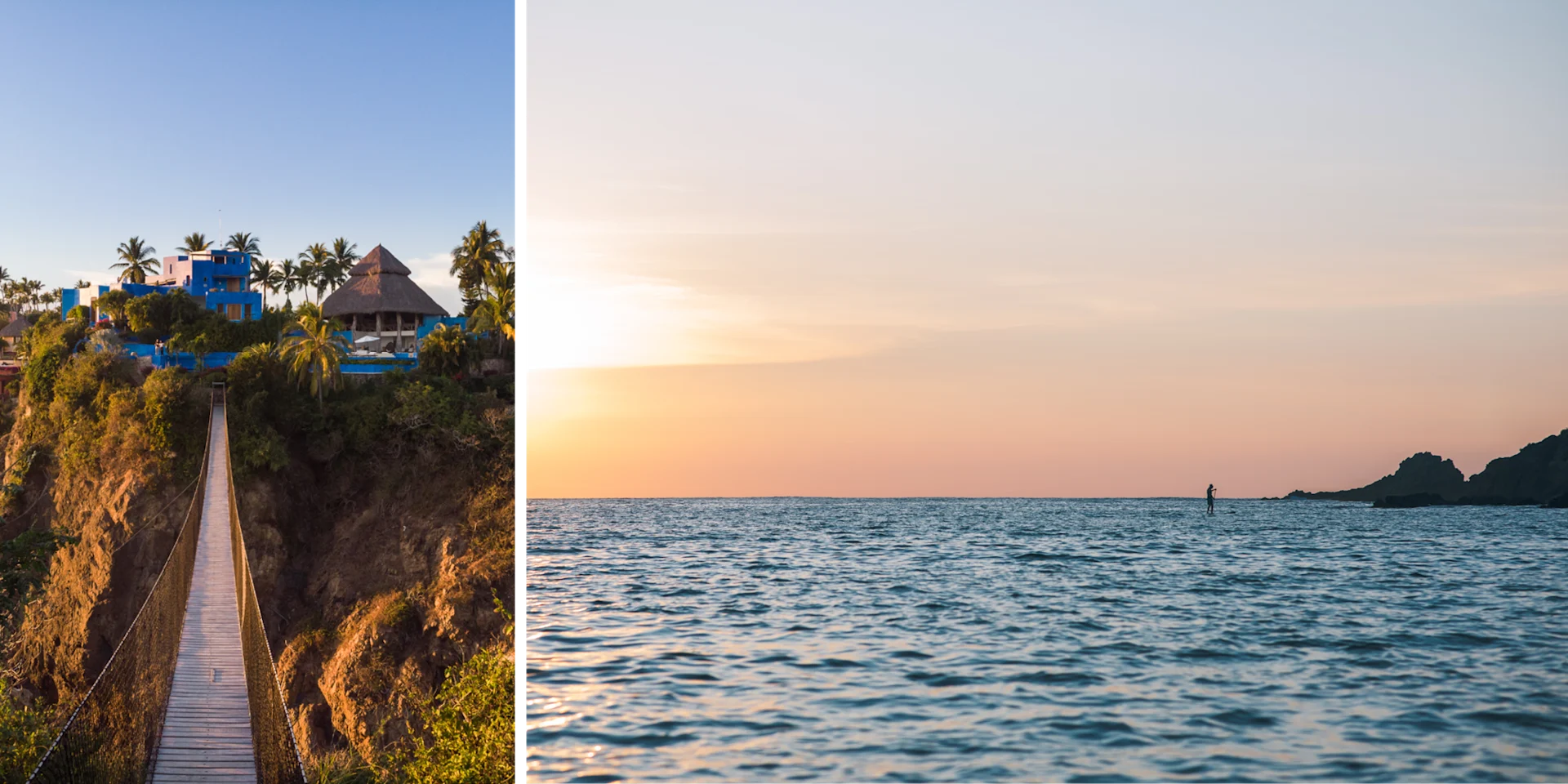
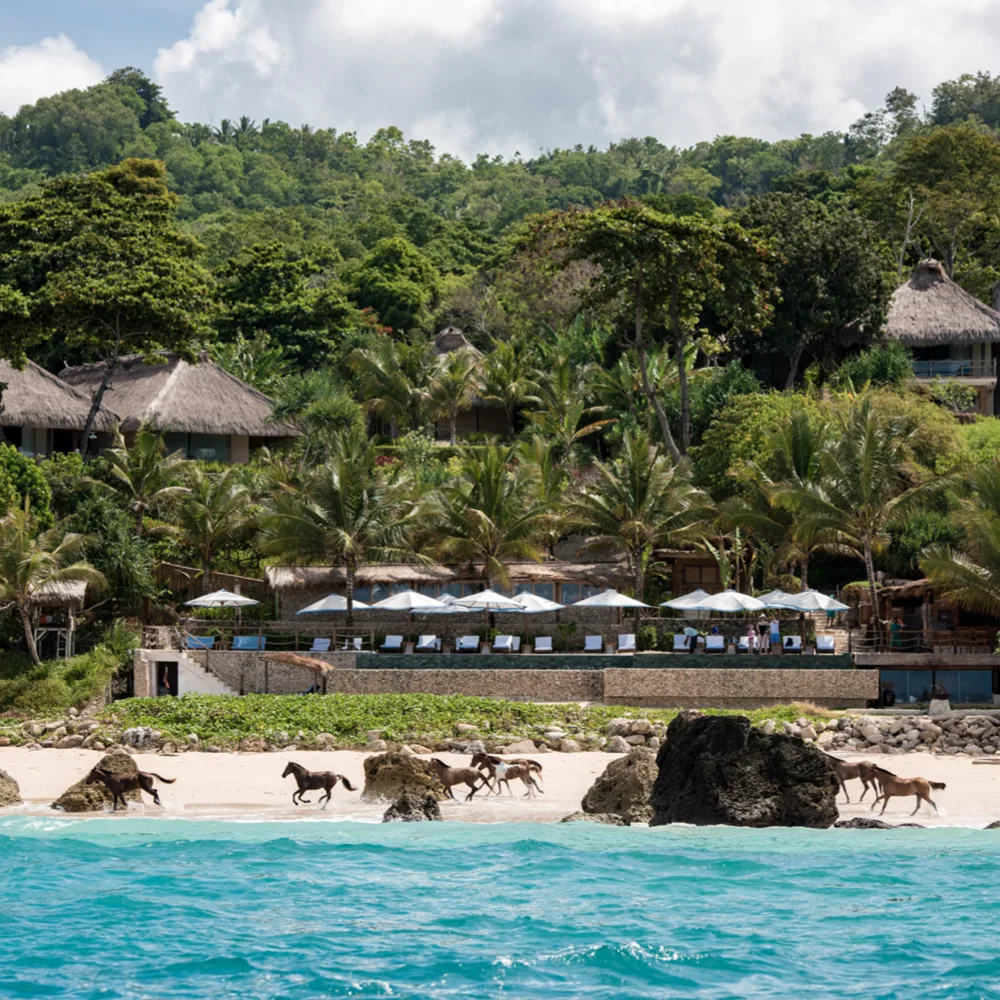
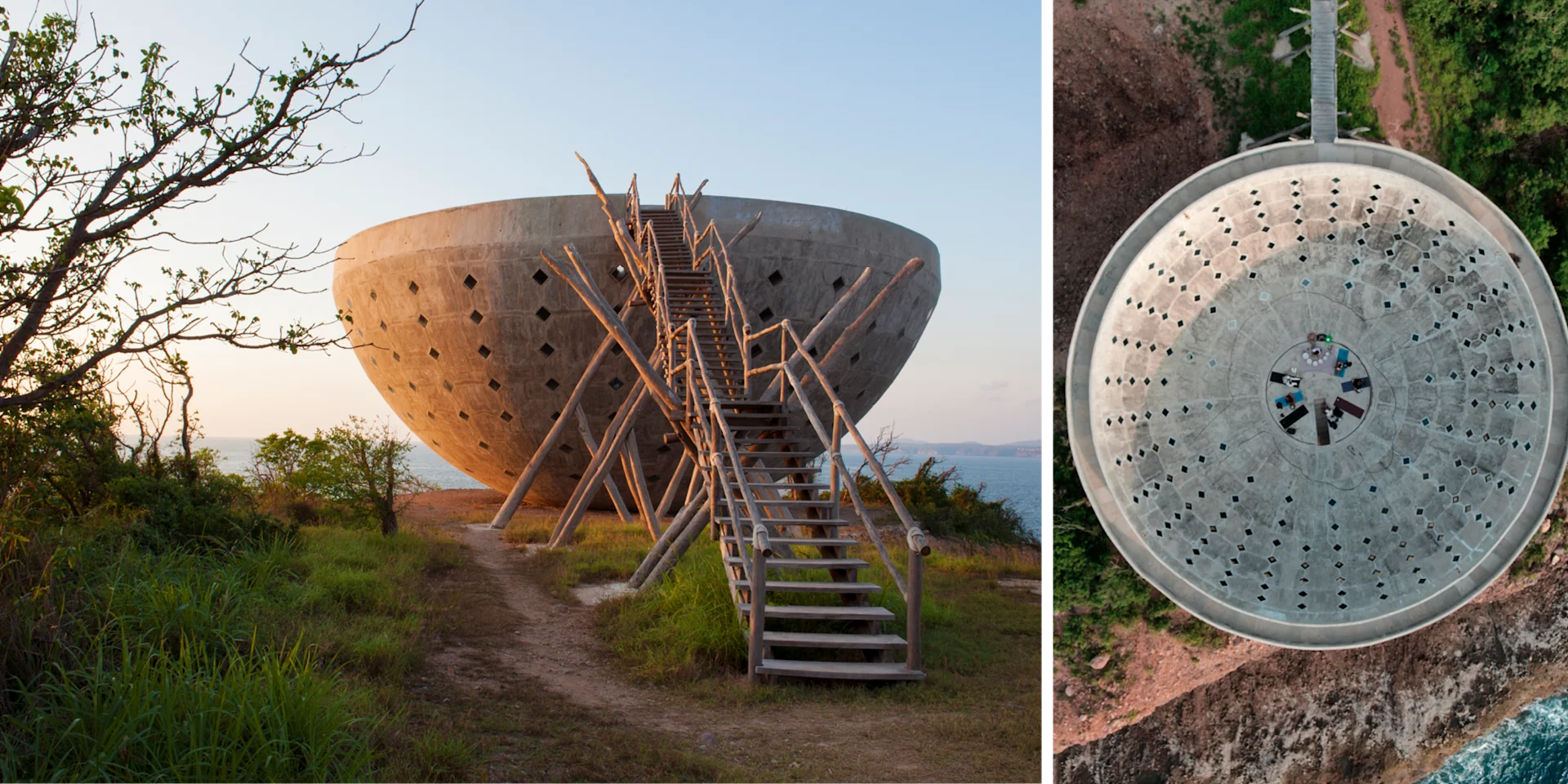
In the half century since, Careyes has earned a reputation for its fantastical ocean castles along 12 miles of empty beaches where sea turtles bury their eggs, bougainvillea-topped cliffs tumble down to craggy caves, and raw jungle rustles with puma and deer. The topography is punctuated with large-scale art like the Copa del Sol, a monumental cosmic concrete shell used for sound bathing, meditating and communing with Mother Nature, which continues to lure pilgrims who connect with the enduring bohemian spirit of the place, and snap up invitations to—or leases for—one of the 65 houses in the compound. “I immediately fell in love. I was so taken aback by the whimsy of how much fun people were having with their homes,” says Becca Congdon, a homeowner whose then-boyfriend (now husband) first brought her to Careyes—today they live in an Alex Pössenbacher-designed treehouse with ocean views. Congdon went on to transform and quietly rent out properties with a decidedly more modern sensibility, all with organic palettes and natural textures accented with Mexican crafts and antiques overlooking that same high-vibration view.
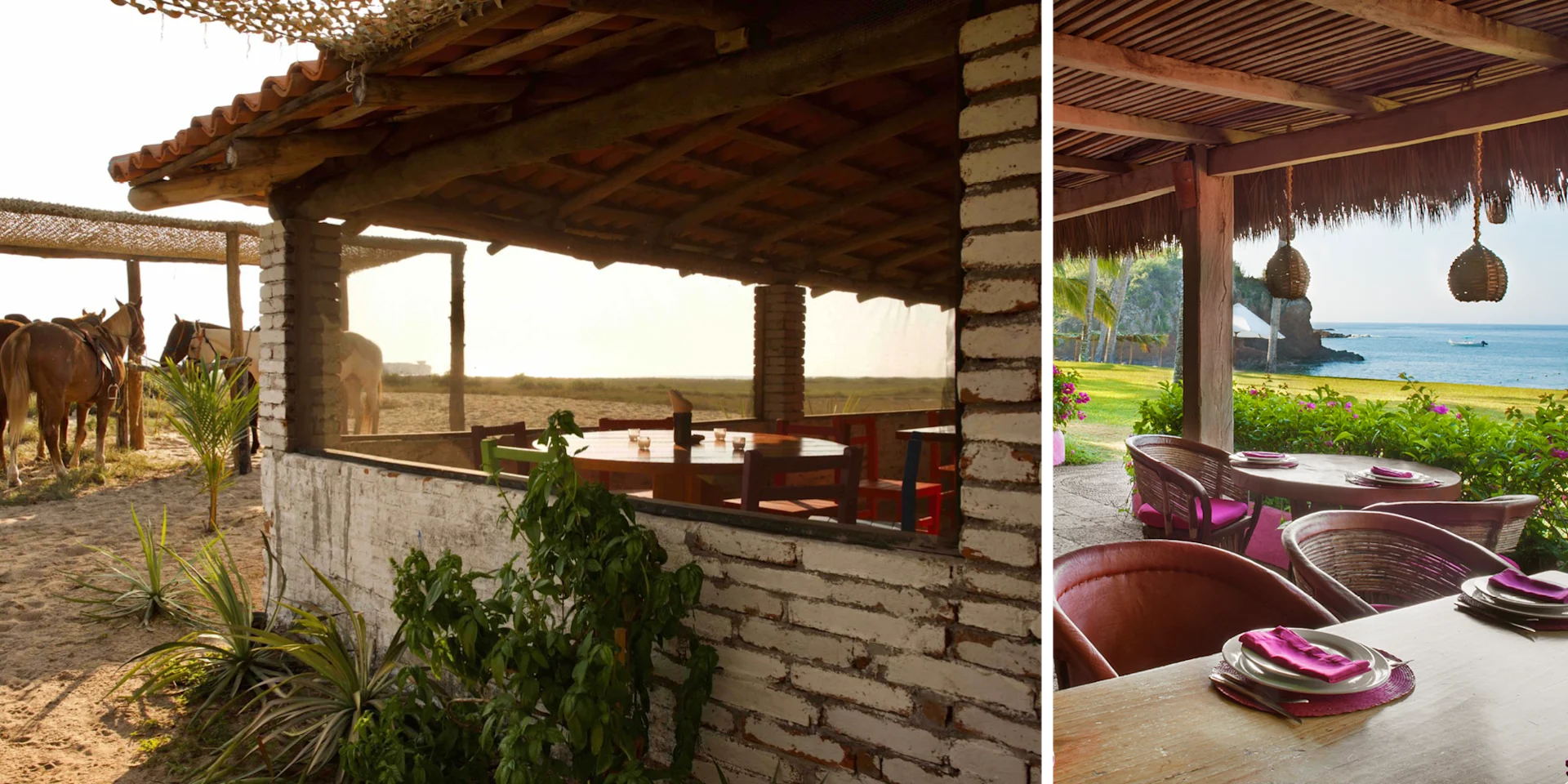
With the exception of shifting architectural taste, little else has changed. More than 40 years ago, author Barbara Berger—wife of the fine jeweler Mauricio Berger and owner of the world’s largest costume jewelry collection—snagged one of the first homes. Photographer Andrés Carretero first visited her 13 years ago, delighting in “the small and wildly colorful village of houses and lanes that tumble down the hill toward Playa Rosa, a stunning beach crescent in the heart of everything,” he said. It’s still the center of action, where caftan-clad guests linger over meals at the fuchsia Playa Rosa Beach Club, which Brignone opened in the ‘70s. (At the time, he traded pages ripped from Playboy magazines with local fishermen for crates of fresh seafood.)
Though visitors include recognizable faces such as Alejandro González Iñárritu, Lee Daniels, Naomi Campbell, Juliette Binoche, Diego Luna and Audrey Tautou, there is zero pretense and an excess of warm hospitality. “It’s not like there’s an official board with a list of activities,” says Luchaire of getting into the social flow. “It’s more like at Playa Rosa you’ll meet someone from the community who will tell you the best masseuse or where to have a nice breakfast, or maybe invite you for a blessing.”
Italy-based art dealer Leeza Chebotarev, a Careyes regular, calls it “self-regulating,” thanks to not having the amenities of, say, Punta Mita—golf courses, shopping, nightlife. “If you want nightlife you have to create it on your own,” she says. “It’s very common to meet someone on the beach and make fast friends and have a party together that night at your house.” Villa dinners, Congdon confirms, frequently burst into “spontaneous dancing and celebrating life.”
“Careyes is complete freedom—it’s aesthetic freedom, and it’s freedom in what you want to do with your time” adds Chebotarev. “There’s always this flow, and a lot of space to discover."
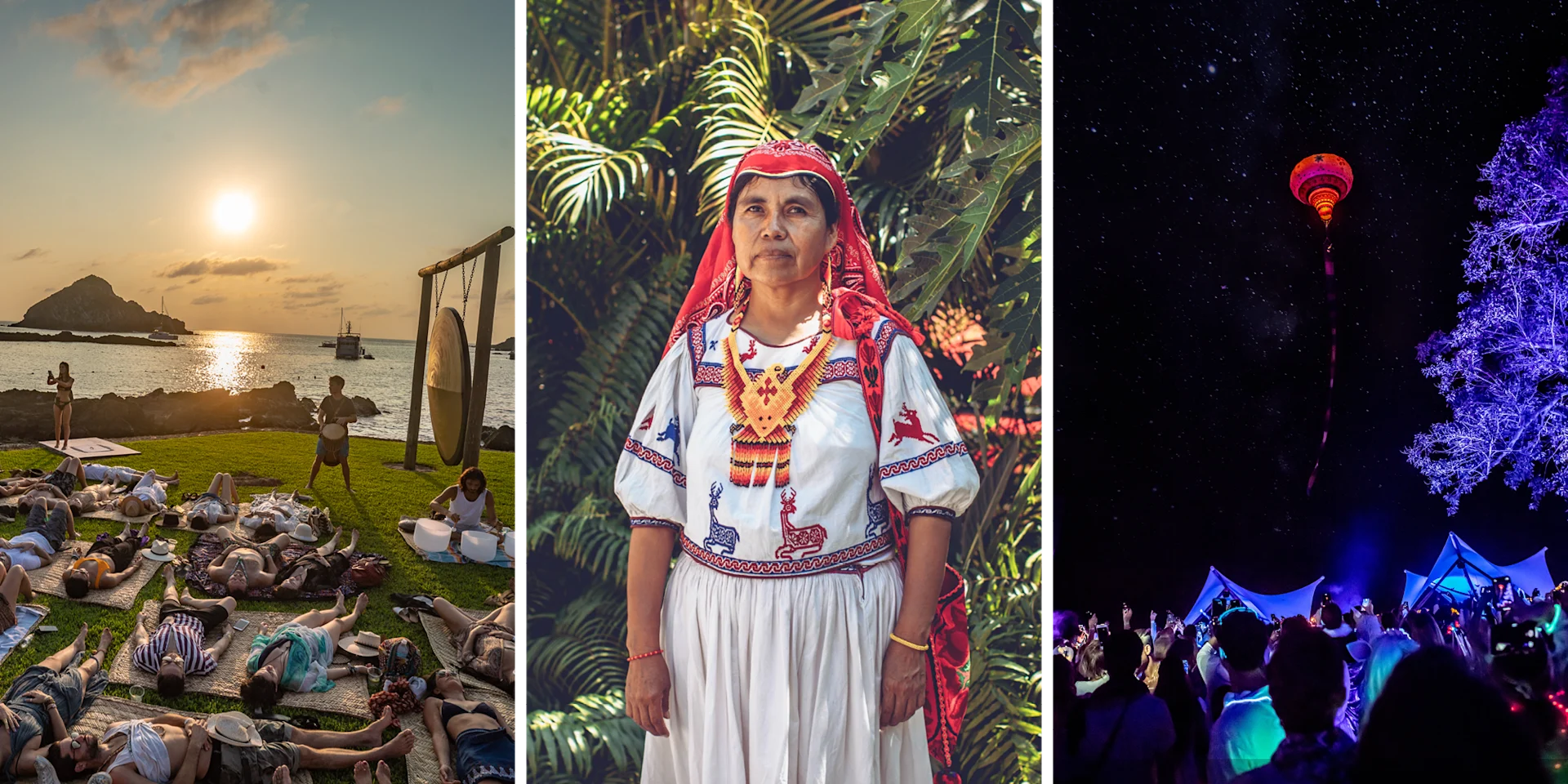
But those all-night affairs are grounded by a steady diet of spiritual and wellness practices—from yoga and sound healing to cacao ceremonies—along with a sustained connection to the natural world. Says Chebotarev: “We’ll arrange flowers into headpieces or spend the day fishing in little coves and end up in Playa Esmeralda, where this guy my boyfriend has been fishing with the last 20 years will start a fire and cook it for us—you just need guacamole and tortillas.” On a given day one might join a spontaneous temazcal (sweat lodge) ceremony, snorkel with octopus off Careyes Beach, or help release newborn hawksbill sea turtles.