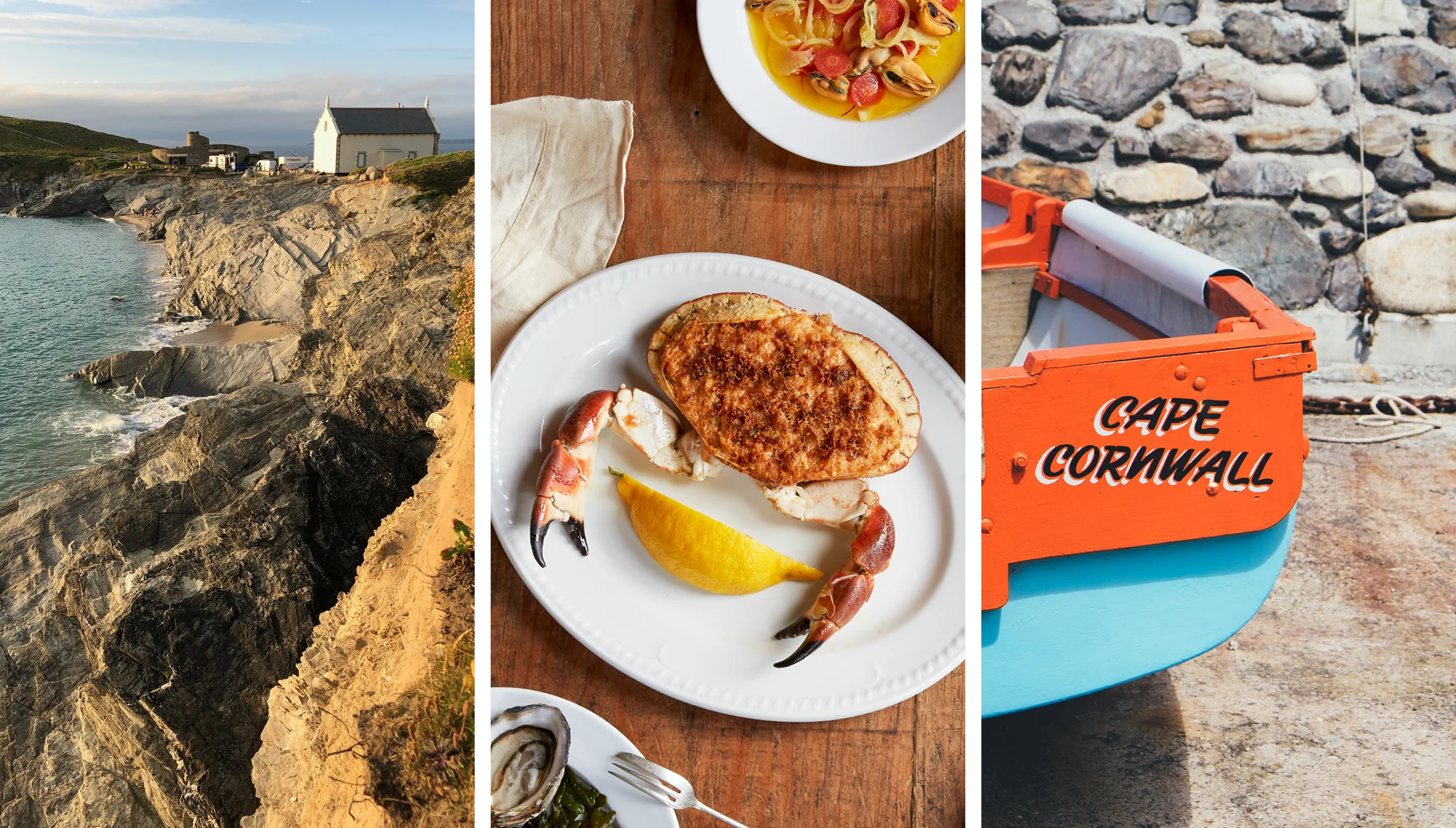
When I first came to Cornwall with my husband and young children in the early nineties, we rented a Georgian rectory at the top of a path edged with gunnera plants and a busy stream that tumbled down to a smuggler’s cove, not far from the harbor town of Fowey on the vast undisturbed Southern coast. His aunts had followed their childhood friend, the author Daphne Du Maurier, from London during the war to become Land Girls (women who worked in the farms when the men went to war), and never left. This stretch of charming fishing villages and gentle sandy swimming beaches known as the Cornish Riviera was a part of his history, and it was beautiful. We loved how old-fashioned it was, how we had to stick a pencil into the television to change the channel, or drive for an hour to find a shop that sold fresh vegetables. The effort was welcome and grounding; it was part of the deal and we knew it. We happily inhaled sausage rolls, pasties and Kelly’s ice cream in the sheeting Cornish “mizzle,” a unique breed of fine rain native to this county and which gives the skin what we like to call a Cornish facial, as the air is so soft it plumps and hydrates the skin better than any Harley Street clinician.

A generation before Du Maurier, the poet laureate Sir John Betjeman, who would holiday at his father’s house in the village of Trebetherick on the northern coast, wrote of being delivered to Cornwall five hours by train from London along coastal tracks to a county of “oil-lit chapels,” “slate-hung farms,” “golden unpeopled bays” and “white unpopulated surf.” And while so much of Betjeman’s Cornwall remains the same, complete and yet wild in its pure and unfettered beauty, today there is a wave of stylish new energy breaking here. A tide of creativity, which builds on Cornwall’s long established arts and crafts scene and emerging food and hospitality one, along with Cornwall’s dramatic coastlines, winding hedgerows and mystical Celtic history, have become equally alluring for Brexit-era homebuyers ditching Provence, and sophisticated international visitors. From Lands’ End to Launceston, Cornwall is an in-demand, post-lockdown destination answering the need for stays with substance and sense of place, and delivering on exactly what today’s thoughtful traveler is seeking.
It was Betjeman who wrote of the Cornish break: “Those moments, tasted once and never done, Of long surf breaking in the midday sun.” And although Cornwall has a reputation for resisting change, even the most hardened residents are embracing the local revival that’s spurring this surge in tourism. This is a special, magical place. Long may the new wave continue.

EAT
COOMBESHEAD FARM
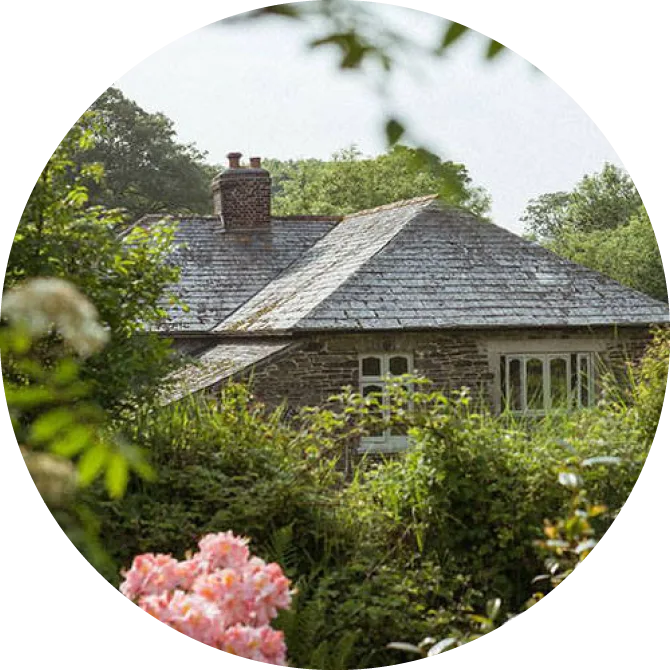
In 2018 this joint venture between feted chefs Tom Adams and April Bloomfield kick-started a new Cornish microclimate for out of towners wanting to sample a slice of the Cornish good life by opening a guest house, restaurant and bakery in a restored dairy farm near Launceston on the Cornish Devon border. They rear Mangalitza pigs and cure all their own meats—the coppa alone is worth traveling for.
Nancarrow Farm
The long table communal dinners take place in glowing candlelight inside the old barns of this organic working farm, our family’s favorite destination last summer. Visit the farm, listen to local folk musicians and enjoy the delicious beef cooked on a fire pit—a true Cornish experience. They have a great online produce shop, too.

Canteen Restaurant: St Agnes
Located at Wheal Kitty Workshops, a community space for Cornish businesses in the hills above the popular surfing beach of St Agnes on the north coast, Canteen is known in the summers for their events and long-table dinners. But turn up any time for their what-you-see-is-what-you-get menu—delicious daal, seasonal salads, chunky sandwiches—and their first class coffee. You will find Finisterre, the functional and sustainable surf shop, here too, a favorite with the fashion and surf crowds.

Fitzroy of Fowey and North Street Kitchen
Last year East London restaurateurs David Gingell and Jeremie Cometto joined the ranks by importing their East London sourdough-meets-twinkly-tea-lights brand of hip dining into an old high street bank at Fitzroy of Fowey. They followed it with North Street Kitchen, a converted boathouse with views over the town harbor. It has one long table and cork clad walls serving up a confident and simple offer of locally sourced seafood—fabulous Cornish oysters and mussels, lobster rolls and seafood chowder. If you can’t get a seat at the table, there is always the harbor wall to perch on.
Lola’s Bothy
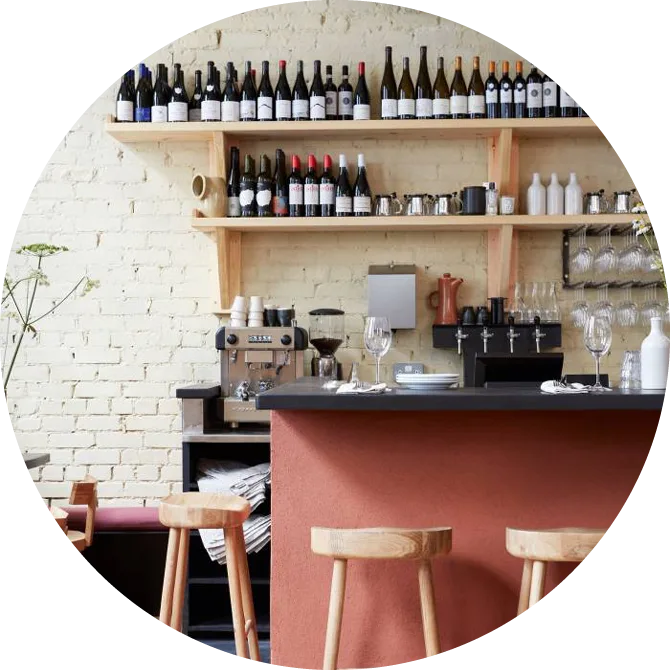
Tim Spedding, the former head chef of The Clove Club, has brought his family and his talent to Cornwall. He and his wife, Louise, have opened a small shop and daytime café in a charming bothy in the Prideaux Walled Garden in Padstow. Starting next summer there will be a tiny 10-seat restaurant for dinners on the weekends.