To call Nihi Sumba a “surf resort” is akin to describing the Taj Mahal as “a white marble tomb.” Rather, it’s the ultimate expression of its kind. Yes, there is the legendary left break, but its service, setting, and place in the community are all purposefully and thoughtfully created to evoke a deep emotional bond to the place.
The Proprietors
Founded in 1988 by Claude and Petra Graves, who came to Sumba in pursuit of the perfect wave, Nihi—then known as Nihiwatu—was acquired by US entrepreneur Chris Burch in 2012. He subsequently partnered with hotelier James McBride, formerly managing director of New York’s Carlyle Hotel, to transform the surf retreat into the resort it is today.
Where
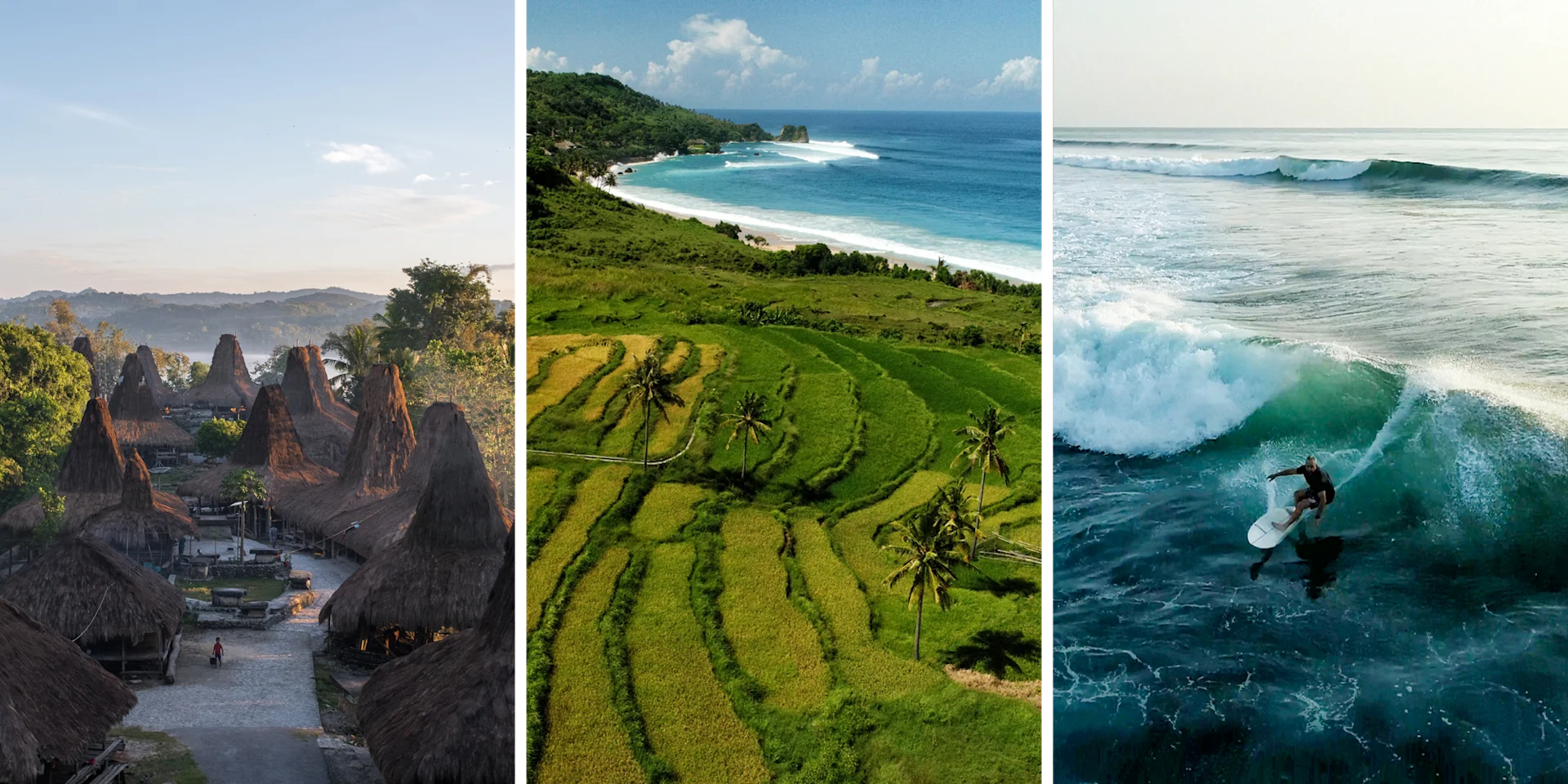
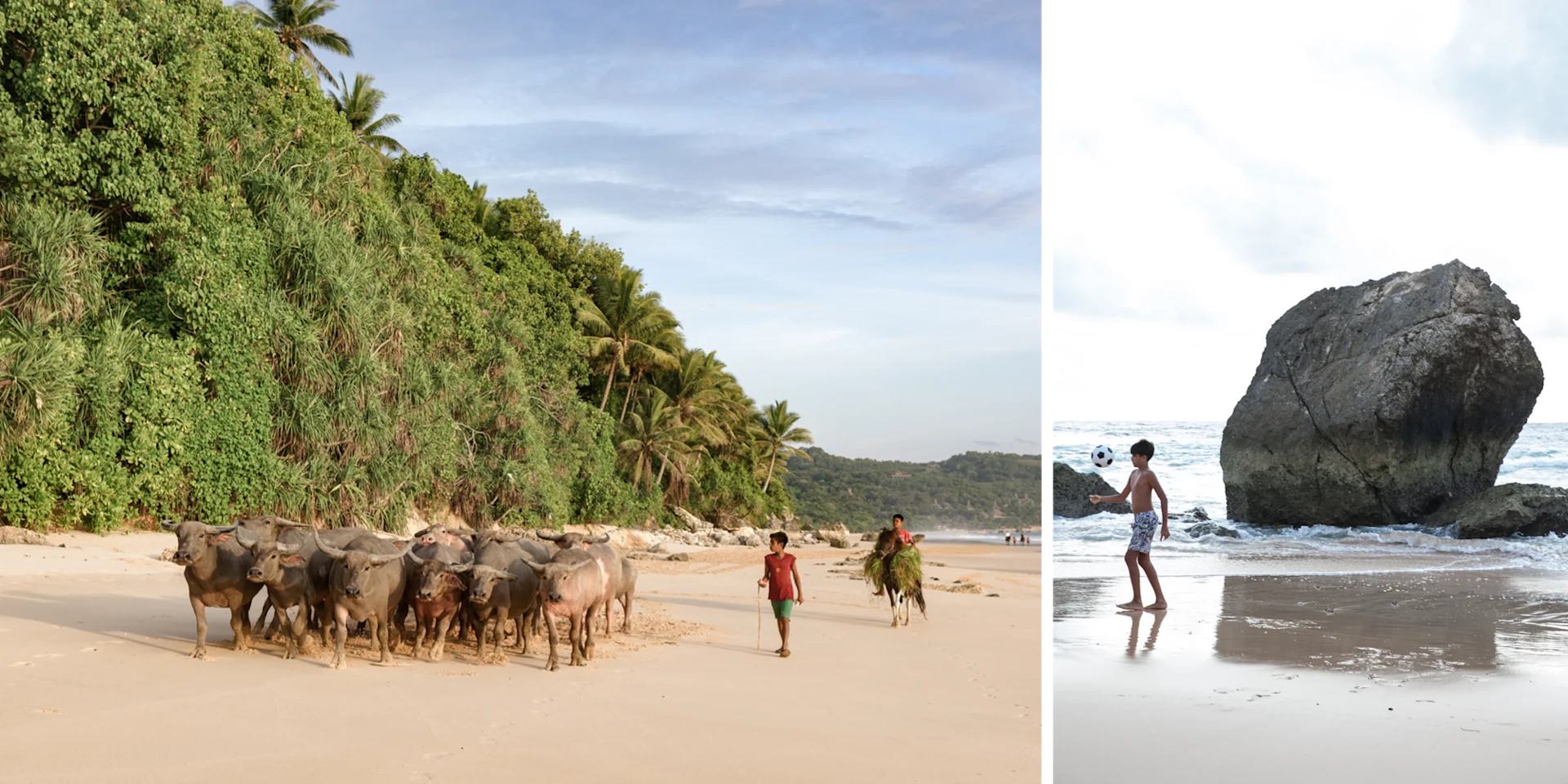
The hotel sits on a 1.5-mile private crescent of sand on the western shore of Sumba, an island about 500 miles east of Bali that time—or rather developers—forgot. One of a handful of hotels on the island, which is roughly twice the size of Bali, Nihi is very much the bellwether for new construction that’s about to hit. Today Sumba still feels like Bali 40 years ago, if you replace Buddhist shrines with marapu rumah adat (houses where ancestral spirits dwell) and some Christian (Dutch Calvinist) churches.
The Design
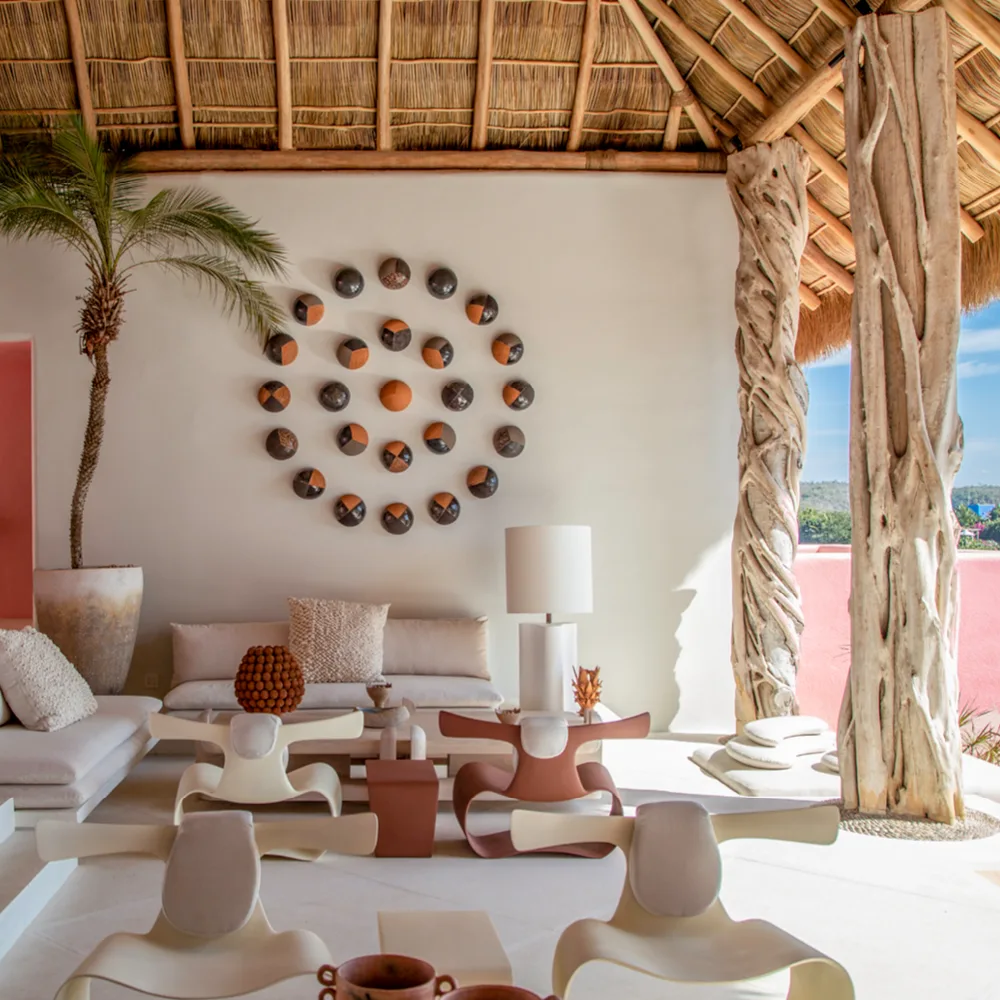
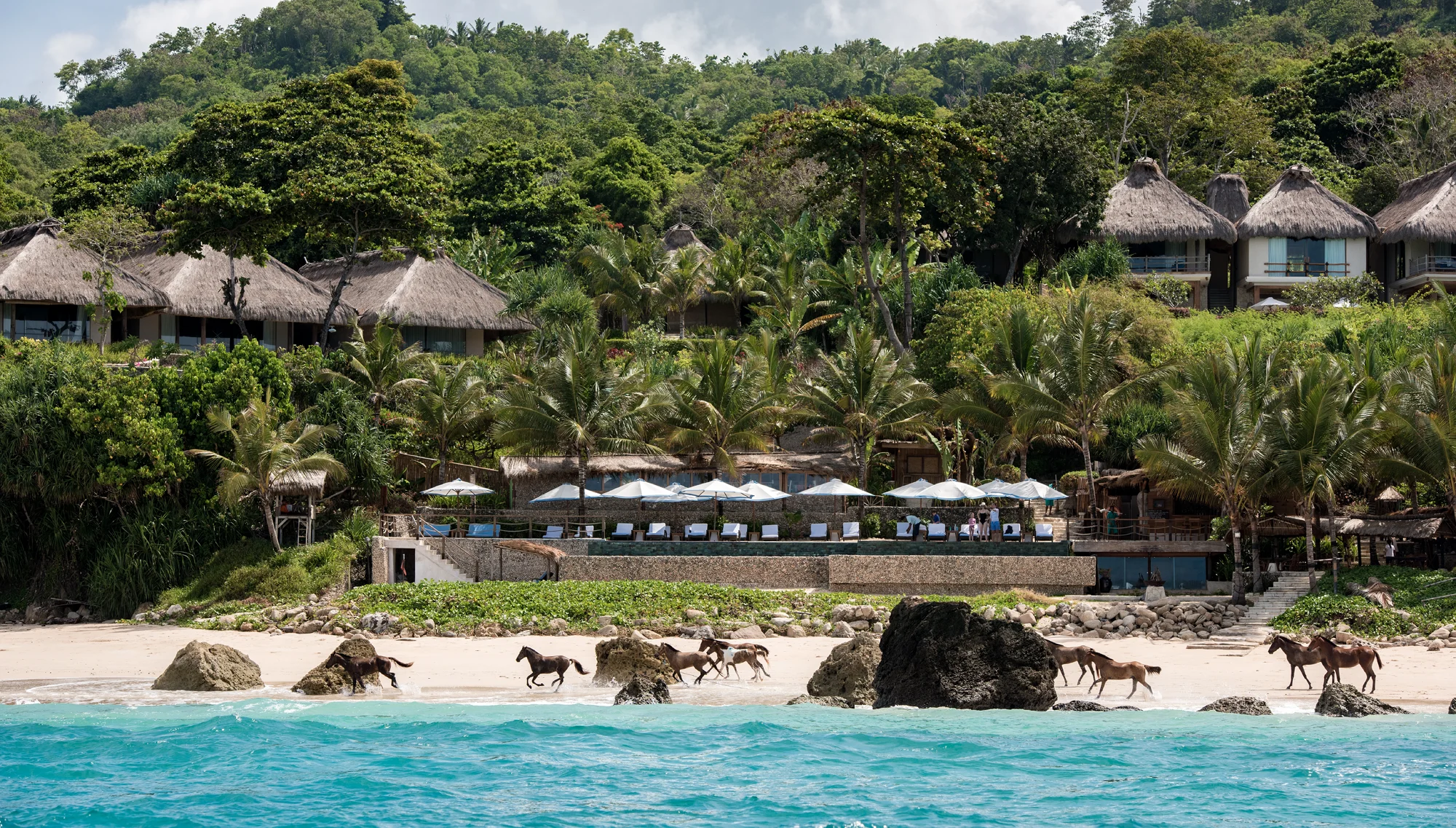
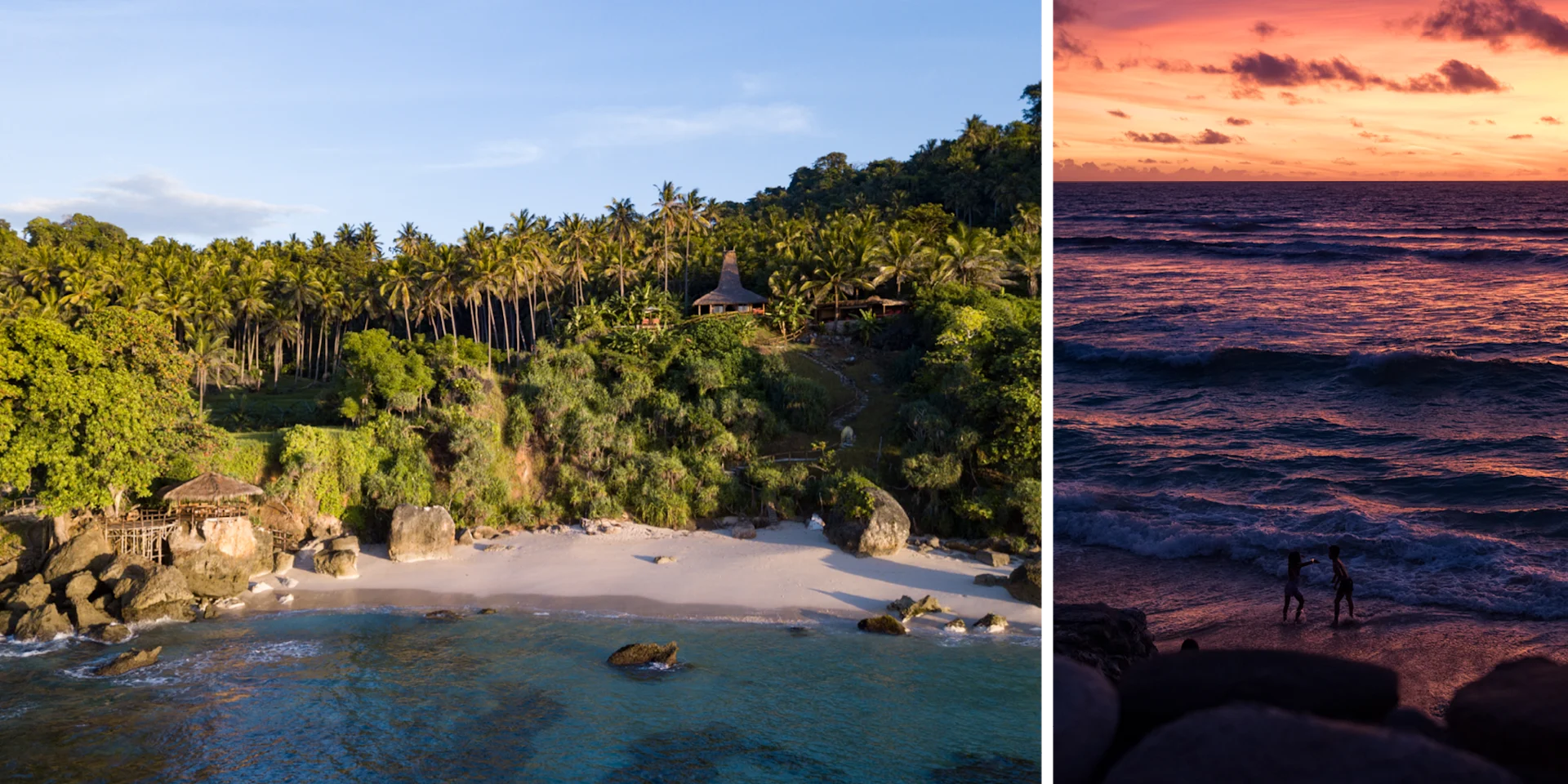
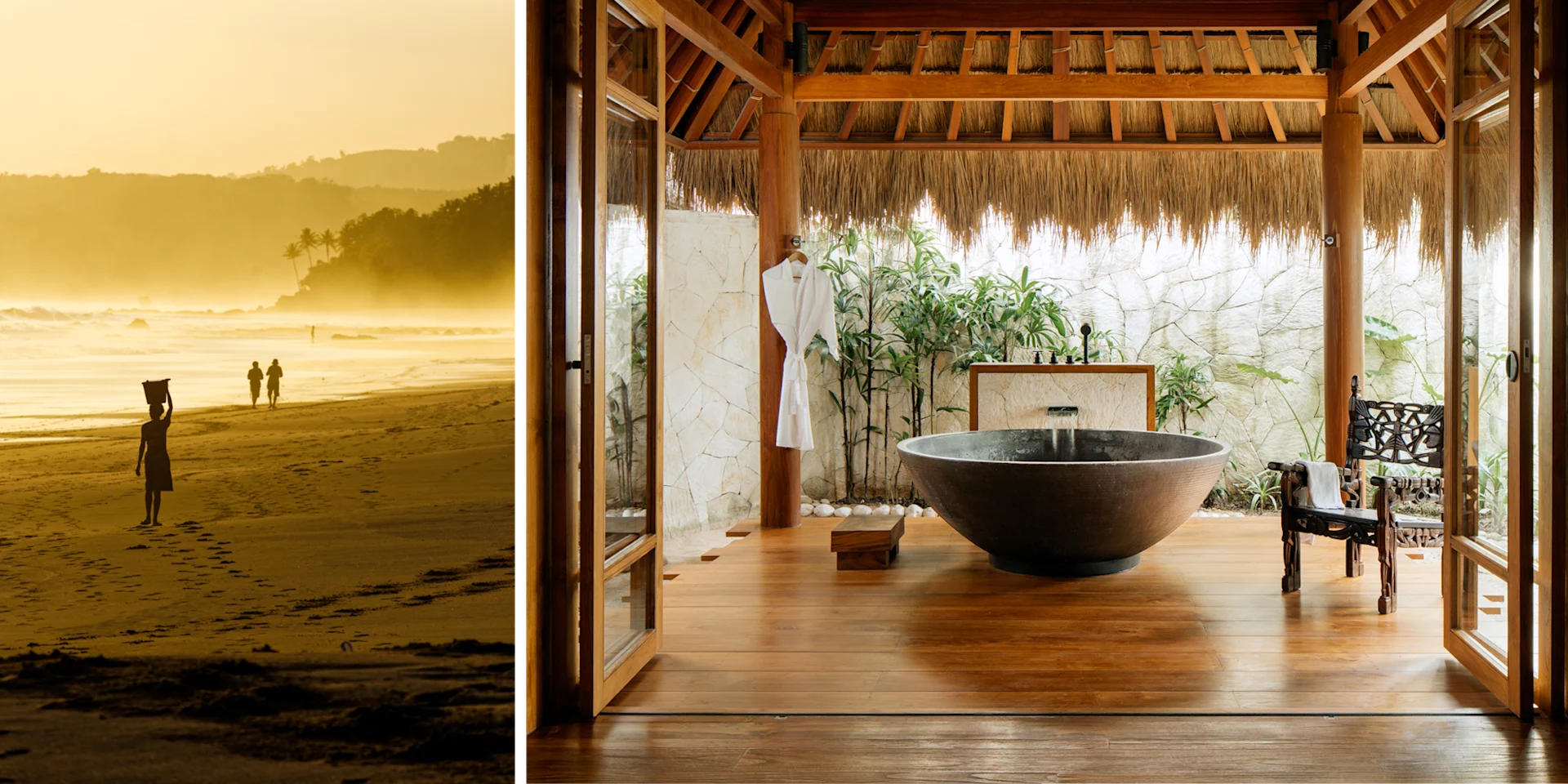
Reached by a road that snakes over hills and through palm forests, the compound is made up of 31 scattered villas and anchored by an open-air lobby pavilion, where you are greeted at check-in. With palm trees and bamboo ensconcing these discreetly placed structures, many of them built in the local thatched and peaked-roof vernacular, Nihi looks very much of its place, an idealized version of a Sumbanese village.
The Crowd
Many visitors to Nihi are American—often jetting in on their own planes, stopping over from more crowded Bali, or on an island-hopping yacht trip aboard one of the luxurious phinisi schooners that ply the Indonesian archipelago. In spite of—or maybe because of—its remoteness, this is also a place that draws a loyal following, with some guests coming back year after year.
Service
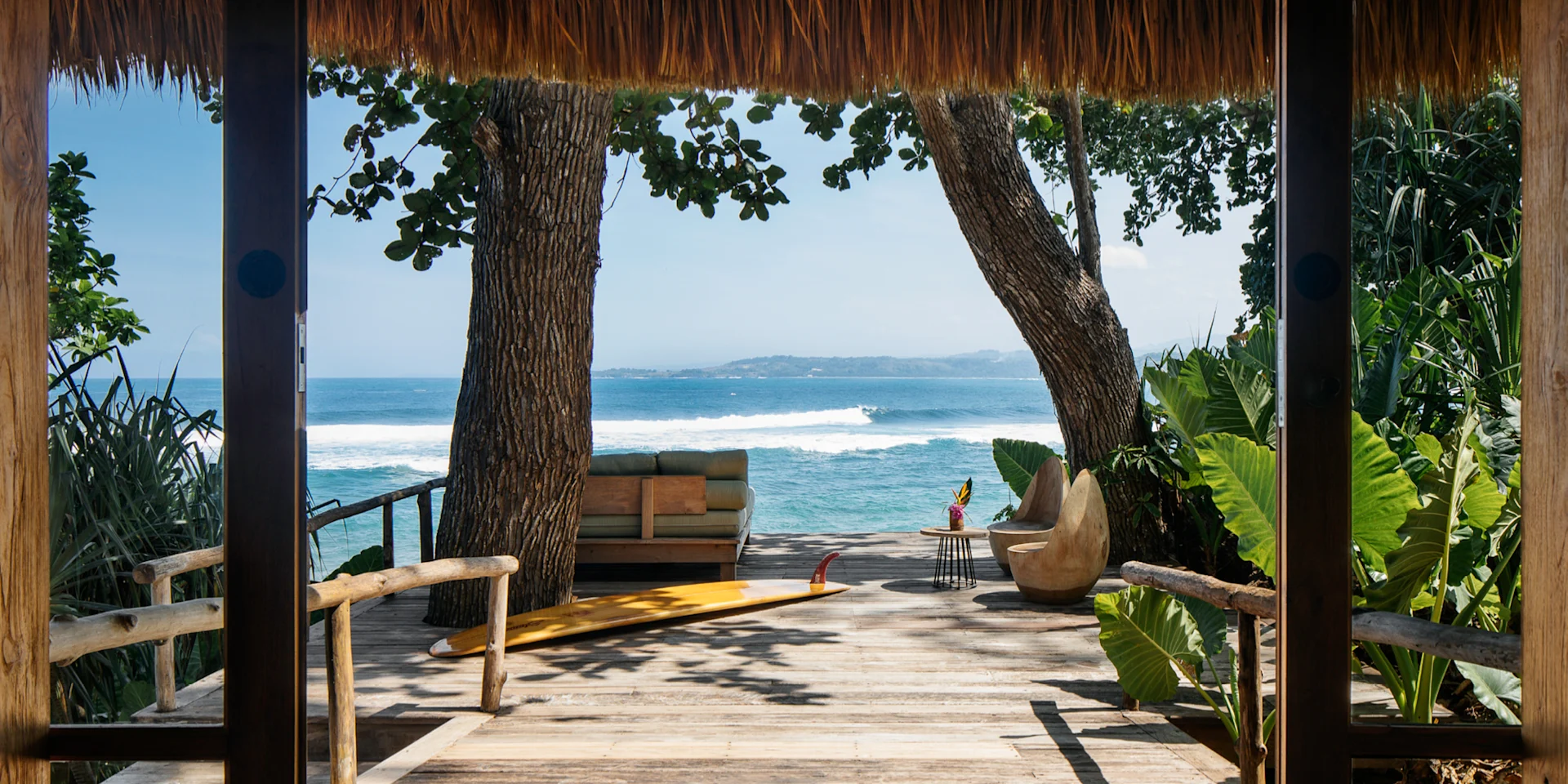
Nihi has made a concerted effort to train and hire a local workforce for a career in the hospitality sector. The staff draws heavily from Sumbanese graduates of a Nihi-supported hospitality school, whose relaxed but attentive care and love of their island helps shape a visitor’s connection to the place. Our guide on our Nihioka Spa Safari hike (a curious name for a 90-minute hike through rice fields and forests to reach the spa, which sits on a remote outcropping apart from the hotel compound) was incredibly knowledgeable about the wide variety of flora and fauna, and seemed to know—and introduced us to—every villager we met along the way.
Rooms
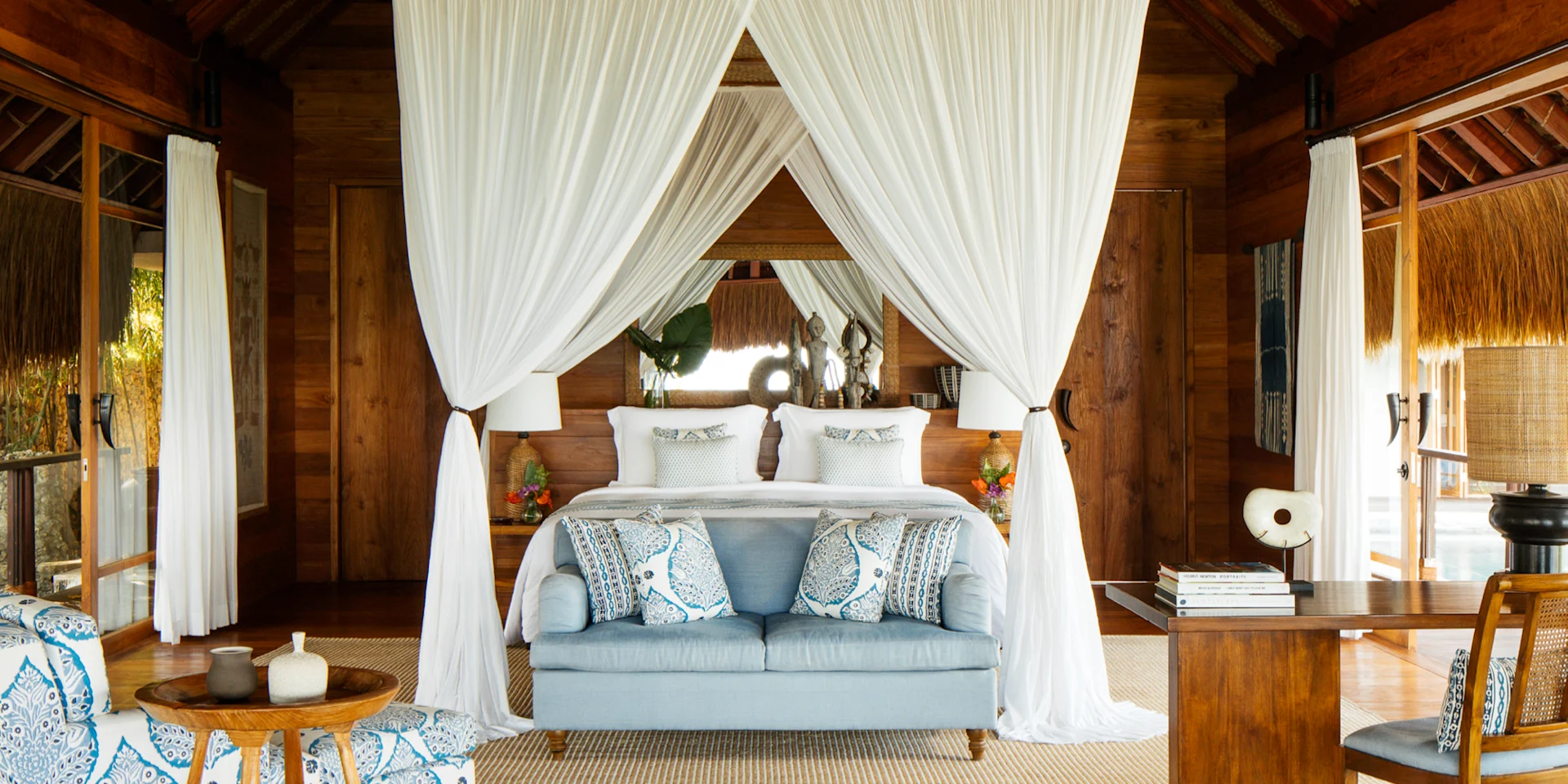
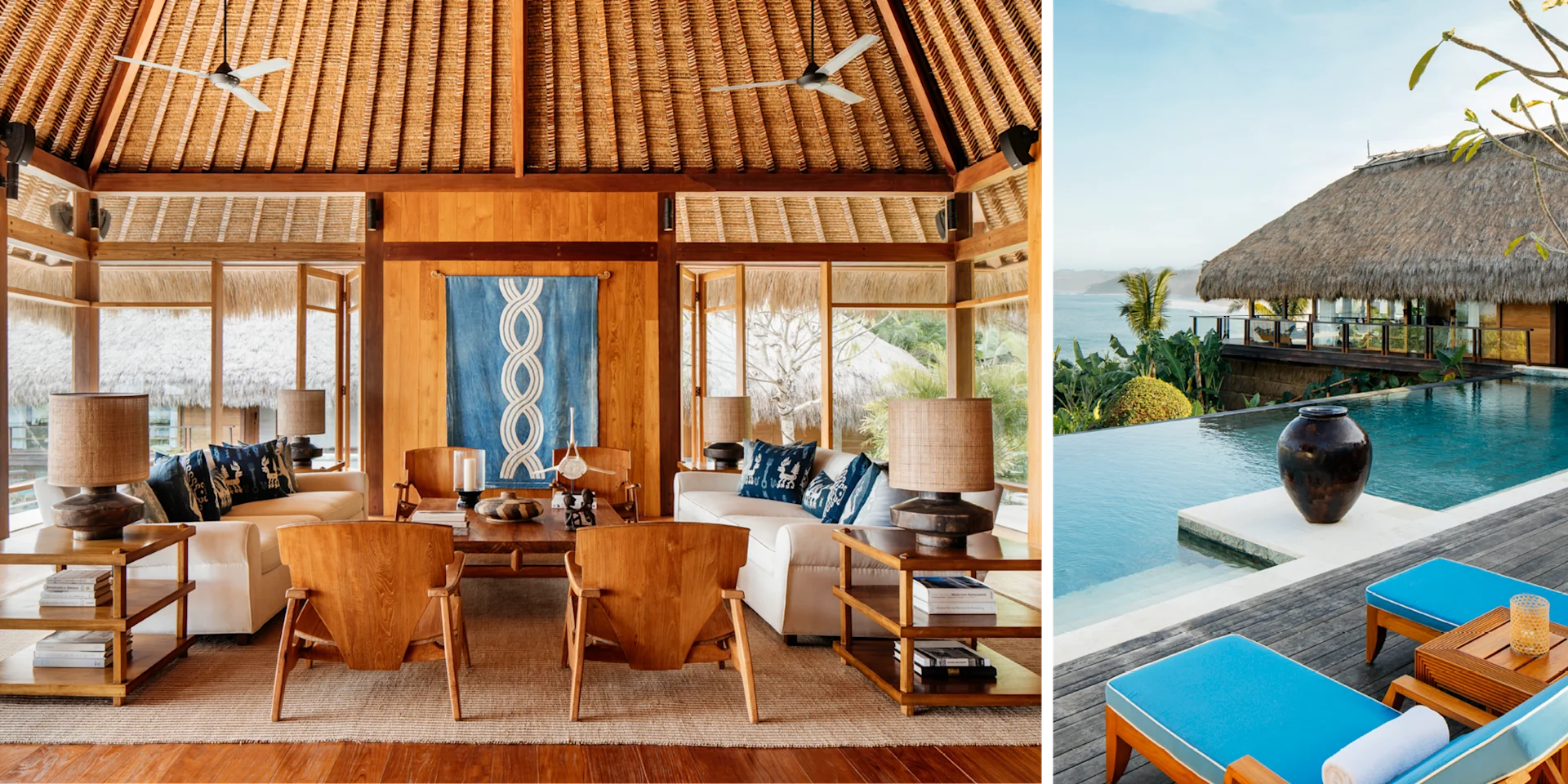
Every villa at Nihi has a distinct personality. The Mamole Tree House, with its elevated catwalks meandering among treetops connecting one room to another, feels like the playground of a billionaire who refused to grow up. The actual billionaire’s own house (The Owner’s Estate, aka Raja Mandaka) is more of a traditional interpretation of a Sumbanese village, with manicured lawns, symmetrical wings containing separate living quarters and bedrooms and an enormous infinity-edged pool overlooking the Indian Ocean. All villas share the same panoramic views, their own pools, indoor-outdoor bathrooms (an exhibitionist’s delight, but an entomophobe’s nightmare) and canopy beds with crisp sheets.
Wellness
Nihi’s spa is simply a must, even if hands-on healing isn’t typically your thing. Built high on a cliff the next cove over from the hotel, the spa is reached either by Jeep or the aforementioned (and highly recommended) Nihioka Spa Safari. The half or full-day rapturous experience includes body wraps, massages, scrubs, facials and every imaginable permutation of pampering. The treatments are administered in open air bales (pavilions), outfitted with massage tables with strategically angled mirrors underneath the face cradle so you can take in views of the ocean below—assuming you can keep from drifting off to sleep during your treatment.
Impact
In the early years of Nihi’s development, founders Claude and Petra Graves lived much like the villagers around them. They had no running water, electricity, or access to medical care. Like their neighbors, they contracted malaria dozens of times. So when they opened Nihiwatu to guests, they encouraged them to become involved with the surrounding community. Soon after, they formed the Sumba Foundation to help ease the burdens of poverty—including access to education and healthcare—in Sumbanese communities. The Foundation currently reports five medical clinics, nearly half a million treated patients, and a 94 percent reduction in malaria cases attributable to its work. The hotel offers guests opportunities to get more deeply involved with the work of the Sumba Foundation by leading English classes or serving lunch at nearby schools, for example, or playing games and singing songs with local kids.
Beyond
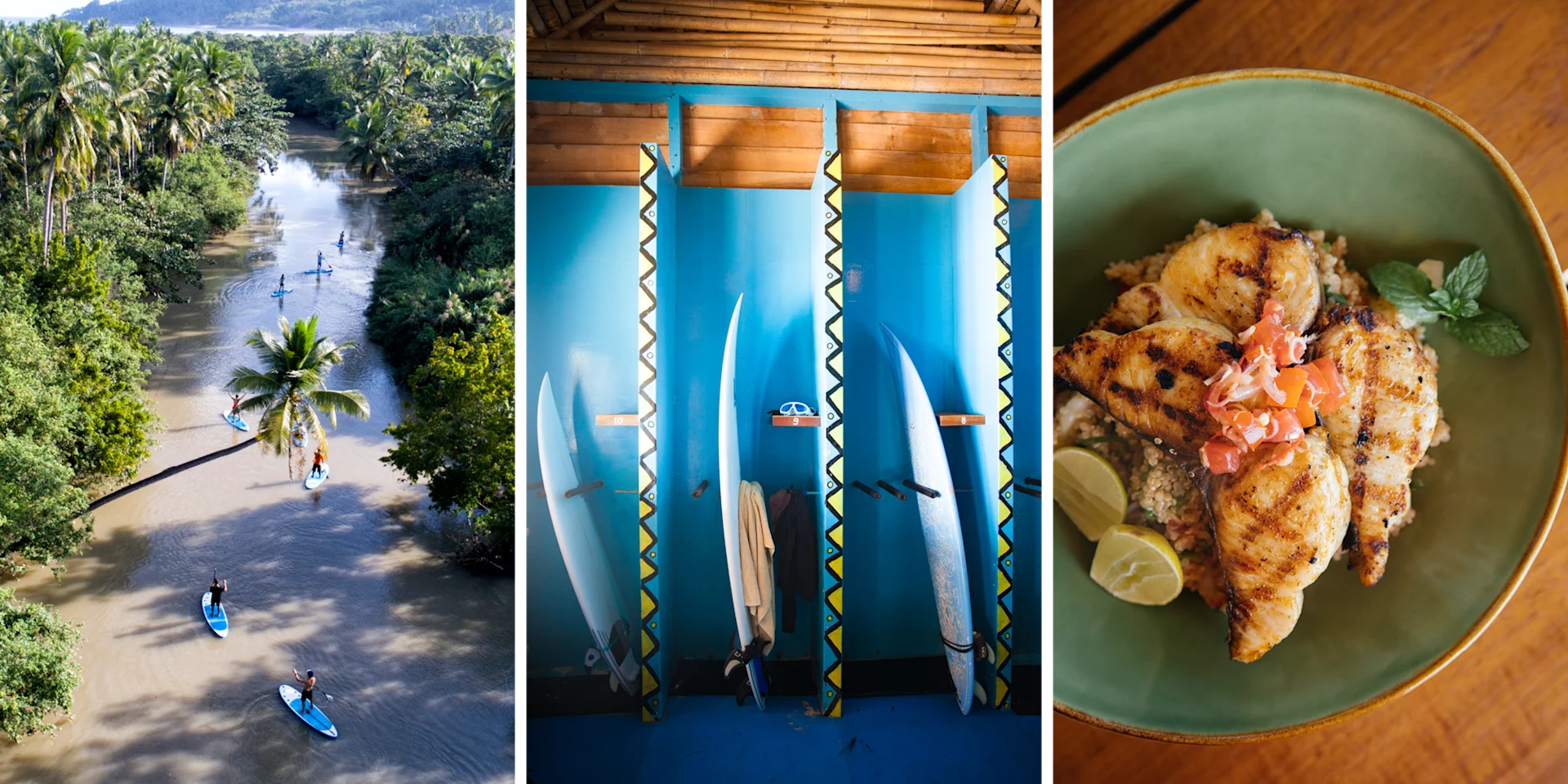
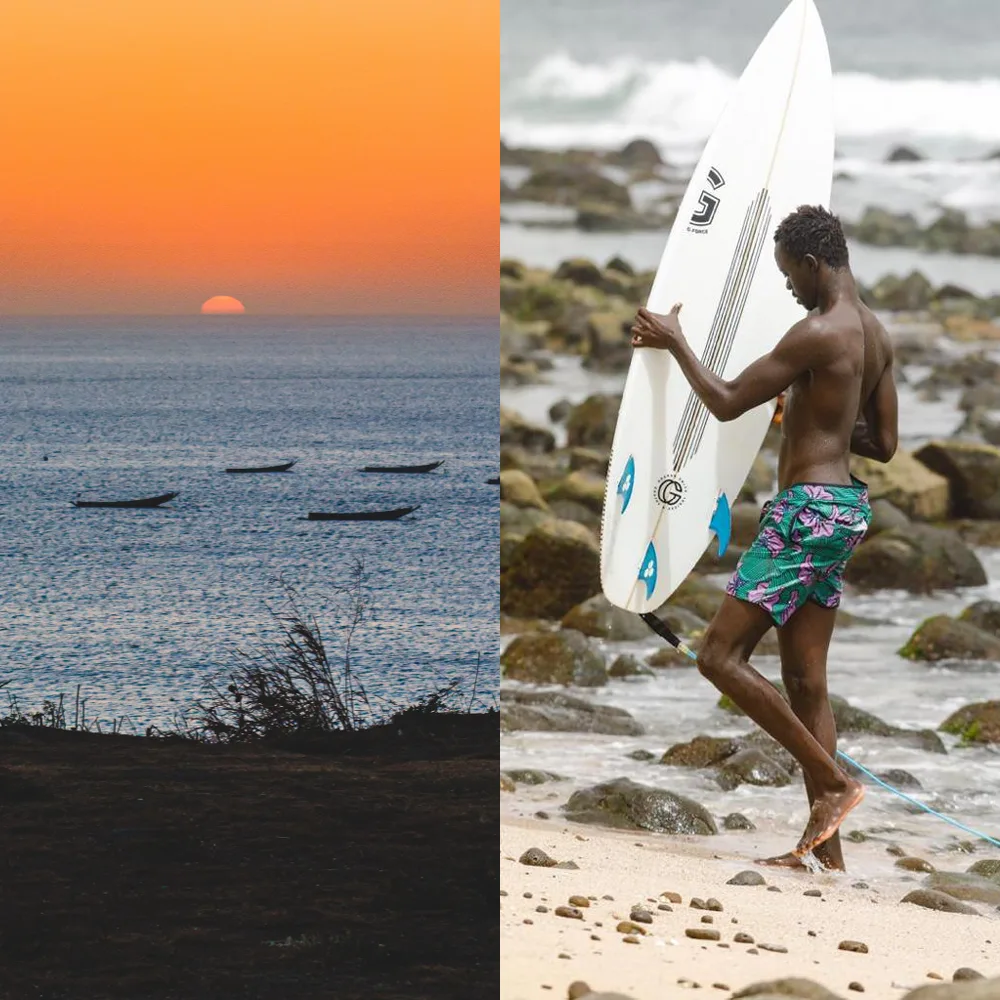
You could spend an entire vacation within the cosseted isolation of the resort, where one of the world’s most sought-after breaks, “Occy’s left,” draws surfers from around the world. (Fortunately, the wave is limited to 15 surfers at any given time, and there’s calmer, beginner-friendly surf at a nearby Coconut Cove.) One regular sight on Nihi’s beach is the resort’s horses, which can be saddled up English style for sunset canters—or, during high tides, guests can swim with them as they cool off in the ocean. But there are reasons to leave the compound: Nihi provides market and art shop tours in nearby towns, a paddle board excursion down the gently flowing Wanokaka River, and surfing “safaris” (that word again) to other parts of the island.