Our Tbilisi Black Book

The author of Georgia: The Cookbook shares his favorite addresses for holy-grail khachapuri, surprising Soviet antiques, and clay-aged wine poured well past 2 a.m.

Category:Culture
PublishedOctober 2, 2026

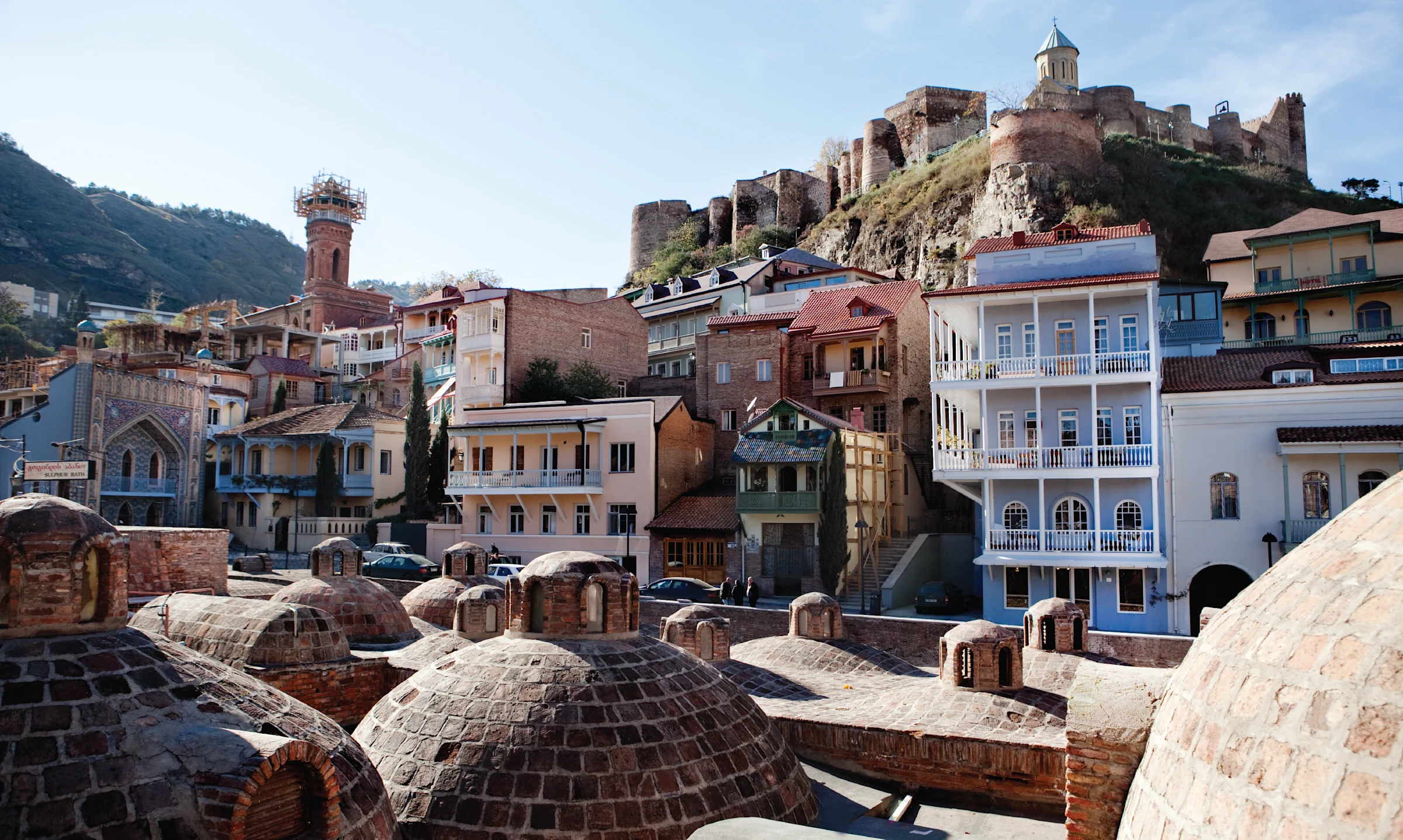
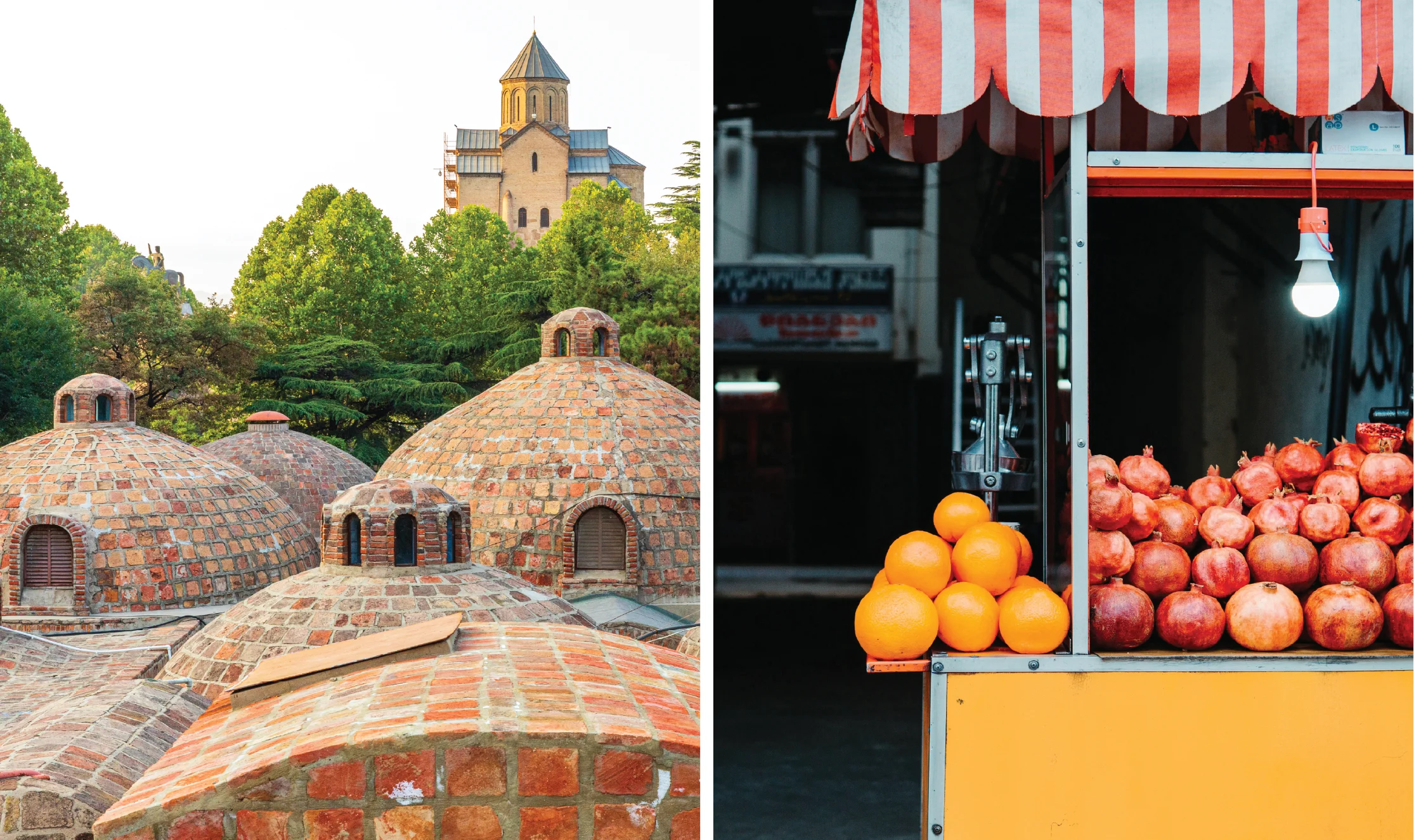
Last month, as pedestrians grumbled about roadworks on Tbilisi’s main thoroughfare, construction workers’ shovels clinked against something astonishing: a trove of intricate pottery from roughly the 10th century, when the city was still heaving with Silk Road caravanserais and floating flour mills bobbed on the Mtkvari River. The find barely registered to most Georgians: In a country that claims an 8,000-year-old winemaking tradition, the earliest known hominin remains outside Africa, and churches dating back to the 4th century, a millennium-old cache is just another day in the Georgian capital.

If, like me, you love sprawling, palimpsest-like cities where centuries of history pig-pile on one another, there are few places more thrilling than Tbilisi. That’s why I’ve taken more than 25 trips there over the last decade—and why it inspired my new Georgian cookbook, coauthored with chef Meriko Gubeladze (more on her shortly).
PRIOR Access: a dedicated Travel Designer and unlimited trip planning for $3,250 a year, with the same network of insiders behind our stories.

But despite Tbilisi’s sudden rise to the top of travel wishlists—its airport handled a record 4.75 million passengers in 2024, nearly 30 percent more than the year prior—I’ve seen surprisingly little change in the standard itinerary over the years. Most visitors seem to ride the cable car up to the fortress, post a few stories in the Old Town, nab a Soviet something-or-other at the flea market, then skedaddle to the mountains. There’s nothing wrong with that cookie-cutter tour—it’s hard to leave Tbilisi anything but spellbound—but having nearly moved there, beguiled by its layered peculiarity, I can assure you: The city rewards straying mightily.

My favorite addresses run the gamut: there's the back-alley lunch joint serving spicy $4 stews, the natural wine bar tended by friends who are actual winemakers, and the buzzy new boutique where couture hounds drop stacks of Georgian lari on Galliano’s Dior and ’80s Lacroix. Consider this your invitation to dig a little deeper.
The pied-à-terre: Stamba Hotel

14 Merab Kostava St.

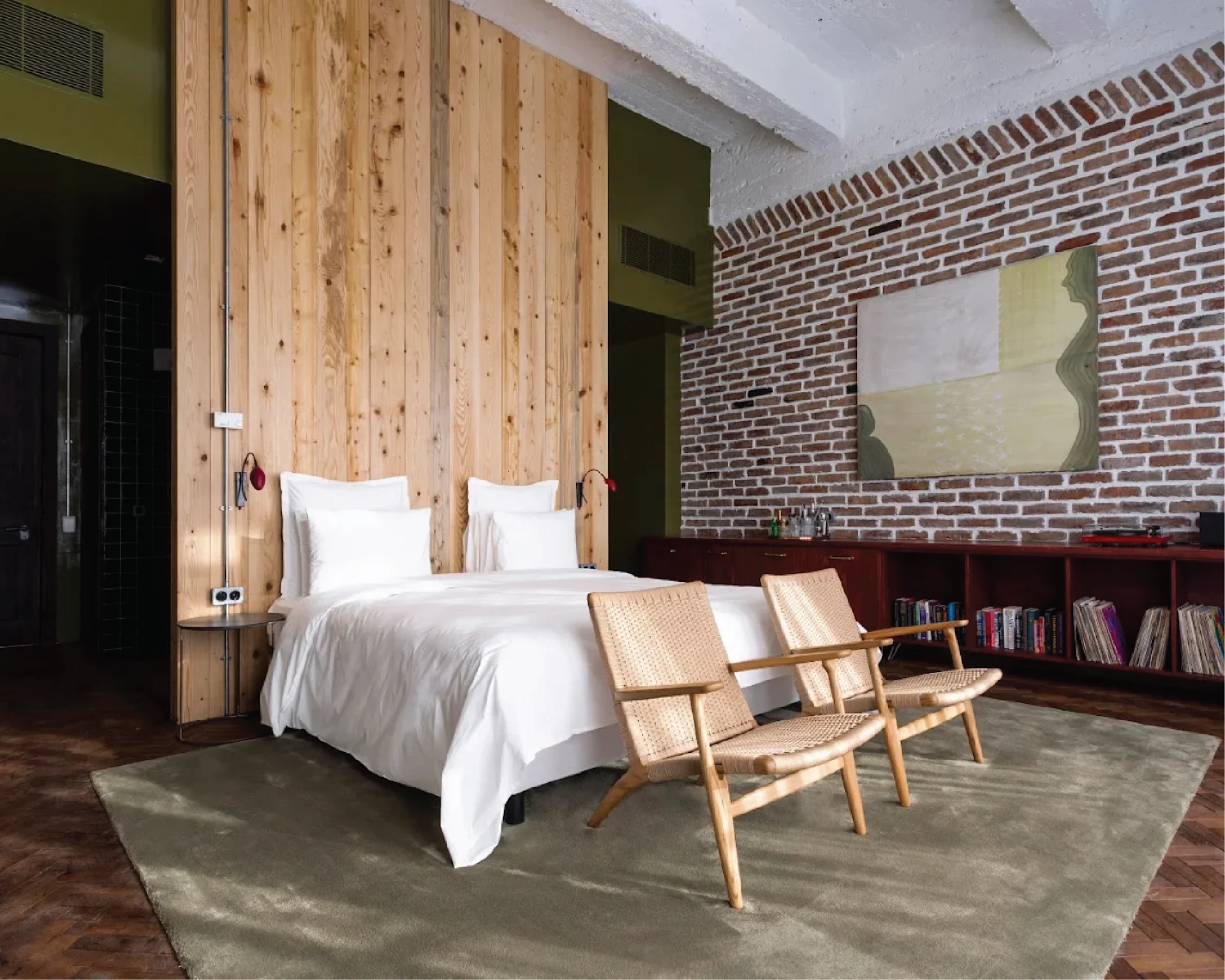
Where would Tbilisi be without Stamba Hotel and its Adjara Group brethren (Fabrika and Rooms)? It certainly wouldn’t be topping lists of the trendiest cities on earth. Stamba is one of my favorite hotels anywhere, in part because it’s aesthetically unplaceable: Look one way and you’ll see thickets of cacti; look another and there are supple, snaking leather sofas; look up and ceiling-mounted machinery that once shuttled papers along a conveyor belt still looms overhead, a reminder of the building’s origins as a Soviet printing house. If you stay here, book an Aviator room, outfitted with a freestanding brass tub, a La Marzocco espresso machine, and a McIntosh stereo system.

But what puts Stamba in an echelon all its own is its self-contained cultural ecosystem that locals enjoy as much as guests. You could happily spend a whole day here, and I occasionally do, swanning from the café with its house-roasted beans to the Japanese-ish teriyaki joint to Warehouse, my beloved nook for deep-cut natural wines. Somewhere in there, I’ll inevitably wind up at the white-tablecloth restaurant for an Adjaruli khachapuri, that molten cheesy canoe topped with egg yolk and butter that you gloop together with a spoon. Come sundown, everyone spills into the enormous courtyard out back, which swells into a wine-sloshed scene.

The pied-à-terre: Stamba Hotel

Holy-grail Imeruli khachapuri: Shavi Lomi

30 Zurab Kvlividze St.

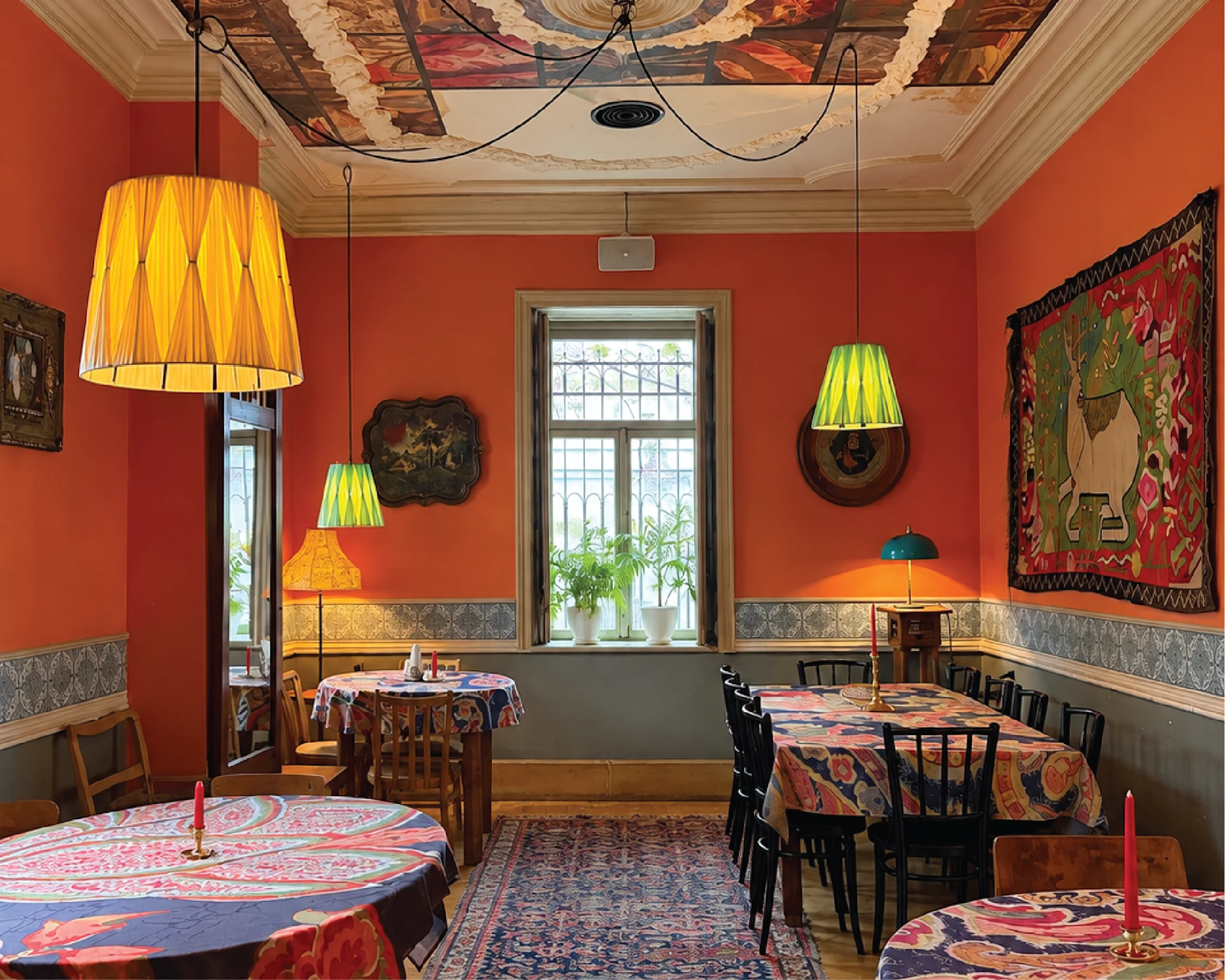
Shavi Lomi occupies a creaky old house filled with patterned tablecloths, cats flitting between tables, and the buttery glow of antique light fixtures. In an era of “concept” restaurants, Shavi Lomi is refreshingly analog: It’s about providing comfort, nourishment, and maybe even a sense of homecoming.

Chef Meriko Gubeladze, the owner and my cookbook coauthor, is something of a household name in Georgia: She hosted a primetime cooking show for a decade and cooked for Anthony Bourdain when Parts Unknown came to Tbilisi. Originally from Imereti, she makes the finest version I’ve tried of her region’s namesake khachapuri: a dinner plate-size, double-crusted pie filled with tangy, curdy cheese. It’s soft, foldy, and not too doughy—perfect alongside Gurian black tea at breakfast or dipped into tkemali (sour plum sauce) for a snack.

Holy-grail Imeruli khachapuri: Shavi Lomi

Surprising Soviet crafts: Navtlughi Market

Mevele Dead End

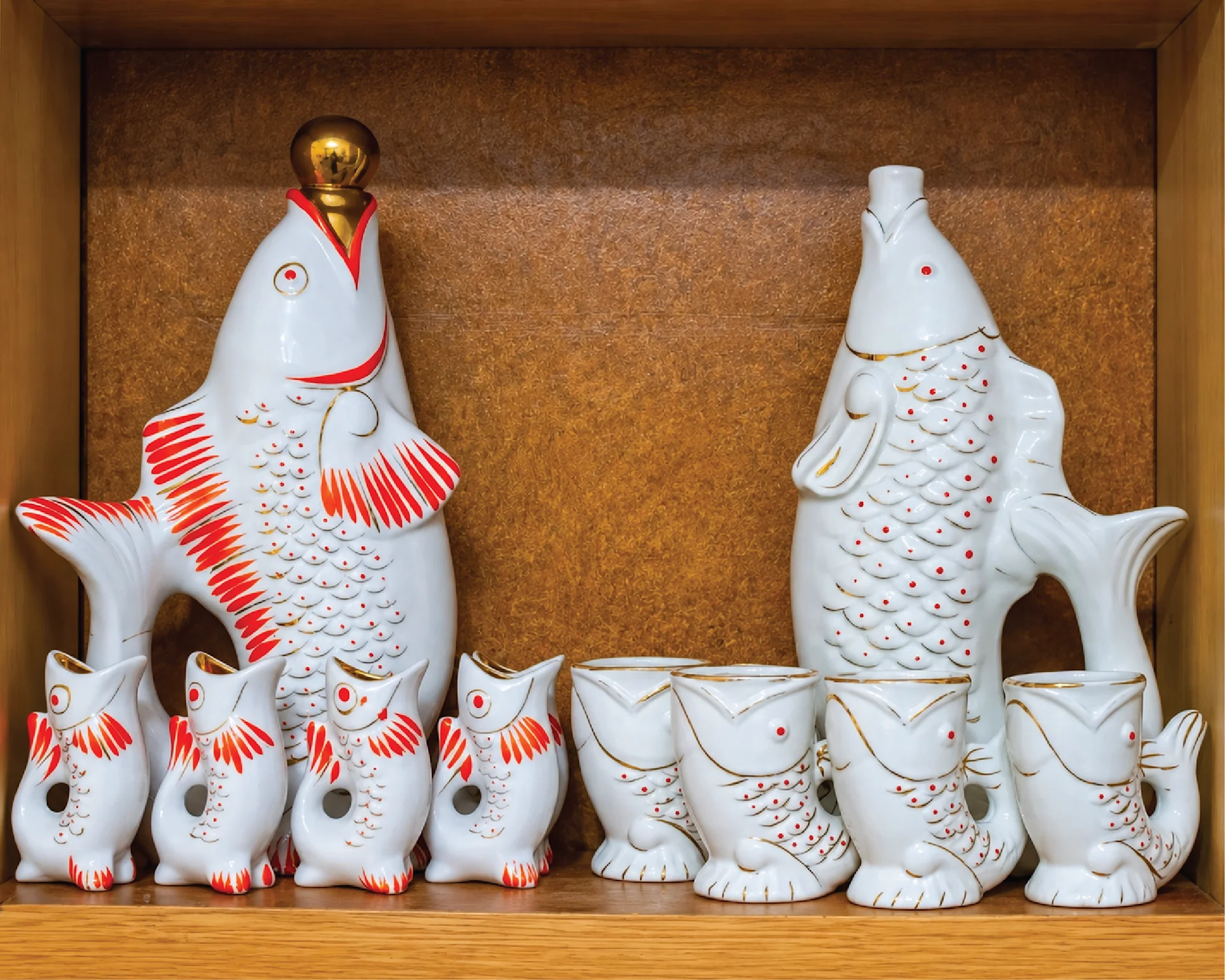
Dry Bridge flea market is Tbilisi’s legendary antiquing stop, but in recent years, the quality has slipped, and there’s a nagging sense that you’re often picking through the dregs. Not so at Navtlughi, a ramshackle maze of sheds and market stalls on the fringes of town where you can shop for traditional hand-whittled mtsvadi (kebab) skewers, Caucasian rugs woven deep in the mountains on long-retired looms, beeswax candles made by monks, and enough bric-à-brac to make a packrat short-circuit. On a recent visit, I was hellbent on finding a Soviet gluggle and matching shot-glass set. Manufactured mostly in Ukraine and gilded by hand, these fish pitchers with gaping maws are hilarious to look at—and increasingly scarce. With one of these on the table, there’s no better way to wrangle your friends into a round of chacha, Georgia’s fiery grape brandy.

Surprising Soviet crafts: Navtlughi Market

The fashion fix: Archived Couture

12 Leo Kiacheli St.

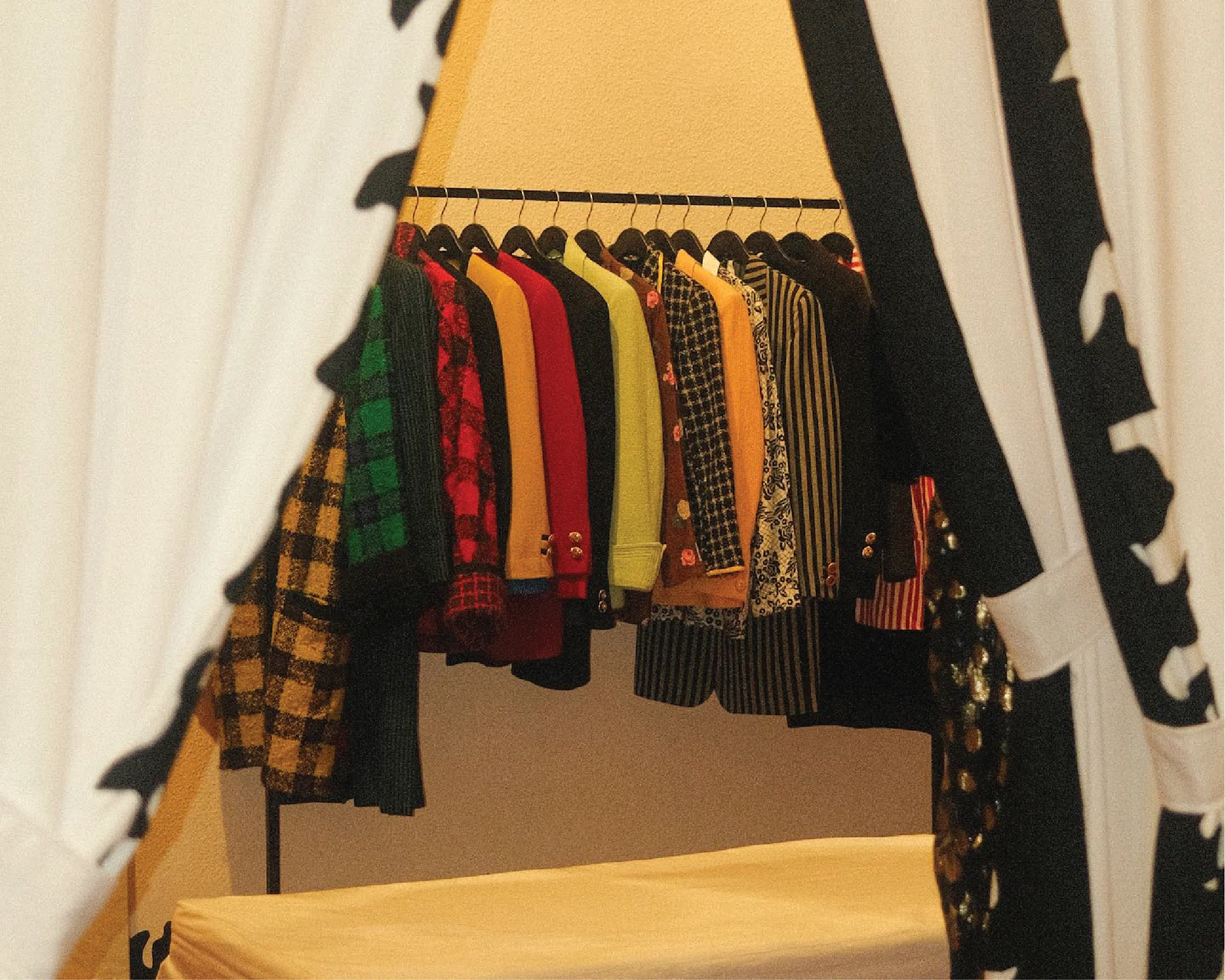
Eight years ago, Luka Gviniashvili started amassing what has become perhaps the world’s largest private collection of Christian Lacroix, and today it’s on display at his three-year-old boutique, Archive Couture. The space was conceived with Lacroix himself and channels his gloriously OTT ’80s salons with lipstick-red floors and black ornamental flourishes. The collection is just as exuberant, mixing Lacroix haute couture and ready-to-wear with 20th-century fashion, jewelry, historical textiles, and even liturgical vestments. It’s technically an archive, but don’t expect white gloves and hushed voices: You can wander in off the street, get up close to the clothes, and, crucially, buy whatever you see.

The fashion fix: Archived Couture

The edible haul: Dezerter’s Bazaar

5 Abastumani St.

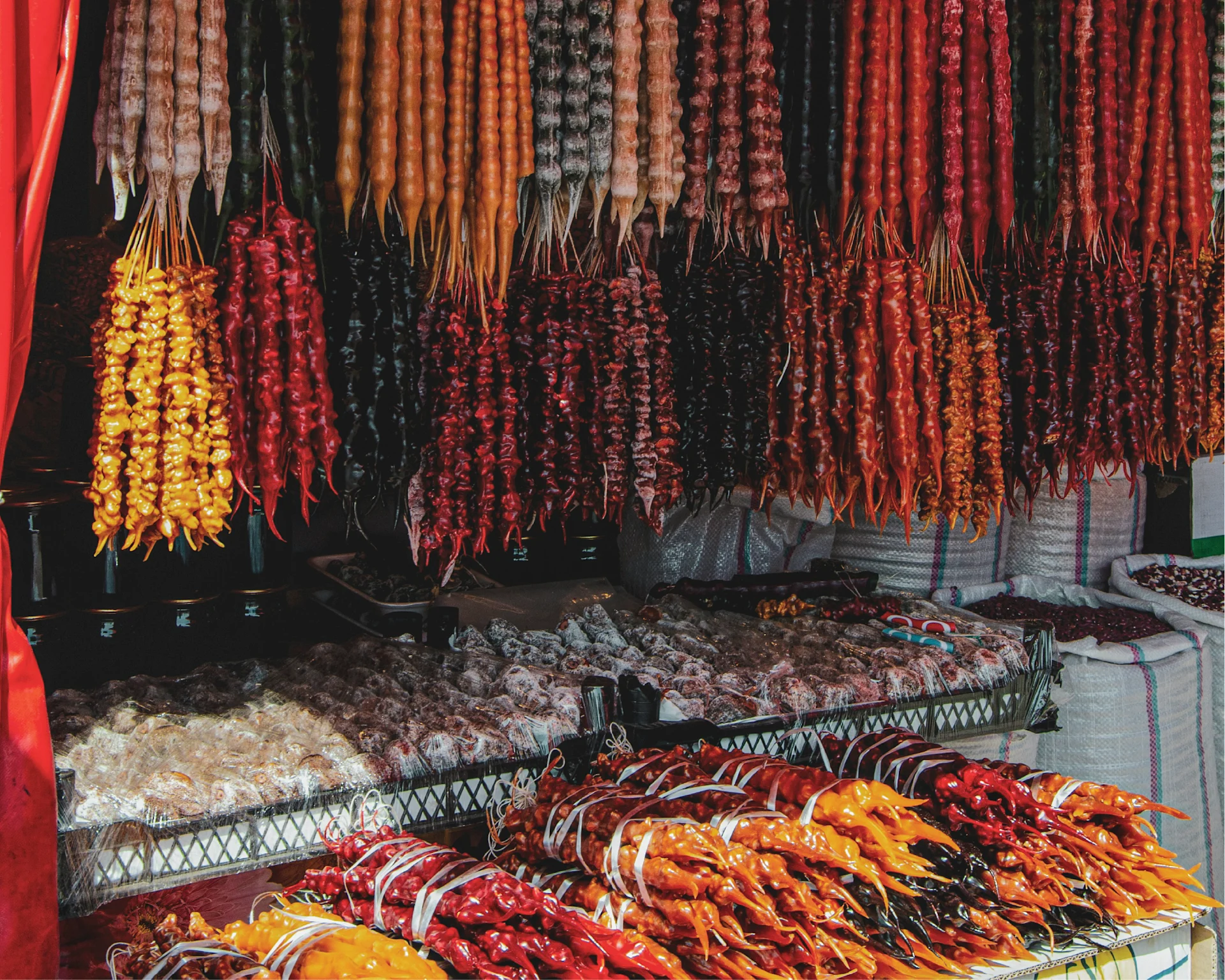
One of Georgia's most eye-catching foods is churchkhela, a knobbly confection made by dipping strings of nuts (usually walnuts, sometimes hazelnuts) repeatedly into thickened, sweetened grape juice. It’s something of a primordial power bar: Georgian soldiers are said to have loaded their saddlebags with them before heading into battle. Today you can buy churchkhela just about everywhere for your own road trips and cheese boards, but the best are handmade and sold at markets like Dezerter's Bazaar. Look for pale brownish-pink ones that still bend slightly in the middle, and avoid anything stiff, cracked, or artificially colored. While you’re at the bazaar, stock up on Georgia’s holy trinity of spices: coriander, dried marigold, and blue fenugreek. To find my spice angel, Shazina, amid the throngs, simply ask a friendly (ideally non-spice) vendor to point you in the direction of Shazina, “the spice lady.”

The edible haul: Dezerter’s Bazaar

The unsung cultural stop: Silk Museum

6 Giorgi Tsabadze St.

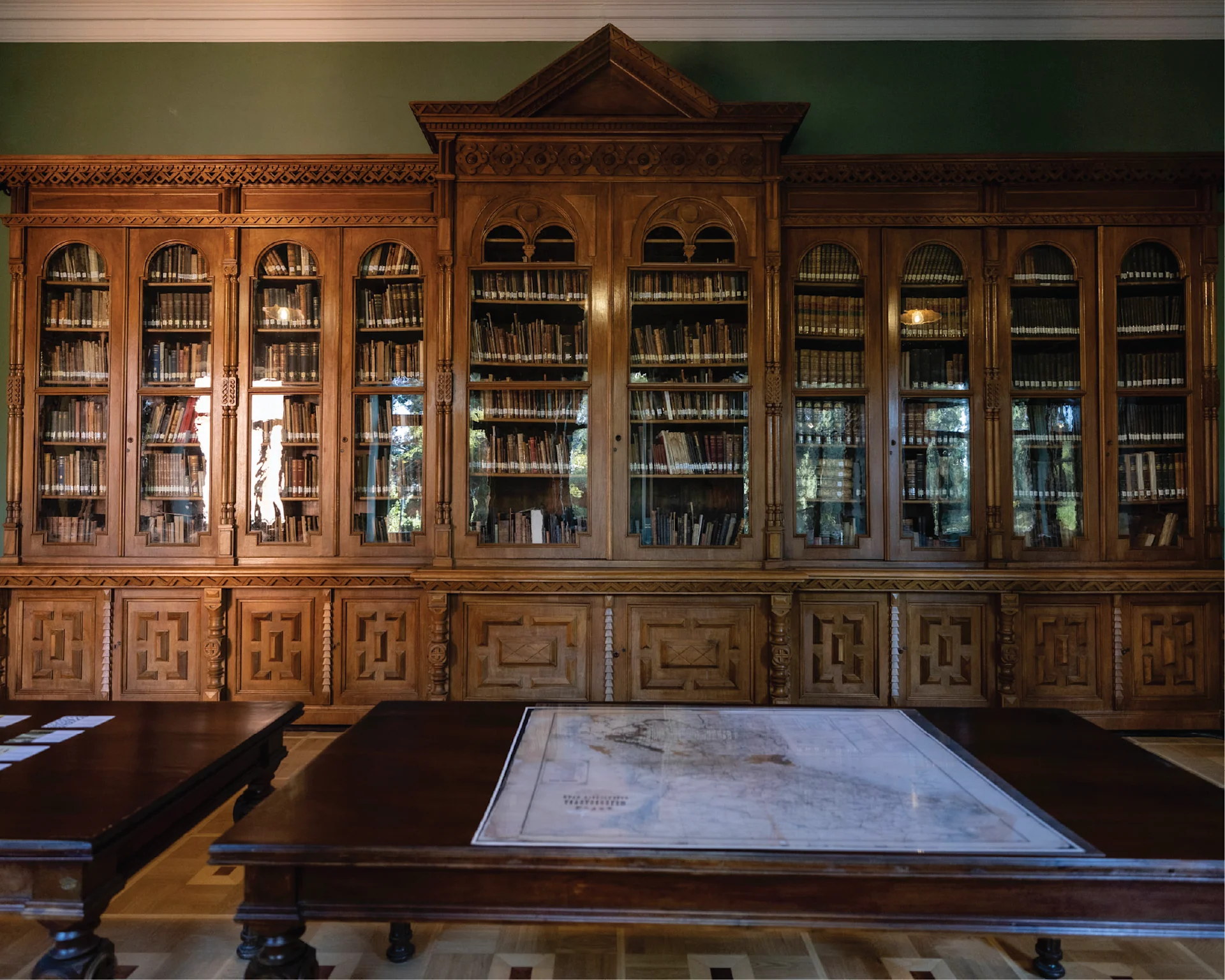
Tbilisi’s State Silk Museum celebrates the strange alchemy of turning silkworm spit into finery. Silk was once serious business in Georgia: Mulberry trees grew across the country to feed armies of ravenous silkworms, whose cocoons supplied a thriving local industry. Founded in the late 19th century as part of the Caucasian Sericulture Station, the museum gets wonderfully granular about the whole process, with cocoons, antique looms, shimmering textiles, and other silky arcana. After a respectful four-year restoration, it reopened in 2024 to little fanfare, still decked out with its original display cases, patterned floors, and intricately carved woodwork. Even if you’re not obsessed with silk, the redbrick building alone is worth the detour.

The unsung cultural stop: Silk Museum

My architectural crush: Bank of Georgia Headquarters

29a Iuri Gagarini St.

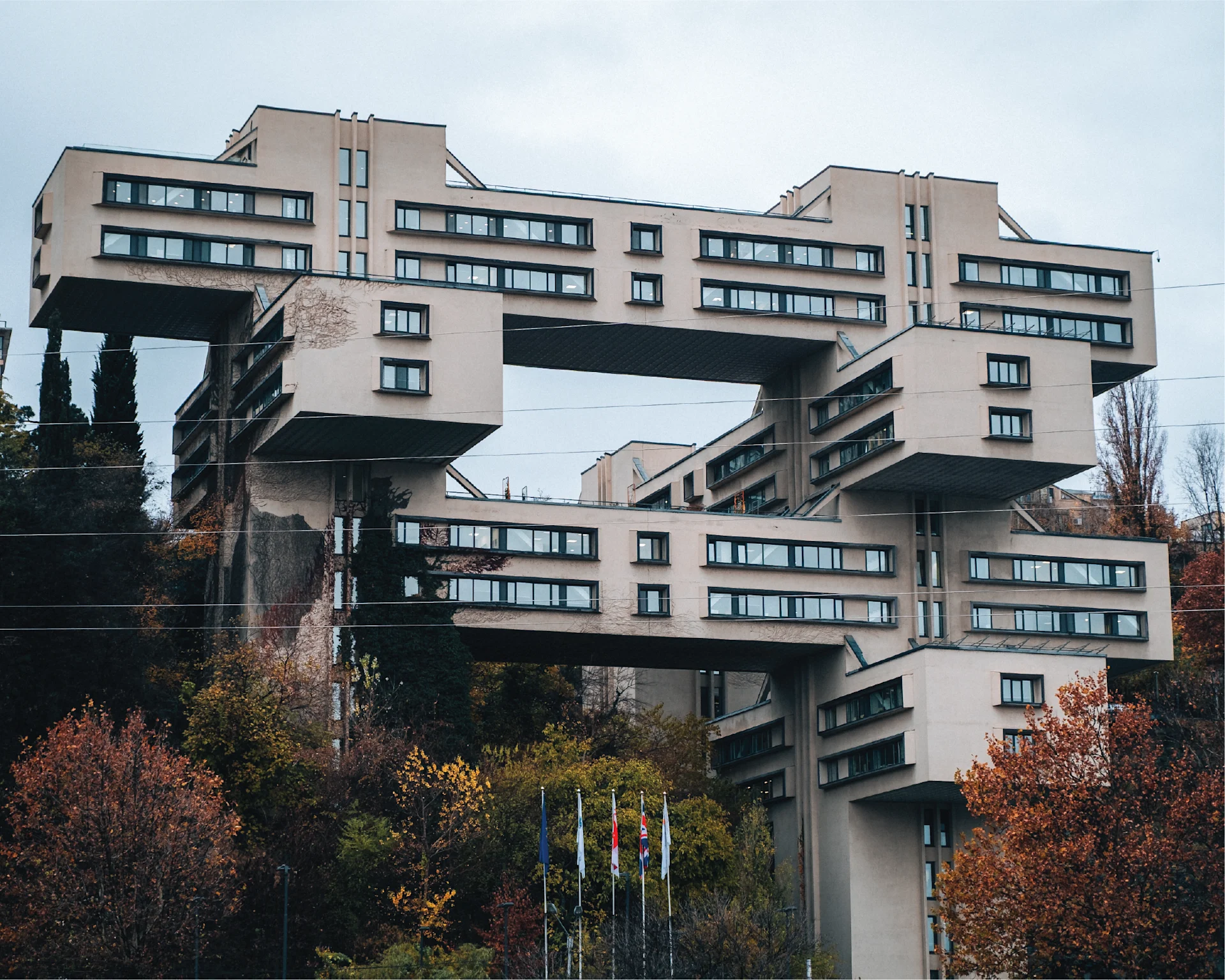
The Bank of Georgia headquarters is a hulking Jenga tower of concrete slabs cantilevered over a wooded slope above the Mtkvari. To this day, every time I drive past it on the highway, I crane my neck out the window to get a better look. Built in 1975 as the headquarters of the Georgian SSR’s Ministry of Highway Construction, it’s a Soviet Brutalist triumph that looks as though half of it is floating in midair.

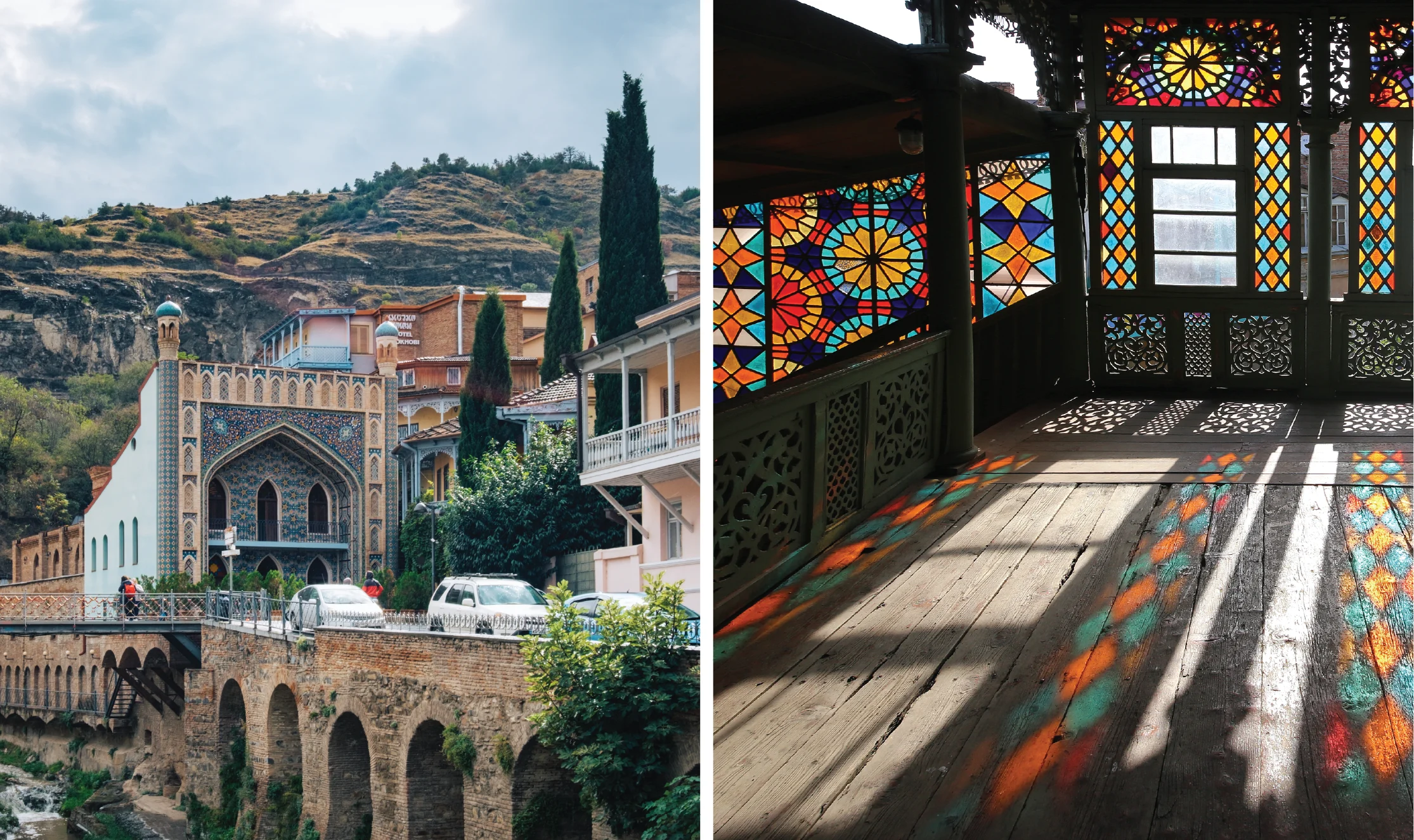
But since it’s hard to visit in person, I’ll send you instead to the Persian Mirror Halls at the Tbilisi State Academy of Arts, where, inside a 19th-century mansion, you’ll find fairytale rooms encrusted with Qajar-style mirrorwork. Installed by Persian craftsmen, the tiny shards of glass tessellate the walls and ceilings alongside painted flowers and nature motifs; stained-glass windows throw colored light across the whole confection. It’s a wondrous bit of Tehran hiding in central Tbilisi.

My architectural crush: Bank of Georgia Headquarters

The daytime hangout: Honoré

4 Constitution St.

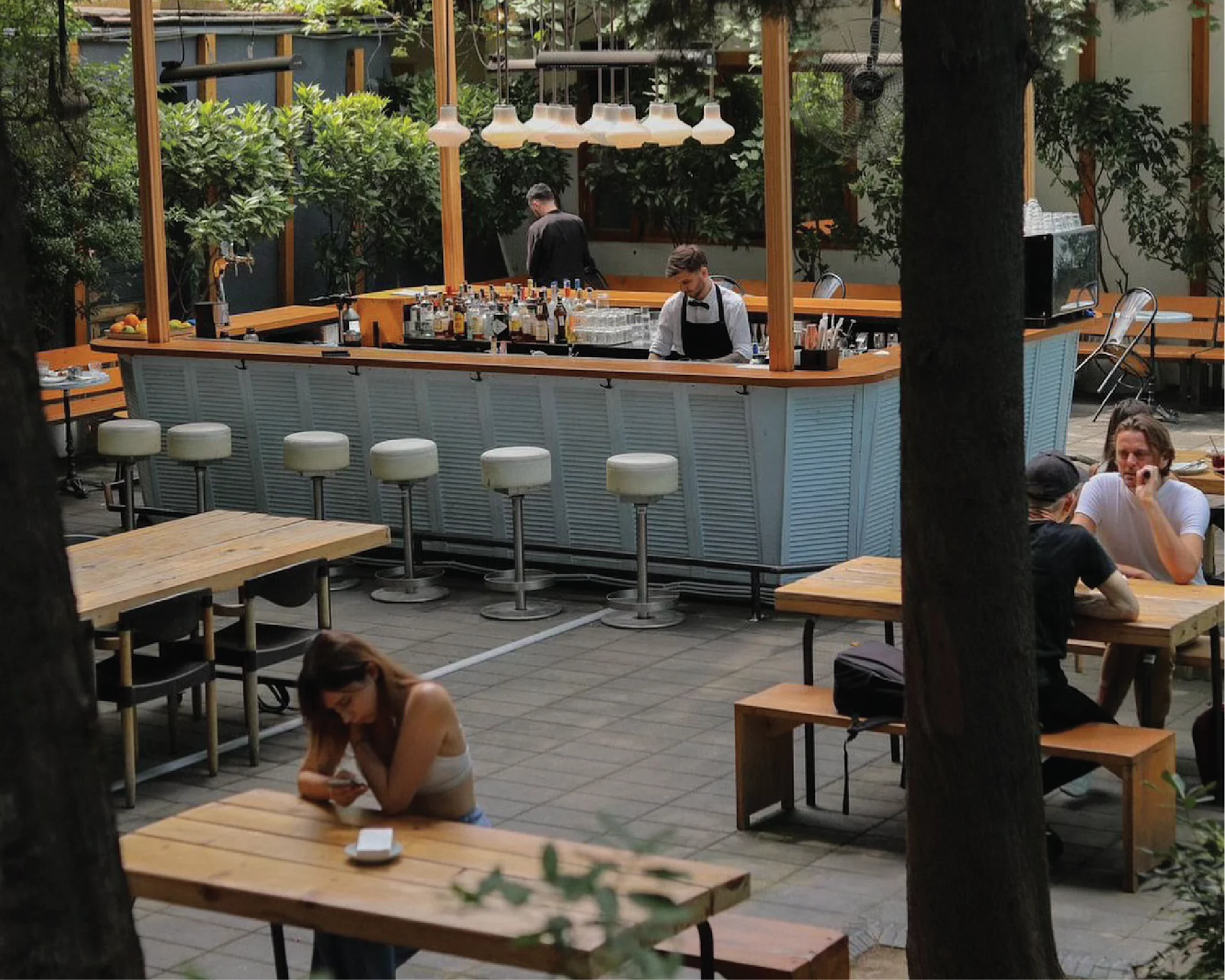
Honoré occupies an old building whose renovation left its bones on full display: Soaring gallery windows and battered columns contrast with a wraparound cocktail bar, a killer sound system, and a garden with picnic tables where you can watch mtsvadi sputter over the coals. I like it best during the day, when things are quiet enough to post up by the windows and watch cats wander in from the garden and toast themselves on the radiators. I’ll often sit for hours, starting with lunch—always the (unfortunately named) “bean plate,” a heap of spicy beans with sharp Guda cheese and a whole cucumber thwacked open and salted—then move on to coffee, maybe dessert, then another coffee, working or reading all the while.

The daytime hangout: Honoré

The scavenger hunt: Tbilisi Gold Market

Tbilisi Central Station

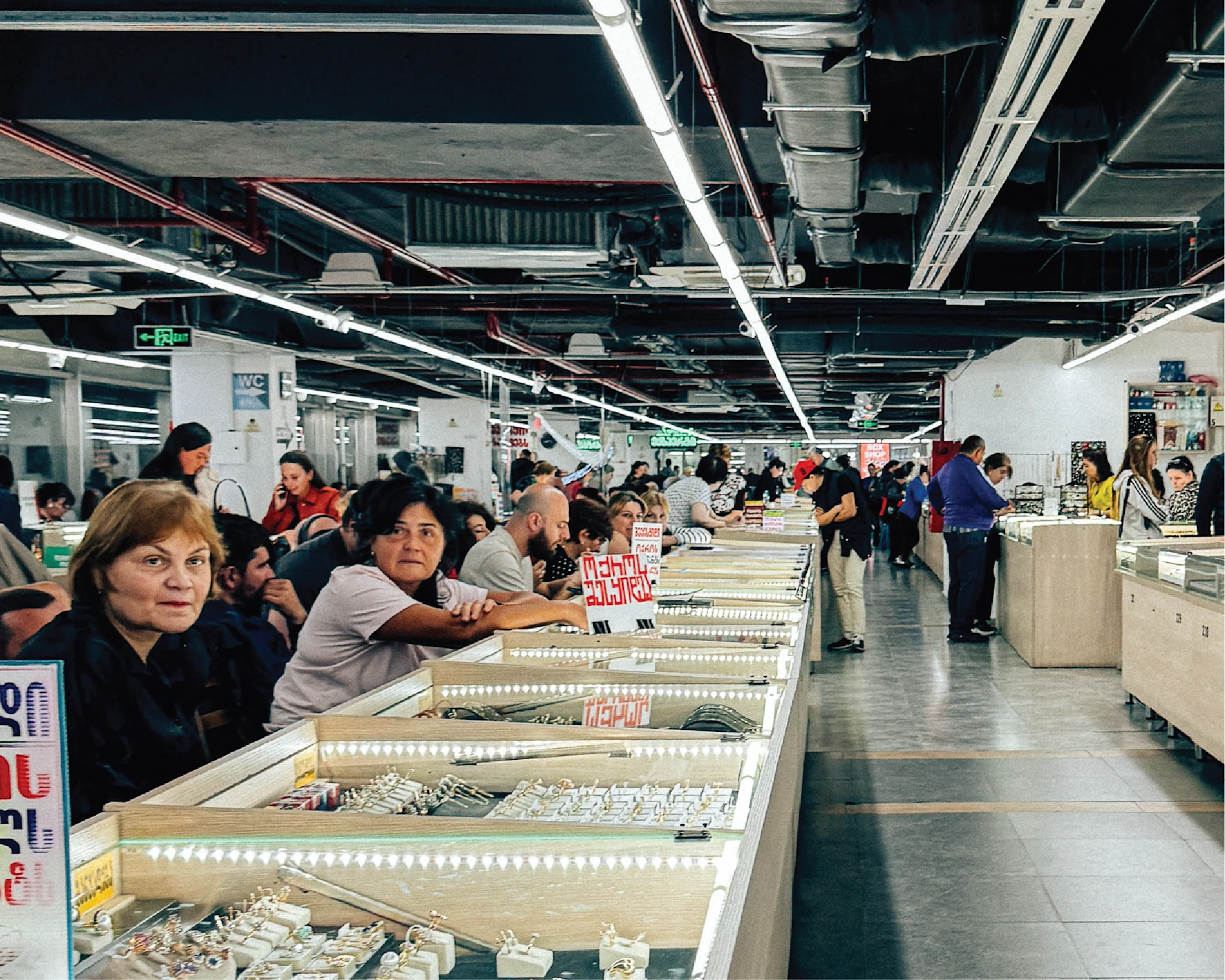
The Tbilisi Gold Market packs some of the city’s most precious specimens into an unlikely setting: the ground floor of a gritty train station, a late-Soviet concrete pile with a space-age sweep to its facade. Inside, the sheer volume of tchotchkes can scramble your brain, so go with at least a vague idea of what you’re hunting for, whether it’s a gold bracelet, a Soviet watch, or an antique niello-silver cigarette case. It’s worth haggling until the cows come home, and if you’re buying actual gold, have the piece tested before you pay: There’s a lab at the back of the market that offers a free service.

The scavenger hunt: Tbilisi Gold Market

The dinner spot: Ninia’s Garden

97 Dimitri Uznadze St.

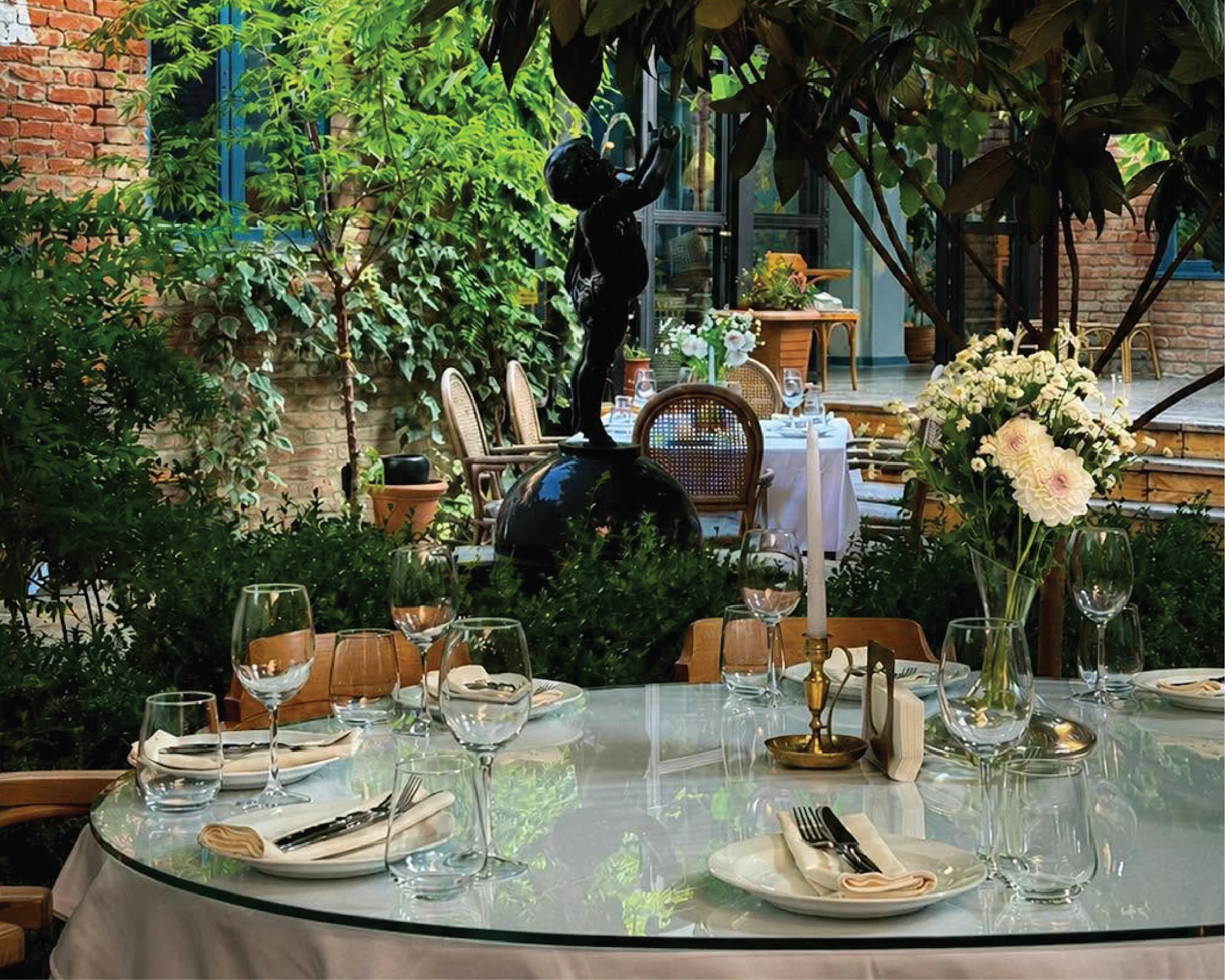
If Shavi Lomi is Gubeladze in grandmotherly mode—all snug rooms and lovingly prepared Georgian staples—Ninia’s Garden is where she lets her creativity fully unspool. A tomato salad comes with hunks of sourdough made from doli, a salvaged ancient Georgian red wheat; ajapsandali, the normally ratatouille-like combination of eggplant, peppers, and tomato, goes from amorphous to geometrical with crisp batons of fried eggplant; and a waffle arrives under yogurt cream and glossy beet confit. The cooking is playful, but never so cheffy that you lose sight of what you’re eating.

The dinner spot: Ninia’s Garden

The side quest: Chronicle of Georgia

Chronicle of Georgia

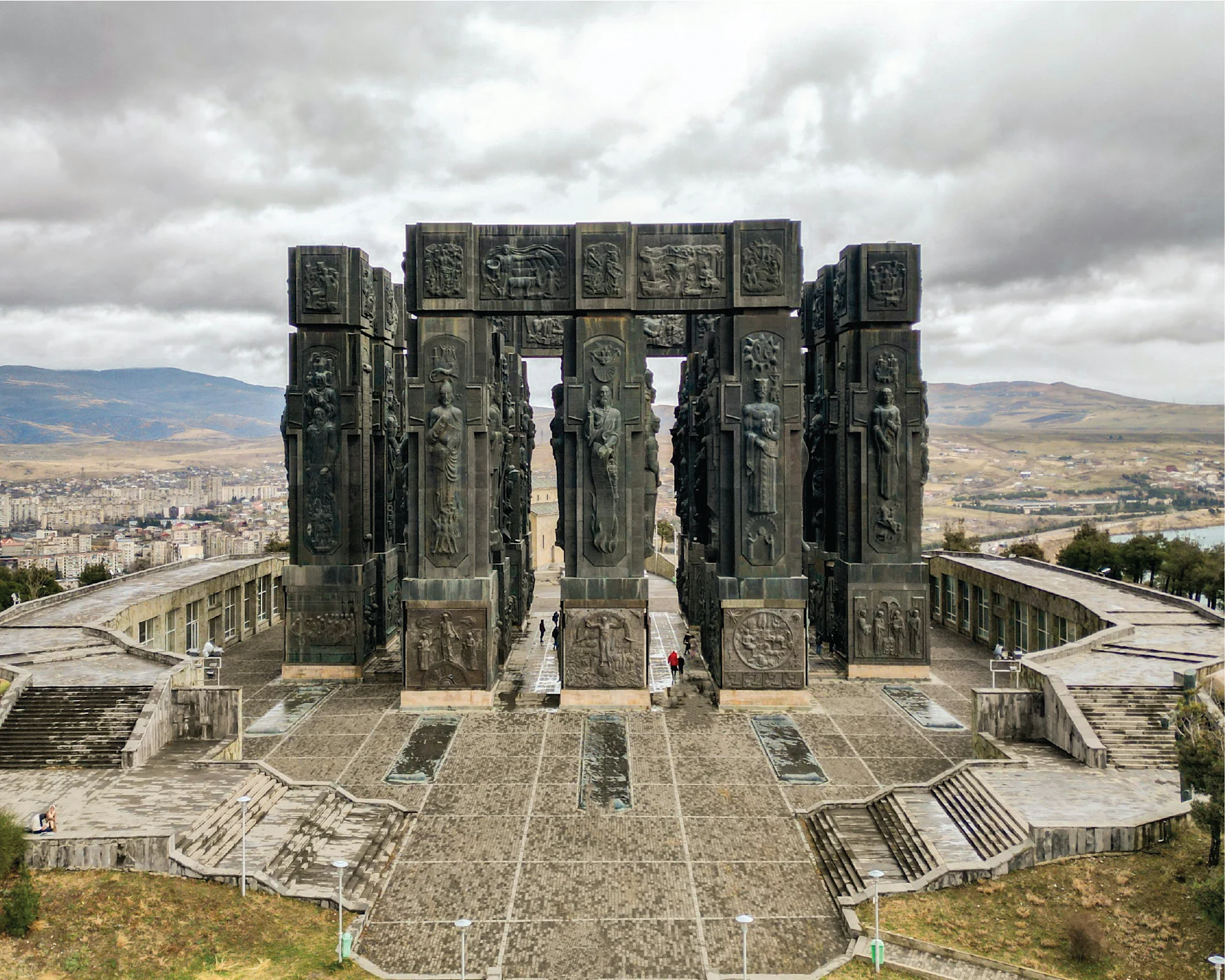
Started in 1985 by Georgian sculptor Zurab Tsereteli, the Chronicle of Georgia was built to memorialize the nation’s history, with 16 colossal pillars depicting Georgian royalty and epic battles interspersed with scenes from the life of Christ. It was never completed, which explains the blank panels and bare concrete. Wandering between its 100-foot-tall bronze figures is like stumbling into some ancient fantastical kingdom where a pterodactyl could swoop down at any moment.

The side quest: Chronicle of Georgia

The culinary deep cut: Pingvinebi

Zhiuli Shartava Street

I only found Pingvinebi because a friend tipped me off, and even after decades in business, most Tbilisians have no idea it exists. The no-frills room has tiled floors, a jukebox jerry-rigged to staticky speakers, tables of men clacking backgammon pieces and swigging Kazbegi beer, and prices that remind me of when I first came to Georgia, when almost nothing cost more than a few bucks.

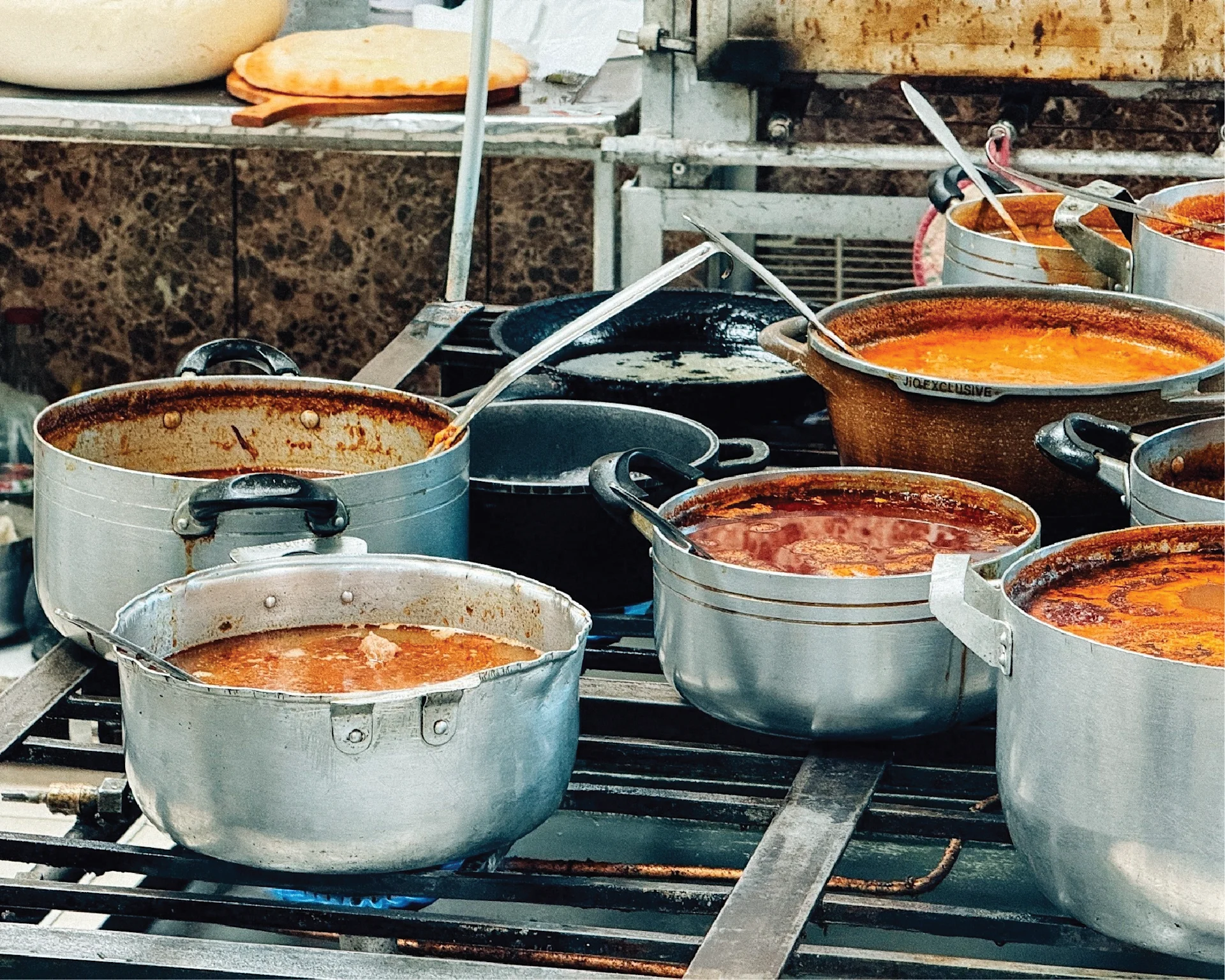
God only knows why it’s called “Penguins,” a theme carried through with stuffed penguins and paintings on the walls. Order the spicy, tomatoey “soup” kharcho and katleti (pan-fried beef patties) with mashed potatoes, then peek into the kitchen, where women in splotched aprons stir enormous pots of stews in varying shades of orange, red, and brown. Nobody speaks much English, so this is where Google Translate comes in handy; it’s cash only, too.

The culinary deep cut: Pingvinebi

Walk-ins-welcome poliphony: Sioni Cathedral

3 Sioni St.

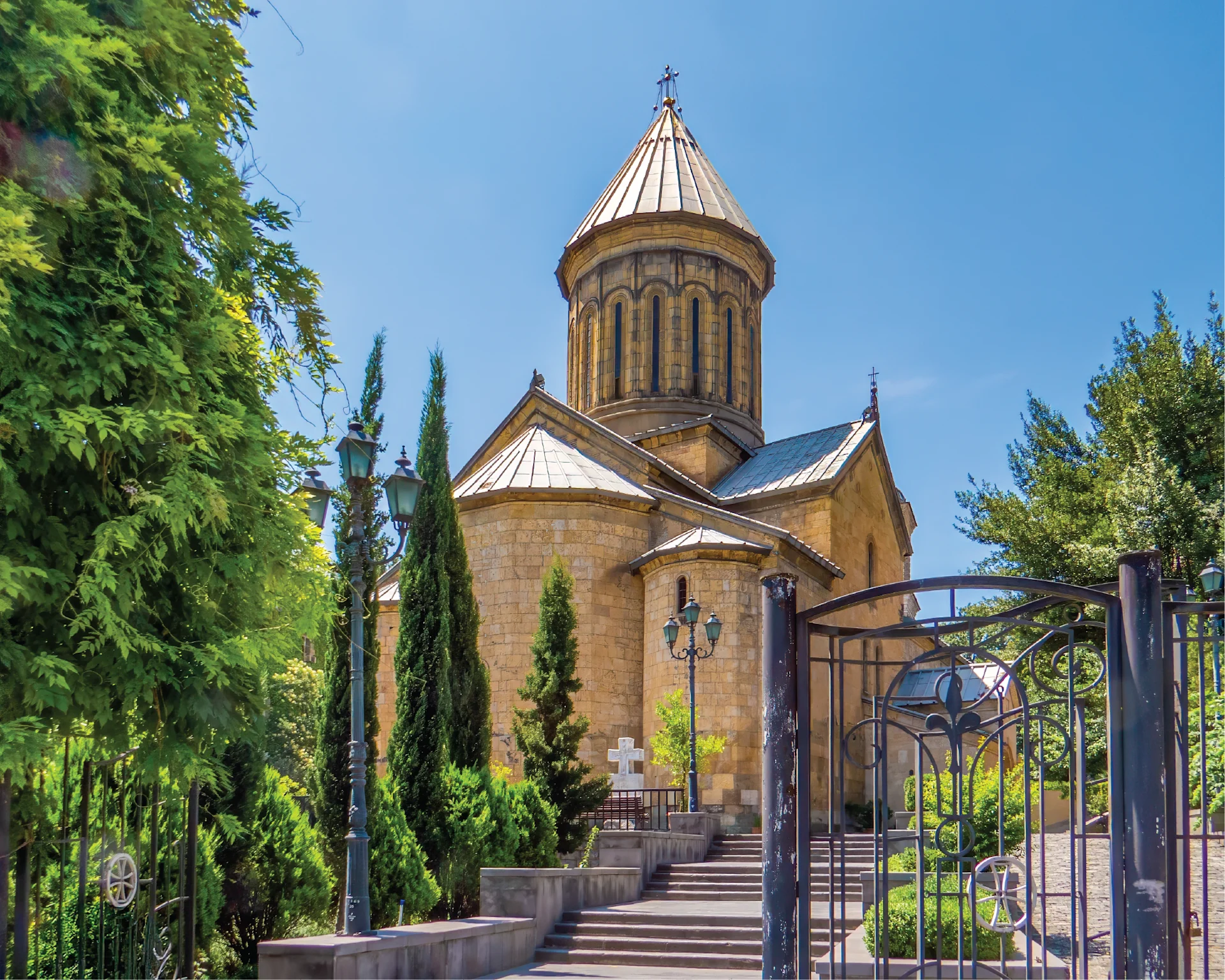
One of the easiest ways to hear Georgia’s UNESCO-protected polyphony requires neither a ticket nor a reservation: just walk into Sioni Basilica during Sunday liturgy. Beneath the cathedral’s stone vaults, groups of men chant a cappella, their voices splitting into separate lines before intertwining again in harmonies that seem to set the walls vibrating. Services generally get going around 10 a.m., with worshippers drifting in and out throughout, so you can quietly do the same. It's best to stand toward the back and to dress conservatively.

Walk-ins-welcome poliphony: Sioni Cathedral

The edible time warp: Mapshalia

137 Davit Aghmashenebeli Ave.

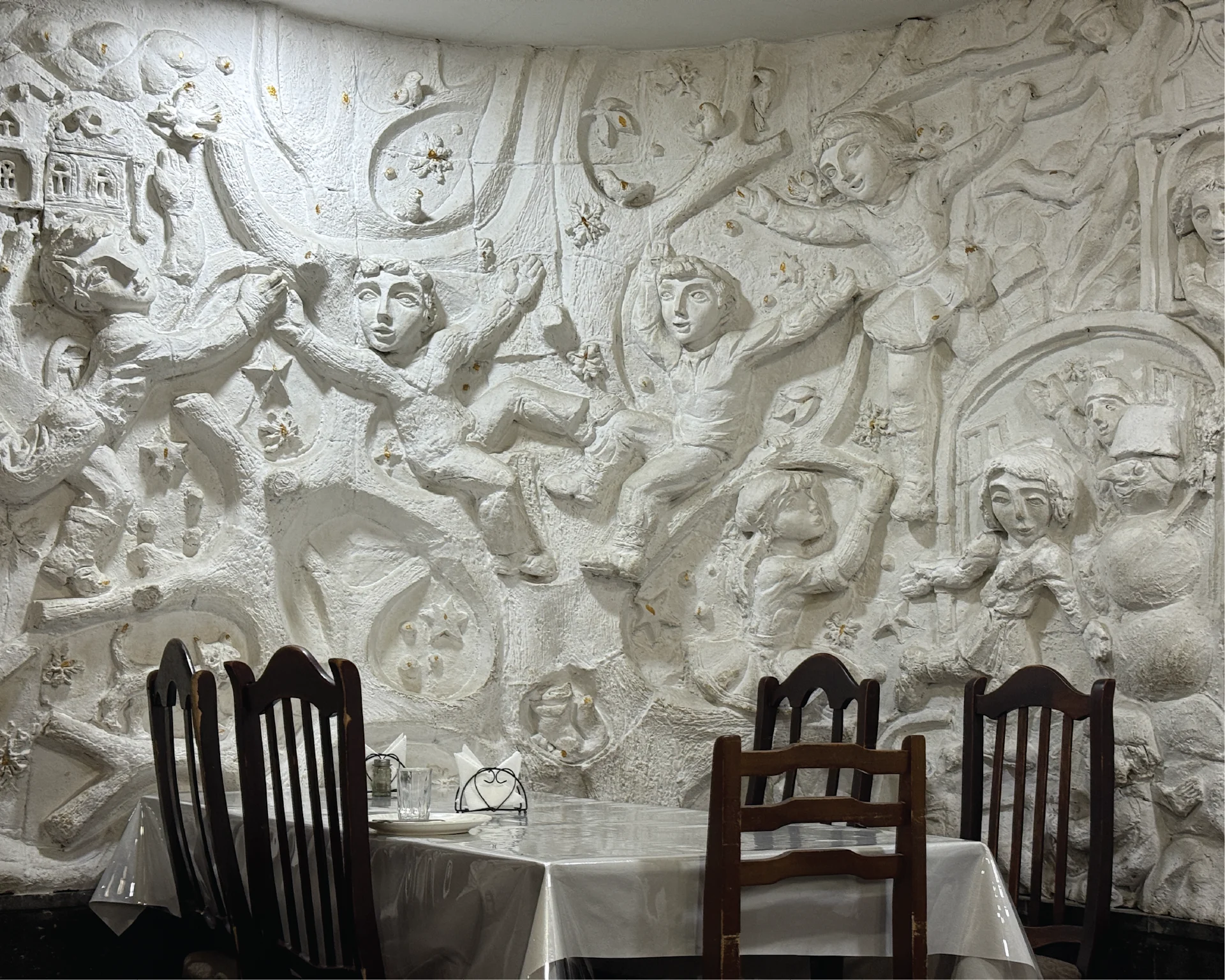
Mapshalia is one of Tbilisi’s old guard, opened by Elsa Kalandia in 1980 and serving the food of her native Samegrelo. Its dining room has a huge Soviet-era bas-relief carved into the walls, laminated menus with home-snapped photos of the food, and buckets of clay-oven bread propped behind the register. The crowd is a mix of old-timers reading newspapers and backpackers who’ve gotten wind of the prices. Not only is Mapshalia’s lobio (spicy bean stew) the best in the city—with fearless chili kick and generous fistfuls of cilantro—it’s probably the cheapest, too, at about two bucks a bowl.

The edible time warp: Mapshalia

Dumpling heaven: Pictograma

31 Atoneli St.

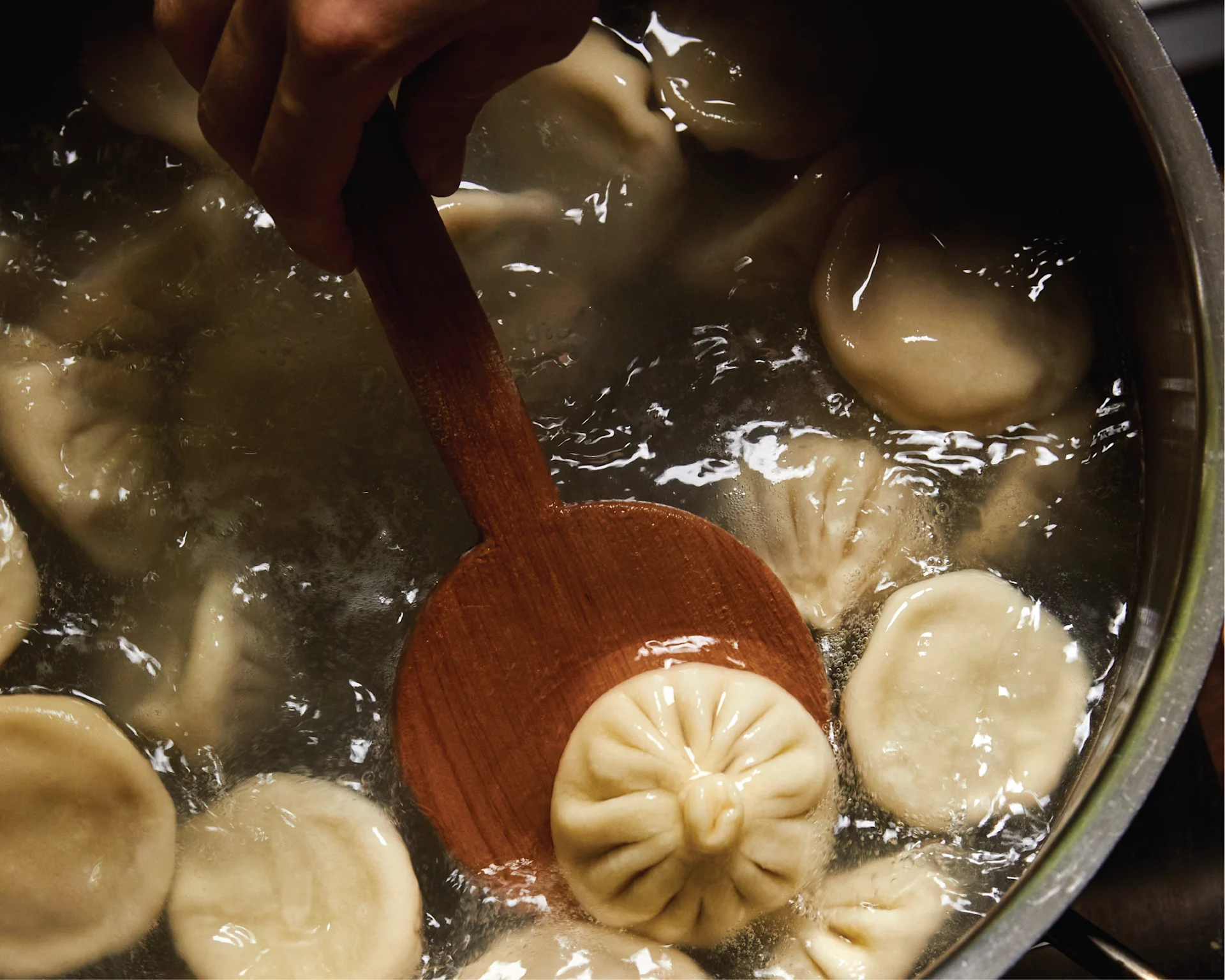
Pictograma is Tbilisi’s only restaurant devoted to the food of Khevsureti, the highland region known for its warrens of stone tower villages and hearty shepherd’s cooking. Most khinkali you’ll encounter in the capital are kalakuri, or “city-style,” stuffed with a cilantro-flecked mixture of pork and beef. Here they make the mtiuluri variety still eaten by Khevsur shepherds today: beef only, onion, and plenty of caraway, all bundled inside dough that’s rolled and pleated by hand. You can feel the difference—the wrapper isn’t factory-smooth but pleasantly textured and a little irregular. Just beware the gush of broth on your first bite, lest you spend the rest of lunch wearing it. (Photo: Sam A. Harris; courtesy Hardie Grant)

Dumpling heaven: Pictograma

An address off the radar: The Blue House (Gabashvili House)

54 Shota Rustaveli Avenue

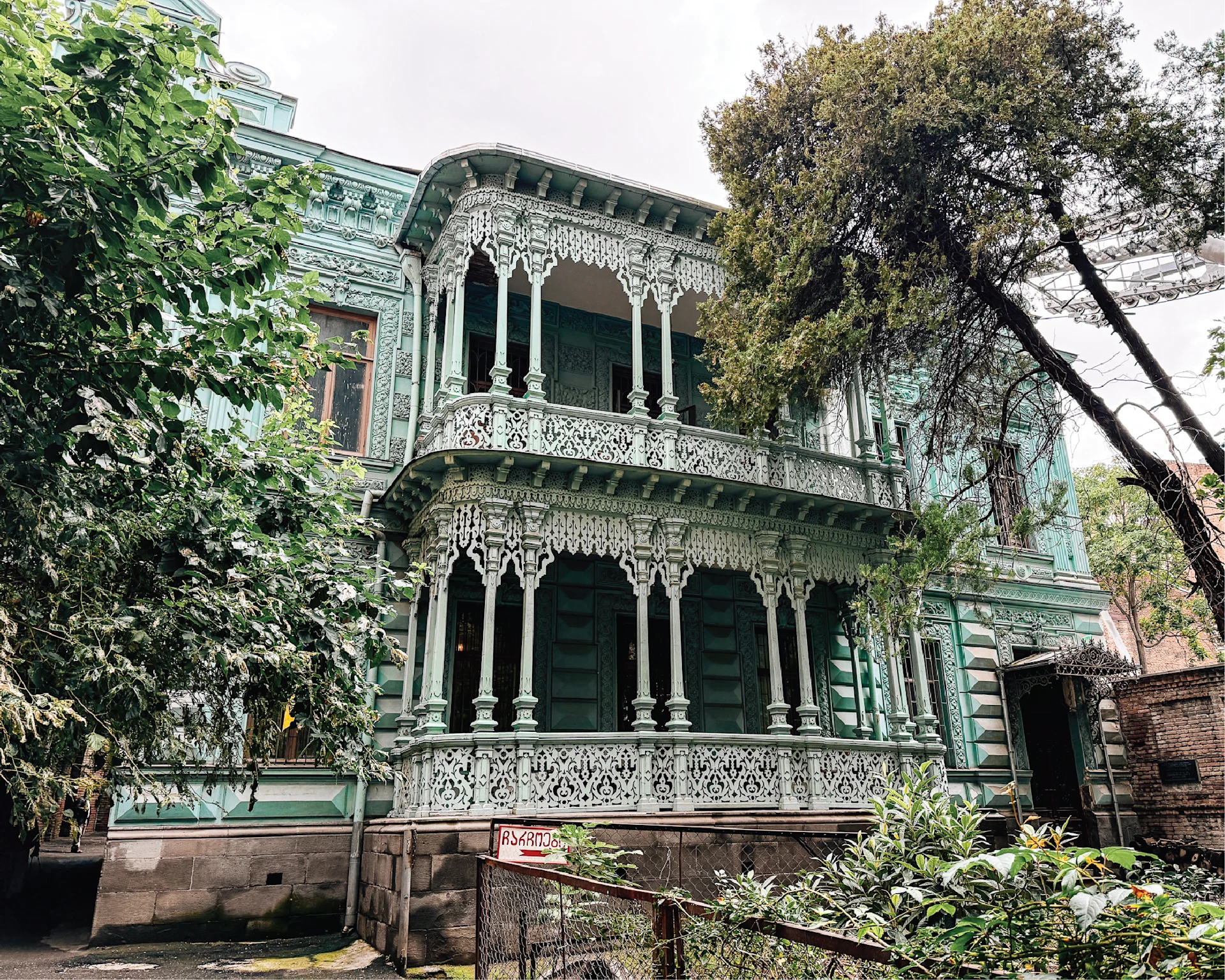
You could walk down Rustaveli Avenue a hundred times and never clock the Blue House, but duck through an unassuming passageway at number 54 and suddenly, there it is: the 1897 Gabashvili House, all turquoise balconies, carved balusters, intricate fretwork, and staircases zigzagging Escher-style around a quiet courtyard. It later became home to physician Nikoloz Kipshidze—whose patient list reportedly included Stalin—but the real thrill is simply finding it. People still live here, so poke around respectfully, then slip back out onto Rustaveli feeling slightly smug that you know it exists.

An address off the radar: The Blue House (Gabashvili House)

A nightcap, naturally: 41° Art of Drinks

19 Galaktion Tabidze St.

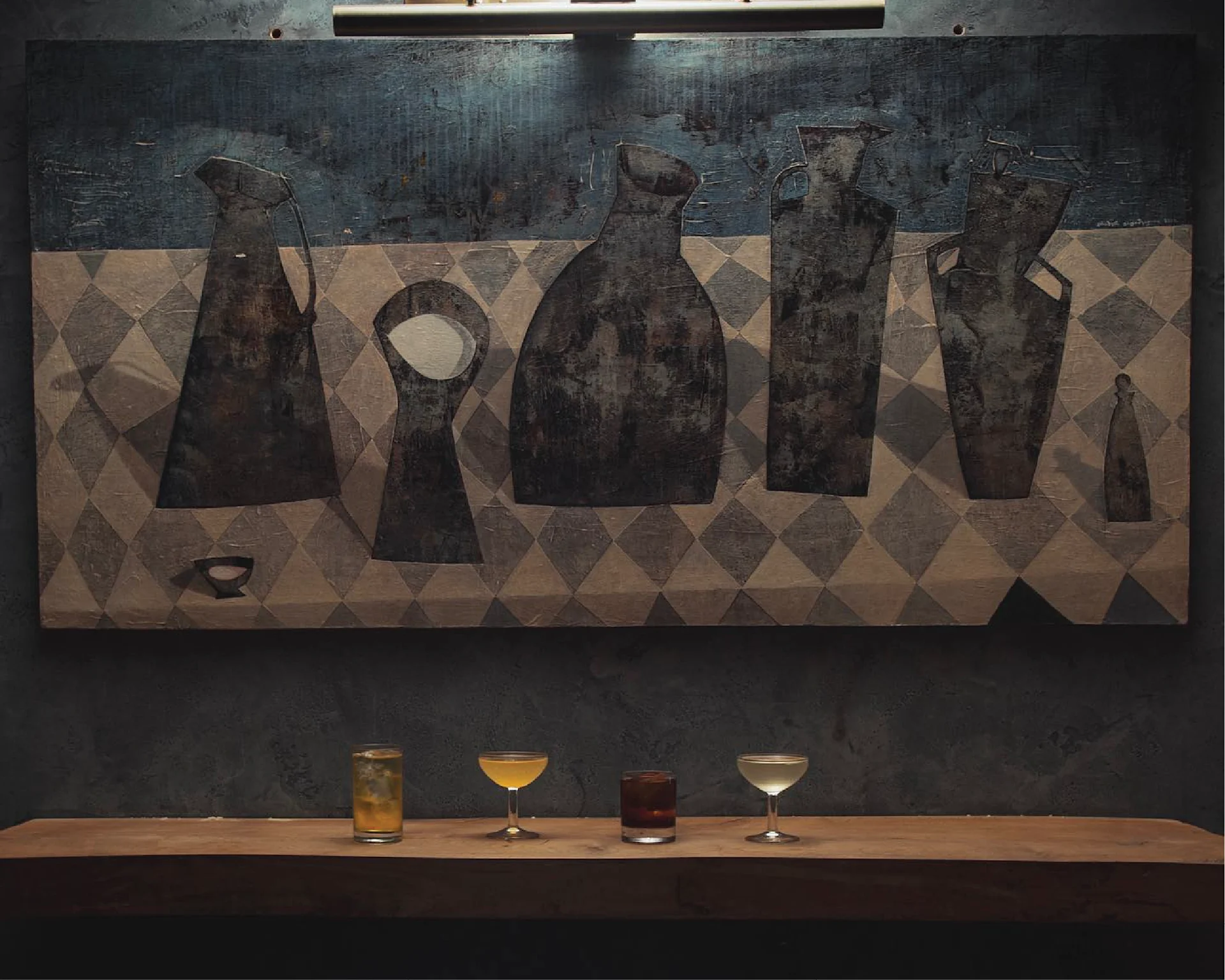
Heave open the heavy sliding door, pad down a spiral staircase, and you’re in this rakish cocktail lair where Georgian ingredients get shaken, stirred, and spiked. One drink made with pine liqueur tastes like licking a Christmas tree (in a good way) and conjures nostalgic holiday memories; another foamy number, with lemon and matsoni (Georgian yogurt), is tangy, sour, and a little salty.

A nightcap, naturally: 41° Art of Drinks

The winemaker's wine bar: Saamuri

8 Egnate Ninoshvili St.

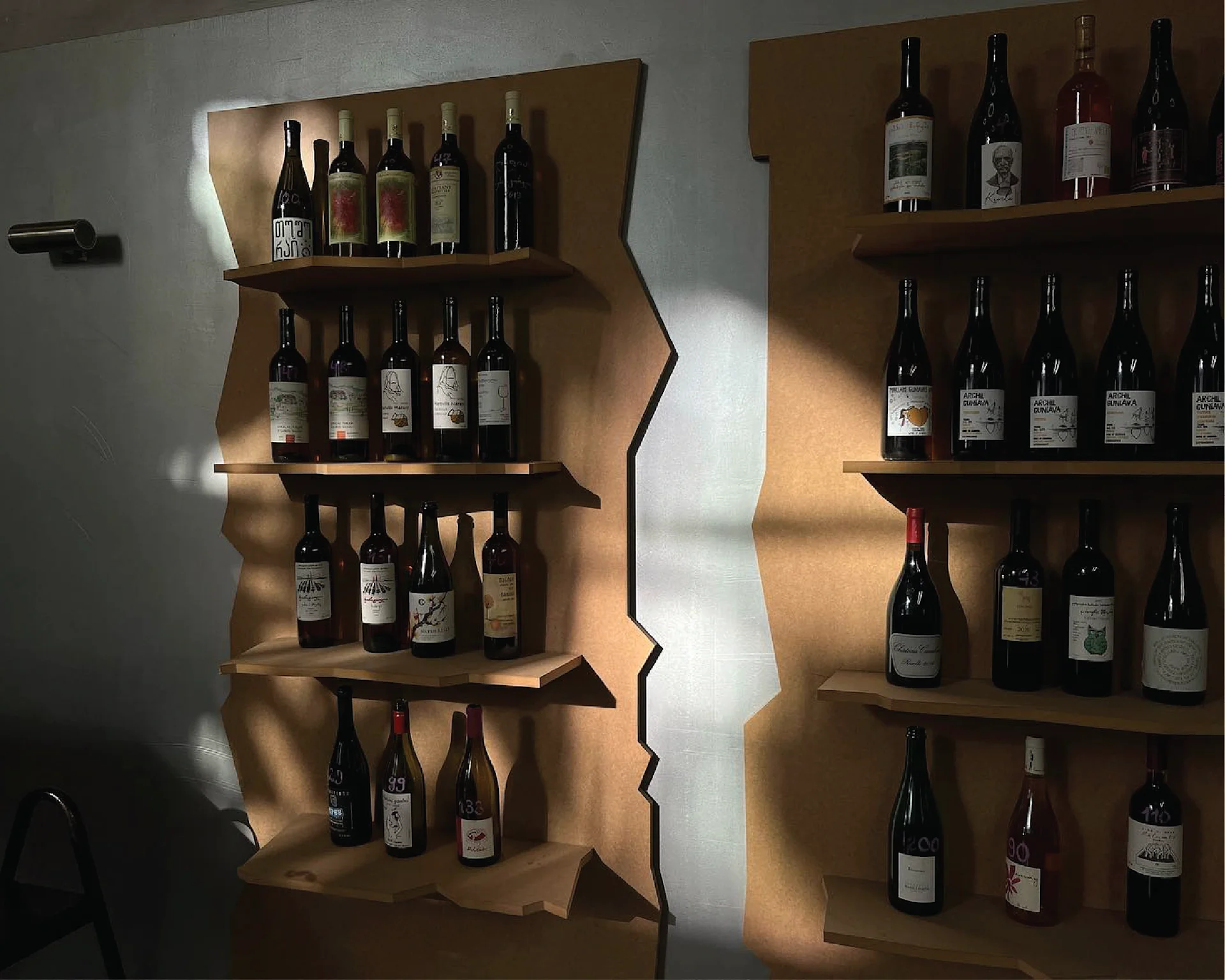
Tucked into a corner of Fabrika’s courtyard, Saamuri draws everyone from serious natural-wine aficionados to the college kids spilling out of the studios and bars nearby. The real draw is who’s pouring: Some of Georgia’s most promising winemakers regularly work the bar, meaning they know the backstory of every wine you try. If they have Ramaz Nikoladze’s “Solokouri” in stock, grab one for your suitcase; ditto the Lotus Eaters 2025 Rkatsiteli-Kisi blend, an apricot-scented wonder made by Saamuri’s own Niko and Maiko that’s drinking marvelously.

The winemaker's wine bar: Saamuri

The 2 a.m. haunt: MutantRadio

4 Dimitri Uznadze St.

MutantRadio is a scrappy internet radio station turned hangout, broadcasting from a graffitied pavilion beside the Mtkvari. DJs spin everything from ambient to Georgian post-punk while people of all ages sprawl across the grounds with glasses of small-producer Georgian rosé. There’s usually something else afoot too, from art exhibitions to assorted cultural happenings—plus a hairy, chubby, extremely contented hound who appears to have claimed the whole operation as his own.

The 2 a.m. haunt: MutantRadio
PRIOR
Already a subscriber?Sign in here
Benjamin Kemper

Benjamin Kemper

Benjamin is PRIOR’s editorial director. He was formerly an editor at Saveur magazine and has produced travel guides for Fodor’s, Lonely Planet, and Michelin. He is the coauthor of Georgia: The Cookbook and is based in Madrid, Spain.