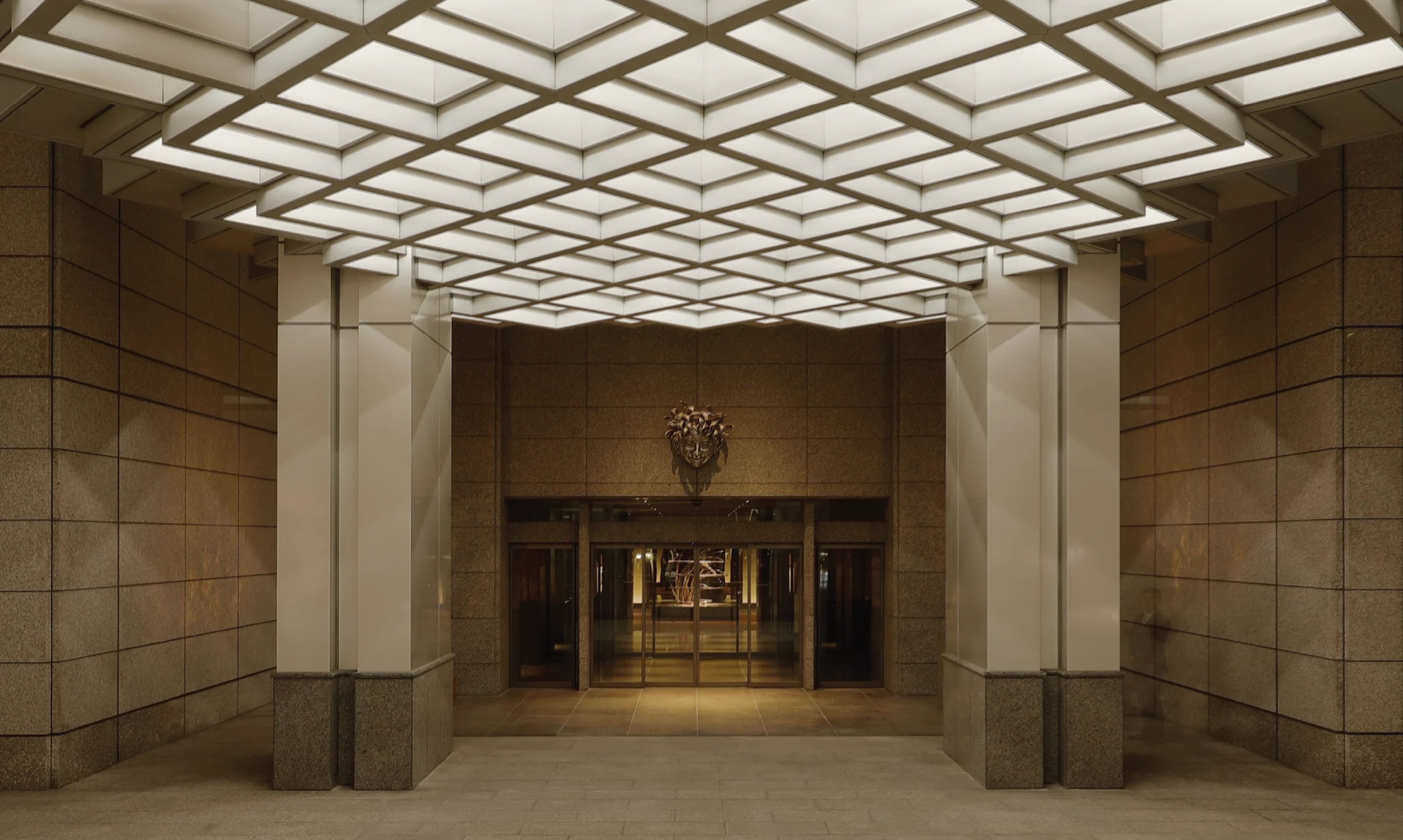
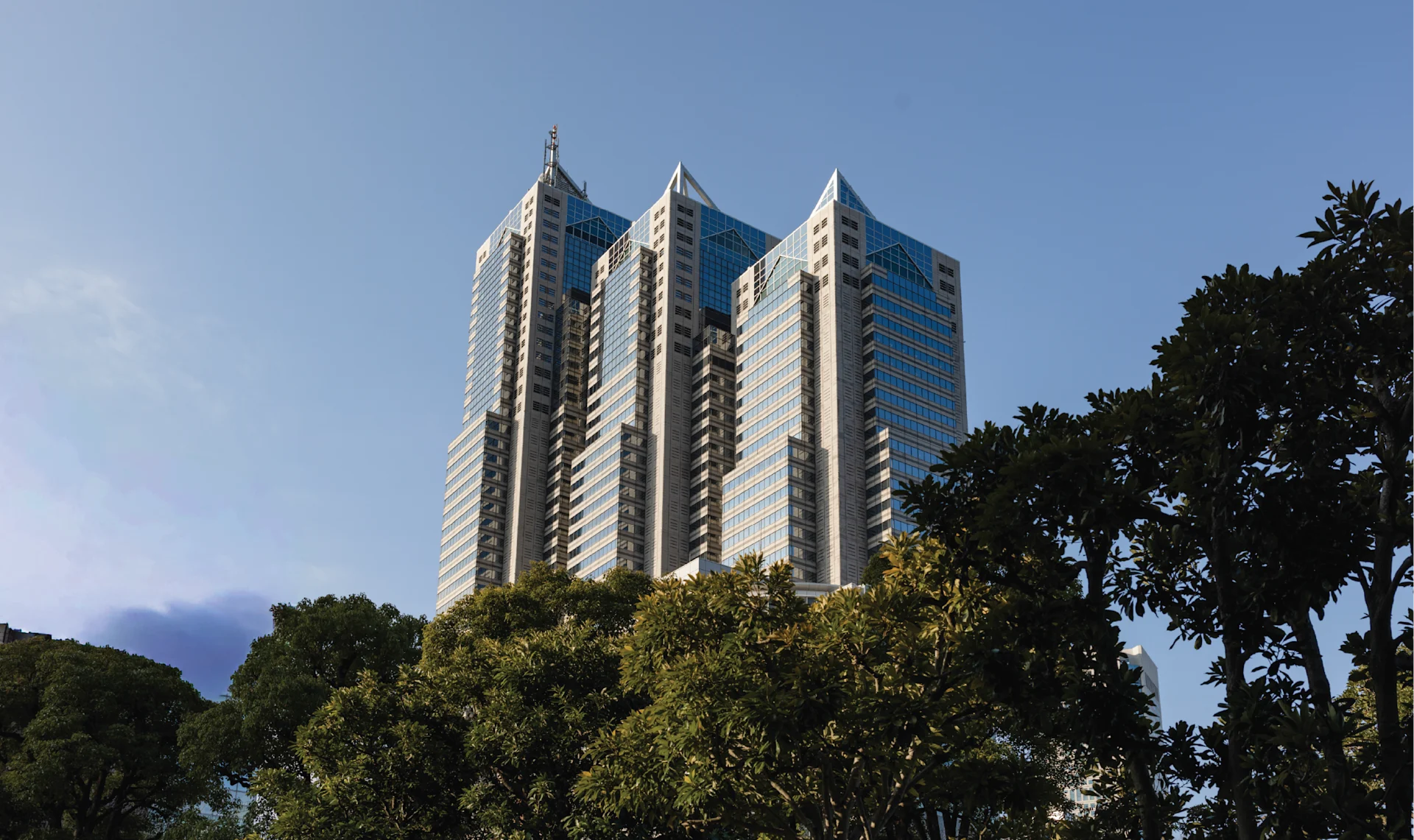
Perched at the very top of the 52-floor Shinjuku Park Tower, Park Hyatt Tokyo is a legendary hotel that delivers a sense of quiet and calm in the heart of Japan’s biggest city. Designed in 1994 by John Morford and featured in Sofia Coppola’s Lost in Translation, the property needs no introduction for many who walk through its doors.
The Park Hyatt Tokyo underwent an extensive (and highly anticipated) 19-month restoration, reopening last December. Regardless of the refashion, everything sensory remains the same. The interiors were reimagined by Paris-based architecture and design studio Jouin Manku. “The question was never what shall we change, but rather how has time itself already changed this place, and what can we reveal of that silent maturation,” designers Patrick Jouin and Sanjit Manku said of the project. “It was about discerning what needed to remain untouched, what called for transformation, and what simply hoped to be carried forward with greater gentleness.”
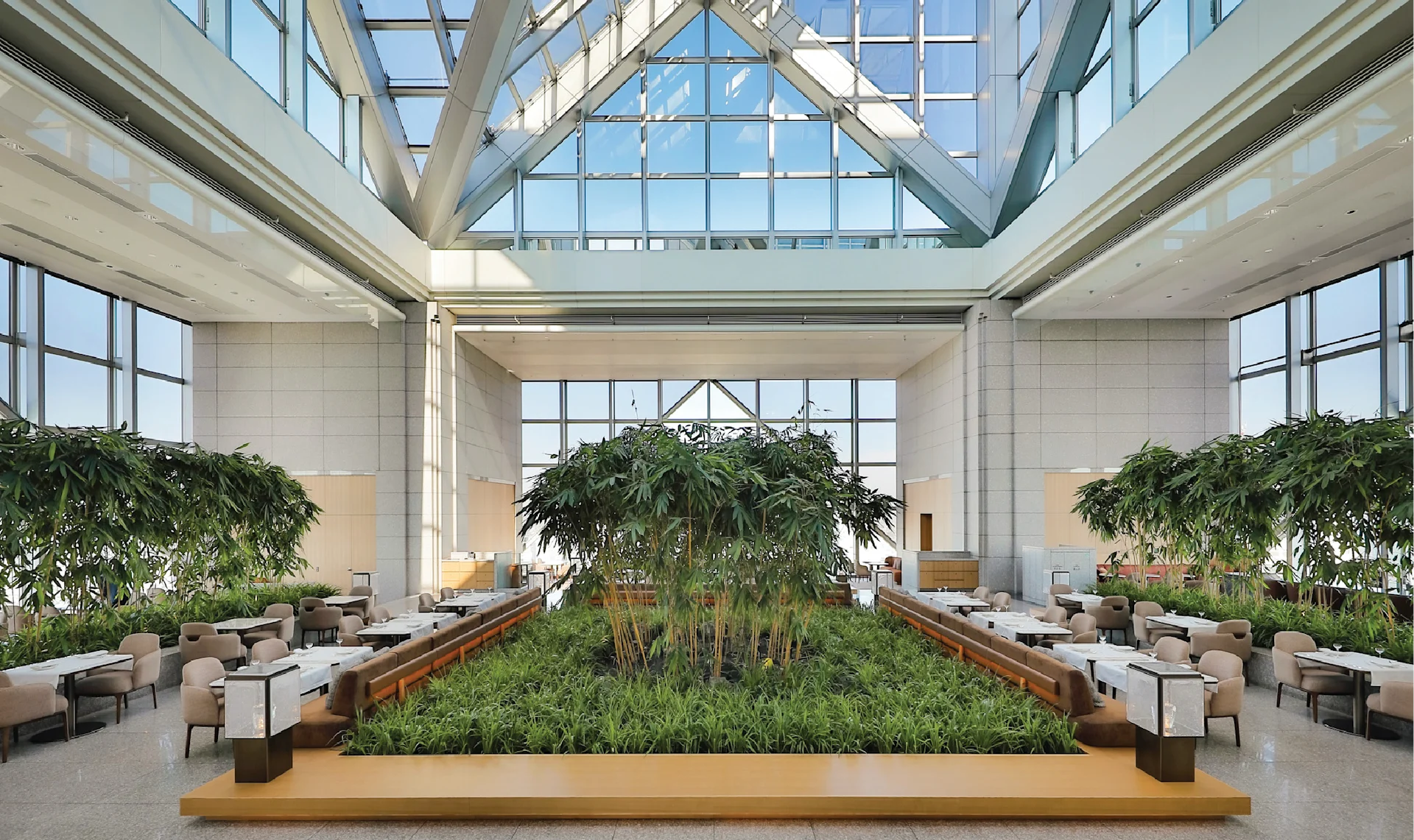
The ritual carries on in the elevator ride, with sunbeams ushering you up from the ground floor; drinks at Peak Lounge and Bar, a 72-foot glass atrium alive with sounds and shadows; lush bamboo and dim lanterns surrounded by endless views of Tokyo. Even a walk down the corridor, past Yoshitaka Echizenya artwork and through the curated library, is memorable. Comfort is paramount from the moment you check in—not at a counter but seated, with polite inquiries about your preferred mid-stay amenities, turndown service, and dining reservations.
Where
The property is a 10-minute drive from Shinjuku City, Tokyo’s business and entertainment district. It sits opposite Shinjuku Chūō Park and close to Juniso Kumano Shrine, a triumph of the Muromachi period (1336–1573). There’s no shortage of shopping, department stores, and izakaya, and if you’re hoping to catch some nightlife, hit the Golden Gai district: six narrow alleyways jam-packed with more than 200 bars.
Shinjuku Station, a multi-storied labyrinth serving as the city’s largest rail hub, is a 15-minute walk away. This being Tokyo, trains are incredibly clean and efficient, and taxis are available and equally spotless. If you don’t speak Japanese, the hotel will provide hand-written destination cards.
Design
Shinjuku Park Tower was designed by Kenzō Tange, often cited as Tokyo’s most influential modern architect and known for bridging the post-war urban landscape with traditional Japanese aesthetics. Occupying the top 14 floors of Shinjuku Park Tower, The Park Hyatt Tokyo was the first Park Hyatt in Asia and the third in the world.
The designers created the hotel spaces for contemplation and intimacy. The Peak Lounge and Bar on the 41st floor is an anchor of any stay. The luminous glass, cool gray granite, and wood finishes are softened by rich furnishings and the interplay of light and shadow. At sunset, the mood shifts with the sky as the interior darkens and the view shifts into a sea of streetlamps and taillights—a hypnotic reminder of the city’s immense presence.
The Crowd
Guests are a combination of corporate, elegant, local, and young—all with an innate curiosity and intuition about the subtleties that set Park Hyatt Tokyo apart from other luxury hotels in the city. The Lost in Translation crowd can sometimes contrast with loyal regulars, the former bustling about ticking off their must-sees while the latter lean into the calm energy.
Rooms
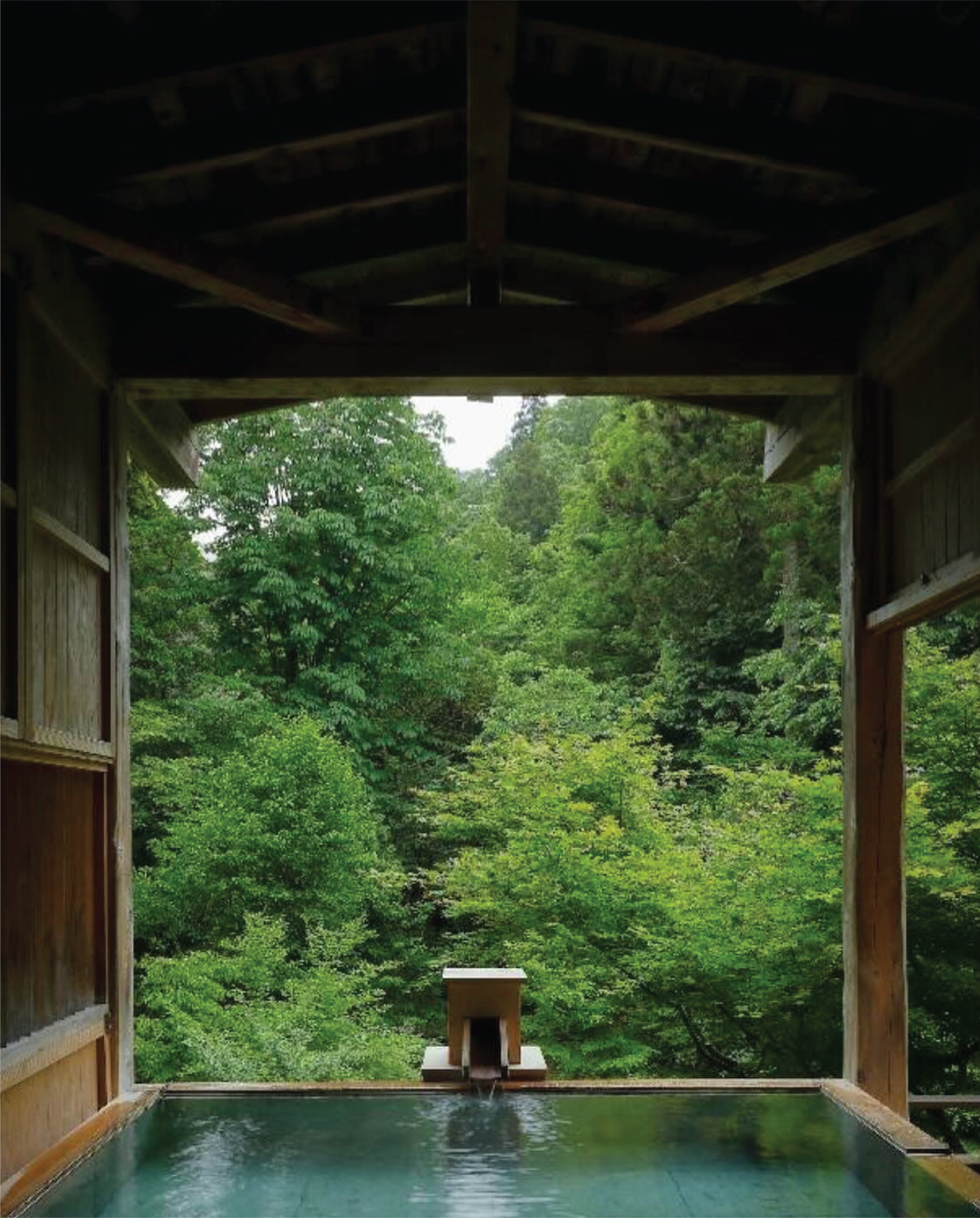
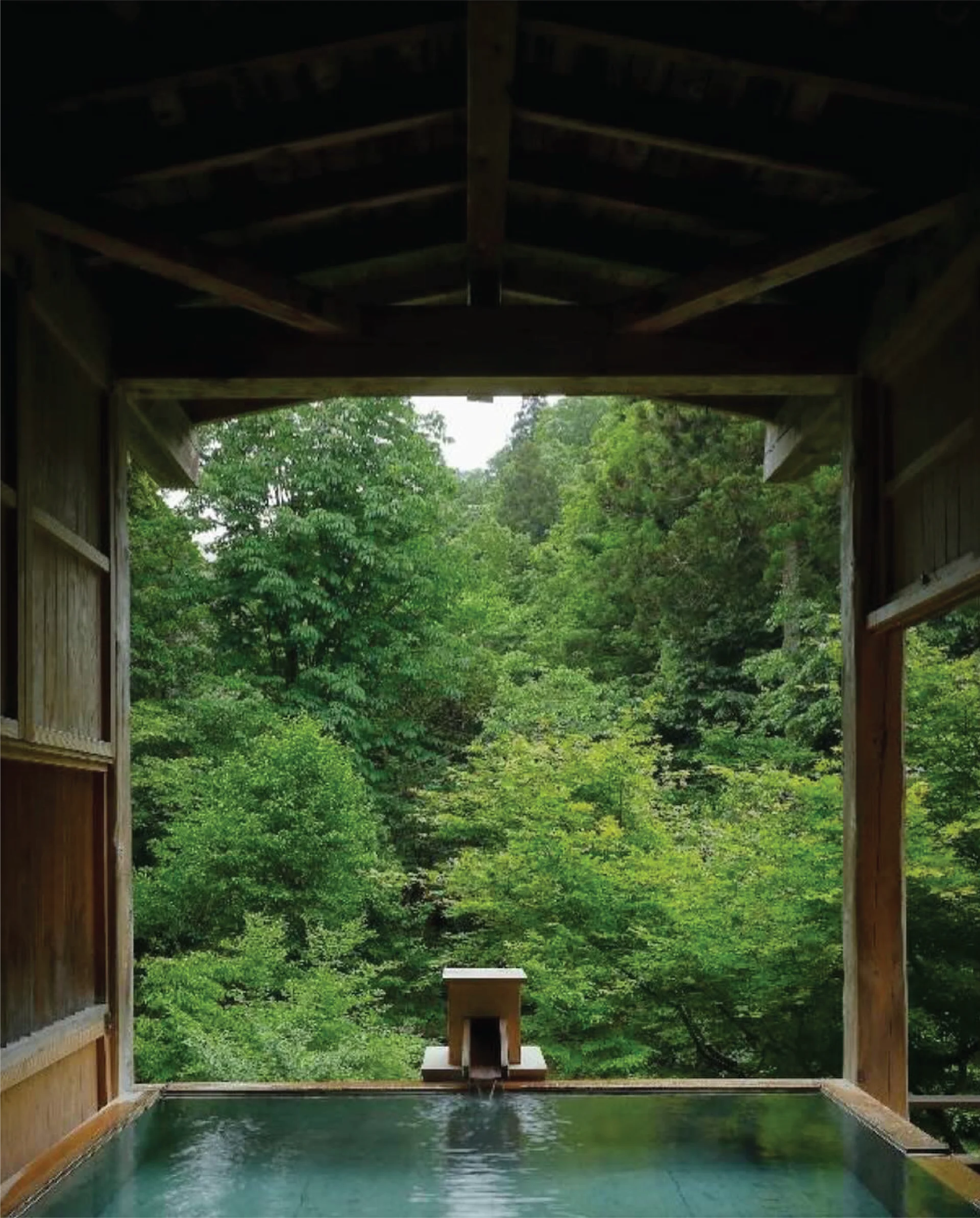
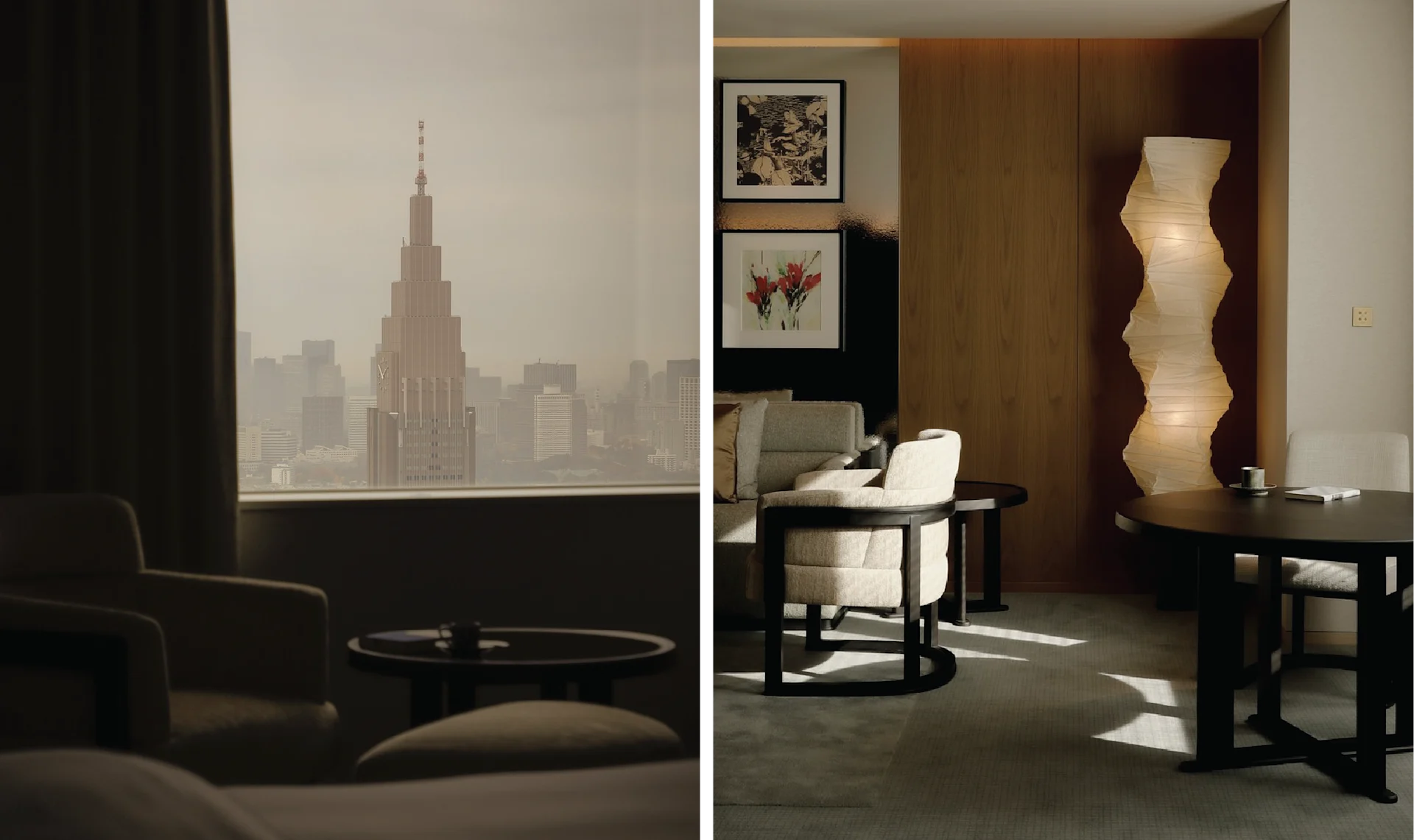
The rooms were redesigned to feel more like retreats, each one with picture windows framing extraordinary views of the city or Mount Fuji. Bathrooms were expanded to bring the shower and tub into one glassed-in area—an homage to onsen-style bathing spaces. Signature elements—art, light, texture—were recast while maintaining key characteristics. The contemporary update nods to the palette of the original design with custom furnishings in black anthracite accented by soft green carpeting.
Service
Omentashi, or the art of wholehearted hospitality, is selfless, meticulous, and rooted in anticipating the needs of a guest. The philosophy, which originated from traditional tea ceremonies, is evident throughout the stay. Housekeeping has an uncanny ability to service the spaces without being seen. (At no point in my seven-night stay did I see a housekeeping cart in the hall.) Concierge services are available, and turndown and 24-hour room service are included.
Dining
Located on the top floor of the tower, the New York Grill offers live jazz and a timeless ambiance that deserves at least one visit during your stay. With 360° views of the city below, there’s not a bad seat in the house. The New York Bar is next door, and its extensive menu is served in a setting replete with jazz and artwork like Valerio Adami’s “Radio City Music Hall” and murals inspired by Carnegie Hall.
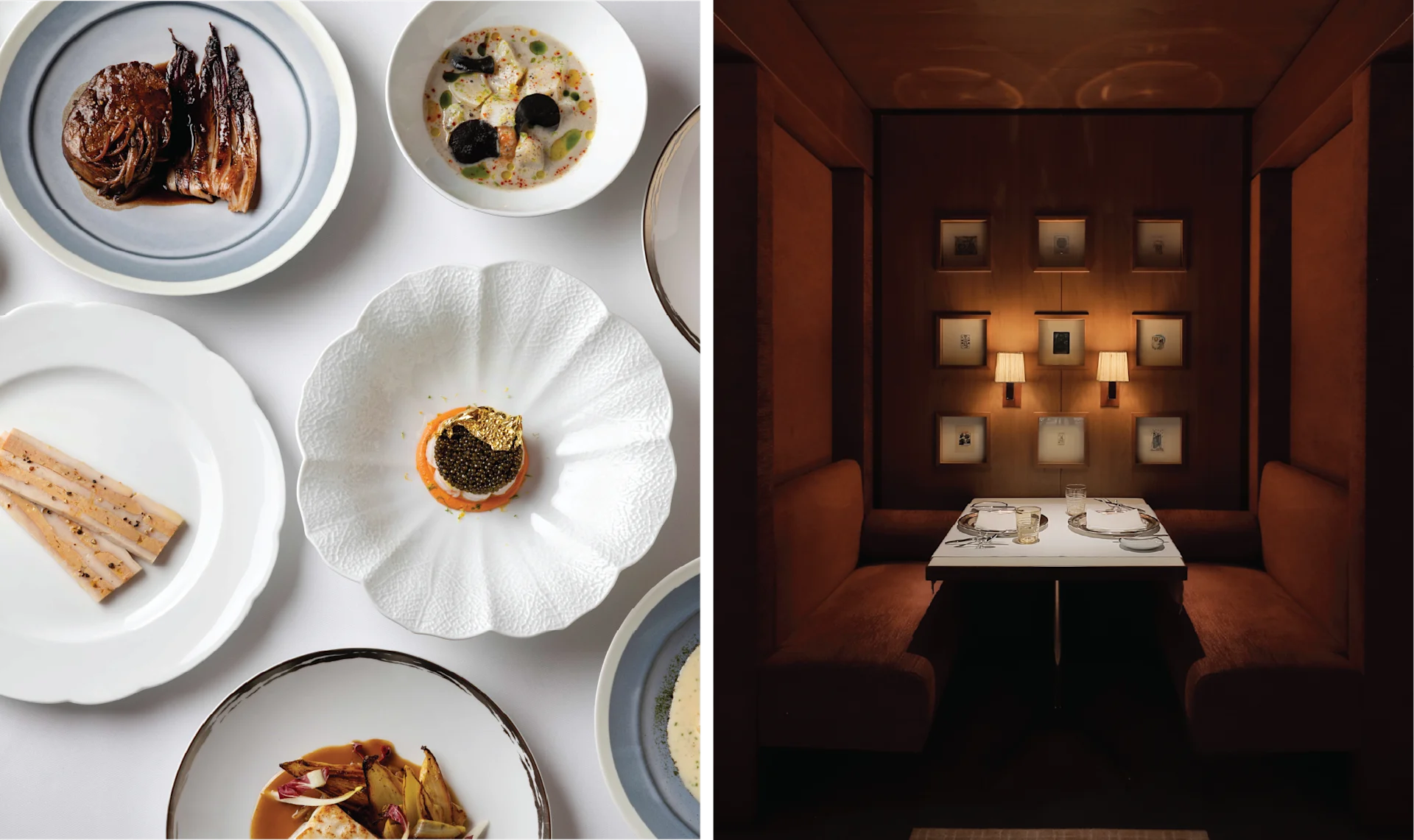
Girandole by Alain Ducasse, a new addition, is perched on the 41st floor. Described as a contemporary interpretation of a traditional French brasserie, the restaurant is open for breakfast, lunch, and dinner, but breakfast is exclusive to guests.
One floor below, Kozue serves up modern Japanese fare inspired by traditional kaiseki, a highly formal meal often consisting of seven to 14 courses. The eatery’s warm walnut interiors feature bamboo sculptures by John Morford, the hotel’s original interior designer; and original black and white photographs by Mitsuko Miwa. On a clear day, Mount Fuji is visible from every table.
Wellness
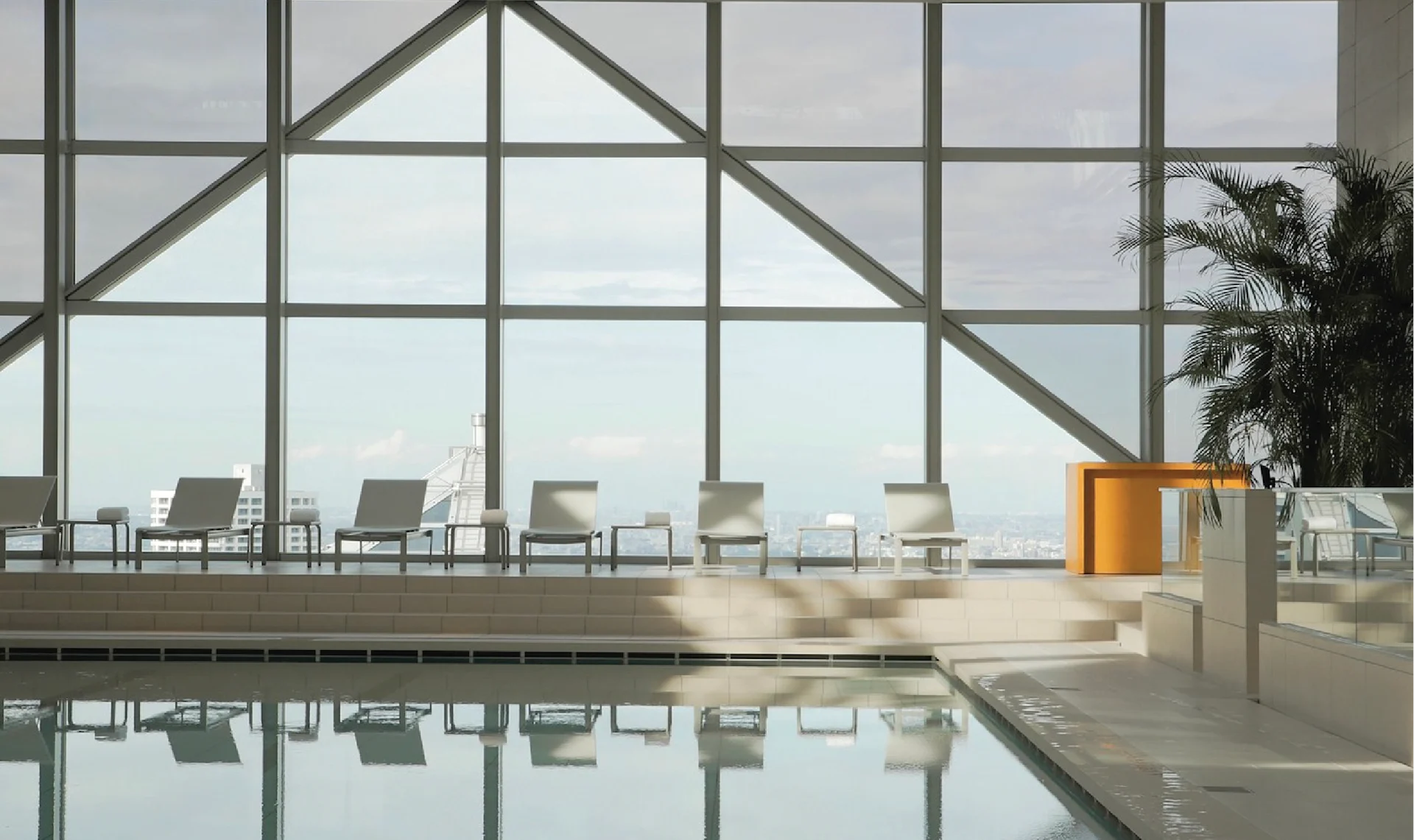
Those who seek out wellness practices during their stay can get a glimpse of what awaits in Lost in Translation, when Bill Murray battles with an elliptical machine in front of an expansive lookout. One would be hard-pressed to find a more panoramic place to exercise, with equipment meticulously placed along the edge of a 65-foot pool.
On the 45th floor is the spa, onsen, and treatment rooms, where this serene hotel falls even more silent. Etiquette rules apply: Before using the onsen, sauna, or cold plunge, you must shower to remove all traces of soap.