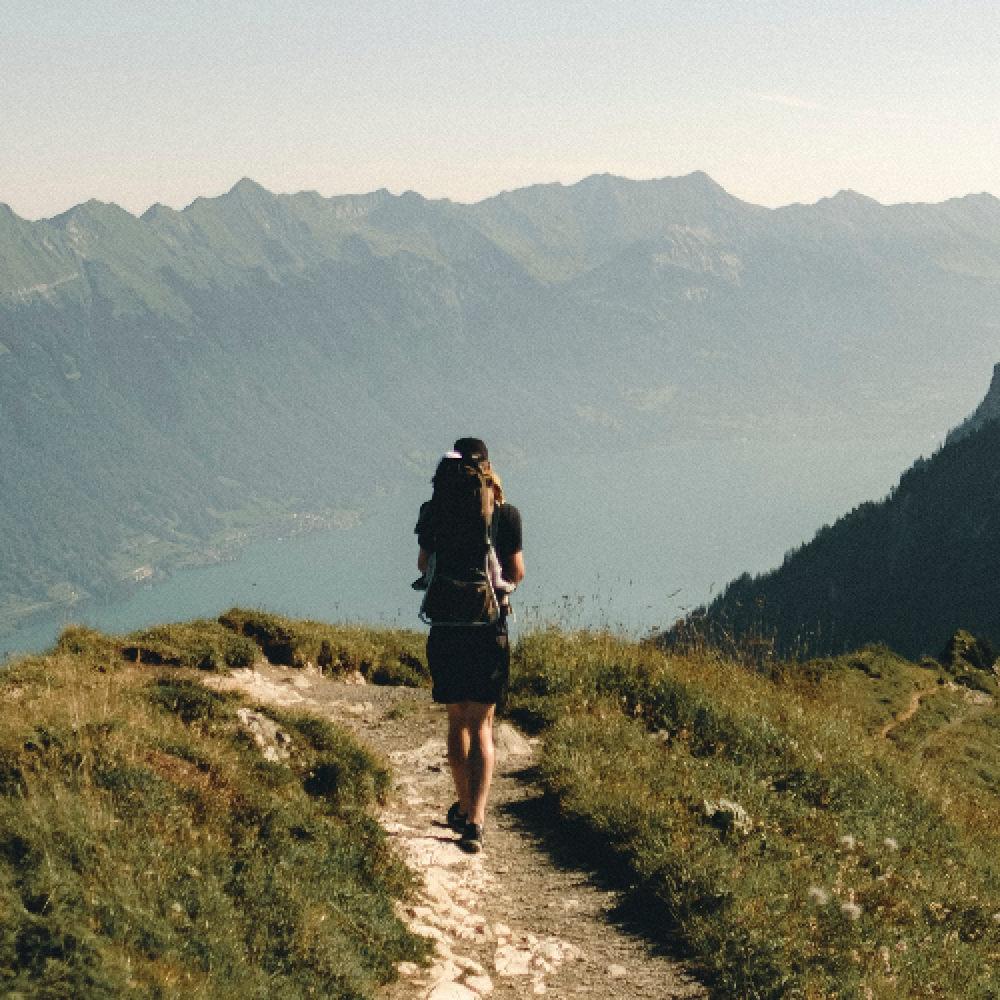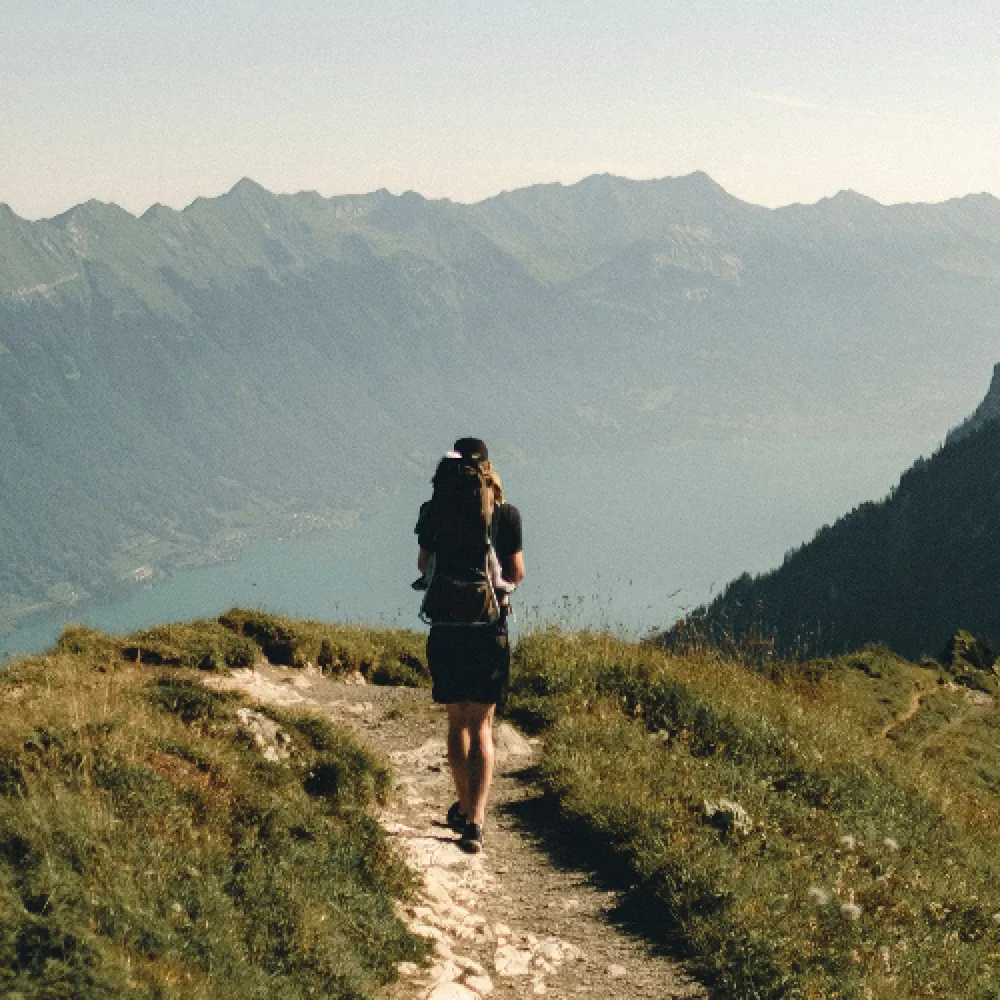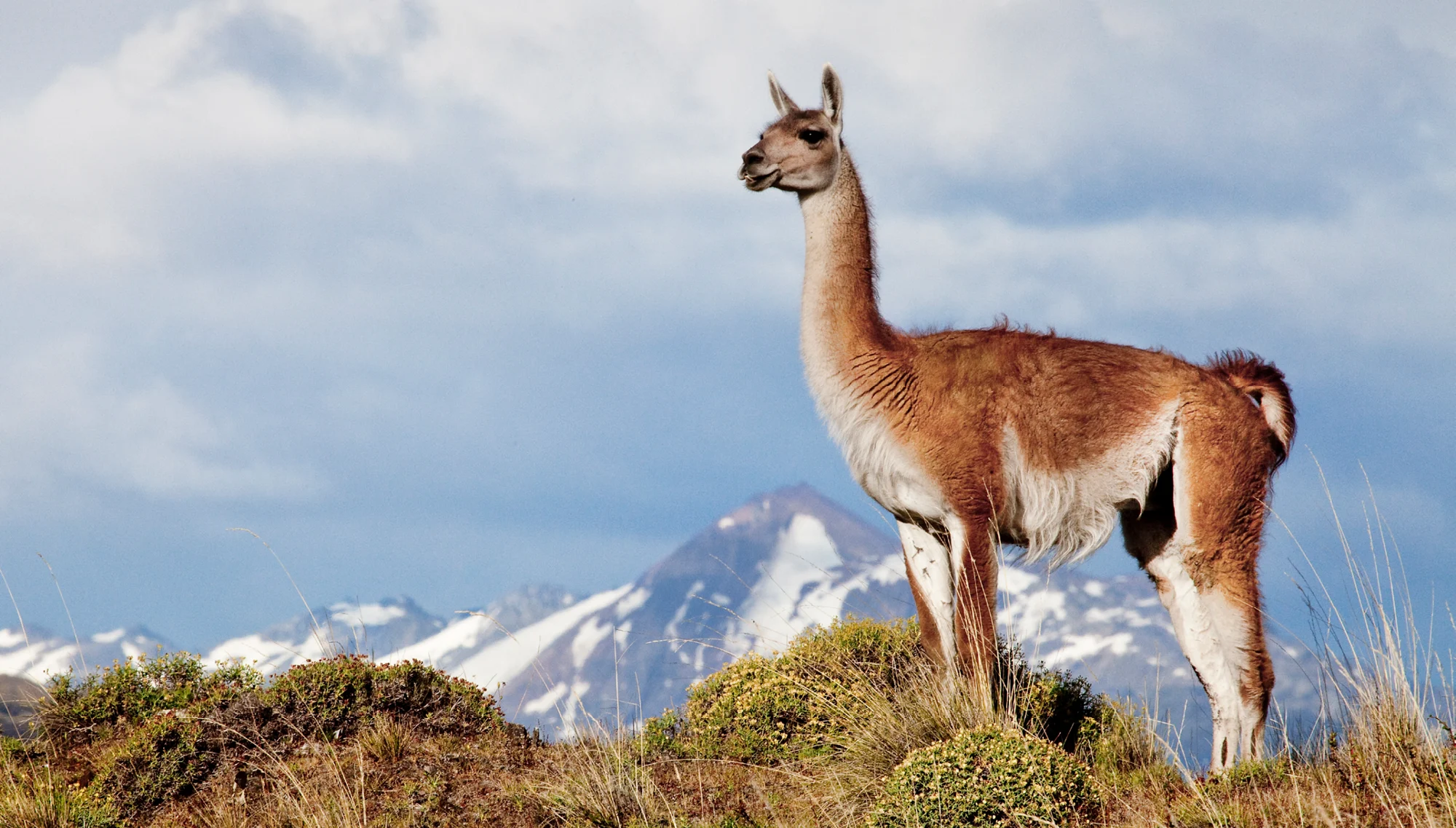
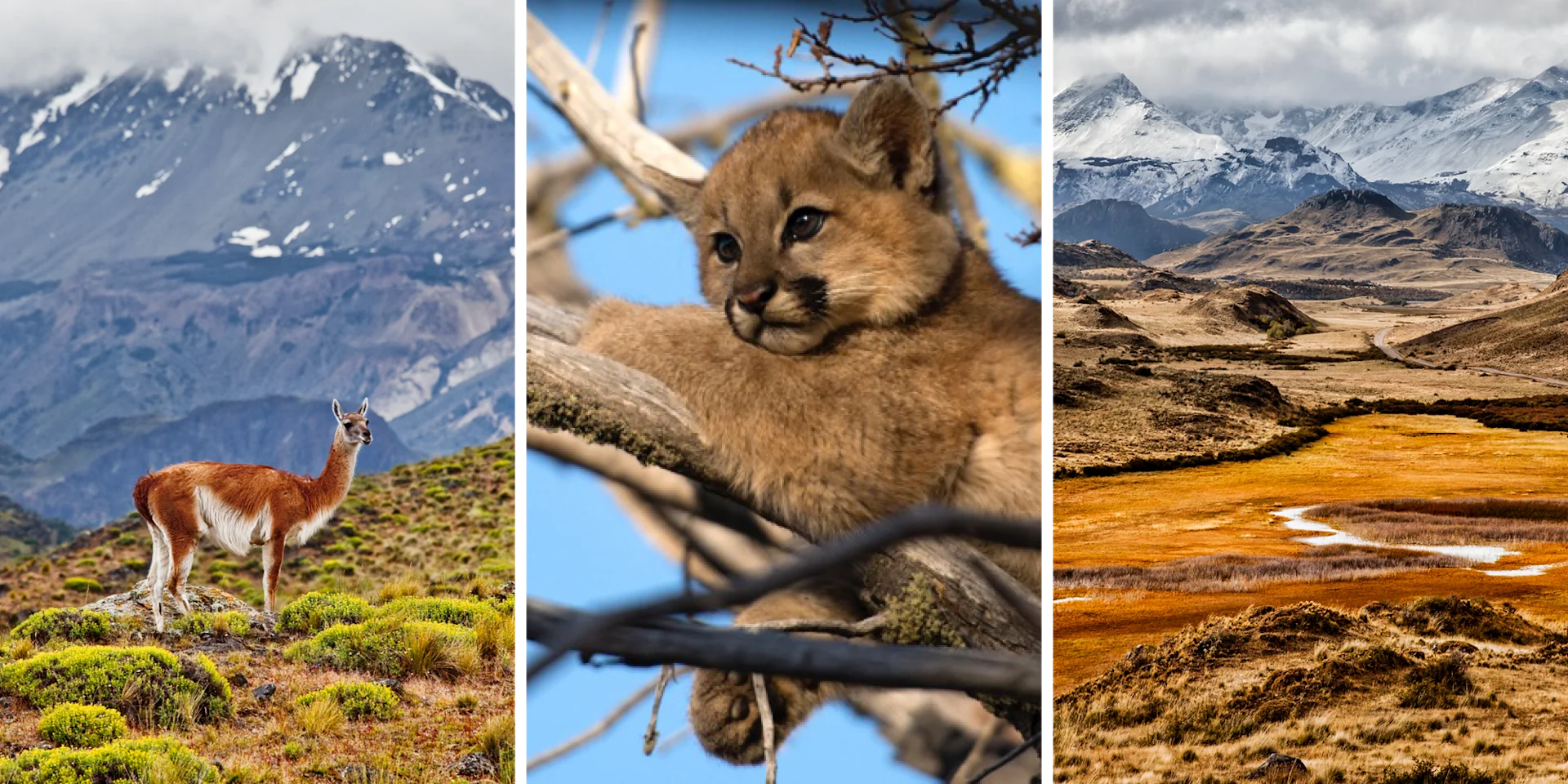
As I hike near the Lodge at Valle Chacabuco, a herd of 40 guanaco sprint away from me, their hooves clattering like horses. A cousin of the llama — yet able to leap like an antelope — the guanaco bob through a boulder field then scale a cliff above the golden grasslands.
Looking higher, I spot a pair of Andean condors swirling down the ridgeline. Drafting off the winds sweeping across the Southern Patagonia Ice Field, the condor glide for hours as they search for carrion in the valley. At dusk, birdlife erupts in this recently created national park in southern Chile, some 2,000 km south of Santiago. The marshy swamps become a chorus of song — with the occasional squeal as a fox steals dinner.
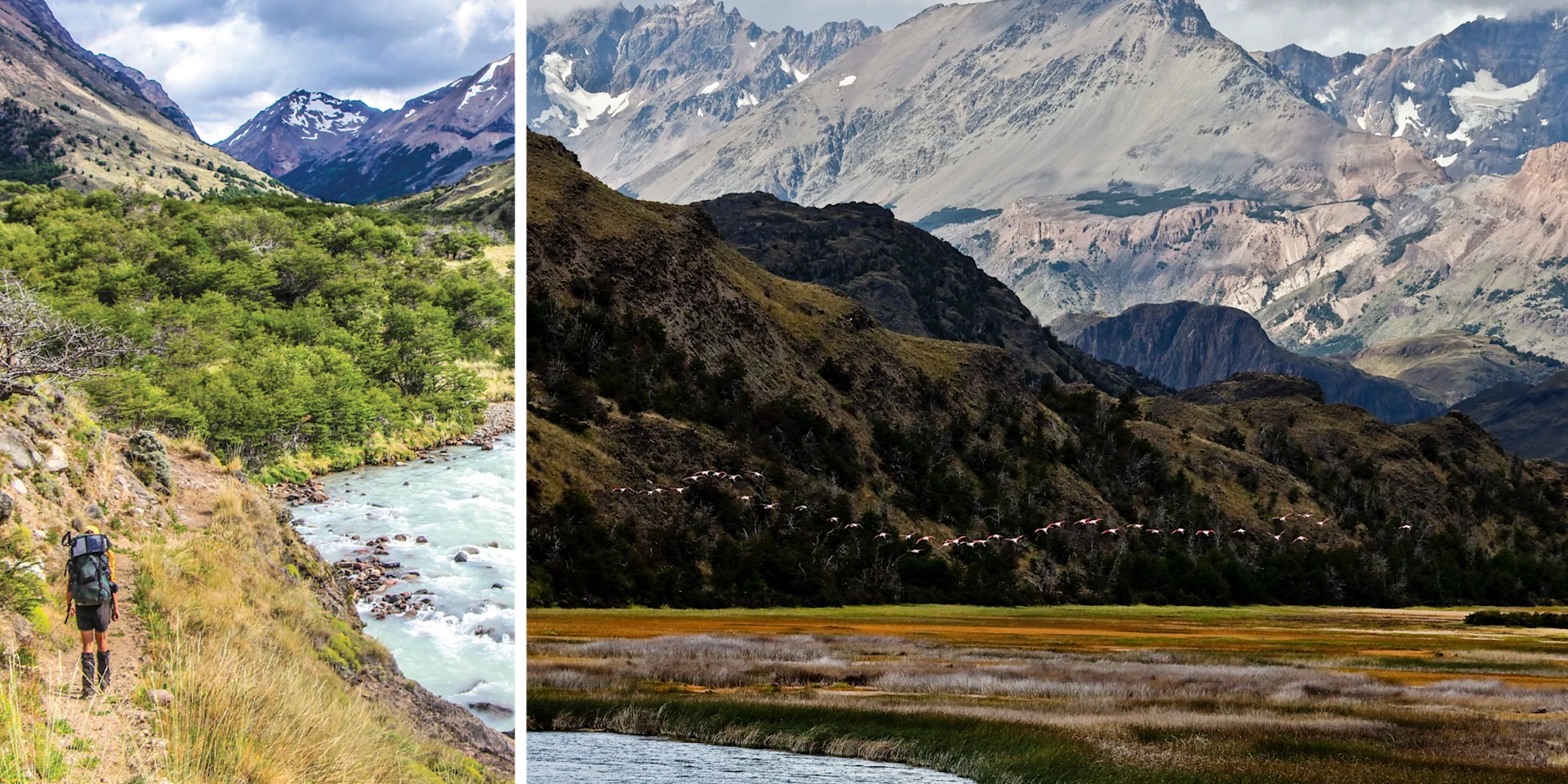
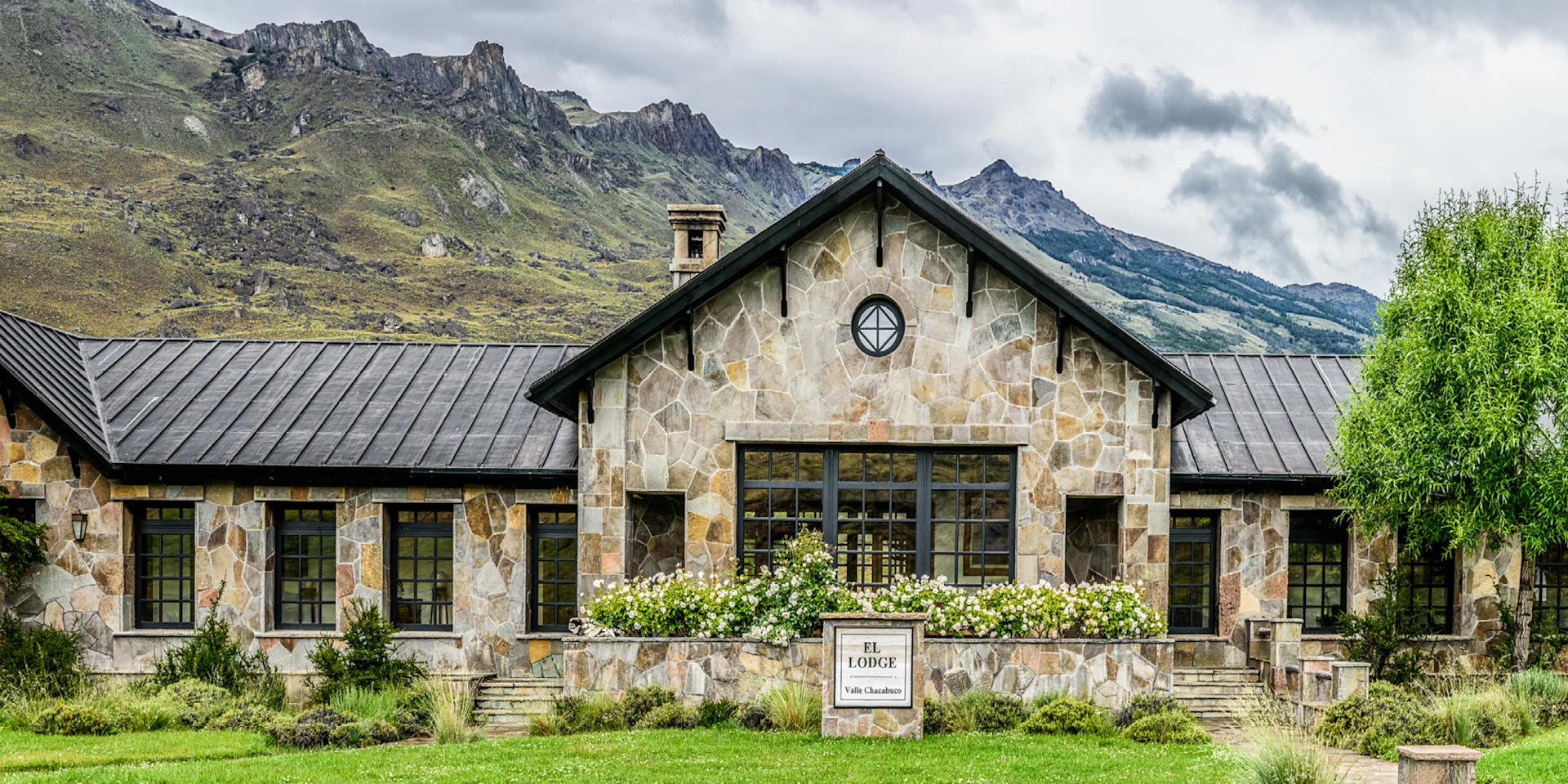
Outside the lodge, fresh scratches from a wild mountain lion make it clear that in Patagonia National Park, humans are part of a larger food chain. The rich wildlife here could easily lead a visitor to assume that this 700,000-acre park is a pristine, long-protected landscape, yet the truth could hardly be more distinct.
Twenty years ago, Valle Chacabuco was a mangy ranch whose 25,000 sheep roamed the valley, gnawing every shrub down to its roots. If it was green, it was gone. Ninety years of overgrazing destroyed almost all plant life in the valley and caused massive erosion. Silt flowed into the creeks and suffocated the fish. Four hundred miles of barbed-wire fencing blocked migration routes and forced wildlife up the hillsides in search of food and shelter. When hungry mountain lions descended to feast upon the lambs, hunters hired by the ranch owners killed the giant cats, then sold their skins. The sheep, which naturalist author Edward Abbey dubbed “hooved locust,” had destroyed this fragile ecosystem.
Then a pair of visionary philanthropists arrived from California. Doug Tompkins earned his fortune as founder of The North Face and co-founder of Esprit. Doug was an inveterate rock climber, accomplished downhill ski racer and claimed numerous first kayak descents. Beginning in 1993, he joined forces with Kris McDivitt, the former CEO of Patagonia. Together, they bought dozens of run-down ranches in Patagonia, totaling over a million acres, and stitched them together into what became thriving ecosystems. Using their combined fortune and a network of contacts, they raised an estimated $400 million to convert these abused lands into revitalized nature sanctuaries.
Initially, many locals fought their conservation campaigns. Who were these interlopers? What were their true intentions? Sheep ranching had been the main economic activity for decades, and frontier life offered few alternatives. But the Valle Chacabuco ranch was always more promise than delivery and long teetered on the brink of financial ruin. Tourism to the zone offered a last chance to save these wild places, and the Tompkins were on the forefront of this transition.
Then in December 2015, as Doug and Kris solidified their relationship with locals — sharing their vision of a sustainable economy based on tourism and locally produced food — disaster struck. Doug was killed in a kayak accident on Lake Carrera, not far from the lodge. Kris was left to complete their fantastic conservation dream alone. Not only did she convert this dilapidated sheep ranch into a pristine national park, she also negotiated the addition of 12 million acres of land into the Chilean National Park system, including Pumalin Douglas Tompkins National Park further north, named in honor of her visionary partner. And by 2019, Patagonia National Park was the area’s leading employer, as local cowboys hired themselves out as guides for horseback expeditions. Former hunters were rehired as park rangers.
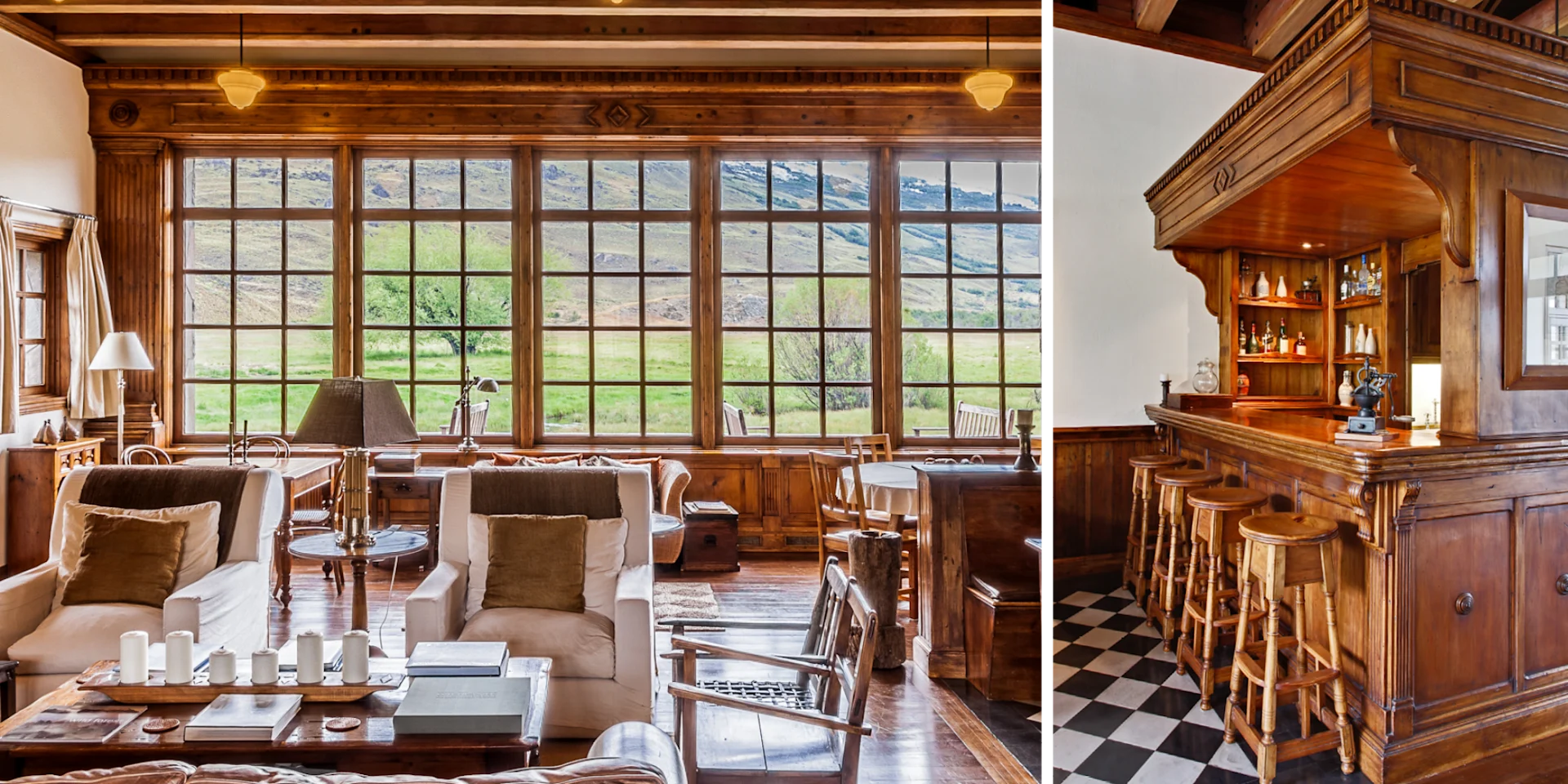
Inside this 700,000-acre park, day trips range from walks along the edge of nearby Southern Patagonia Ice Field to a rafting trip down the Baker River, or a charter flight above Mount San Valentin, the region’s highest peak. This huge expanse practically epitomizes social distancing. And with only ten rooms at the Lodge at Valle Chacabuco, an extended family might rent the entire facility, which offers beds for roughly 20 and a spacious living room with panoramic windows, richly grained wood furnishings and a gray stone fireplace. Oversized black-and-white photos decorate the walls alongside a library of conservation-related books. Each guest room is cozy, with custom artwork that feels like a richly decorated showcase for local photographers, weavers and woodworkers. Instead of TV or broadband, the Lodge at Valle Chacabuco offers a communal social hour. The living room is often abuzz as strangers share stories of their adventures in Patagonia. Given the accolades in the guest book, this is definitely the kind of place you might bump into Jane Fonda or Jane Goodall.