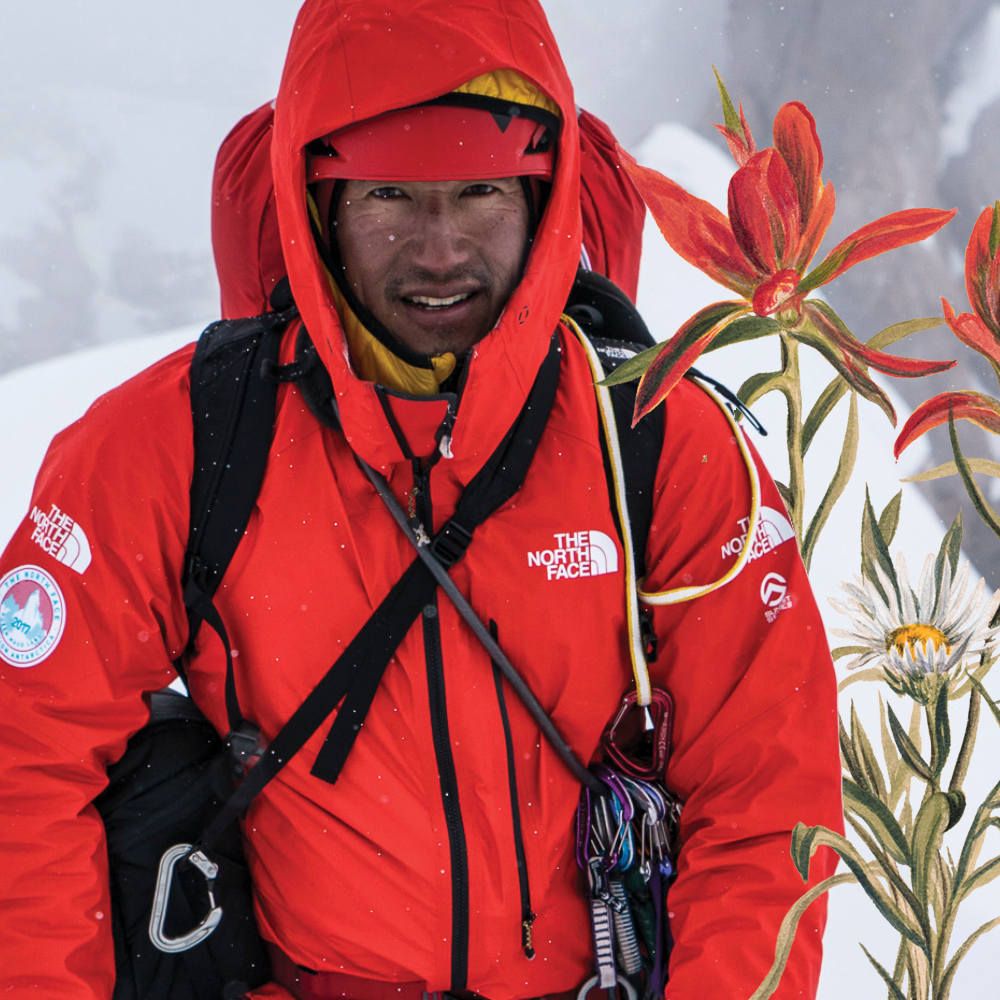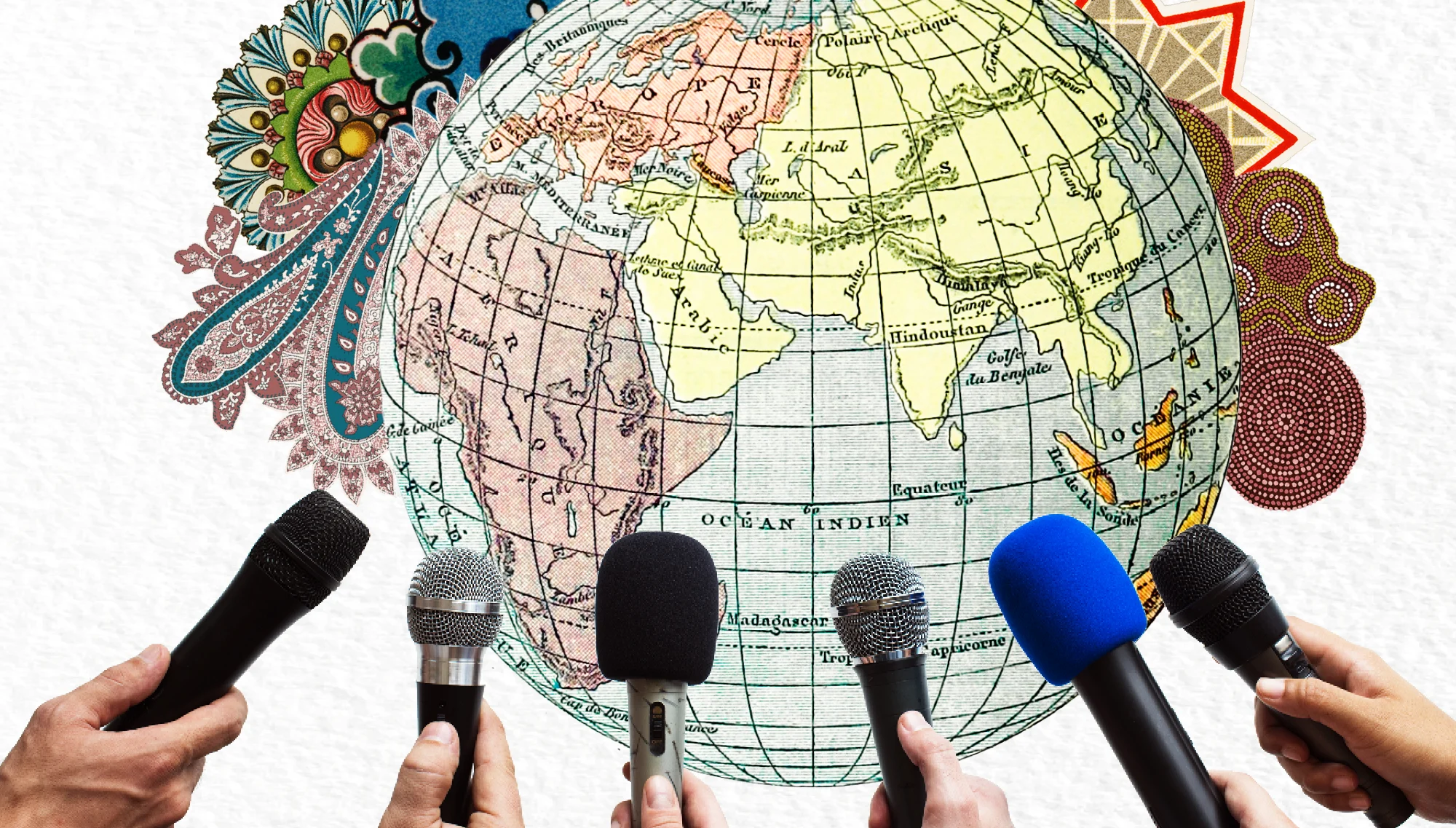
Since the mid-19th century, foreign correspondents have been the ultimate “deep” travelers: They arrive on assignment and plunge right in to uncover a country’s most essential and often difficult truths. Their adaptability and steadfastness in getting under the seam of a place are essential: If this past year has taught us anything, it is that thoroughly and accurately reported news from around the world matters more than ever. Today’s foreign correspondent bears little resemblance to Hemingway filing dispatches from 1920s Paris. The profession has become both more scrappy and sophisticated — and, thank goodness, more diverse.
We checked in with six cultural chameleons to hear how they habituate to new environments — some rugged, others byzantine, all foreign. Their tricks? Find a local (warlord, newspaper editor or guide), stash a pack of cigarettes and hand warmers in your carry-on and work on your sprezzatura.
Steven Lee Myers
Beijing Bureau Chief, The New York Times
Steven Lee Myers has worked as a correspondent in Moscow, Baghdad and Washington, D.C., and is the author of The New Tsar: The Rise and Reign of Vladimir Putin.

Where have you felt the most challenged and out of place?
To be honest, I've felt out of place everywhere I have been, even reporting in the U.S. at times. I think this is a plus. The challenge of journalism is to go into any situation or place with an open and curious mind—not a preconception of the place, even an educated one. If I feel like I'm comfortably "in place," I'm probably not doing it right. The ability to be surprised — being surprised — is what usually leads to the best stories. Churchill famously called Russia "a riddle, wrapped in a mystery, inside an enigma," and it seemed true when I was in Russia, but over time you peel away some of the mystery. You could say the same about China—a riddle, etc., perhaps even more so, in part because of the tradition of government or imperial secrecy that predates even the People's Republic.
What’s your approach to figuring out a new location?
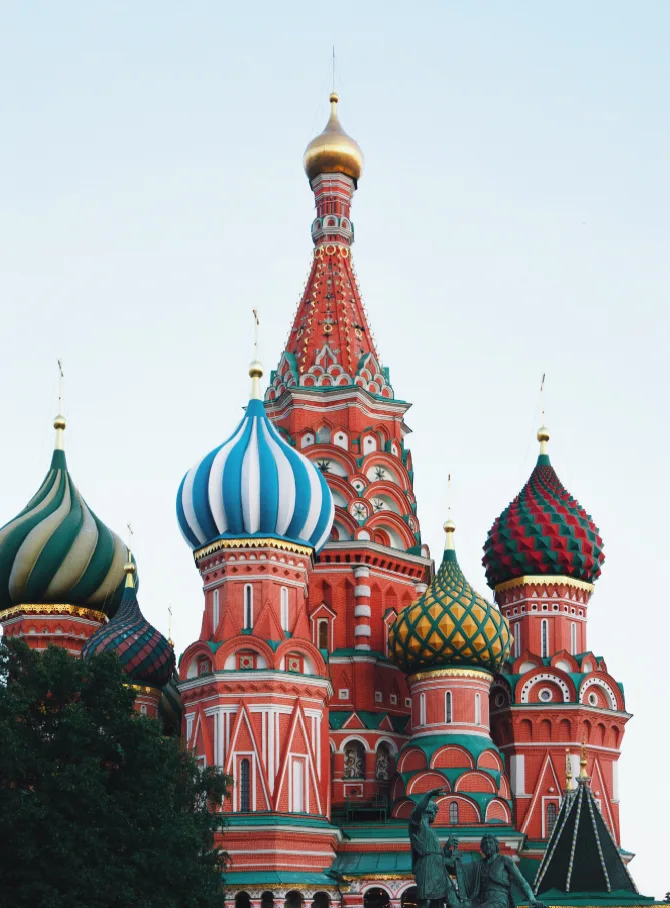
The first time I went abroad, the executive editor of The New York Times, Joe Lelyveld, gave me some of the best advice I've had as a journalist. He said to not bother reading all the books journalists write about any particular place — in this case, it was Moscow — read the literature. That way you'll begin to understand the culture that any nation shares. Putin, for example, referred more than once to Gogol's "Inspector General." It was also true in Iraq and in China. Food is another great way into a place: It's at the heart of every culture.
Nima Elbagir
Senior International Correspondent, CNN
The award-winning, Sudanese-born senior international correspondent joined CNN in February 2011 as a Johannesburg-based correspondent before moving to the network's Nairobi bureau and, later, London.