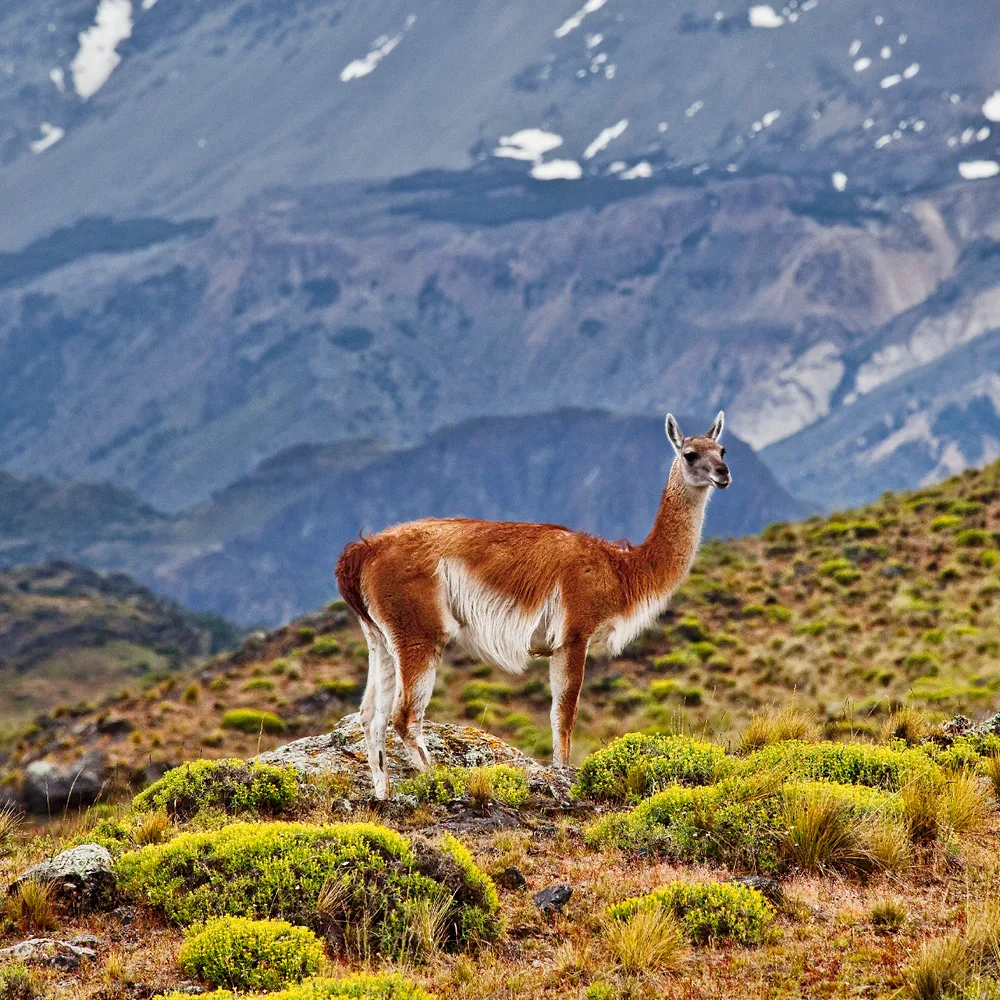
In her new book, the fearless Australian author who transformed so many lives and diets around the world with I Quit Sugar, then grappled with her chronic anxiety in First, We Make the Beast Beautiful, unravels what feel like all the other problems plaguing the modern world: climate change, malignant capitalism, Internet addiction, spiritual emptiness. In she dives, interviewing over 100 experts in a range of fields and interspersing some very personal details, emerging with what her father refers to as “Sarah’s Book of Everything.” This One Wild and Precious Life: The Path Back to Connection in a Fractured World, like the Mary Oliver poem from which its title is derived, is poignant and unfettered, serving as both a wake-up call and a spiritual guide.
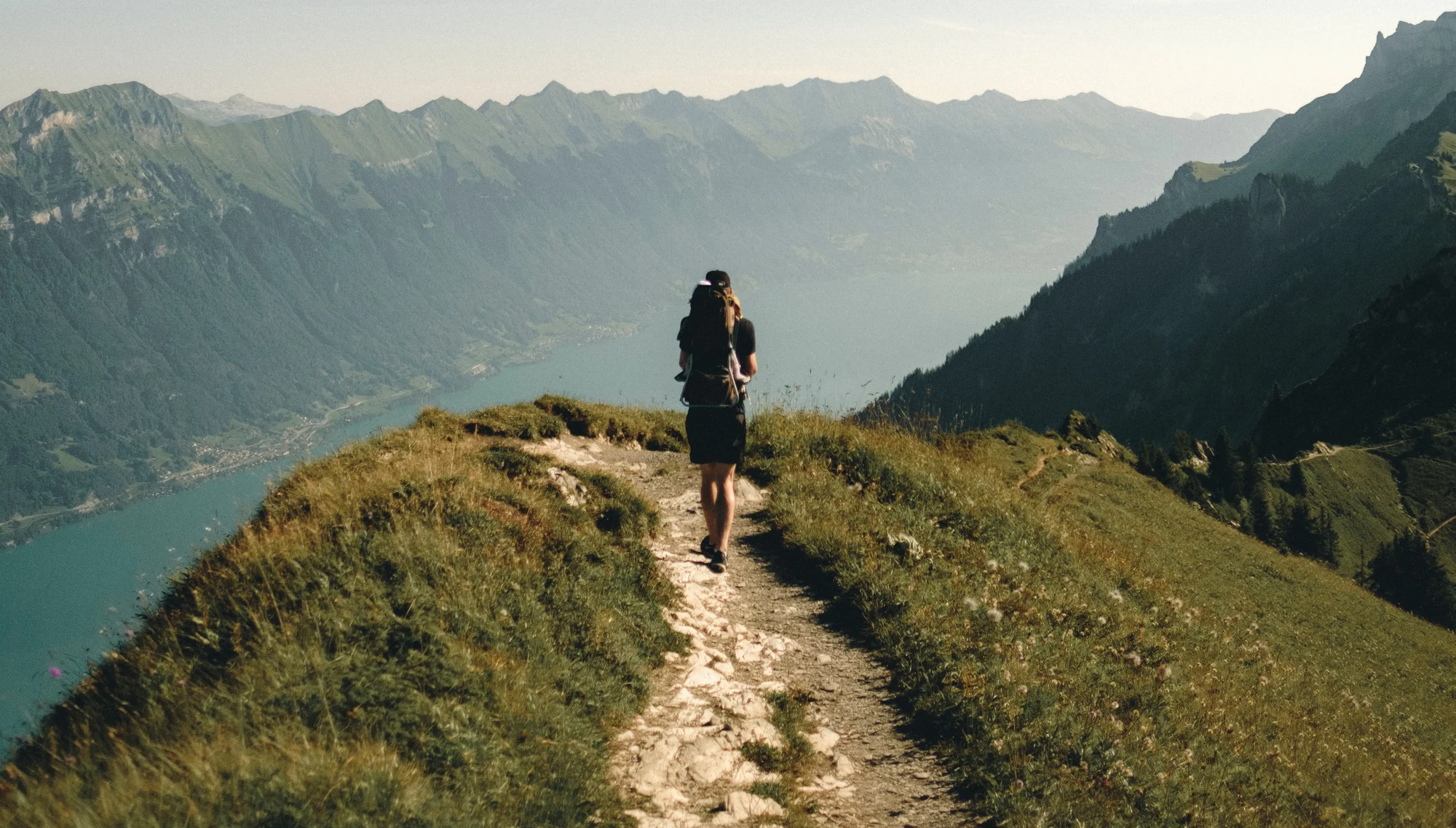
Wilson’s answer to anxiety and loneliness — her way to reconnect both with the world and with herself — is to fling herself into nature and, simply, to walk. Her chapters alternate with a series of hikes around the world, from the Julian Alps to Cradle Mountain in Tasmania—walks which also appear on her website. For the former journalist and TV presenter and cultural lighting rod, who last year rumbled openly with Australian Prime Minister Scott Morrison for the politically motivated negligence that fueled their country’s devastating bushfires, putting one foot in front of the other might just be the best solution to our problems. Read this excerpt, from the chapter titled “Hike. Just Hike,” and you’ll agree.
--
What’s the most direct way to connect to life, to our big bold true nature, to ourselves? Being in nature. More specifically, walking in nature.
We emerged into humanhood walking in nature. Our brain evolved because we got upright and walked. Our sentience and awareness – the stunning and special stuff that sets us apart in the animal kingdom – evolved to the rhythms of walking and in response to the patterns in nature we saw when we quit schlepping around on all fours and began looking upward.
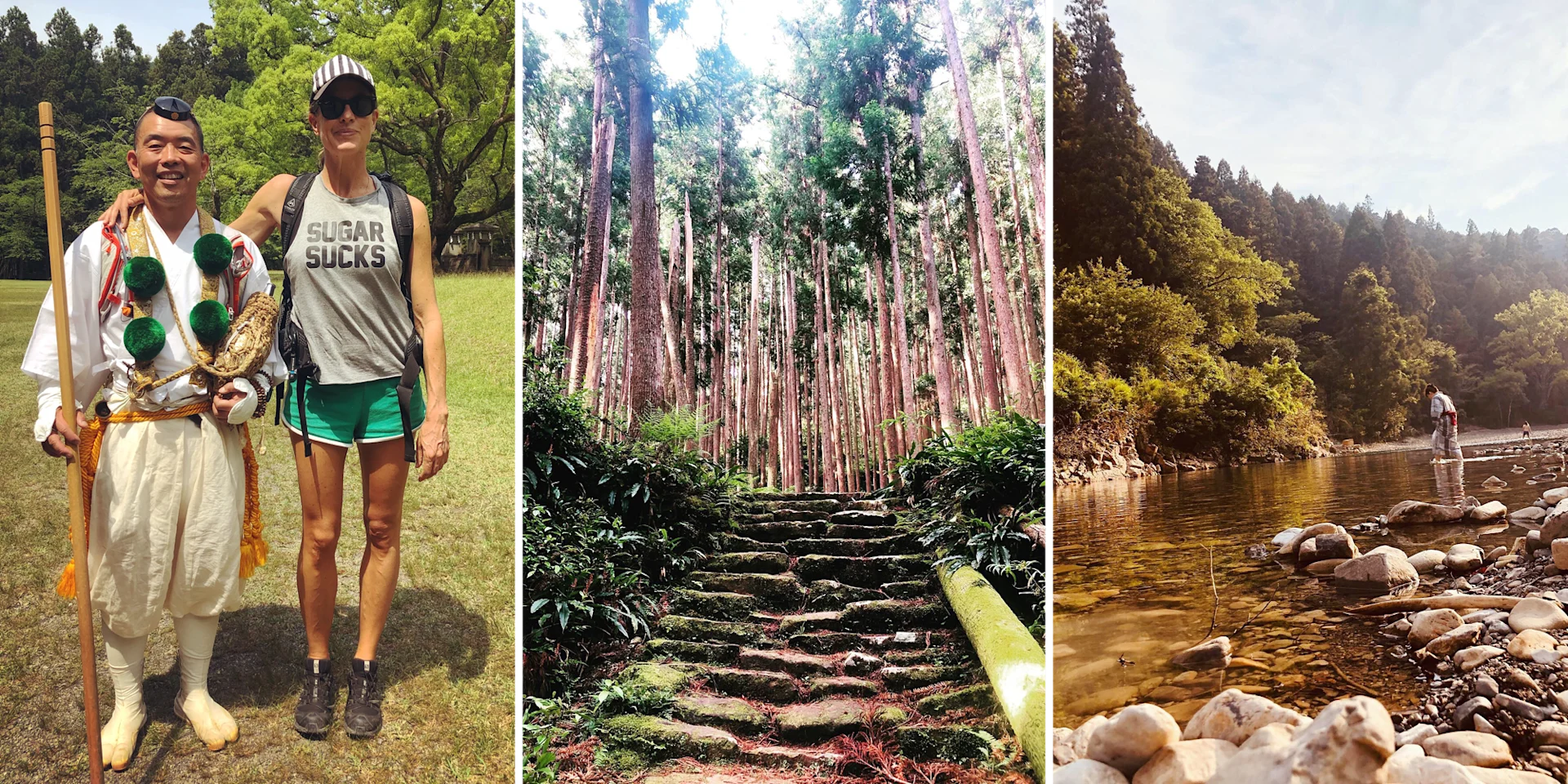
Hiking brings us back to our nature because hiking is how we know our nature.
The joy of walking in nature – biophilia as it’s sometimes called – also reminds of us what we’re fighting for. The life of this planet, the life from which we emerge and that brings us sunrises with god fingers that splay through sea mist, moons that smile at us and birds that deliver us to group soul. As an eco-activist tool, little beats it.
The other boon is that walking goes in the opposite direction to neoliberalism. It always has, ever since the inception of the more-more-more model in the 19th century. Witness Nietzsche and Heidi in the Swiss Alps, the Wordsworths in the Lake District. In Paris, the intellectual elite took to walking in public parks. In the States, there were the naturalists Henry David Thoreau, Walt Whitman and John Muir, who were also vocally anti-capitalist.