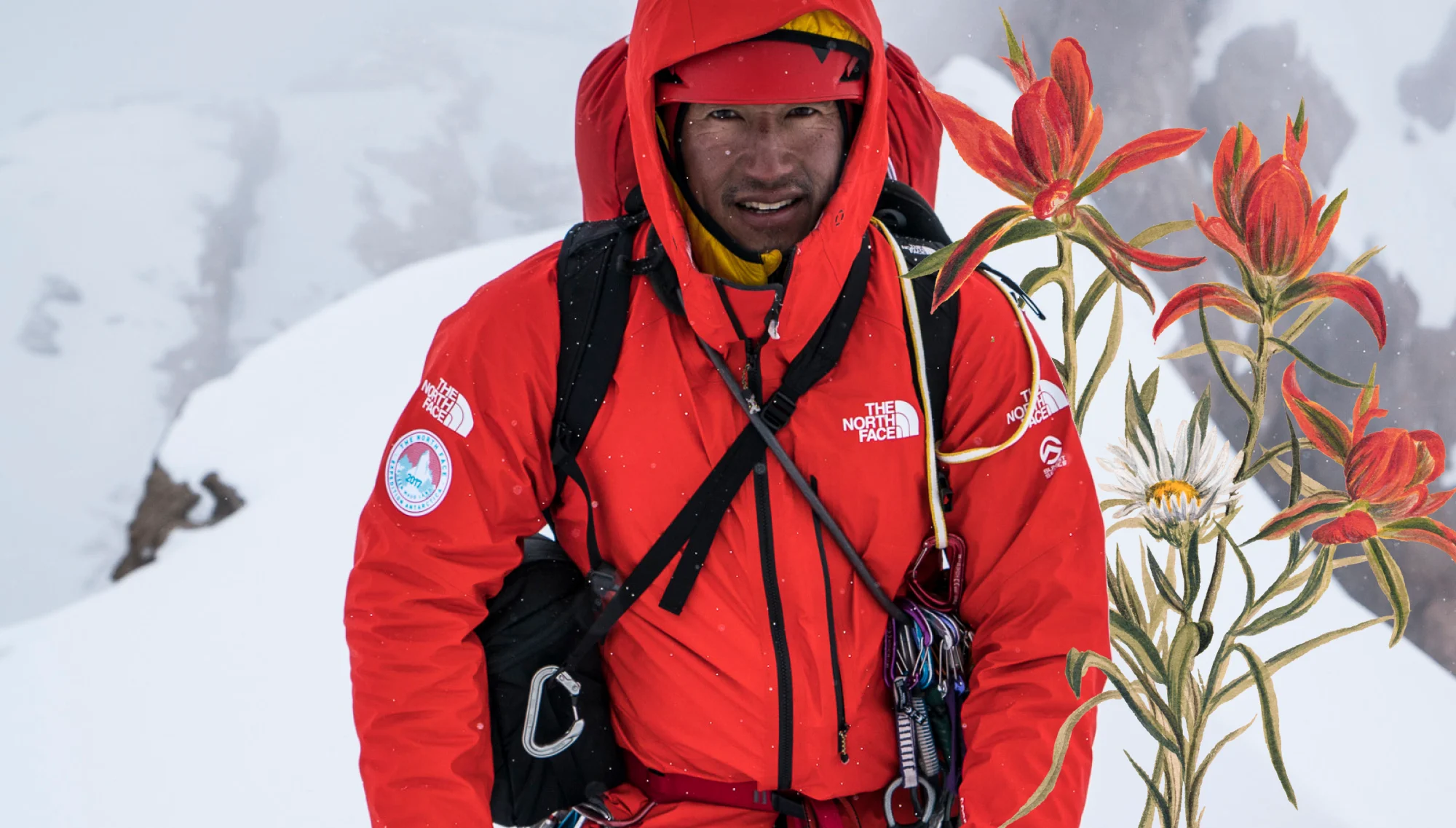
For a guy from Minnesota who regularly spends 40-night stretches sleeping in cramped tents on glacial peaks, Jimmy Chin gives surprisingly relatable travel advice. Chin, who in his 20s decided to indulge a then “directionless” passion for death-defying mountaineering, says he didn’t have a photography and filmmaking career in mind when beginning to travel the world as a young climbing bum. “[Each trip] gave me the confidence to do the next one, and I pushed a little harder and further,” he says. Chin’s been the first to scale Asia’s Karakoram Mountain, to summit India’s Meru Peak via the Shark’s Fin route, and to descend Mount Everest on skis. In his mid-20s, he found himself on El Capitan peak in Yosemite with a friend’s camera in hand, and just started shooting. His resulting turn into the creative spotlight—with numerous National Geographic covers, two climbing documentaries, and one Academy Award for co-directing Free Solo with his wife, Elizabeth Chai Vasarhelyi, under his belt—still mystifies him 20 years later.
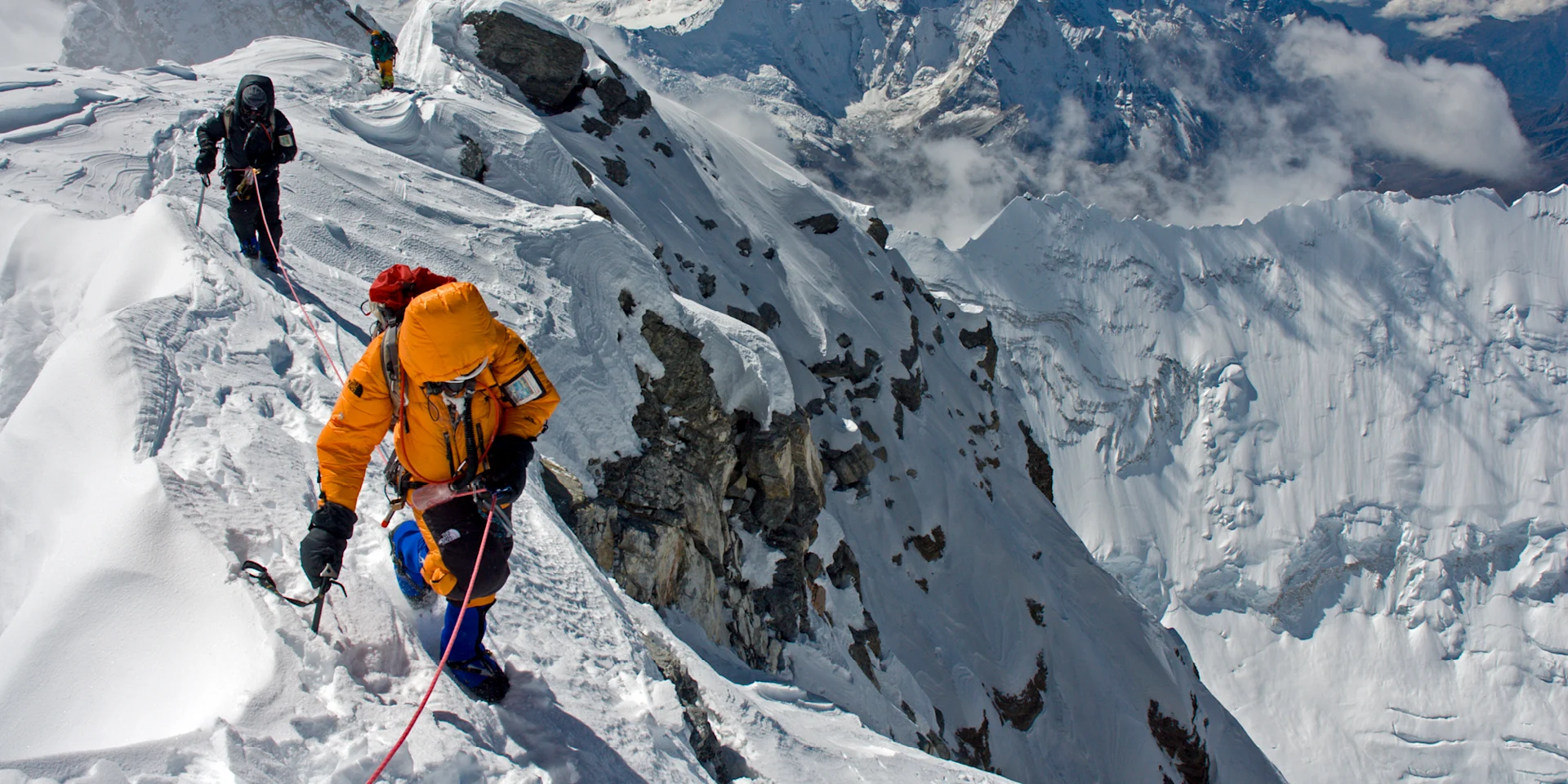
“I’ve easily been away from home 250 days a year for many, many years,” Chin says, during which time he has racked up a list of trips across the seven continents (think Nepal, India, Greenland, Antarctica, Mali and more) that would make anyone rethink their life plan. But between his climber’s temperament and artistic vision, the real lessons you can glean from Chin are on perspective: for one, planning deeply the variables you can control, and letting go of the ones you can’t.
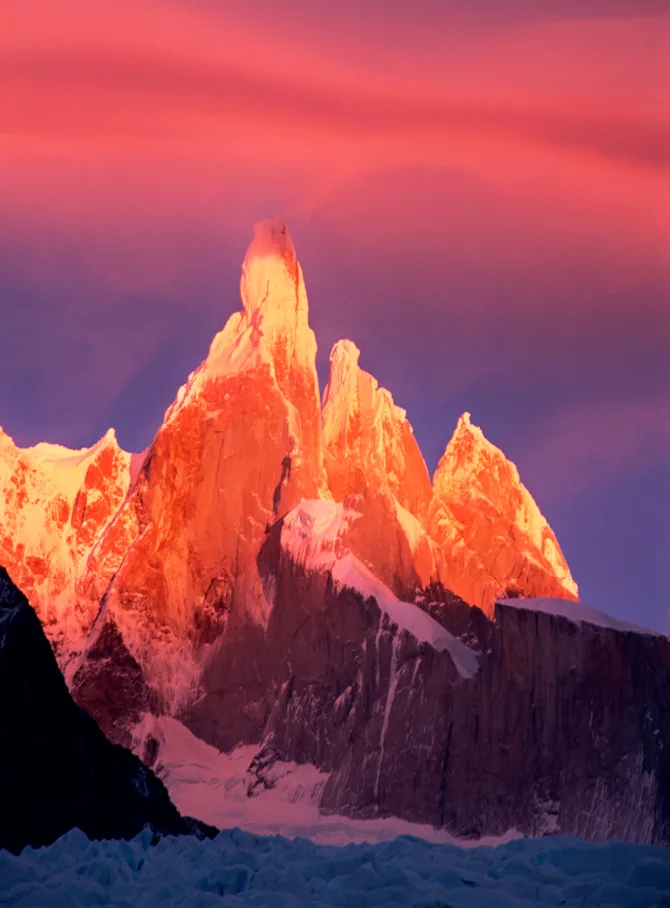
Most recently, like all of us, he’s been riding out the pandemic at home with his two kids on the range in Wilson, Wyoming, a few miles outside of Jackson Hole. But with commercial and editorial shoots picking up again, and with Chin finishing up his next film—a documentary about conservationists Kris and Doug Tompkins and Patagonia founder Yvon Chouinard—it’s once again becoming harder to nail him down. Here’s what’s consuming and driving him now, and how he preserves a Zen-like calm along his busy path.
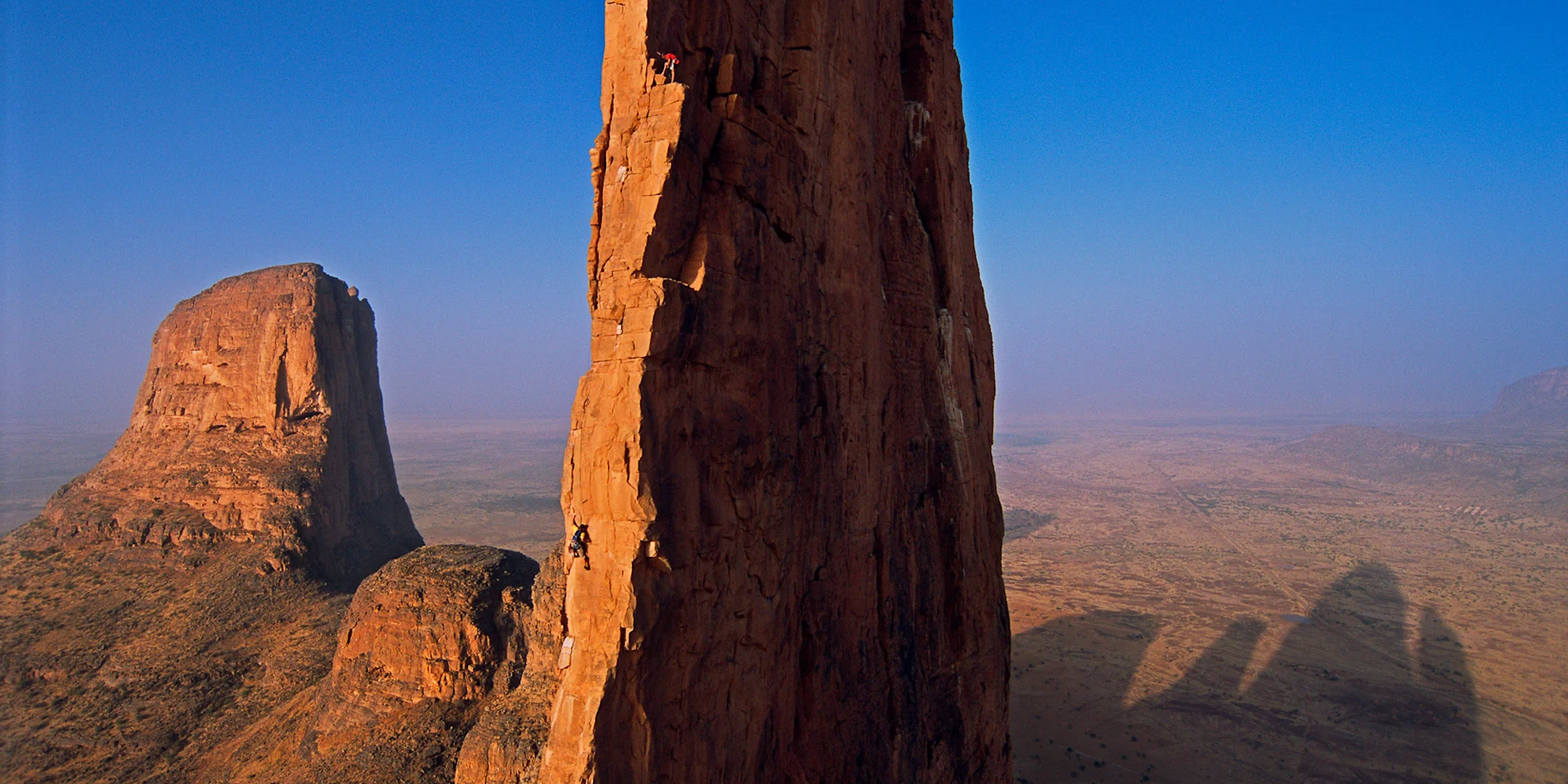
You’ve seen the planet from heights and vantage points most people will never get to access. What kind of perspective have those views awarded you?
It’s funny: To me, so much of it is the process of getting there. A lot of it often has to do with being engaged in a way where you’re completely present in a moment. Once you get up, it’s nice and it feels like a little reward to get to see the world from that place. But you’re there because you enjoy the process, and the process of being lost in time. Usually through that process I’ve worked through a lot of things, so when I come back down, I try to retain the sense of well-being and balance and satisfaction I’ve gained. That lasts for a little bit...and then you’ve got to go do it again to regain perspective.
As someone who’s so at ease in nature, how do you feel when you’re traveling in crowded cities?
Certainly part of what I do is about being adaptable. Adapting to the environment, particularly on expeditions, means you come to kind of embrace whatever is served to you and try to live in the moment. Probably the most challenging environment for me to be in for an extended period would be a very urban, New York City–type of setting. But I do appreciate urban settings and cities like New York and what they have to offer. One of the biggest challenges for me is training and staying fit [in these environments], because that’s how I feel good and stay inspired and motivated. So when I’m traveling in cities, I run a lot, or end up doing workouts in my hotel room, using body weight or doing yoga.
You have to be at peak physically on so many trips. How do you get adjusted when you’re in a new time zone?