Pedro Almodóvar’s Madrid
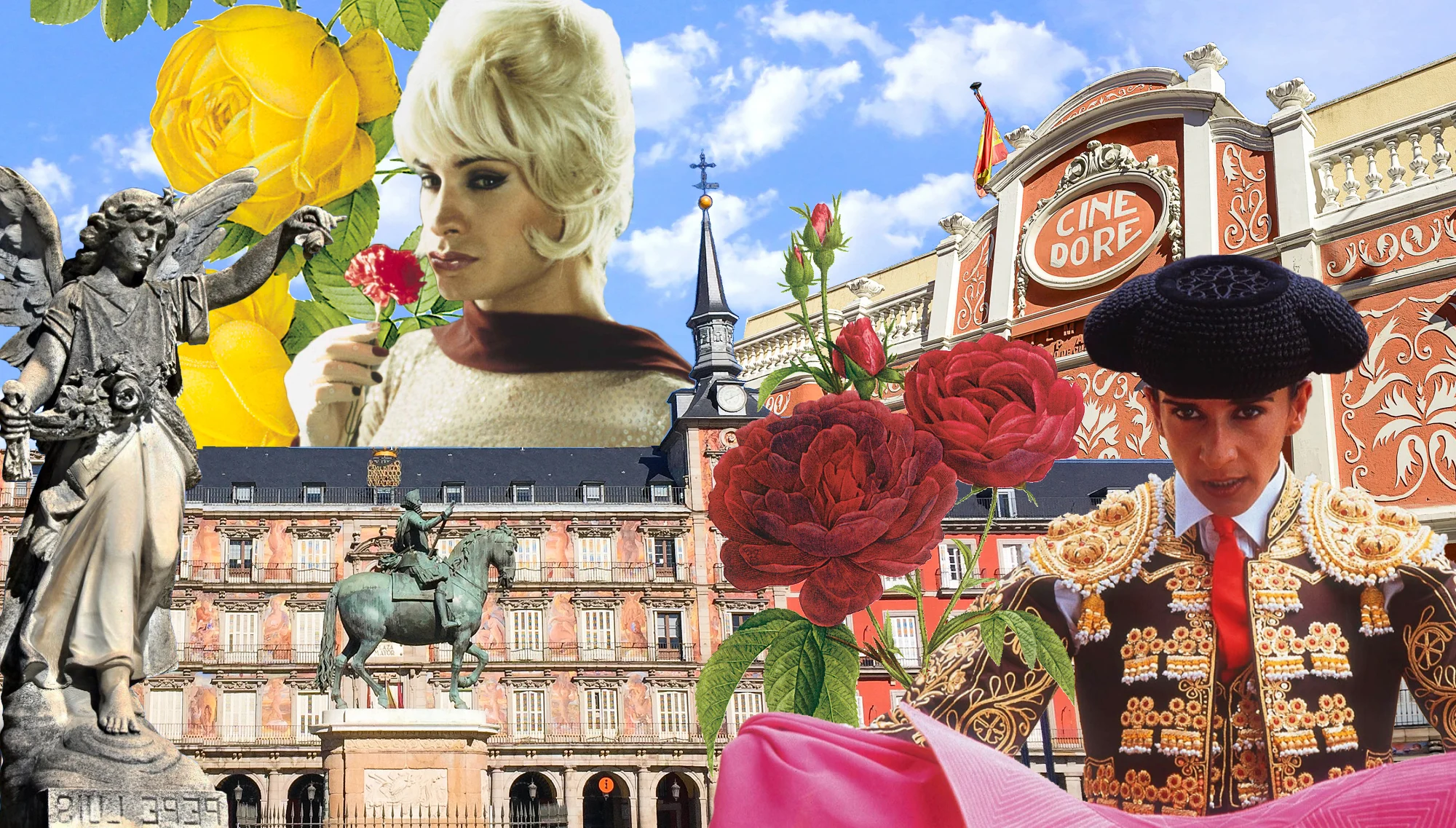
Emerging after the death of dictator Francisco Franco, Spanish filmmaker Pedro Almodóvar became a pioneer of La Movida, the countercultural movement which embraced hedonism, freedom and wild sexuality following 40 years of fascist rule. While he was born in the small town of Castilla-La Mancha—Don Quixote land—Madrid became the center of Almodóvar’s universe. He depicts his beloved homeland in a new light, capturing abstract, almost cartoonish Madrid skylines. Pop art and Postmodern Italian design, among other influences, inspired him to communicate his characters’ emotions in film through vibrant colors, particularly in dramas like Volver, Bad Education, and Women on the Verge of a Nervous Breakdown. Constantly seeking out the fringe, the Spanish auteur resists marginalization by featuring an ensemble of often overlooked characters of the time and place: the prostitutes and transvestites, the pill-popping housewives and the pregnant nuns. His films beautifully capture both the city he loved and the complexity of the people living there.
Paolo Sorrentino’s Rome
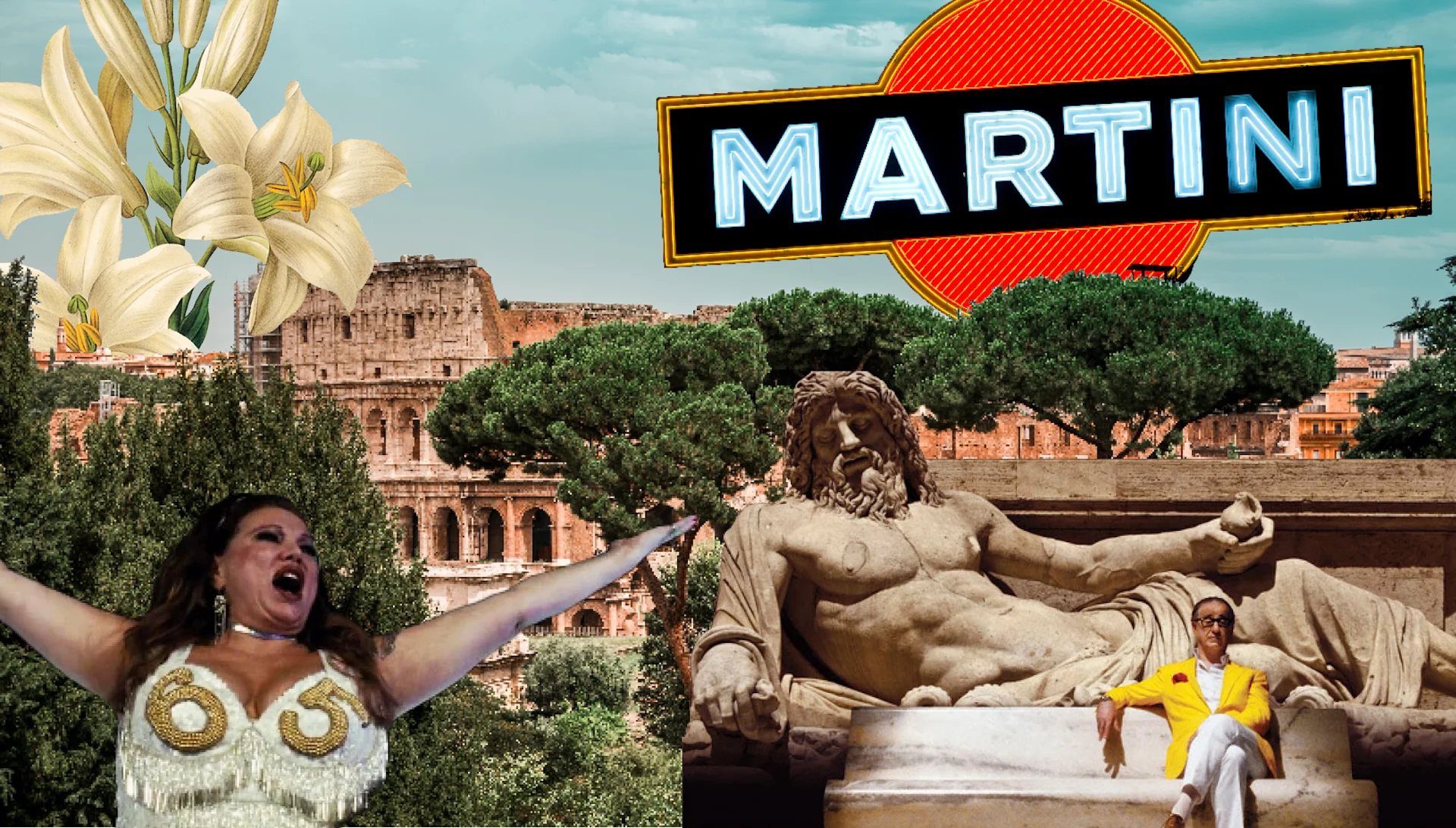
“Traveling is very useful: it makes your imagination work, everything else is just disappointment and trouble. Our journey is entirely imaginary, which is its strength.” Paolo Sorrentino’s La Grande Bellezza opens with this quote from Céline's Journey to the End of the Night. From its dazzling first scenes of a birthday party on a rooftop overlooking the Colosseum, the seminal film paints a complex portrait of a city that exudes a culture of excess, one which—along with the film’s protagonist, Jep Gambardella—is, as the New York Times’ Rachel Donadio memorably put it, “embalmed in elegant decline.” In many ways, Sorrentino’s vivid set and eclectic styling choices speak to Jep’s own internal strife. While he dresses in fairly traditional Neapolitan suits throughout, the exaggerated colors of his clothes——lime green, butter yellow, electric orange——are the opposite of understatement. They’re over-the-top, yet undoubtedly seducing, much like the city of Rome itself.
In Il Divo, which chronicles the life of Giulio Andreotti—the country's seven-time former prime minister who was ultimately tried for Mafia ties—Rome is again the second protagonist of the film. Sorrentino links Andreotti’s political rise and fall to the city itself, capturing its most historical streets, avenues, and institutions—including the grandly-clad halls of the Quirinale, the official residence of Italy’s head of state, atop the highest of the city’s seven hills—in brash, unreal light and tones.