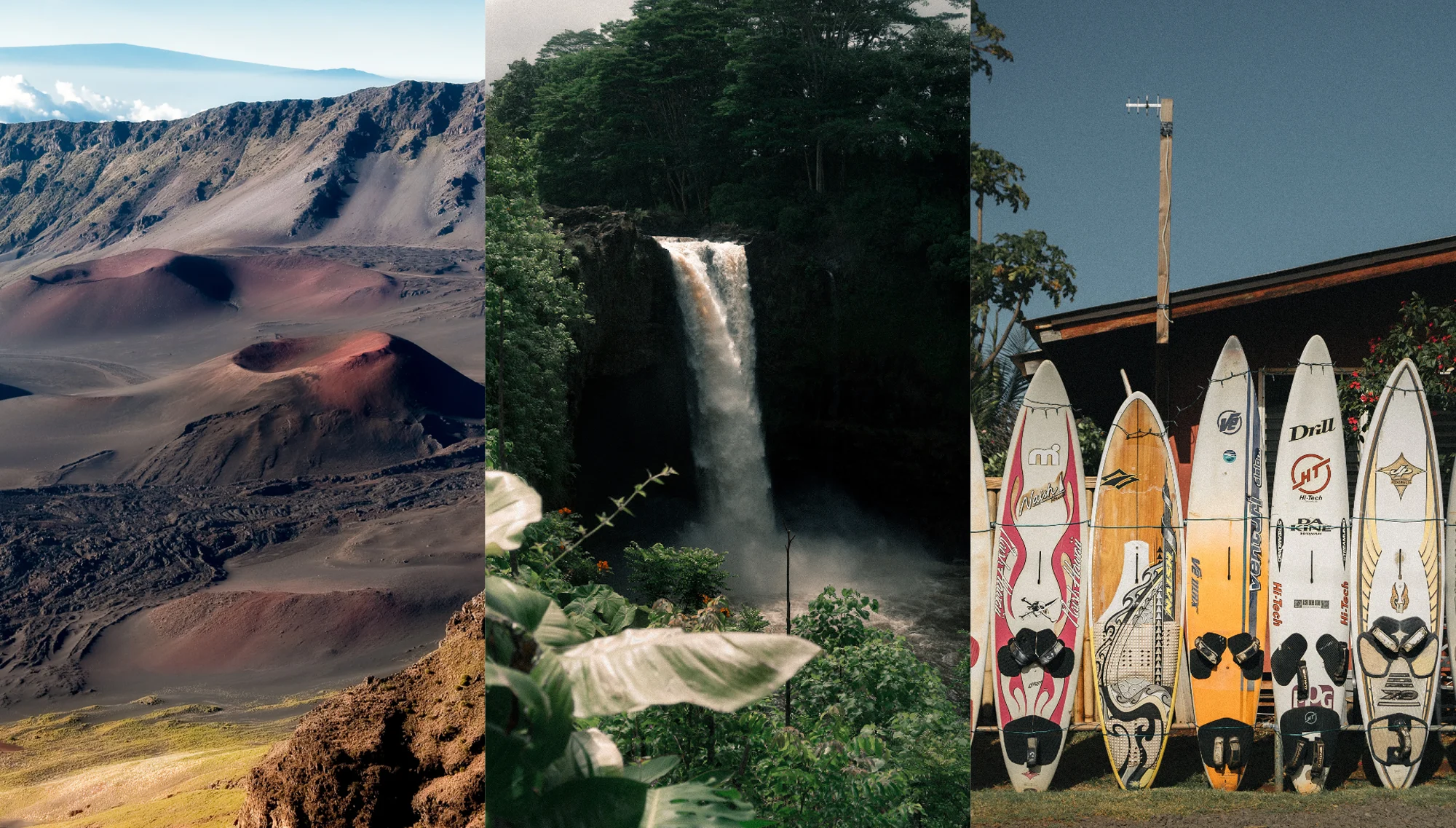
Beyond the high-rise hotels of Lahaina and Wailea-Makena on the West and South coasts, it’s long been possible to find a different Maui, one that’s more vibrant and eccentric, more historic and homespun. It all radiates outward from Paia (Pie-EEE-a), an old sugar plantation town that is now the epicenter of the North Shore’s surf and high-vibrational hippie scenes. Here, barefoot locals commingle with pro surfers, yogis and resident Owen Wilson, who fits right in. And in the months since Covid put a damper on incoming travel, the resort crowd, stopping through on its way out to Hana, hasn’t been missed by everyone.
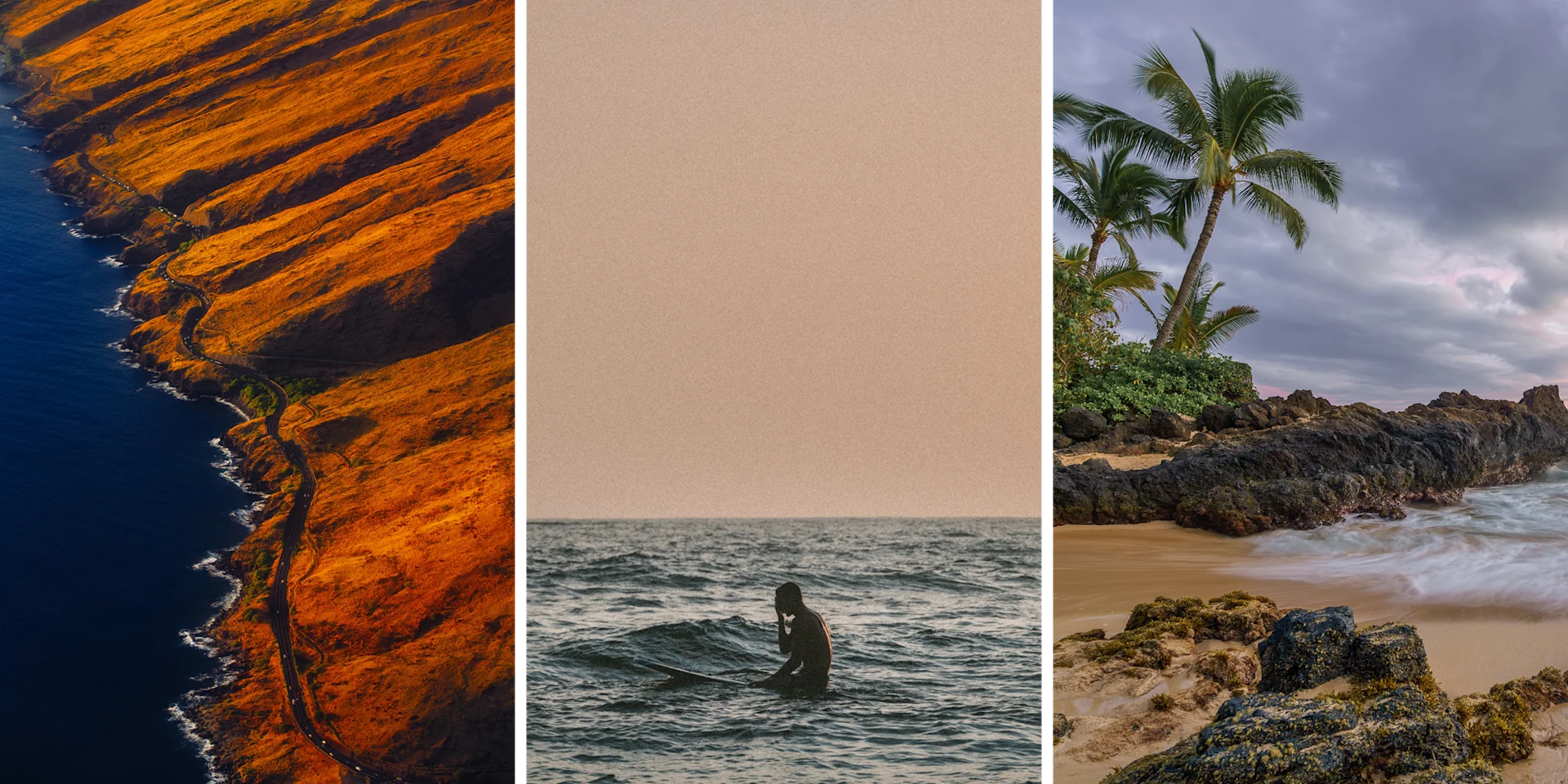
Paia’s bustling stretch of surf shops and tourist kitsch has seen an increase in new businesses aimed at the community, including Better Things, a living room-like café opened last November by twin sisters home from college during COVID who couldn’t find “a place to sit” with WiFi for remote learning, says cofounder Taylor Rusnak. Last year’s struggles really brought the community together, she says: “The locals have taken us in.” Further down Baldwin Avenue, Molly Payne’s impeccably curated homewares store, The Shoppe by Hale Zen, opened in December, catering to locals and discerning visitors. (Payne, a second-generation entrepreneur, whose mother owns two stores on the island, happens to date Maui surf sensation Kai Lenny.)
While some spaces have sadly been forced to close, people are busy filling them with new ventures, says Runsak. Amid a cataclysmic reset, Maui’s upstart entrepreneurial energy lights an optimistic path toward a more diversified local economy and a more conscious, authentic visitor experience.

Ten minutes up the side of the volcano from Paia in the improbable jungle outpost of Makawao (Mah-ka-WOW), the Old West movie-set vibe is even stronger. This former ranch town and army outpost (during World War II, Maui hosted some 200,000 soldiers) is now a sophisticated lineup of colorful boutiques, coffee trucks and art galleries that wouldn’t be out of place in Venice Beach. Keep driving along the slopes of the Haleakalā crater and you’ll find an “Upcountry” vibrant with small farms, farm-to-table food, and the area’s first design-conscious lodging, Haiku House. “There are a ton of new businesses in town, and a lot of fresh new faces,” says Morgan Miller, owner of Makawao’s beloved sushi truck, Satori, which opened in 2019. “There seems to be a community revamping in the works.”
Maui’s history of exploitation runs deep: Native Hawaiians decimated by colonialism and disease; whales hunted for oil; coral reefs still threatened by resort wastewater runoff. But its wild charms endure. Alive and accessible, Maui is an evolving character in its own story, nowhere more so than in its rugged, energetic, wide-open north, the land of whipping tradewinds, frequent rains and omnipresent rainbows, a sign of transformation—and of better days to come.
See & Do
Ho’okipa
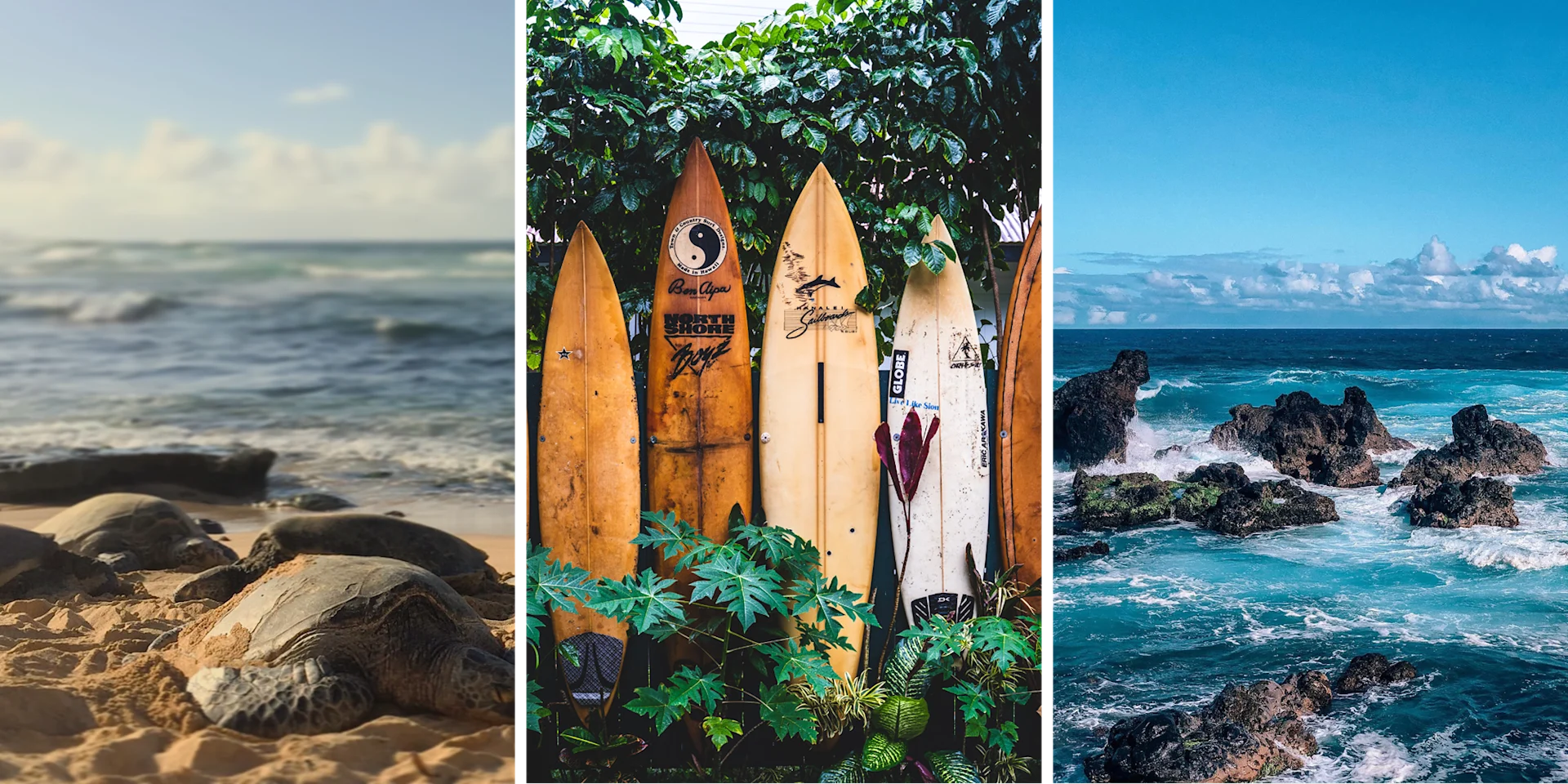
The parking lot of Maui’s quintessential locals’ beach is packed with camper vans and surfboard-stocked pickups belonging to neighborhood dads and the famous pros who put on an air show here all winter. Don’t expect to swim during the winter surf season—the waves are too choppy—but there’s no better place to splash in the tidepools or relax on the sand (or nearby grassy bluff) with a beer and watch homegrown stars like Kai Lenny and Matt Meola surf, windsurf, kite, and hydrofoil as the sun sets. At the far end of the beach, check out the sea turtles that sleep on the rocks, guarded by local volunteers who keep visitors at a safe distance.
Haleakalā National Park
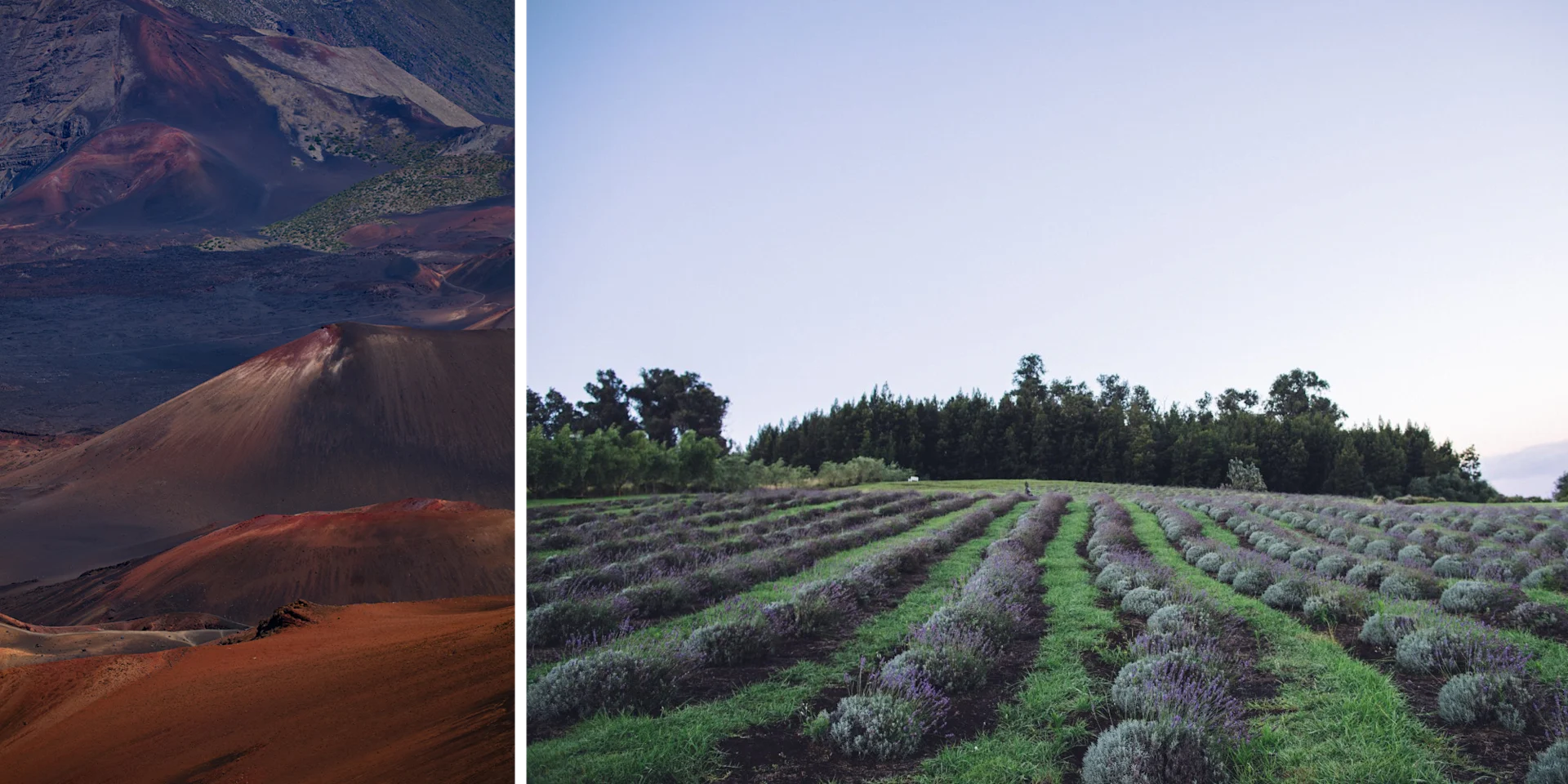
You have simply never seen the likes of this remote volcanic landscape, a sparse, frigid dreamland 10,000 feet above sea level that last erupted between 1480 and 1600 (and likely will again, though it’s currently dormant). The Haleakalā (“house of the sun” in Hawaiian) summit is sacred for Native Hawaiians, who fiercely opposed construction of a massive solar telescope here (they lost; on the Big Island, locals had more success fighting a similar project). Bring food and sunscreen and hike a mile down into the desert-like crater. Or make a reservation and head to the summit at sunrise, when traffic is limited to 50 cars.
Ali’i Kula Lavender Farm
At this otherworldly farm, situated at 4,000 feet in the sleepy Upcountry town of Kula (home to ridiculous panoramic views of Central and West Maui and the Pacific beyond), you can wander among 55,000 lavender plants and shop for fragrant soap, honey, and shortbread. Afterwards, if you’ve got 4WD and a sense of adventure, head straight up Waipoli Road, a snaking lane of deserted mountain switchbacks with astonishing views, toward Polipoli Spring State Recreation Area, where you can hike among the eucalyptus and redwoods — or not: the drive up is an event in itself.