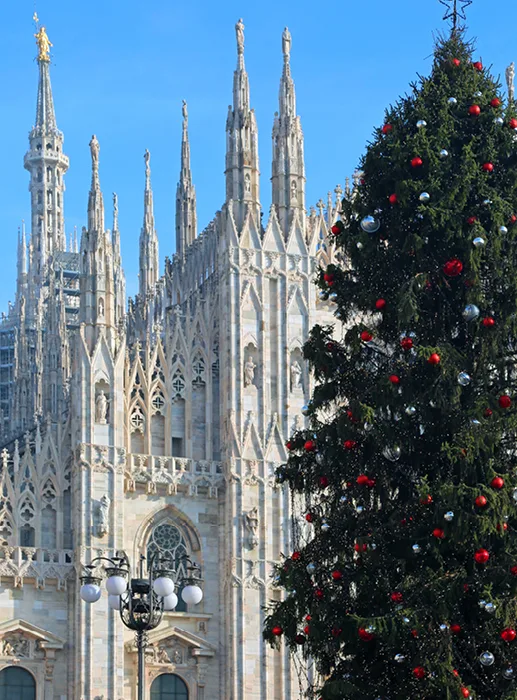
Milan’s Galleria Vittorio Emanuele II, ninety eighty something. It’s Christmastime, and my attention is drawn to a display in a jeweler’s shop window: wedges of panettone scattered nonchalantly over a rumpled silk tablecloth, the characteristic air pockets in the crumb studded not with candied fruit and sultanas but winking with glistening emeralds, rubies and sapphires.
Those were the heady, hedonistic years of “Milano da bere” (literally “Milan is good enough to drink”), the advertising slogan that came to define a city besotted with its own image as the style capital of a nation. In retrospect, the understated elegance of that bejeweled cake captured the buoyant zeitgeist of the period, using one of the city’s enduring symbols as a prop.
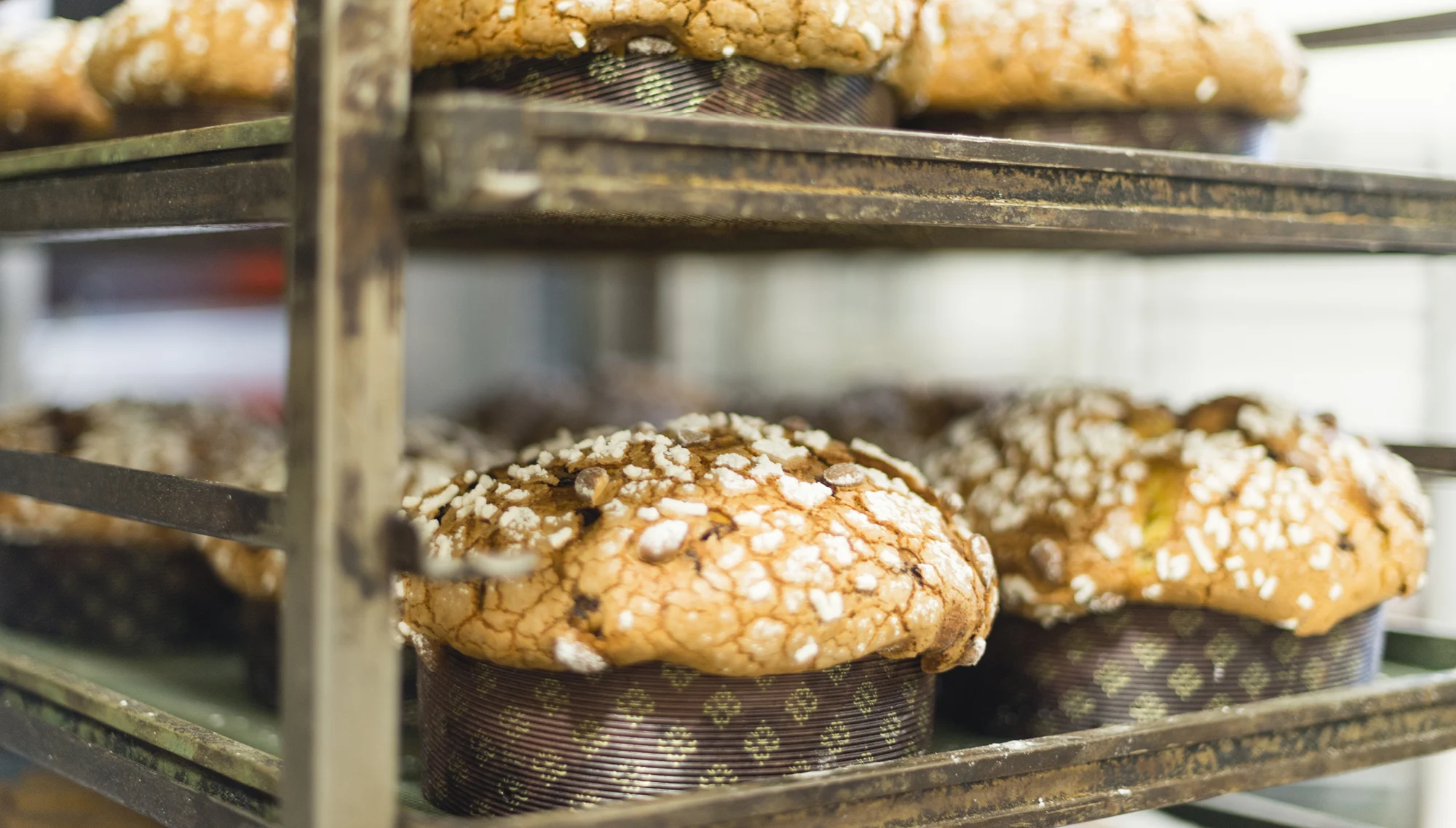
Made with a mixture of flour, yeast, eggs, butter, sugar, sultanas and candied fruit, panettone represents the last stage in the evolutionary scale of the spiced breads that were baked in medieval Milan to celebrate religious holidays: hence its name, which means ‘large loaf’.” Some say its traditional domed shape was a homage to the cupolas that crowned the churches springing up in the surrounding Lombardy region at the time.
Thanks to industrialization and shrewd Milanese marketing, panettone is now easily the most popular Christmas cake in Italy. So much so that it has entered the language in more ways than one: “cinepanettone” is a genre of popular comedy films released to coincide with the festive period, while “mangiare il panettone” (to eat panettone) means to hold onto a job until Christmas. If speculation starts about whether a soccer manager, say, will be eating panettone, he’s likely to be looking for a new team before the year’s end.
There are now innumerable regional variations on the panettone theme, but it seems apt to begin a tour of artisan versions in the city of the cake’s birth.
Milan – Pasticceria Cova
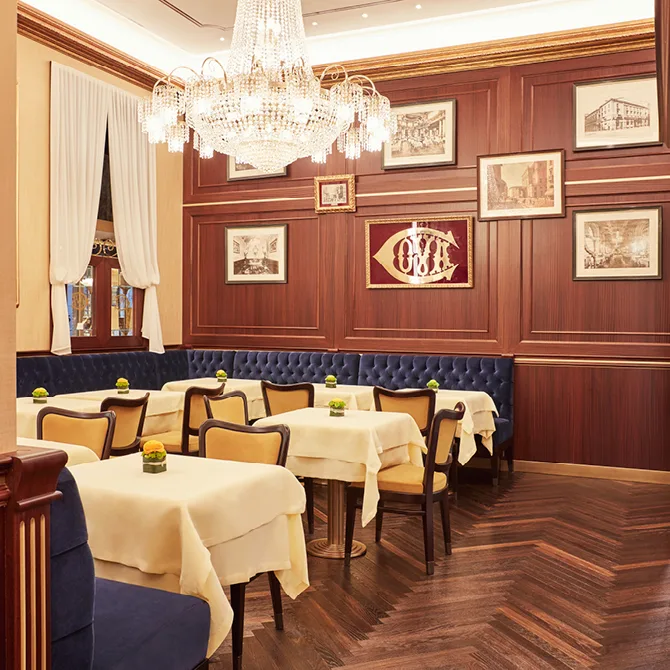
Fine artisan panettone-makers in Milan abound, but it’s Cova that lays claim to the invention of the genuine article. It’s been following the same secret recipe since 1817, when Antonio Cova, a veteran from Napoleon’s army, set up shop in Via Manzoni, near La Scala opera house. No less than Giuseppe Verdi is said to have been a big fan. Following wartime bombing, the business moved to Milan’s swankiest shopping street, Via Montenapoleone, where today it’s a stylish pasticceria and a veritable city institution, its décor—all boiseries, crystal chandeliers and giltwood mirrors—recalling that of the original premises. Every crumb from a Cova panettone is a morsel of history.
*Via Montenapoleone 8
Bra – Bar Pasticceria Converso
The small town of Bra in Piedmont—with the possible exception of Sicily, the Italian region with the sweetest tooth—is awash with pastin, or pastry workshops. Here, as Christmas approaches, panettone attains cult status. Giuseppe Gandino, a master pastry chef with half a century of baking under his belt, tells me he gets up in the middle of the night to check that his proving panettone dough is developing the right aromas. Today the best panettone in town is that of the Bar Pasticceria Converso, established in 1838 and officially recognized as a “Historical Place of Italy.” Lustrous and tanned on top and fruity inside, it exudes Christmas cheer.
*Via Vittorio Emanuele II 199
Brescia – Pasticceria Veneto di Iginio Massari
Brescia, east of Milan, is the home city of the amiable Iginio Massari, the only Italian member of the elite international pastry association Relais Dessert, and lately Italy’s favorite TV baker (he’s a regular on the national edition of Masterchef). It was to him that the young American pastry chef Roy Shvartzapel turned to learn the art of panettone-making after a brief apprenticeship at the legendary elBulli restaurant in Catalonia. Roy describes the maestro’s version as “ethereally buttery, light as a feather yet rich at the same time—a flavor bomb.” Italian panettone pundits unanimously agree.
*Via Salvo D’Acquisto 8