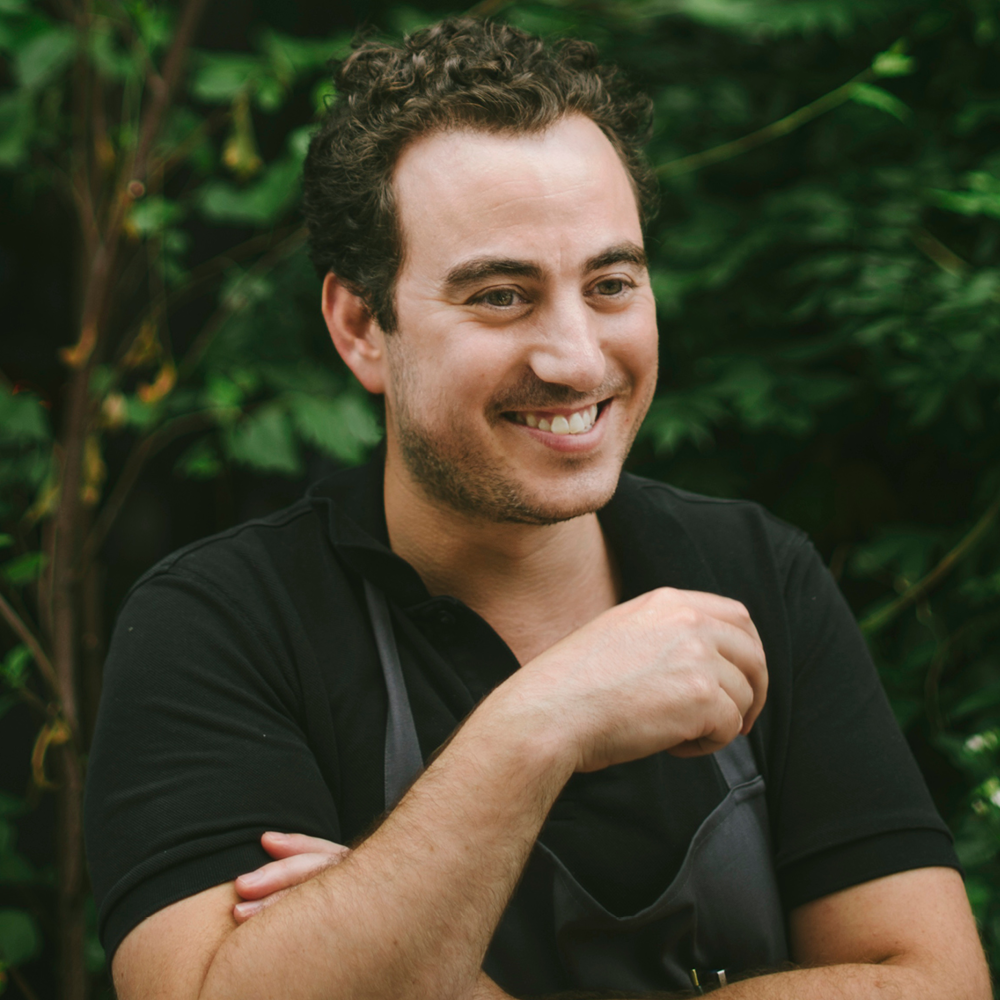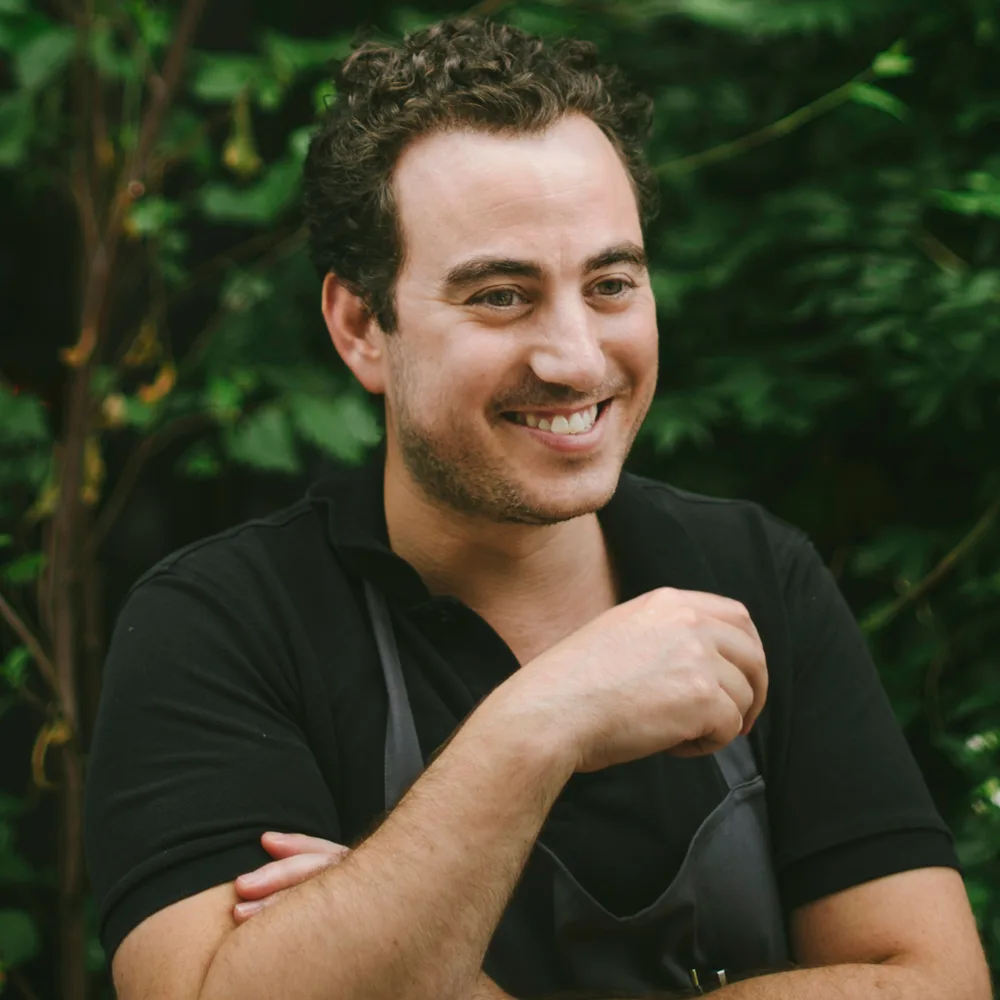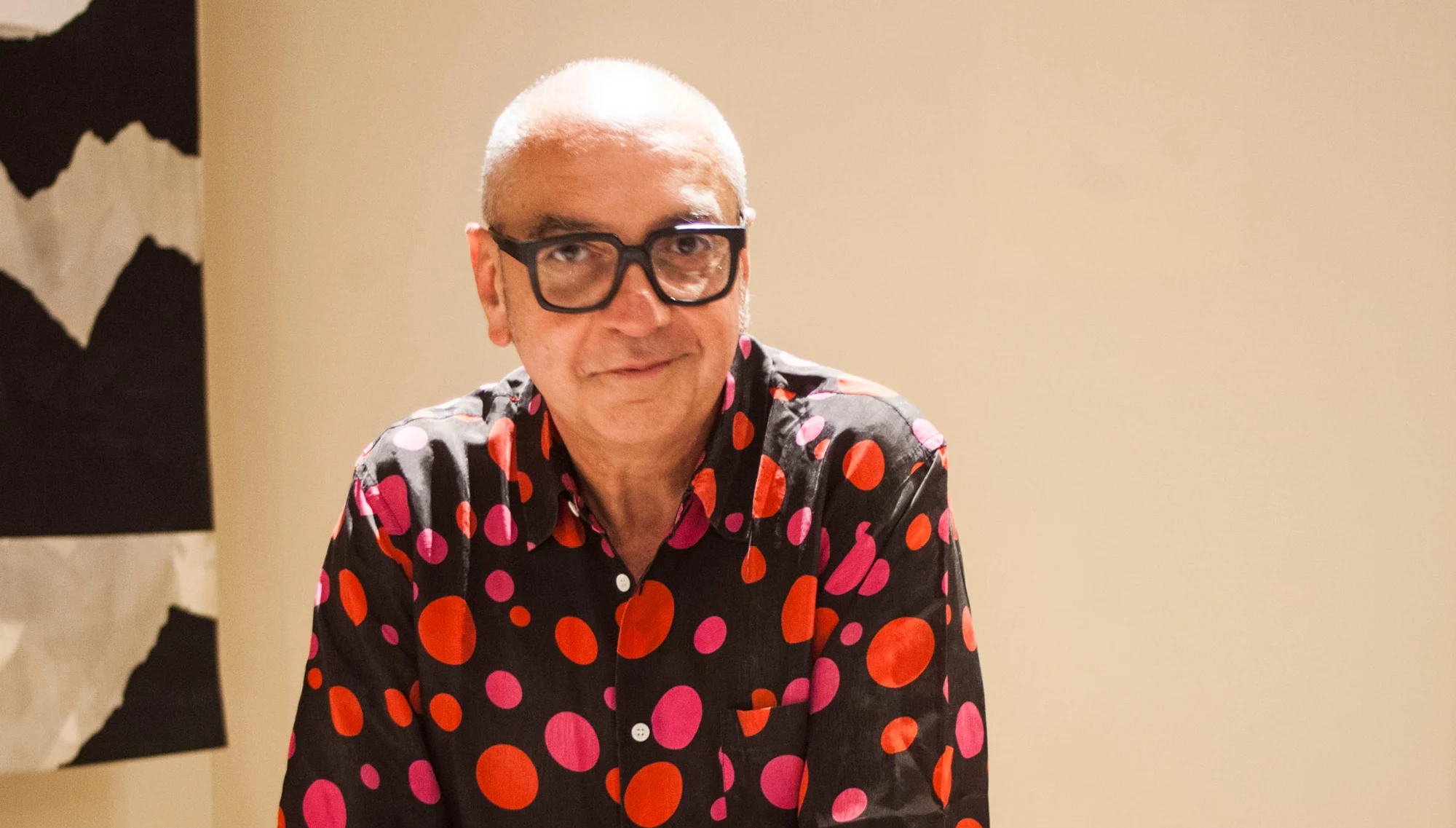
Lyon-based food writer Andrea Petrini is one of the most powerful figures in fine dining—a culinary star-maker whose enthusiastic seal of approval can turn young chefs into the next big thing. For his newest project, as the chair of the judging panel at the World Restaurant Awards, he’s aiming to eschew the tried and tired benchmarks of the global restaurant scene, celebrating diversity rather than the “usual suspect” names that win Michelin stars or feature on the 50 Best list.
With Where Chefs Eat author Joe Warwick as the Creative Director of the awards, collaborating alongside IMG (the global management company behind events such as Frieze and New York Fashion Week), this week the longlist of nominees was unveiled among categories such as “Restaurant of the Year,” “Original Thinking” and “Off-Map Destination,” alongside others intended to more humorously subvert culinary trends, like “Tweezer-Free Kitchen,” “Red-Wine Serving Restaurant” and “Tattoo-Free Chef.” With Petrini and Warwick’s estimable standing in the food world, and having secured the financial backing of management firm IMG, their awards may just become the most influential accolades in fine dining or at very least shake up some pretty flawed methodology and institutions.
Indeed, for many years, Petrini has wielded his unique combination of charisma, gravitas and irresistible eccentricity to bring together culinary talent. Take, for example, GELINAZ! Does Upper Austria,’ the high-concept summer camp he arranged last year, where 23 of the world’s most feted chefs converged at the town of Neufelden. Here, they were tasked with reinventing dishes of goulash, freshwater fish and venison and serving them around the village, before plunging into a cold river to build a crossing from plastic containers as a sort of symbolic (and bizarre) bridging of gastronomy and art.
Among the cooks-turned-sappers were René Redzepi from Denmark, Magnus Nilsson from Sweden, Ana Roš from Slovenia, Gabriela Camara from Mexico and New Yorker David Chang. All are friends of Petrini, who has doubtlessly dined in more restaurants than almost anyone else on earth. For seemingly thirteen months a year the always flamboyantly dressed writer with the thick-framed glasses travels to every corner of the food world to be waited on and fawned over.
Now, with the World Restaurant Awards—which will take place in Paris next February and features a 100-person judging panel—he’s hoping to celebrate a new generation of forward-thinking cooks while commending established chefs doing things right.
Why do you think the world needs another gastronomic award ceremony?
Because what we are doing is essentially different from already existing awards. First of all, because it is not a ranking and therefore doesn’t imply any kind of competition. Our main aims being to avoid comparing the incomparable and, at the opposite end, celebrate the diversity of different types of restaurants. We try to make people think outside the box and help them discover restaurants that don’t necessarily fit within the usual fine-dining scheme. Also, we have committed ourselves to form a judging committee constituted of at least 50 percent women, which is unfortunately still unique in the industry and could create some diverse and surprising results.
And why Paris?
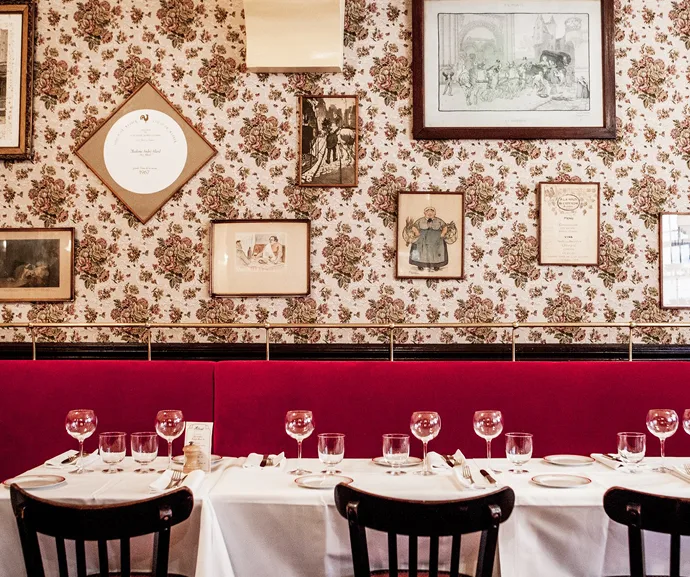
Because Paris is the place where the idea of the restaurant has its origin. And because the city was—and still is—a symbol of a certain conception and philosophy of fine dining. And last but not least, because Paris has changed a lot in these last years and has again become a main destination for people interested in good food and haute cuisine. Just like the entire country, the capital has opened up and receives a growing number of young chefs, who not only come to study classic French cuisine and techniques, but are also bringing their own history and find here a scene in which to tell it. That makes Paris today—gastronomically and culturally speaking—richer than it has ever been.
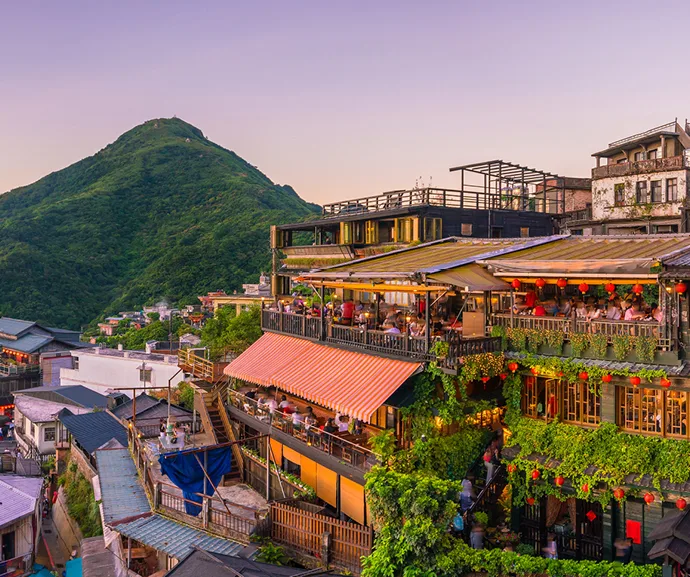
What’s a city you think is underrated and could become a food destination in years to come?
I would say that Taipei fits your description perfectly. Despite the negative outcome of the recently held referendum on gay marriage, I’m convinced that the general atmosphere in Taiwan and its capital is a very tolerant one and becoming still even more so. Which is an important factor for an exciting food scene to develop. Furthermore, the sensational Taiwanese cuisine is a mixture of all kinds of cooking styles from mainland China, with strong influences from Japan and other Asian countries. Therefore, most conditions are fulfilled for becoming a food destination. What it needs now is the will of the Taiwanese government to encourage that trend, for example, by supporting the publication of a local Michelin Guide.