A sensory experience, particularly one tied to smell, can immediately transport us to another time and place. Perhaps the most powerful of all the memory-triggering smells are those associated with travel, when our senses are on high alert and we’re wide open to experiencing the new. And while every destination has a scent or a multitude of scents (pine and damp earth in Portland, Oregon; elote or roasting corn in Mexico City) none are quite as memorable as those places tied to the aroma of a certain flower.
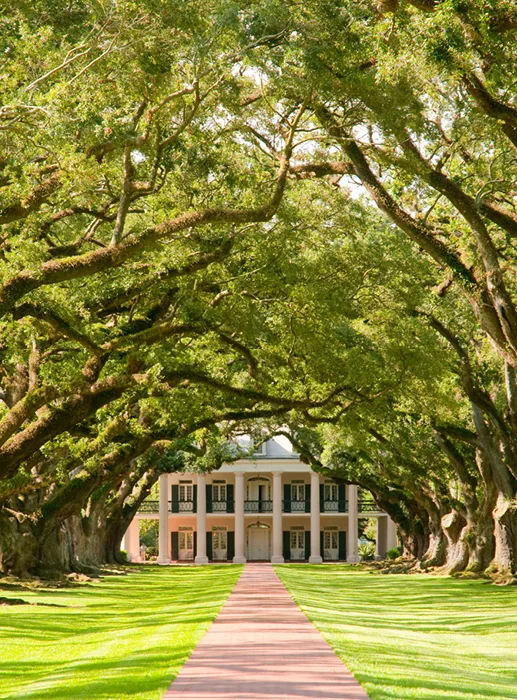
Magnolia Grandiflora – Southern United States
It’s nearly impossible to think about the American south without conjuring up an image of the stately Magnolia grandiflora, which grows from North Carolina south to Florida and as far west as Texas. The tree’s snow-white, saucer-sized blooms with their sweet, almost-lemony scent are as much a part of sticky, sultry, southern summers as sweet iced tea and front porches. True southern natives, Magnolias date back 100 million years—in fact, they’re so ancient, they pre-dated bees and had to rely on beetles for pollination. As such, their leaves and flowers are extremely tough to avoid being chomped by beetles. The bloom’s sweet yet resilient nature is, you guessed it, where the term “steel magnolia” to describe a strong but feminine southern woman comes from.
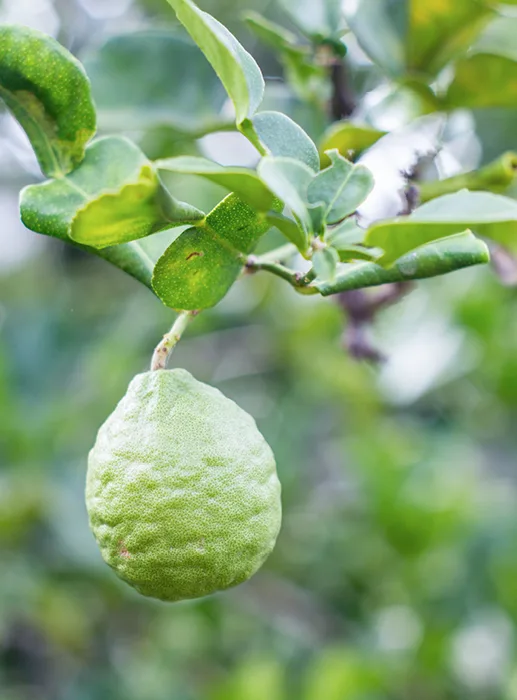
Bergamot Blossoms – Calabria
There’s no shortage of heavenly scents tied to Italy—garlic hitting hissingly hot olive oil; espresso being made the right way; just-charred-enough pizza being pulled from a brick oven. But the most divine smell has to be the perfume of bergamot blossoms that fills the air in springtime in Calabria, the sunbaked, Tyrrhenian Sea-washed region at the “toe” of Italy’s boot-shaped peninsula. Its fruit, which is about the size of an orange and the color of a lime, is too bitter to eat, but its rind is the secret ingredient in Earl Grey tea and its essential oil is what makes high-end perfumes and colognes so beguiling. Bergamot flowers have the same addictive, ambrosial, honeyed scent as orange blossoms, but—fittingly, considering the harsh-but-beautiful Calabrian landscape and the strong people that call it home—there’s a hint of salinity and spice that prevents the scent from being too sweet.