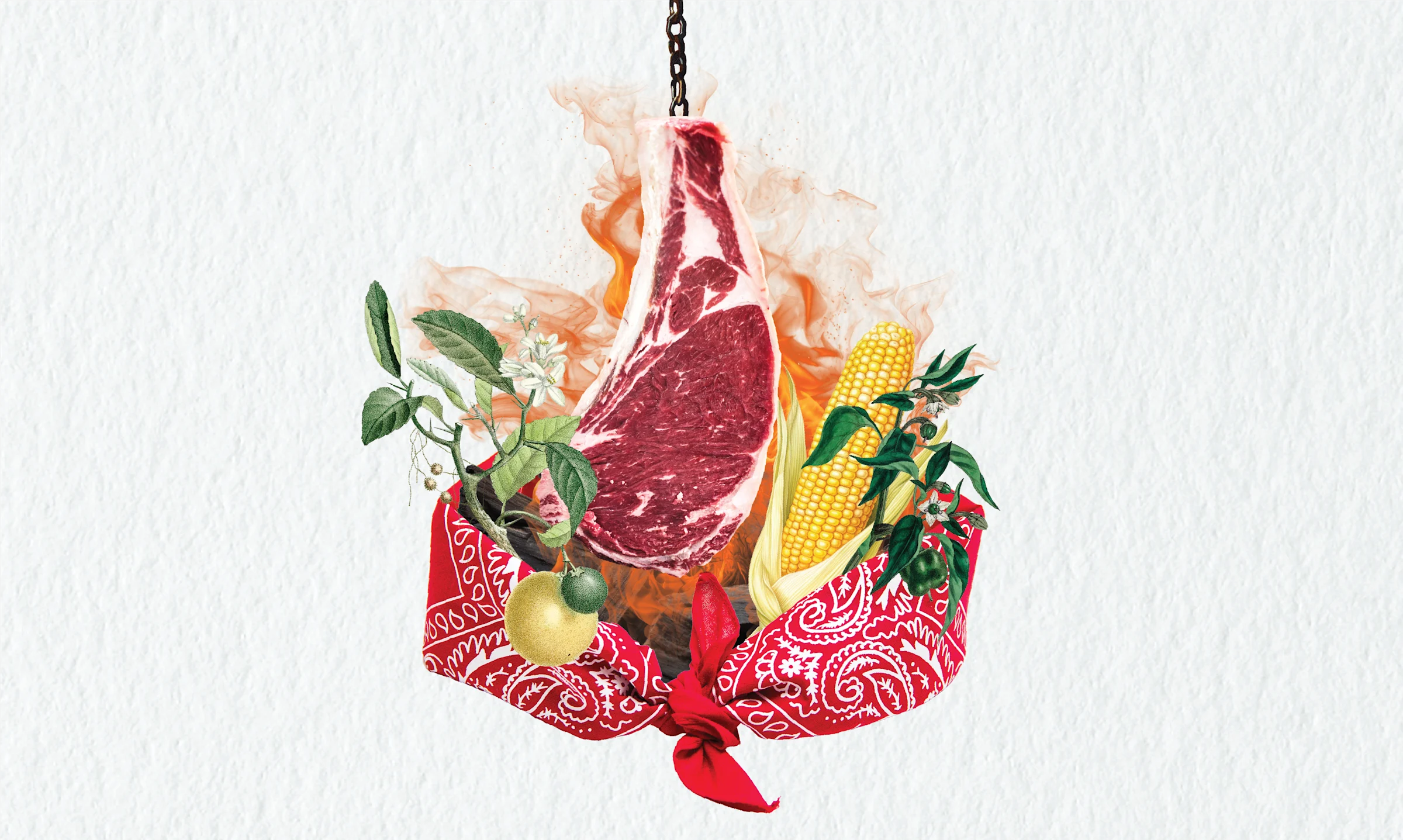
This article is part of a Buenos Aires story collection, each story exploring a cultural expression emblematic of the Argentine capital. The other two stories deep dive on tango and fileteado porteño.
In Argentina, asado is synonymous with all-day beef barbecues, a moment to tune out the daily grind and do nothing more than languish over a table crowded with steaks, sausage, and bottles of wine. The meal is inextricably linked to the country’s history. In 19th century Argentina, freshly independent and desperate to expand agriculture through the vast central plains into Patagonia, Argentina built its literal and cultural currency on the backs of cattle.
While the developing world industrialized, Argentina fueled the globe with raw materials. A booming leather trade made beef a gluttonous by-product. At the turn of the century, the average family spent nearly as much money on rent as they did on beef, adorning dinner tables with a consumption that peaked at 119 kilos per capita in 1937. Meat and fire unified the throngs of immigrants who left war and poverty for a new life, becoming symbols of prosperity and connection. Grilling was also practical, requiring little more than meat and a handful of salt. Whether toiling in the countryside or working in a Buenos Aires factory, cooking outside additionally meant fresh air over a sweltering kitchen — the outdoors allowing for a kind of blur between preparation and pastime.
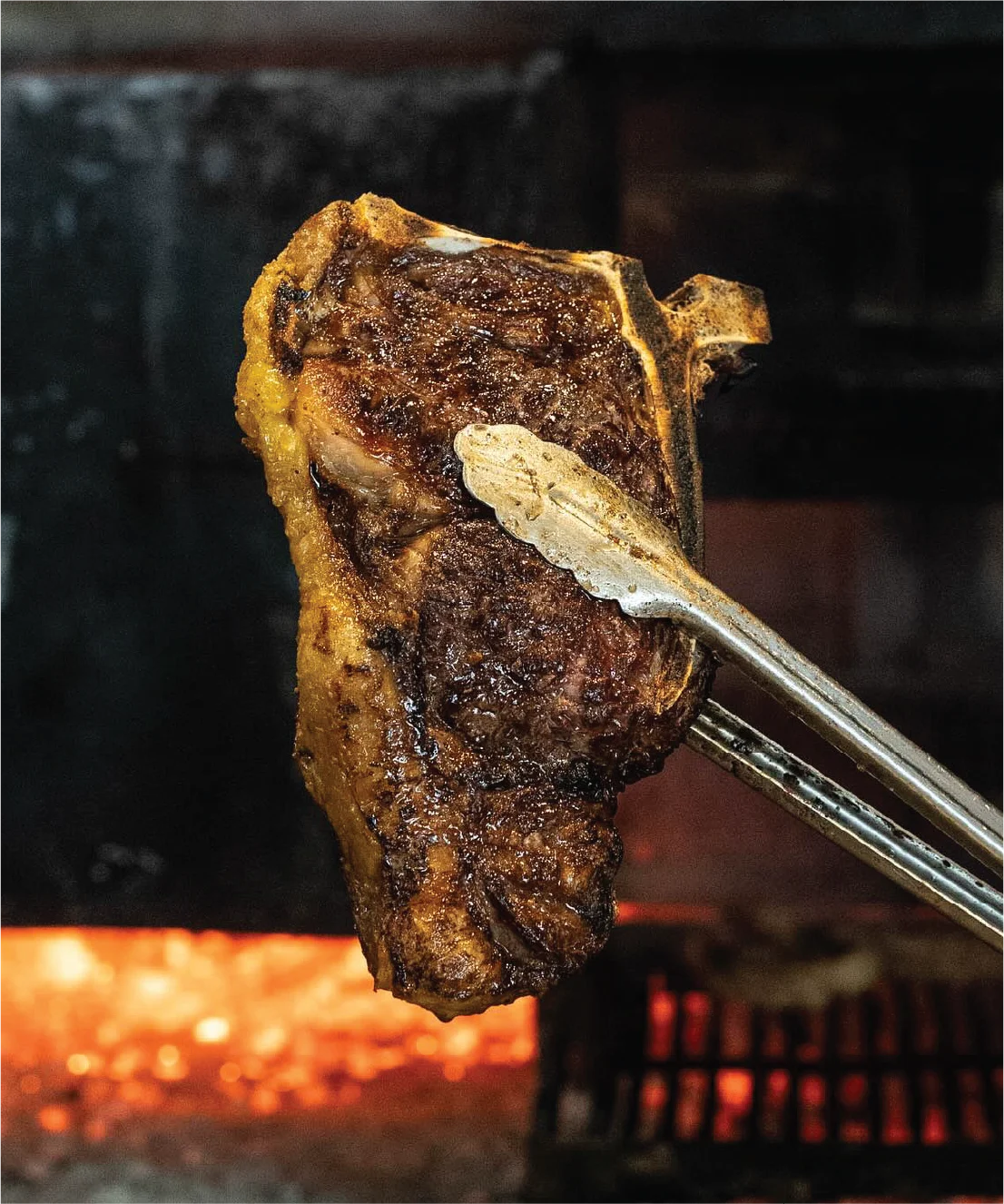
The ritual’s open air nature remains crucial. Today, Fridays are perfumed by asados de obra, when construction workers build makeshift grills on Buenos Aires’ sidewalks and laborers, managers, and contractors share a meal. On the weekends, you’ll spot people happily walking the quiet streets, a bag of coal and discarded vegetable crate in one hand, meat in another. Afternoon asados can go late into the evening — build the fire, pour a fernet and Coke, move on to wine, slowly serve as each cut is ready (start with sausages, then the offals, and bookend with steaks), lounge in the lowering light, and eat the leftovers. Is meat a core ingredient? Yes. But the real spark of asado lies somewhere in the alchemy of flame and the gathering itself.
“There is an idea that Argentina doesn’t really have its own cuisine,” says Hernán Sondereguer, head chef at the freshly opened Raix. “Asado is the most identifiable food but there are regional cuisines up and down the country and fire is foundational to them all. There’s something emotional about getting together, building the fire, and hanging out that’s almost more important than the food itself.” Sondereguer points to chef Francis Mallmann as a turning point. Trained in classic French cuisine, Mallmann was instrumental in encouraging cooks to move away from copycat European recipes to embrace Argentine cuisine’s basic elements — fire, smoke, salt — in his popular television program, newspaper column, and nearly a dozen restaurants.
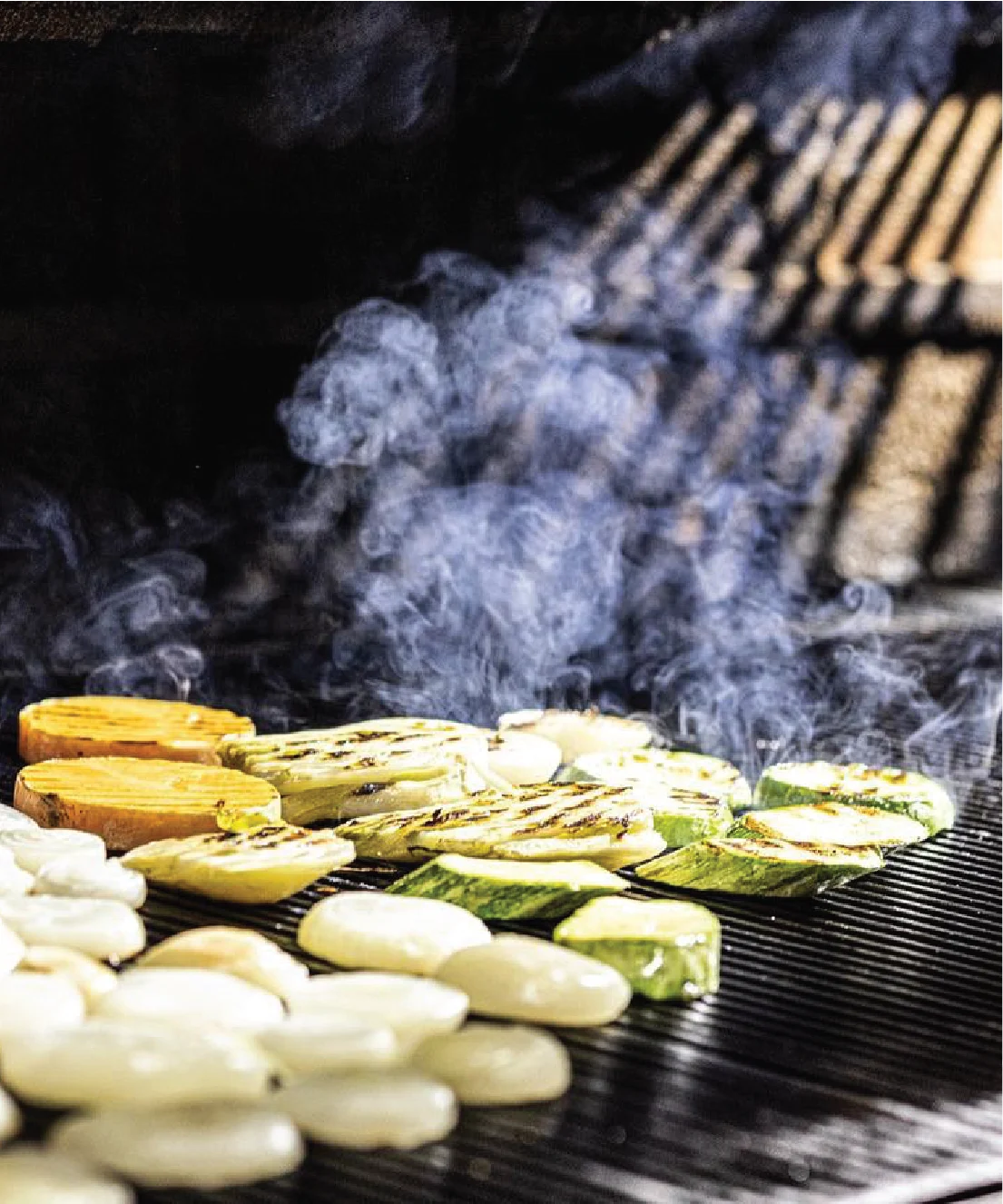
While for a period his material was meat, Mallmann drew from a wealth of regional cooking styles — wood in the country, coal in the city; whole lambs in the south, goat along the northern Andes, prime cuts of beef and viscera everywhere else. In more recent years, he even turned his attention to plants, releasing a cookbook in 2022 entitled Green Fire: Extraordinary Ways to Grill Fruits and Vegetables, from the Master of Live-Fire Cooking. The subject matter changed.
The heat and humanity remained. Indeed, in my own travels across the country, I’ve prepared fish stews over a campfire on the banks of the Parana River, held watch over empanadas in wood-burning ovens across the northern Andes, and cooked mandioca bread chipá mboca on a stick over a bonfire in the eastern Litoral region. Regardless of the food, each moment drew from the social magnetism of a booming fire.
Back in Buenos Aires, flames are gaining protagonism in a restaurant scene that refuses to stay stagnant — the country’s capital becoming the most exciting testimony to both the enduring and evolving nature of asado’s spirit. While meat is often central to the equation, the ritual of cooking with fire has never been hotter in its interpretations. You’ll find newfound attention to quality ingredients at hand-selected pasture-fed beef in hyper-traditional grills at places like the streamlined, red-lit Corte Comedor in the Belgrano district, but also a return to cooking breads and pizzas with open flames at spots like the electric Cancha, and a newfound curiosity for boisterous Middle Eastern, East Asian, and Latin American flavors, industry favorite Gran Dabbang being a stunning example. In the country’s capital, asado becomes a frontier that pushes forward — a flame that burns anew, again and again.
Where to experience asado’s influence in Buenos Aires
Gran Dabbang: This lowkey cooks’ favorite adds a welcome dose of citrus and spice to the dining scene, pulling references from Argentine, Indian, and Southeast Asian cuisines. The common thread is char. Chef Mariano Ramón loves to burn, whether he’s adding a crackly layer to seared pork matambre or gritty bubbles to handmade kulcha.