This article is part of a Kyoto story collection, each story exploring a cultural expression emblematic of the Japanese city. The other two stories deep dive on machiya and kaiseki.
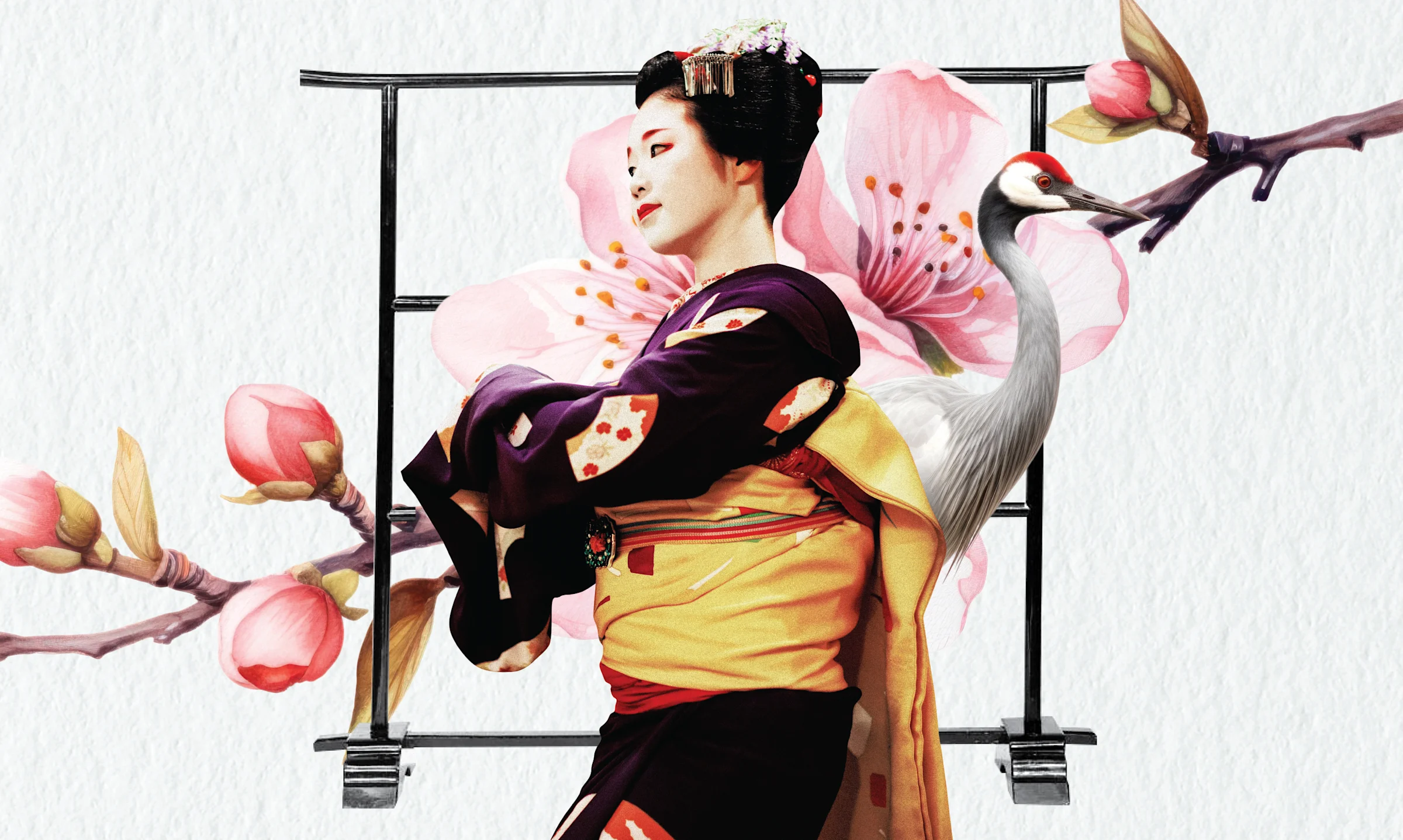
The word kimono is a deceptively simple term for Japan’s national dress. Literally meaning “thing to wear,” the garment is unique in both craft and appearance, and has been worn in various iterations by people in Japan for over a thousand years. Decorated with scenes of snow-white cranes, blizzards of cherry blossoms, maple leaves, or ocean waves, the most eye-catching fabrics are as close to wearable art as fashion gets. And unlike Western clothing, which is designed to give shape to the body (think of the shoulder-enhancing structure of a Savile Row suit, or even the cut of a T-shirt), the kimono is designed in a much more 2D fashion, responding to the body by wrapping and draping around it.
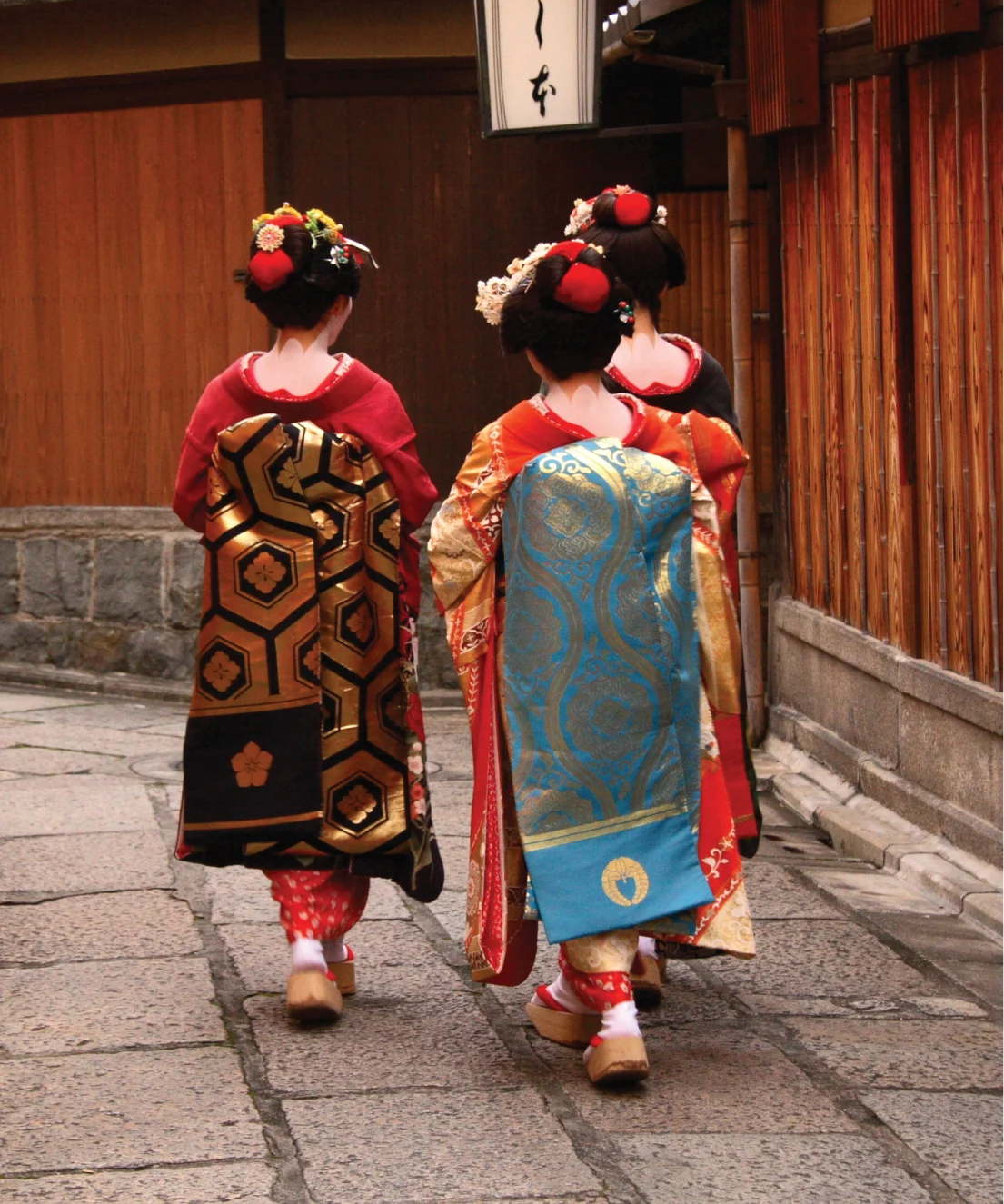
“Think of origami: you can make all different kinds of things with the same shaped piece of paper because you’re wrapping it around that shape. That’s what kimono does,” says Dr Sheila Cliffe, a Tokyo-based kimono expert and the author of The Social Life of Kimono. The Brit often wears one herself, and says it is the most flattering of garments. “It can fit any body type perfectly, and because the shape doesn’t change, everything is about the colours and patterns.”
To experience kimono yourself, arguably nowhere is better than Kyoto. Japan’s former capital, with its lantern-strewn cobbled streets, rustic teahouses and old-world charm, is known as the source of kimono culture. It’s also where a number of truly impressive crafting techniques (such as Yuzen dyeing and decorative Nishijin weaving) emerged. Indeed, some of Kyoto’s kimono purveyors have been in the city for centuries.
Though the popularity of kimonos has waxed and waned, there’s been a kimono resurgence among younger people in recent years. “When I first came here in 1985, everybody wore suits to graduate,” says Cliffe, who teaches at a women’s university. “Now, almost all of them wear kimono.” Japan’s tourism boom has seen kimono-wearing become much more prevalent, too, with a wealth of rental shops catering to visitors who want to experience the garments first-hand.
Nowadays most people reserve their kimonos for special occasions, but Cliffe sees the everyday appeal, and dons one of her colourful kimonos three or four times a week. “Wearing kimono is a really nice way to get into the culture,” says Cliffe. “Just like you learn by eating the food or seeing the architecture, you learn something by wearing it.” When looking to rent or buy your own kimono, beware of thin-looking polyester, advises Cliffe. Instead, seek places that offer kimonos with a lining, and that have been made in Japan.
Whether you want to wear a kimono or admire them, Kyoto is full of reliably excellent options. From kimono-clad geisha apprentices serving tea to modern kimono-inspired shops and museums showcasing breathtaking fabrics, the city is full of places to immerse yourself deep in kimono culture. Here are ten of them.
Where to Learn About Kimono Craft and Culture in Kyoto
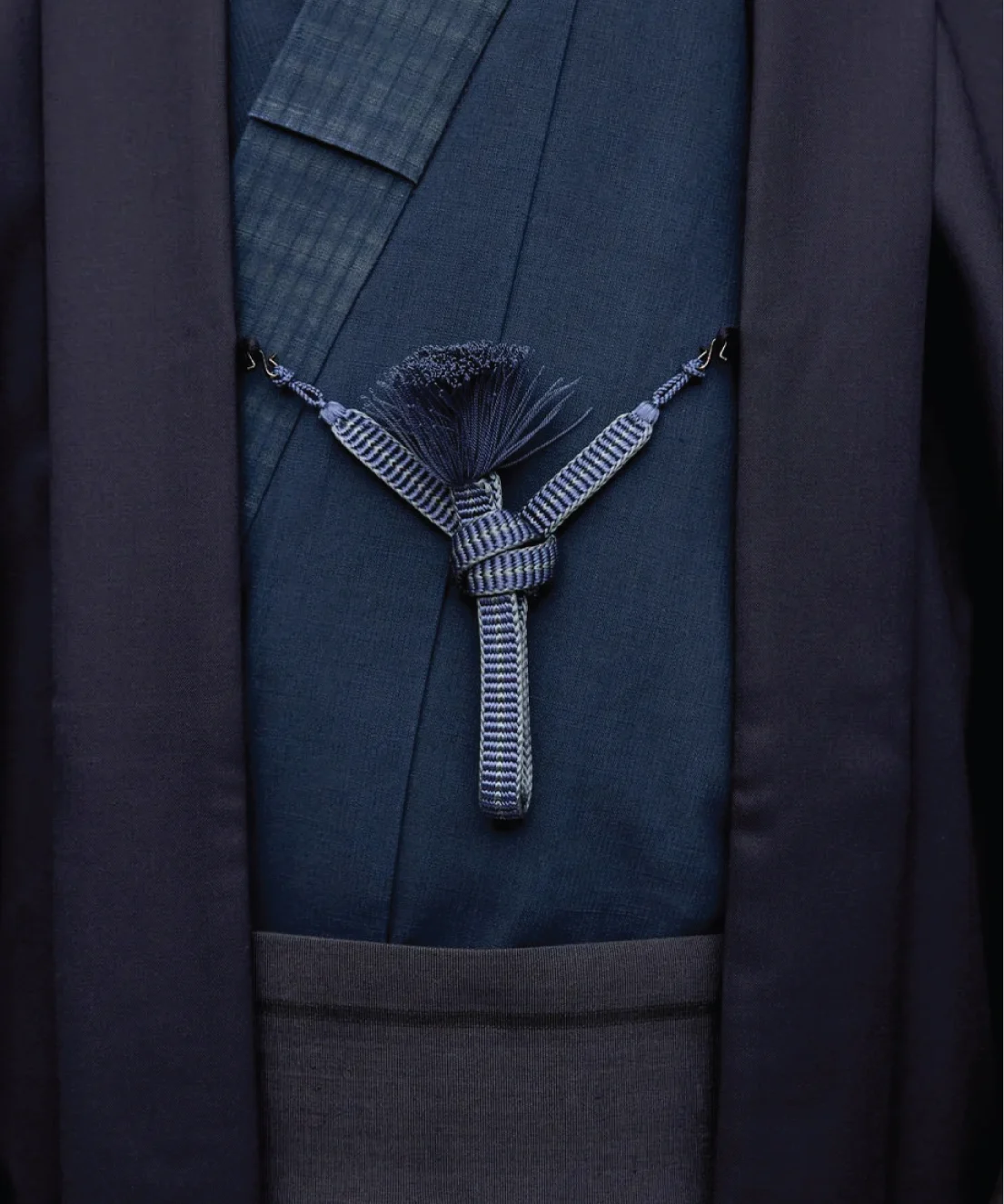
Y. & Sons: With a flagship in Tokyo’s Kanda Shrine and an outpost in Kyoto, Y. & Sons is a tastefully minded store that aims to bring kimono-style clothing into the 21st century. The Kyoto store features a selection of clothing and accessories that focuses mostly on menswear (its kimonos come in subdued and sophisticated neutral shades), but also offers a bespoke kimono service that can be used by anyone.