This article is part of a Kyoto story collection, each story exploring a cultural expression emblematic of the Japanese city. The other two stories deep dive on machiya and kimono.
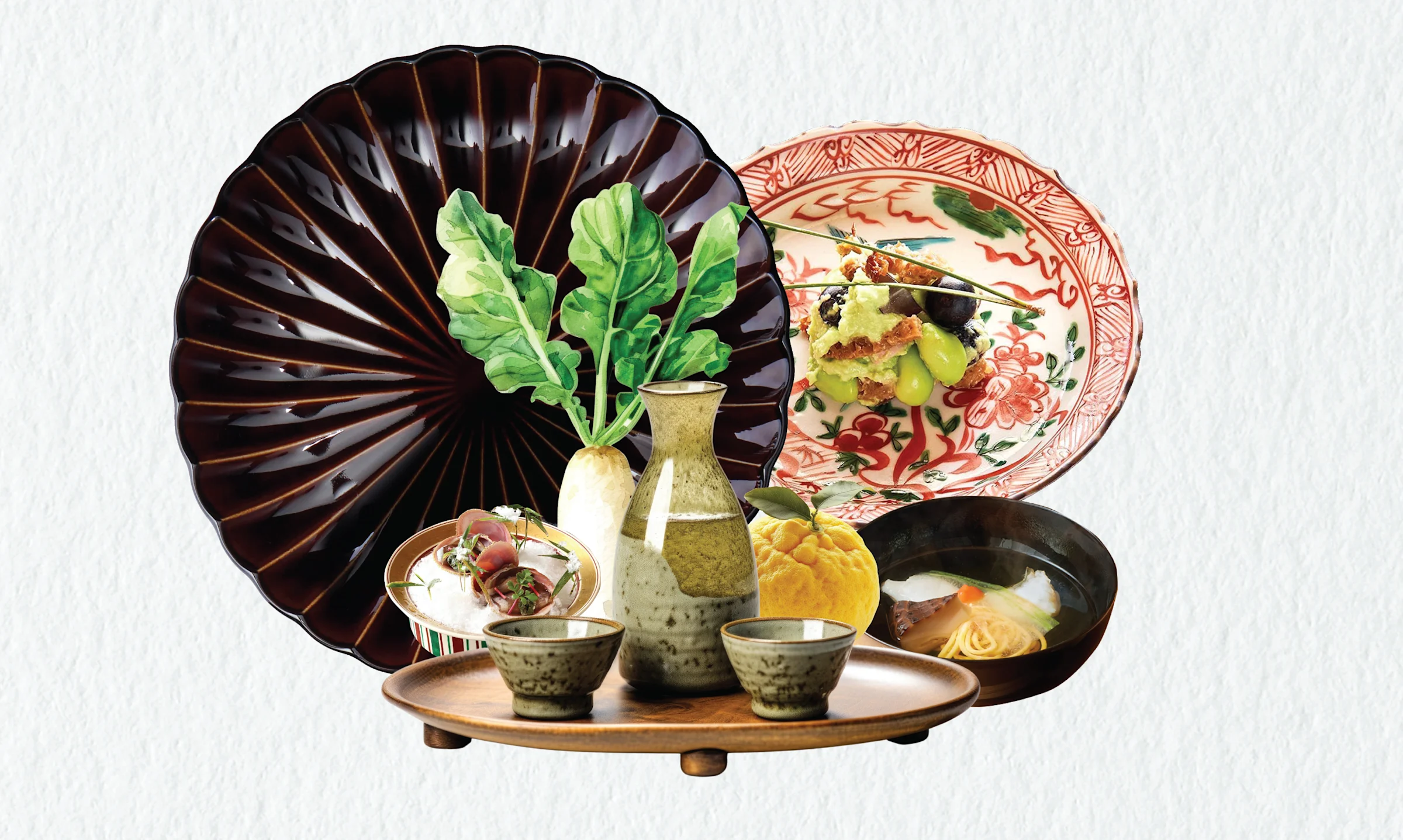
Sweet, feathery slices of grilled bamboo shoots fanned across a bed of rice. Sashimi slices in ruby and carnelian like jewels on a plate. A translucent, glass-like circle of daikon in a lacquer bowl; peel it back to reveal clear, yuzu-perfumed broth below.
Beauty is everywhere in Japanese cuisine, but kaiseki takes edible art to its apotheosis. Kaiseki refers to a type of multicourse fine dining of dishes designed to be consumed alongside sake. Look back far enough, and you’ll find its roots in Buddhist temple cuisine. From there, kaiseki evolved over the centuries in tea rooms, restaurants, and inns. Today, it’s served at restaurants and high-end inns (ryokan) across Japan, but there are few better places to try it than the city of its birth — Kyoto.

Yuki Teiichi, the founder of famed kaiseki stalwart Kitcho, once wrote that “with ingenuity, all nature becomes cuisine.” On one level, this statement describes the way kaiseki captures the micro-seasons. Each meal can consist of as many as 70 ingredients, all of them as seasonal as possible — mainly fish, vegetables, foraged plants, and fruit. Certain ingredients are firmly associated with particular seasons — simmered bamboo shoots in spring, matsutake mushroom broth and chestnut rice in autumn, cod milt and snow crab in winter. On another level, he was speaking of the spirit of creativity and hospitality that animates the best kaiseki restaurants, and the unending effort to improve one’s craft.
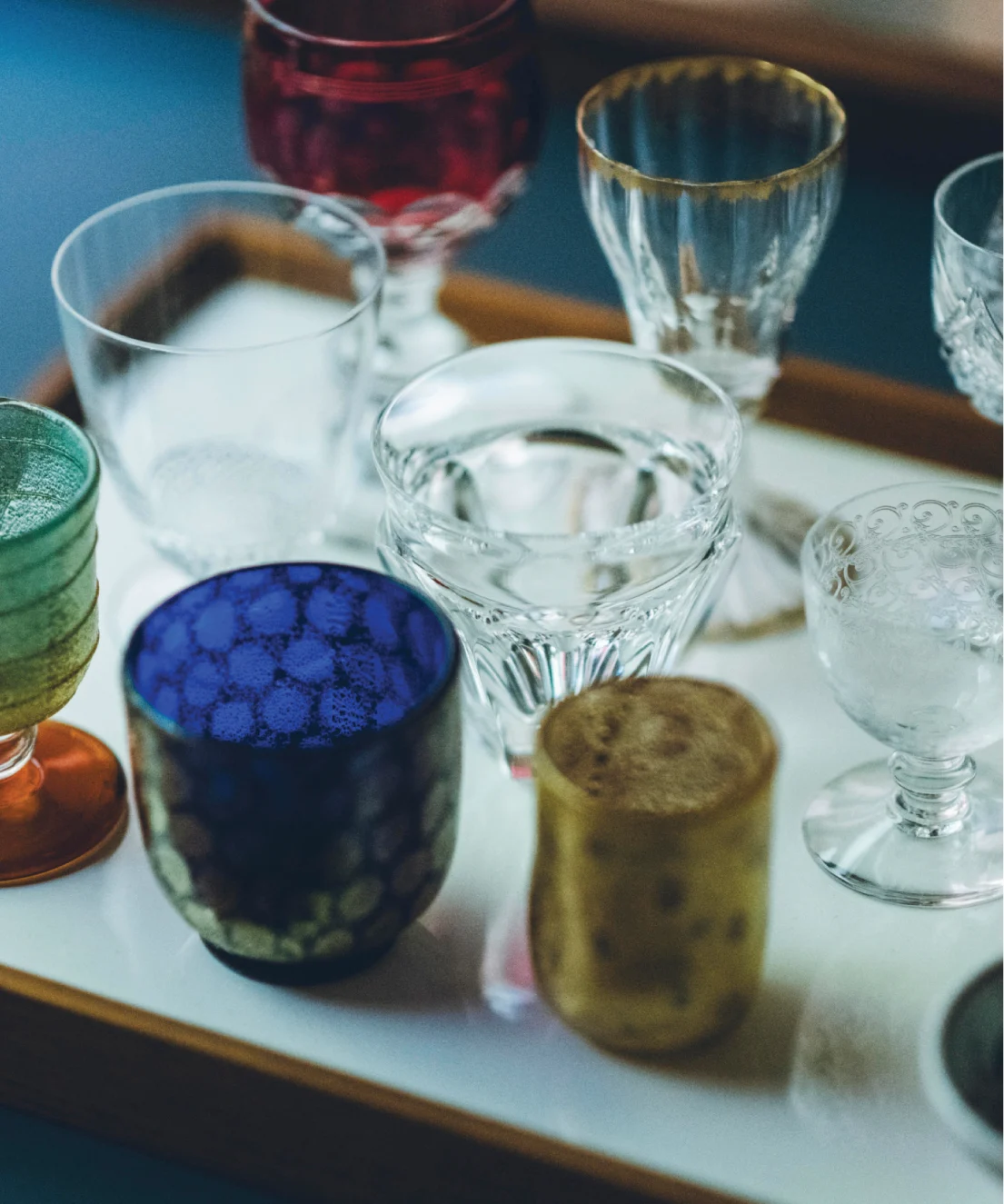
While every chef has their own spin on kaiseki, there are shared practices. The first? A particular attention to an ingredient’s phase of life. While a variety of cooking techniques is key to any balanced menu, coaxing out the best qualities of a seasonal ingredient is revered; some days, the aubergine might fare better pickled than grilled. Another is a consideration for color — crucial in composing a dish with as much harmony in hue as flavor. Then there’s the role of ceramics, glassware, and utensils. Tableware reinforces the seasonal aspect of the dish; heavier ceramics may appear in winter to evoke warmth and coziness, while glassware may be used in summer for a fresh, light feeling. Understanding traditional crafts is as much a part of kaiseki training as cooking.
Those familiar with the flow of a tasting menu will find parallels in kaiseki; unsurprising, since nouvelle cuisine chefs in the 1960s and 70s — most notably French restaurateur Paul Bocuse — were greatly inspired by kaiseki. Where it tends to diverge from most Western fine dining is in the ebb and flow of the courses.
Some years ago, I had a conversation with a young chef who changed how I thought about kaiseki. Hiroto Tanaka, who at the time was apprenticing at Miyagawa Suiren in Gion, described kaiseki as “a wave.” He drew an imaginary line in the air to demonstrate. “The bottom line is your minimum threshold of deliciousness. The top line is superlative, awesome, delicious… But you can’t hit the top line with every single dish, or your palate gets tired. Kaiseki is not about hitting the top line at every single dish. It has to build up over the course of the meal, up and down — but not too far down — and then reach that climax nearer the end.” Put another way, kaiseki rarely gives you palate fatigue. You leave stimulated and satisfied, rather than bloated and overwhelmed.
Kaiseki is not for everyone. Newcomers from Western countries at times struggle with the variety of textures (take the mucilaginous texture of watershield, or the “rubbery” [read: bouncy] texture of grilled abalone). But for those willing to invest in repeat visits, the cuisine can veer on something transcendent, sublime. It’s a fabulous meal, but it’s also a microcosm of the seasons. It’s a cross-section of Japanese crafts and aesthetics distilled into a few hours. It’s the joy of experiencing beauty. It’s about preserving tradition while introducing new culinary elements. At its best, kaiseki tells us a story about nature and its temporalities, and reminds us that the world, despite its hardships and cruelties, can be a bountiful place.