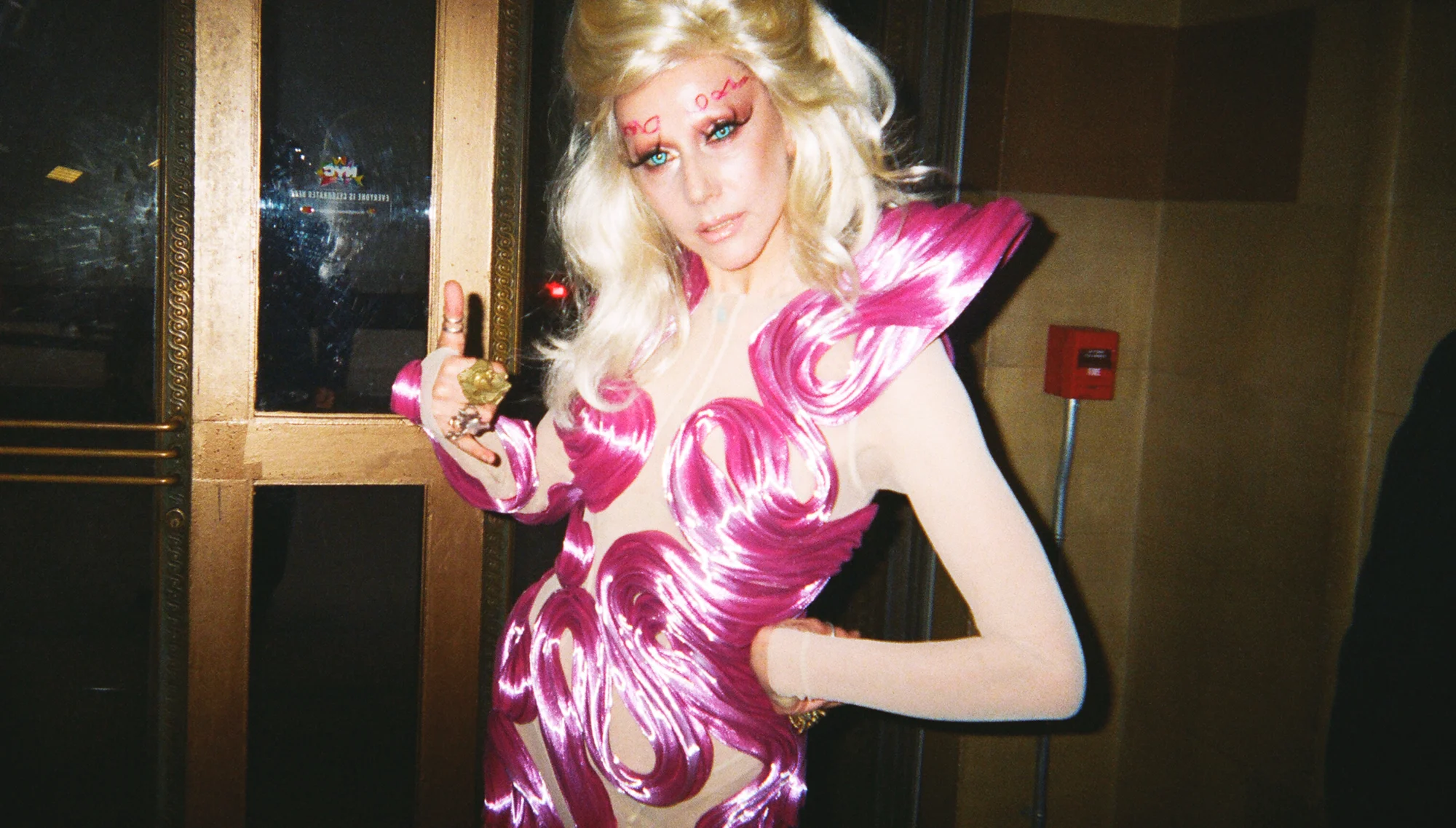
A New York City icon, Susanne Bartsch is the golden thread that ties the city’s nightlife past to its present. The fabled party provocateur is one of the main reasons it’s the city that never sleeps, having gotten everyone from Andy Warhol to Billy Porter on the dance floor over the past four decades.
Moving to New York from London in the late 1970’s, the Swiss-born Bartsch spent her formative years in the city at the infamous discothèque Studio 54 and hanging out in a far more transgressive Times Square than the global attraction it’s become today, with adult theaters and sex clubs on every corner. As a party promoter, she soon became known as the “Queen of the Night,” rubbing shoulders with Jean-Michel Basquiat, Keith Haring, Madonna and Faye Dunaway, all of whom were regulars at her events. A Susanne Bartsch party is as much of a cultural experience as going to The Metropolitan Museum of Art. It is a rite of passage for so many New Yorkers and new arrivals to the city, who enter her scene for a weekend—or stay for 10 years…
I met with Susanne at her home in the Chelsea Hotel—where Warhol shot Chelsea Girls and where Patti Smith, Robert Mapplethorpe, Jane Fonda, Stanley Kubrick, Mark Twain and Tennesse Williams are all but just a few of the building’s former tenants—to discuss New York City nightlife and where it’s headed post-COVID.
How has the city’s nightlife evolved over the decades?
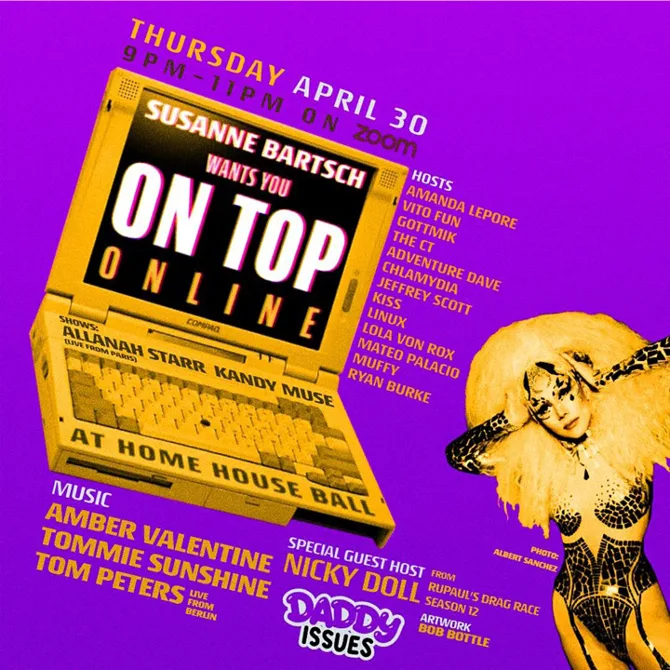
The first thing that comes to mind is the way you get the word out about the party. In the ‘80s, I would hire flier boys to stand on the corner and hand out fliers. Actually, the artist Kaws used to be one of my flier boys. I had forgotten, and he reminded me when he was designing one of the trophies for the Love Ball. Then I remember asking the kids to come over and fax fliers and make phone calls to promote. Now, though, especially because of the pandemic, it’s all more global. I had people promoting and coming to my Zoom parties from Japan, Italy, Australia and all over the world.
That being said, the ‘80s were such a pool of inspiration. There were so many creatives coming together to see the next look or trend. There was such a fusion of artists from Warhol, Haring to designers and musicians all on the dance floor. Basquiat used to DJ. Artists would be commissioned to design the space. It was less restrictive. There was so much freedom.
The ‘90s were when businessmen started to get involved in nightclubs as hobbies and it all became expensive and a bit tacky. They were thinking that supermodels and the superathletes sitting in the corner of the club made it cool, but the creativity was being neglected.
Nightlife in the ‘00s became more about full bottle service in many places. It felt very corporate. But there was also a shift: Going to parties started to be about becoming a nightlife personality. The club became like a gallery to present yourself and become famous; it suddenly became like a business or occupation to be a nightlife personality.