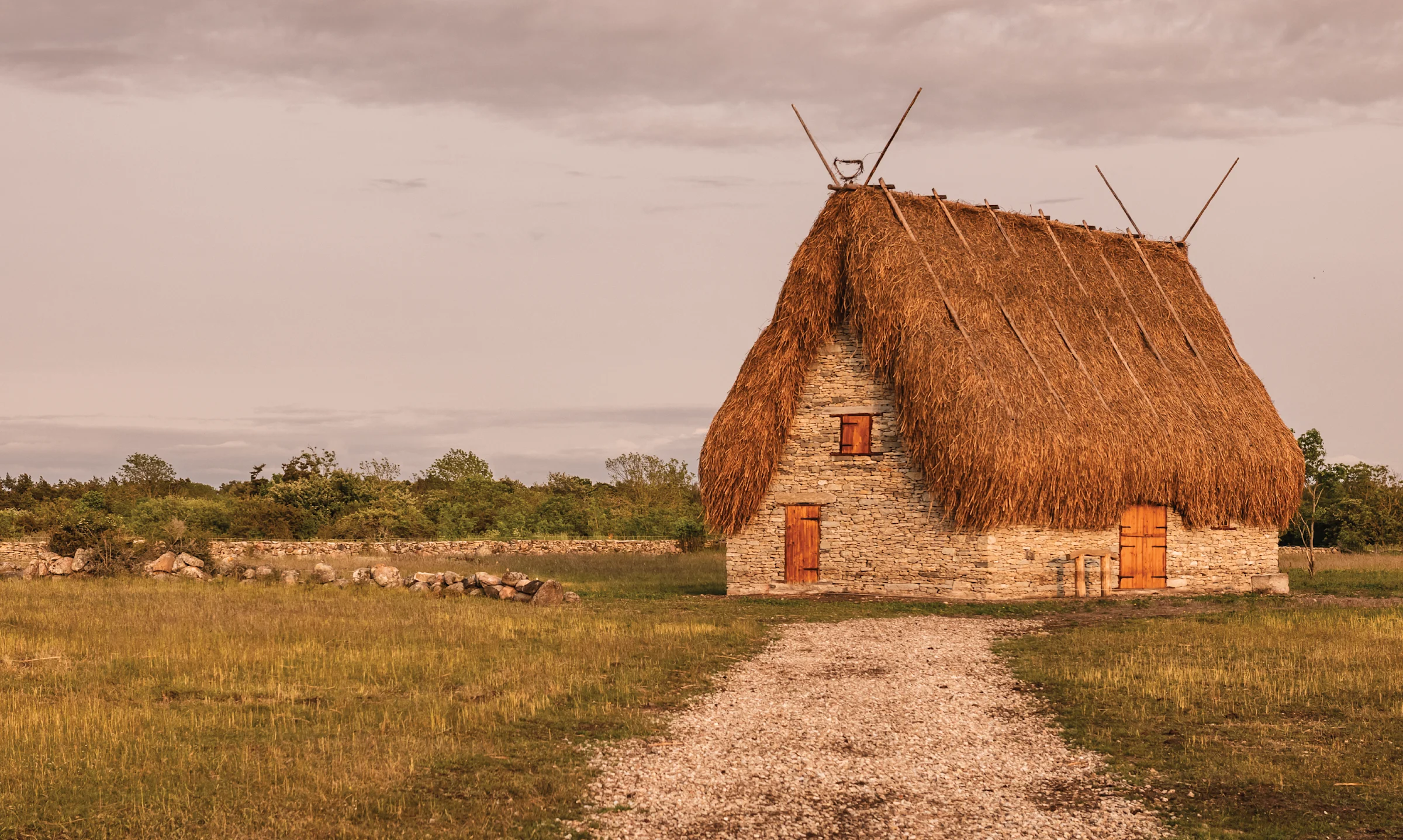
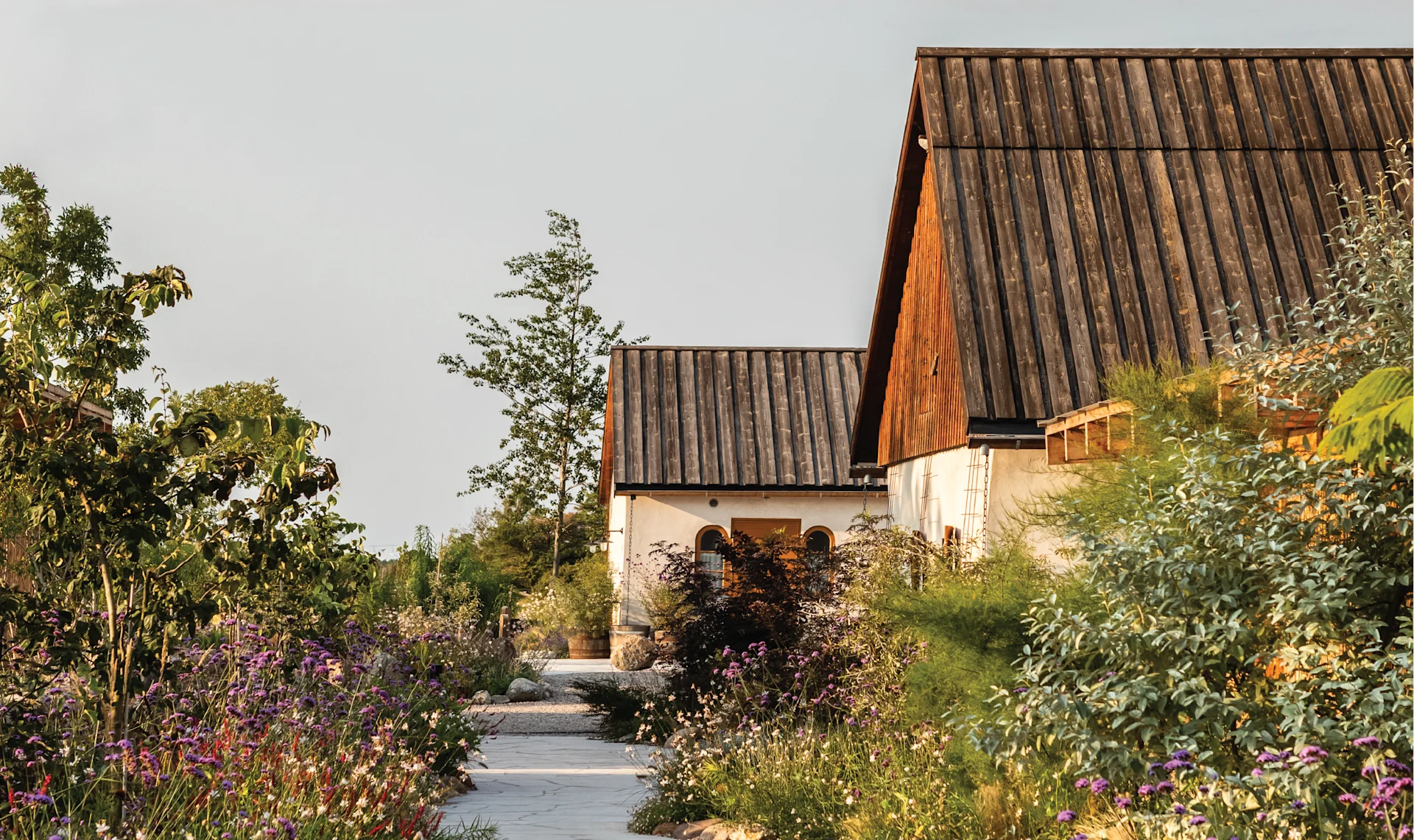
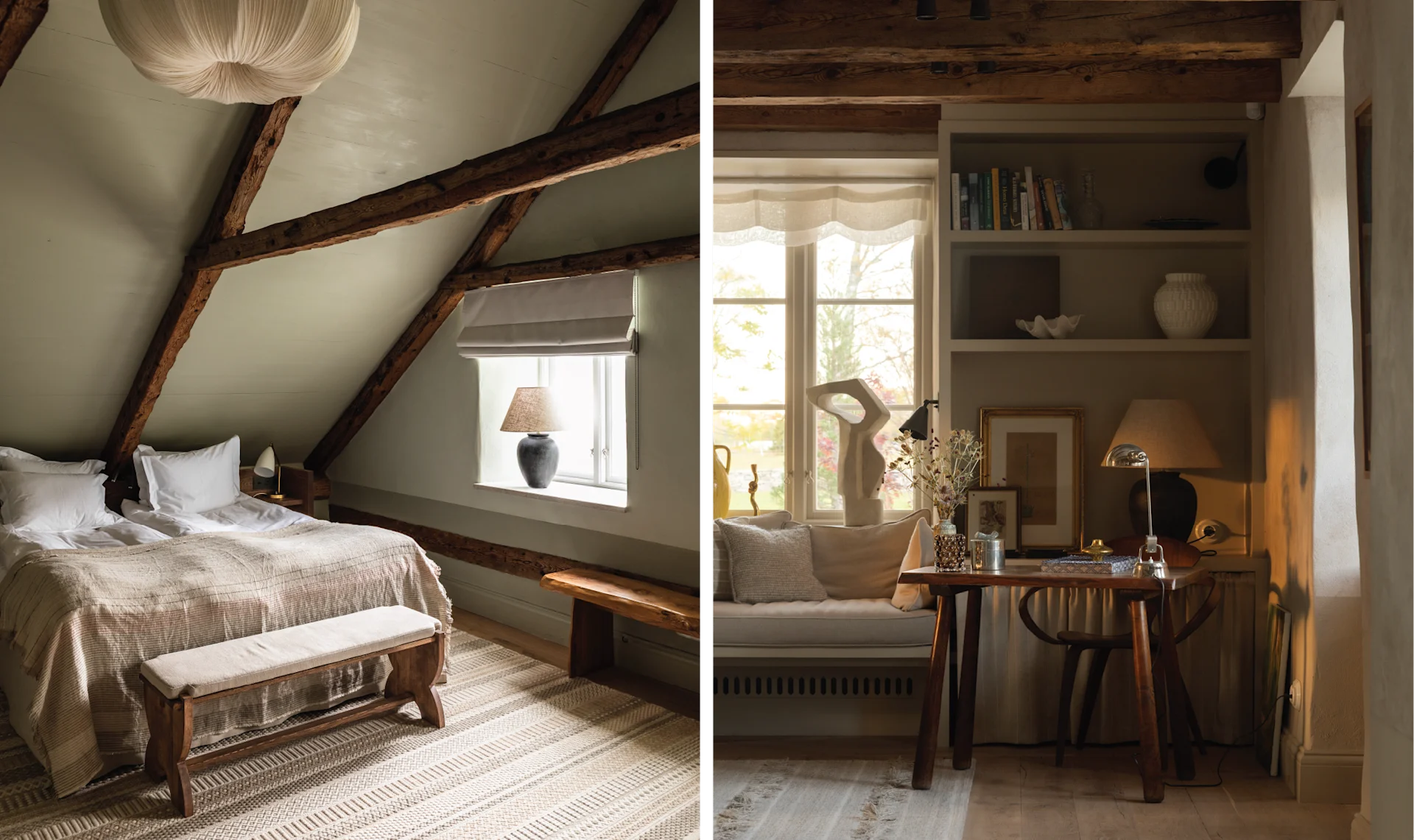
At the southernmost tip of Gotland, a Swedish island in the Baltic Sea, lies Sibbjäns, a family-owned restaurant and hotel spread across 123 acres of meadows and woodland. Self-positioned as “Sweden’s first boutique farmstay,” the 22 individually designed rooms are furnished with vintage pieces by Alvar Aalto, Carl Malmsten, and Charlotte Perriand, as well as artworks brought in by the family, which lend the warmth of a private home.
The property, which opened in April, feels at one with its natural surroundings and takes regenerative principles seriously, practicing small-scale farming and using ingredients from its kitchen gardens and neighboring producers. Beyond the standout terroir-driven dining, highlights include a natural pool, a yoga barn, a wood-fired sauna, chef-led foraging, and beach excursions along the island’s wild coastline. The property is also available for private booking for up to 46 guests.
When
Sibbjäns opens for the season at Easter and closes after Christmas. From April through early June and again from October to December, it operates on weekends only; in summer, it’s open daily, and then pares back to Wednesday through Sunday service in September.
Where
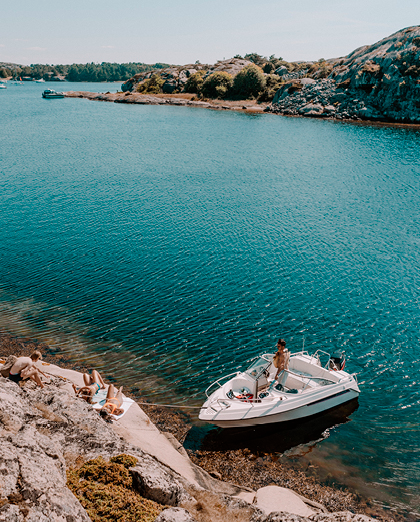
The southern tip of Gotland—Sweden’s largest island, about 50 miles from the mainland—is well outside the main tourist circuit. It’s known for its open landscape and dramatic limestone formations, deep heritage and historic settlements, and a food culture that is closely tied to the land and sea.
Visby, a UNESCO World Heritage Site on the edge of the Baltic Sea, is Gotland’s largest town and was once a major trade hub for Vikings and, later, the Hanseatic League, a powerful medieval network of merchants. Today it has the closest airport to Sibbjäns, and ferries shuttle there from Nynäshamn and Oskarshamn. From Visby, it’s an hour car ride to the property; the hotel can arrange for private transfer.
The Proprietors
Sibbjäns is independently owned and operated by two families: Jonas Nordlander and Kina Zeidler and Pontus and Sanna Rönn. The neighbors and close friends rebuilt the 19th-century limestone estate from near ruin, sourcing reclaimed materials locally and working with architect Maja Berg to restore the original tiled stoves. The families also developed a regenerative farming operation that supports the hotel and restaurant in a closed-loop system.
Design
The restoration preserved original oak floorboards, roof tiles, and stones from the stoves. Each of the 22 rooms was designed independently, with its own color scheme and collectible Scandinavian vintage furnishings. The yoga barn, built to resemble a traditional tröskvandring (circular threshing building), has dry-laid limestone walls, large windows offering views of the garden from all sides, and a 30-foot roof made of local sledge grass by master thatcher Erik Larsson.
Rooms
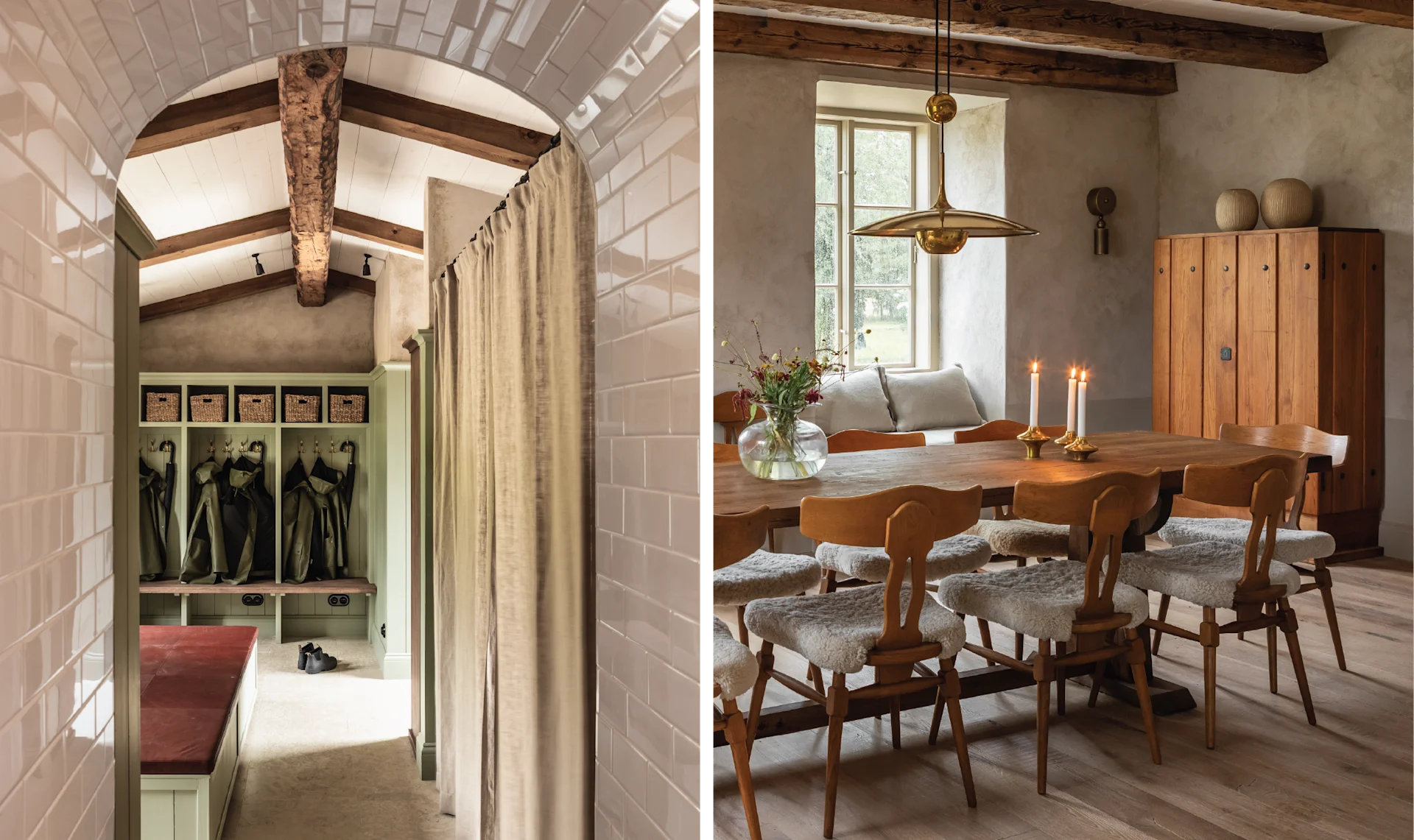
The property’s rooms are spread across two buildings: The Farmhouse and the Bunkhouse. The former features nine rooms and shared spaces that recall a private home, including a fully equipped kitchen with stocked cookie jars, fresh-baked Swedish pastries, and herbal teas ready for steeping. Guests also have access to the living room, dining room, and a boot room that’s stocked with Tretorn boots, umbrellas, and raincoats to protect against the tempestuous Baltic weather.
The Bunkhouse is more minimal and consists of 13 rooms, each with its own private terrace. Bathrooms are shared, so the Bunkhouse is better suited to travelers who aren’t as concerned about privacy.
Dining
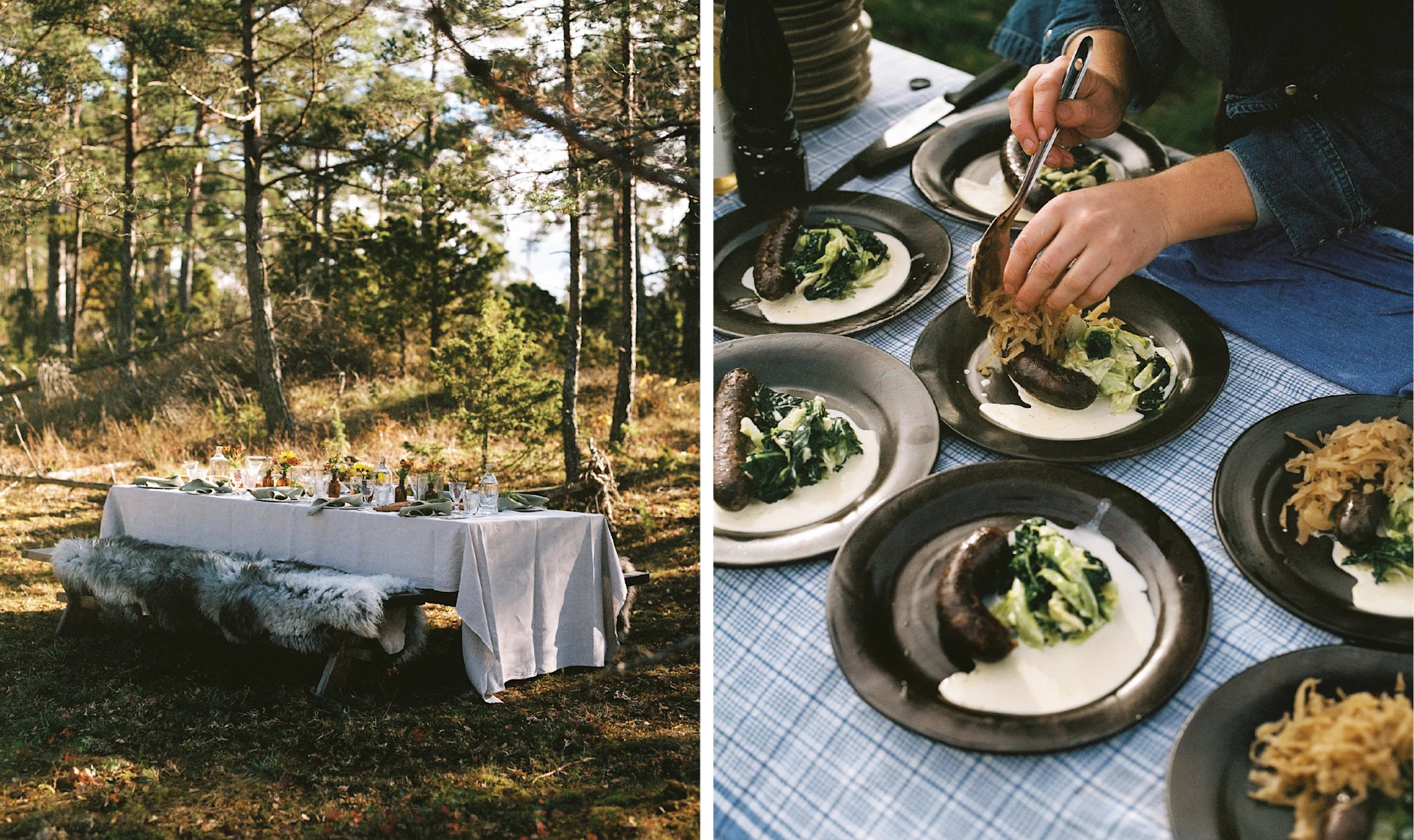
The main restaurant occupies the original limestone barn, which was built in 1887. It has two kitchens, a dining room, a bar, a wine cellar, and a farm store selling house-fermented delicacies. The restaurant is led by alumni from Stockholm’s lauded Babette and Café Nizza, and its dishes combine Swedish ingredients with Mediterranean technique.
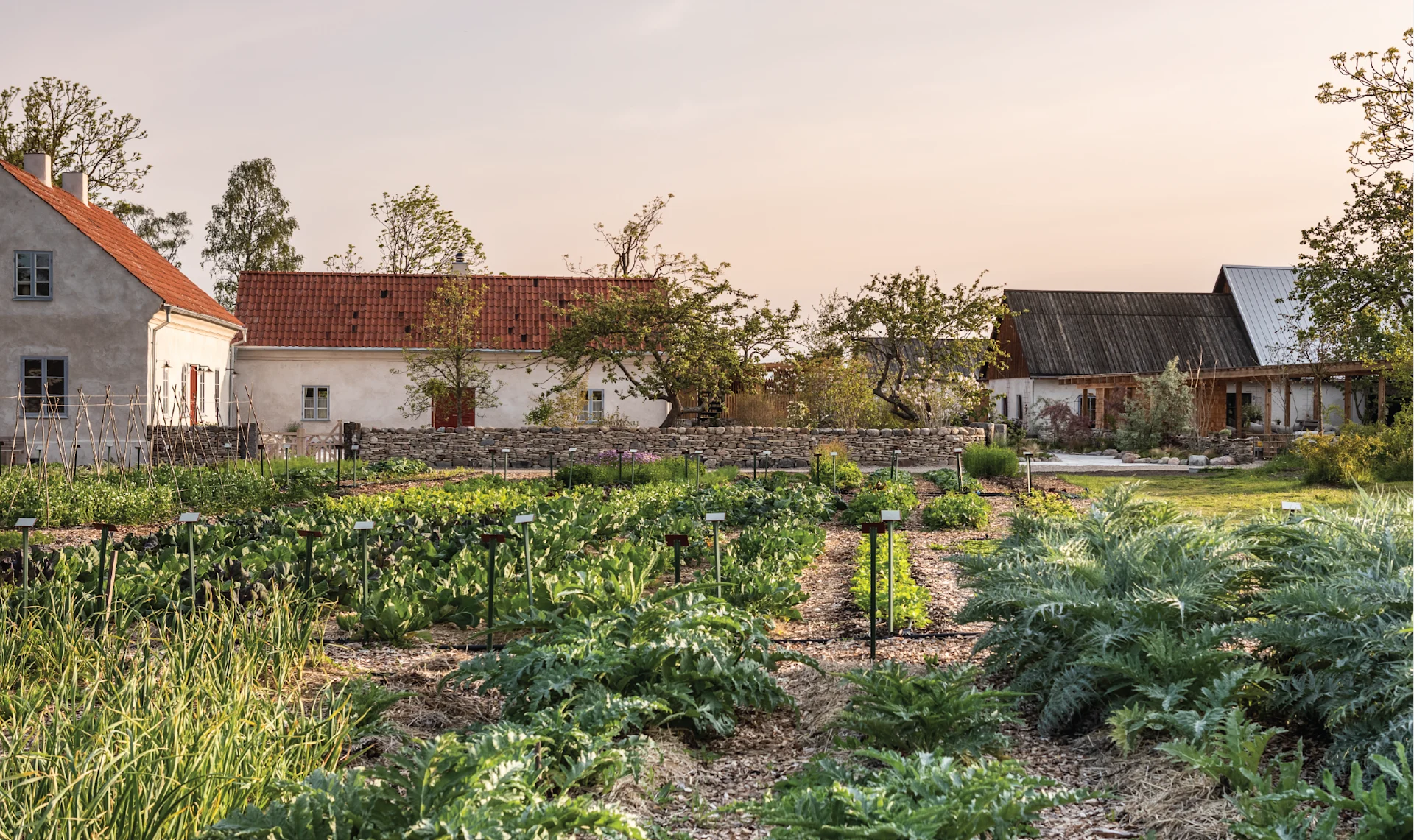
The vegetable operation is overseen by a dedicated manager, and spring crops can include kale, carrots, and radishes. A heated greenhouse helps to extend the growing season, so tomatoes and cucumbers can land on plates sooner. A full-time forager supplies wild herbs and plants daily, so the kitchen can make its own leek salt, wild garlic oil, herbal teas, and zucchini marmalade.
The skillfully curated wine list is strong on natural and low-intervention European producers; for nondrinkers, the alcohol-free beverages fermented on-site are arguably as complex. The restaurant serves lunch and a three-course dinner on Sundays and Mondays. Breakfast follows the seasons, but cold-pressed green juice, fresh fruit, and locally made yogurt are always on offer for those who want a light start. A lighter bistro menu is available for outdoor dining throughout the week.
Wellness
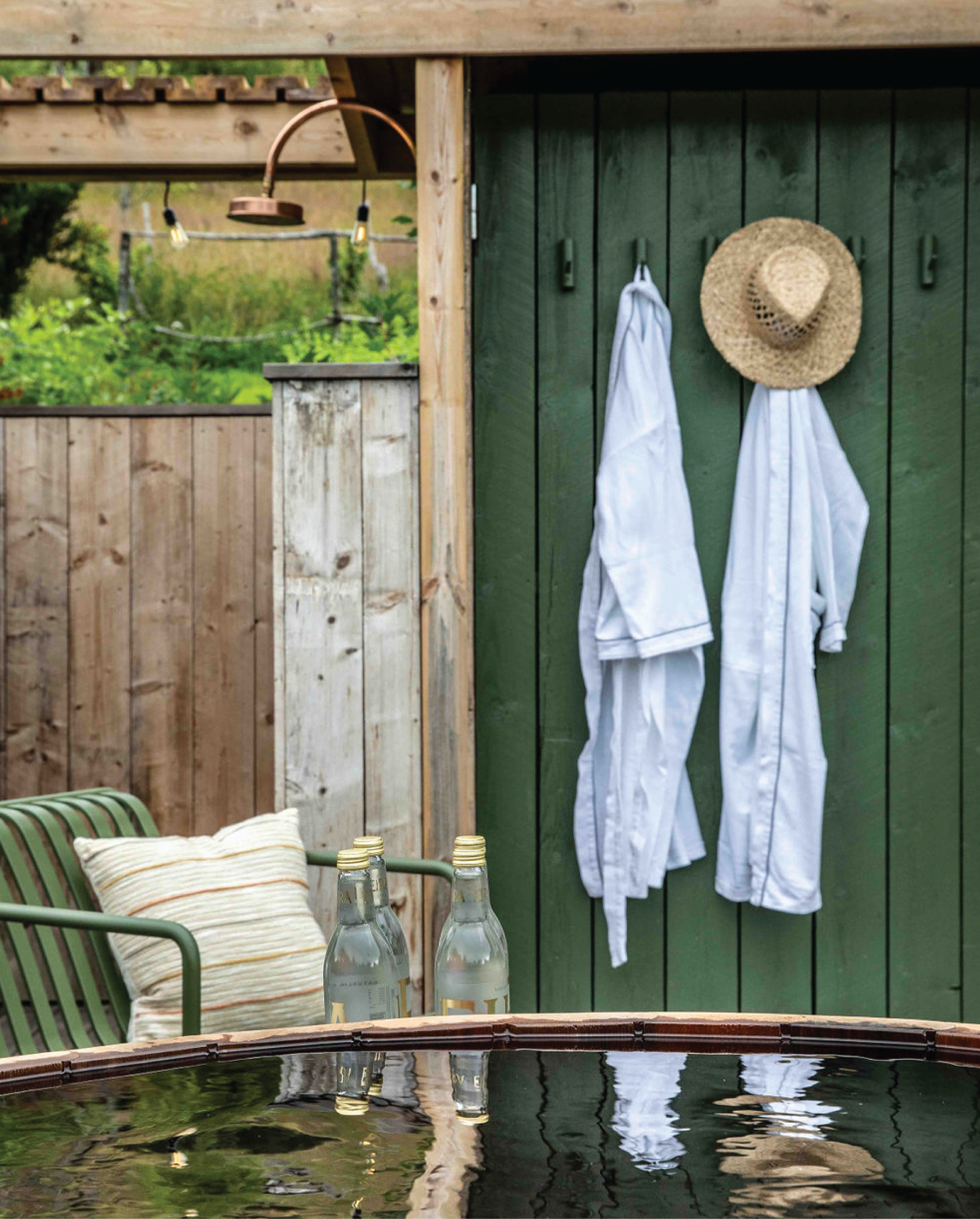
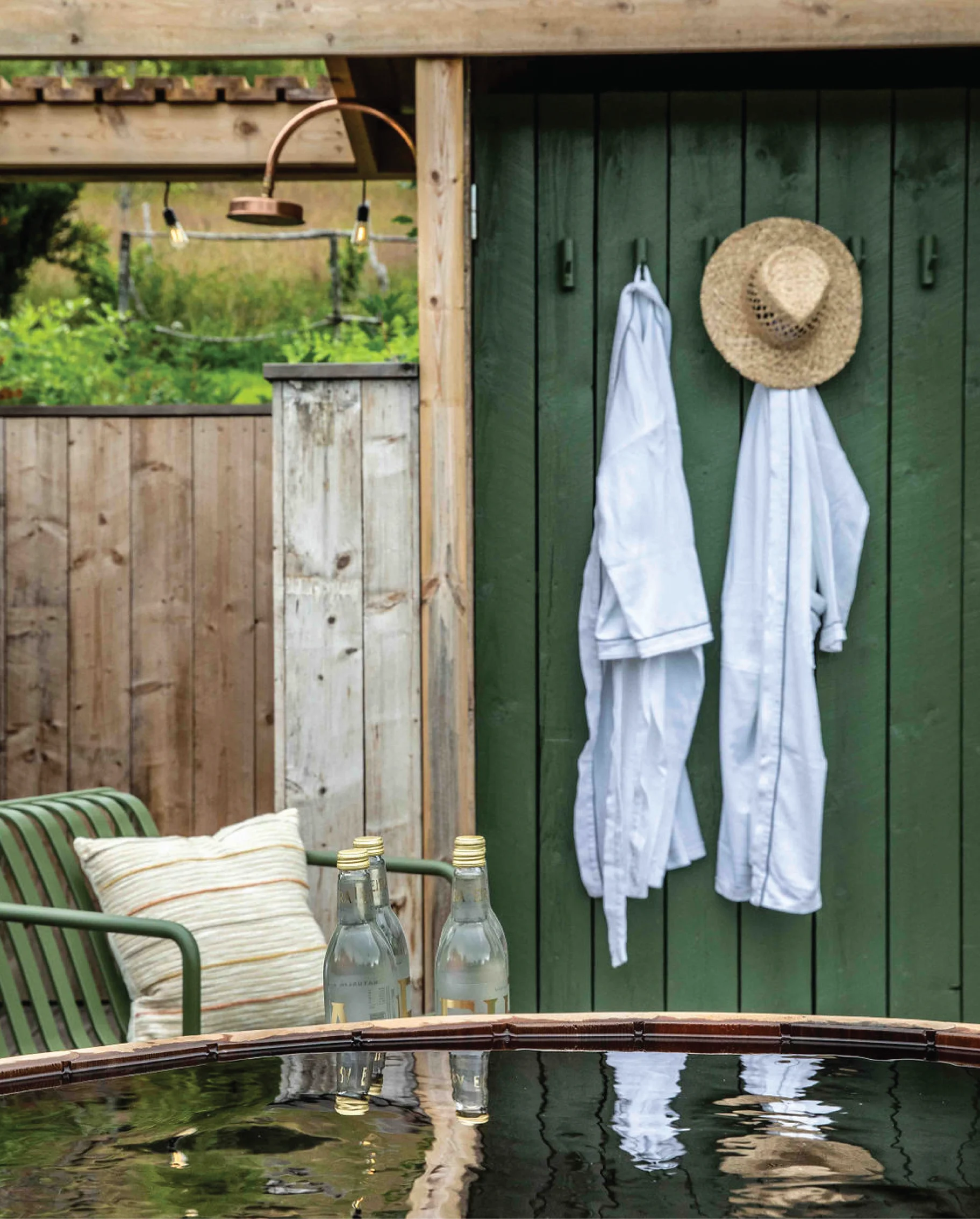
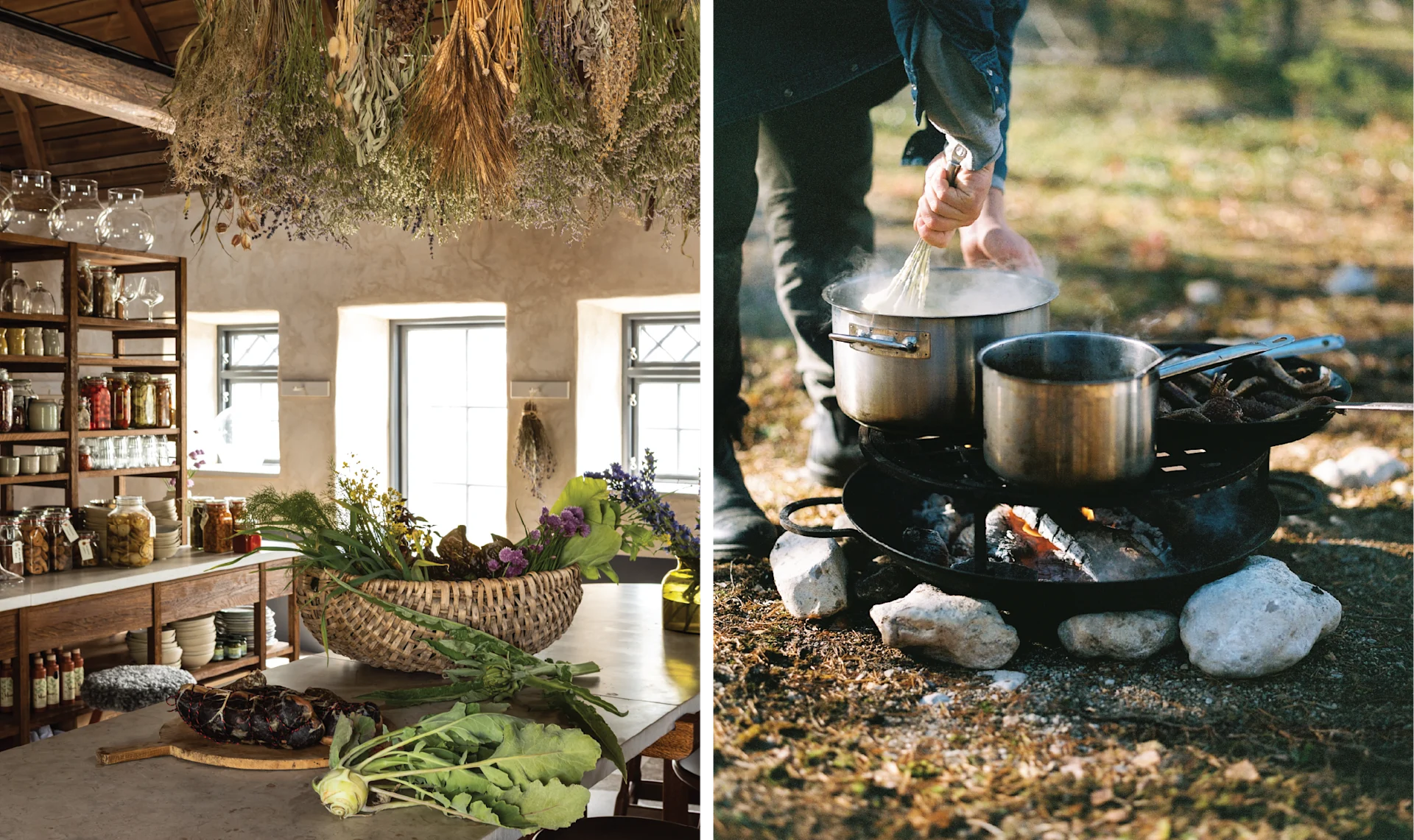
The wood-fired sauna and spa sit beside the natural pool, which is rainwater-fed, chemical-free and purified by aquatic plants. Spa rooms overlook open fields, and an outdoor gym sits beneath a timber pergola. There’s also a tennis court enclosed in vine-covered limestone walls. Bikes and e-bikes are available for cycling around the island.
Impact
The estate runs on a complex closed-loop system—no small feat on an isolated island with nutrient-poor soil and dark, brutal winters. The farm’s native pigs, sheep, horses, and chickens—their breeds chosen based on their ability to thrive outdoors year-round—contribute to the soil health: Their waste, paired with kitchen scraps and slaughter by-products, is processed through a bio-soil machine to create topsoil.
Solar panels feed a battery system, and a geothermal network regulates temperatures across the property. Since fresh water is scarce on Gotland, rainwater is collected and fed into a pond that supplies the gardens, the pool, and the toilets. A ground source delivers the restaurant and drinking water, and the showers feature a system that reduces water by 75 percent.
Sibbjäns’ ecological impact is being tracked by university researchers who regularly measure soil health, biodiversity, and insect and bird populations. More than 100 bird boxes have been installed across the estate, wild bees have dedicated nesting sites, and wood chip mounds around the trees provide habitats for insects.