Although his professional life can sometimes be cloaked in mystery, one thing is clear about the life of art curator Neville Wakefield: he gets around. Whether bombing through Death Valley on his Ducati Hypermotard or sailing a converted trawler across the Atlantic with his friend Matthew Barney, Neville’s curiosity knows no bounds. But high-octane adventure isn’t what he’s after. People are. And what they can teach him about art and culture.

Neville has overseen shows for a litany of prestigious institutions–from the Frieze Art Fair in London to MoMA PS1 in New York. He’s produced films with the likes of Larry Clark, co-founded Tar Magazine, and curated the famed art exhibitions ELEVATION 1049 and Desert X, the site-specific show that transformed the Coachella Valley into an exhibition space. He also has an encyclopedic knowledge of the art world. Most recently, he curated Cartier’s launch of the new Santos de Cartier watch. Neville is no stranger to the weird worlds of celebrity and corporate cocktail parties; the clash and communion of art and commerce have been an enduring fascination.
He hails from the Isles of Scilly, a cluster of tiny specks off England’s Cornish coast. His father turned down a position running the antiquities department at The Met to join his mother, a painter, on those isolated shores. “They were proto-hippies,” Neville explains, “They caught the tail end of the war and that colored their worldview.” Neville’s attention whirrs between ideas like a weathervane in a hurricane; one moment regaling me with stories of sailing Björk’s boat across the Atlantic, the next explaining his love of São Paulo.
We met in his apartment on Bond Street in Lower Manhattan to talk art, travel and his intention to spend the next week “enjoying the relative quiet of New York City in late summer.” He’s relaxed and gracious. “This street has become a strange version of itself,” he laments, peering down at the cobblestones. “The paparazzi lurk about, stalking the Hadids next door.” He hulks around the apartment with the gait of a boxer, eventually settling into a plush leather sofa. His voice reverberates through the apartment like a grizzly bear in an empty cave. Despite his accomplishments, Neville stays humble, always quick to downplay his talent in his success. “I’m not very inquisitive,” he jokes, then launches into stories about his research trip to Cuba, where he visited out of sheer curiosity.
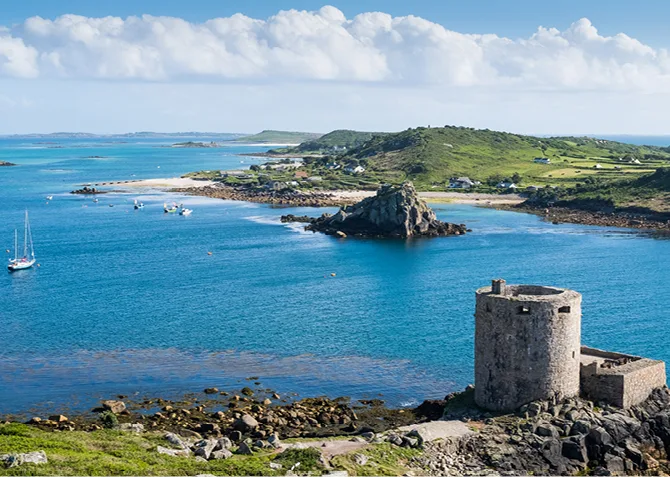
Is it true you got to school on a donkey cart as a kid?
[Laughs] It was strength through humiliation. They’re such tiny islands: a thousand-odd people altogether. It was very insular and socially constrictive because everyone knows everything on an island of that size. But there were incredible freedoms in other senses. You’re forty miles offshore, sailing everywhere.
Was sailing to the Cornish coast a regular weekend trip?
No, not really—the mainland held little appeal. But there was the freedom of the water. All my friends had boats; you could just pick up and sail to France. It was pre-cell phone, pre-GPS, so I learned to navigate celestially.
It’s amazing how irreversibly shaped we are by the place we come from.
Totally. One of my most interesting trips was crossing the Atlantic in a boat with Matthew Barney. It took over a month. He and Björk had bought a converted trawler, and I hadn’t yet done a transatlantic crossing. We took the boat from Gibraltar to Barbados, first going down the African coast, stopping in Senegal. I love sailing. It’s very monastic. There’s a beauty to the rhythms you get into.
You recently went to Cuba?
Yeah. I just got back. It was incredible. I’d always wanted to go, but just hadn’t realized how easy it was. I went to see some artists and to see Cecilia Bengolea, an Argentinian dancer who was there rehearsing with a Cuban company for a tour across Europe.