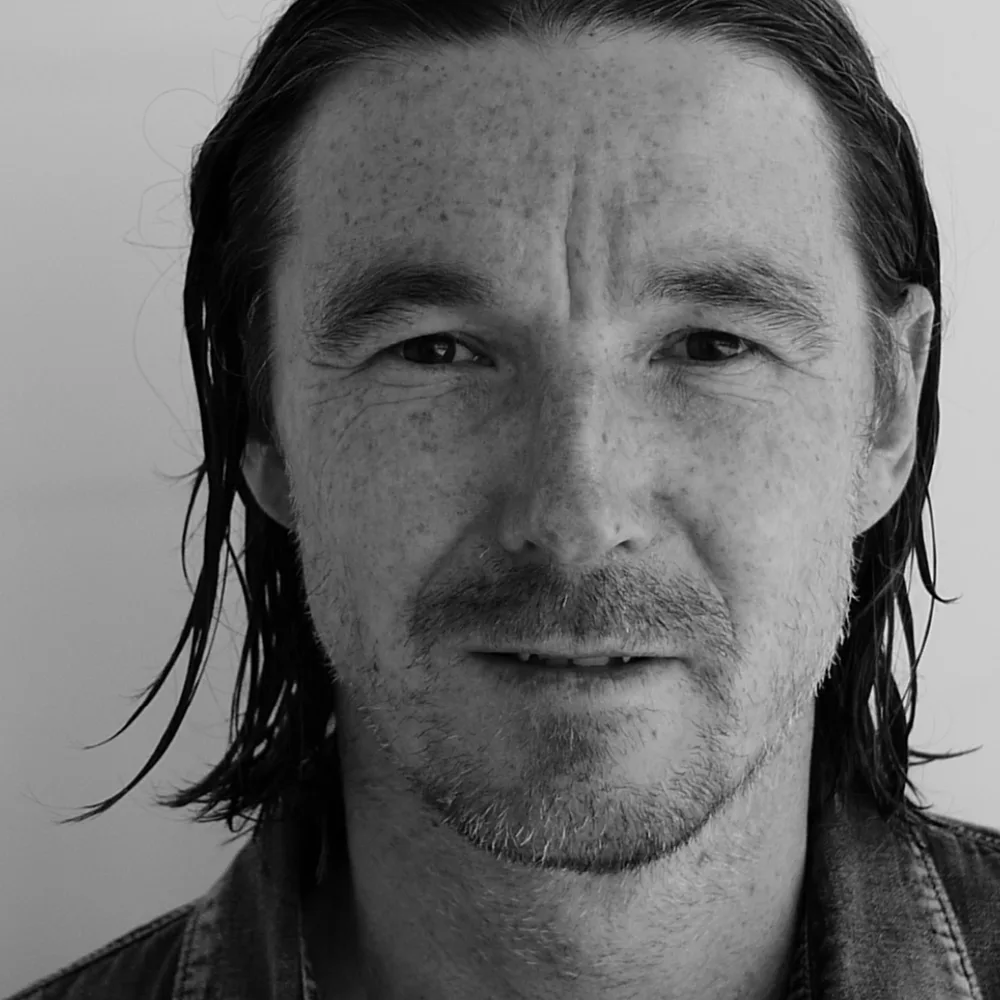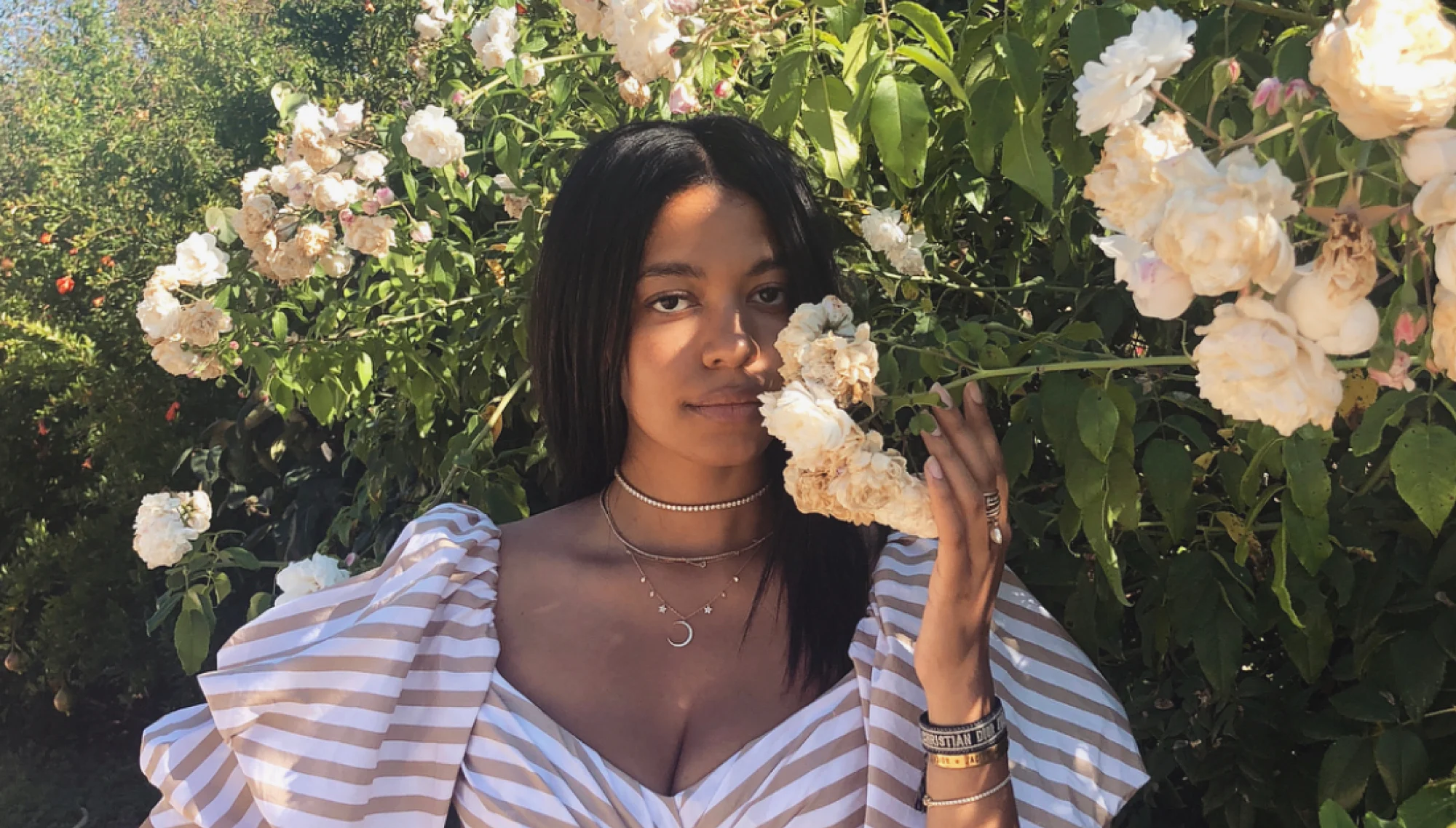
Five years ago, fashion designer and world traveler Aurora James started a small line by turning African footwear into fashionable accessories after trips to South Africa and Nigeria. And what started as a passionate hobby and love of artisanal techniques, quickly turned into Brother Vellies, a thoughtful approach to preserving African traditions that promoted travel, created jobs for locals and led to her becoming a Council of Fashion Designers and Vogue Fashion Fund winner in 2015.
Offering a multitude of accessories from shoes, to bags, to headbands, she humbly counts Beyonce and Solange Knowles, writer Cleo Wade, and Instagram fashion editor Eva Chen as regular customers. Her signature shoes, the veldskoen, also known as vellies (and where she got the inspiration for her brand’s name), are known as the ancestor of the modern-day desert boot. And all of James’ pieces are handmade using techniques refined over generations in Kenya, South Africa, Ethiopia and Morocco, one of her favorite places to explore.
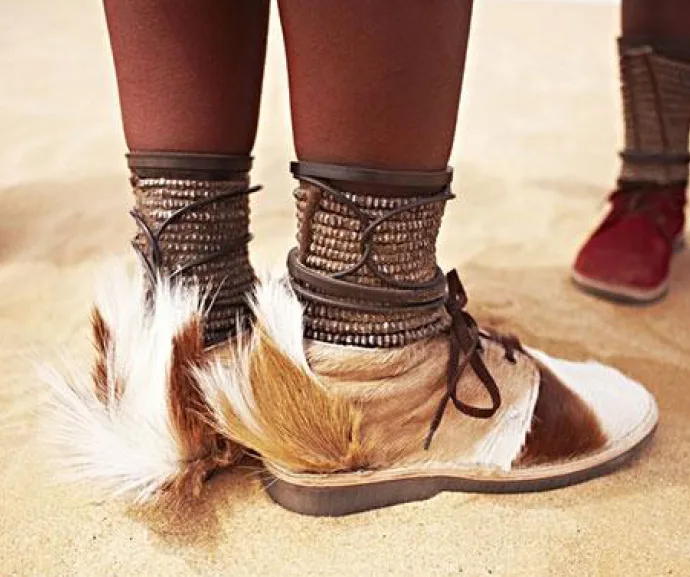
But the Toronto native and New York transplant has used her platform for more than Instagram photos of beautiful shoes and Moroccan sunsets—Brother Vellies has expanded the minds of people who have never traveled to Africa, focuses on the importance of sustainability in fashion and encourages diversity and cultural awareness in spaces that have been long guarded with privilege.
Throughout childhood, James sought out local markets for moccasins and indigenous communities with a story in Toronto, and now she finds herself frequently traveling throughout Africa for ideas and solitude. Her designs and global footprint encourage finding your own way off the beaten path in search of authentic inspiration.
We talked with James about the importance of immersing yourself into cultures when traveling, why there’s no excuse to seek out artisans instead of mainstream department stores, and how her travels have influenced her style as a designer.
How do your frequent trips to places in Africa feed back into your work? When I travel it's interesting to learn about other people's cultures. Curiosity's one of the most beautiful human traits and I try to retain that sense of wonder about the world and then really allow that to come into what we’re doing. For me, it's about trying to incorporate other countries in the collection as much as possible in a really meaningful way, versus just putting a bunch of pictures of people that don't look like me on my mood board. I am always trying to engage with people and honor their work.
What has become the ethos for Brother Vellies as you’ve traveled? When I first started it was just Southern Africa, and then Morocco came quickly afterwards, but I think now being able to expand and also work with artisans in Indonesia, Bali, Haiti and Mexico is also really amazing. It just goes to show that there's amazing artisanal work that's happening all over the world. You just have to keep your eyes open to it and then try to find a way to honor it as best you can.
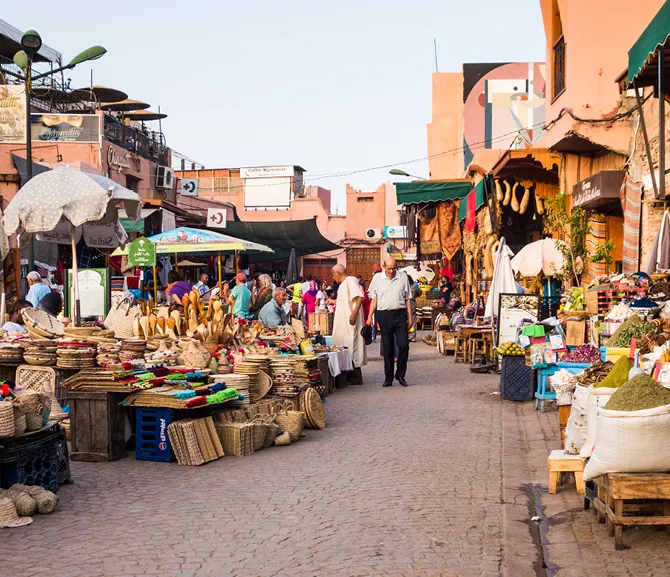
How do you find artisan treasures? A lot of it is word of mouth, and then there are times like when I first went to Bali and was just looking at some items in the local markets and then asking everyone who made pieces specifically. It's usually a lot of effort to get to the source, but once you do, you actually see what they’re doing and visit their space and see if there's any way you might be able to work together. I always advise people to ask locals—and I don't mean local people that work at the hotel, I mean people on the street—if they have any recommendations of a place to go. You have to venture onto the road slightly less traveled to find really authentic things.
What’s a misconception you often hear when people talk about their travels? People sometimes say, "Oh yeah, I went to wherever country but all of the handcrafts weren't really things that I would want to wear." But I’m always quick to tell people that you can ask those artisans to make something custom! They're usually just making things they think the average tourist will want.