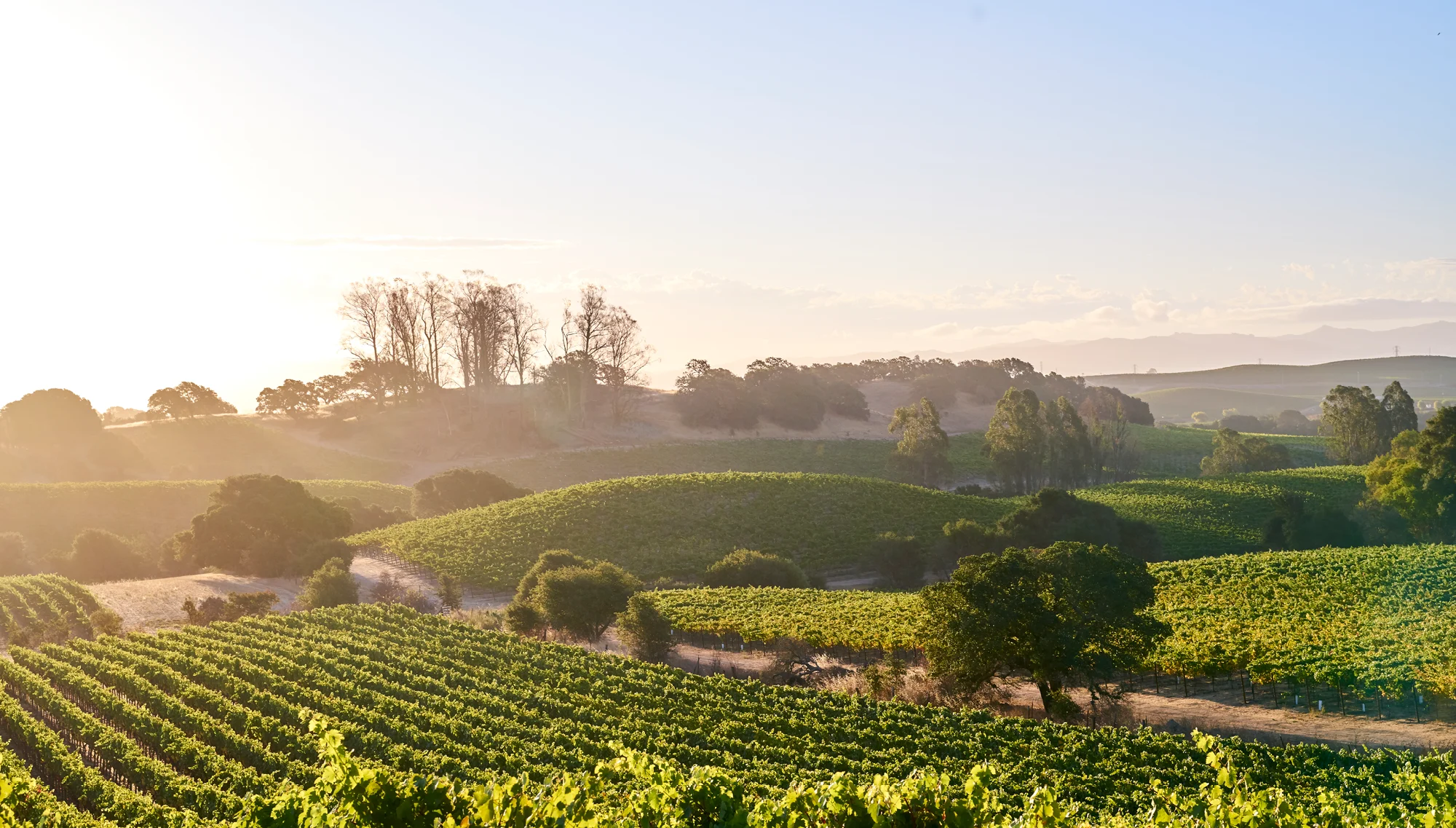
One day a couple of years ago, when we were celebrating the opening of our new winery and tasting rooms, I distinctly remember breathing a sigh of relief. The 2017 fires, which had swept through our property like a tornado with 85-mile-an-hour winds—burning our 2,000-acre ranch in six hours—felt like they were finally behind us. We had been luckier than most: while the fire had destroyed many of Hudson Ranch’s buildings, utility lines, and tens of thousands of native trees—many more than 400 years old—our 200 acres of vineyards were miraculously left untouched. Still, the scene had been apocalyptic, the fire burning the whole landscape white.
On that day of the new opening, I remember my husband, Lee Hudson, telling a reporter that when he was growing up, he’d gained a sense that doing things well was important, and that having a strong community was important, too. I never could have imagined the resonance those words would have in the weeks and months to follow. First Covid-19 hit, shutting virtually everything down. Then the fires returned, bringing more hardship to local businesses—like Kongsgaard winery, which had replanted the vineyards it lost in 2017, only to lose them again. Since then, I have watched so many businesses large and small falter, struggle, pivot, or close. The wine industry in both Napa and Sonoma has been especially rocked; it’s been harder to sell fruit and get wines to market. Some wineries chose not to pick this vintage at all due to smoke taint or too much inventory. Restaurants, once a primary distribution channel for wine, are themselves facing existential threat. At times it has felt like we couldn’t take much more.
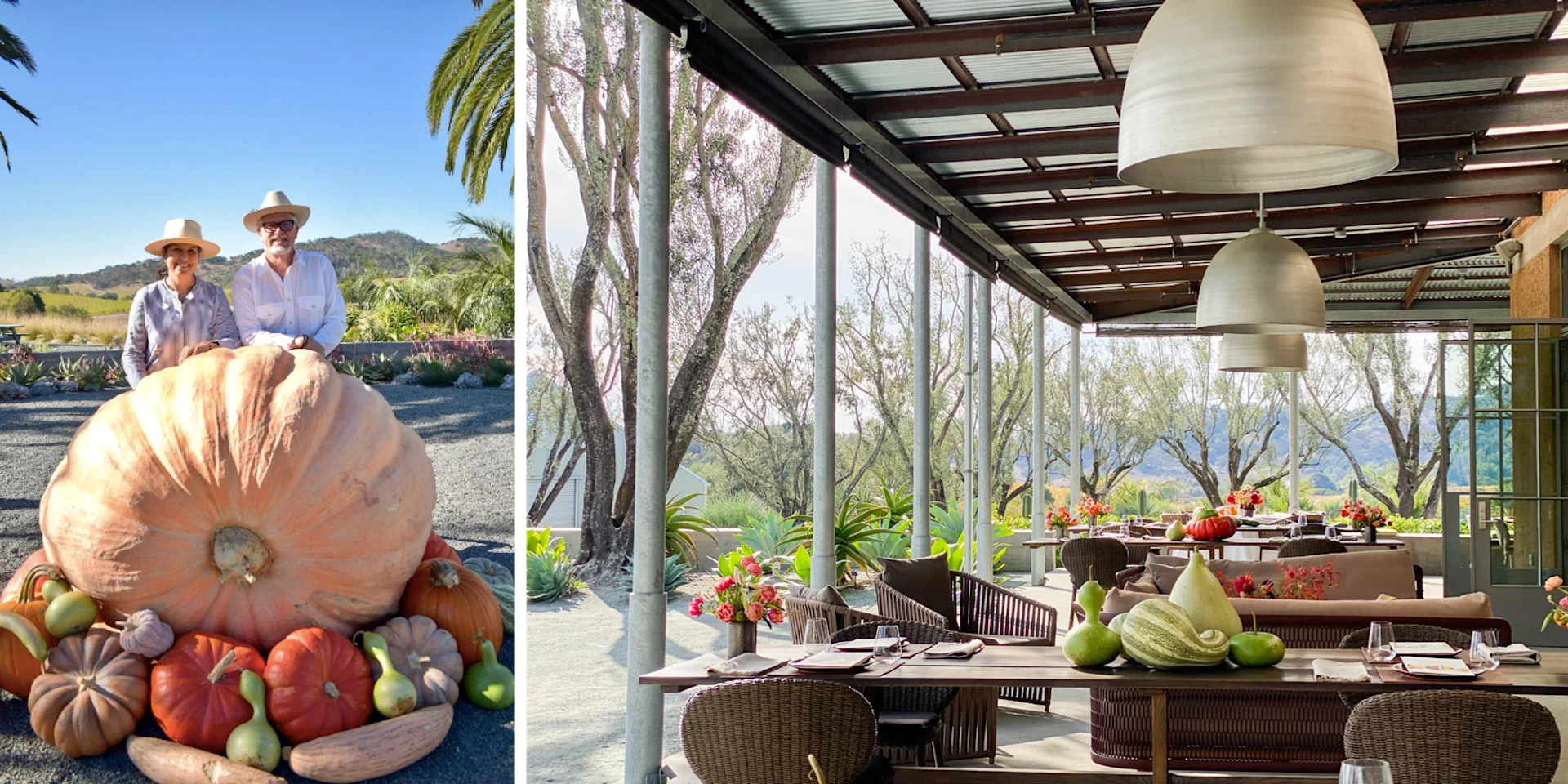
I married my husband eight years ago, which is when I moved to the Napa Valley ranch Lee has owned since the early eighties. Located on 2,000 acres just north of San Pablo Bay in the Carneros region, the winery, caves and tasting rooms form something like a village where guests taste wines and learn about our wine-making process. We’ve made our own estate wines since 2004, but grapes and other agricultural crops have been grown here for more than a century, and for decades Lee has sold grapes to other family-owned wineries. I always imagined working in a place that felt open and collaborative—something like a massive family. This pandemic has brought us home, very literally, not just to the quarantine of our physical homes, but also to the networks that support our actual survival. I’ve never been more grateful for our farm, for the food security that it and the farms in the region provide. Americans are obsessed with independence and individualism, with exceptionalism and self-reliance. But a crisis will show you the holes in this thinking.
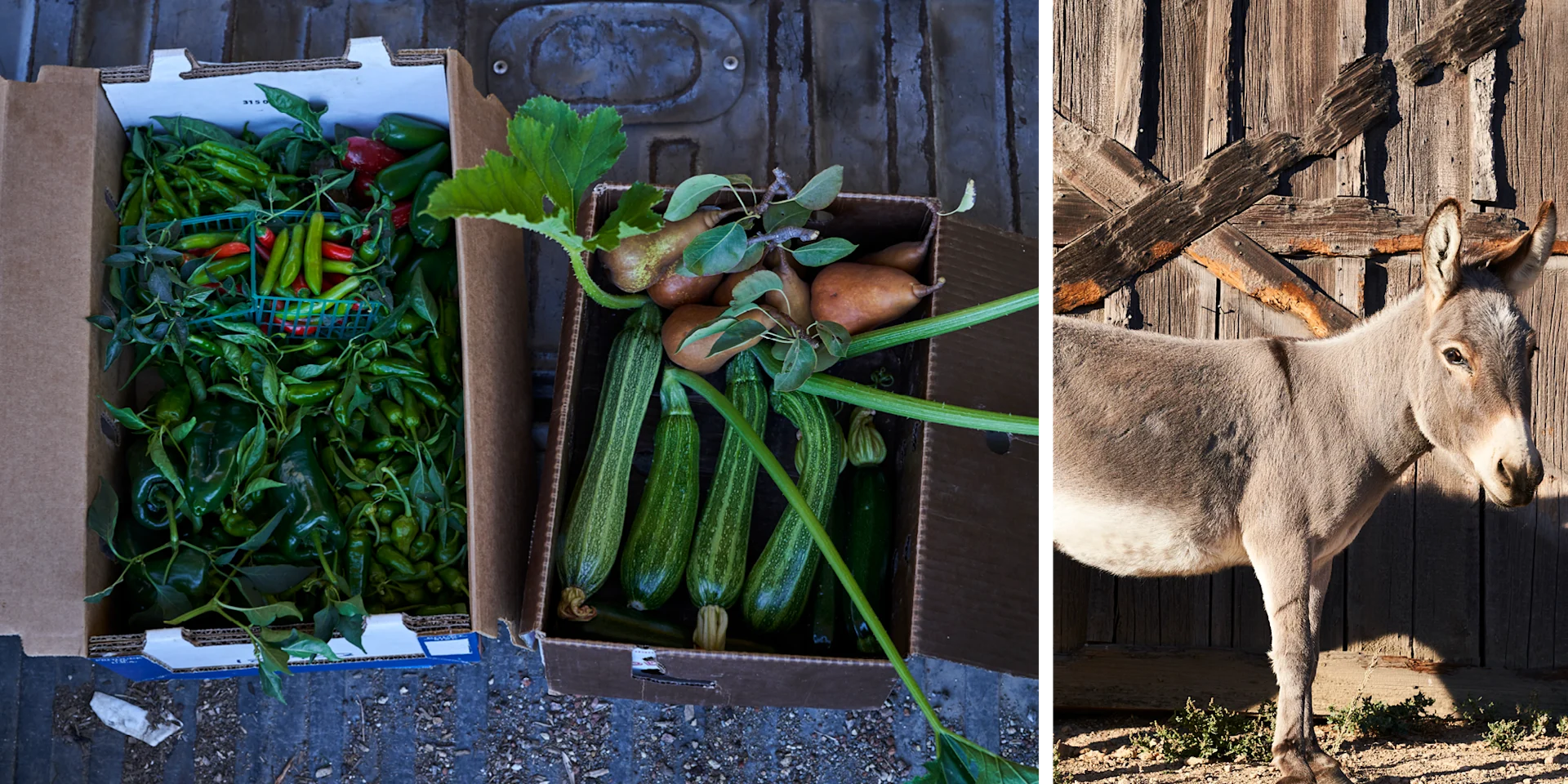
While we are literally exhausted by the toll of the last few months, I am also invigorated by the fact that we have been nimble enough to pivot together. We saw a surge in visitors from the Bay Area and SoCal, people on road trips coming for the first time. Which is why, when indoor dining shut down in San Francisco, we extended our winery to our friends Michael and Lindsey Tusk to be an outdoor outpost for their restaurant Quince. Until outdoor dining was canceled, it was (safely) full every night, and it also brought new people to the winery—as did opening the full expanse of our wilderness to hikers, picnickers and birdwatchers. Meanwhile, I opened an underground, word-of-mouth “Garage Grocery” out of the garage of my San Francisco pied-a-terre, and sold vegetables from our farm, meat products from Fatted Calf, bread from our local bakery. We drove directly to our local flour mill in Sonoma to pick up fresh flour weekly as they couldn’t keep up with demand. There was no yeast to be found, so I reached out to our restaurant friends that were closed, bought their bulk yeast and doled it out.
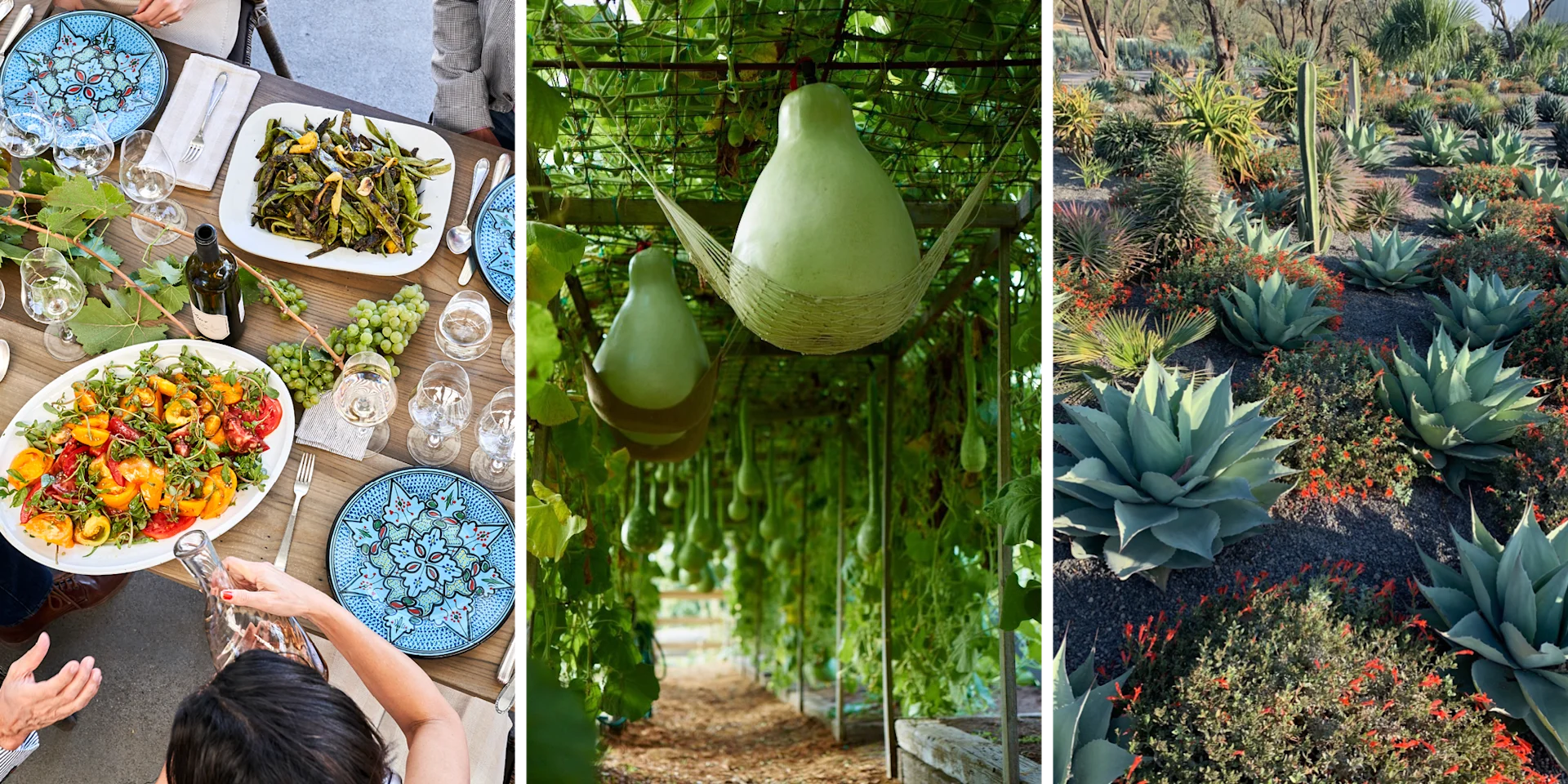
This valley is the place that Lee and I chose to live. When you hike up to the top of our property on the Mayacama ridge and look down over the sloping hills to the bay, you see a patchwork of vineyards whose colors change with the seasons. More than ever, I see this place as a textile made up of so many threads: of all the people and lives and businesses and relationships and products and goods that sustain this ecosystem, and are sustained by it. I’m determined, as we wade further into this uncertain period, to never lose this rich tapestry.
Napa & Sonoma Now
We asked the effortlessly stylish Cristina Salas-Porras Hudson to share a few of her essential spots for a weekend—or make it a week!—in wine country
Click here to save this map for your next trip to Napa & Sonoma.
Napa
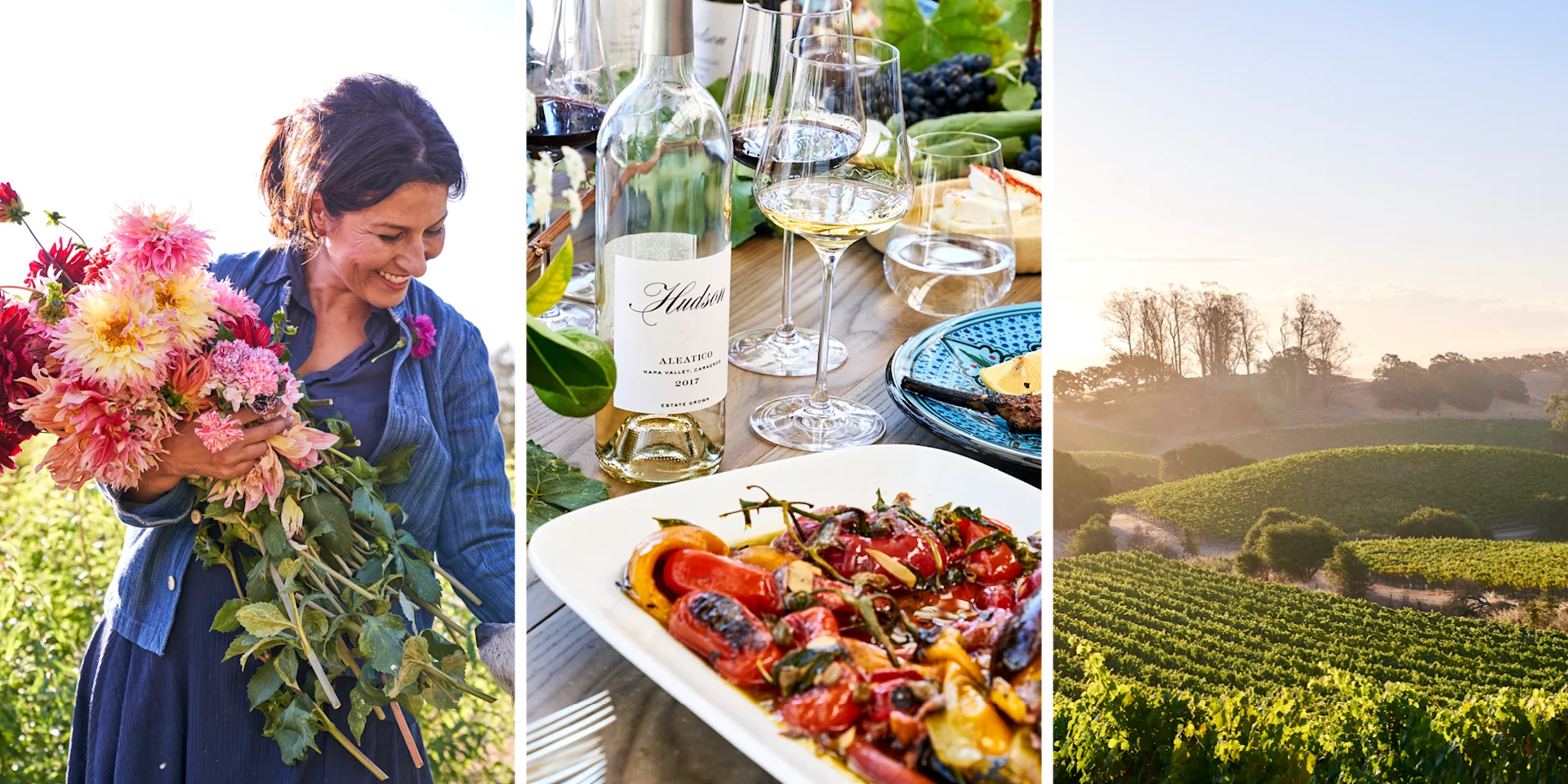
For a few years now, I’ve been running Hudson Greens and Goods, a small market in Napa’s Oxbow Public Market. We sell organic seasonal fruits and vegetables, many of which have been grown by us at the ranch, as well as our own olive oil, our sustainable meat, freshly-cut flowers, local honey and, of course, our wines. It’s a cook’s market!