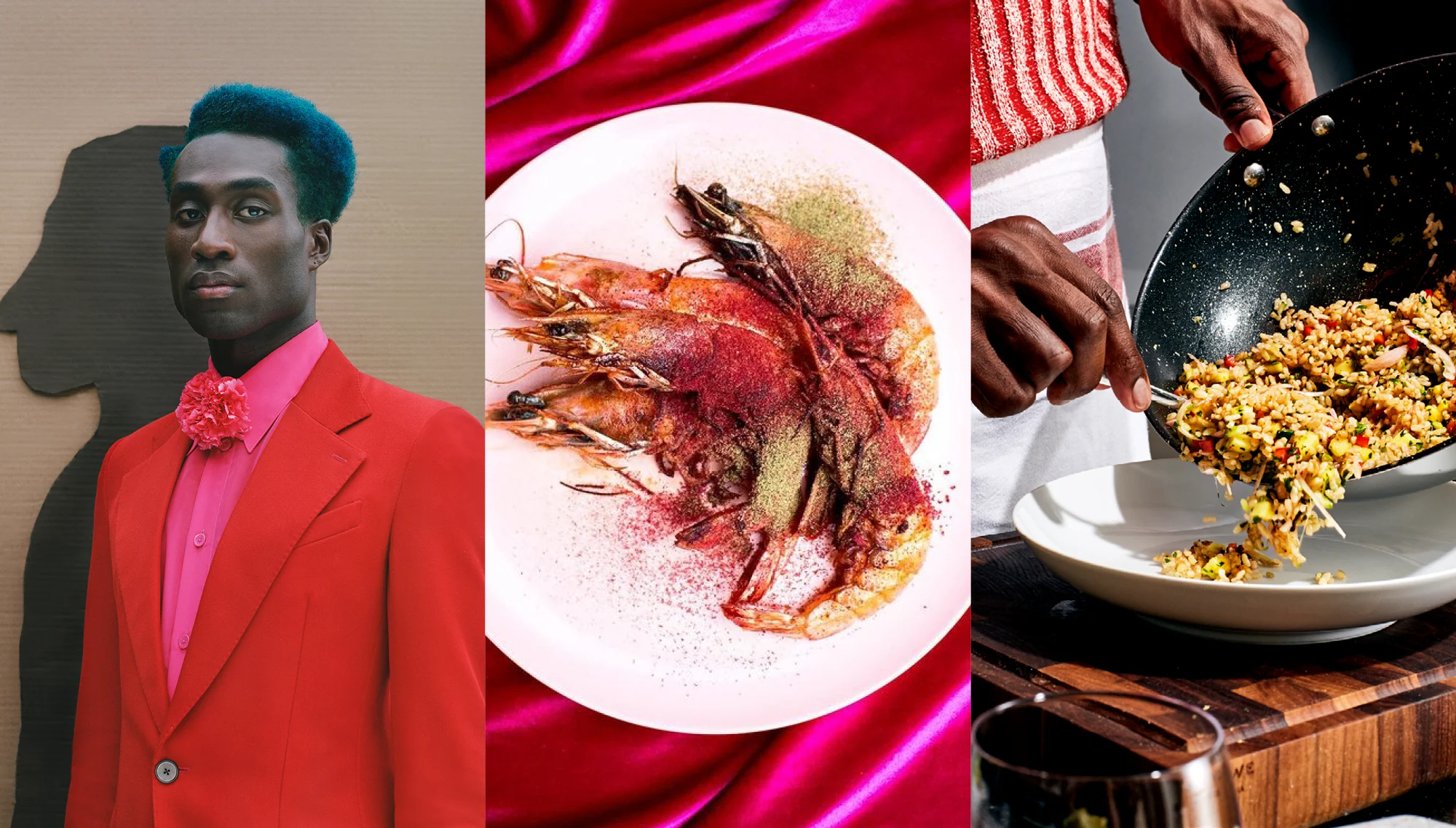
When conceptualizing one of his dinner parties, the question “Why not make it a show?” consistently animates the planning process of DeVonn Francis, the 27-year-old, Jamaican-American chef and event producer. Since 2017, his Brooklyn-based company, Yardy World, has brought teens jumping double-dutch into a Harlem gallery for a dinner with Gucci, a cavalcade of skaters to a roller disco party in Bushwick, and a dance performance by the artist called “an only child” to Artsy’s summer barbeque, where diners sipped tropical cocktails under custom-built cabanas.
After lockdowns in New York put event-production as we know it on pause, Francis spent the summer and fall creating recipes and videos for Bon Appetit and his own social channels, where fans have watched his hair color mutate from a blue-green gradient to dirty blonde to fluorescent tangerine to hibiscus red. He started a food-delivery service with items like rye turmeric crackers and polenta cakes, partnered with local nonprofits to bring meals to Black families struggling with food insecurity, and ran a pop-up, take-out spot out of a storefront in SoHo, the shopping district eerily quiet after the disappearance of office workers and tourists from around the world. Francis’s constant hustle throughout a truly twisted year means that when the city finally returns to some new type of normal, at the nerve center of culinary excitement in the new New York, visitors and locals will be sure to find Yardy.
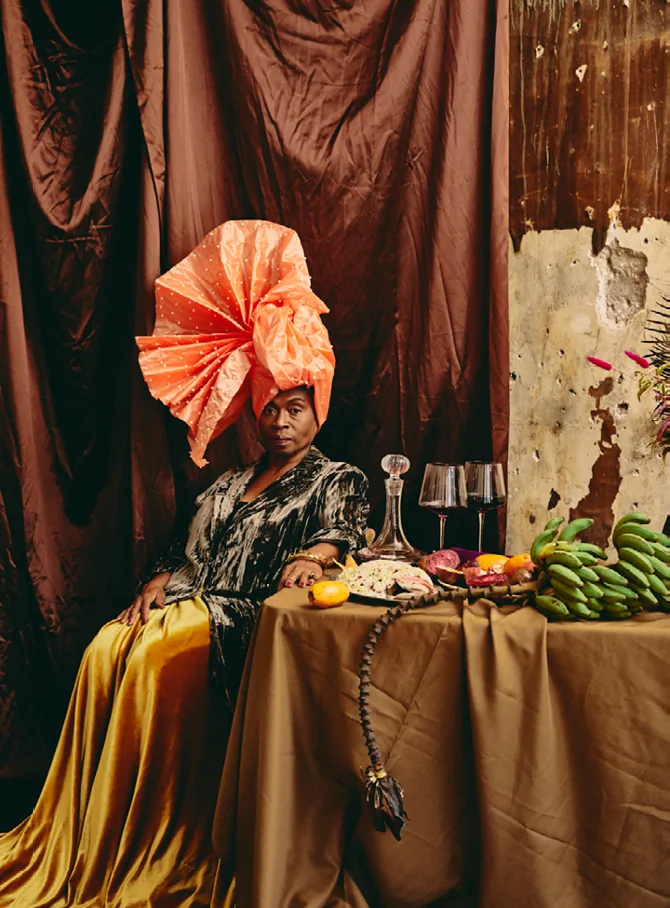
The name of the brand references the Jamaican patois word “yardie,” used by diasporic Jamaicans to address one another while pointing toward the homeland. Francis’s project seeks to make that gesture his own. His events and the dishes created for them—black rice with squid and black garlic aioli, oysters in pink salt with pineapple mignonette—are an attempt to answer questions like, What does home mean to a queer, first-generation, Jamaican-American chef, who split his childhood between Brooklyn and Virginia Beach? What does home taste like for someone who learned as much about food from his mom’s cooking as from a childhood glued to the Food Network, who takes as much aesthetic inspiration from anime as he does sampling the latest fine dining in Manhattan? And how could his vision of bringing Yardy into every American home help shape a more equitable food system? Prior sent writer Zak Stone to catch up with Francis and find out.
Zak Stone: What are some of your earliest memories around food?
DeVonn Francis: I was the kid who was into playing video games and reading Harry Potter. I didn't really want to go outside, so my mom was like, "You've got to do something." So I started cooking. Cooking looked like combining Nilla Wafers with Hershey's chocolate and honey and thinking I had made something really fab.
Then, my dad had retired from the Navy and, when I was around nine years old, he decided he’d start a restaurant in Norfolk, Virginia, 30 minutes outside of my hometown, and he ran it for maybe six to eight years. It was my first taste of anyone doing anything entrepreneurial, and that was super formative for me.
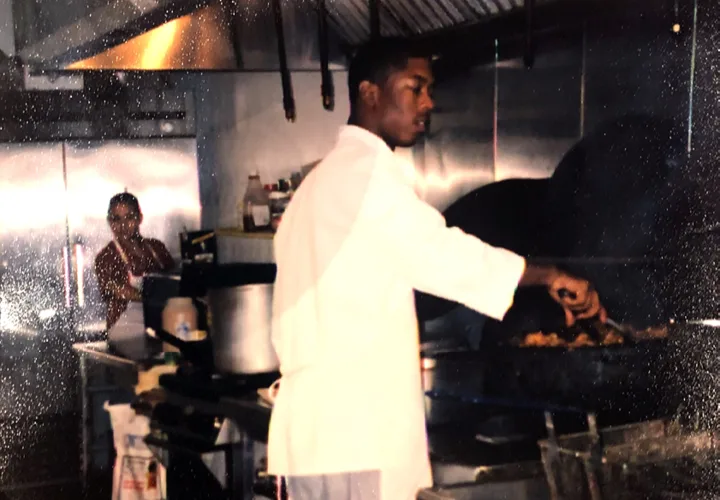
The food was based on his own experiences growing up in Jamaica. He was just making the food that he really cared about. It was very much that immigrant mentality of “all hands on deck.” Everyone—me, my brother, sister, mom, even my aunt—came and helped at one point. He had me do everything: cleaning the bathrooms, doing the cash register, doing produce, doing every fucking thing. I was there after school and on the weekend; I would stay there until closing, until they were ready to leave. I would do my homework there.
He eventually expanded the restaurant, so it went from this counter-service, mom-and-pop, hole-in-the-wall kind of place to a lounge where he had a bar and music and parties outside. It became a community hangout in a lot of ways, which was kind of fab. He had been a DJ when he was younger, so he would throw these really insane parties outside, and have jerk chicken and a drum on the grill, and would be making just all this crazy, amazing food and also teaching himself how to cook as he went.