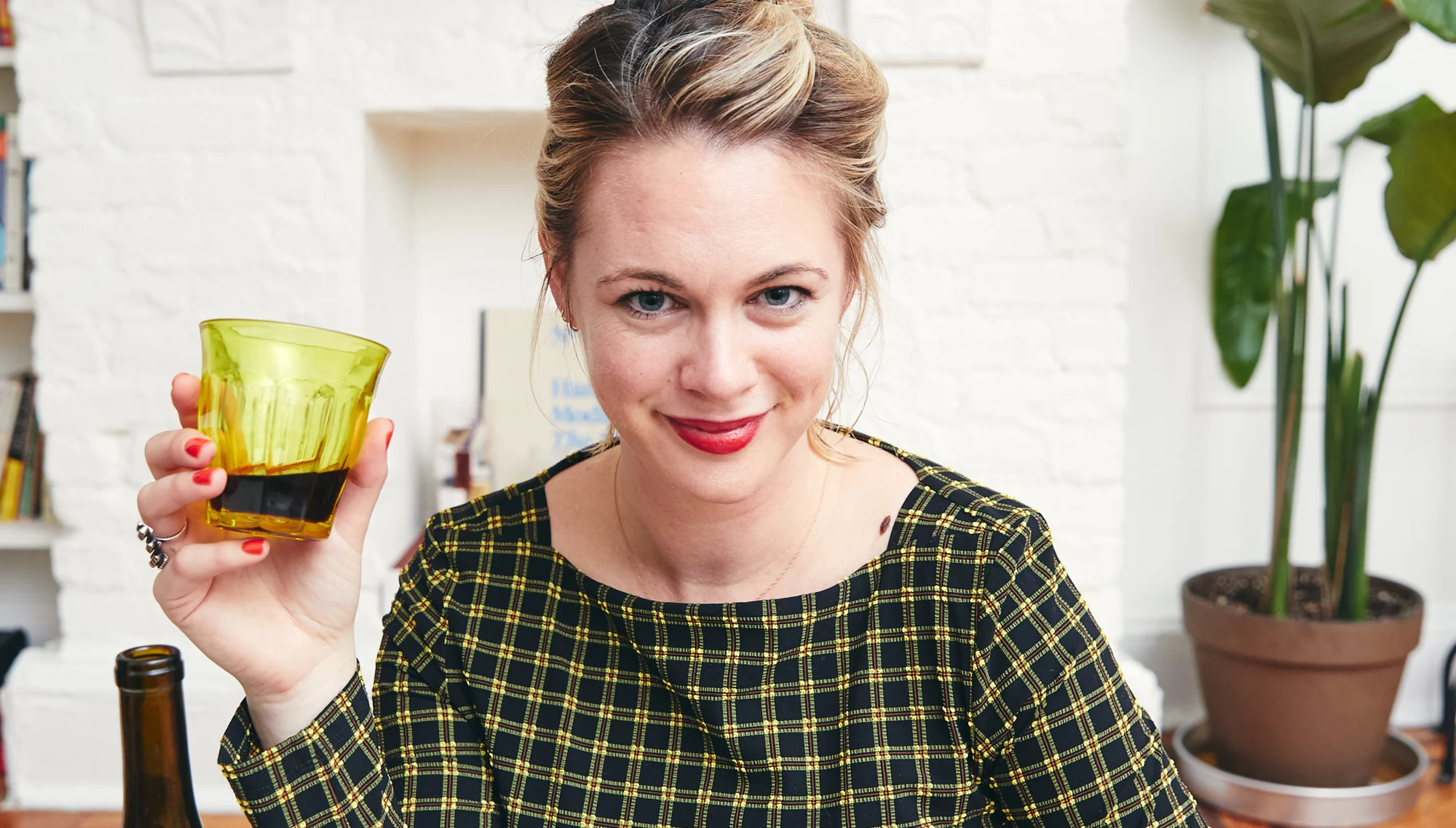
In a recent Instagram story, a 2012-vintage Bon Appetit video of her making latkes with Editor-In-Chief Adam Rapoport, Alison Roman wrote a caption, full of her signature bemused self-deprecation, teasing her former self for looking and feeling so out of sorts. “I didn't really know how to be,” she says now, watering her plants at home in Boerum Hill, laughing and spilling and quipping with a fully-realized self-possession of someone who certainly seems to have figured it all out. And maybe it is this ability to join in with the audience of her wildly popular Instagram account (319k), and with the readers of her beloved cookbooks, Dining In and the recent Nothing Fancy, and of her columns in the New York Times and at BonApp, to bond so effortlessly with us, whether in raising an eyebrow at her awkward early videos, or at her utter incompetence when it comes to traveling.
“Oh my God. I'm the worst traveler,” she laughs admitting to missing three flights in the past eight weeks. “I overpacked, I under packed, I didn't pack the right things. It was like I'd never left the house before and decided to go on a trip, when in fact I had an entire calendar year to plan for a major book tour. But now I know I wouldn't travel without a collapsible bag, an additional bag, from Uniqlo or Muji — and no fewer than three phone chargers as well as my passport, because even if I don't think I'm leaving the country, I might.”
Roman has been on the road in the months since Nothing Fancy came out in October, touring the country, signing books, hosting parties, events, and searching for inspiration. Not that she isn’t always doing that. “I don't really turn it on or off,” she says. “I think it's the same for anybody — if you're a perceptive, sensitive individual that's interested in life and things that no matter where you go or where you are, you're going to feel inspired by something.”
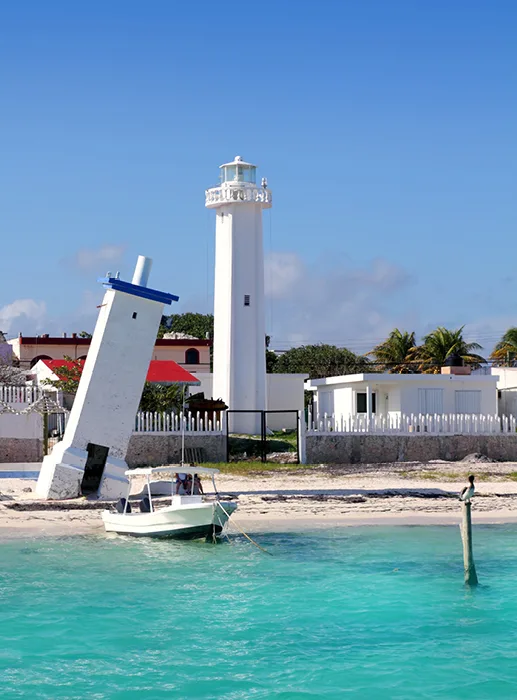
In the new year she will return to Mexico, to the capital and to Puerto Morelos to decompress. “I travel because it makes you a more interesting, better person. It centers me emotionally and intellectually. Makes me feel like I'm not just like spinning my wheels in New York.”
What’s wild is that, in the three or four years since Dining In went straight to the top of the bestseller list, and Roman’s recipes for a chickpea stew, and then for chocolate chunk cookies went massively viral, her fame has begun even to eclipse her being. It has been suggested that her particular brand of meme-y millennial wit and embrace of newly (again) en vogue fats and meat, mesh so perfectly with the tastes and tenor of the kids these days living in a shrinking economy and its smaller kitchens but still on that ‘treat yo’self’ program. But so vivid is that connection and her brand that “Alison Roman” has become a kind of signifier — for the living-the-good-life ethos while just-getting-by realities of the Instagram generation.
But for the real person under there, the story reads a little differently, a little more, well, Roman-y. “When I was younger everyone told me that I talked too much,” she says. “I still talk too much, but now I've used it to my advantage.” Roman grew up in Los Angeles. “In the Valley, the most boring part of LA,” she says. After a “stupid private school and stupid private high school,” she went to college in Santa Cruz. “I had a complicated relationship with my parents,” she said. And still, when she dropped out of school, she returned to LA to work in restaurants, in a particular restaurant: David Myers’s Sona. After a four-year hop to San Francisco, Roman moved to New York where she got a job with Christina Tosi at Milk Bar and began plotting an exit strategy from restaurants. “I realized that working at a restaurant was not for me because I didn't want to own my own and I also didn't want to work for anybody else.” She’d studied creative writing in school, but even when she did land the gig at BonApp — first as a freelance recipe-tester, and then as a contributor— she says, she wasn’t all the way there yet, full-formed as the writer we know and love today.
“I was writing like a person who thought that they should be writing in a magazine, and not writing like a person that was a writer or a person,” she says. “It didn't occur to me that I could just like, write how I spoke, because nobody had ever told me that I could. I was dating this guy at the time that worked at GQ and like I thought that I should write like that — not correct. I felt like I wasn't empowered. And then I kind of saw this vacancy. Like, everyone that was writing, especially about food, was writing it in the same way. And I was like, well that's not how I feel about it and that's not how I want to write about it. So I started just started doing my own thing.”