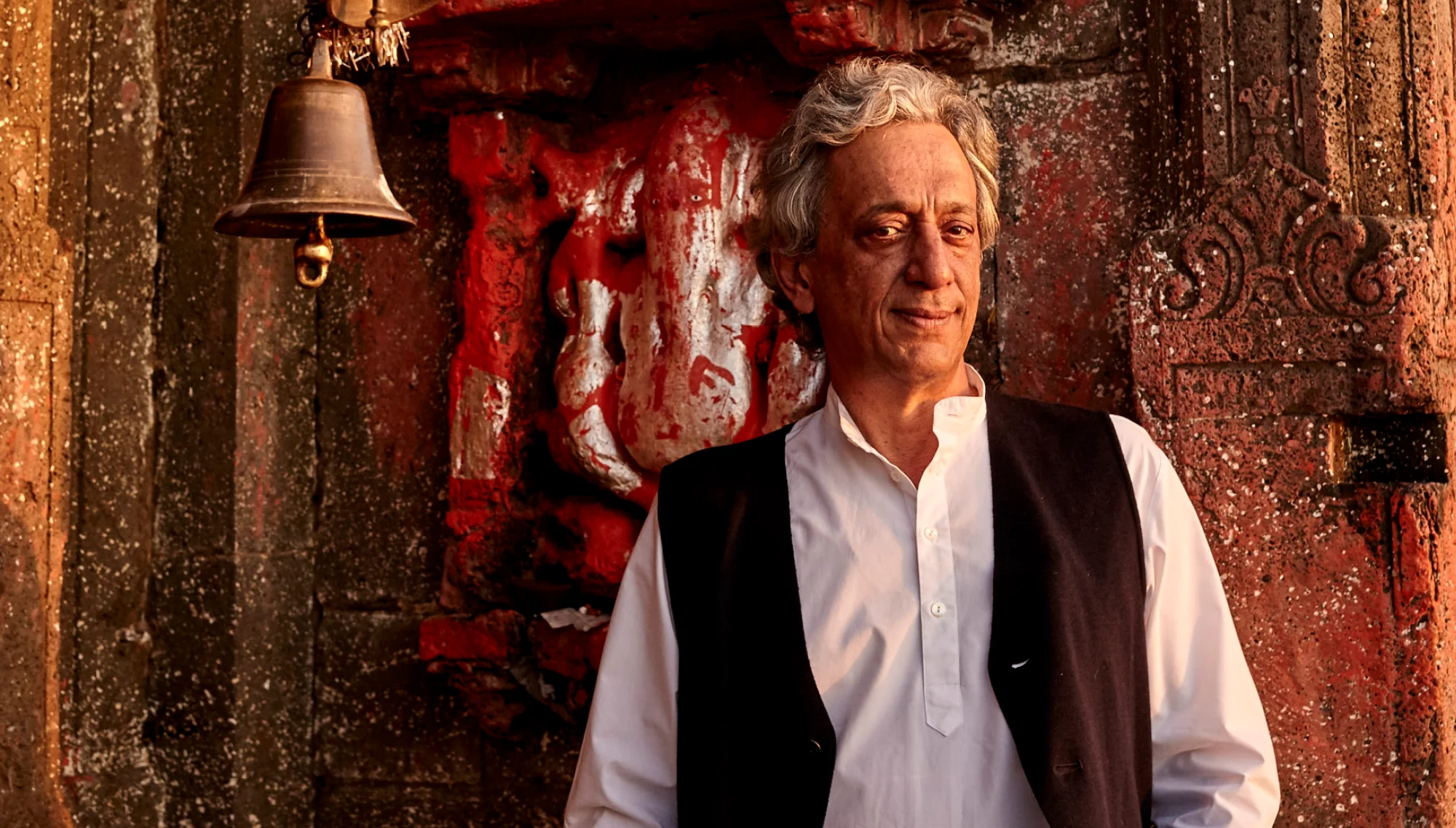
It is difficult not to slip into superlatives and cliches when it comes to the subject of India; the words “colorful” and “contradiction” immediately come to mind. In the hands of Jamshyd Sethna, however, the complex country becomes quickly comprehensible and then entirely irresistible.
Having established Banyan Tours, a peerless on-the-ground fixer (or in PRIOR’s office the “Indian invisible hand”), Jamshyd and his team have introduced a legion of travelers over the past decades to the most beguiling and often difficult to crack countries. With a rich timbre and a wry sense of humor, he translates his profound knowledge and nuanced understanding of one of our favorite destinations—one that keeps us coming back to learn more.
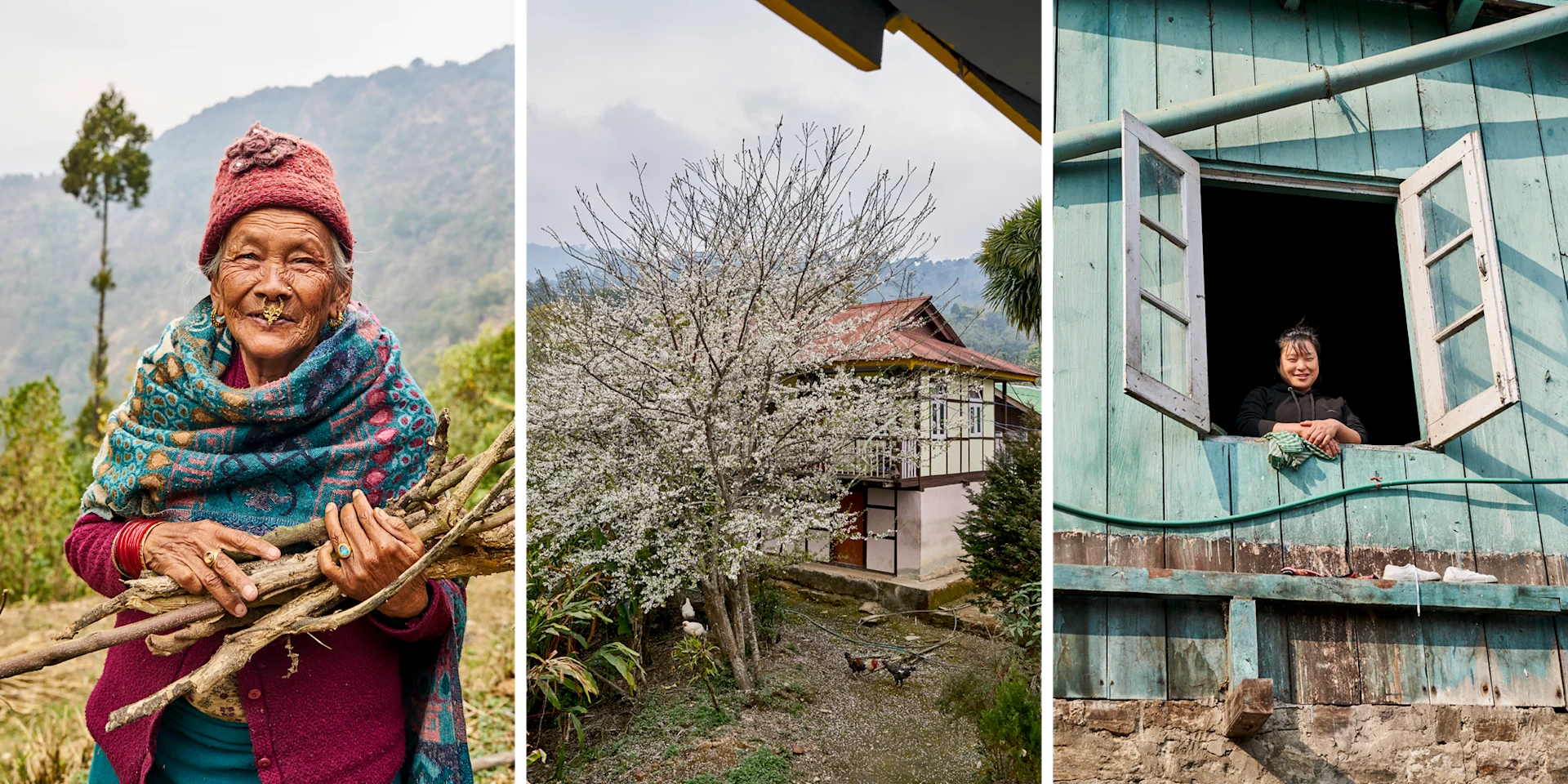
Beyond the familiar postcard Rajasthan, Jamshyd’s wisdom extends to India’s other myriad of regions, particularly the Himalayan states. There, he has created one of the world’s most unique collections of hotel properties, Shakti. Working with local villages and communities, from the misty rhododendron-covered eastern mountains of Sikkim to Ladakh’s mythical moonscape, Shakti properties form a kind of string-of-pearls experience that amplify on spirituality, nature and the wisdom found in those majestic mountains.
David Prior: Start from the beginning for us, how did you come to start working in the travel industry in India?
It started with a game of bridge in 1977. I was playing with the management of a large blue-chip shipping firm and during a break, I was pulled aside and asked if I’d like to interview with them for a senior management trainee position the following week. I had recently returned to Bombay after a three year post-university stint on a Tea Plantation in Assam and had been out of a job for some months. I accepted with alacrity and it was suggested that I cut my hair and wear shoes for the interview. The interview went well and I was offered a choice of ship management, ship agency, freight or travel. I chose travel.
DP: For those who aren’t as familiar, could you tell us about the Parsi community in India, and specifically their contribution to Bombay?
Some Zoroastrians migrated to India from Persia in the 8th century after the fall of the Sassanian Empire to the Arabs. The British took over Bombay in 1661, and that’s when the Parsis began their move from Gujarat southwards to Bombay and were intimately connected with the history and development of the city. The city’s port, shipbuilding and cotton boom was largely fuelled by their entrepreneurs, newspaper magnates, industrialists, scientists, academics, doctors, writers, artists, musicians. The physical shape of Bombay was determined by Parsi community donations to build causeways, roads, hospitals and theatres. The Parsis are a much loved, albeit microscopic, community that has contributed immensely to every aspect of nation building.
DP: I know it’s completely impossible, but if anyone could know every corner of India, it would be you. What would you suggest as the unmissable region, and what would be your most underrated region?