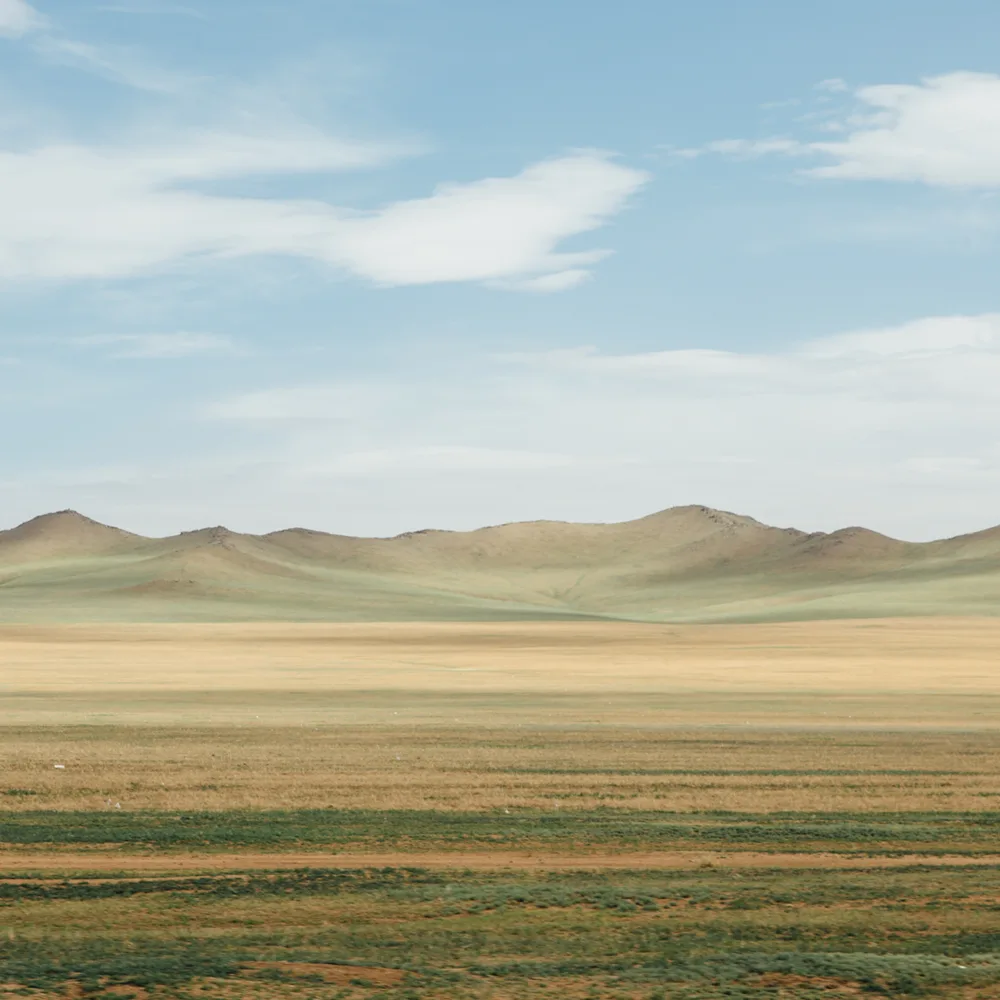
If we can admit one thing, the way we traveled before this pandemic should never return. Sophy Roberts, one of the most intrepid travelers and someone near and dear to the PRIOR community, argues what travel might look like when the world re-emerges - hopefully more humane and braver than ever before.
To read part one, click here.
This interview has been edited and condensed.
David Prior: We’re particularly interested in indigenous cultures, because I think that we’re losing so much wisdom that could help combat climate change and be so instrumental in medicine and science and not to mention art and language. I know that you have that similar interest.
Sophy Roberts: I have struggled with this for a while. Half the problem, which you’ll relate to, is how to compress all these incredibly nuanced and difficult issues into a few hundred words — things are often oversimplified and misconstrued. I just finished a book by Jay Griffiths, Wild, which really helped me. It’s got a phenomenal section on Papua New Guinea. She looks at the remarkable depth of natural wisdom we’ve lost as we've moved further and further away from the nature that sustains us. It’s an absolutely brilliant book and as soon as my kids are old enough, they’re going to read it.
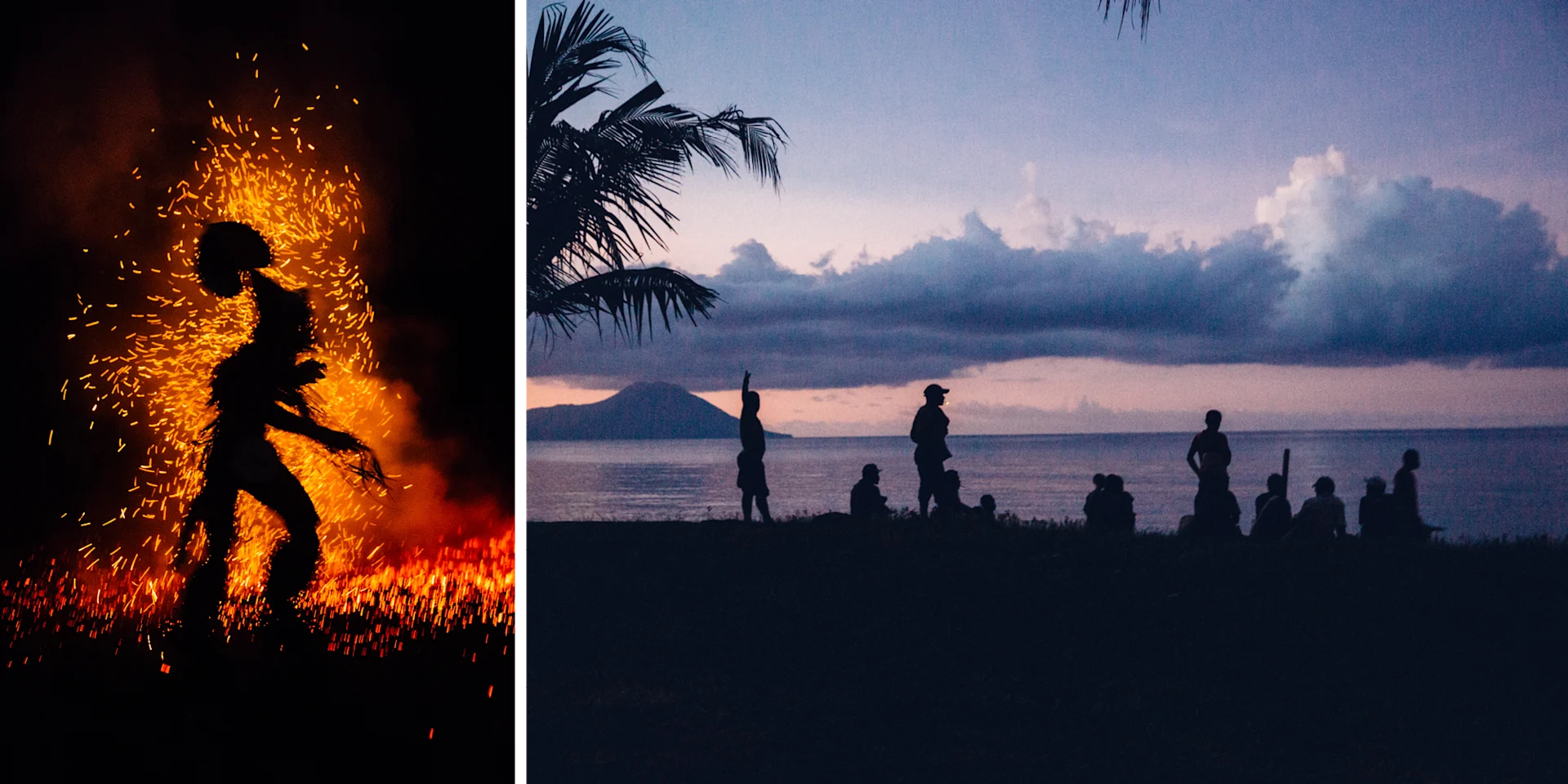
Over many long summers spent in Mongolia, I’ve grown to understand the rich shaman culture of the steppe. One of my friends there is a guy called the “Bonesetter” and his job is to crack bones back into place when somebody falls off a horse. It’s an old, ancient way of how-to-solve-a-problem-when-you’re-in-the-middle-of-nowhere medicine. There’s a hell of a lot to learn, outside the spaces of ‘formal’ education.
DP: I think you've probably seen some of the more mournful saddest places in the world. But what do you think is the happiest place in the world?
SR: This is super weird because, my goodness the world is messed up right now, but I would say Nepal. I think wherever there is a profoundly Buddhist culture, there is a kind of different approach to happiness — an acceptance of death which allows them to live in the present with less fear. We spend a lot of time in the Eastern Himalayas, in a house called the “Happy House”. In Nepal, happiness is engrained in the culture; it’s in the belief system. The people have been through hell and back with poverty and politics and all the rest of it. But there's a kind of acceptance, rather than sadness — the wheel of life just keeps on turning.