In the past year, we have witnessed cataclysmic wildfires from Australia to the Amazon, Siberia to Sumatra. Up to a billion animals perished in the Australian fires alone, while billions of tons of carbon dioxide escaped into the atmosphere. We are meanwhile racked by deadly outbreaks of zoonotic diseases, the transmission of which is aided by profit-driven destruction of natural habitats—something visionaries from tribes around the world, such as the Lakota and the Yanomami, have been warning us to halt.
It has never been more urgent to listen to them. Though they account for just five percent of the global population, indigenous people hold tenure over a quarter of the world’s land surface, supporting nearly 80 percent of global biodiversity. They are the world’s premier land managers.
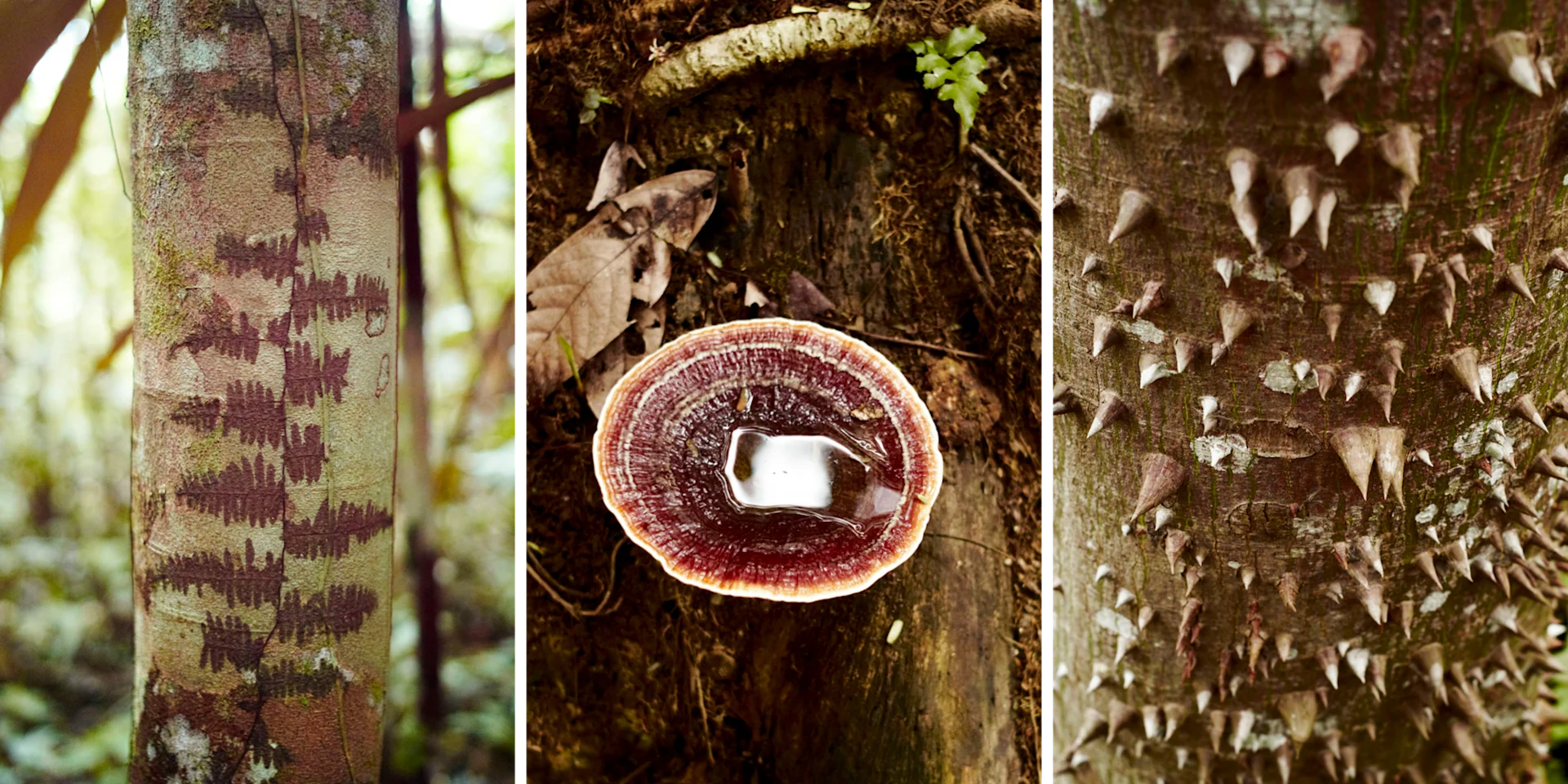
Among the planet’s most biodiverse gems is the sprawling Javari Valley Indigenous Territory in far-western Brazil. It's a primal landscape of towering kapok trees and crystalline creeks, where monkeys chatter from the treetops and hundred-strong herds of wild boar stampede along the jungle floor. The estimated 5,000-7,000 people who inhabit its depths include at least ten so-called “uncontacted tribes” living in extreme isolation, making the reserve home to the highest concentration of such communities in the world.
Like other indigenous cultures, all of which evolved in isolation from Western civilization, the peoples of the Javari Valley possess irreplaceable knowledge of their territory’s secrets—in particular, of its flora and fauna. This inherited wisdom has instilled a reverence for nature while also enabling tribal shamans to produce an array of potent admixtures that cure illnesses, paralyze prey, or help them commune with ancestral spirits.
I experienced firsthand the fruits of this knowledge on a Brazilian government expedition to document the seasonal movements of a group of elusive nomads known as the flecheiros, People of the Arrow. Our team included two dozen indigenous scouts from the region, and one rainy afternoon, several members of the Matis tribe paused up ahead. We had been walking single file through a dense jungle, but I caught up with them in a small clearing. There, they skinned a ginger-like root with a machete, infused water with the shavings, and poured the mixture into an eyedropper fashioned from a banana leaf.
The buchité, as they called it, burned like sulfuric acid, but within a few minutes, the pain subsided. When I blinked and looked around, I beheld a different forest from the one I’d been trekking through for days. Everything stood out in sharp relief. I perceived depth where before there was none. The colors seemed to vibrate—the greens electric, the browns more differentiated. “We use it for hunting,” said Ivan Arapã, one of my Matis companions. “We can see monkey, see tapir.” The buchité drops also bolstered my stamina: My steps were surer, my balance steadier. I could now bound without hesitation through the jungle's obstacle course of rodent burrows, fallen trees, and low-hanging branches that swarmed with fire ants.
One quarter of the world’s prescription drugs have their origins in tropical rainforests. The organic compounds found in curare, first developed by Amazonian tribes to paralyze game in the forest, is commonly used by anesthesiologists in surgical settings. The potent hallucinogen ayahuasca, used by shamans to connect with the spirit world, is growing in popularity among psychotherapists looking to treat especially intractable cases of PTSD among war veterans and trauma survivors. Scientists believe that aboriginal herbalists could hold the keys to other important cures.

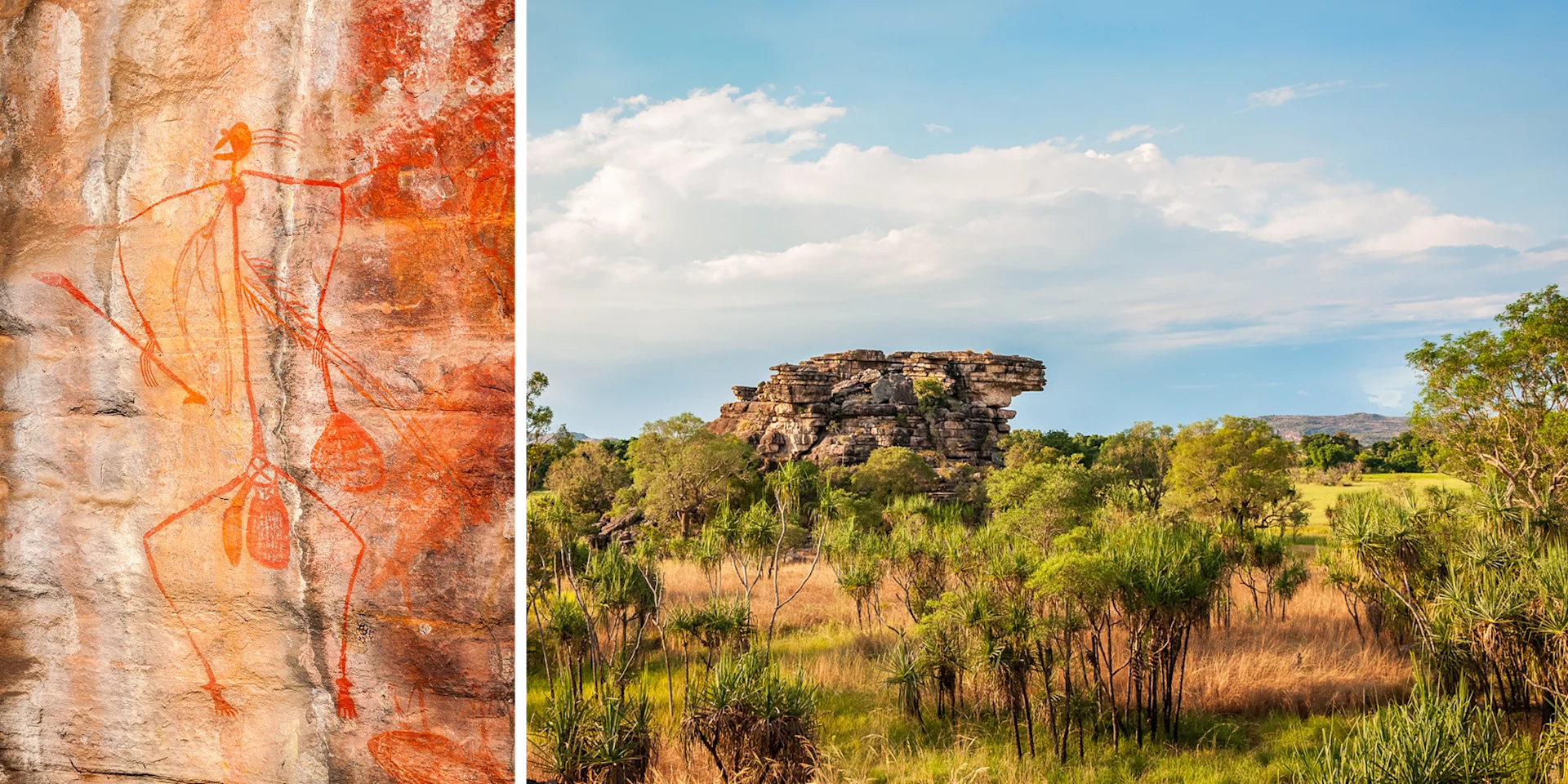
The Amazon isn’t the only place where indigenous people have shown themselves to be the planet’s most adept stewards. Aboriginals have an unparalleled familiarity with the fire-prone Australian Outback. Many experts believe the impact of last year’s runaway fires could have been significantly diminished had leaders consulted with aboriginal experts and deployed indigenous techniques to burn off a buildup of undergrowth in the preceding cool season.