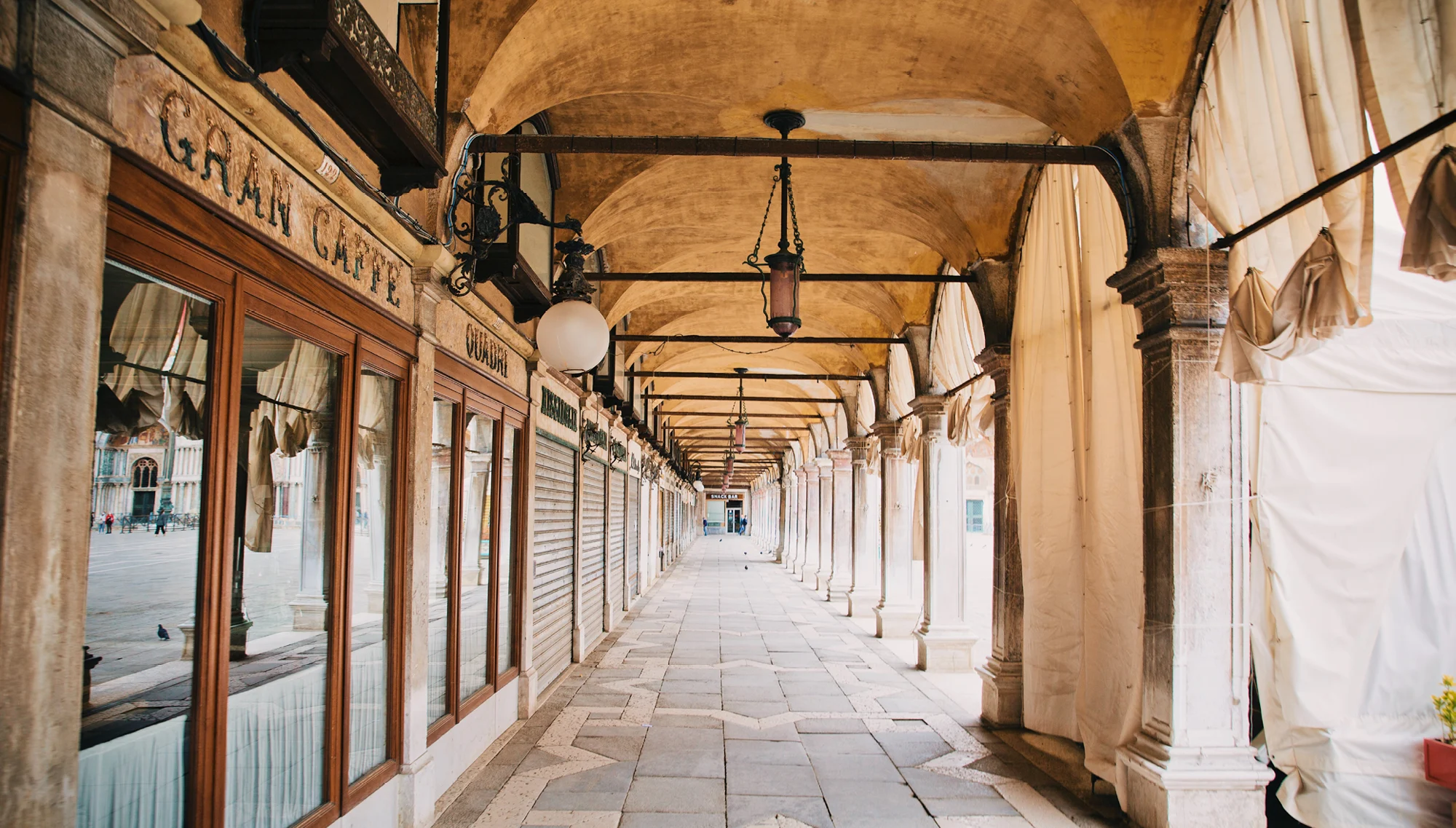
Arrigo Cipriani has calmed down a bit. But he's still a little upset with a great many people, including the government in Rome, the European Union, the mayor of Venice and a few journalists. Wearing a pine-green, tailor-made linen suit and a red tie, the 88-year-old and I are talking—at an acceptable distance—in his office, two floors above his mythical Harry's Bar. It is Monday, May 18th—the first day after almost two and a half months of virus-related lockdowns—when restaurants in Italy are once again permitted to welcome guests. Through his office window, the restaurateur looks out over the Canale della Giudecca, which, devoid of tourists, lies more quiet and pristine than ever before. Cipriani's own establishments are still closed; just a few days earlier, he had been quoted in the media as saying that Harry's Bar, one of the most famous and historic sites in the entire industry, would never open again—a statement shared countless times on the Internet, to worldwide consternation.
"Such nonsense; of course I never said that," Cipriani tells me. "But you know journalists; they write whatever they want." What he actually said was: his restaurant would (conditional) never open again under the circumstances as they were originally proposed by the government in Rome. But two days before the deadline of 18 May, new rules were finally issued that are much easier to apply, as Cipriani confirms. "Now they suddenly require only one meter between guests, instead of two. And the tables no longer have to be four meters apart either. That all sounds much more reasonable—we can probably live with that." And so the first of his Venetian restaurants, the more casual Harry's Dolci, will open in June, with the legendary Harry's Bar to follow in August.
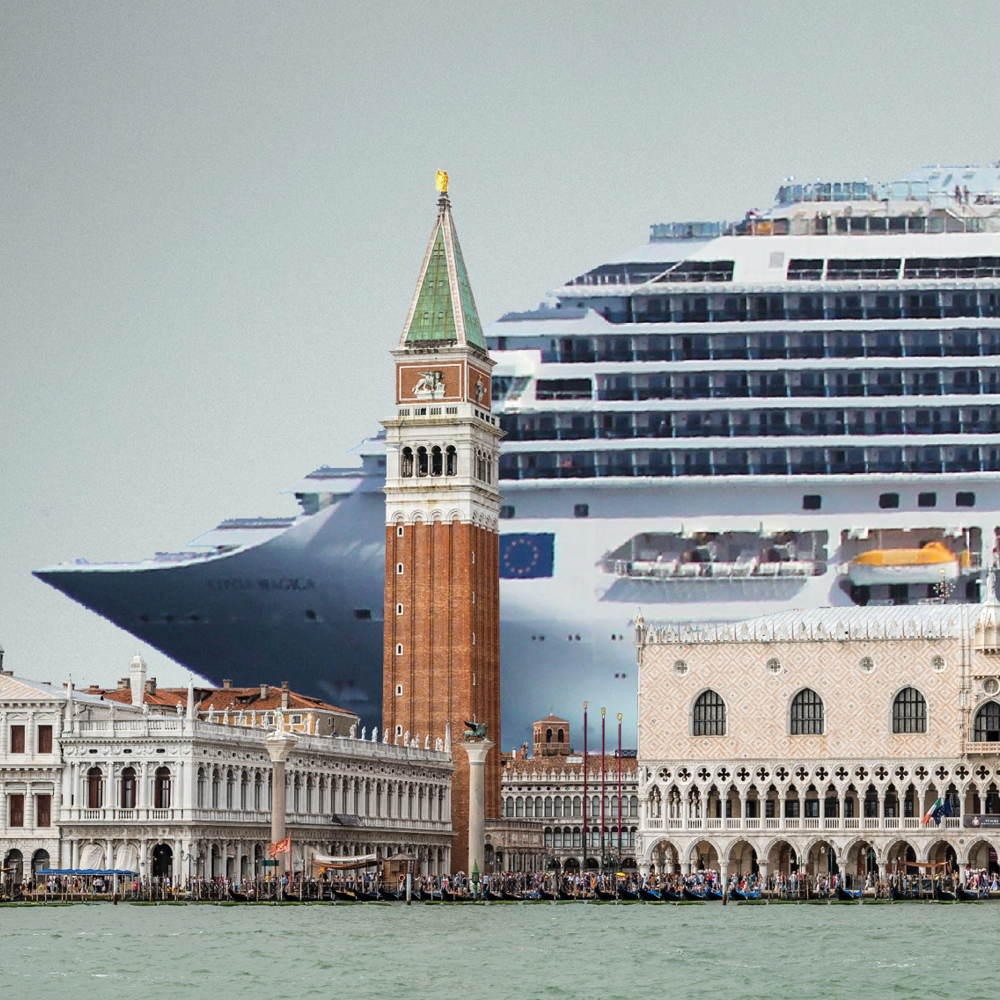
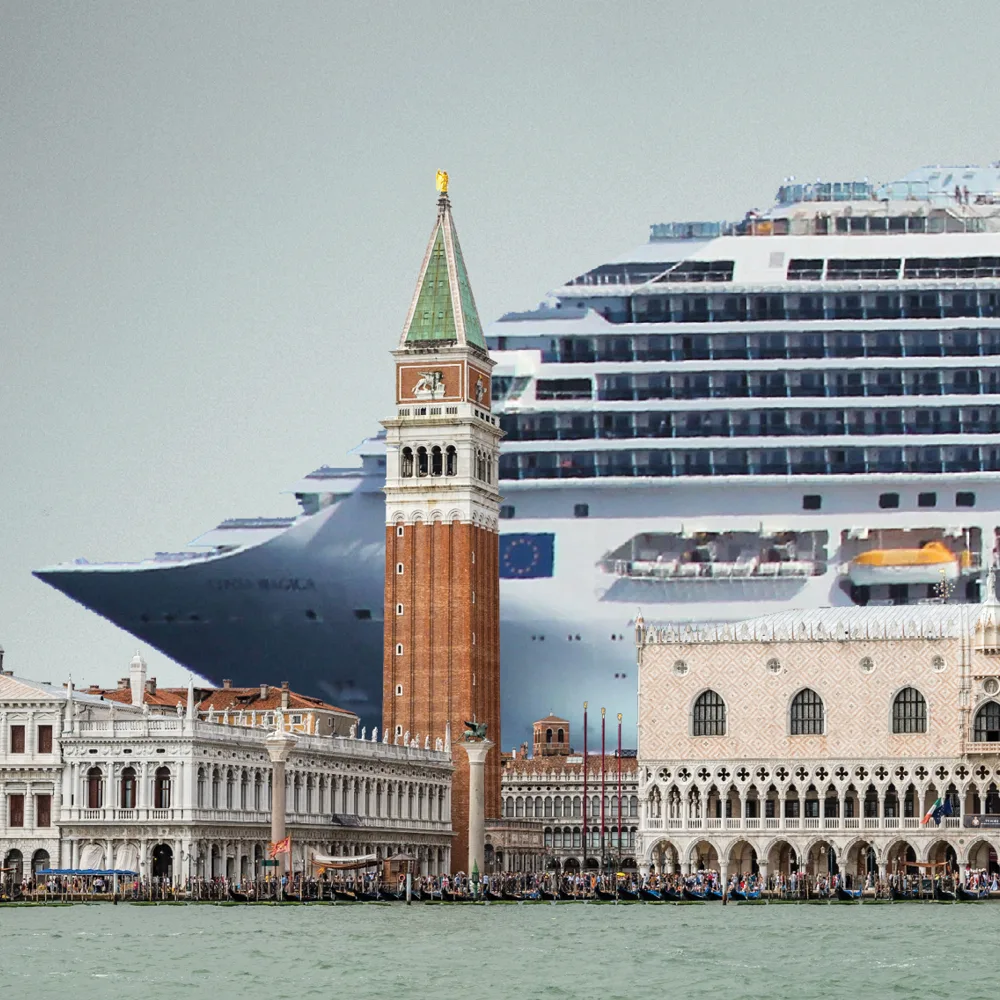
Venice is certainly not the only place whose innkeepers went through hard times during the lockdown, and are now facing an uncertain future. But there’s arguably no any other city that has suffered so much from tourism while simultaneously being so dependent on it. In recent years, Venice has become a symbol of the plague of mass tourism and its devastating effects. This is especially true of its upscale gastronomy, in which space Cipriani undoubtedly plays; among its finer restaurants and hotels, many had wished for fewer tourists. "But the fact that from one day to the next nobody comes at all was of course a hard blow for the whole industry," says the doyen of Venetian restaurateurs.
Like many others, he now also hopes for radical changes, for a new relationship between the city and its visitors. "In any case, we now have at least a few months before tourism recovers. That time should be used to find a new way to make Venice a real city again."
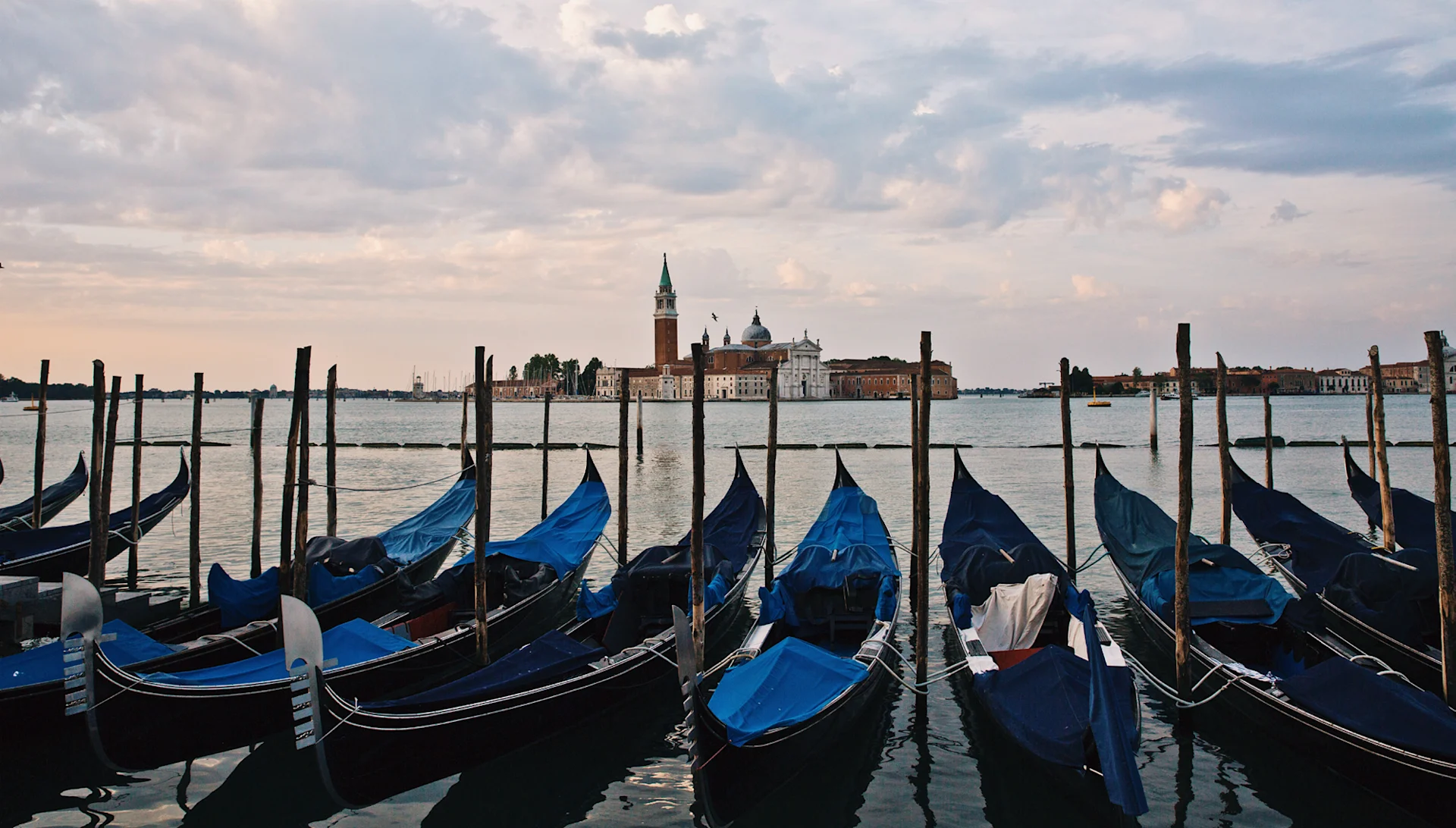
How exactly this is to be achieved remains unclear for the time being. And far from all Venetians are eyeing the future with confidence. "The whole thing is a political issue," says Giberto Arrivabene, who with his wife Bianca di Savoia Aosta owns the Palazzo Papadopoli, the Grand Canal palace that’s better known as Aman Venice. "And if the politicians don't do anything, which I assume they won’t, things will soon be back to the way they were before.” We’re talking in the hotel’s lush, magnificent garden, where the couple are consulting with some of the staff to determine how to apply and enforce the new hygiene regulations when operations resume in a few weeks' time.
The Arrivabenes see Venice’s main problem as being in the fact that the city does not have its own administration. "Politically, Venice forms a single municipality with the industrial towns of Mestre and Marghera on the mainland, which have over 300,000 inhabitants. So the mainlanders outvote us every time we have to make decisions that are important for this city," says Giberto, smoking a cigar and wearing a military jacket with the Italian tricolor and the Lion of Saint Mark—the symbol of Venice— pinned on it.
One change for the better could, however, be observed during the Lockdown, ventures Bianca: "There was something like solidarity among the Venetians", she says. "For example the merchants delivered food directly to peoples’ apartments, a service which they had not offered for decades. And those who had boats or gondolas offered to help, conducting locals around." But her expectation is that all this will soon be over. “The crowds will return. And again, they will only stay a few hours, squeezing through the narrow streets, shooting selfies and maybe buying some carnival masks. And soon everything will be just like before.”
Benedetta and Luca Fullin are much more confident. The young siblings—she is 35, he 38—run the respected Pensione Wildner not far from St. Mark's Square. They also own a restaurant called The Local, which opened in 2015. My route to reach it traverses a version of Venice that few have seen. The souvenir shops around the Rialto Bridge, in normal times a hotspot for pedestrian traffic jams, are closed. Nobody crosses the bridge; no one stands on it and takes pictures. Underneath, a vaporetto docks; a few locals get off, greeting those who board. Generally speaking, in these extraordinary times, one has the impression that in Venice, everybody knows everybody. Everywhere people stop, greet each other, chat through their protective masks – like in any small town, somewhere in Italy.