Years ago, when I was a contributing writer at a travel magazine, I was invited to an ideas meeting with a group of top editors. After making small talk and catching them up on my latest adventures, one of them turned to me and asked if I had any thoughts on cruises. Cruises? I’m afraid I went on a bit of a screed. I made the point—indelicately, in hindsight—that cruise ships are anathema to the kind of travel that the editor in question, myself, and (so I thought at the time) the magazine was about—free-wheeling, interested in getting under the skin of a culture or a place, allowing room for joyous around-the-next-corner serendipity.
As I wrapped up, I noticed that the group was smiling wryly. It turns out that this particular meeting had been called largely to create the line-up for the annual cruising special issue, always underwritten by the cruising industry, some of the biggest advertisers at that particular magazine and among most travel publishers. I was gently told to come to the following month’s meeting, where my food and adventure travel ideas would be a better fit.
There were a few things that were enlightening about that exchange, but one above all else: the cruise industry is a very, very powerful business. Before COVID-19 shut down the travel industry, some 32 million people were expected to board a cruise some time in 2020, contributing to an industry that generates north of $150 billion each year. With the kind of profits those numbers mean behind them, cruise companies have a lot of advertising sway; and they use it. It’s why, as you may have noticed, there isn’t as much page space dedicated to critical examination of the industry itself, considering that year after year there is some kind of catastrophe, but simultaneously plenty of ‘reviews’ of trips taken not only for free but for advertiser quid pro quo.
We’ve known about the sanitation and hygiene issues for ages—witness various routine on-board outbreaks, from the seasonal flu and measles to noroviruses. Even the origin of the word “quarantine” comes from the Italian quarantina, referring to the 40 days and nights that ships were barred from entering Venice after their arrival, lest they bring plague to its citizens. In more contemporary times, the Center for Disease Control reports an average of about 10 gastroenteritis outbreaks aboard major cruise ships every year, which make thousands of people ill. No one needs a reminder of the horrors endured by those passengers trapped on the ships in ports all around the world as COVID-19 began its inexorable spread.
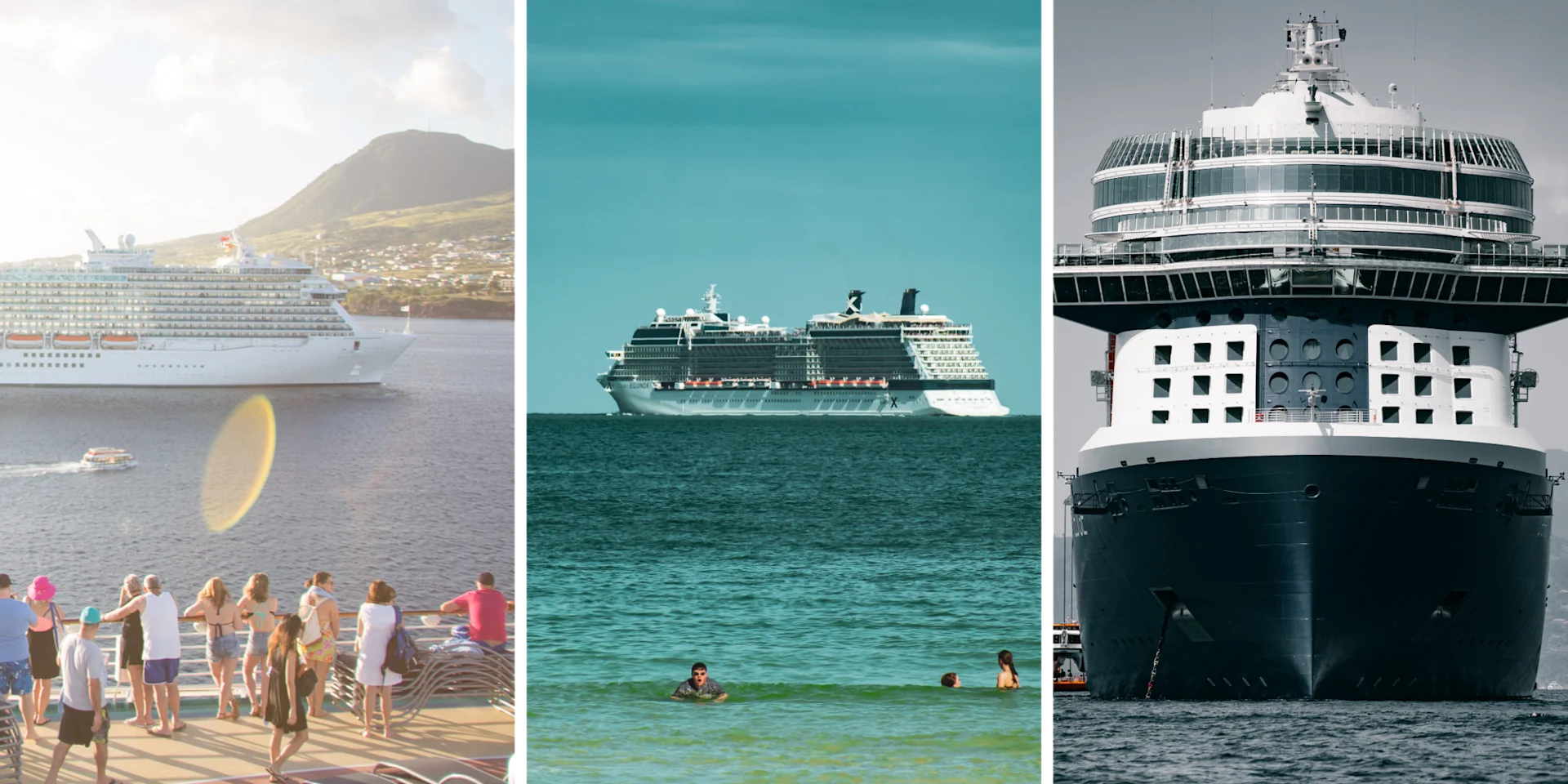
And then there are the environmental issues. The cruise industry’s carbon footprint is vastly disproportionate to its size. Although only a fraction of global travelers board cruises each year, the industry dumps billions of gallons of bilgewater, ballast water, greywater and more into fragile marine environments annually. In the past two years, a handful of the largest cruise operator companies have paid tens of millions in fines for criminal penalties for environmental violations. (One even pleaded guilty in 2016 to felony charges for dumping untreated oil waste straight into the ocean.)
That the pandemic will change the way we travel—forever, in some areas—I have no doubt; but my suspicion is that before too long, the cruise industry will bounce back and continue on the course it’s always been on. The scale of the industry’s PR machine will inevitably power back on.
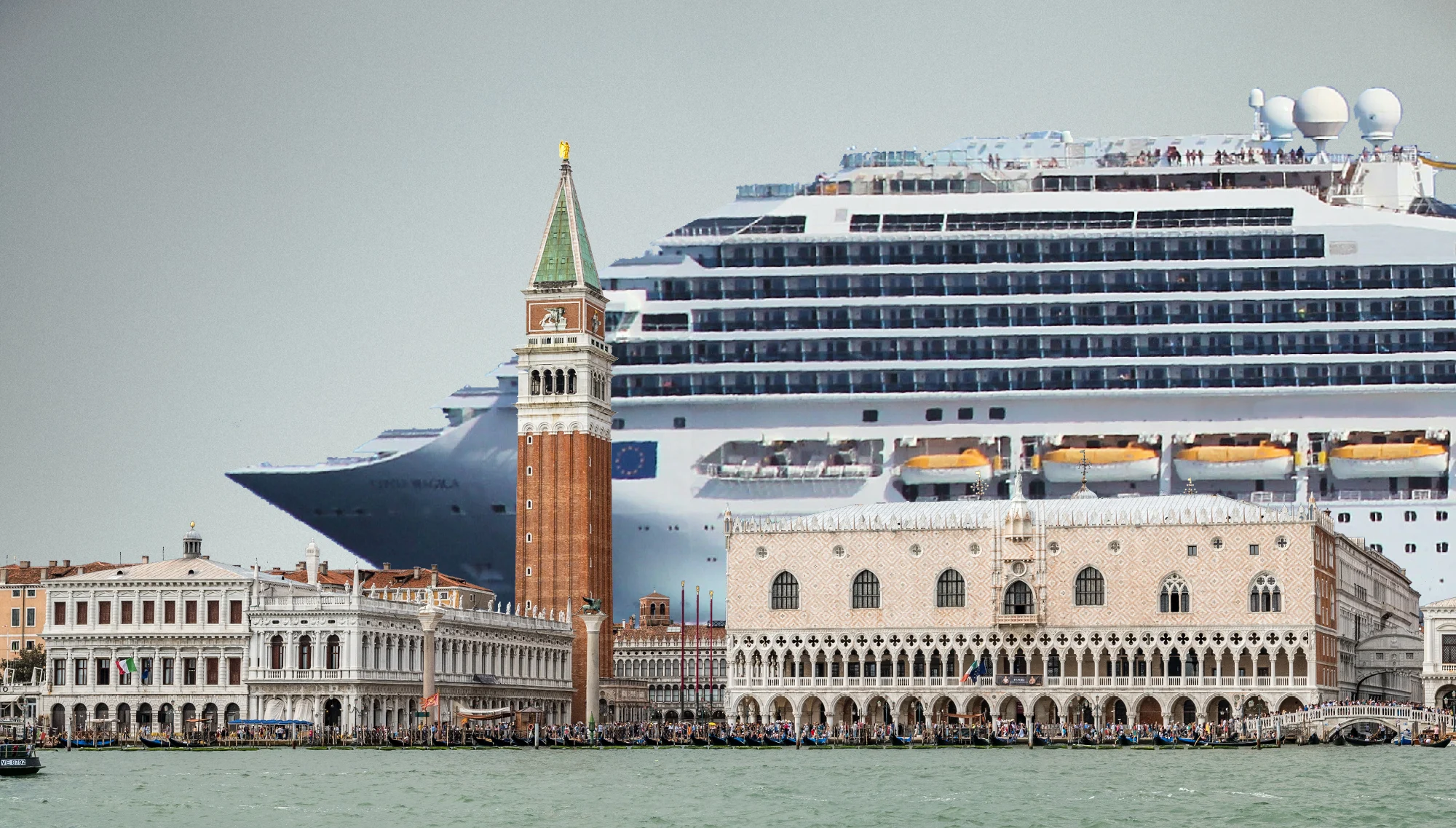
But it’s the effect that cruise ships have on local cultures that inspired me to really question them beyond my original instinctive, personal distaste. It’s been my experience that everywhere a big cruise ship calls into port, a culture is invariably weakened. The major cruise companies all purport to bring their guests to the local cultures of the places they visit; but the evidence seems to point to how the cruise industry actually denudes them. When cruise ships arrive quickly, authentic businesses and the characters of places begin to shift to catering to the thousands of day trippers (this apart from the reality that you can’t begin to understand a place from two or three onshore excursions lasting a few hours each).
Take Venice; sadly the apotheosis of this phenomenon. Witness the slow but inexorable way that countless osterias and trattorias there have gone from trading in uber-locality (fegato con cipolle—liver with onions) to the most entry-level overpriced permutations of Italian cuisine (pizza margherita), in response to the hundreds of thousands flooding its overtaxed streets who have time for a slice, not a sit-down.