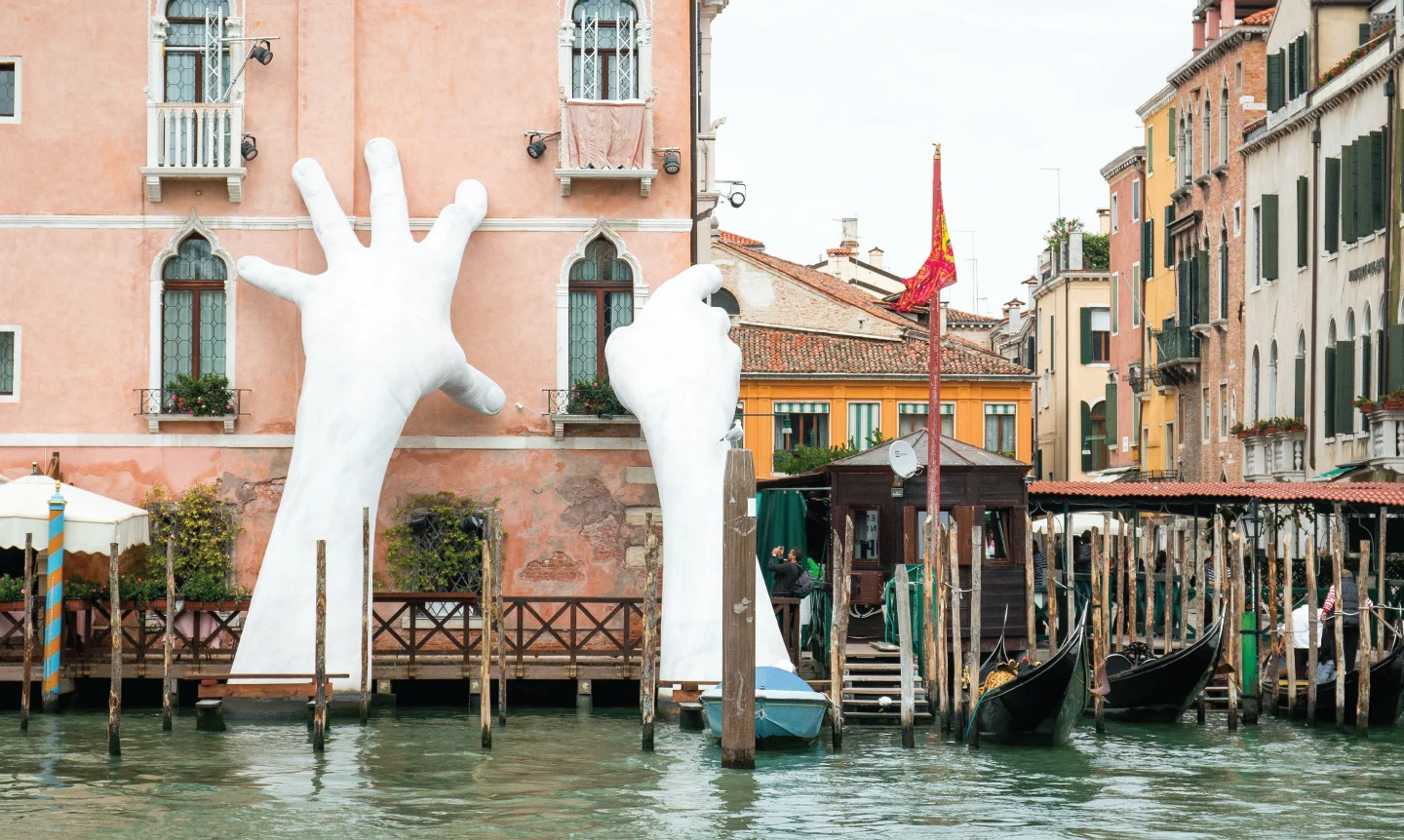
Throughout its roughly 1,600-year history, Venice has faced two possible fates: sink or swim.
To stay above water, the lagoon metropolis has depended on ambition and innovation, from its beginnings as an island refuge from Lombard invaders to its capitalist peak as a global mercantile superpower. Even when the spice trade dried, Venice refused to drown, spending centuries refining its palazzo architecture, aquatic engineering and glassmaking to become an epicenter of art and culture that now draws over 20 million visitors each year.
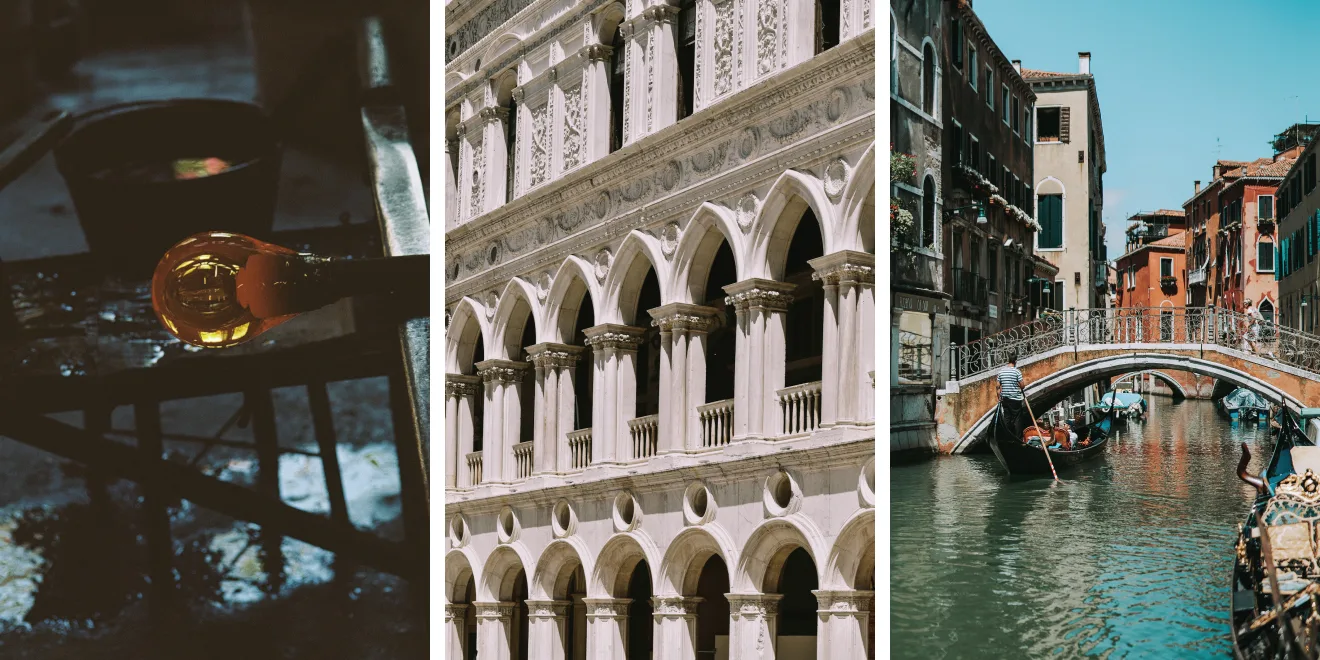
Venice continues to exist on the vanguard. In an age of overtourism, the city's authorities annoumnced a new “tourist tax,” the first ticketing system of its kind, requiring day travelers to pay a fee before stepping foot into the Serenissima. To combat discarded plastic bottles flooding the city's corridors, visitors are required to bring refillable bottles, which can be used at any of the 126 public drinking fountains found every 300 feet in the city center.
Venice's enterprising spirit can occasionally go too far. A recent video on social media of two tourists cruising down Venice’s Grand Canal on motorized surfboards prompted Venice’s mayor to promise a free dinner to anyone who identified the fugitive daredevils. The pair were eventually fined 1,500 euros each. Still, that pales in comparison to the billions officials have spent on Moses, a movable system of 78 barrier gates anchored into the seafloor that walls off the lagoon during flood surges from increasingly higher tides in the rocky northern Adriatic Sea.
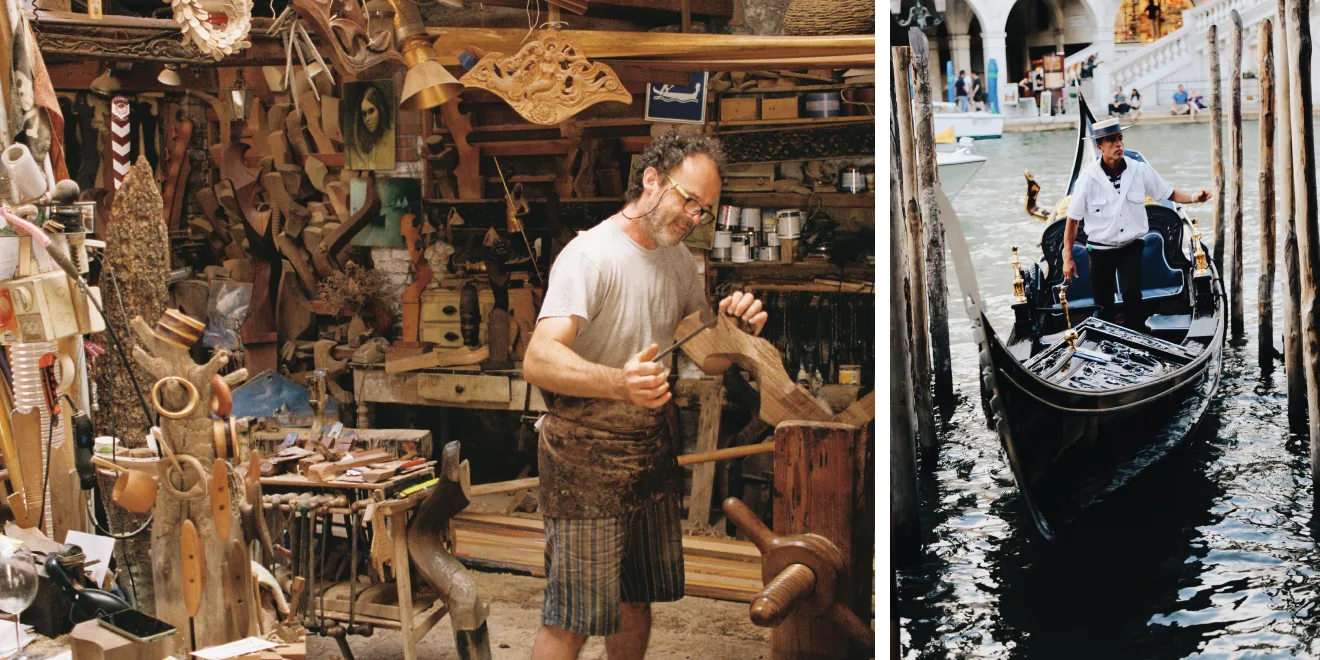
One of the city's best-known residents, the French industrial designer Philippe Starck, proposed a space-age remodel of the gondola with seaweed bio-resin oars and solar-powered gyroscopic stabilizers to help navigate colder winters. “I have a lot of admiration and respect for the gondola, one of the most complex boats in the world," Starck said. "Its design is completely asymmetric, but nevertheless its weight is perfectly balanced and can go straight even in the hardest conditions. It’s pure magic.”
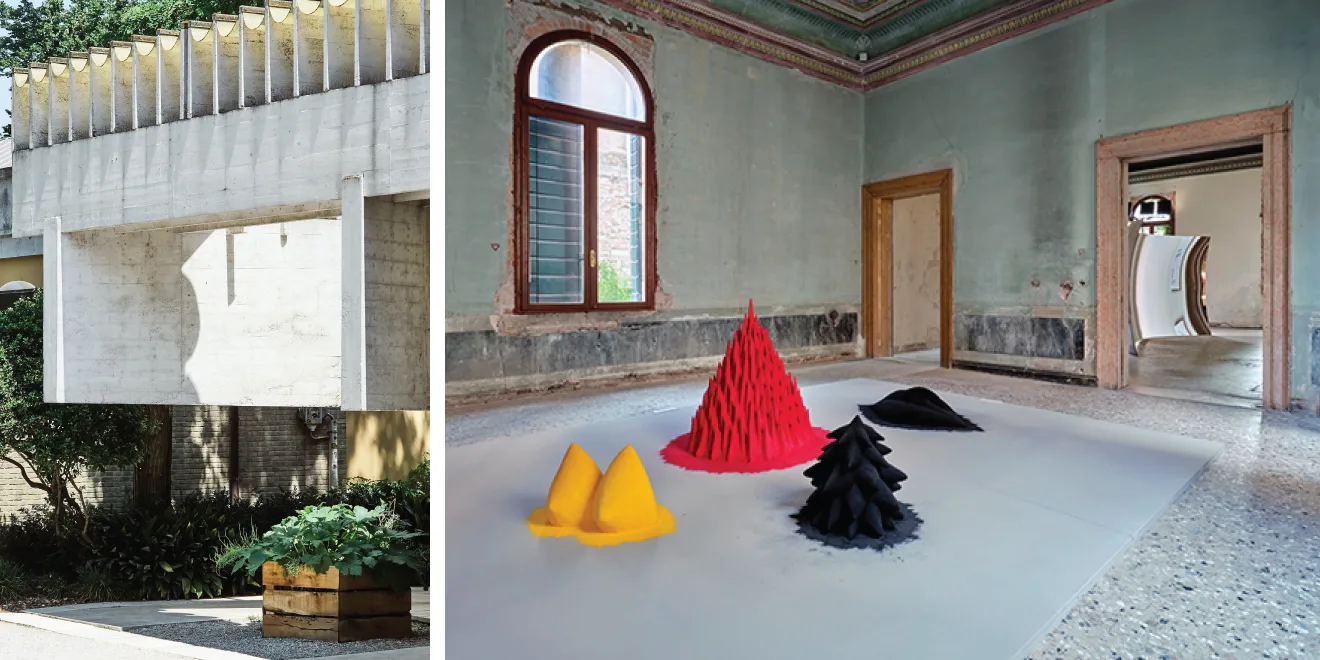
Perhaps there is magic in lagoon water. For more than 120 years, the Venice Biennale has drawn hordes of intellectuals and aesthetes to the national pavilions at the Giardini. This year, the British-Indian artist Anish Kapoor has transformed Palazzo Manfrin into a modernist sculpture hall called the Manfrin Project. “I hope I can add something to the vocabulary of color and shape that is Venice’s gift to the world," Kapoor said.