Backpacking through Southeast Asia is a rite of passage for many—and it was for many of us at PRIOR. It’s when we first found ourselves in a new place, about which we may have had few preconceived notions, and we had to navigate it on our own. Eventually, we forced ourselves to walk into a bar and have a conversation with a stranger in some combination of languages and hand gestures.
Alone in a foreign country: This is the portal to self-discovery. This is where you stumble upon unlooked-for surprises.
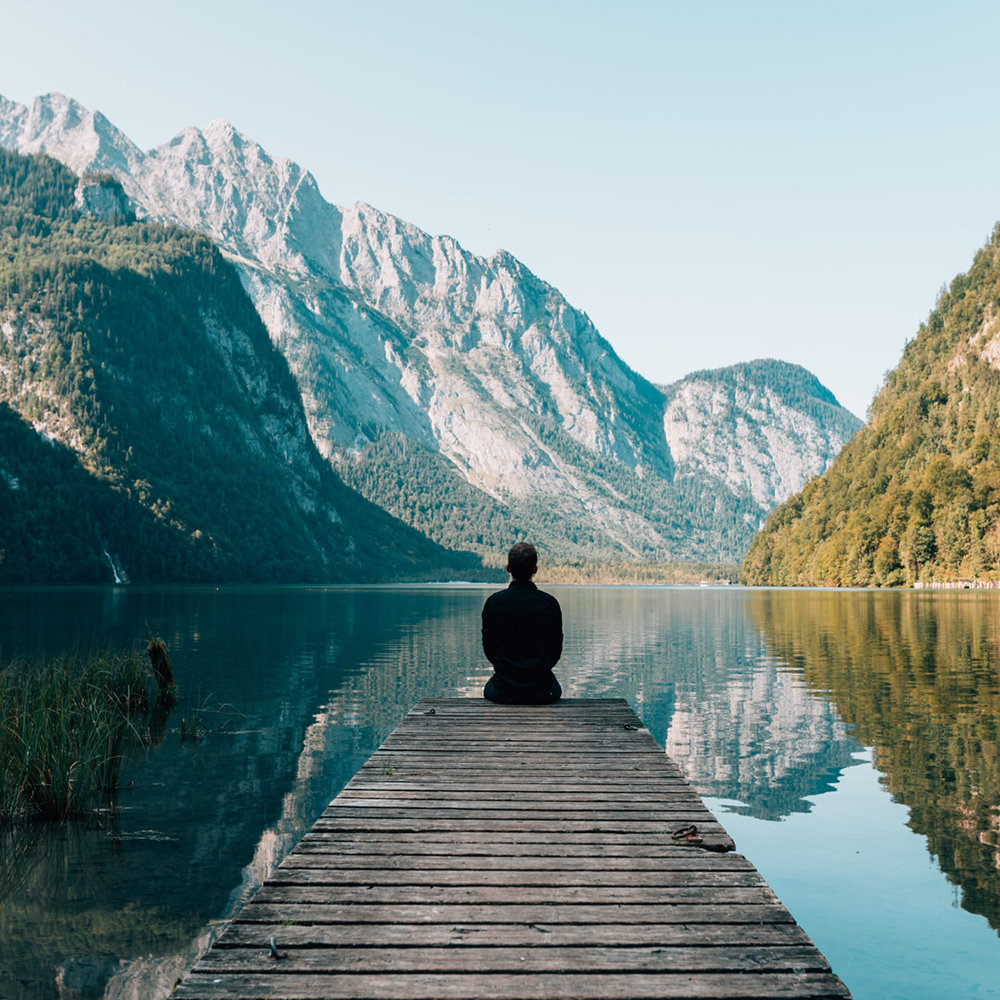
We’ve been trying to capture that electricity ever since our teenage years—although now we prefer boutique hotels to youth hostels—and we firmly believe that everyone should travel alone at least once in their lifetime. With that in mind, we’ve charted five trips best taken solo. Whether it’s for self-indulgence in Paris or finding serenity in Kyoto, we urge you to buy a ticket—for one.
Fez, Morocco
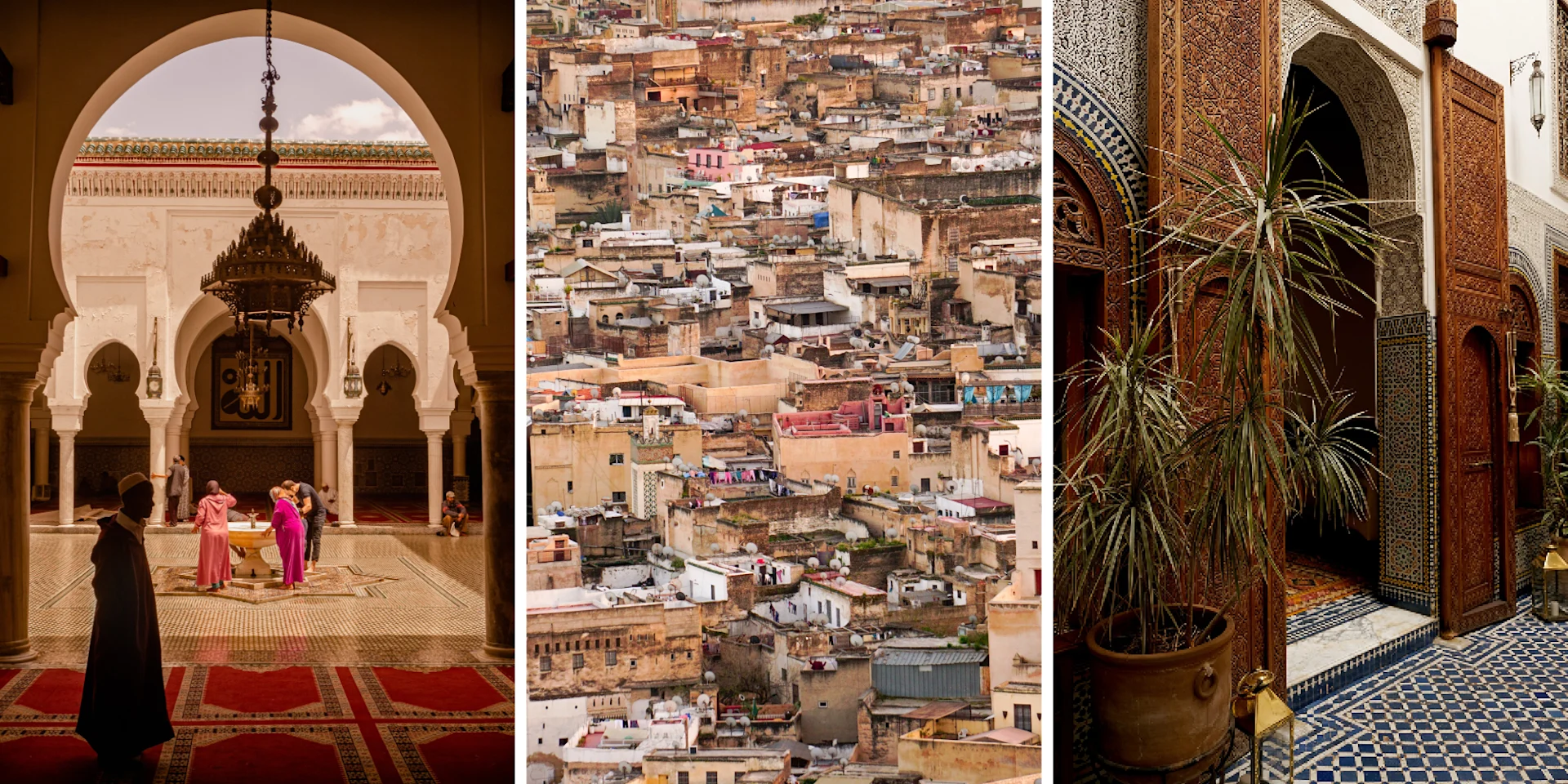
Marrakesh is overrun with tourists these days, and you can’t visit Damascus, so if you want to get lost in a souk—and we recommend getting lost in a souk—go to Fez, Morocco’s cultural and culinary capital. The city’s energy is intense, even confronting at times, and this is part of the reason we travel. Spend hours observing everything and everyone in its labyrinth-like medina, where you’ll see skulls of sheep stacked in an odoriferous tannery at one turn and a serene mosque at another. In the morning and evening, the call to prayer rolls down the valley, echoing one after another. As you walk down its winding alleyways, you’ll feel its ancient energy, as you walk past institutions like Al Quaraouiyine, the oldest continuously operating university in the world, founded in 859. There's clearly a rejection of European influences here, unlike Marrakesh, which makes it all the more special.
Stay: Riad Idrissy, at 25 euros a night, is inexpensive but effortlessly beautiful. Located in the back of a local restaurant, there’s no service here. The design of the rooms are subtler and aren’t trying as hard as the fancy ones in Marrakesh. They give you a key and leave you alone. There are five traditional rooms, and if you get the top one, you can hear the call to prayer most clearly.
Havelock Island, India
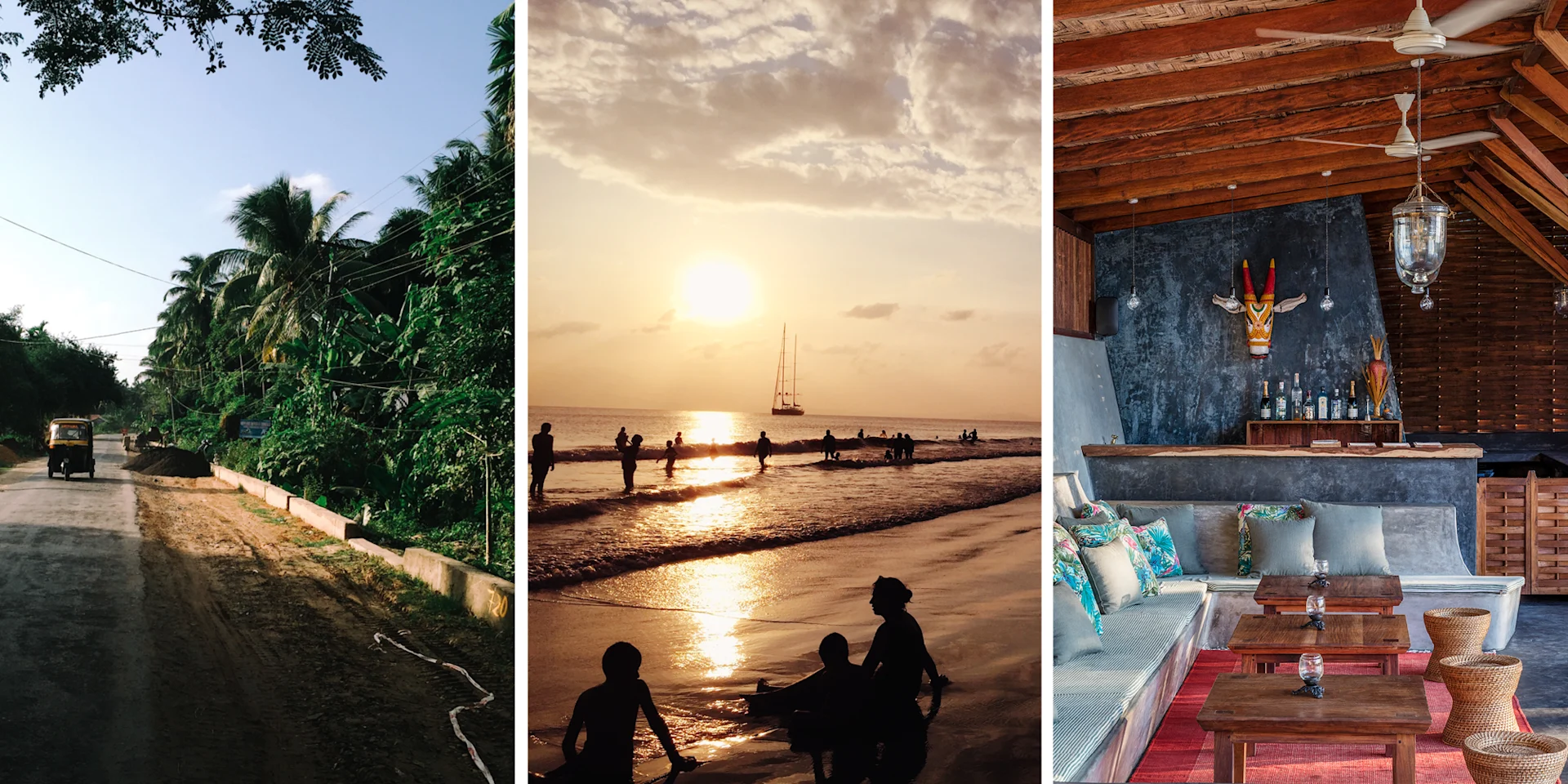
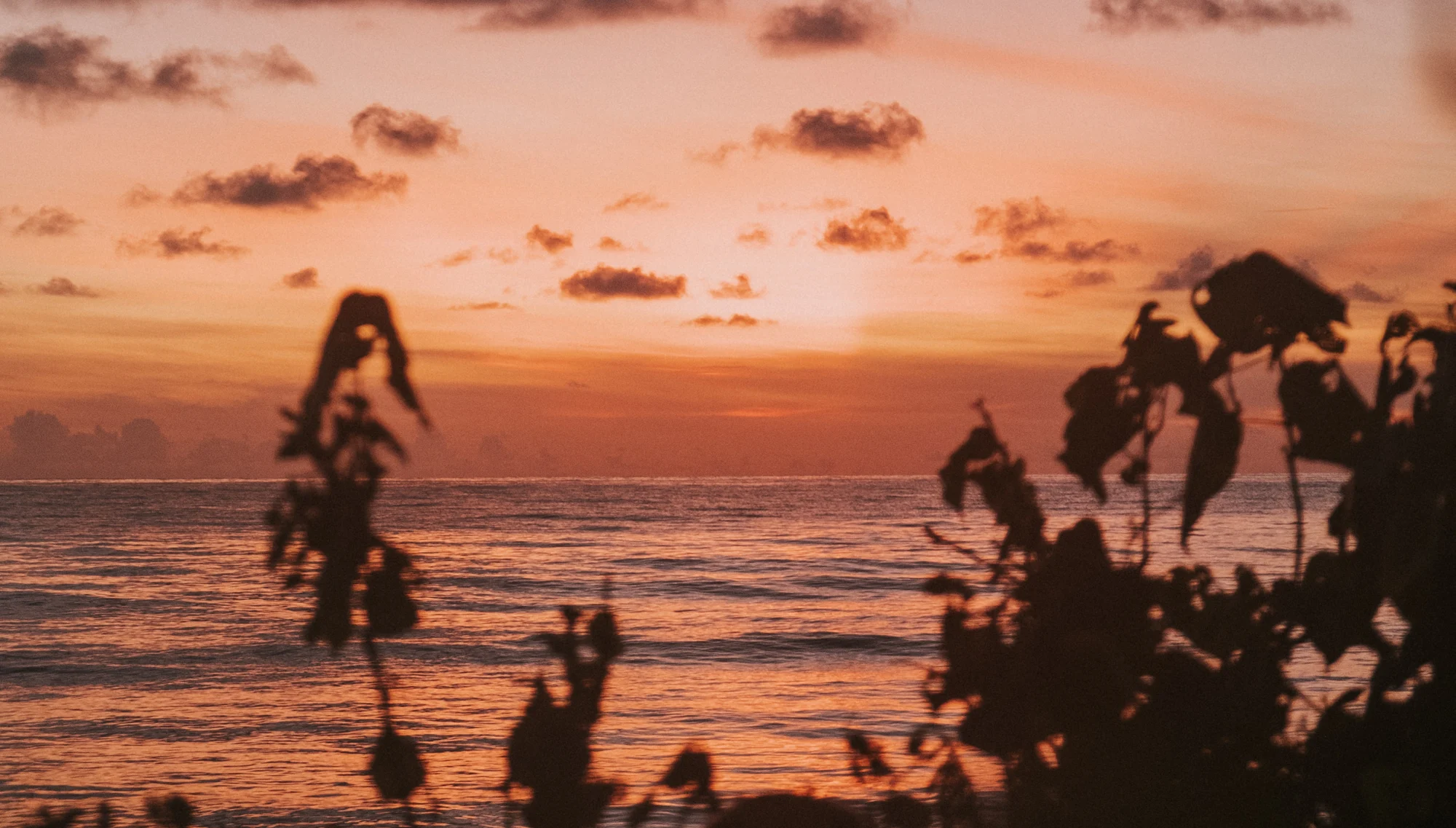
If you’re looking to escape civilization, then head to India’s Havelock Island, also known as Swaraj Dweep, in the Andaman Islands. A dramatic change in pace from much of India, the island is about as remote as you can get and it looks like paradise defined: turquoise waters, swaying palm trees, and milky-white sand. It’s one of the most difficult places to get to—fly to Calcutta, connect two and a half hours to Port Blair, then take a 90-minute ferry—but upon arrival, you feel as if you’ve reached the edge of the world. And you sort of have. Congratulations, you are now properly off the grid.
Stay: Jalakara, a rustic rainforest retreat with only six rooms and suites that overlook a seemingly endless canopy. No flatscreen TVs. No Internet.
Kyoto, Japan
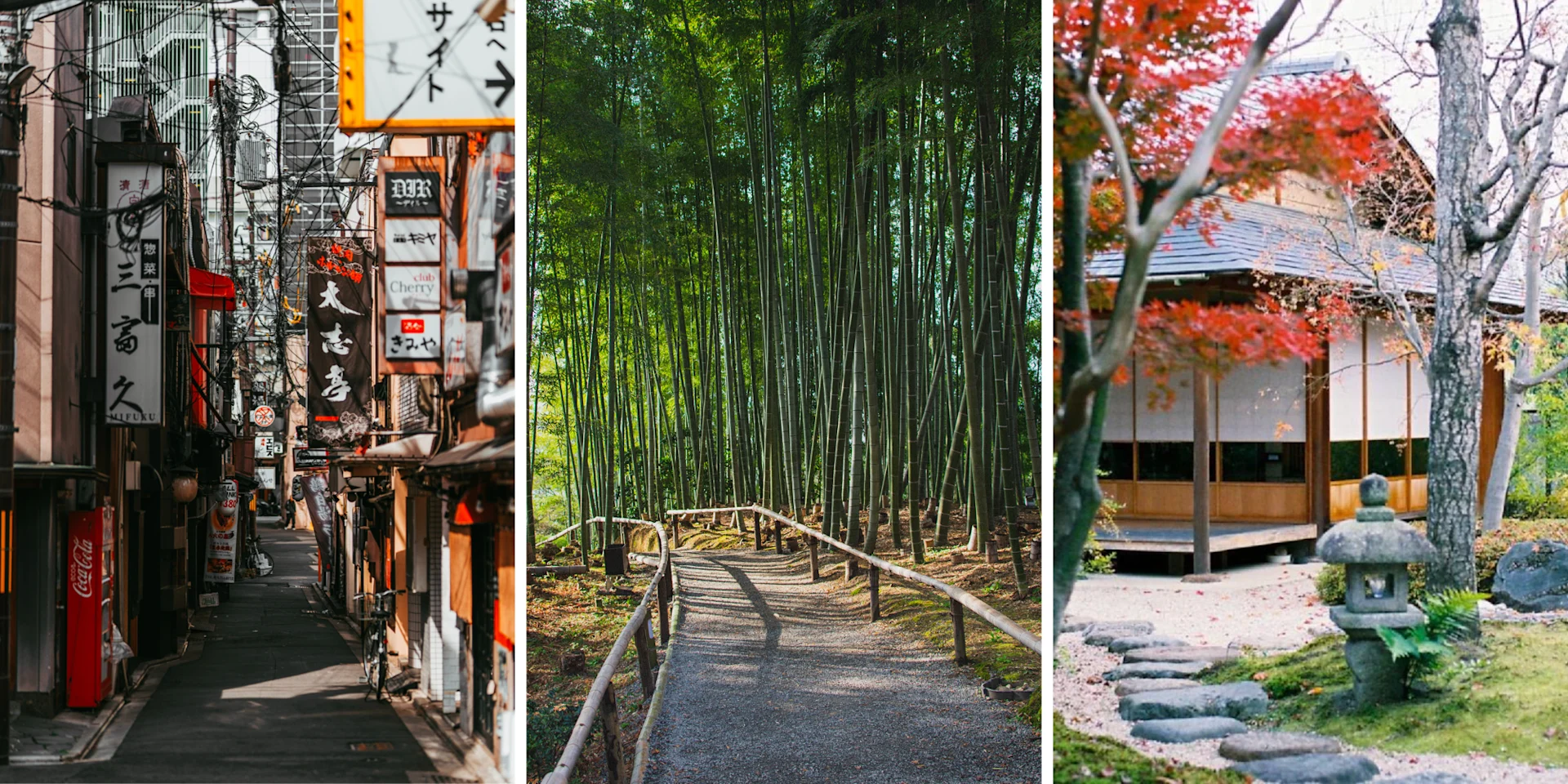
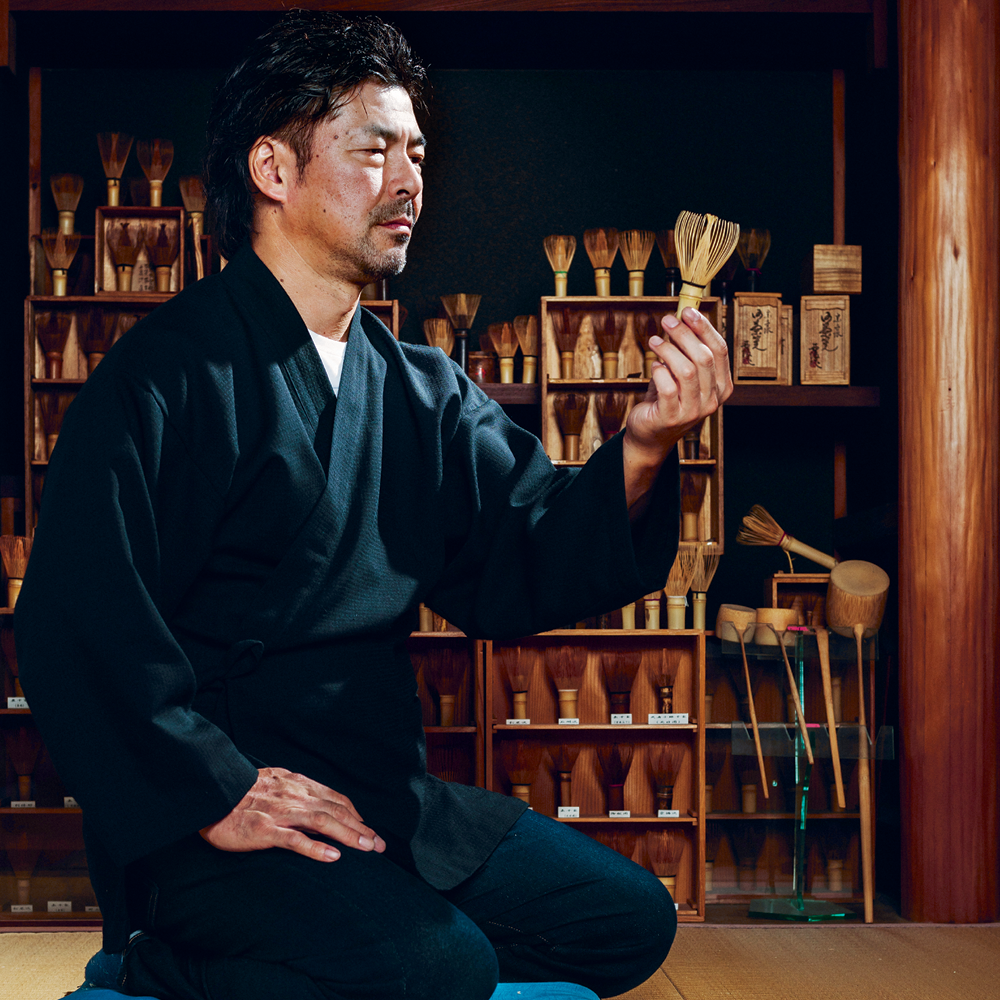
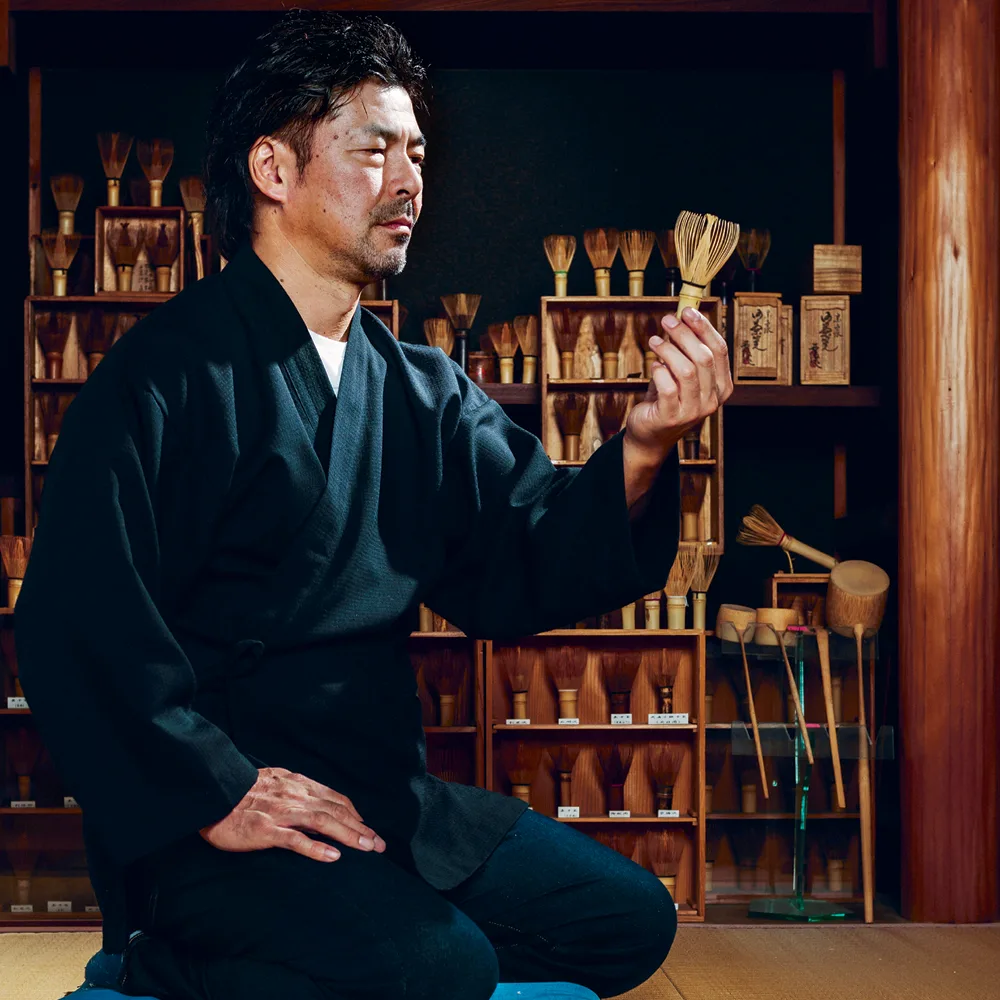
Of all places in Japan, Kyoto is where you go to spend many focused hours alone with a master of the Japanese tea ceremony. (It's home to the country's three main tea ceremony schools: Omotesenke, Urasenke, and Mushanokojisenke.) An extension of Zen Buddhism, each movement in cha-no-yu, “the way of tea,” has meaning and purpose, and it’s all about being fully present. Shinrin-yoku, or “forest bathing”—the Japanese practice of walking slowly through a green space, ideally by oneself and with no devices—is another way to practice this kind of mindfulness. In the city’s surrounding forests, where the trees are believed to give off organic antioxidant compounds that boost the immune system and reduce stress, you feel far away from any crowds. And design and craft lovers should also take note: Kyoto is home to over 1,500 Buddhist temples and Shinto shrines, hidden gardens, and shaded bamboo groves, yes, but you can also wander down the city’s leafy, machiya-lined alleyways into shops like Kyukyodo for traditional Japanese paper goods, or spend hours learning the art of silk weaving at textiles studios like Koho Nishiki.